
The best place to stay in Jingdezhen depends on which part of the city you want to return to at the end of the day. For a first visit, the most useful starting choices are the Taoyangli old-city area and the Taoxichuan cultural and creative district. Both can work for a short trip, but they suit different priorities.
Choose Taoyangli if your main interest is imperial porcelain history, the historic kiln district and old-city walks. Choose Taoxichuan if contemporary ceramics, creative spaces and evening browsing are central to your plans. A conventional city hotel outside either visitor district can also be a sensible choice when room comfort, family needs or straightforward vehicle access matters most.
Jingdezhen’s attractions are spread across several areas. No single hotel makes every museum, workshop, market and countryside excursion walkable. The aim is to make your most frequent journeys easy while accepting a few planned transfers elsewhere.
This guide compares the main accommodation areas, explains their practical trade-offs and helps you avoid choosing a hotel solely because it is close to the railway station.
The Main Accommodation Areas at a Glance
| Area | Best starting choice for | Main advantage | Main trade-off |
|---|---|---|---|
| Taoyangli and the surrounding old city | Imperial kiln history, heritage walks and a history-focused first visit | Easier access to the historic district and a natural base for old-city exploring | Some properties involve lane access, pedestrian approaches or visitor noise |
| Taoxichuan and its surrounding streets | Contemporary ceramics, creative browsing and evenings in the district | Convenient returns after galleries, shops or scheduled evening activities | It is a different area from Taoyangli; heritage visits still require planning |
| Other central-city commercial locations | Visitors balancing history, creative experiences and hotel practicality | Potentially convenient meals, road access and a broad choice of hotel styles | “Central” does not necessarily mean walkable to a main attraction |
| China Ceramics Museum and western-city locations | A museum-focused visit or a suitable full-service hotel | Can fit plans centred on the museum and selected western attractions | Less convenient if most evenings are spent around Taoyangli or Taoxichuan |
| Sanbao area | A slower ceramics stay, a confirmed studio programme or a retreat-style visit | A different setting and potential proximity to specific studios | More dependent on planned transport for a broad city itinerary |
| Jingdezhen North station area | A short transit stop or an exceptionally early departure | Easier station access when the property’s location is genuinely convenient | Station proximity may add unnecessary transfers during a sightseeing stay |
These are planning areas rather than precise hotel boundaries. Compare the actual property location with your itinerary before booking.
For most first-time visitors spending two or three nights, start by comparing hotels around Taoyangli and Taoxichuan. Broaden the search if a property elsewhere clearly meets your needs better.
Understand the Names Before You Book
Several similar-looking names can cause confusion in hotel searches.
| Name | Chinese | What it identifies |
|---|---|---|
| Taoyangli | 陶阳里 | The historic district associated with the imperial kiln site and surrounding old city |
| Taoxichuan | 陶溪川 | A cultural and creative district developed from ceramic industrial heritage |
| Taoyang New Village | 陶阳新村 | A separate place; it is not another name for Taoyangli |
| Jingdezhen Imperial Kiln Museum | 景德镇御窑博物馆 | The museum associated with the imperial kiln historic area |
| Jingdezhen China Ceramics Museum | 景德镇中国陶瓷博物馆 | A separate museum in another part of the city |
| Jingdezhen North Railway Station | 景德镇北站 | A railway station; check your issued train booking |
| Jingdezhen Railway Station | 景德镇站 | A different railway station |
Do not book a property described as “near the ceramic museum” until you know which museum it means. A hotel convenient for the China Ceramics Museum is not necessarily convenient for an evening in Taoyangli.
Likewise, Taoyangli and Taoxichuan are separate districts. A hotel name may mention both as marketing references, but the map pin and address establish where you will actually stay.
Taoyangli: Best for History and Old-City Walks
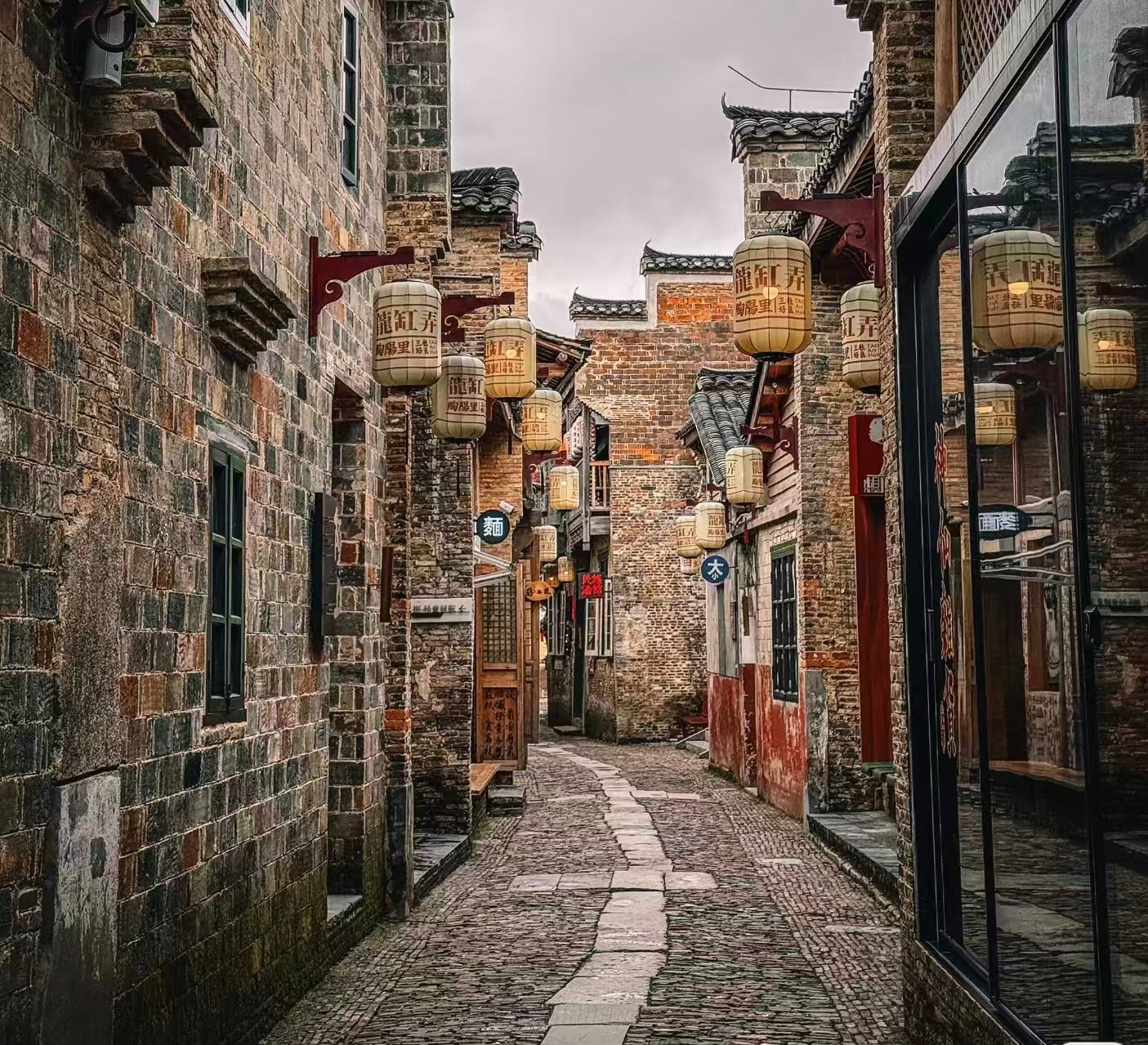
Taoyangli is the natural area to investigate if imperial porcelain history is the centre of your visit. The district includes the imperial kiln site, the Imperial Kiln Museum and historic lanes associated with the city’s ceramic past.
Staying nearby can make it easier to explore at a relaxed pace rather than treating the historic area as one tightly scheduled stop. You may also appreciate being able to return to the hotel between activities or continue a walk after dinner, subject to the access arrangements of the places you want to visit.
Who should consider this area?
Taoyangli is a strong starting choice for:
- First-time visitors most interested in the city’s ceramic history.
- Travellers who want old-city walks alongside museum visits.
- Guests who prefer an atmospheric heritage setting to a large modern hotel district.
- Visitors who expect to spend more than one session exploring the historic area.
For a short trip, it works particularly well when you want one main history day and a separate visit to Taoxichuan or a workshop elsewhere.
Staying inside the district or just outside it
A property within the historic area can feel closely connected to the surroundings, but the setting brings practical questions. Vehicles may not reach the door, access routes can differ from the map’s shortest line, and the building layout may involve stairs or a longer luggage walk.
Ask whether the hotel is actually inside a managed visitor area and how guests enter. Confirm any guest-access arrangements, ticket inclusions or re-entry conditions directly with the property. Do not assume a room booking includes every nearby museum or attraction.
A hotel just outside the district may offer an easier balance: a manageable walk to the historic area and a simpler taxi drop-off. Check the route to the entrance you expect to use, rather than only measuring distance to the centre of the scenic area.
What to check about noise
Historic atmosphere does not guarantee a quiet room. A property facing a busy lane, dining area or evening venue may be less peaceful than one set back from visitor traffic.
Read recent room-specific comments and ask for a suitable room position. A rear-facing room can be worth considering, although the actual building and surroundings determine how quiet it will be.
The main trade-off
Taoyangli is a good heritage base, but it does not place you inside Taoxichuan or next to every contemporary studio. Plan transfers for those parts of your trip.
Choose it because the old city is where you want to spend time, not because a listing claims it is close to every attraction.
Taoxichuan: Best for Creative Experiences and Evening Browsing
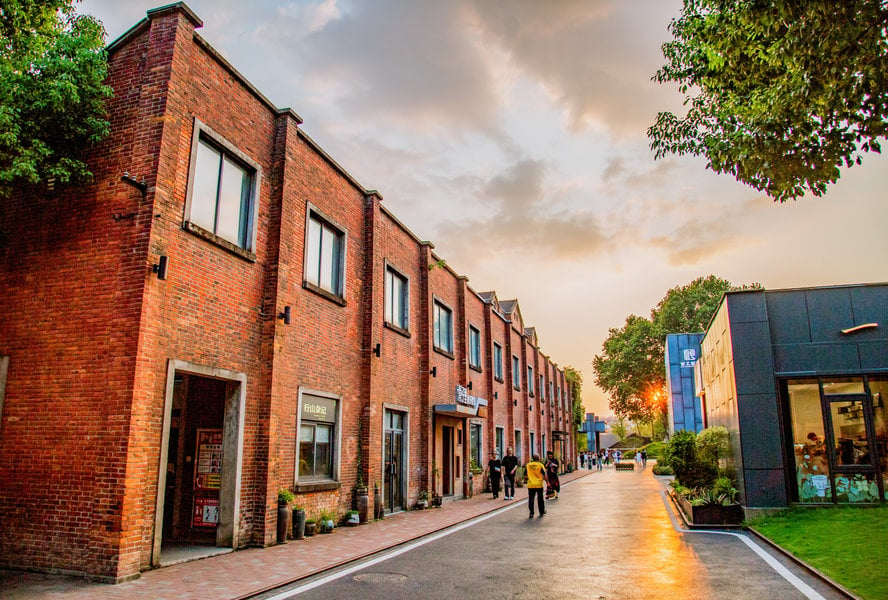
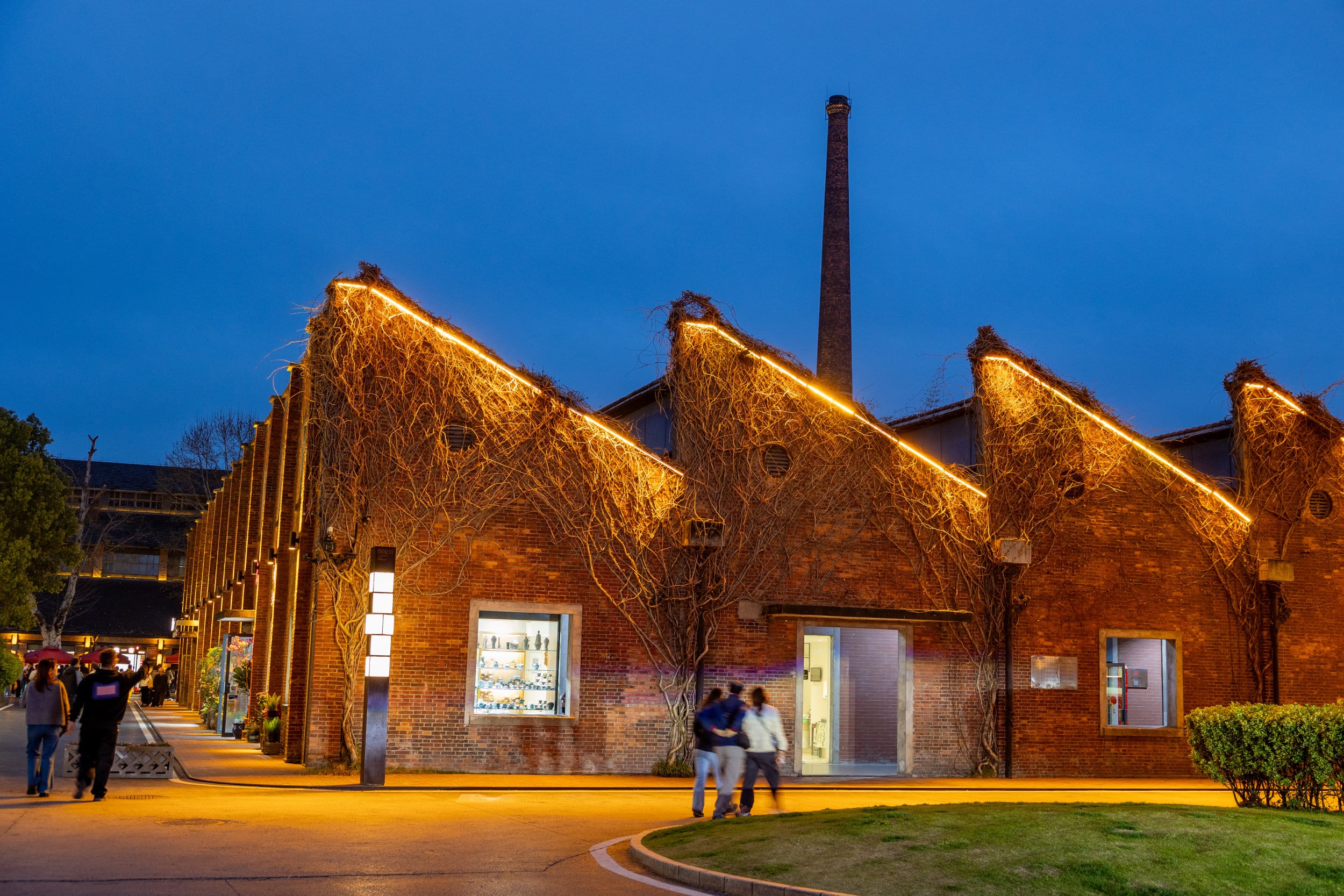
Taoxichuan combines ceramic industrial heritage with contemporary cultural and creative uses. Its restored factory setting, exhibitions, shops and creative activity offer a different perspective from the imperial kiln district.
It is a useful accommodation base if you expect to spend time browsing ceramics, visiting creative spaces or returning to the district in the evening.
Who should consider this area?
Start here if your priorities include:
- Contemporary ceramics and design.
- A relaxed evening near creative shops and places to eat.
- A workshop or programme confirmed in or near this district.
- A hotel style that suits your comfort needs while keeping the creative area accessible.
For travellers who want an evening out without another cross-city return afterwards, proximity can be especially valuable.
Check the specific part of Taoxichuan
Taoxichuan is not one small courtyard with every hotel at the same entrance. A property may be within a development phase, on a neighbouring road or farther away while still using Taoxichuan in its name.
Check the walking route from reception to the shops, exhibition or activity you want to visit. Wide roads, the usable entrance and the route through the development can matter more than a straight-line distance.
For example, Taoxichuan Hotel, part of Hyatt’s Unbound Collection, identifies its location in Phase II of the district. That is a reminder to examine the precise property location rather than treating all Taoxichuan addresses as equivalent. It is an example of location checking, not a universal hotel recommendation.
Evening activity is date-dependent
Do not choose a stay around an assumed nightly market schedule. Market sessions, exhibitions, performances and workshop availability can depend on the date and organiser.
Confirm the programme that matters to you before committing to a non-refundable room. Even when a district is pleasant for an evening walk, that does not guarantee that every shop or venue will be open late.
What to check about the room
A hotel close to activity can also be exposed to visitor movement or event noise. Ask whether the room faces a square, busy road, loading area or quieter side of the property.
If you value a restful night more than a lively view, choose the room category and position accordingly. Proximity to evening activity does not require sleeping directly above it.
The main trade-off
Historical sightseeing in Taoyangli and visits to other museums still require separate journeys. Taoxichuan is strongest as a creative and evening base, rather than a location that eliminates all transport.
Other Central-City Locations: Best for a Practical Hotel Base
You do not have to stay within either main visitor district. A well-chosen conventional hotel elsewhere in the city can offer a more suitable room, easier vehicle access or better value for your dates.
This can be a sensible approach when you expect to use taxis between attractions anyway and want accommodation selected primarily for comfort.
What makes a location practically central?
“City centre” is too broad to decide a booking. Look for a property with:
- A clear entrance that vehicles can reach.
- Useful dining options within a manageable walk.
- Straightforward routes to your principal daytime visits.
- A workable return after your planned evening.
- The room and service arrangements your group needs.
Commercial locations around the established city centre can be worth comparing, including listings using People’s Square or central Zhushan-road references. Verify the actual address: a familiar label or a long avenue does not define one small walkable neighbourhood.
Who benefits most?
This approach often suits families, travellers with several bags and visitors who prefer a dependable room setup over a scenic setting.
It can also work for a mixed itinerary with museums, workshops and a day trip, because your activities already require transport in several directions.
The main trade-off
You may not be able to step directly into a heritage lane or creative district. Include those return journeys in the plan instead of assuming that a central address makes every evening walkable.
If you are choosing between an atmospheric room with awkward access and a comfortable hotel with easy pickups, the second can be the better option for your particular trip.
China Ceramics Museum and Western-City Locations
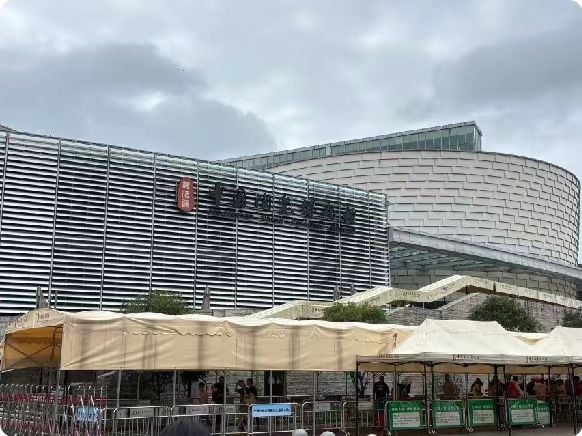
The Jingdezhen China Ceramics Museum is a separate destination from the Imperial Kiln Museum. Hotels around its part of the city can be worth considering if the museum is a major interest or a suitable property meets your family’s needs.
This is a location-led choice for a particular itinerary, rather than the default answer for every first visit.
When this area can make sense
Consider it if you have a museum-focused programme, plan selected visits on this side of the city, or have found a hotel whose facilities offer a clear benefit.
If you are also visiting the Ancient Kiln Folk Customs Museum area, compare the actual routes to both places. Being on the same general side of the city does not make them one walkable attraction cluster.
When it may be less convenient
If both evenings are centred on Taoyangli or Taoxichuan, repeated return trips may outweigh the benefit of being near the museum for one visit.
Before booking, compare the hotel’s nearby meal choices and the late-evening return route. A property can be excellent while its location is less suitable for your planned stay.
Sanbao: Best for a Slower Stay or a Specific Studio Programme
Sanbao offers a different setting for visitors interested in ceramics, studios and a less conventional city stay. It can be appealing when you have time to slow down or have booked a programme at a particular workshop.
It is not automatically the most convenient base for a short itinerary covering the main city museums and both Taoyangli and Taoxichuan.
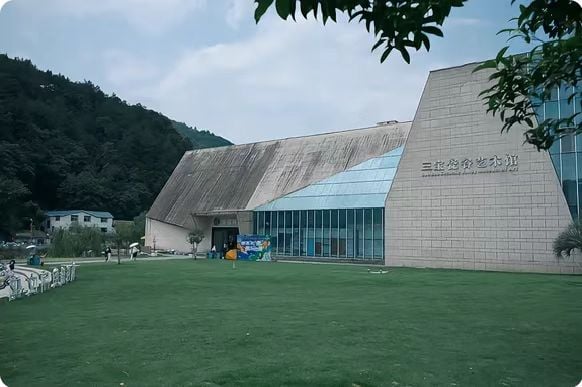
Book around the actual studio
If a workshop is the reason for choosing Sanbao, confirm its address first. “Sanbao” covers more than one stop, and a guesthouse in the general area may still require transport to your class.
Ask the studio and accommodation provider about the most practical connection, especially if you have an early session or expect to finish after dark.
Do not assume it will always be quiet
A setting associated with a slower pace can still be busy during popular periods. Noise, construction and visitor traffic vary by property and date.
Check recent feedback and ask about the immediate surroundings. A rural-looking photograph cannot establish the sound level or road access of a room.
Plan vehicle access and meals
Confirm where a taxi can collect you, whether access changes during busy periods, and what meal options are available near the property.
Temporary visitor-transport arrangements have been used in busy parts of Jingdezhen, including Sanbao. Check current conditions for your dates rather than relying on an old traffic notice or assuming direct door-to-door access.
Should you split a stay between the city and Sanbao?
For a longer visit with several studio days, a split stay may be worthwhile. For only two nights, the packing and transfer usually make one well-chosen base more practical unless the accommodation itself is a main part of the experience.
Why Station Distance Should Not Decide Your Hotel
A railway-station hotel can make sense for a transit night or an unusually early departure. It is a weaker default for a sightseeing trip simply because arriving there feels convenient.
Think about how often you will make each journey. You may travel between the station and hotel twice, but make several trips between the hotel, attractions, meals and evening activities.
Saving time once on arrival can result in extra transfers throughout the stay.
Confirm which station you use
Jingdezhen North (景德镇北站) and Jingdezhen Railway Station (景德镇站) are different places. Read your issued train ticket before comparing hotel distances or booking a transfer.
Do not assume that a listing saying “near the railway station” means the station your train uses. A journey label such as “Shanghai to Jingdezhen” does not settle the precise arrival station.
When a station-area hotel is reasonable
It can be useful when:
- You arrive late and leave again early.
- You have a very short stop with little sightseeing.
- An early departure genuinely makes a central transfer impractical.
- A specific property has a confirmed pickup arrangement that suits the itinerary.
If your arrival is late but you are staying several nights, a planned transfer to a suitable sightseeing base may be better than moving hotels the next morning.
Consider the whole trip
Compare station access, daytime journeys and evening returns together. The same principle applies to airport-area hotels: proximity to the airport is useful only if it helps the actual travel plan.
Choose by Your Travel Style
History-focused first visit
Begin with Taoyangli or a convenient hotel just outside the historic area. Prioritise the actual walk to the district, a restful room and a clear vehicle pickup point for visits elsewhere.
If historic-building atmosphere matters to you, confirm the room layout, stairs and luggage approach before booking.
Creative ceramics and evening activity
Begin with Taoxichuan. Check your intended exhibitions, market dates and workshop locations, then choose a property that gives you a useful return route.
If your workshop is actually in Sanbao or another part of the city, include that journey rather than assuming that a Taoxichuan base puts every studio nearby.
Families
Compare Taoyangli, Taoxichuan and practical city hotels using the same room checklist. The right area cannot compensate for unsuitable beds, difficult stairs or an inconvenient entrance.
A hotel near your main evening can make early returns easier, while a property with reliable vehicle access can simplify daytime trips. Decide which matters more to your family.
Older travellers and guests who prefer fewer walks
Give extra weight to lifts, step-free access where needed, seating, clear pickups and manageable routes from the room to the street.
Check the actual access with the property. A hotel described as centrally located may still require walking through a pedestrian area with luggage.
Ceramics enthusiasts staying several days
Choose around your confirmed programme rather than the general tourist highlights. The address of a recurring workshop, research appointment or studio visit may be the most useful anchor.
For a longer stay, laundry, storage space and the ability to rest between sessions can matter as much as the neighbourhood.
Family Rooms, Guesthouses and Hotel Facilities
Do not rely on a room label without reading its details. “Family room,” “suite” and “twin room” describe different arrangements across properties.
| Requirement | What to confirm |
|---|---|
| Beds for the whole group | Number, size and type of beds; whether an extra bed is available |
| Children staying in the room | Occupancy policy, any additional charges and breakfast inclusion |
| Lift access | Whether it reaches the booked room floor and whether there are other steps |
| Stroller or mobility access | Entrance steps, corridors and the route to vehicle pickup |
| Quiet sleep | Room orientation and proximity to roads, visitor areas or events |
| Breakfast | Availability, service time, included guests and useful alternatives nearby |
| Late arrival | Reception availability and the check-in process |
| Luggage storage | Whether storage is offered before check-in and after checkout |
| Laundry | Actual guest laundry or washing service, with any costs and timing |
| Vehicle transfer | Pickup location, booking conditions and luggage capacity |
A guesthouse can offer an attractive atmosphere and personal communication, while a larger hotel may suit travellers who need a particular room configuration or service arrangement. Assess the specific property rather than assuming either category is always better.
Ask whether the room includes a private bathroom and whether photographs show the category you are booking. Attractive common areas are not a substitute for a suitable bedroom.
Booking as an Overseas Visitor
Choose a booking channel that clearly shows the property, room conditions and support arrangements. Save the hotel’s Chinese name, full address, telephone number and map pin.
For an independent guesthouse, confirm in advance that staff can complete check-in using your passport and that you understand any arrival instructions. If a listing or host gives unclear information, resolve it before making a non-refundable payment.
Do not assume English-speaking staff, international-card acceptance or a free station pickup unless those services are explicitly confirmed.
If communication is important, ask how the property handles English enquiries or translation. A responsive written exchange before travel can be useful evidence of how clearly the practical details can be arranged.
Check cancellation conditions if your transport or workshop plans are not settled. A slightly more flexible booking can be worthwhile when the main reason for choosing an area depends on an unconfirmed activity.
How to Check a Hotel's Real Location
Use a short, consistent process for every shortlisted property.
1. Identify the exact property
Compare the Chinese name, address and branch. Similar names and district keywords can produce confusing results.
2. Plot the places you will visit repeatedly
Add your main museum, creative district, confirmed workshop and evening destination. Include the arrival and departure station, but do not give it automatic priority over the rest of the itinerary.
3. Check the actual routes
Look at walking and driving routes, not only straight-line distances. A hotel near a landmark’s boundary may be farther from its usable visitor entrance.
4. Confirm vehicle access
Ask whether the driver can stop at reception. If not, obtain the nearest drop-off point and an explanation of the remaining walk, including luggage assistance if offered.
5. Read recent room and access comments
Look for useful detail about sound, stairs, reception, cleanliness and the booking category. A high overall score may not answer your particular concern.
6. Ask the question that could change the decision
For a family, this might be bed size. For a late arrival, it might be reception access. For a heritage stay, it might be the luggage walk. For an evening-focused trip, it might be the return route.
Do not assume the most important detail from the property’s marketing description.
Hotel Location and Everyday Transport
Expect to combine walking within an area with vehicle journeys between different parts of Jingdezhen. A hotel can make one district easy without removing the need for transfers elsewhere.
Tourist bus services and other public connections may provide useful options. Check the current route, stop and operating time for your dates, especially if you plan to return after an evening activity.
For a short visit, a taxi or ride-hailing journey can simplify a transfer when the hotel and destination both have clear pickup points. Busy periods can still affect waiting and access.
Do not choose a room based on a fixed driving estimate quoted in a listing. Traffic, temporary controls and the actual entrance can change the experience.
If you are travelling with several suitcases or buying ceramics, confirm that a booked vehicle can carry your passengers and bags. Keep fragile purchases packed appropriately and allow time for collecting them before departure.
One Base or Two Hotels?
For a two- or three-night city stay, one base is usually the simplest option. Taoyangli and Taoxichuan offer different experiences, but visiting both does not automatically require sleeping in both.
Moving hotels adds checkout, luggage transport and another check-in. It can consume time that would otherwise go to a museum, a workshop or an unhurried meal.
Consider a split stay when the second location changes the nature of the trip, such as several days of studio work in Sanbao after a city introduction. Make that an intentional part of the itinerary.
If you are simply undecided between the two main districts, choose the one closest to your preferred evening and visit the other during the day.
Sample Choices for Common Itineraries
| Your itinerary | Accommodation choice to investigate first | Why |
|---|---|---|
| Two nights, mainly imperial kiln history with one creative visit | Taoyangli or its accessible surrounding streets | Your main interest remains close to the hotel |
| Two nights, contemporary ceramics and a planned Taoxichuan evening | Taoxichuan | Easier return after the evening programme |
| Three nights with museums, a workshop and a mixed sightseeing route | Either main district or a practical city hotel | Room suitability and the whole route become more important than one attraction |
| Family prioritising sleep and comfortable pickups | A suitable full-service property in a well-connected location | Bed setup, quiet rooms and vehicle access can outweigh scenic frontage |
| Several confirmed studio days in Sanbao | Accommodation near the actual studio, or a planned split stay | Reduces repeated journeys to the main activity |
| Late arrival and early onward train with little sightseeing | A genuinely convenient station-area property | Transit is the main purpose of the night |
These are starting recommendations. The final choice should depend on the property, available room, dates and actual activity bookings.
Common Booking Mistakes
- Choosing the nearest hotel to Jingdezhen North for a multi-day sightseeing stay without comparing daily journeys.
- Confusing Jingdezhen North with Jingdezhen Railway Station.
- Treating Taoyangli and Taoxichuan as one walkable accommodation district.
- Assuming Taoyang New Village is another name for Taoyangli.
- Booking “near the museum” without identifying which museum.
- Trusting an attraction keyword in a hotel name more than its actual location.
- Measuring distance to an attraction’s map centre rather than its usable entrance.
- Assuming a historic property has lift access or direct vehicle drop-off.
- Booking around a market programme without checking the travel dates.
- Moving hotels during a short stay when one base would work comfortably.
Frequently Asked Questions
What is the best area for a first stay in Jingdezhen?
Taoyangli and Taoxichuan are the most useful starting choices for many first visits. Choose Taoyangli for a history-led itinerary and Taoxichuan for contemporary creative activity and evenings there.
Should I stay in Taoyangli or Taoxichuan?
Think about your main interest and where you want to finish the day. You can visit both from one base; staying in one does not mean missing the other.
Are Taoyangli and Taoxichuan the same area?
No. They are separate districts with different identities. Check hotel addresses carefully when a listing mentions both.
Is Taoyang New Village part of Taoyangli?
Do not treat the names as interchangeable. Save the Chinese names and verify the map location of the place you actually intend to visit.
Is a hotel inside Taoyangli better than one outside?
An inside stay can provide atmosphere, while an outside property may offer easier vehicle access. Compare room comfort, access, noise and guest-entry arrangements.
Where should families stay?
Start with a suitable room and practical access, then compare the location with your main activities. A quiet, comfortable hotel with easy pickups may be better than the closest property to a landmark.
Is Taoxichuan good for evening visits?
It can be a useful evening base, particularly when your chosen activity is there. Confirm market dates, venue hours and the actual walking route from the hotel.

Should I stay near Jingdezhen North Railway Station?
It can make sense for a transit night or a very early departure. For sightseeing over several days, compare the extra journeys to attractions and evening areas before deciding.
Is the China Ceramics Museum near the Imperial Kiln Museum?
They are separate destinations in different parts of the city. Identify the museum by its full name when choosing accommodation or booking transport.
Is Sanbao a good base for a first visit?
It can work for a slower stay or a confirmed studio programme. For a short visit covering the main city sights, it requires more deliberate transport planning.
Do I need to change hotels to visit different parts of Jingdezhen?
Usually not for a short city stay. One well-chosen base is often simpler, with planned transfers to other areas.
What should I confirm before booking a guesthouse?
Check the exact room, stairs or lift, vehicle access, late check-in, passport check-in arrangements and communication. Confirm any advertised pickup or other service in writing.
Choose a Base That Supports Your Jingdezhen Trip
The right hotel location should make the trip easier, not simply shorten the first taxi ride from the station.
Choose the area around your interests, then confirm the property’s room, access and service arrangements. For many visitors, that means Taoyangli for heritage or Taoxichuan for creative activity; for others, a practical city hotel or a studio-focused stay is the better fit.
Discover East China Tours can help you plan Jingdezhen with museums, creative districts and local experiences arranged around a suitable accommodation base. Share your travel dates, group size, interests and room requirements when enquiring.