
Compare Liangzhu Museum and the archaeological park, choose a realistic half-day or full-day route, and plan transfers, entry and family visits.
Liangzhu offers a journey into a much earlier chapter of the Hangzhou region than West Lake’s gardens or the city’s historic streets. Its archaeology reveals a sophisticated society that grew around rice cultivation, water management, ceremonial jade and the organisation of a large settlement more than 5,000 years ago.
A rewarding visit begins with one essential distinction: Liangzhu Museum and Liangzhu Ancient City Archaeological Site Park are separate places. The museum explains the culture through objects and displays. The archaeological park helps you understand the scale and layout of the ancient city through a protected landscape. Visiting one does not mean you have visited the other.
For most first-time visitors with a full day, we suggest the museum first, followed by lunch and a selected archaeological park route. With only half a day, choose one. Museum enthusiasts, families with younger children and visitors avoiding difficult weather may prefer the museum. Those especially interested in archaeology and the landscape may choose the park, ideally with some background reading or interpretation.
This guide explains what to expect at each place, how to connect them and how to keep the day manageable. Suggested durations are planning estimates, not operating timetables.
Liangzhu Museum vs the Archaeological Park: The Essential Difference
| Planning question | Liangzhu Museum | Liangzhu Ancient City Archaeological Site Park |
|---|---|---|
| Chinese name | 良渚博物院 | 良渚古城遗址公园 |
| Main experience | Indoor galleries with archaeological objects and explanations | An outdoor archaeological landscape with selected interpretation and protected remains |
| Best reason to visit | Understand daily life, jade craftsmanship and the society behind the discoveries | Appreciate the city’s scale, earthworks and spatial organisation |
| Suggested visit time | Around 1.5–2.5 hours for a focused first visit | Around 2.5–4 hours for a selected route, depending on transport and walking |
| Weather sensitivity | Mainly an indoor visit, with outdoor access at either end | Heat, rain and exposed walking can significantly affect the visit |
| Travel planning | Use the museum’s exact address and entrance | Specify the park visitor centre or entrance for your route |
| Admission planning | Separate museum entry arrangements | Separate park ticket and entry arrangements; check internal transport too |
The museum is not inside the archaeological park. Official visitor guidance describes roughly four kilometres of road travel between them. Allow a real transfer window, including waiting, pickup and arrival checks. Do not plan the connection as a short walk between adjacent buildings.
There are also other Liangzhu-related places nearby. Yaoshan and Laohuling are separate archaeological visits, while Liangzhu Cultural Village is a modern destination with a similar name. None should be silently added to a museum-and-park itinerary.
Why Liangzhu Matters
The Archaeological Ruins of Liangzhu City, inscribed on the UNESCO World Heritage List in 2019, relate to a Late Neolithic society dating broadly to 3300–2300 BCE. The evidence includes a planned settlement, substantial earthen structures, water-management works and differences in burial wealth.
This is an opportunity to consider how people organised life long before the temples, pagodas and stone bridges found on many China itineraries. How did a community feed itself? Who coordinated major building projects? What might ceremonial objects reveal about belief and authority?
The museum gives those questions material detail. The park gives them space. Seen together, a small object in a display case and an extensive earthwork become parts of the same story.
You do not need specialist knowledge to enjoy Liangzhu. A little explanation helps, however, because prehistoric archaeology is often less immediately obvious than a standing palace or a recognisable temple.
What You Will Actually See
At the Museum: Objects and Context
Liangzhu Museum brings together archaeological material associated with the culture, including jade, pottery, stone tools and other objects. Displays help connect the finds with life in a watery landscape and with the social importance of ritual.
The jade is a particular reason to visit. Look at form, workmanship and decoration rather than rushing from one case to another. A guide or a good introductory explanation can help you distinguish practical objects from those associated with ceremony or status.
Two useful shapes to recognise are the cong, commonly a tube with a squared exterior and a circular opening, and the bi, a circular disc with a central hole. Interpretations of ritual meaning draw on archaeological evidence; avoid assuming that every detail of an object’s use is known with certainty.
Not every famous Liangzhu object is necessarily on display here. Collections, loans and exhibitions change. If seeing a particular item is central to your trip, check its current location before visiting.
At the Park: A Landscape to Read
The archaeological park is not a reconstructed ancient town with streets of standing prehistoric houses. Much of the experience involves understanding landforms, protected remains, site outlines and modern interpretation.
You may see earthwork profiles, raised areas, visitor displays and structures designed to help explain what archaeologists found. Distinguish original archaeological material from protective buildings, models and illustrative reconstructions.
The landscape can look spacious and green. Its importance becomes clearer when you understand what a rise in the ground, a wall section or a burial area represents. Allow time to read or hear the explanation before taking photographs and moving on.
What It Is Not
A standard visit is not an excavation workshop. Access to archaeological areas follows conservation rules, and research locations are not automatically open to visitors. Do not expect to enter every protected zone, handle objects or participate in digging.
Nor should the visit be treated primarily as a recreational park outing. Leisure facilities may form part of the visitor experience, but the reason to come is the archaeological heritage.
Is Liangzhu Worth a Day Away From Central Hangzhou?
Liangzhu is a strong choice for travellers interested in archaeology, early civilisation, museum collections or the relationship between water and settlement. It adds considerable historical depth to a Hangzhou visit.
It is less straightforward as a quick sightseeing addition. Travelling northwest from the central city, visiting one or two venues and returning takes a substantial part of the day. If your stay is short and your priorities are West Lake, Lingyin and tea culture, complete those first unless Liangzhu is a particular interest.
For families, suitability depends more on attention span and weather than on age alone. A child who enjoys maps, objects and questions may find it engaging. A child expecting rides or constant hands-on play may need a shorter, carefully explained visit.
Choose Liangzhu because the subject interests you, and give it room in the schedule.
Half a Day or a Full Day?
Half a Day: Choose One Venue
A museum-only outing is the easiest compact introduction. Allow around 1.5–2.5 hours in the galleries, plus arrival, refreshments and transport. From a central Hangzhou hotel, this can occupy approximately four to five hours overall, depending on traffic and your travel method.
A park-only visit can also work, but choose a focused route and establish the internal transport arrangements. Allow roughly 2.5–3 hours at the site for a compact introduction. With central-city travel, a comfortable outing may take five to six hours rather than a tightly defined morning.
These are editorial allowances. Check the actual journey from your accommodation before arranging a later reservation elsewhere.
A Full Day: Museum and a Selected Park Route
Allow roughly seven to nine hours from hotel departure to return for a balanced combined day. This includes transport, both visits, lunch and the transfer between venues.
You do not need to use the full day to visit every surrounding site. The museum and a carefully chosen park route already provide a substantial introduction.
More Time: A Specialist Visit
Travellers with a strong archaeological interest can spend longer at the museum or organise additional site visits on another day. Extra time is especially useful if you want detailed interpretation, a temporary exhibition or a focus on the water-management landscape.
For a normal first visit, resist turning one comfortable day into a complete regional archaeology survey.
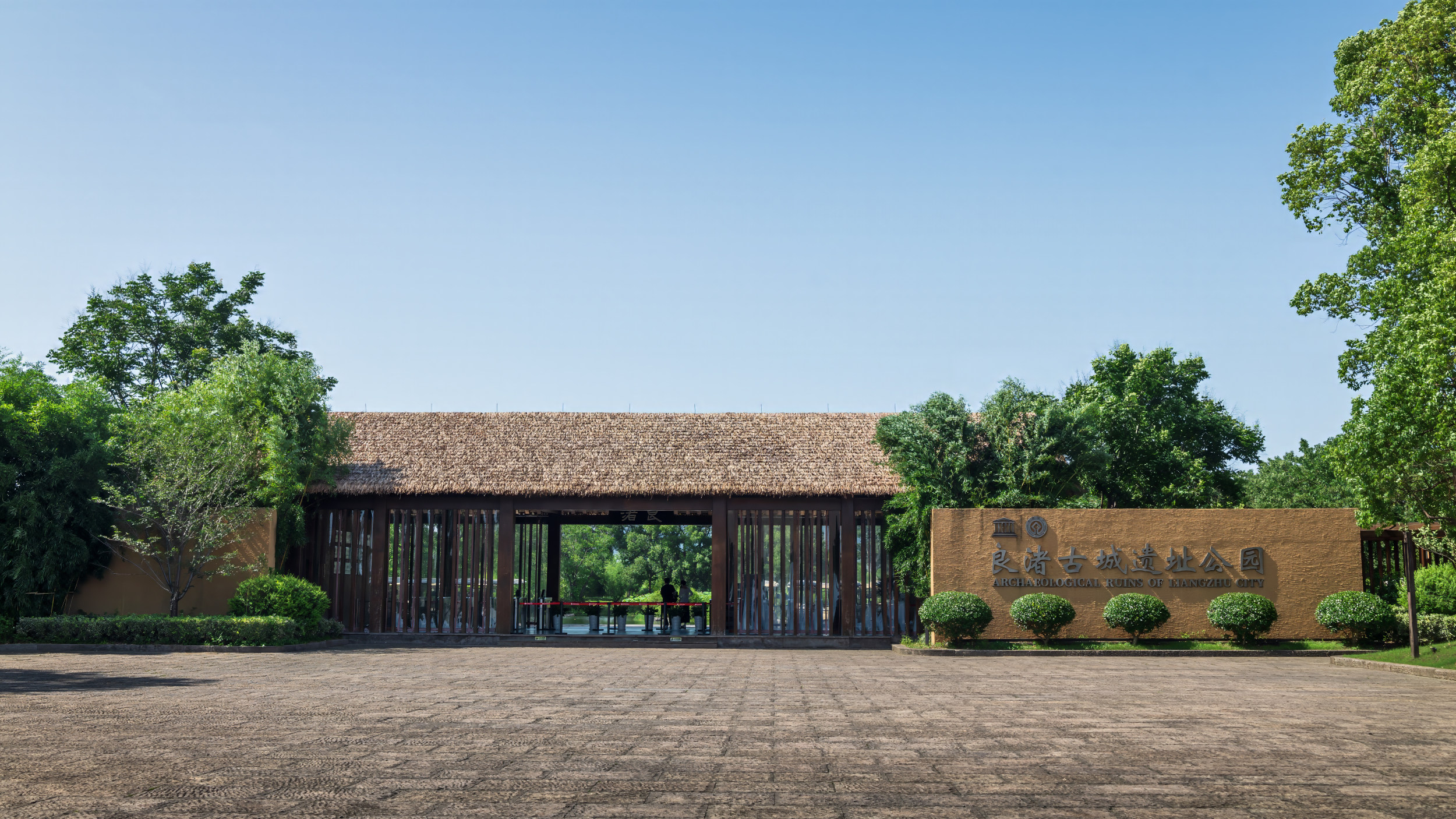
Liangzhu Museum exterior
Route 1: A Museum-Only Half-Day Visit
Best for: visitors with limited time, museum lovers, families seeking a contained outing, and days when extended outdoor sightseeing would be uncomfortable.
Start with the museum rather than adding a quick park stop afterwards. Arrive with enough time for entry and a visit to the toilets before the galleries.
A useful reading sequence is:
- Understand the setting: waterways, food production and the landscape in which people lived.
- Follow the evidence for settlement, organisation and social differences.
- Spend time with selected jade and other objects, using what you have learned to interpret them.
Treat this as a way to approach the subject rather than a promise about the exact current gallery order. Displays may change.
For families, select a few objects rather than reading every label. Compare the shapes of a cong and a bi, look at a pottery vessel and ask what it might have held, or examine a tool and discuss the work involved in making it.
End with a seated break or lunch nearby if a suitable venue is available. Return to your hotel or continue with a light evening plan. A relaxed lakeside walk after returning is easier to manage than another substantial attraction with a fixed entry window.

Route 2: A Focused Archaeological Park Visit
Best for: travellers who particularly want to see the setting of the ancient city, visitors who have already seen the museum, and groups with suitable weather and walking capacity.
The South Visitor Centre is a practical starting point for many first visits. Confirm the current entrance, ticket collection arrangements and internal route before departure.
Three meaningful themes for a selected visit are the city wall, the central raised palace area and the elite burial landscape. The exact order should follow the route available on the day.
The Southern City-Wall Area
Where open, the southern wall interpretation helps make the city’s boundaries and construction tangible. Use the displays to understand the difference between an archaeological section and a modern visual representation.
This is a useful early stop because it gives you a sense of the engineering effort involved. The city was shaped by deliberate construction, not simply a group of houses scattered across a field.
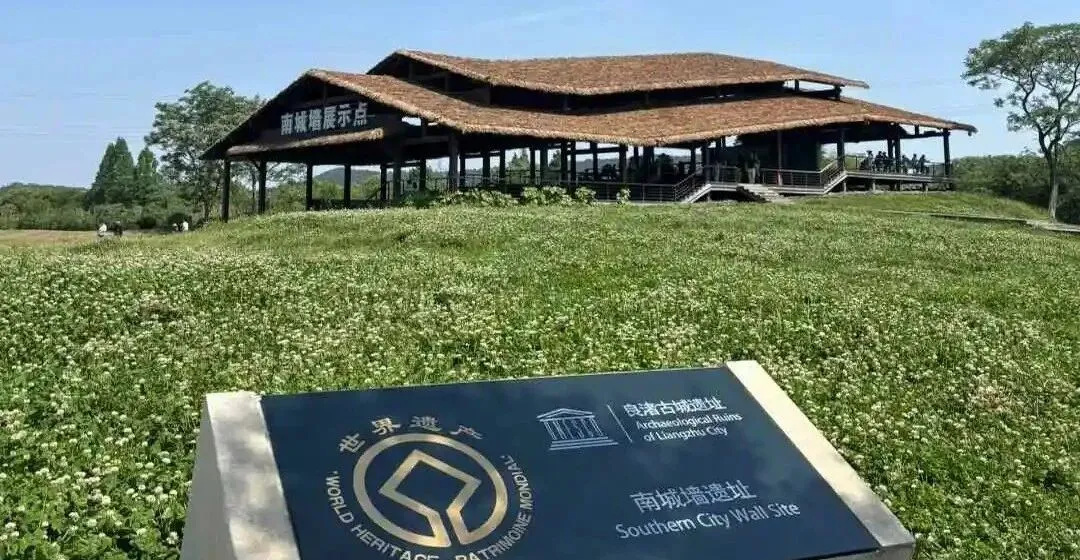
Southern city-wall interpretation at Liangzhu Archaeological Ruins Park
Mojiaoshan: The Central Palace Area
Mojiaoshan is associated with the raised central palace area. Its importance is the scale and position of the platform within the ancient settlement.
Do not expect a surviving palace building. Read the landscape with the help of maps and interpretation. Consider why a prominent centre might matter and what its construction suggests about organisation and labour.
Fanshan: The Elite Cemetery
Fanshan connects the site with the ceremonial objects and burial evidence discussed in the museum. It provides a way to understand how differences in grave goods contribute to interpretations of social hierarchy.
Follow the designated viewing arrangements. The site of discovery and the place where an original object is now displayed are different things.
How Much Should You Walk?
Use available sightseeing transport for longer internal distances if it suits your group, then walk at selected stops. Confirm the ticket, boarding points, permitted stops and final service before relying on it.
You can shorten the visit to two principal areas when heat, rain or fatigue make a fuller route uncomfortable. A well-understood pair of stops is more valuable than a fast circuit with little time to interpret anything.
Route 3: Museum First, Archaeological Park After Lunch
This is our suggested full-day approach for most visitors who want both experiences. It follows a simple progression: understand the evidence, then see the landscape to which it belongs.
| Suggested window | Plan |
|---|---|
| 8:00–9:00 | Leave the central hotel area and travel to the museum; adjust departure to the real journey |
| 9:00–11:00 | Explore the museum at a focused pace |
| 11:00–12:15 | Lunch and a seated break at a convenient confirmed venue |
| 12:15–13:00 | Transfer to the park entrance, complete entry checks and confirm internal transport |
| 13:00–16:00 | Follow a selected park route with two or three main archaeological themes |
| From around 16:00 | Leave the site and begin the hotel return, allowing for traffic |
The transfer window includes logistics; it is not an estimate of driving time alone. Move lunch or the park start according to the venue, reservation and current service arrangements.
If you want a detailed museum visit or a major temporary exhibition, shorten the park route. If the museum is exceptionally busy, choose the most relevant displays and preserve the afternoon entry window.
Avoid adding Yaoshan, Laohuling, the cultural village and a central-city attraction to this schedule. Each creates more movement and reduces the time available for the core visit.
Should You Reverse the Order?
Museum first is helpful for understanding what you see outdoors. It is not compulsory.
In hot weather, an earlier park visit followed by the museum may be more comfortable. Reservations, group arrangements and opening days can also make the reverse order sensible.
If you go to the park first, prepare a brief introduction to the city plan and the main archaeological themes. Then allow enough time for the museum before its last entry. Do not rely on arriving shortly before closing and still seeing the galleries properly.
On a museum closure day, either change the date or make a deliberate park-only visit. A closed museum does not automatically make the archaeological park unavailable, but check both separately.
Transport: Getting There and Moving Between the Two Places
From Central Hangzhou
Liangzhu lies northwest of the main West Lake visitor area. The journey is a meaningful part of the day, particularly if your hotel is on the southern lakeside or if traffic is heavy.
For initial road planning, allow around 45–90 minutes each way from a central lakeside hotel. This is a broad allowance, not a guaranteed transfer time. Check your precise hotel, destination and departure hour when finalising the plan.
A taxi or arranged vehicle can simplify the combined day, especially for families and visitors who want to conserve energy. Tell the driver which venue and entrance you need. Arrange the return pickup rather than assuming a vehicle will be waiting outside when you finish.
By Metro and a Final Connection
Metro travel can cover part of the journey. Liangzhu Station on Line 2 and Dufucun Station on Line 10 are useful names to investigate when checking a current route to the area.
Neither station should be treated as the museum entrance or the archaeological park gate. A bus or road connection may still be required. Compare the whole door-to-door journey, including waiting and walking, rather than only the time on the train.
Bus routes and frequencies can change. Confirm the service for your actual date instead of relying on an old route number copied from a guide.
Between Museum and Park
Plan a separate road connection. Local buses may serve the two places, while a taxi or arranged transfer can make timing easier. Confirm the boarding point, destination and current service if using a bus.
Do not assume a complimentary shuttle operates because both places share the Liangzhu name. If a package includes transport between them, ask how it works and whether it follows fixed departure times.
Inside the Archaeological Park
Sightseeing transport is different from the vehicle that brought you from Hangzhou. Check its fare, route, stop pattern and final return arrangements.
Special vehicles, trial services and technology demonstrations should not be mistaken for a guaranteed standard service. Use the current visitor-centre information to decide how to move around.
Tickets, Booking & Overseas Visitor Documents
Museum Entry
The museum’s permanent displays are free to visit. Its usual published schedule is Tuesday to Sunday, 9:00–17:00, with last entry at 16:30, and Monday closure except for relevant public-holiday arrangements.
Entry rules have changed over time. A September 2026 museum notice states that individual visitors can enter with valid identification without an advance reservation, while groups still need to book. Overseas visitors should confirm how their passport is checked under the current arrangement. A domestic ID or social-security-card procedure is not automatically a passport procedure.
Check the latest opening notice before departure. Temporary closures, special events and visitor limits can affect access even when the usual timetable suggests the museum is open.
Archaeological Park Entry
The park has separate ticket and real-name entry arrangements. Check the current booking channel, ticket category and document requirements before visiting.
If you book through a platform or a tour provider, establish where the voucher is accepted and whether a visitor-centre exchange is needed. Carry the original document associated with the booking.
Children’s, senior and resident concessions are not interchangeable. Do not assume an overseas visitor qualifies for a local-resident benefit or that free admission includes internal sightseeing transport.
Keep the Bookings Separate
A museum admission arrangement is not a park reservation. A park ticket is not evidence that museum entry or guiding has been organised.
For a combined day, retain the details for both places and check them against your route. This is particularly important when a booking screen uses the wider “Liangzhu Ancient City” branding for several services.
Do You Need a Guide?
You can visit independently, particularly if you enjoy museum labels and are comfortable planning transport. Liangzhu nevertheless benefits from interpretation because much of its significance lies in evidence and spatial relationships rather than immediately recognisable architecture.
An English-speaking guide can help connect the museum’s objects with the site’s wall, central platform and cemetery. Confirm that the guide has relevant knowledge and that the agreed service covers both venues if you want a combined day.
Do not assume museum audio guides, staff tours or education programmes are available in your preferred language. Ask about the current language options, whether advance booking is needed and any separate charge.
For enthusiasts, describe your interests before arranging the visit: jade technology, burial evidence, settlement planning or water engineering. That helps produce a more focused day than a general sightseeing commentary.
Visiting Liangzhu With Children
For younger children, a museum-only visit can provide a manageable introduction. Keep the explanation concrete: people grew food, made objects and built a community beside water.
Choose a few things to look for, such as a circular jade disc, a pottery vessel and a tool. Ask how an object might have been made or used rather than expecting children to remember a long historical timeline.
At the park, the landscape requires more explanation. A map can help children compare the centre of the city with its edge. Use short stops, shaded breaks where available and internal transport when appropriate.
If you choose both venues, shorten each rather than expecting children to sustain an adult museum visit followed by several hours of exposed walking. A long lunch and an early return can improve the day considerably.
Hands-on learning programmes require separate confirmation. Check dates, teaching language, age requirements and group size. An advertised Chinese-language educational session is not automatically suitable for an overseas family, and a normal admission ticket does not include it.
Weather, Walking & Accessibility
Hot Days
The park contains exposed stretches. Bring drinking water and sun protection, use available transport sensibly and reduce walking when necessary. Consider the park-first order if it fits the confirmed opening and entry arrangements.
Rainy Days
The museum is the stronger indoor option. Wet paths and reduced outdoor comfort can make a full combined day less appealing. A museum visit followed by lunch and a return may be a better plan than trying to complete the park route regardless of conditions.
Cooler Weather
Bring a layer for an outdoor visit and check conditions before travelling. A broad, open landscape can feel colder than the city streets, especially during pauses.
Limited Mobility and Strollers
Ask about the precise entrances, toilets, gallery access and park stops you plan to use. Steps, slopes and boarding can matter more than the overall impression of a flat landscape.
Confirm whether a stroller or mobility aid can travel on the selected sightseeing vehicle. A private car between venues does not remove internal walking or guarantee access at every archaeological stop.
Lunch, Breaks & What to Bring
Choose lunch to fit the route. For a museum-first day, a confirmed venue near the museum or on the transfer route is usually more convenient than returning towards central Hangzhou.
Do not assume a café or seasonal food stall provides a complete meal. If dietary needs are important, identify a suitable restaurant in advance. Explain vegetarian requirements and allergies clearly, using a translated note when helpful.
Use the toilets before leaving the museum and identify facilities near the park’s selected stops. Carry tissues and family essentials.
Bring water, comfortable shoes, a charged phone, weather protection, booking confirmations and the original identification required for entry. Snacks can help during travel or internal transport waits. Leave large luggage at your hotel or arrange confirmed storage before arriving.
Nearby Places: Why They Need Separate Planning
Yaoshan Archaeological Site Park relates to another part of the wider heritage story. It is a separate venue, with its own access and time requirements.
Laohuling Archaeological Site Park is relevant to understanding the water-management system. It also requires a separate plan; it is not simply the next display inside the main ancient city park.
Liangzhu Cultural Village is a modern destination. Its cafés, architecture or other visitor attractions should not be confused with the prehistoric city site.
Specialists may want to explore these places. For a first day, the museum and selected ancient city route are enough. Add another venue only by removing a substantial part of the core plan or allowing additional time.
How Liangzhu Fits Into a Hangzhou Stay
For a short first visit, West Lake and the temple-and-tea area are usually easier to prioritise. Add Liangzhu when archaeology is a particular interest or when you have another full day.
With three days, Liangzhu can replace the Grand Canal or Xixi day. Choose among them according to your priorities: early civilisation, urban waterway heritage or wetland scenery.
With four or more days, it works well as a dedicated cultural outing. Keep the evening light after returning to the city.
Avoid planning Liangzhu, Lingyin and a tea village together in one day. Their locations, transfers and the time needed to understand each experience make that combination unsuitable for a relaxed visit.
If travelling onwards on the same day, work backwards from the correct station or airport. Include luggage collection, road travel and the carrier’s recommended arrival buffer. A museum-only visit is easier to combine with a departure than a full museum-and-park day.
Frequently Asked Questions
Are Liangzhu Museum and the Archaeological Park the Same Place?
No. They are separate venues connected by a road journey. The museum provides objects and interpretation; the park provides the landscape of the ancient city. Plan transport and entry for each.
Which Should I Visit First?
The museum is a helpful first stop because it explains the evidence before you explore the landscape. Reverse the order if weather or confirmed bookings make that more practical.
Can I See Both in Half a Day?
It would be rushed for most visitors travelling from central Hangzhou. Choose one for a half-day outing or allocate a full day for both, including lunch and transfers.
How Long Should I Spend in the Museum?
Around 1.5–2.5 hours suits a focused first visit. Allow longer for detailed reading or a temporary exhibition, and reduce the rest of the day’s programme accordingly.
How Long Does the Park Take?
A selected route can take around 2.5–4 hours, depending on the stops, internal transport and walking pace. You do not need to visit every area to gain a meaningful introduction.
Is the Museum Free?
Its permanent displays are free. Check the current entry procedure, opening notice and arrangements for any special programme you want to join.
Is the Museum Open on Mondays?
Its usual schedule has Monday closure, with public-holiday exceptions. Confirm the actual date before arranging a combined visit.
Do Overseas Visitors Need a Museum Reservation?
A September 2026 notice removes advance booking for individual visitors with valid identification, while group booking remains required. Confirm the passport procedure directly for your visit rather than relying on older reservation instructions.
Can I Take the Metro Directly to the Park Gate?
Plan for a final road or bus connection. A station serving the Liangzhu area is not the same location as the park entrance or museum.
Is There a Shuttle Between the Museum and Park?
Do not assume a free or continuous shuttle. Check current bus options or arrange a road transfer. If transport is sold as part of a package, confirm its boarding point and timetable.
Will I See a Standing Ancient Palace?
No. The visit concerns prehistoric archaeology, including earthworks and interpreted remains. Mojiaoshan helps explain the central palace area, but it is not a surviving palace building.
Are Original Jade Objects Displayed at the Excavation Sites?
The place of discovery and the object’s current display location are different. Use the museum for collections and the park for archaeological context. Check separately if a particular object matters to you.
Is Liangzhu Suitable for Children?
Yes, with short explanations and a realistic pace. A museum-only outing can suit younger children, while a combined day works better when the family enjoys history and outdoor exploration.
Can I Visit in Rain?
The museum can be a good choice, provided it is open. Shorten or omit the park if rain makes the outdoor route uncomfortable or affects access.
Do I Need an English-Speaking Guide?
It is optional, but useful for connecting objects with the archaeological landscape. Confirm the guide’s knowledge, language and coverage of both venues in advance.
Should I Add Yaoshan or Laohuling on the Same Day?
For a first visit, usually leave them for another occasion. They require additional travel and interpretation. Specialists can create a different route by reducing time elsewhere or adding another day.
Plan Your Liangzhu Visit With Our Local Team
Would you like to explore Liangzhu’s early civilisation as part of a Hangzhou journey? Tell our local team your dates, hotel location, interests and preferred walking pace.
We can help shape a museum-only outing or a combined museum-and-site day, with the destinations, transfers and interpretation clearly identified. Share any children’s needs, mobility requirements or particular archaeological interests before the route is finalised.
For wider city planning, explore our Hangzhou Travel Guide.
Prepared for: Discover East China Tours
Last updated: 8 October 2026