
Explore Jingdezhen’s rice noodles, steamed rice dumplings and regional meals, with dining ideas around the main sights and practical ordering advice.
Jingdezhen is best known for porcelain, but food gives you another way to understand the city. A morning bowl of rice noodles, steamed rice dumplings from a small breakfast shop, and a shared dinner after visiting ceramic studios can become some of the most enjoyable moments of a trip.
The local food scene combines distinctive Jingdezhen snacks with the broader flavours of Jiangxi cooking. Rice appears in noodles, dumpling wrappers and chewy stir-fried cakes. Chilli is common, although the amount varies considerably between dishes and kitchens. A vegetable filling may contain dried shrimp, and a mild-looking sauce may already include chilli, so a few simple ordering questions make a real difference.
For a first visit, plan one local breakfast, one sit-down meal featuring regional cooking, and a few snacks that fit naturally into your sightseeing. You do not need to cross the city for every famous shop. Eating near Taoyangli, Taoxichuan or your chosen studios usually gives you more time to enjoy both the food and the places you came to see.
This guide explains what to try, where to fit meals into your route, and how to order comfortably if you do not speak Chinese.
Jingdezhen Food at a Glance
| What to try | Chinese name | What to expect | Useful question before ordering |
|---|---|---|---|
| Mixed rice noodles | 冷粉 | Thick rice noodles mixed with savoury seasonings; often spicy | Can the chilli oil and chilli sauce be left out? |
| Steamed rice dumplings | 饺子粑 | Rice-based wrappers with fillings such as chives, tofu or radish | Which filling is mild, and does it contain dried shrimp? |
| Stir-fried alkaline rice cakes | 炒碱水粑 | Chewy sliced rice cakes, commonly cooked with egg and vegetables | Can this portion be cooked without chilli? |
| Pork patty soup | 肉饼汤 | A savoury soup containing a pork patty; additions vary | What else is in the soup? |
| Fried dough with sticky rice | 油条包麻糍 | A fried wheat dough stick combined with sticky rice; toppings vary | Does it contain peanuts or sesame? |
| Clay-wrapped chicken | 瓷泥煨鸡 | A traditional specialty associated with the city’s porcelain culture | Must it be ordered ahead, and what is inside? |
| Stir-fried rice noodles | 炒粉 / 肉炒粉 | A filling cooked noodle dish, sometimes with pork and vegetables | Is the quoted price for one serving? |
These descriptions help you recognise dishes rather than predict every recipe. Restaurants may use different fillings, oils, sauces and garnishes.
What Is Jingdezhen Food Like?
Rice-based breakfasts and snacks
Rice noodles and rice-based snacks are a good starting point. The textures are part of the appeal: thick noodles that hold their seasoning, soft steamed wrappers, and springy slices of rice cake browned in a wok.
These foods can be substantial. A bowl of noodles and a portion of dumplings may be enough for breakfast or a light lunch. Start with a small order if you want to try several things, especially before a morning of walking through museums and historic streets.
Savoury flavours and frequent chilli
Jiangxi cooking often uses chilli, garlic, pickled ingredients and strongly flavoured sauces. Jingdezhen is therefore a different eating experience from the lighter or sweeter dishes some travellers encounter in Shanghai, Suzhou or Hangzhou.
You can still assemble a mild meal. The key is to ask before cooking or mixing begins. Removing visible chilli from a finished dish will not remove the heat already in its oil, sauce or marinade.
Everyday meals alongside specialist dishes
You do not need to order a regional specialty at every meal. Rice, vegetables, eggs, tofu, meat or fish, and a soup can provide a comfortable shared dinner. A familiar meal is especially useful after a long train journey, a workshop or a busy day of sightseeing.
Some dishes are widely eaten across Jiangxi or elsewhere in China. Enjoying them in Jingdezhen does not require treating each one as a food invented in the city.
Local Dishes and Snacks to Try
Lengfen: Jingdezhen’s mixed rice noodles
Lengfen (冷粉) is one of the easiest local foods to recognise. The noodles are relatively thick, with a smooth, chewy texture, and are mixed with seasonings rather than served as a hot noodle soup.
The flavour depends heavily on the shop’s dressing. Chilli oil, savoury sauces, garlic and other condiments may be combined before the bowl reaches you. Ask for your preferred spice level while placing the order.
If you enjoy chilli, try a normal portion and adjust future orders from there. If you prefer mild food, ask whether the shop can prepare a separate bowl without chilli oil or chilli sauce. A premixed dressing may limit what the kitchen can change.
For a first breakfast, one bowl of lengfen with a small portion of rice dumplings is a useful introduction. You can share the dumplings while ordering individual noodle bowls according to appetite.
Ordering tip: The word “cold” in an English translation describes the dish’s contrast with hot soup noodles. Do not assume it means the bowl will arrive chilled like a refrigerated salad.

Jiaozi ba: steamed rice dumplings
Jiaozi ba (饺子粑) uses a rice-based wrapper and differs from the wheat-wrapped dumplings often called jiaozi elsewhere in China. The wrapper becomes soft after steaming, while the filling supplies much of the flavour.
Common versions include chive and tofu fillings and radish fillings that may contain dried shrimp. Some shops distinguish between a milder chive version and a spicy radish version, but ask about the actual batch on sale.
This is an approachable snack if you prefer a smaller breakfast. Order a few pieces first, then add noodles or soup if you are still hungry. Confirm whether the price is per dumpling, per portion or per steamer.
A green vegetable filling does not automatically mean a vegetarian dumpling. Check for dried shrimp, meat and animal fat if these matter to you. Likewise, a rice wrapper alone does not establish that the complete dish meets a strict gluten-free requirement.
Best fit: Breakfast before an old-city walk, or a short food stop between visits when a full restaurant meal would interrupt the day.
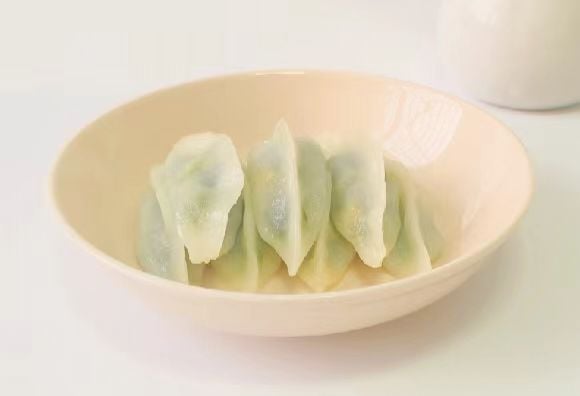
Steamed rice dumplings with assorted fillings in Jingdezhen
Chao jianshui ba: stir-fried rice cakes
Chao jianshui ba (炒碱水粑) consists of sliced alkaline rice cakes cooked in a wok. Egg and vegetables are common additions, and some versions include meat, pickled greens or chilli.
The name refers to the ingredient and preparation of the rice cake. Its texture is the main reason to try it: chewy slices take on the flavours of the stir-fry and can make a filling single-dish meal.
Ask whether a fresh portion can be made without chilli. If ordering for children, you can also ask for a simpler combination with egg and vegetables, provided the restaurant offers it.
For a shared lunch, pair a portion with a vegetable dish and soup rather than ordering several heavy noodle and rice-cake dishes together. The serving size may be larger than you expect from the English word “snack.”
Roubing tang: pork patty soup
Roubing tang (肉饼汤) offers a savoury contrast to noodles and dumplings. The name describes a pork patty served in soup; additional ingredients and the style of broth depend on the shop.
It can be a useful breakfast companion for travellers who want something warm alongside mixed noodles. Ask whether the soup includes egg or other additions, particularly if you have a dietary restriction.
The presence of clear broth does not indicate that a soup is vegetarian or lightly seasoned. Choose it because the ingredients suit you, rather than relying on its appearance.
Youtiao bao machi: fried dough with sticky rice
Youtiao bao machi (油条包麻糍) combines fried dough with soft sticky rice. It is a Jiangxi snack you can enjoy in Jingdezhen, especially as part of an informal breakfast or a food walk.
The contrast between crisp fried dough and chewy rice is the attraction. Sweet coatings or toppings vary, so look at the preparation and ask what is being added. Peanuts and sesame are ingredients worth checking when relevant.
The fried dough is normally wheat-based. This snack is therefore different from a plain rice cake even though sticky rice is an important component.
It is filling, and sharing one can leave room for other breakfast foods. Buy a modest amount first rather than treating it as an extra after an already large meal.
Cini weiji: clay-wrapped chicken
Cini weiji (瓷泥煨鸡) is a traditional chicken specialty associated with Jingdezhen’s porcelain-making culture. Its clay-wrapped preparation connects it to the city’s wider food heritage, although present-day restaurant methods vary.
This is better planned as part of a sit-down meal than sought spontaneously between attractions. Ask whether the restaurant currently makes it, whether advance ordering is necessary, how long preparation takes, and whether it is served as a whole chicken.
Also ask about the filling. Some traditional preparations include pork as well as chicken, so it may be unsuitable for someone avoiding pork even when the English menu simply says “chicken.”
For two people, a whole specialty chicken may dominate the meal. Check the size before ordering several other main dishes. For a family or small group, it can be easier to share if the ingredients suit everyone.
Stir-fried noodles and simple regional meals
Chaofen (炒粉) and rou chaofen (肉炒粉) are useful everyday choices when you want a cooked rice-noodle dish. The latter indicates a meat version, but confirm the meat and other ingredients if necessary.
At a restaurant, combine one starch with a vegetable dish and a protein rather than choosing entirely by the most colourful photographs. A plate of seasonal vegetables, an egg dish, tofu or a suitable meat dish can give a meal more variety.
If ordering fish, ask how it is prepared and whether it contains small bones. A whole fish can work well for a group that is comfortable sharing it, while another protein may be more convenient for children or travellers unfamiliar with deboning fish at the table.
How to Plan Breakfast in Jingdezhen
Choose one breakfast area rather than several famous shops
The old city is a natural place to explore local breakfasts. Fuzhou Alley (抚州弄) is one recognisable food-stop option, including fried-dough snacks. Other small breakfast shops and lanes can work just as well if they fit your hotel and sightseeing route.
Use the Chinese place name in your map search and check the actual shop location. A popular food area may contain multiple businesses, and a video filmed there does not confirm that a particular stall will be operating when you arrive.
Choose one shop for a main breakfast and, if you want, a nearby stall for something small to share. Moving between several queues can consume the best part of your morning.
Three practical breakfast combinations
| Your preference | A possible order | What to confirm |
|---|---|---|
| A local introduction | Mixed rice noodles and a few steamed rice dumplings | Chilli level and dumpling filling |
| A warm, savoury breakfast | Pork patty soup with a suitable noodle or dumpling portion | Soup ingredients and portion size |
| A smaller snack breakfast | Fried dough with sticky rice, plus a drink | Toppings and whether you want a sweet version |
These are suggestions, not set menus. Availability depends on the shop.
Allow enough time before a museum reservation
For planning, leave around 45–60 minutes for a relaxed breakfast stop, with extra time if a queue is important to your choice. This is a suggested allowance rather than a guarantee of service speed.
If you have a timed entry or an early transfer, eat near your hotel or choose a shop where you can see the ordering process clearly. You can try a more exploratory breakfast on another morning.
Where to Eat Around the Main Sightseeing Areas
The best dining location is usually the one that supports your day’s route. Jingdezhen’s historic centre, creative districts, museums and studio areas are spread across different parts of the city. A restaurant that looks close on a small map may still require a separate journey.
| Sightseeing area | A useful meal approach | What to check |
|---|---|---|
| Taoyangli and the Imperial Kiln Museum | Old-city breakfast, then a seated lunch near your walking route | Exact restaurant entrance and any scenic-area entry implications |
| Taoxichuan | Dinner before or after exhibitions and an evening walk | Kitchen hours and the current market or event schedule |
| Sanbao | A planned lunch or café break around studio visits | Exact address, meal service and transport onward |
| China Ceramics Museum and Ancient Kiln Folk Customs Museum | A meal between visits or near your next destination | Travel time and whether food is available where you expect it |
| Hotel, station or airport area | A predictable meal before a transfer | Service time and how long you need to reach your departure point |
Taoyangli and the Imperial Kiln Museum: breakfast and an old-city lunch
An old-city breakfast followed by a visit to Taoyangli and the Imperial Kiln Museum is an easy combination for a first trip. Try noodles or rice dumplings in the morning, then plan a seated lunch after your main visit.
Check whether the restaurant you choose is inside a ticketed area, outside an entrance, or simply advertised as being “near Taoyangli.” Those descriptions can mean different things in practice. If you intend to leave a scenic area for lunch and return, confirm the applicable entry arrangements before leaving.
After several hours of standing and looking at exhibits, a restaurant with seats and a straightforward menu may be more useful than another snack queue. Save a second food walk for later if you still have the energy.
Taoxichuan: dinner alongside creative spaces and an evening visit
Taoxichuan works well for an afternoon-to-evening programme. You might visit an exhibition, explore ceramic shops, have dinner, and then return to the public spaces for an evening walk.
Choose dinner timing around the actual activities you want to see. Markets and special events have their own schedules, and their presence should not be assumed on every evening. Equally, a lively public space does not guarantee that every restaurant kitchen serves late.
If an event is likely to be busy, an earlier dinner can make the evening easier. For a family, secure a proper meal before everyone becomes tired. Market snacks can supplement dinner when available, but they should not be your only plan for a child with limited food preferences.
Sanbao: make lunch part of the studio route
Sanbao suits travellers who want ceramic studios, creative spaces and a slower meal break. Its destinations are spread along the area rather than concentrated in one compact restaurant square.
Select a lunch stop near the studios you intend to visit. Confirm the business’s precise location and whether it serves meals at the time you need. A café may offer drinks and desserts without providing a full lunch.
If you have booked a pottery workshop, ask about the session’s finish time before reserving lunch. Leave room for washing up, discussing your piece and organising firing or delivery.
Arrange the next transfer with the actual restaurant or studio address. Carrying shopping bags and ceramics can make a longer walk less appealing by the afternoon.
Museum days: protect the meal break
A day involving the China Ceramics Museum or the Ancient Kiln Folk Customs Museum benefits from a deliberate lunch break. Do not assume each venue has a full restaurant, or that nearby food will match your dietary needs.
Choose between eating before the visit, using an option you have confirmed nearby, or travelling to a meal stop on the way to your next attraction. Keep the restaurant and attraction pins separate in your map so you can judge the transfer.
For older travellers, families or anyone who finds long museum visits tiring, a seated lunch is also a useful rest. Resist adding a distant food destination when it would turn that break into another transfer.
Arrival and departure days: keep the meal predictable
After arriving in Jingdezhen, a restaurant close to your hotel is often the easiest first meal. Save the specialist food hunt until you have checked in and put down your luggage.
Before a train or flight, allow for ordering, cooking, payment and the journey to the departure point. A highly recommended shop with an uncertain queue is a poor fit for a tight connection.
If arriving late, ask your hotel in advance about food at your expected arrival time. Confirm actual kitchen service rather than relying solely on a business’s displayed closing time.
How to Choose a Restaurant
Match the restaurant to the meal you need
Breakfast shops, snack stalls, regional restaurants and cafés serve different purposes. A small noodle shop may be perfect for a quick morning meal but less suitable for a long family dinner. A stylish café may provide a pleasant rest without offering much local cooking.
Read recent reviews for information that matters to your trip: menu photographs, seating, spice flexibility, queues and whether the kitchen accommodates requests. Review scores alone are less useful than a clear understanding of what the place serves.
Check the current location as well as the name. Similar names, relocated shops and multiple branches can make an English search confusing. Save the Chinese name and map pin before setting out.
You do not need the most famous shop
A convenient neighbourhood restaurant can be a better choice than a celebrated venue across town. The same applies to breakfast: a fresh bowl prepared to your preferred spice level can be more enjoyable than joining a queue for a dish you cannot comfortably eat.
Judge the setting when you arrive. Look for food handled carefully, a reasonably clean dining area and a preparation process you understand. A queue is a sign of demand, but it does not answer every question about ingredients or suitability.
Understand prices before ordering
Check whether a price covers one bowl, one plate, a set meal or a whole specialty dish. For fish, larger meat dishes or anything priced by weight, ask how the final charge will be calculated.
Confirm optional additions such as extra toppings, drinks and takeaway packaging. When sharing, ask about portion size rather than assuming the photograph shows an individual serving.
There is no single reliable citywide meal price. Simple breakfasts and snacks usually require a different budget from specialist dinners or meals in contemporary creative spaces. Use the current menu to decide what suits your budget.
Ordering Food as an Overseas Visitor
Keep the Chinese names of the foods you want on your phone. Showing 饺子粑 is more useful than an unfamiliar English translation of “rice dumpling.” Pointing to a menu photograph also helps, provided you separately explain any ingredient or spice requirements.
Translation apps can help with the broad meaning of a menu, but may struggle with regional dish names. Read an unusual translation alongside the photograph and ask what is actually in the dish.
Some restaurants use QR-code menus or mini-programs. If the ordering screen requires a setup you cannot complete, ask whether staff can take the order, show a printed menu or help you use menu photographs.
Do not assume every business has an English menu or English-speaking staff. A short written request is often clearer than a long spoken explanation.
Confirm quantity and payment
Specify how many portions you want and whether you will share. At a busy shop, confirm whether you pay first, collect from a counter or wait for food at the table.
Ask about the payment methods the business accepts before ordering if you are unsure that your usual method will work. Restaurant payment arrangements vary, so carry a practical backup rather than depending on one setup everywhere.
Useful Chinese Phrases for Ordering
| English | Chinese |
|---|---|
| One portion of this, please. | 这个要一份。 |
| Two bowls, please. | 要两碗。 |
| Is this spicy? | 这个辣吗? |
| Please do not add chilli, chilli oil or chilli sauce. | 请不要放辣椒、辣椒油和辣椒酱。 |
| Please put the chilli on the side. | 请把辣椒单独放。 |
| Is the sauce already mixed with chilli? | 这个酱里已经有辣椒吗? |
| Does this contain pork? | 这个有猪肉吗? |
| Does this contain dried shrimp? | 这个有虾米吗? |
| Can you cook it without meat or seafood? | 可以不放肉和海鲜吗? |
| Is this enough for two people? | 这个够两个人吃吗? |
| How long will it take? | 大概需要等多久? |
| Can we take the remaining food away? | 剩下的可以打包吗? |
For a strict restriction, add the specific ingredients you need excluded. A general request for “vegetarian” or “not spicy” may leave too much room for interpretation.
Managing Spice Levels
“A little spicy” can still be substantial
Xiao la (小辣) means a low spice level in the restaurant’s own terms. It does not mean no chilli, and it may still feel hot to someone unused to Jiangxi food.
If you need no chilli, say so directly. Include chilli oil and chilli sauce in your request, especially for mixed noodles. Asking for chilli on the side works only if the dish has not already been seasoned with it.
Choose dishes the kitchen can adjust
Freshly cooked stir-fries may offer more flexibility than filled dumplings or dishes using a premade sauce. Ask which options can genuinely be prepared without chilli rather than requesting changes to every item on the menu.
For a group, order one or two dishes without chilli and let other dishes follow the preferences of those who enjoy it. Confirm which plates are which when they arrive.
If a kitchen cannot adjust a dish, choose another. This is particularly helpful at small breakfast shops where fillings and dressings are prepared in advance.
Vegetarian, Vegan and Other Dietary Preferences
Vegetarian and vegan meals
Vegetables, tofu and rice offer useful starting points, but check how they are cooked. Meat stock, animal fat, dried shrimp or seafood-based sauces may be used in dishes that look vegetable-based.
For a vegetarian meal, explain whether eggs and dairy are acceptable and ask about meat, fish, seafood and animal stock. For a vegan meal, also state that eggs and dairy should be excluded.
Ask for specific adjustments: vegetables cooked without meat or seafood, tofu prepared with an agreed sauce, and plain rice. If the kitchen cannot establish the ingredients, choose a simpler dish or a restaurant that understands your needs.
Avoiding pork or following religious dietary requirements
A dish described as chicken may still contain pork in a filling, stock or mixed preparation. This is particularly worth checking when considering clay-wrapped chicken.
Avoiding visible pork is different from requiring halal food or another religious standard. If a particular certification or preparation method is essential, confirm that directly with a suitable establishment before visiting. Do not infer it from the name of a dish.
Gluten-free requirements
Rice noodles and rice cakes do not automatically make a finished meal gluten-free. Sauces, added ingredients and shared preparation can introduce wheat or other gluten-containing ingredients. Fried dough sticks are normally wheat-based.
If you require strict gluten avoidance, bring a clear Chinese explanation and ask about the whole preparation. A restaurant that cannot confirm ingredients or cross-contact arrangements may be unable to meet the requirement.
Food allergies
Dried shrimp in dumplings, nuts or sesame in snacks, and ingredients in sauces deserve attention when you have an allergy. Use a written Chinese allergy card that names the allergen and explains the importance of avoiding cross-contact.
For example, 我对花生过敏,请确认食物和酱料不含花生,也不会接触花生 means: “I am allergic to peanuts. Please confirm that the food and sauces contain no peanuts and will not come into contact with peanuts.” Adapt the wording accurately for your own allergy.
If staff cannot confidently confirm the ingredients and preparation, select another meal. A dish description or translation app cannot establish allergy safety.
Eating in Jingdezhen with Children or Older Travellers
Build the meal around something everyone can eat
Start with plain rice or another suitable starch, a mild protein or egg dish, and vegetables. Add a local specialty for the group to share once the basic meal is covered.
For children, a small portion of a new food is often enough. Let them try a rice dumpling or rice cake without making an unfamiliar snack the only available meal.
Ask about bones, shellfish ingredients and spice before ordering. Request smaller pieces where helpful, and let very hot food cool before serving it.
Prioritise seating and meal timing
A seated restaurant becomes more valuable after a long museum visit or a pottery session. Check whether the dining room requires stairs and whether the available seating suits your group.
Eat before everyone becomes tired and hungry. An early dinner near Taoxichuan, followed by an optional evening walk, can be easier than exploring first and searching for a restaurant late in the evening.
For older travellers, avoid a plan built entirely around standing at stalls and walking between food queues. One short snack stop and a comfortable main meal can provide plenty of local flavour.
Carry useful extras
Bring drinking water and a familiar snack if your family needs predictable food between meals. Ask your hotel about breakfast timing before an early departure.
If takeaway food will be kept for later, choose and store it appropriately for the weather and journey. Freshly prepared food is usually more enjoyable eaten near the time you buy it.
A Two-Day Food Plan for First-Time Visitors
Day 1: old-city breakfast and porcelain history
Breakfast: Try mixed rice noodles and a small portion of steamed rice dumplings near your hotel or in the old city. Ask about chilli and fillings before ordering.
Morning: Visit Taoyangli and the Imperial Kiln Museum according to your booked or confirmed arrangements.
Lunch: Choose a seated restaurant near the end of your walking route. Share a rice-cake or noodle dish with vegetables and another suitable dish, adjusting quantities to your group.
Afternoon snack: If you still have an appetite, share fried dough with sticky rice from a convenient vendor. Skip it if lunch was substantial.
Dinner: Have a regional shared meal near your next activity or hotel. A specialty chicken dish is an option only if availability, ingredients and preparation time have been confirmed.
Day 2: museums or studios, then Taoxichuan
Breakfast: Choose something different from the first morning, such as a suitable soup and dumpling combination, or a familiar hotel breakfast if you have an early start.
Lunch: If visiting Sanbao, plan lunch around the actual studio addresses. If visiting museums, place lunch between the visits or on the way to your next destination.
Afternoon: Leave room for a drink or light break rather than scheduling another full meal.
Dinner: Eat around Taoxichuan before or after your chosen exhibition and evening walk. Confirm event schedules separately, and treat any market snacks as optional additions.
This plan gives you several local foods without turning the trip into a series of restaurant transfers. Change the order according to your arrival time, bookings and appetite.
Common Food-Planning Mistakes to Avoid
- Travelling across the city for a snack when a suitable option is already on your route.
- Assuming “a little spicy” means no chilli.
- Treating a vegetable filling as automatically vegetarian.
- Ordering too many noodles, dumplings and rice cakes at one meal.
- Depending on market stalls for dinner without checking the event schedule.
- Expecting every café or museum facility to offer a full lunch.
- Leaving a ticketed area for food without checking your return arrangements.
- Scheduling an uncertain restaurant queue before a train or flight.
Frequently Asked Questions
What food should I try first in Jingdezhen?
Mixed rice noodles and steamed rice dumplings are a good introduction. Ask about the chilli in the noodles and choose a dumpling filling that suits you. Stir-fried rice cakes make a useful next dish at lunch.
Is Jingdezhen food always spicy?
No, but chilli is common. Ask for no chilli, chilli oil or chilli sauce if that is what you need. Some fillings and sauces are prepared in advance and cannot be adjusted.
Is lengfen served as a noodle soup?
It is generally a mixed rice-noodle dish rather than a hot broth-based noodle soup. The shop’s seasoning determines much of its flavour.
Are jiaozi ba the same as ordinary Chinese dumplings?
They use rice-based wrappers and have their own texture and common fillings. Do not assume they are the same as the wheat-wrapped jiaozi you may have eaten elsewhere.
Which breakfast area should I choose?
Choose an old-city shop or lane that fits your hotel and morning route. Fuzhou Alley is one recognisable food-stop area, but the particular business and its current service matter more than the area’s reputation alone.
Can I find vegetarian food?
You can ask for suitable vegetable, tofu and rice dishes. Confirm meat stock, animal fat, dried shrimp and sauces, and state whether eggs and dairy are acceptable.
Are the rice noodles gluten-free?
The noodle ingredient alone does not settle the question. Sauces, additions and preparation arrangements must also meet your requirements.
Where should I eat while visiting Taoyangli?
Plan breakfast or lunch along your old-city route and verify the restaurant’s exact position. If a meal involves leaving a ticketed area, check the applicable return arrangements first.
Is Taoxichuan a good place for dinner?
It is a convenient area to consider when spending the afternoon or evening there. Check individual kitchen hours and book or eat earlier when your chosen event may attract crowds.
Can I have lunch in Sanbao?
Yes, if you select a business serving meals at the time you need. Confirm the address and fit it around your studios or workshop rather than assuming everything is within a short walk.
Should I book a restaurant?
Booking is useful for larger groups, a particular specialty dish, busy periods or a meal with specific requirements. A simple breakfast may need only a current location and a realistic allowance for waiting.
Do I need to order clay-wrapped chicken in advance?
Ask the restaurant. Availability and preparation time vary, and the dish may be a whole-chicken order. Confirm the filling, including whether pork is used.
Can I order without speaking Chinese?
Chinese dish names, menu photographs and short written requests can help. If a QR ordering system is difficult to use, ask staff for another way to place the order.
What is a good meal for a family?
Choose rice or another suitable starch, mild vegetables, and a protein or egg dish everyone can eat. Add a local dish to share rather than making every item unfamiliar.
How many food stops should I plan each day?
Three meals and an optional small snack are enough for most sightseeing plans. The important decision is where those meals fit, especially when travelling between the historic centre, museums and studio areas.
Plan a Jingdezhen Trip Around Food and Ceramics
A good Jingdezhen itinerary leaves time to eat as well as to look. Breakfast in the old city, a lunch break between studios, and dinner before an evening visit to Taoxichuan can give the day a comfortable rhythm.
Discover East China Tours can help combine Jingdezhen’s porcelain history, creative districts and local food with the rest of your East China journey. Share your preferred pace, food interests, dietary requirements and family needs so the meal stops can support the route.