
Choose a Jingdezhen excursion by interest and complete return time. Compare Yaoli, Fuliang, tea landscapes, ceramic heritage and nature, with practical advice for half-day visits and short city stays.
A day outside Jingdezhen can add something the city does not provide in the same way: a riverside village, tea-growing countryside, the raw-material story behind porcelain or a longer nature walk. The question is whether that experience is worth the time it takes away from museums, historic streets and creative districts.
For most first-time visitors with only one or two full sightseeing days, the city deserves priority. A countryside excursion becomes more attractive when you have a third day, have already covered your main ceramic interests, or specifically want village life and outdoor scenery. If you have only half a day to spare, a nearby cultural outing is usually a better choice than a rushed journey to Yaoli.
Choose an excursion for a distinct experience, then count the complete hotel-to-hotel time. A destination that takes an hour to reach can occupy most of a day once the return, walking, lunch and transfers between sites are included.
This guide compares the main directions, explains which visits suit half a day or a full day, and helps you decide when leaving the city adds enough to your trip.
Should You Leave Jingdezhen on a Short Stay?
One full sightseeing day: usually stay in the city
If you have one full day and this is your first visit, use it for the aspects of Jingdezhen you most want to understand. A historic district or museum, a creative area and a suitable meal can already make a substantial programme.
A countryside trip can consume your only daytime opportunity for museum entry or a booked ceramic activity. Choose it instead only when that rural destination is the main reason for travelling, or when you have already visited the city before.
Two full sightseeing days: an excursion is a choice, not a requirement
Two days can provide a useful introduction to ceramic history and contemporary making. Adding a full countryside day means reducing that city programme considerably.
A shorter Fuliang outing can work if local administrative history or the Porcelain Palace interests you. Yaoli can also be worthwhile, but understand the trade-off: it replaces a city day rather than fitting into a spare hour between museums.
For many first-time visitors, two well-paced city days will be more satisfying than one hurried city day and an overloaded rural circuit.
Three or more full days: countryside becomes easier to justify
With three full days, you can give the city two days and use another for a distinct rural experience. Choose Yaoli for a village-centred outing, Hanxi for tea landscapes and rural art, or a focused heritage route for the materials-and-production story.
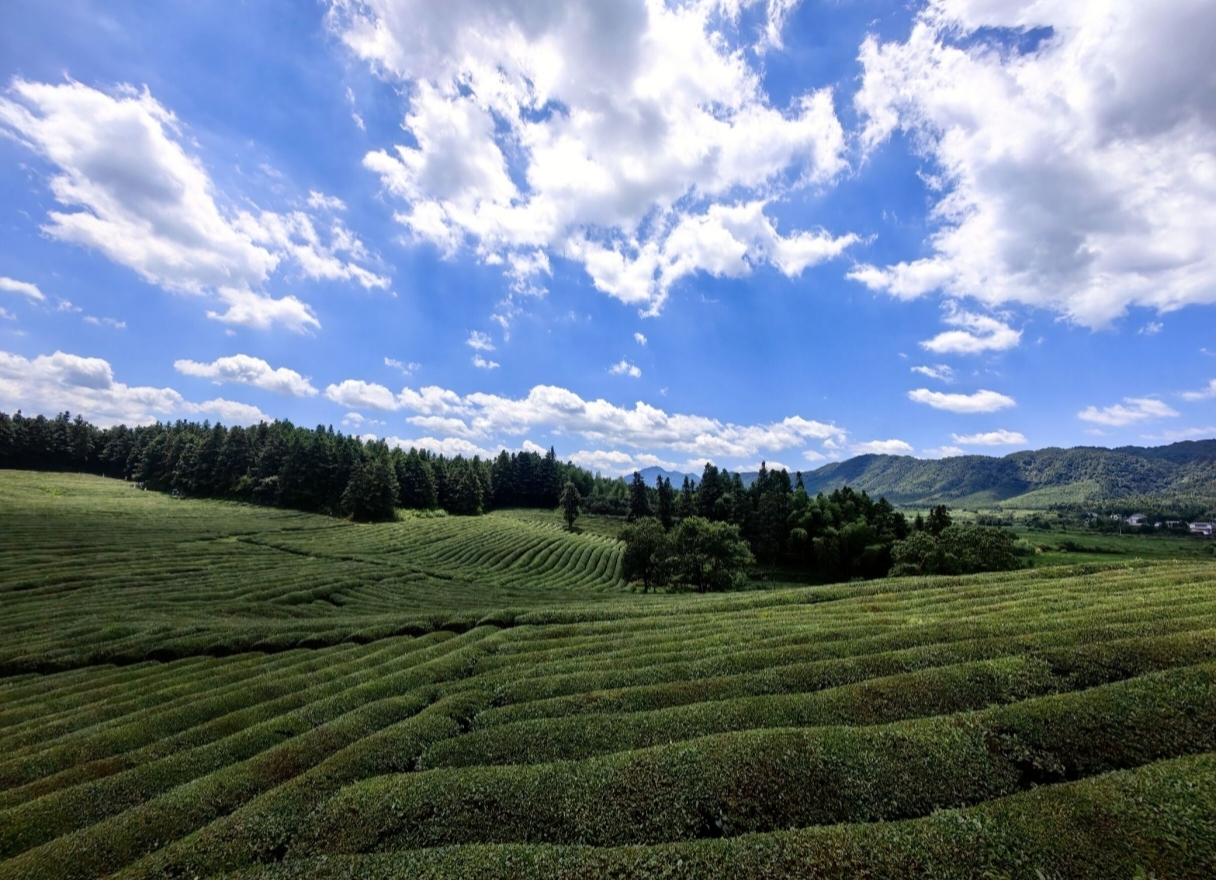
Tea-growing countryside near Hanxi village in Fuliang
An extra day is useful only if the destination matches your interests. You can also use it for a workshop, a more substantial exhibition or a slower city visit.
Arrival evenings and departure mornings should not automatically be counted as full sightseeing days. Check usable daytime hours before making the decision.
Understand the Directions before Choosing
Fuliang is a county within Jingdezhen, not a single attraction. Yaoli, Hanxi and several ceramic-related destinations are all within it, but they are not interchangeable stops or one compact walking area.
It helps to think in terms of three broad choices:
- A shorter outing near the city: Fuliang Ancient County Government Office and, if it interests you, Xinping Porcelain Palace.
- A rural day towards the Yaoli countryside: choose a village, tea-landscape or porcelain-heritage focus and limit additional stops.
- A separate specialist outing: a booked kiln visit or a nature destination in another direction, such as Hongyan in the Leping area.
Destinations belonging to the same county can still require substantial transfers. Plot the actual entrances before assuming that several names make a convenient route.
Day Trips at a Glance
The allowances below are for planning an arranged private-vehicle outing from a central Jingdezhen hotel. They are approximate ranges, not live map estimates, official visit durations or coach timetables. They include the return journey and the breaks described for each option.
| Excursion | Main experience | Approximate return driving time | Suggested total hotel-to-hotel time | Best format |
|---|---|---|---|---|
| Fuliang Ancient County Government Office only | Local history and historic administrative architecture | 40–90 minutes | 3–4 hours | Half day |
| Fuliang county office plus Xinping Porcelain Palace | History plus a visually distinctive ceramic building | 1–1.5 hours, including the local connection | 4–5 hours | Generous half day |
| Hanxi village and tea-landscape visit | Rural walking, tea scenery and confirmed art installations | 1.5–2.5 hours | 5–7 hours with lunch | Long half day or relaxed full day |
| Yaoli Ancient Town only | Riverside village walking and a local meal | 2–3 hours | 6–8 hours | Full-day allowance |
| Yaoli plus one heritage or nature area | Village plus Raonan, Dongbu or a selected Wanghu route | Around 2.5–4 hours, depending on the additional site | 8–10 hours | Full day; overnight for a slower pace |
| Focused Raonan, Dongbu or Gaoling heritage route | Porcelain materials, production or transport | Around 2–4 hours, depending on the route | 7–9 hours with lunch | Full day |
| Bingding Wood-Fired Kiln visit | A specific kiln, ceramic and architectural interest | Around 2–3 hours | 4–6 hours for a visit and break | Half day if access is confirmed |
| Hongyan scenic-area outing | Cave and rock scenery in the Leping direction | Around 2–3 hours | 6–8 hours with lunch | Full day |
Do not add the rows together to build a multi-stop trip. Combined routes need a fresh estimate including every connecting drive, entry process and meal. A workshop, longer trail, queue or guide-led session can extend the visit beyond these ranges.
Ask for a current door-to-door estimate when booking. Your hotel, traffic, weather, parking arrangements and chosen walking route can change the result substantially.
Fuliang Ancient County Government Office: The Easiest Cultural Half Day
What it adds
Fuliang Ancient County Government Office — 浮梁古县衙 — introduces local administration and history through a historic county-office setting. The Red Pagoda is another feature associated with the wider historic area.
This is a different subject from porcelain galleries. It can add context to the county that surrounds Jingdezhen while keeping the outing relatively short.
Choose it if historic buildings, local government and the organisation of life in the past interest you. A guide can make the visit more meaningful by explaining rooms, roles and displays rather than treating the complex as a succession of courtyards.
Who will enjoy it most?
It suits travellers wanting a manageable cultural excursion and those who prefer an easier return to the city. It can also work for a family when the interpretation is adapted to the children’s attention span.
If you mainly want tea fields, forests or everyday village walking, this is not the strongest match. Choose the destination for its historical subject rather than expecting a broad countryside experience.
How to arrange the time
Reserve approximately one-and-a-half to two-and-a-half hours on site, plus the return transfer and a break. A morning outing can leave time for lunch and a city activity later.
Confirm admission and the current visitor route. If a performance or guided programme matters, verify its actual schedule rather than relying on an old description.
Treat any later city booking separately: leave enough time for the transfer, a meal and the next entry procedure.
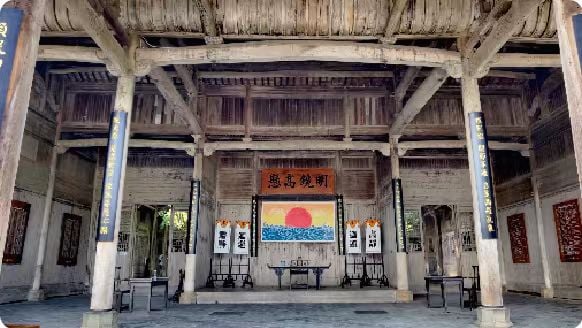
Courtyard at Fuliang Ancient County Government Office
Xinping Porcelain Palace: A Selective Add-On
What makes it different?
Xinping Porcelain Palace — 新平瓷宫 — is a building decorated extensively with ceramic objects and fragments. Its appeal is strongly visual: surfaces, colour, patterns and the use of porcelain in architecture.
It is a modern ceramic attraction rather than an imperial palace or a substitute for a historical museum. Choose it when that architectural expression interests you.
Is it worth a separate excursion?
For many travellers, it works best as an addition to a nearby Fuliang cultural outing. A visit of roughly 45–90 minutes may be sufficient unless you have a particular interest or a longer guided programme.
If time is scarce and your main purpose is to learn how porcelain developed or how it is made, prioritise a museum or a well-chosen production visit. The Porcelain Palace can be enjoyable without being essential to every Jingdezhen itinerary.
A practical half-day combination
Visit the county office and the Porcelain Palace in the order that suits confirmed opening hours and your vehicle route. Allow around four to five hours in total, including the connection, a break and return.
Adding a long lunch can push this beyond a conventional half day. Check the complete timing if you have an afternoon train or a workshop appointment.
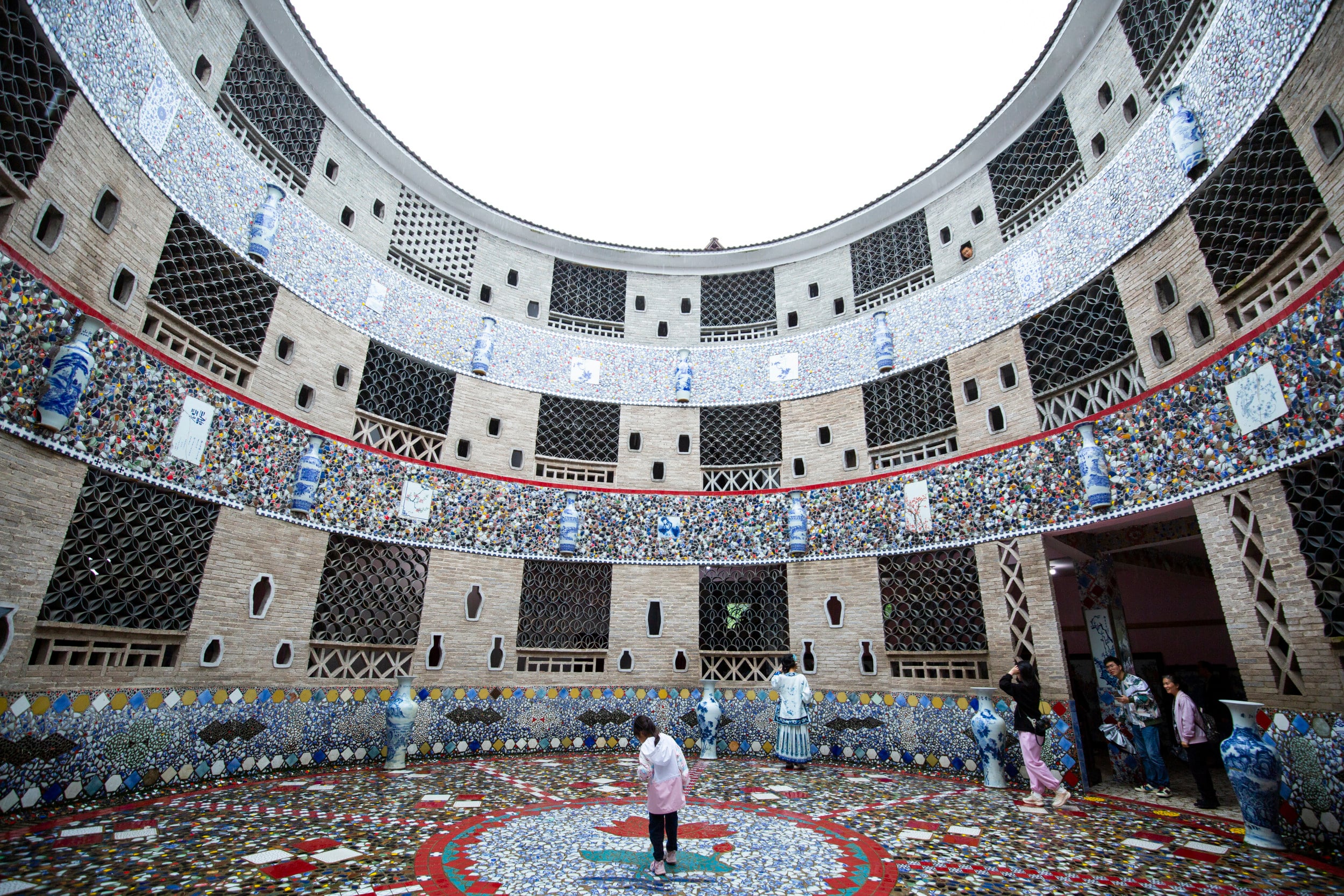
Ceramic decoration at Xinping Porcelain Palace
Yaoli: The Strongest Village-Centred Full-Day Choice
Why choose Yaoli?
Yaoli Ancient Town — 瑶里古镇 — gives the day a clear centre: a riverside village walk, historic lanes, architectural details and a local meal. Its surrounding area offers further porcelain heritage and natural scenery.
It is a good choice when you want a countryside contrast to urban ceramic sightseeing. Give yourself time to walk and look, rather than travelling mainly to take a photograph and leave.
Ancient town only or one additional area?
An ancient-town-only visit can still occupy six to eight hours from your hotel. The drive, a two-to-three-hour walking block, lunch and practical breaks explain why it deserves a full-day allowance.
For more depth, add one surrounding area:
- Raonan — 绕南: ceramic-production remains and the role of water-powered material processing.
- Dongbu — 东埠: a historic wharf and street setting linked to transporting porcelain materials.
- Wanghu — 汪湖 / 汪胡: a selected forest and waterfall route for a stronger nature component.
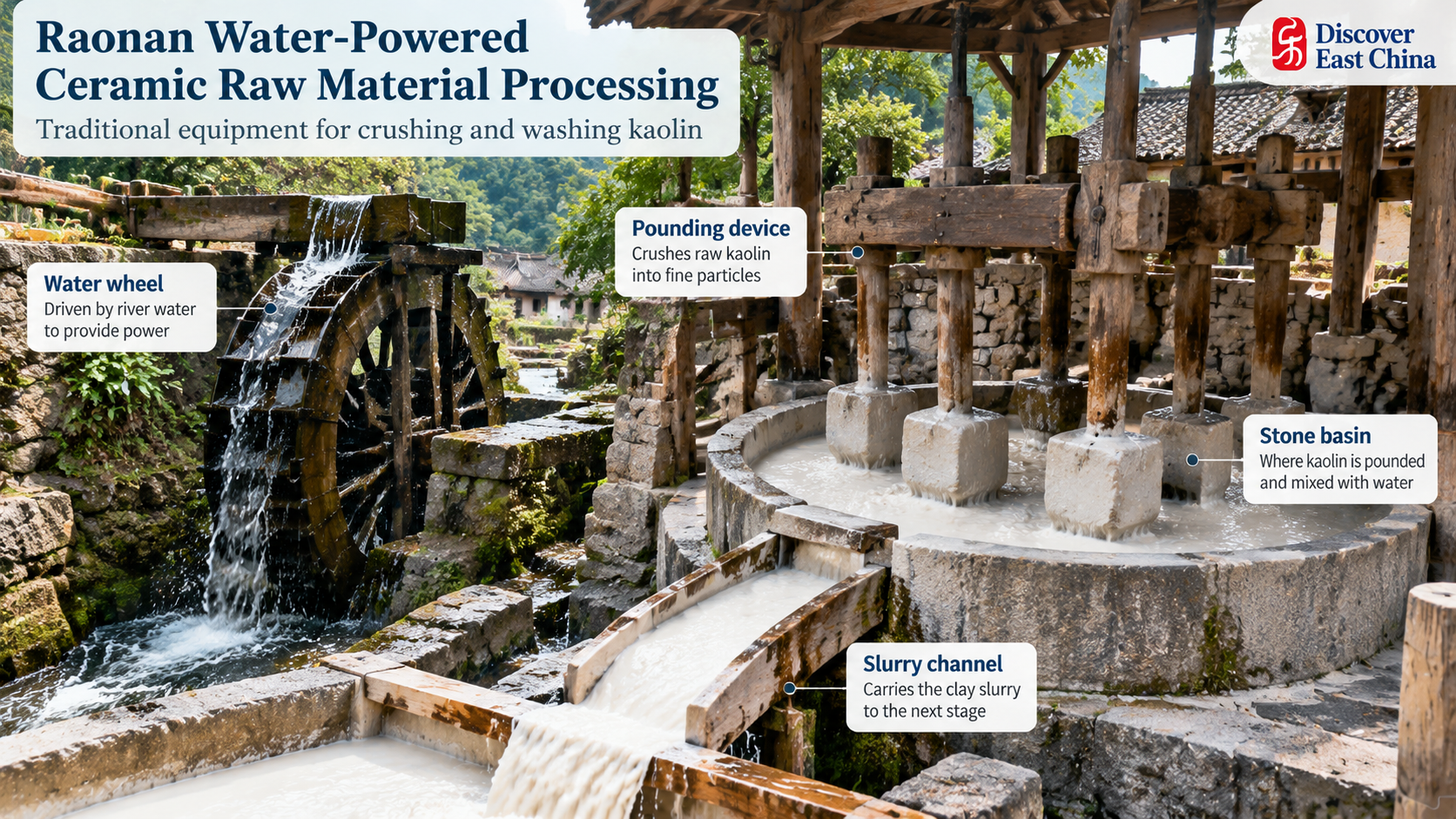
Water-powered ceramic material processing equipment at Raonan
These are separate stops. Arrange the connection and confirm the selected route before allocating the afternoon.
When should you stay overnight?
An overnight stay is worth considering when you want both a substantial heritage visit and a longer nature walk, or when morning and evening village time matters more than fitting everything into one day.
For a short Jingdezhen stay, an overnight excursion can also reduce your city time and add luggage handling. Choose it because you want that rural rhythm, not simply because more attractions appear on the map.
When is Yaoli less worthwhile?
Skip it if your only free period is a short afternoon, you have an essential evening connection, or most of the group wants to avoid a lengthy return drive.
It may also be the wrong priority when you have yet to visit the city attractions that brought you to Jingdezhen. A rural village should add a distinct experience, not displace your main interests by default.
Hanxi: Tea Landscapes and Rural Art
What is the appeal?
Hanxi village — 寒溪村 — and the Shiziyuan area — 史子园 — combine tea-growing countryside with a rural art setting. The experience can centre on walking through a landscape rather than moving between conventional museum rooms.
Choose this direction if tea scenery, contemporary art in a village context and an outdoor break appeal more than a long historical sightseeing circuit.
Check what is actually available
Art installations and exhibition access can change. A photograph or an old event title does not establish that the same works are accessible during your trip.
Confirm the arrival point, current public walking route and any art venue you particularly want to see. Tea harvesting, guided tastings and visits inside working buildings require their own arrangements; a tea-field walk does not include them automatically.
Respect agricultural paths and private land. Ask where visitors may walk rather than stepping into planted areas for a photograph.
Half day or full day?
A focused visit with arranged transport may fit a long half day. With a substantial walk, lunch and time to sit, allow around five to seven hours from your hotel.
It can work as a relaxed full day without another major destination. A second site should justify the added driving, especially if your main aim is to slow down.
Should you combine Hanxi with Yaoli?
It is possible to build a combined route, but it turns the outing into a longer day and reduces time at both places. Ask for the actual connecting drive and decide what you will omit.
For most first-time visitors, choose one as the centre of the excursion. Hanxi favours tea landscape and art; Yaoli favours a riverside village and a broader choice of nearby heritage stops.

An identified artwork in the Shiziyuan area of Hanxi village
Raonan, Dongbu and Gaoling: For a Focused Porcelain-Heritage Day
These places are most rewarding when you have a specific interest in the landscape behind Jingdezhen’s ceramic production.
Raonan helps explore material preparation and production remains. Dongbu adds the movement of materials through a historic wharf setting. Gaoling connects the visit with porcelain clay and the place-name associated with kaolin.
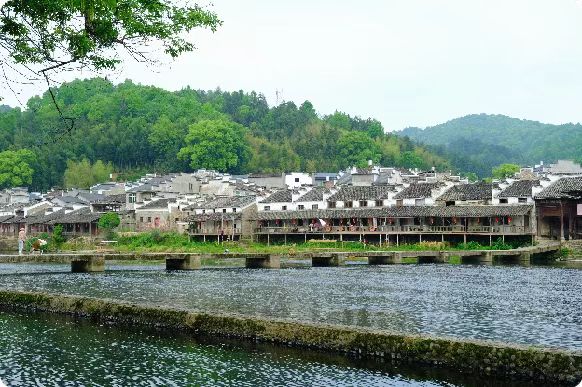
Historic wharf area at Dongbu
A guide can help explain the relationship between these subjects. Without interpretation, some visitors may find a material-processing site or protected remains harder to understand than a museum display.
Choose depth over three brief stops
A full heritage day need not include all three. Select the site that answers your main question, then add a compatible village walk or another short stop if the route permits.
For a broad first visit, Yaoli plus Raonan can provide a clear village-and-production combination. For a specialist interest, a Gaoling-focused programme may deserve more time and a knowledgeable guide.
Confirm what is open, the walking requirements and the availability of interpretation. Operating machinery, demonstrations and hands-on activities should be agreed separately rather than expected on arrival.
Keep Gaoling names distinct
Gaoling historic porcelain-clay mine site — 高岭瓷土矿遗址 and Gaoling China Village — 高岭中国村 are different destination names. A tourism or leisure complex does not provide the same experience as a mining-heritage visit.
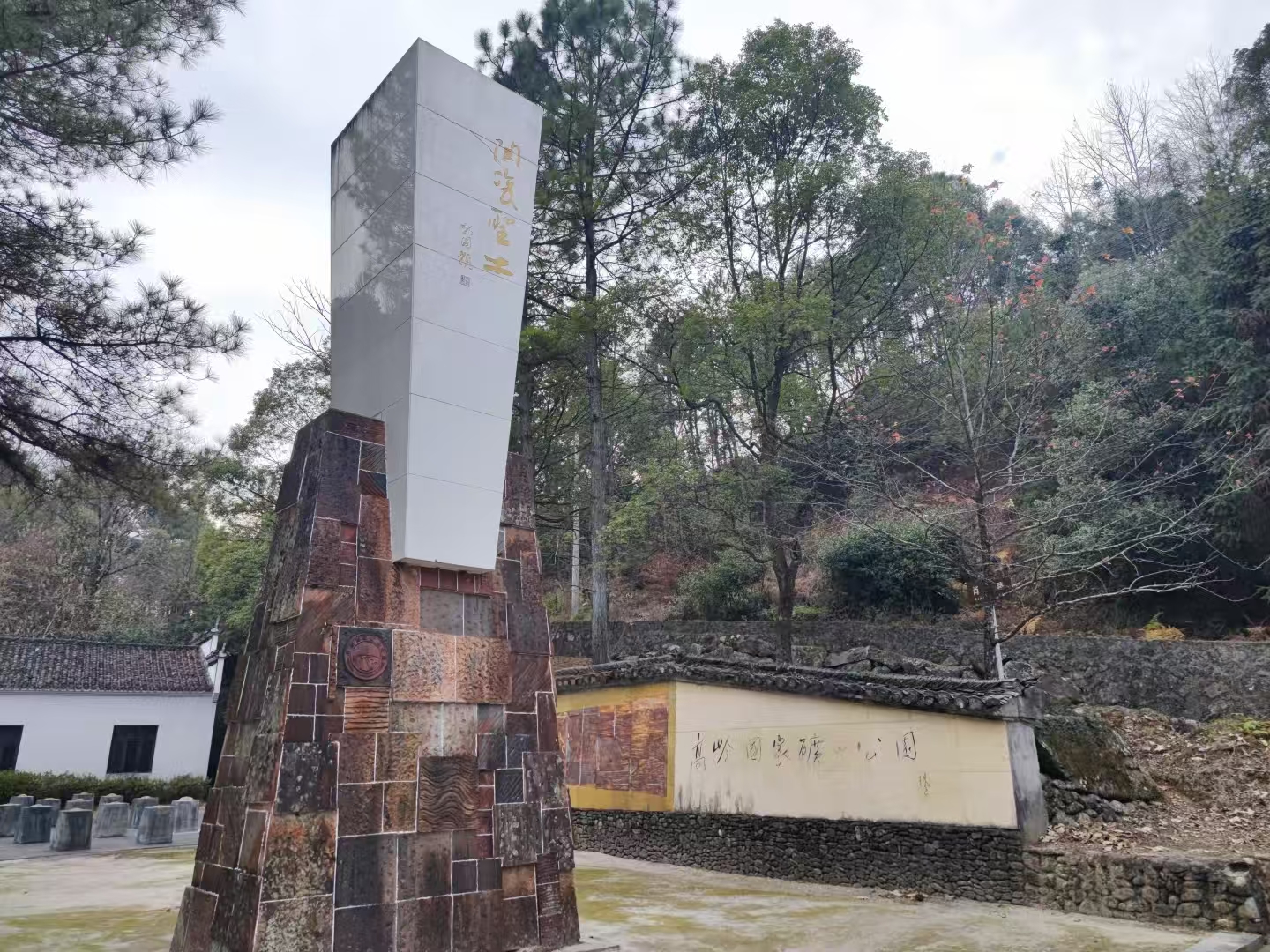
Porcelain-clay mining heritage at Gaoling
Use the precise name and map pin in your transport instructions. If a leisure programme at Gaoling China Village interests you, confirm that particular programme and allocate time for it on its own terms.
Bingding Wood-Fired Kiln: Worthwhile for a Specific Interest
Bingding Wood-Fired Kiln — 丙丁柴窑 — is in the Qiancheng village area of Fuliang. It can appeal to travellers with a focused interest in ceramic work, kiln architecture or a particular booked visit.
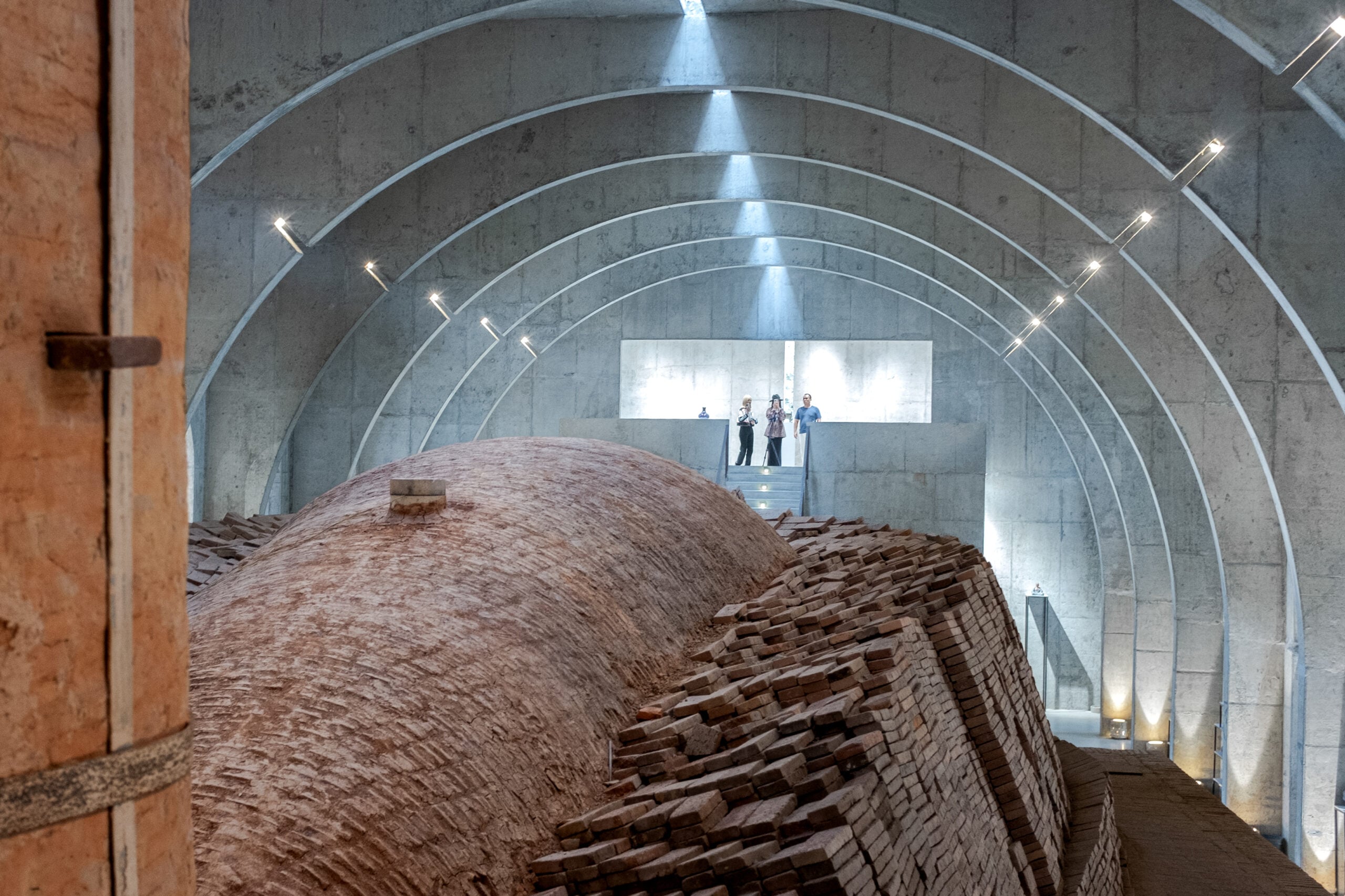
Bingding Wood-Fired Kiln in the Qiancheng village area
The key question is what you will actually experience. General admission, a guided explanation, a workshop and observing a firing are different arrangements.
Confirm the purpose before making the drive
Ask whether the venue welcomes visitors on your date, what access includes and whether interpretation is available in a language you understand. A functioning kiln does not mean a firing will coincide with your arrival.
A visit and a break may fit roughly four to six hours hotel to hotel with arranged transport. A workshop or specialist programme can require longer.
If your interest is primarily a photograph, compare that return journey with the architectural and ceramic experiences already available in the city. The excursion is easier to justify when there is a particular programme or subject you want to explore.
Do not automatically add it to a Hanxi–Yaoli circuit. Check the detour and decide whether it improves the day enough to warrant the extra driving.
Hongyan: A Different Nature Direction
Hongyan scenic area — 洪岩仙境 — is in the Leping direction and offers a cave-and-rock landscape. It gives the trip a different emphasis from tea fields, porcelain heritage or ancient-town walking.
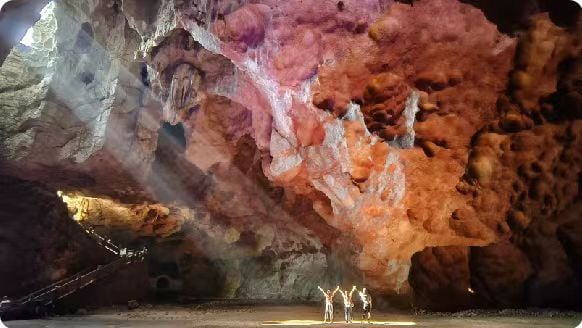
Cave scenery in the Hongyan scenic area
Choose it if a cave visit is a real interest for your group. It can be more appropriate than another village for travellers who enjoy geological scenery.
Treat it as a separate day
Allow around six to eight hours from your hotel for the return drive, a selected visitor route, lunch and breaks. Confirm the current entrance and route before refining the schedule.
Ask about steps, damp surfaces, lighting and the total distance. A cave is not automatically an easy indoor alternative on a rainy day, particularly for someone with mobility needs or discomfort in enclosed spaces.
If adding another Leping-area site, calculate the connection and extra walking afresh. Do not combine Hongyan with Yaoli simply because both appear in a regional tourism list.
What about Wuyuan, Huangshan or Wangxian Valley?
These wider regional destinations can belong in an East China itinerary, but they should not automatically be treated as convenient additions to a short Jingdezhen stay.
Wuyuan is a wider area with multiple villages and attractions. A trip to one named site needs its own road estimate, entry arrangements and realistic on-site time. Reaching a railway station does not mean you have reached the village you want to visit.
Huangshan and Wangxian Valley involve experiences that benefit from their own itinerary planning. Mountain routes, evening visits and onward travel change the schedule considerably.
For this guide, the practical recommendation is to build longer-distance destinations into a multi-day route rather than force them into an ordinary Jingdezhen day trip. If you specifically want one as a return excursion, obtain a complete destination-specific plan before deciding it is worthwhile.
Compare Culture, Villages and Nature
| Your main interest | Strong starting choice | What to clarify |
|---|---|---|
| Local history with limited travel | Fuliang Ancient County Government Office | Interpretation, admission and the visitor route |
| A distinctive ceramic building | Xinping Porcelain Palace | Current access and whether it justifies a separate trip |
| Riverside village walking | Yaoli Ancient Town | Walking route, lunch and return transport |
| Tea-growing scenery and rural art | Hanxi/Shiziyuan | Current installations, permitted paths and any booked tea activity |
| Porcelain materials and production | Raonan, Dongbu or Gaoling | Exact heritage site and knowledgeable guiding |
| Kiln architecture or a specific ceramic programme | Bingding | Visitor access and the actual programme on your date |
| Forest and waterfalls | A selected Wanghu route | Trail length, steps, weather and opening status |
| Cave and rock scenery | Hongyan | Visitor-route demands and suitability for the group |
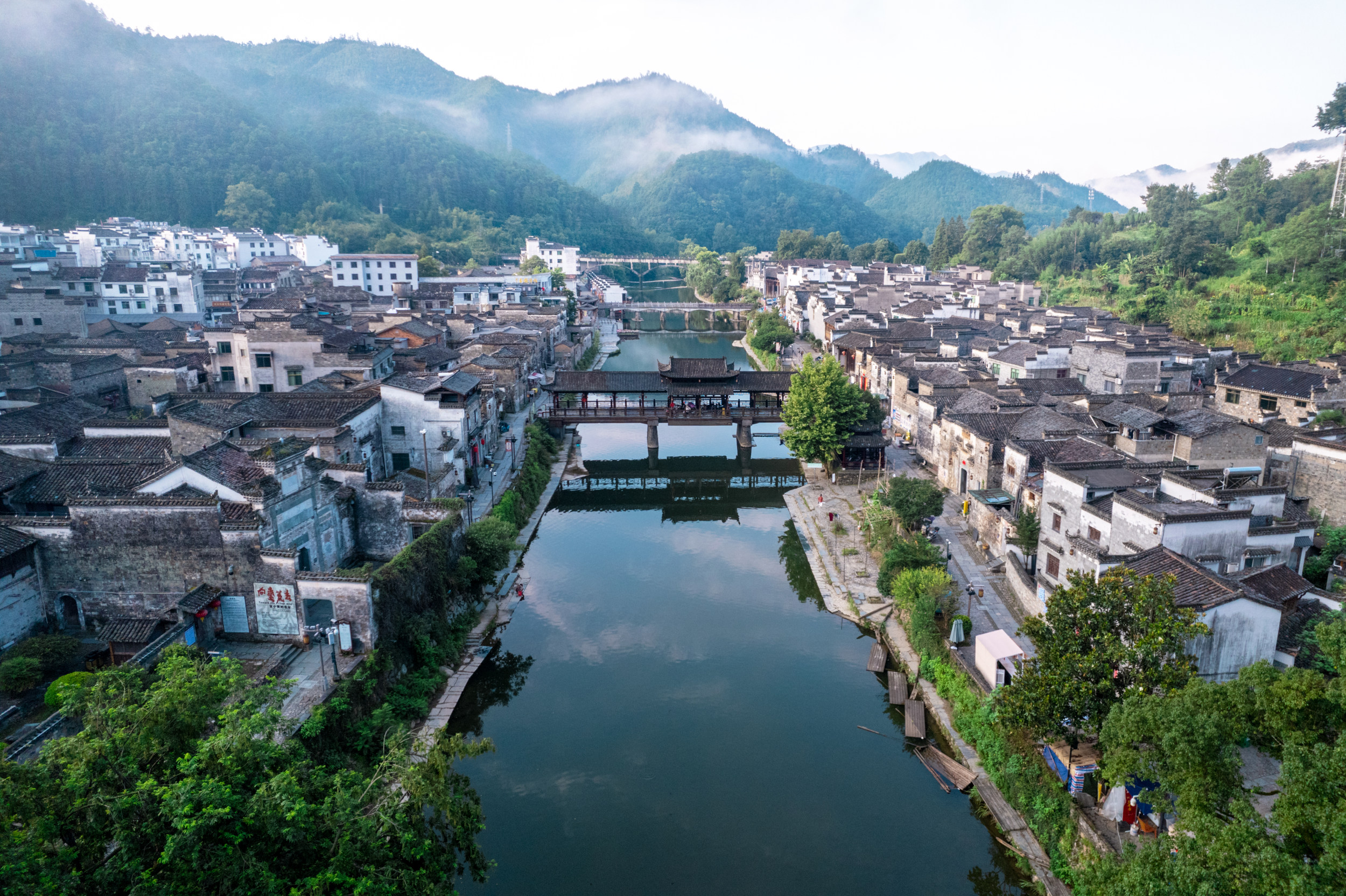
Riverside village buildings in Yaoli Ancient Town
For mixed-interest groups, choose one main experience that most people want and make a shorter addition optional. Two compatible experiences with time for lunch often work better than a tour designed to satisfy every interest through another stop.

Forest scenery on a confirmed Wanghu visitor route
Count the Complete Return Time
A useful estimate includes five parts: hotel-to-site travel, entry and orientation, the visit, food and rest, and the journey back. For multiple attractions, include every connecting transfer as well.
Example: a nearby cultural half day
Allow roughly an hour for the combined outward and return driving, about two hours for the main visit, and another hour for entry, a break and practical buffers. That produces a four-hour outing before adding a second substantial attraction.
Example: a Yaoli village day
Use around two-and-a-half hours as a sample return-driving allowance, three hours for walking and a building visit, and an hour for lunch. Add another half hour or more for pickup, parking, toilets and small delays.
The result is approximately seven hours hotel to hotel. An additional heritage visit requires its own transfer and visiting time; it cannot be absorbed merely because the day is called a “Yaoli trip”.
Example: a public-transport outing
Add hotel-to-terminal travel, waiting, any intermediate stops, the walk from the arrival stop and the return waiting period. The coach journey itself is only one part of the calculation.
A lower fare can be attractive, but compare the usable sightseeing time and certainty of the return. Sparse services may make an apparently short destination unsuitable for half a day.
These examples explain the calculation rather than promise precise timings. Use a current route estimate and your actual transport booking to finalise the day.
Three Manageable Excursion Plans
Plan one: a cultural morning near the city
Choose Fuliang Ancient County Government Office as the main visit. Add the Porcelain Palace only if it interests you and the combined timing fits.
Return for lunch or have an agreed local meal, then leave a generous gap before a city exhibition or workshop. This suits travellers who want an excursion without giving up the entire day.
Plan two: one village-centred day
Leave after breakfast, walk in Yaoli and have a seated lunch. Choose one afternoon heritage stop, or keep the day to the ancient town if the group prefers a lighter pace.
Return before your evening becomes rushed. Keep dinner flexible and avoid tying the trip to an essential train immediately afterwards.
Plan three: a countryside day with fewer stops
Choose Hanxi for a permitted tea-landscape walk and the art that is currently accessible. Arrange lunch and leave room for rest or a confirmed tea activity.
Return to Jingdezhen without adding another major destination simply to fill the vehicle hire. This suits travellers who value time in the landscape more than the number of attractions visited.
Transport: Arrange the Return First
Private car and driver
An arranged vehicle is often the most practical option for several rural stops. Ask for the destinations, pickup time, return time, waiting allowance and total cost in writing.
Clarify any extra charge for a detour or extended day. Confirm whether guiding, attraction admission and meals are included. A driver does not automatically provide English-language interpretation.
For children, request suitable seating in advance. For an overnight excursion, include luggage capacity and the accommodation’s vehicle access in the discussion.
Public transport
Coach routes serve destinations including Yaoli and Hongyan through Jingdezhen North Railway Station’s north square. Confirm the route and your travel-day departures directly before organising the outing around them.
Check the return timetable first, then decide how much sightseeing fits. A list of outward departures or a service range is not a confirmed last return time.
An intermediate stop does not necessarily provide transport to a trailhead or heritage entrance. For a multi-stop day, establish each connection rather than expecting a flexible hop-on service.
Taxi or ride-hailing
Arrange the return before leaving the city. An outward car booking does not guarantee another vehicle will be available later in a village or at a rural attraction.
Agree the exact pickup point and a contact method. Save map pins and Chinese destination names, especially where the attraction entrance differs from the village centre.
Meals, Weather and Different Travellers
Put lunch in the route
For a full-day outing, choose a dependable meal stop before everyone becomes hungry. Ask where the vehicle can stop and whether the restaurant can accommodate the group’s needs.
Explain chilli preferences and ingredients you avoid when ordering. For a vegetarian meal, confirm stock, cooking fat and sauces as well as the main ingredients.
On a forest or cave outing, confirm the meal arrangement before entering the visitor route. Carry water and a snack so the schedule does not depend entirely on finding food at the far end of a walk.
Adjust the destination to the weather
Tea-landscape and forest visits rely heavily on outdoor conditions. Check the forecast and current path access before setting out, and shorten routes when necessary.
A county-office visit may offer more sheltered sections, but moving between buildings can still involve rain. Cave visits have their own conditions and should not be treated as automatically suitable during severe weather.
Keep a city option available if the excursion’s main attraction closes or the weather removes the experience you wanted.
Families and older travellers
Choose routes by walking demands rather than attraction category. A village can have uneven paving and waterside sections; a forest or cave can involve substantial steps.
With young children, one clear activity and a proper meal can be enough. With older travellers, confirm seating, toilets, walking distance and a convenient pickup.
For mobility needs, obtain route-specific information. A short drive does not establish that the attraction itself is accessible.
When Staying in the City Is the Better Choice
Stay in Jingdezhen when the excursion would replace your main ceramic interests, when you have too little daylight for the return journey, or when the group does not want the travel involved.
It is also sensible to stay if an essential rural programme cannot be confirmed. A journey made specifically for a closed studio, unavailable artwork or unscheduled kiln firing can be difficult to justify.
If you want a change of atmosphere with less travel, consider a focused city-edge creative visit such as Sanbao, using the actual venue and map pin. That can offer a different setting without turning the outing into a full countryside circuit.
A good short trip does not need to cover both urban and rural Jingdezhen. It needs to give you enough time for the places that matter most.
Common Planning Mistakes
- Treating “Fuliang” as a single destination.
- Comparing attractions using one-way driving time only.
- Adding Yaoli to a short afternoon because the village walk sounds brief.
- Combining Hanxi, a kiln, Yaoli and several heritage sites without calculating the connections.
- Confusing Gaoling China Village with the historic mine site.
- Expecting a tea harvest, kiln firing or demonstration without a booking.
- Choosing a photography stop that displaces the main reason for the trip.
- Assuming a public coach provides flexible transport between attractions.
- Leaving lunch and the return car until the end of the visit.
- Planning an essential train immediately after the estimated return.
Frequently Asked Questions
Which day trip is best for a first-time visitor?
Yaoli is a strong choice for a full village-centred day. If you have only half a day, start with Fuliang Ancient County Government Office. Choose according to your available time and interests rather than a universal ranking.
Is it worth leaving the city with only one day in Jingdezhen?
Usually the city is the better priority for a first visit. Choose an excursion only if that destination is your main interest or you already know the city.
Can we visit Yaoli in half a day?
A brief visit may be possible with arranged transport, but the return drive leaves limited time for walking and food. A full-day allowance is more comfortable and gives the journey greater value.
Is Fuliang the same as Yaoli?
No. Fuliang is the county; Yaoli is one destination within it. The county office, Hanxi and other attractions are separate places.
What is the most practical cultural half-day trip?
Fuliang Ancient County Government Office is a useful starting choice. Add Xinping Porcelain Palace selectively and calculate the complete return time.
Should we choose Hanxi or Yaoli?
Choose Hanxi for tea landscapes and rural art, with current access checked. Choose Yaoli for a riverside village and the option of nearby ceramic heritage or forest sightseeing.
Can we combine Hanxi and Yaoli in one day?
Yes, with a carefully arranged route, but expect less time at each. For a relaxed first visit, choose one main destination and limit additions.
Which places best explain porcelain outside the city?
Raonan, Dongbu and Gaoling provide different material, production and transport perspectives. Choose a focused route and suitable interpretation.
Is the Porcelain Palace essential?
It is a selective choice for ceramic decoration and architecture. It need not displace a museum or production visit if those better match your interests.
Can we see a firing at Bingding?
Only if a firing and visitor access are confirmed for your date. General venue access does not guarantee that activity.
What is the best nature option?
A selected Wanghu route suits forest and waterfall interests; Hongyan offers cave and rock scenery in another direction. Compare the actual walking requirements before choosing.
Are coach journeys included in the time table above?
No. The table uses private-vehicle planning allowances. For coaches, add terminal travel, waiting and any local connections, and confirm the return timetable.
Do we need a guide as well as a driver?
A driver can manage transport. A guide adds interpretation, language support and help with local arrangements. A guide is particularly useful for a specialised heritage visit.
Can we take an evening train after a day trip?
Only with a comfortable buffer for the rural return, station transfer and boarding. Avoid planning around the earliest possible return estimate.
Should we stay overnight in Yaoli?
Consider it for morning and evening village time or a slower heritage-and-nature programme. A day trip is simpler when city time is limited.
Are Wuyuan, Huangshan and Wangxian Valley ordinary Jingdezhen day trips?
Treat them as separate itinerary decisions. They need destination-specific timings and can fit better into a multi-day route than a short return excursion.
Choose the Excursion That Adds Most to Your Trip
A worthwhile day trip has a clear purpose: local history, a village walk, tea scenery, porcelain heritage or a particular nature experience. Choose that purpose first, then give it enough time for the return journey, a meal and an unhurried visit.
Discover East China Tours can help you compare a city-based stay with a suitable countryside outing. Tell us your available days, preferred pace, walking needs and the experiences that matter most, so the route and return arrangements can be planned around your trip.