
Compare Jingdezhen's seasons and plan around rain, national holidays and ceramic programmes. Includes a dated 2026 calendar and practical packing advice for museums, studios and rural outings.
For a first visit to Jingdezhen, spring and autumn are useful starting points, especially if you want to combine museums, ceramic activities and time outdoors. Autumn generally offers the stronger starting case for comfortable walking, while spring brings greener countryside with more changeable conditions.
The best dates also depend on your purpose. A museum-and-workshop trip can work in less favourable outdoor weather. A countryside day needs more attention to rain and paths. A ceramic-event visit should be built around that year’s confirmed programme, with accommodation and access arranged before travel.
Choose the experience first, then compare weather, national holidays and the current event calendar. A good season does not guarantee a quiet week, and an old event date does not establish a future schedule.
This guide compares the seasons, explains how to adapt to rain and busy periods, and suggests practical packing for city visits, workshops and rural outings. The year-specific calendar below is checked for 2026 as of 11 October 2026; it is not a recurring timetable for later years.
The Best Time at a Glance
| Main priority | A useful starting choice | Main qualification |
|---|---|---|
| Comfortable city walking and a first visit | Autumn outside major holiday and event peaks | Check temperatures and the actual booking calendar |
| Green countryside and village scenery | Spring with a flexible outdoor day | Rain and changing conditions can affect the route |
| Museums and a pottery workshop | Any season with confirmed indoor access | Transfers, closures and studio availability still matter |
| A specific ceramic fair or exhibition | Its verified dates for your travel year | Confirm venue, admission and whether the relevant programme is public |
| Longer studio learning | The provider’s feasible teaching dates | Course availability and process timing take priority over a generic season |
| Fewer visitor pressures | Dates outside holidays and major event periods | A particular weekend or venue can still be busy |
| A family trip | A comfortable-weather period that fits school dates | Pace, meals and rest can matter more than the month |
There is no single best week for every traveller. An ordinary autumn weekday may suit a first-time visitor, while a ceramic enthusiast may prefer a busy event week for a specific programme.
Understand Jingdezhen's Seasonal Pattern
Jingdezhen has a humid subtropical monsoon climate. Spring can alternate between warmer and cooler conditions, and rainfall becomes an important consideration through spring and early summer. Summer can feel hot and humid. Autumn is generally milder with less rain, while winter can feel cold and damp.
These patterns help choose a travel window; they are not a forecast for your dates. Check the local forecast shortly before departure and again before any rural outing.
Avoid making a country walk, outdoor market or long exposed route essential to every day. The city offers indoor experiences, but those need confirmed opening and access rather than being treated as automatic weather substitutes.
Spring: Green Landscapes and Flexible Plans
Why choose spring?
Spring can suit a trip that mixes cultural visits with village or tea-landscape scenery. It is a useful option when you want to spend time outside without building the whole itinerary around summer heat.
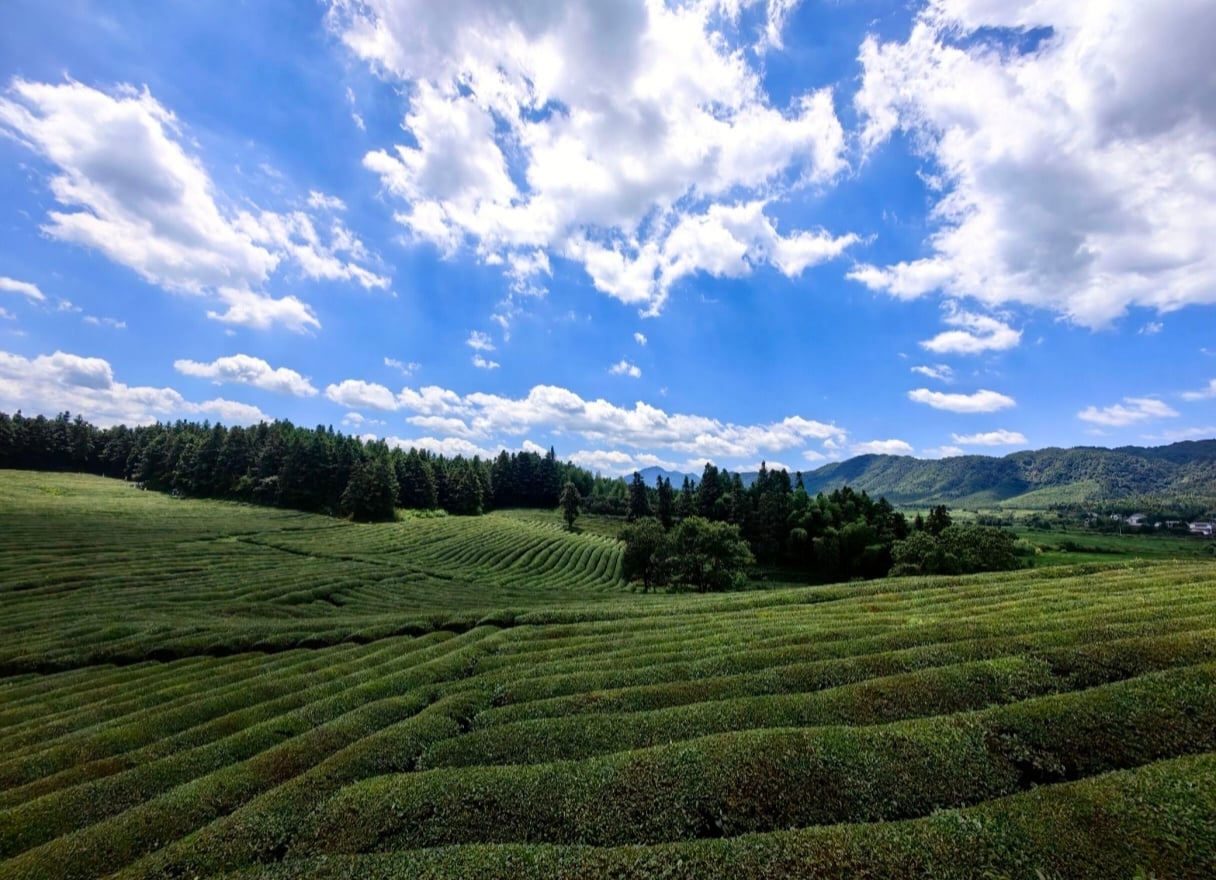
Spring countryside plans need room for rain and changing route conditions.
Give an outdoor day some flexibility. If your museum and workshop are booked, a less fixed rural day can move around them where transport and access permit.
What should you plan for?
Pack layers and rain protection. Keep footwear suitable for wet paving, and leave more time for moving between venues.
For tea-growing countryside, scenery and harvesting activities are different experiences. A seasonal landscape does not guarantee visitor picking, a tasting programme or access to a working farm. Confirm any activity separately for the actual date.
For Yaoli or another village, choose a public walking route and a dependable meal stop. Ask about current conditions before adding a forest or waterfall walk.
A practical spring rhythm
Use one confirmed cultural or studio activity as the day’s anchor. Add a shorter outdoor section when conditions allow, rather than building several exposed stops into a rigid timetable.
A spring trip can remain rewarding when a rural outing needs shortening. Give the city programme enough substance to stand on its own.
Summer: Protect the Best Part of the Day
Why visit in summer?
School holidays, personal schedules or a confirmed programme may make summer the right choice. Museums, exhibitions and ceramic teaching can provide the main focus when long outdoor walking is less appealing.
The aim is to organise the day around comfort. Plan an early outdoor section where appropriate, keep midday manageable and leave an optional evening outing only if the family or group still wants it.
Rain and heat need different adjustments
Early-summer wet conditions can affect rural routes and transfers. Later hot or humid days may make an otherwise straightforward walk feel more demanding.
Do not use a summer event announcement from a previous year to assume museums will extend their hours. Seasonal late openings and special evening programmes require current confirmation.
If a particular gallery or workshop is important, book it before arranging the rest of the day. Indoor demand can also be concentrated when weather limits other options.
A practical summer rhythm
Choose a main indoor visit or workshop, a seated lunch and a proper rest. Add a limited outdoor walk between suitable stops rather than use a distant café as the only break in an exposed route.
Carry water and keep the day’s bag light. For children and older travellers, reduce transitions before adding more sightseeing time.
Autumn: A Strong Starting Choice, with Calendar Checks
Why autumn often works well
For visitors wanting a balance of museum time, creative districts and outdoor walking, autumn is a useful starting recommendation. It can also fit a focused rural day without making weather the main organising concern.
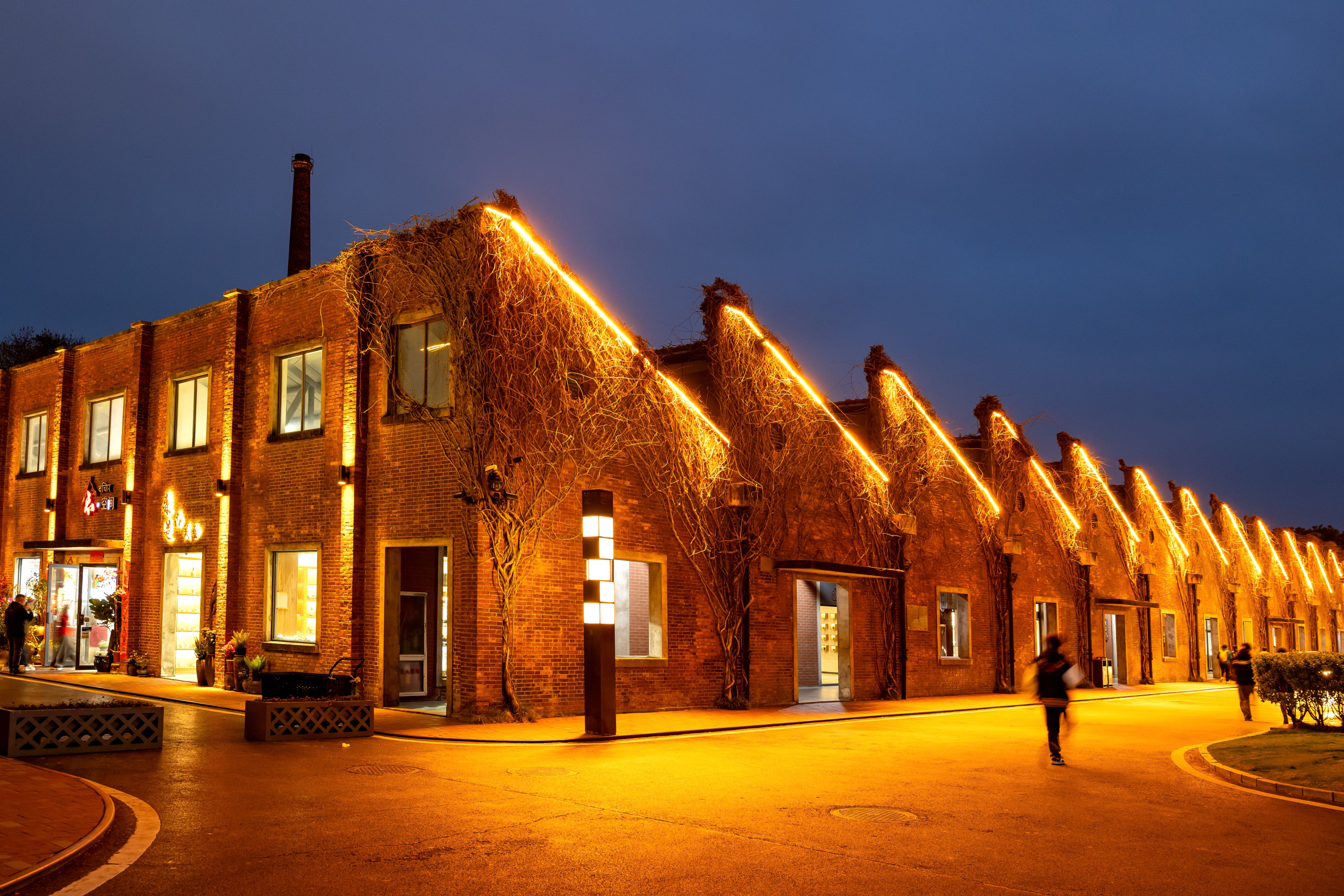
Compare the exact week with holiday and event demand before choosing an autumn visit.
Pack for changes between daytime and evening conditions rather than assuming one outfit will remain comfortable throughout the day.
Good walking conditions do not mean a quiet city
National Day travel and ceramic events can create concentrated demand for hotels, transport and appointments. Compare the exact week rather than treating all of October as interchangeable.
An event period can be worthwhile when you want that event. For an ordinary first visit, a date outside the busiest holiday and exhibition window may give you more flexibility.
A maker may also be preparing work, installing an exhibition or attending a fair. More cultural activity does not automatically mean more availability for private teaching.
A practical autumn rhythm
Combine a substantial cultural visit with a manageable outdoor block and a meal. If an evening market or programme is confirmed, let it replace another discretionary activity instead of adding it after a full day.
For rural sightseeing, keep the return arrangement clear even when the weather is favourable. Comfort does not remove the need to count the complete journey.
Winter: A More Indoor-Focused Visit
Why consider winter?
A winter trip can suit visitors whose main interests are museum collections, a specific studio or a booked course. A quieter-looking calendar may also appeal, but do not assume every venue or date has lower demand.
Choose accommodation and meals that support an indoor-led day. A comfortable base can make a substantial difference when the evening is better spent resting than walking.
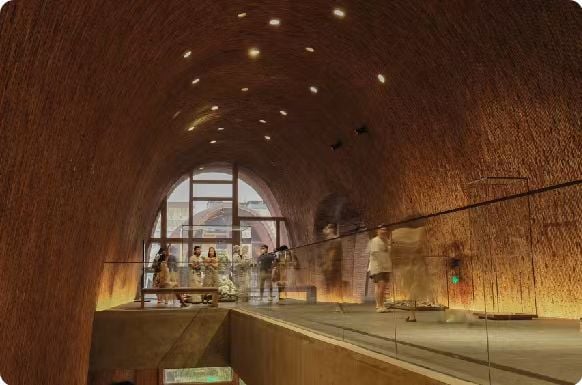
Check the booked studio environment and accommodation heating before a winter visit.
What needs checking?
Confirm room heating, hot water and the working conditions of the booked studio. An attractive rural property or converted building does not by itself establish a warm room or teaching space.
Shorten outdoor sections where needed and leave unfamiliar village or nature paths for daylight. A short mapped distance can still be uncomfortable in poor conditions.
Spring Festival requires separate attention. Some businesses may close or change hours, while other places receive visitors. Confirm the services you need individually rather than assume the whole city follows one pattern.
A practical winter rhythm
Use a confirmed museum or studio appointment, lunch and a short nearby outing. Keep long outdoor routes optional and choose a convenient pickup point.
If the reason for travelling is a specialist programme, its actual availability matters more than winter being labelled a low season.
Month-by-Month Planning Priorities
This is a practical planning overview rather than a temperature or rainfall chart.
| Period | Main planning question | Useful adjustment |
|---|---|---|
| January–February | Are accommodation, studios and meals operating as expected, especially around Spring Festival? | Confirm services and pack warm layers |
| March–April | Can outdoor plans move if conditions change? | Keep rain protection and a confirmed indoor alternative |
| May–June | Does the itinerary depend too heavily on long outdoor sections? | Reserve museum or studio time and recheck rural access |
| July–August | Can the family or group avoid an exhausting midday programme? | Use shorter outdoor blocks, rest and dependable meals |
| September–October | Do holidays or ceramic programmes coincide with your dates? | Check demand, admission and appointment availability early |
| November–December | Are late-day walking and room comfort suitable? | Use daylight for outdoor stops and verify heating |
Season transitions do not occur on a fixed calendar day. For a trip near the edge of a season, use the forecast and the actual activities to decide what to bring.
Rainy Days: Keep the Purpose, Change the Route
Museums can work if access is confirmed
A collection visit or exhibition can provide the main experience during rain. Check reservations, opening days, entry procedures and the journey to the correct entrance.
Do not arrive at an unconfirmed museum simply because the planned walk has become less attractive. Rain can make spontaneous transport and entry more difficult rather than easier.
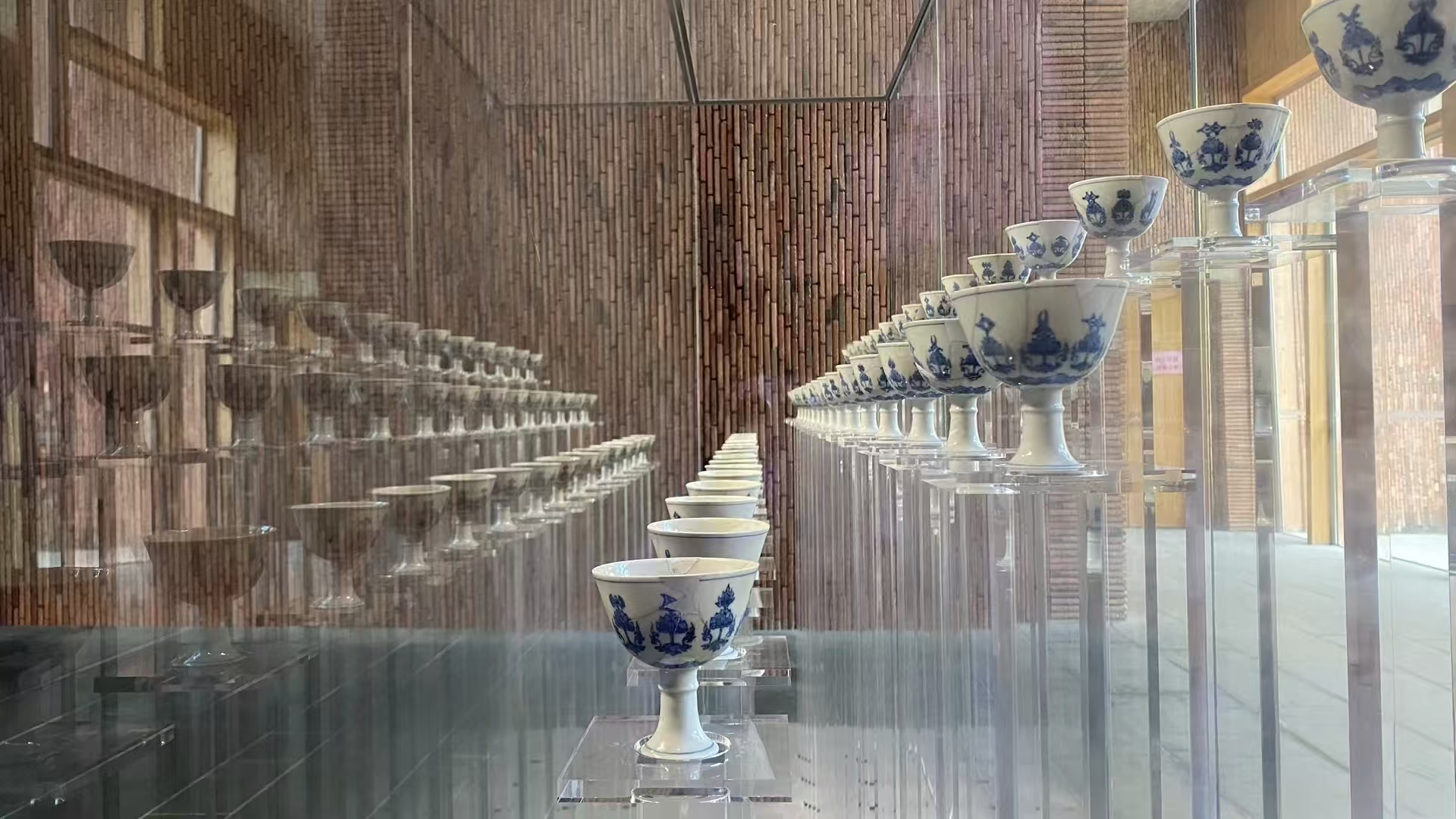
An indoor museum visit can support a rainy-day plan when admission is confirmed.
Workshops need appointments
A suitable workshop is a useful indoor focus, but a studio may not accept walk-in visitors or have a teacher available. Check whether the appointment can proceed and whether travel conditions permit reaching it comfortably.
A working studio is not an automatic rainy-day attraction. Keep the booking and contact details available so changes can be handled promptly.
Creative districts still involve outdoor movement
Taoxichuan has separate venues within a broader public area. An exhibition and a meal can make a good rainy-day plan, but moving between them may still require wet-weather walking.
Sanbao destinations are scattered. Use a specific booked studio and direct transfers rather than expecting continuous sheltered browsing across the area.
Rural routes need current local information
Ask about access and path conditions before travelling to Yaoli, Hanxi or a forest area. Shorten the walk or change the outing when necessary.
A waterfall may look more dramatic after rain, but that does not establish that the visitor path is open or suitable. Follow local restrictions and the conditions on the day.
For severe weather, simplify the itinerary and follow local advice. Avoid replacing a closed rural trail with another unfamiliar route just to keep the day full.
National Holidays: Compare the Exact Dates
China’s holiday arrangements vary by year, with some weekends designated as working days. Do not use a recurring Western weekend pattern to judge whether a particular date will be quiet.
Holiday periods can bring more demand for intercity travel, accommodation, museum reservations and local transfers. Studio hours can also change. The effect varies by venue, so confirm the important parts of your own route.
If your dates are flexible and the holiday itself is not the reason for visiting, consider travelling outside the main holiday block. If your dates are fixed, book the essential services first and reduce optional transitions.
2026 national holiday calendar
The dates below are the national holiday blocks in the State Council’s 2026 holiday arrangement. They are included for year-specific planning, not as a prediction of the busiest day at each attraction.
| Holiday | 2026 holiday dates | Status as of 11 October 2026 |
|---|---|---|
| New Year | 1–3 January | Past |
| Spring Festival | 15–23 February | Past |
| Qingming Festival | 4–6 April | Past |
| Labour Day | 1–5 May | Past |
| Dragon Boat Festival | 19–21 June | Past |
| Mid-Autumn Festival | 25–27 September | Past |
| National Day | 1–7 October | Past |
The 2026 arrangement also designates 4 January, 14 and 28 February, 9 May, 20 September and 10 October as working days. These do not determine museum opening or workshop operations; check each venue separately.
For 2027 or a later trip, replace this calendar with that year’s published arrangement. Do not shift these dates forward by one year.
Ceramic Events: Choose the Programme, Not Just the Month
Jingdezhen’s fairs, exhibitions, markets and professional gatherings can offer different experiences. One may centre on trade, another on contemporary art, and another on makers selling work in public spaces.
Read the actual programme before choosing dates. A large ceramic event does not guarantee a visitor workshop, access to every talk or a meeting with a particular artist.
China Jingdezhen International Ceramic Fair
The ceramic fair can suit travellers interested in the range of work, exhibitors and ceramic-related activity. Allow time to visit selectively, and distinguish the main exhibition from related programmes elsewhere in the city.
For 2026, the fair is listed for 18–22 October 2026 at Taobocheng International Convention and Exhibition Centre — 陶博城国际会展中心.
As of this guide’s update, these are scheduled future dates. Reconfirm the final visitor arrangements, admission or registration, daily access hours and venue before making an event-dependent booking.
Do not treat the fair as a permanent 18–22 October appointment for later years. Even where a date pattern repeats, the travel-year announcement is what matters.
IAC Congress and specialist gatherings
The 52nd Congress and General Assembly of the International Academy of Ceramics took place in Jingdezhen from 27 June to 2 July 2026, as recorded by the IAC organiser. It is a completed event, not an upcoming opportunity in this guide.
Some local descriptions use a shorter core-event window; for congress participation, the organiser’s full programme dates are the relevant reference. This also illustrates why a registration period, opening ceremony and main programme may have different dates.
Do not present the congress as an annual Jingdezhen event or roll its dates forward. Future congress locations, dates and participation arrangements require separate confirmation.
Taoxichuan markets and temporary programmes
A recurring-market description is a reason to check the current calendar, not a guarantee that every weekend uses the same venue and hours.
Holiday fairs, larger markets and seasonal exhibitions can have their own schedules. Check the event name, year, exact location and current operating status, particularly when an outdoor programme is affected by weather.
A non-market visit can still work through a confirmed exhibition, architecture and dining. Keep your city itinerary worthwhile even if the temporary programme changes.
Exhibitions and artist programmes
An exhibition announced during a fair or congress may have a different public run. Check its own dates and admission rather than assume it ends with the associated event or remains open afterwards.
Artist residencies, professional programmes and studio visits can require an application or appointment. Their existence does not establish access for ordinary visitors.
2026 Ceramic-Event Planning Snapshot
Reviewed for this guide on 11 October 2026; final fair visitor arrangements remain to be confirmed. This is a limited planning snapshot, not a complete city event calendar.
| Event or programme | 2026 date information | How to use it |
|---|---|---|
| China Jingdezhen International Ceramic Fair | Listed for 18–22 October 2026 | Scheduled future event; reconfirm admission, daily hours and the relevant programme |
| 52nd IAC Congress and General Assembly | 27 June–2 July 2026 | Completed event; do not promote as upcoming or annually recurring in Jingdezhen |
| Taoxichuan creative markets and special fairs | Event-specific; no fixed timetable given here | Verify the actual travel-date announcement and venue |
| Temporary exhibitions, studio events and learning programmes | Programme-specific; no blanket dates given here | Confirm the provider, exact dates, access and language arrangements |
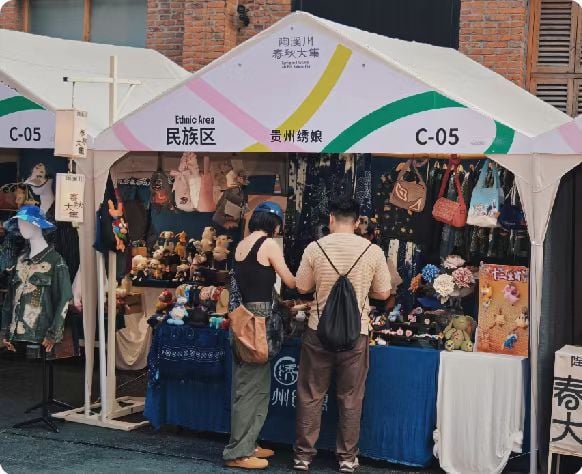
The 2026 IAC Congress took place from 27 June to 2 July; it is a completed event.
For a later-year edition, update this section in full. Changing the date at the bottom of the article without rechecking the rows would leave the calendar misleading.
How to Check an Event before Booking
Confirm the full event name and year, then establish the dates relevant to the part you want to attend. Distinguish registration, previews, opening ceremonies, trade sessions and ordinary visitor access.
Save the exact venue and entrance, especially if the event uses several parts of the city. A familiar district name may not identify the hall or exhibition building.
Ask about overseas-passport registration, tickets, language and any booking deadline. A public event announcement does not establish that every activity accepts unregistered walk-ins.
Check again before travelling. Weather, venue arrangements or programme changes can affect access even after dates have been announced.
If the specific programme is essential, confirm it before making non-refundable travel arrangements dependent on it. If it is simply a bonus, build a city itinerary that remains useful without it.
Should You Visit during a Ceramic Event?
| An event period may suit you if… | An ordinary week may suit you better if… |
|---|---|
| You want a specific fair, exhibition or professional programme | Your priorities are the main museums and a relaxed first visit |
| You are comfortable planning admission and meetings in advance | You prefer flexible meals, accommodation and daily timing |
| The event’s content matches your ceramic interests | You want individual studio teaching and need the instructor available |
| You can allow time for queues and travel between venues | You are travelling with young children or prefer fewer transitions |
An event period can offer more activity while leaving less availability for private appointments. A maker preparing an exhibition or fair may be harder to book for a teaching session.
For a ceramic enthusiast, agree the meeting or workshop before assuming that the event week is the best time to see that person. For a family, choose a few accessible elements rather than attempt the entire programme.
Booking Priorities for Busy Dates
Start with the part of the trip that cannot easily move: the event registration, specialist appointment or intercity arrival. Then confirm accommodation, museum access and transfers around it.
Choose a hotel for the actual route. A property near a creative district may still require a separate journey to the fair venue, museum or railway station.
Allow time for queues, pickups and getting oriented. A full exhibition visit and a long workshop should not be fitted together solely because the venues look close on a map.
During holiday or event periods, a modest programme with confirmed services can be more enjoyable than a longer route dependent on last-minute access.
What to Pack for Jingdezhen
Everyday essentials
Bring comfortable walking shoes, appropriate identity documents, booking information and the addresses of your main venues. A small day bag is useful for water, weather protection and personal essentials.
Carry the documents required by the confirmed entry procedure. Overseas visitors should establish passport booking and verification for museums rather than assume Chinese identity-card instructions cover them.
Leave large luggage at the hotel where possible. Galleries, heritage lanes and working studios are easier to visit without carrying your full travel bags.
Clothing by season
| Season or condition | Useful packing choices |
|---|---|
| Spring | Flexible layers, a rain jacket or umbrella, and footwear suited to wet paving |
| Summer | Comfortable lightweight clothing, sun protection, water and a light layer for indoor conditions |
| Autumn | Walking layers and an additional evening layer, with rain protection still available |
| Winter | Warm layers, a suitable outer layer and clothing comfortable in the booked studio |
| Persistent rain | Reliable-grip footwear, protection for documents and electronics, and a practical way to carry wet items |
| Rural day | Suitable walking shoes, water, a small snack and weather protection based on the route |
Use the forecast to adjust the list. You do not need specialist outdoor equipment for every city visit, but a forest route deserves a different footwear decision from a short gallery outing.
For a pottery workshop
Wear comfortable clothes that can tolerate the activity, and ask whether the provider supplies an apron. Consider a change of clothing if the session and onward plans make it useful.
Confirm tools, materials and any items you need to bring. Do not pack your own equipment on the assumption that the studio permits it or that it suits the programme.
Save the finishing and delivery agreement. A camera or phone can help record your project with permission, especially if the piece will be completed after departure.
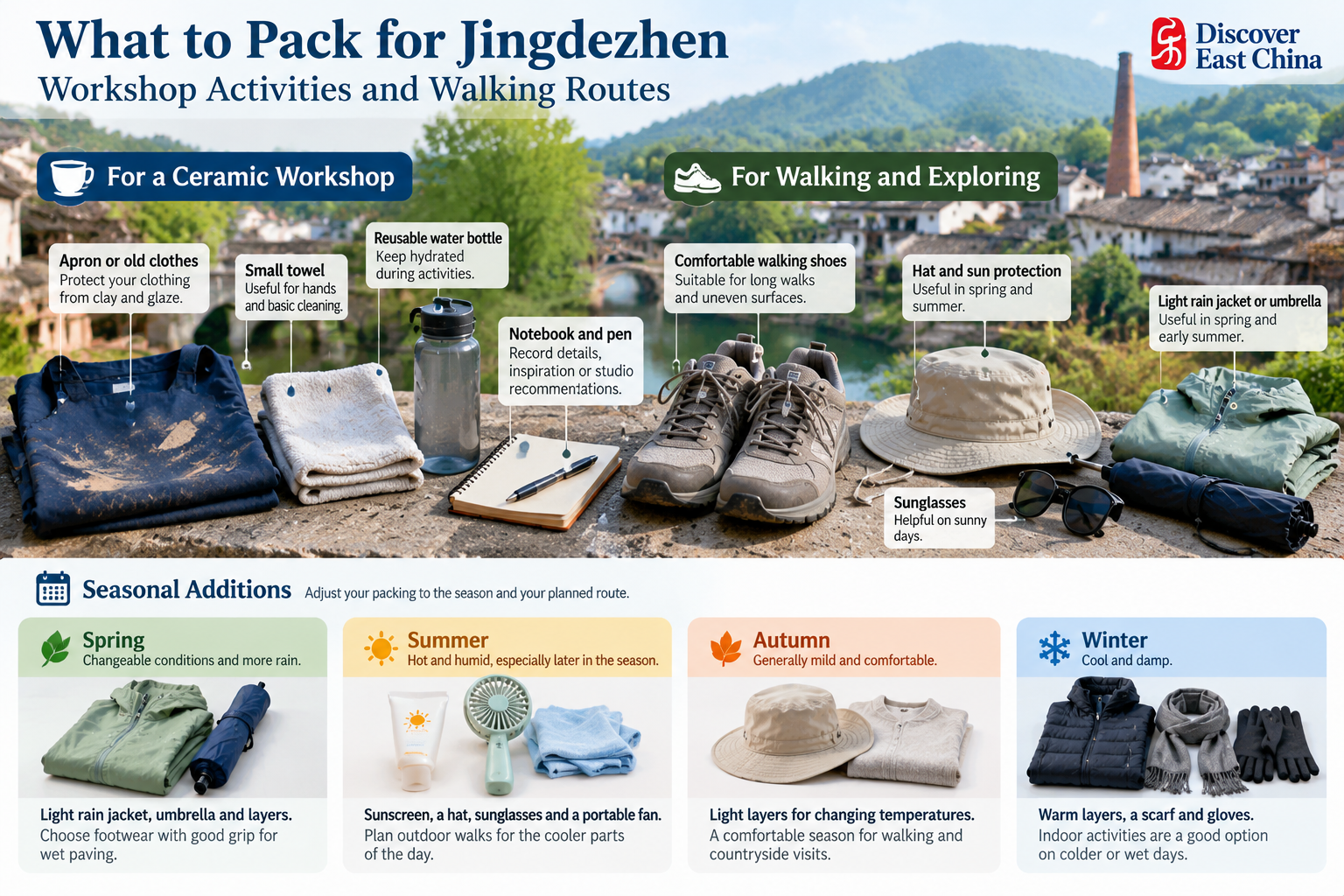
Choose comfortable clothes suited to the session and ask whether an apron is supplied.
For a fair or longer exhibition day
Use a comfortable day bag and allow space for notes or materials you genuinely need. Keep digital registration, identity documents and appointment details easy to find.
Plan how you will carry any purchases rather than accumulating fragile items throughout a long walking day. Ask sellers about protective packing or delivery before paying.
For families
Bring the child’s required documents, familiar essentials, suitable snacks and clothes for the planned activity. Confirm pushchair access, changing facilities and child seating separately.
A useful packing list supports a manageable route. It should not compensate for removing meals, rest or a necessary hotel break from the itinerary.
Bringing Ceramics Home
If you buy work, packing and luggage rules deserve attention in every season. Rain protection for an outer bag is not the same as impact protection for the object inside.
Ask the seller to pack the piece for your actual journey. Consider weight and fragility alongside your airline or rail luggage arrangements and the transfers still ahead.
For workshop pieces, do not assume that travelling in a particular season makes same-day collection possible. Drying, finishing and firing depend on the studio’s process and schedule.
International shipping requires specific confirmation of destination, costs, tracking and damage arrangements. Leave time to settle those details rather than postpone them to the final departure hour.
Match the Season to the Trip You Want
A two-day city visit
Museum access, a suitable workshop and convenient transfers can matter more than the month. See a two-day Jingdezhen itinerary for the city framework. Keep a flexible outdoor section and check whether closures require swapping the days.
A three-day city-and-country visit
Choose a comfortable outdoor window if rural walking is central, but retain a realistic alternative. Confirm the complete return journey and current paths before travelling.
A ceramic-learning stay
The instructor’s programme and process timeline should determine the core dates. Check the studio environment, accommodation comfort and any event commitments affecting the teacher.
A family visit
Compare school dates with national holidays and local events. Build in meals and rest rather than use favourable weather as a reason to increase every day’s activities.
A short arrival-and-departure stay
Count usable hours, not calendar dates. A pleasant season cannot turn an evening arrival and next-morning departure into a full sightseeing day.
Common Planning Mistakes
- Choosing October without checking both holiday and ceramic-event periods.
- Treating a past fair date as a guaranteed schedule for the next year.
- Presenting a completed congress as an upcoming annual event.
- Assuming an event’s main dates cover every exhibition or public session.
- Using an old summer late-opening notice for a current museum visit.
- Leaving workshop bookings until rain changes the plan.
- Treating a creative district as one continuously sheltered attraction.
- Expecting tea-picking or a firing demonstration from a seasonal photograph.
- Booking a rural walk without checking current access and return transport.
- Packing for the month alone rather than the forecast and actual activities.
Frequently Asked Questions
What is the best season for a first visit to Jingdezhen?
Autumn is a strong starting choice for a mixed city-and-outdoor trip, while spring can suit greener countryside. Compare exact dates with holidays, events and the forecast.
Is October always the best month?
No. Holiday travel and ceramic events can change the experience substantially. Choose the week according to your purpose and confirmed arrangements.
Can I visit in summer?
Yes. Use museums or workshops as the main focus, keep outdoor blocks manageable and allow for rest, rain and heat.
Is winter worthwhile?
It can be for indoor cultural visits or a confirmed learning programme. Check room and studio comfort, operating arrangements and any Spring Festival changes.
Can rain spoil the trip?
It may change outdoor plans, but confirmed indoor experiences can keep the visit worthwhile. Do not rely on spontaneous access to a museum or studio.
Which holidays need checking?
Review the national holiday calendar for your travel year, including adjusted working weekends. Check venue arrangements separately.
When is the ceramic fair in 2026?
It is listed for 18–22 October 2026. Confirm final visitor access and programme details before an event-dependent booking; later years require a new check.
Is the IAC Congress an upcoming annual Jingdezhen event?
No. The 2026 congress took place from 27 June to 2 July. Future editions require their own location, dates and participation checks.
Are Taoxichuan markets held every weekend?
Verify the event calendar for your dates. Recurring descriptions, special fairs and holiday programmes may differ in venue and hours.
Should I travel during a ceramic event for a studio workshop?
Only after confirming the instructor’s availability. Exhibiting and event commitments can reduce private teaching time.
When is best for Yaoli or Hanxi?
Choose a comfortable-weather window and confirm the actual walking route. Spring and autumn are useful starting options, but forecasts and access determine the day.
Will museums open later during busy periods?
Only if a current notice confirms it. Special summer or event arrangements should not be assumed to continue.
What shoes should I bring?
Choose comfortable walking shoes with reliable grip. For a rural trail, confirm whether your footwear suits the surface, steps and expected conditions.
Do I need special clothes for a pottery workshop?
Wear comfortable clothes suited to the activity and ask what the provider supplies. Confirm any programme-specific requirements before packing.
Is there a guaranteed cheap or quiet month?
No fixed month guarantees either. Compare your actual hotel dates, event calendar and provider availability rather than assume a universal low-season rate.
How often should event information be updated?
Check it for the publication year and travel dates, then recheck before departure. A later-year edition needs fresh event and holiday verification.
Choose Dates That Support Your Jingdezhen Visit
Start with the experiences you want, then give them dates that work: a confirmed studio appointment, an accessible exhibition, comfortable village walking or an event with the right programme. Keep weather and the calendar as planning tools rather than promises.
Discover East China Tours can help compare travel windows and check the arrangements that matter to your route. Tell us your preferred dates, interest in ceramic events, workshop plans and whether a countryside day is essential, so the visit can be organised around those priorities.