
Visitors are often surprised by how safe Shanghai, Hangzhou and the rest of East China feel. Violent crime against tourists is rare, streets are busy late into the evening, and lost phones in taxis usually come back. The risks that do exist are specific and avoidable: a few well-known scams, traffic, and the small health issues of any trip abroad.
This guide gives you the numbers to save, the hospitals to know, and the situations to recognise.
Quick Answer
| Question | Short answer |
|---|---|
| Is China safe for tourists? | Yes, by most measures. Petty crime is low; watch for scams and traffic. |
| Emergency numbers | Police 110, ambulance 120, fire 119, traffic accidents 122. |
| English help | Shanghai's 12345 hotline has an English option; your hotel and guide can also call for you. |
| Hospitals | Shanghai and Hangzhou have hospitals with international departments and English-speaking staff. Carry travel insurance. |
| Tap water | Do not drink it. Bottled and boiled water are everywhere. |
| Main scam | The "tea ceremony" invitation from friendly strangers near Nanjing Road and the Bund. Decline and walk on. |
Emergency Numbers to Save
- 110 Police
- 120 Ambulance
- 119 Fire
- 122 Traffic accidents
- 12345 Shanghai citizen hotline, with an English option; other cities have their own 12345 lines
- 12367 National Immigration Administration service line, for visa and stay questions
Operators on 110 and 120 may not speak English. If you can, ask a Chinese speaker to call, or have your location written in Chinese ready to read out. Hotel front desks and tour guides are the fastest route to help.
Hospitals and Pharmacies
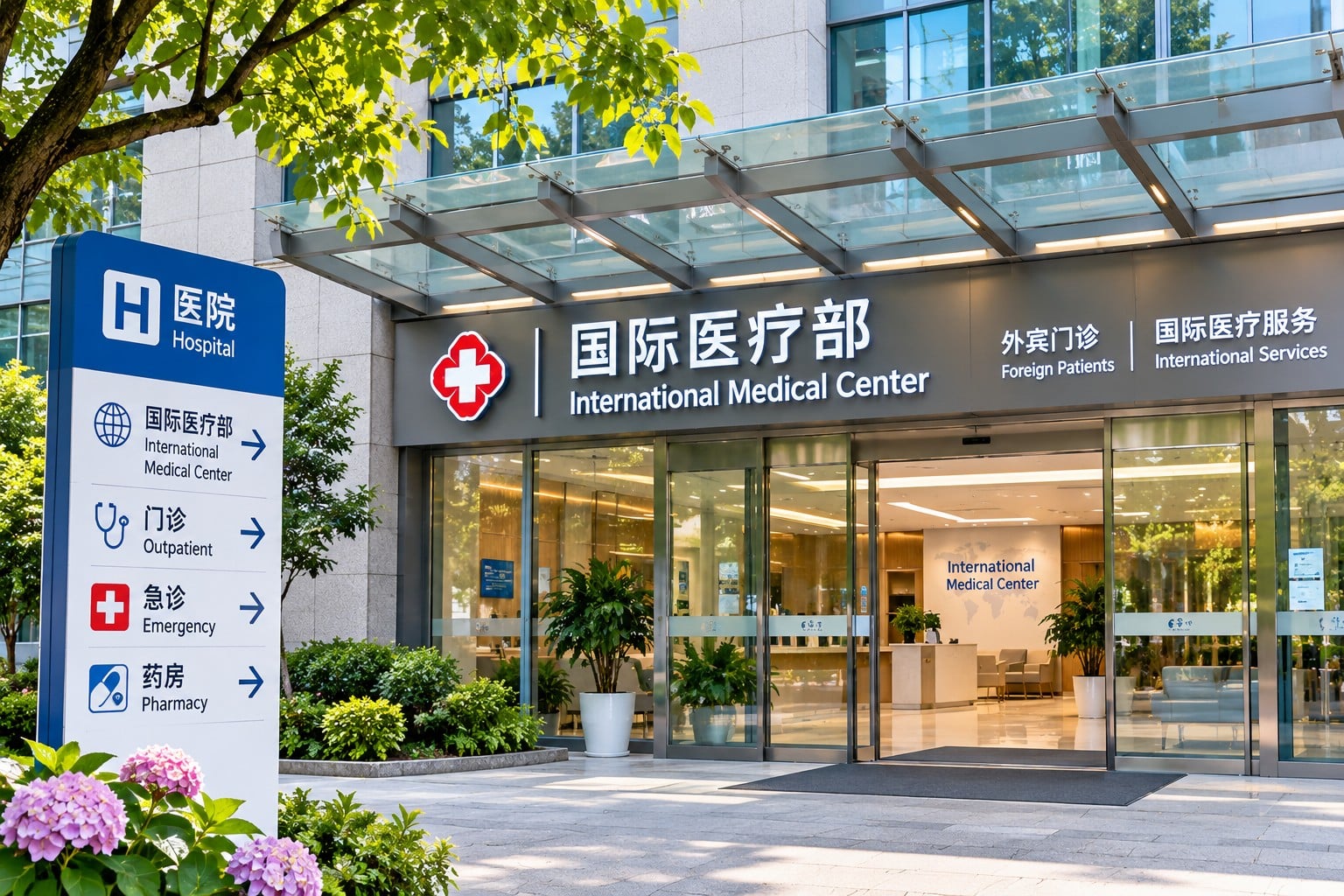
Shanghai
Several large public hospitals run international or VIP departments with English-speaking staff, and there are private international hospitals and clinics used by the expatriate community. Well-known options include the international departments at Huashan Hospital and Ruijin Hospital, and private providers such as Shanghai United Family Hospital and Jiahui International Hospital. Private care is faster and English-speaking, but expensive without insurance.
Hangzhou
Sir Run Run Shaw Hospital has an international medical centre with English service, and the First Affiliated Hospital of Zhejiang University is the city's leading public hospital. For minor issues, your hotel can point you to the nearest clinic.
Pharmacies
Pharmacies are everywhere and sell most common remedies. Bring the generic name of any medicine you need, since brand names differ. Some medicines that are over-the-counter at home need a prescription in China, and some are not available at all; see our guide to arriving in China for what you can bring.
Insurance
Buy travel insurance with medical cover before you go. Hospitals expect payment up front, and international hospitals can bill some insurers directly. Keep receipts (fapiao) for claims.
Scams to Recognise
Serious crime is rare, but a few scams specifically target foreign visitors, mostly around Shanghai's Nanjing Road, the Bund and People's Square. They rely on friendliness, not force.
The tea ceremony. Two friendly, English-speaking locals, often presenting as students, strike up a conversation and invite you to a "traditional tea ceremony" or an art exhibition nearby. The bill arrives at many times the real price, and your new friends have vanished or share the profit. The same pattern appears with bars, massages and karaoke.
How to respond: be polite and decline any invitation from a stranger to go somewhere together. Genuine locals who want to practise English will happily chat where you are.
Unofficial taxis. At airports and stations, ignore anyone approaching you offering a ride. Use the official taxi rank or DiDi.
Fake arrival-card and visa websites. Only use the National Immigration Administration's official channels, which are free.
If you are caught out, call 110 or ask your hotel to help. Police take these cases seriously in tourist areas.
Everyday Safety
- Traffic: scooters and e-bikes use bike lanes and sometimes pavements, often quietly. Look both ways even on one-way streets, and cross at signals.
- Belongings: pickpocketing is uncommon but not unknown in crowded metros and markets. Keep your passport secure; you need it daily.
- Lost property: if you leave something in a DiDi, contact the driver through the app. Metro and station lost-property offices are efficient.
- Solo and female travellers: East China's cities are widely regarded as comfortable for solo travel, including at night in central areas. Normal city sense applies.
- Police checks: carry your passport. Officers can ask to see it, and hotels, trains and attractions need it anyway.
Everyday Health
- Water: do not drink tap water. Hotels provide bottled water or kettles; restaurants serve hot water or tea.
- Food: street food and small restaurants are generally safe, especially where turnover is high. Choose cooked, hot dishes if you have a sensitive stomach.
- Air quality: East China's air is usually acceptable, with occasional hazier days in winter. Check an air-quality app; on poor days, sensitive travellers can limit outdoor exertion.
- Weather: summers are hot and humid, and typhoons occasionally affect Shanghai and Zhejiang between July and September. Winters are damp and cold. See our best-time-to-visit guides for each destination.
- Mountains: on Huangshan, pace yourself on the stairs, carry water, and check the weather before committing to a long route.
- Smoking: indoor smoking is banned, and Shanghai is extending restrictions to outdoor areas at major landmarks.
If Something Goes Wrong
- For a medical emergency, call 120 or get a taxi to the nearest large hospital's emergency department; in Shanghai and Hangzhou this is often faster.
- For theft or a scam, call 110 or go to the nearest police station; a police report is free and needed for insurance.
- For a lost passport, report it to the police, then contact your consulate. Keep a photo of your passport and entry stamp in your phone and email.
- For immigration questions, call 12367.
- If you are travelling with us, call your guide first. We handle the language and the logistics.
Frequently Asked Questions
Is Shanghai safe for tourists?
Yes. Violent crime is rare and central areas are safe to walk at night. The main risks are social-engineering scams around Nanjing Road and the Bund, and traffic.
What is the emergency number in China?
110 for police, 120 for ambulance, 119 for fire. English is not guaranteed, so get a Chinese speaker to call if possible.
Are there English-speaking hospitals in Shanghai and Hangzhou?
Yes. Shanghai has international departments at major public hospitals and private international hospitals; Hangzhou's Sir Run Run Shaw Hospital has an international medical centre.
Can I drink tap water in China?
No. Use bottled or boiled water, which is available everywhere.
Is the tea ceremony scam still around?
Yes. Decline invitations from friendly strangers to go to a tea house, bar or gallery, especially in Shanghai's tourist areas.
Do I need travel insurance for China?
Strongly recommended. Hospitals expect payment up front, and good care at international hospitals is expensive.
Travel With Local Support
Our guides live in East China and know which hospital to go to, which number to call and how to explain things in Chinese. Plan your trip with us on our Plan My Trip page.
Prepared by: Discover East China Tours
Last updated: 11 November 2026
This guide is general information, not medical or legal advice. In an emergency, contact local services and your consulate.