18Oct
+8619705475100
[email protected]

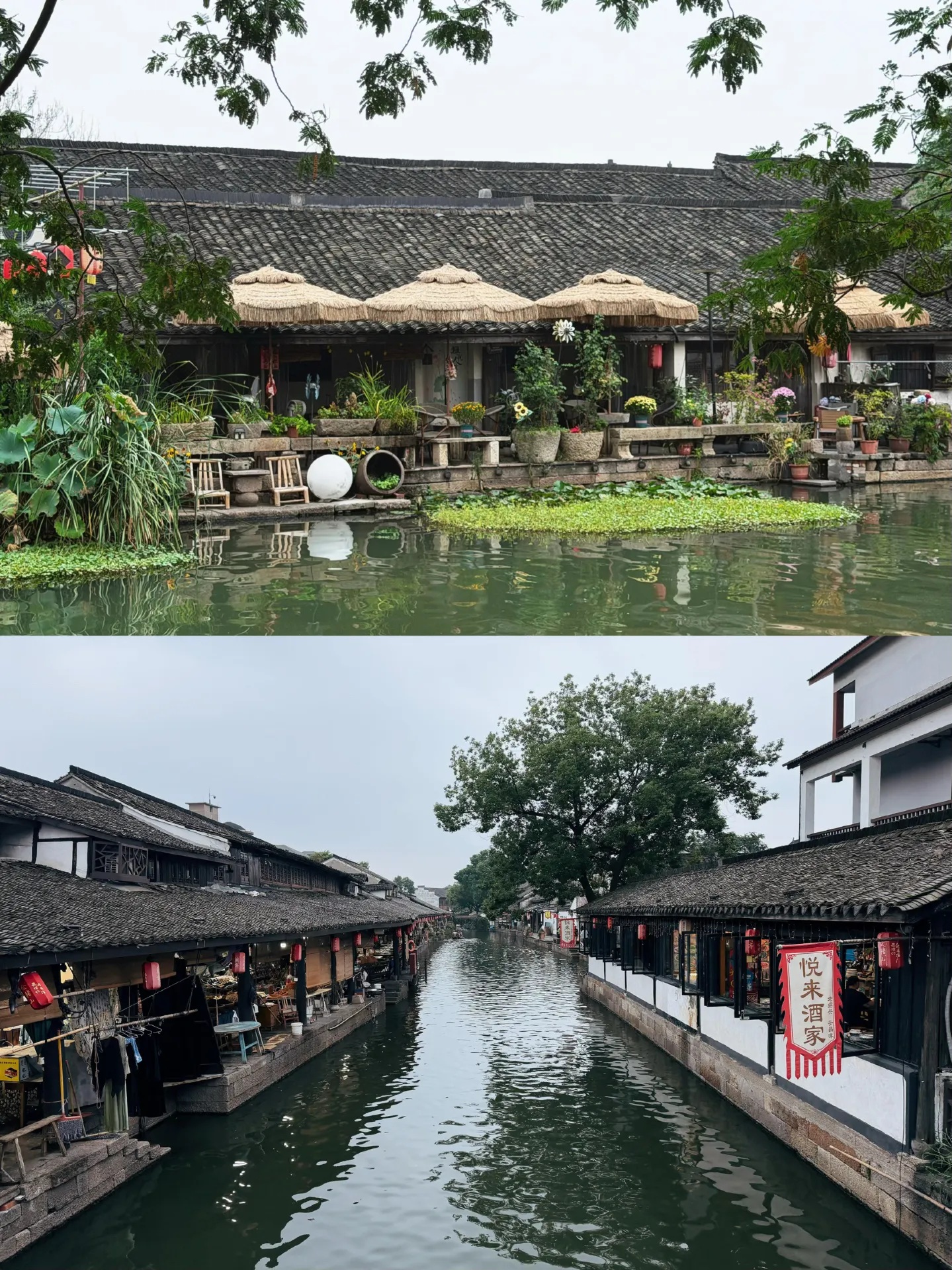
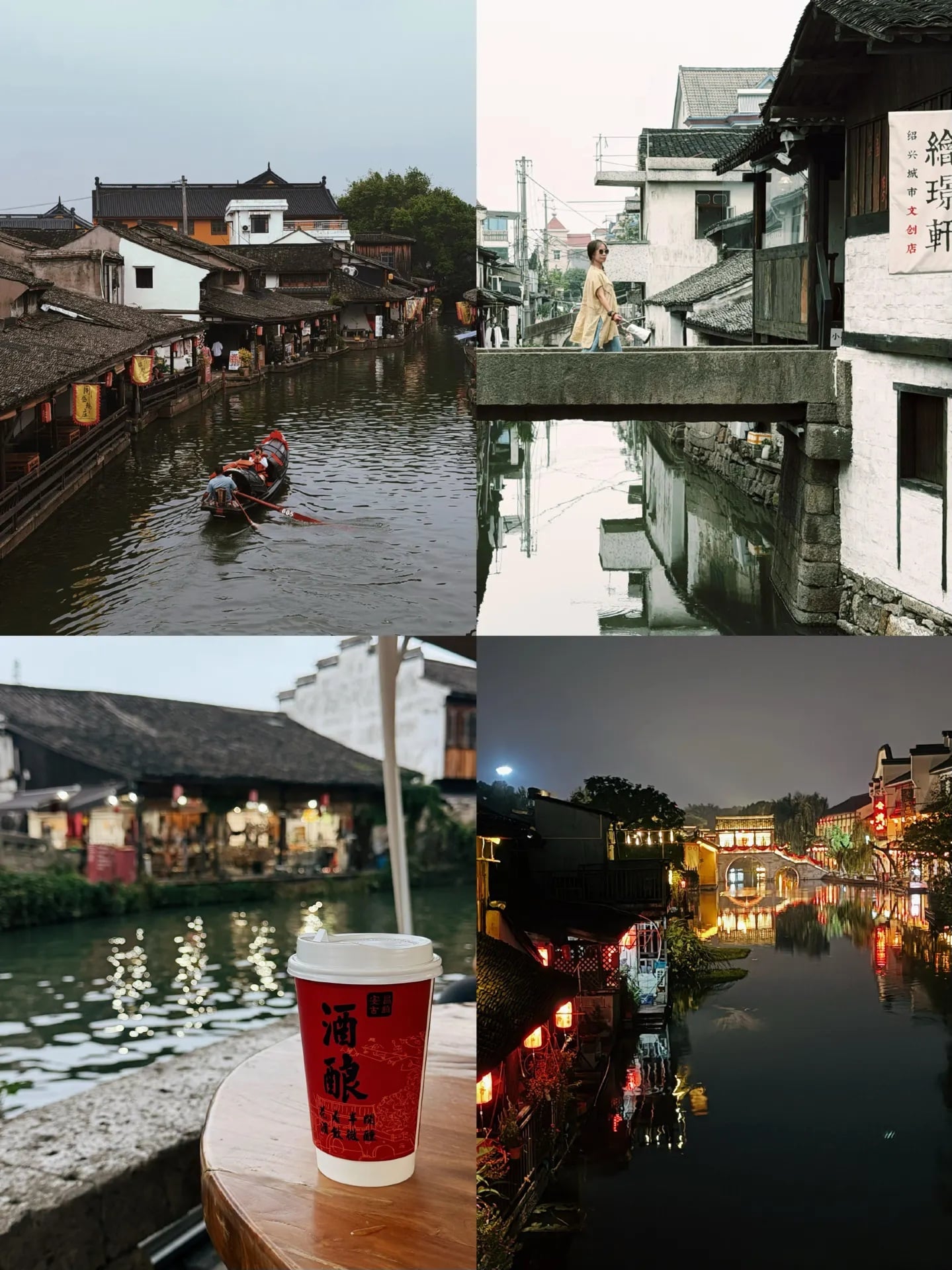
A covered walkway, a boat moving along the canal and the dark roofs of waterside shops set the pace in Anchang. This old town in Shaoxing’s Keqiao District offers a day built around short walks, food stops and the details of a working neighbourhood. There is no need to turn it into a race between landmarks.
The public old streets can be explored without a general admission ticket, while some museums and other attractions charge separately. That makes it easy to begin with the canal and decide how much more to add. Boats, meals, shopping and paid interiors remain separate parts of the budget.
Start at the visitor entrance, pick up the current town map if available and follow the waterfront streets. The canal provides a simple thread through the visit: shopfronts and covered passages on one side, houses and stone crossings on the other. Walk a section, cross at an open bridge and look back from a different angle.
Notice the timber supports beneath the eaves, waterside steps and the way small businesses use the shaded frontage. A table near the water can be as good a stopping point as a named attraction. Ask about the menu and seating arrangements before settling in, especially at busy times.
The old town is also a place where people live and work. Keep shop entrances clear, avoid private steps and courtyards, and ask before taking close photographs of residents or craftspeople. Rain adds reflections to the paving, but it can also make stone surfaces slippery.
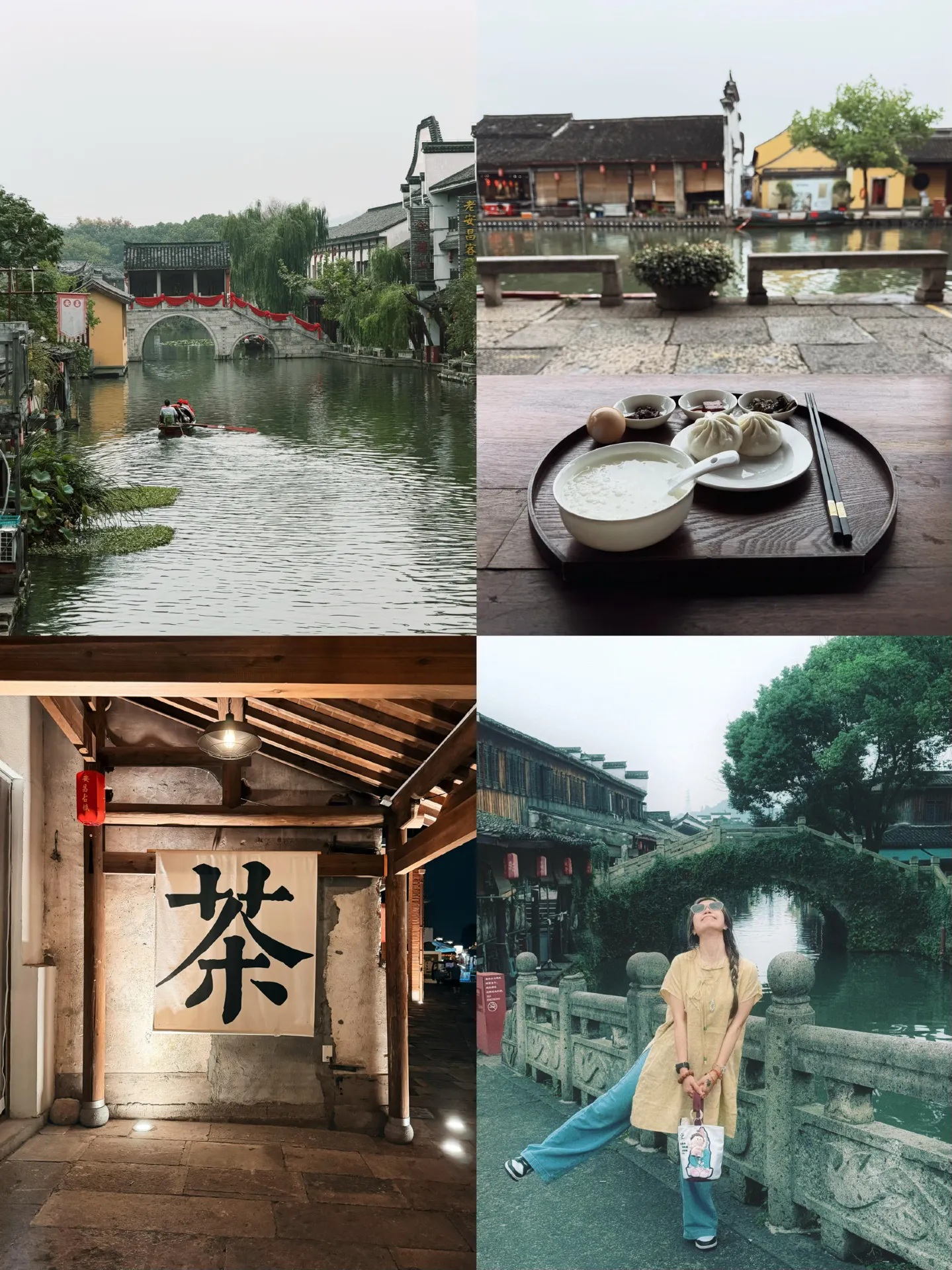
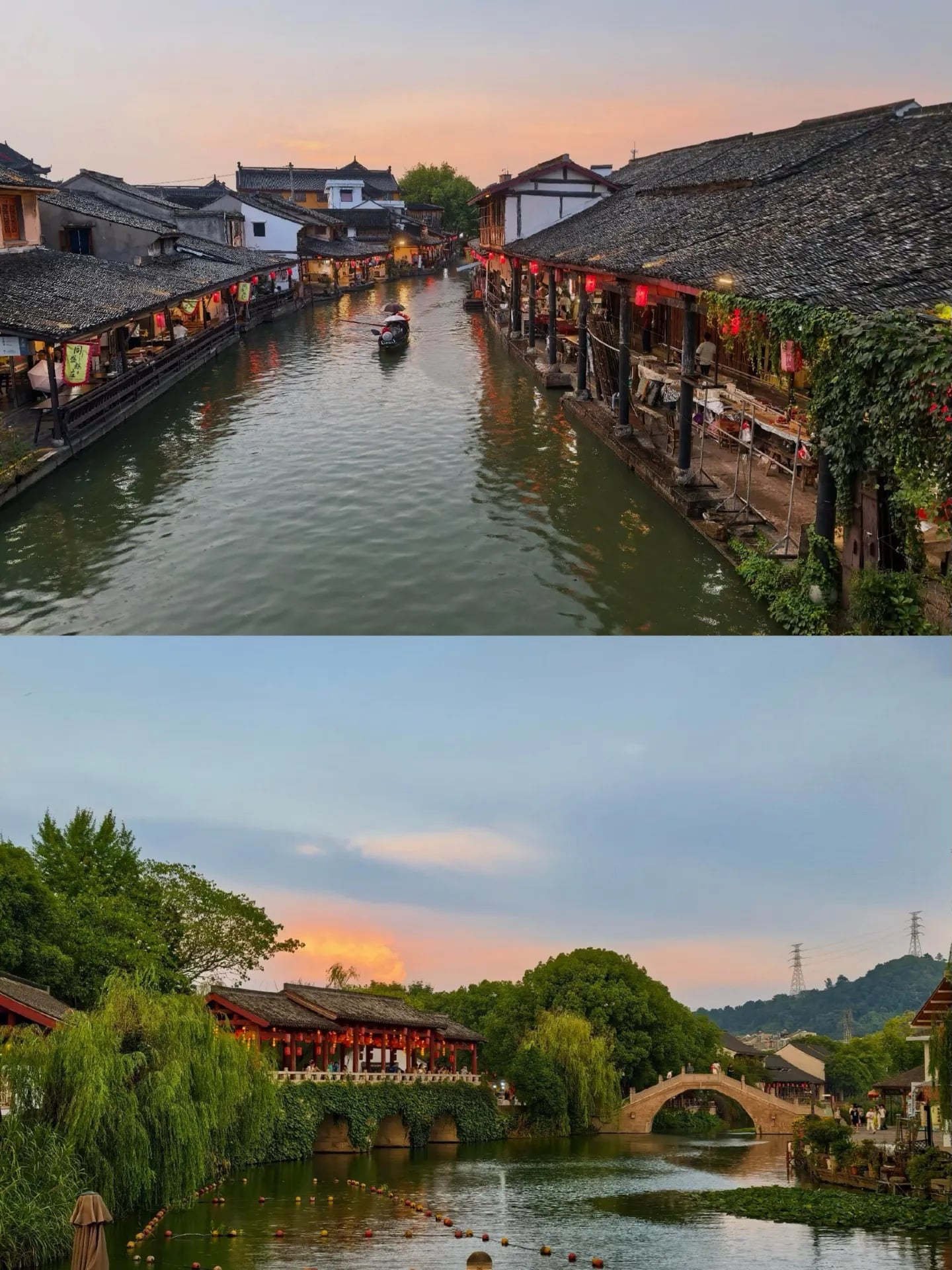
Anchang’s bridges link the two banks and break the walk into manageable sections. Pause on an authorised approach to see rooflines, boats and reflections together, then move on so other people can cross. You do not need to count every bridge or reach every corner to understand the setting.
For photographs, try looking along the canal from more than one crossing. A side view can show the curve of an arch; a longer view brings the waterfront buildings into the frame. Stay away from unguarded edges and do not climb onto parapets for a clearer shot.
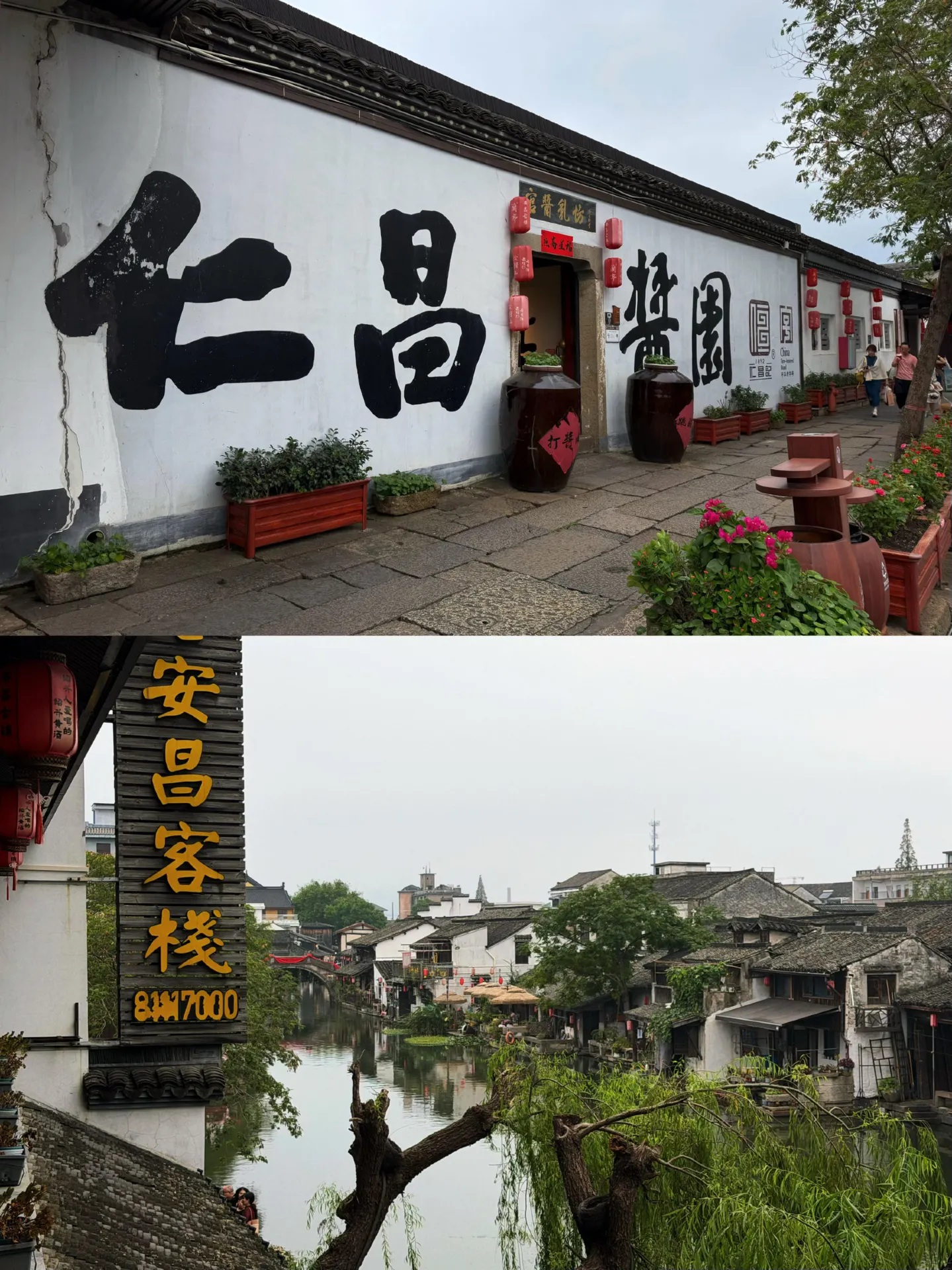
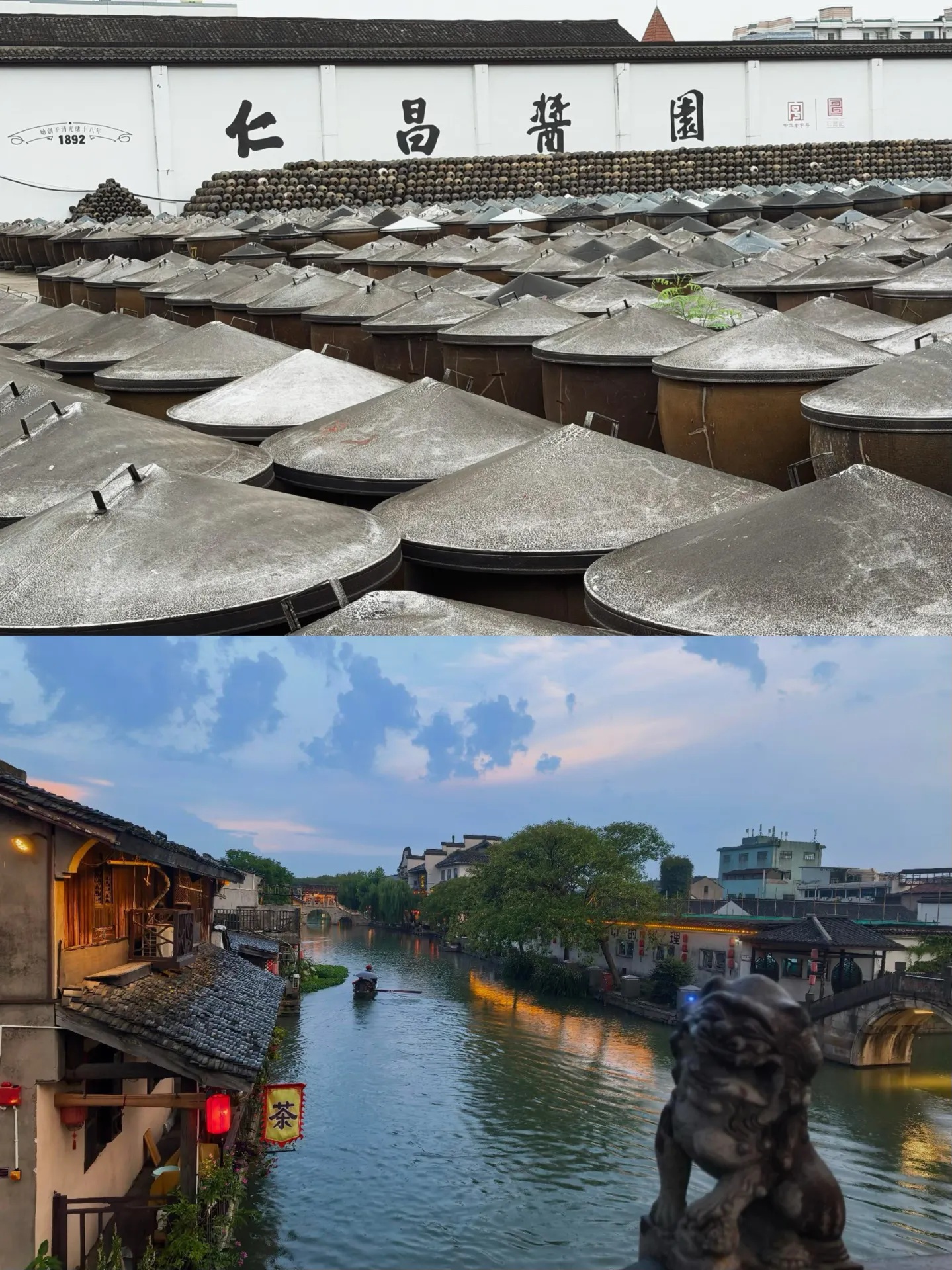
Renchang Sauce Garden is a distinctive stop for understanding a food tradition beyond the shop counter. Its traditional drying yard and covered jars connect the canal walk with the production of soy sauce. The Renchangji name is recognised as a Chinese time-honoured brand, and the business is associated with traditional Shaoxing soy sauce brewing.
Look for the site’s own explanation of the process and its muzi soy sauce. Confirm which areas are open to visitors on the day, and respect any restrictions around production spaces. A view of the jars does not mean handling equipment or joining a workshop is included.
If you want to buy a bottle, compare sizes and check the packaging and storage instructions. Choose something practical for the rest of your journey rather than buying simply because a display looks attractive.
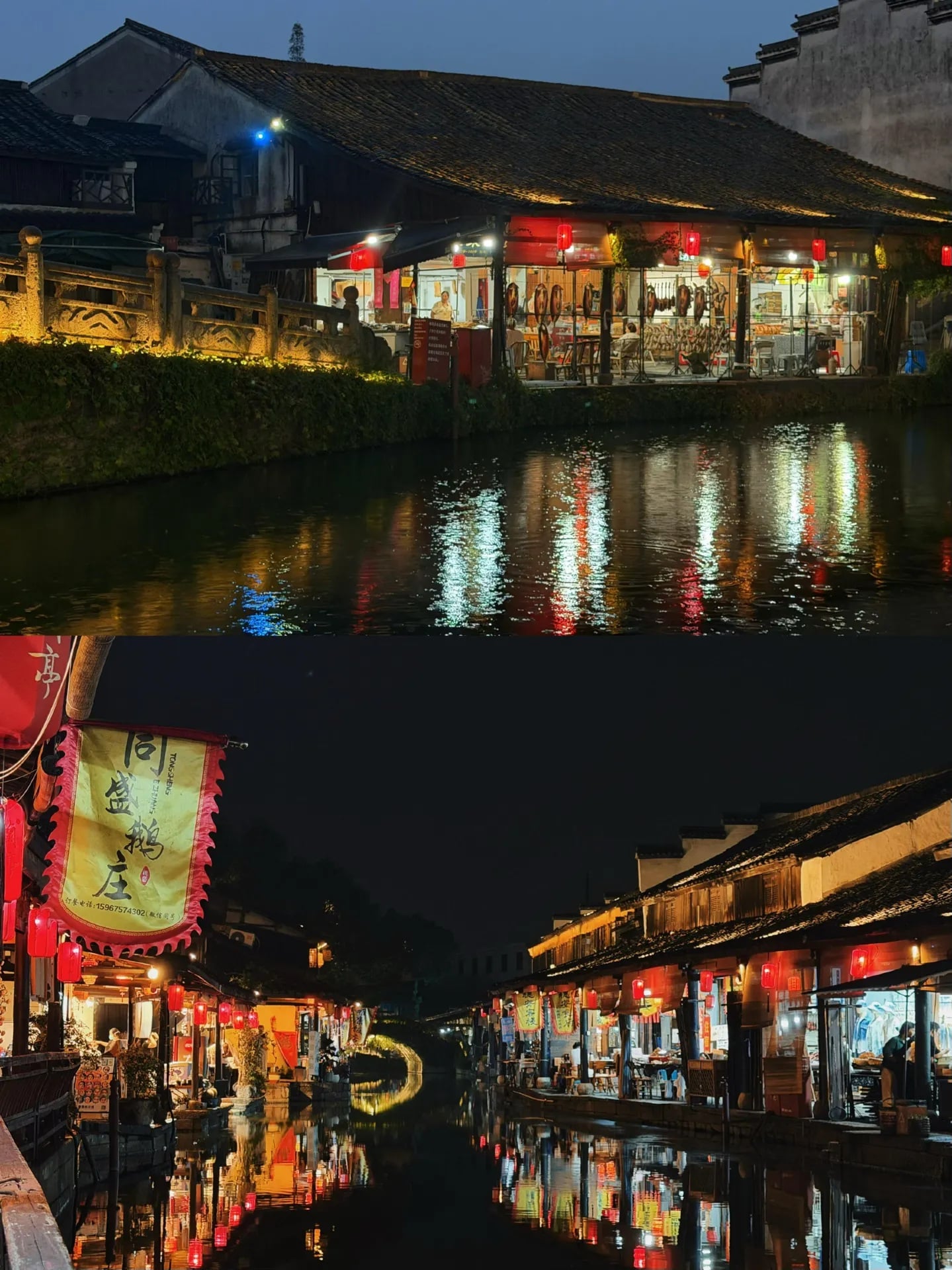
Anchang’s food shops are a good reason to leave the itinerary loose. Cured sausage and soy-seasoned duck are familiar local specialities, while chebaitang—the traditional pulled sugar sweet—offers a different kind of craft to look out for. When a maker is working, watch from a position that leaves customers room to pass.
Choose a small selection rather than trying every stall. A bowl of wontons or a steamed bun can make a simple lunch, with another stop later if something catches your eye. Menus, portions and prices vary, so check before ordering instead of relying on a fixed “eat everything for” budget.
The source visit also mentions fermented-rice buns and modern yellow-rice-wine-flavoured drinks and frozen treats. Availability changes between shops and seasons. If alcohol, ingredients or dietary requirements matter to you, ask the vendor what the item contains rather than judging by the name.
For food to take home, ask whether it is ready to eat or needs cooking, and check storage and use-by details. Vacuum packaging does not by itself make a product suitable for a long journey.
A traditional black-canopied wupeng boat offers a lower viewpoint on the waterfront. Treat it as an optional break from walking: confirm the boarding point, route, capacity and price at the official service point. Operation depends on local conditions, and a photograph of a boat is no guarantee that the same service will be running when you visit.
For a more historical pause, consider the Shaoxing Shiye Museum on West Street. Shiye were advisers and clerks who supported officials in administrative and legal work, and the museum introduces the local tradition associated with that role. Check its opening hours and ticket arrangements before planning the afternoon around it.
Other small museums and historic premises can be added according to your interests. Look at what is actually included in a combined ticket, then decide whether you want those interiors. A canal walk and a meal can stand on their own without a full museum circuit.
As the light fades, illuminated shopfronts and lanterns can bring a different texture to the canal. The photographs show daytime, dusk and night scenes, offering a reason to give the same stretch of water a second look. Choose an open public path and allow time to sit rather than chasing a particular camera position.
Lighting, business hours and crowd levels vary. Do not assume that the town will be empty after dark or that every shop and museum will remain open. Check the return journey before deciding to stay, and take care around dimly lit steps and waterside edges.
Anchang is in north-western Shaoxing, close to the boundary with Hangzhou’s Xiaoshan District. It can suit a short outing from either city, but journey time depends on your starting point, traffic and the final connection. A city-to-city headline driving time is not a reliable plan from every hotel.
Use a current journey planner to compare a car or taxi with rail or metro plus an onward transfer. Choose the correct old-town visitor entrance and check parking or pickup arrangements. If staying after sunset, confirm the last practical public-transport connection and a backup option.
A flexible order works well: canal walk, a look at Renchang, lunch, then an optional boat or museum stop. Leave the evening as a choice rather than an obligation. Weekdays may offer a gentler pace, but holidays and local events can be busy, so plan with room to change direction or take a break.