02Nov
+8619705475100
[email protected]

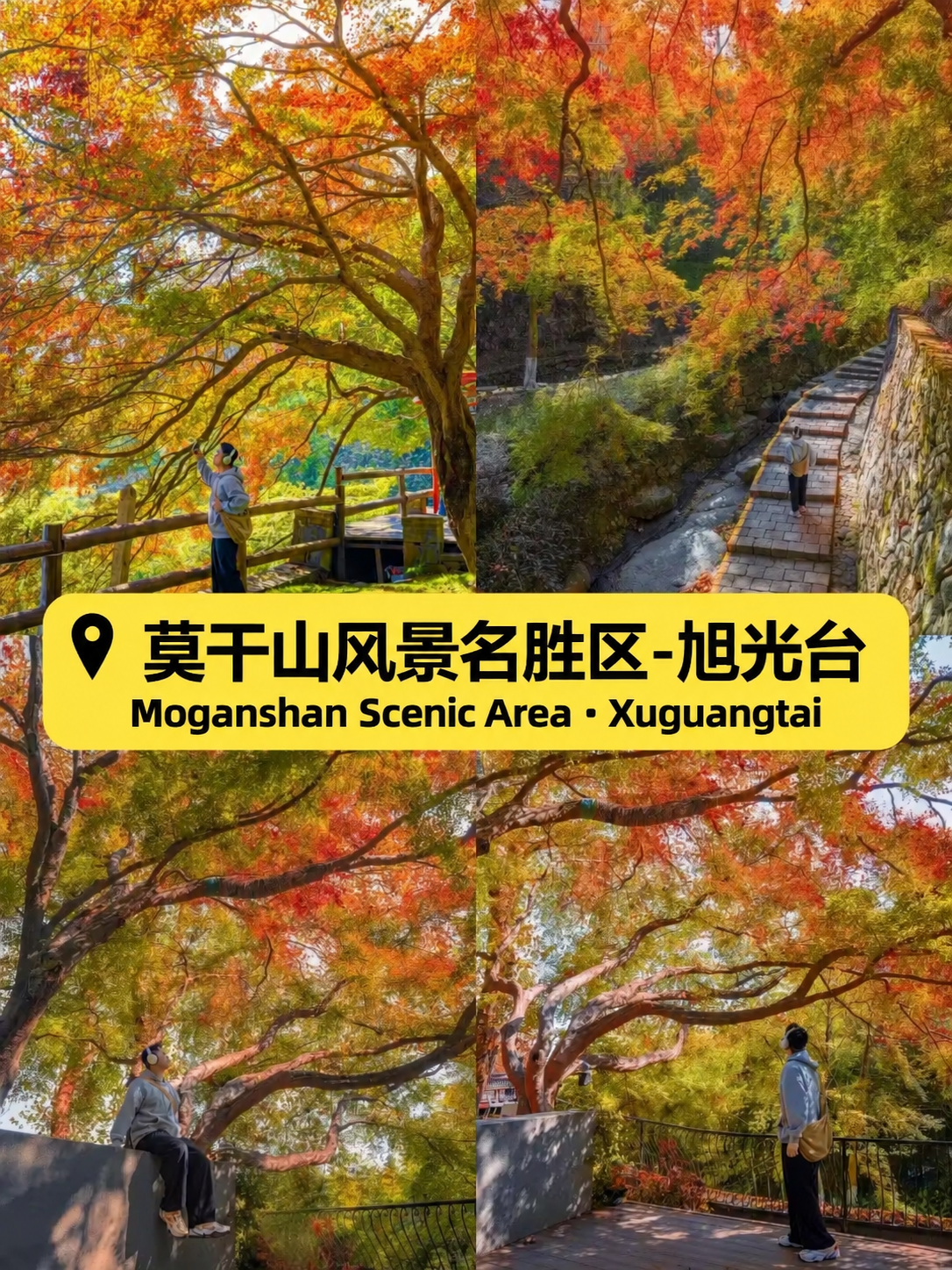
Autumn in Moganshan is about more than a distant mountain panorama. Maple branches spread over stone paths, golden leaves frame old buildings, and a pause for tea can become part of the day rather than a break from it. An overnight stay gives you time for both the hill-station landscape and the reading spaces, cafés and small parks around Yucun.
A useful outline is to spend the first day in the mountain scenic area and the second around Yucun, with a separate village café visit only if time allows. Choose your accommodation and arrival time around that plan. If you arrive late on day one, reverse the order and give the mountain a proper morning on day two.
The hilltop and the foothill town are separate parts of the trip. Check parking, scenic transfers and hotel access before leaving, and compare the address of your accommodation with the places you want to see. A room marketed under the name “Moganshan” may be in a village outside the core scenic area.
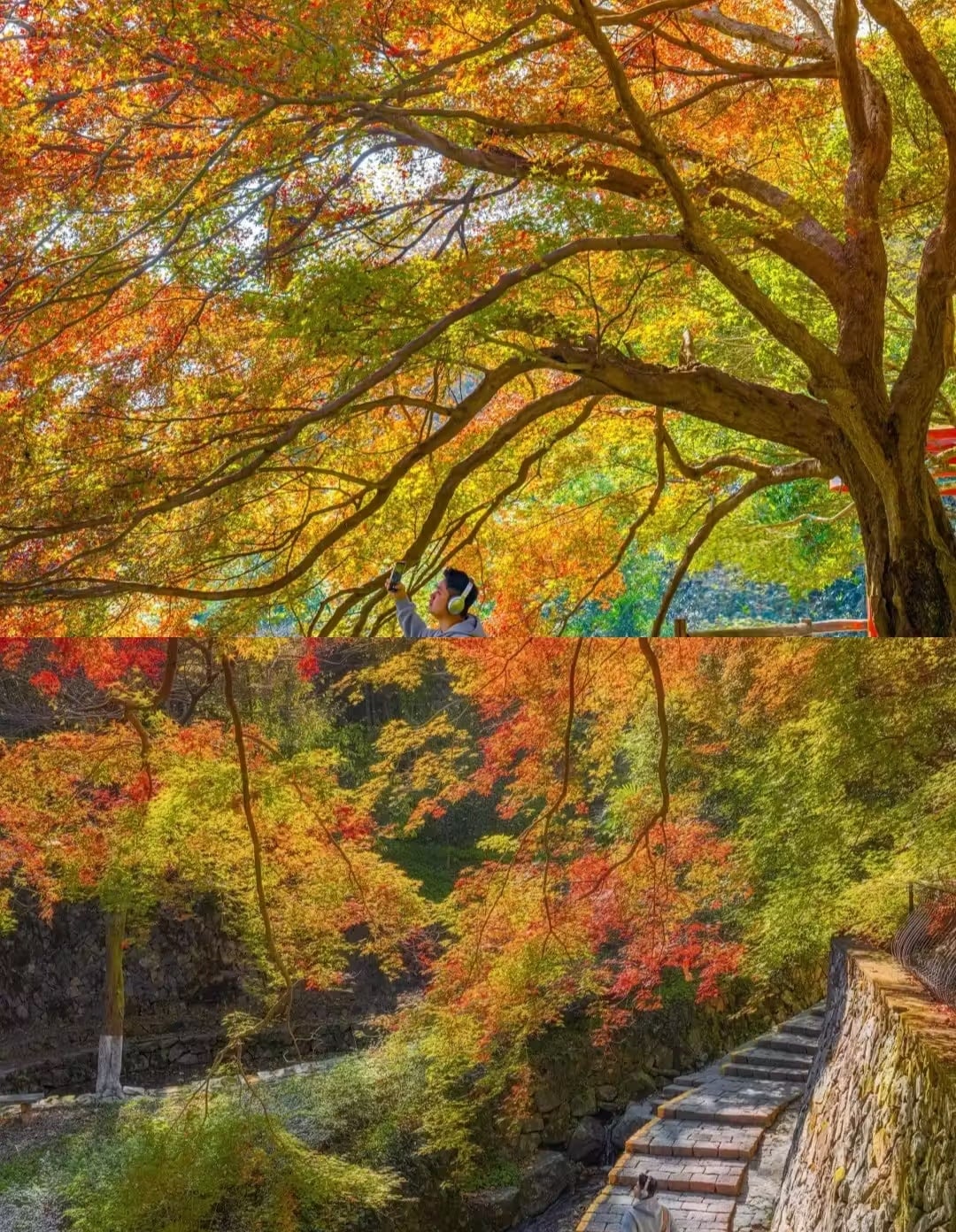
Fengjuangu, the Luhuadang Hotel area, Jingyi Villa and Xuguangtai make a useful selection of autumn stops. Treat them as places to group using the current visitor map and transport arrangements, rather than a fixed walking circuit. Steps, gradients and the time spent looking at the leaves can make a short-looking list fill the day.
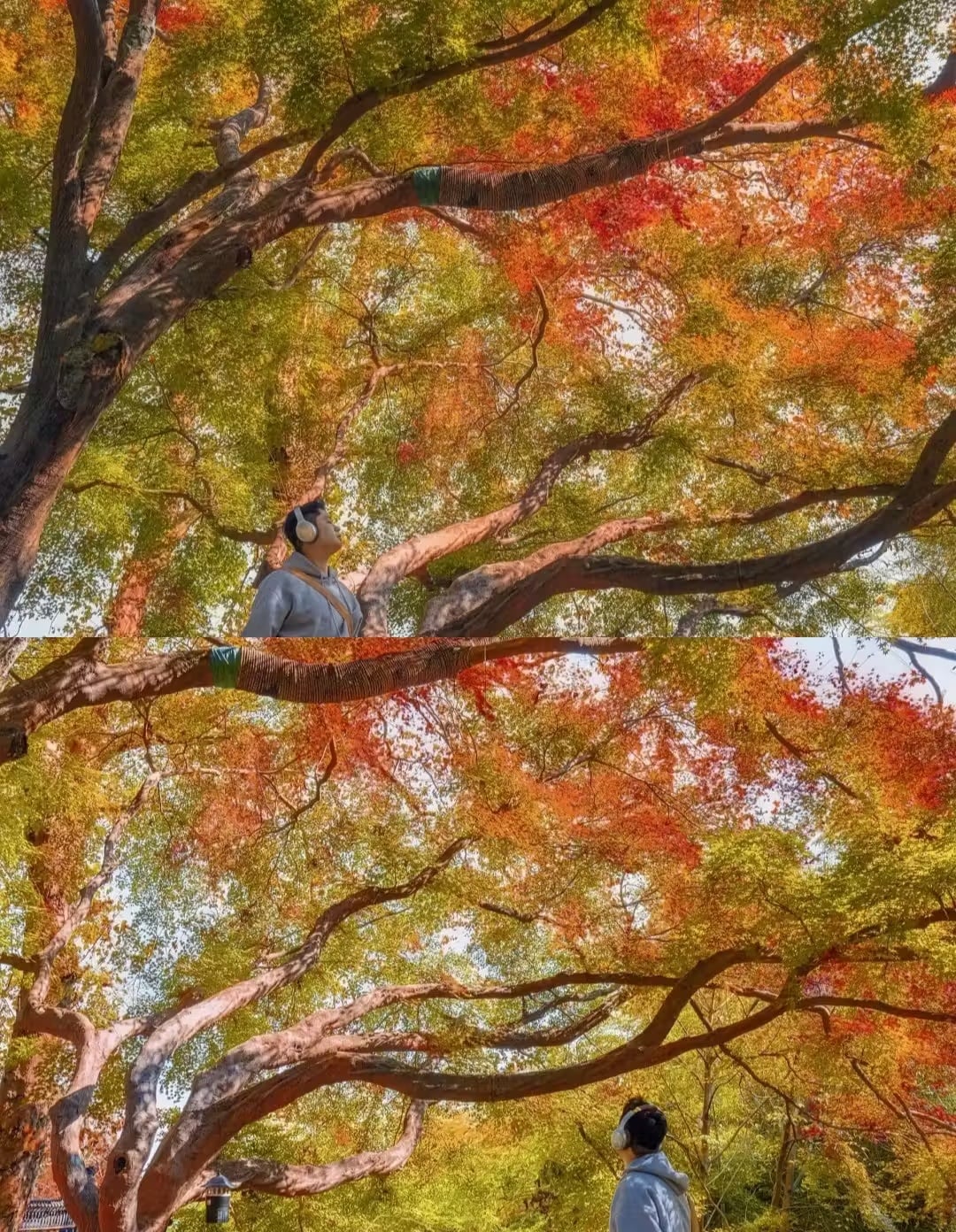
Fengjuangu is associated with the villa at No. 62, where the setting combines mature trees and an old house. Check the visitor arrangements before entering: a hotel garden or terrace is not automatically a public park. If access requires a booking or a purchase, decide whether that experience suits your day.
Around Luhuadang Hotel, look for the relationship between foliage, buildings and the wider mountain setting. The hotel and Luhuadang Park are distinct places, so confirm the exact entrance or terrace you intend to visit. A tea stop can work well here when the venue is receiving visitors, but book any specific experience rather than assuming it is always available.

Jingyi Villa adds another architectural stop. Enjoy the exterior and public approaches where access is permitted, paying attention to brickwork, windows and the way the trees frame the house. Follow signs around occupied properties and avoid blocking doorways for a photograph.
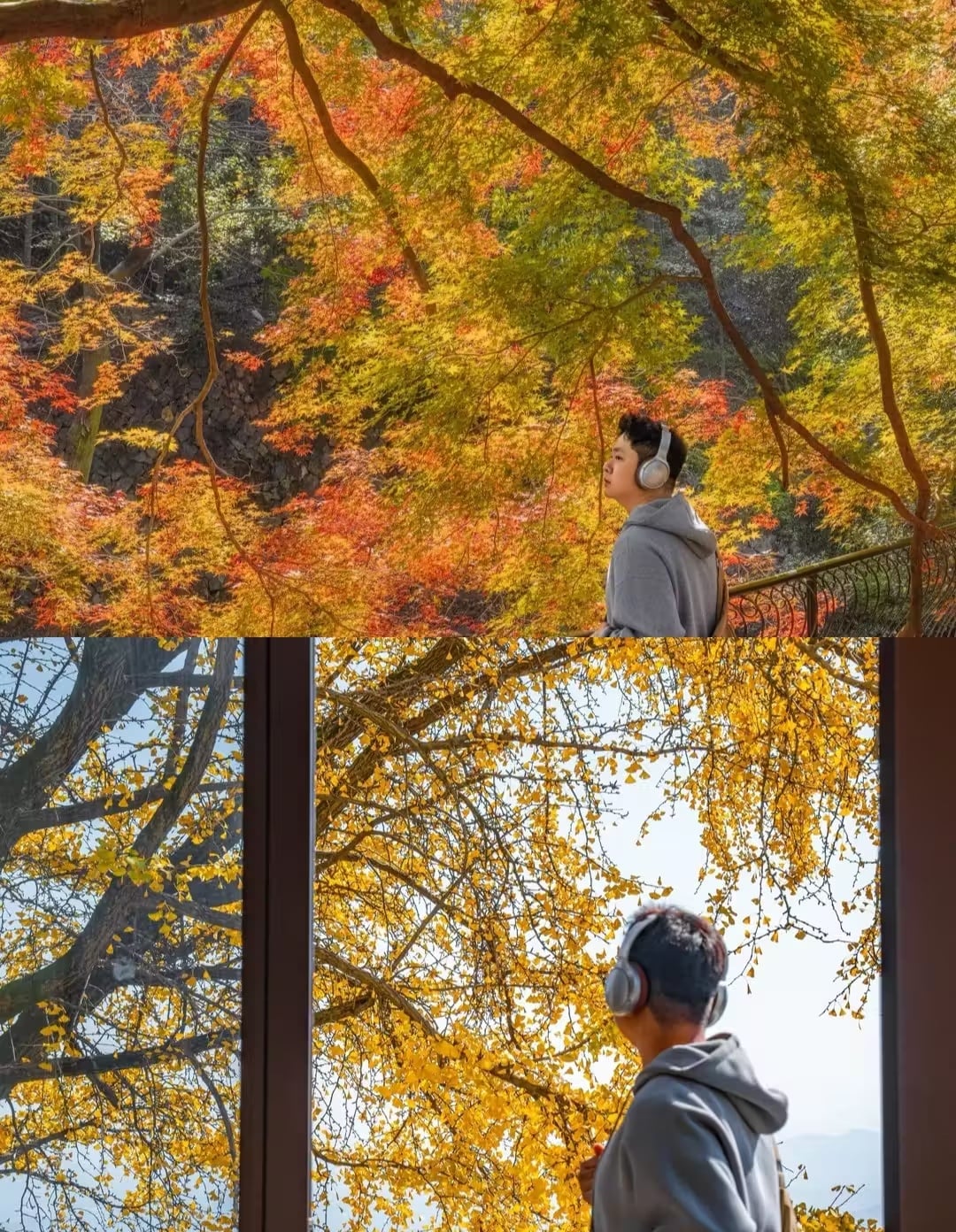
Xuguangtai is a viewpoint area that can round out the mountain day. Clear conditions may reveal folds of distant hills, while cloud or mist can draw attention back to the nearby branches and paths. Neither a cloud sea nor a particular shade of red can be guaranteed for a chosen date.
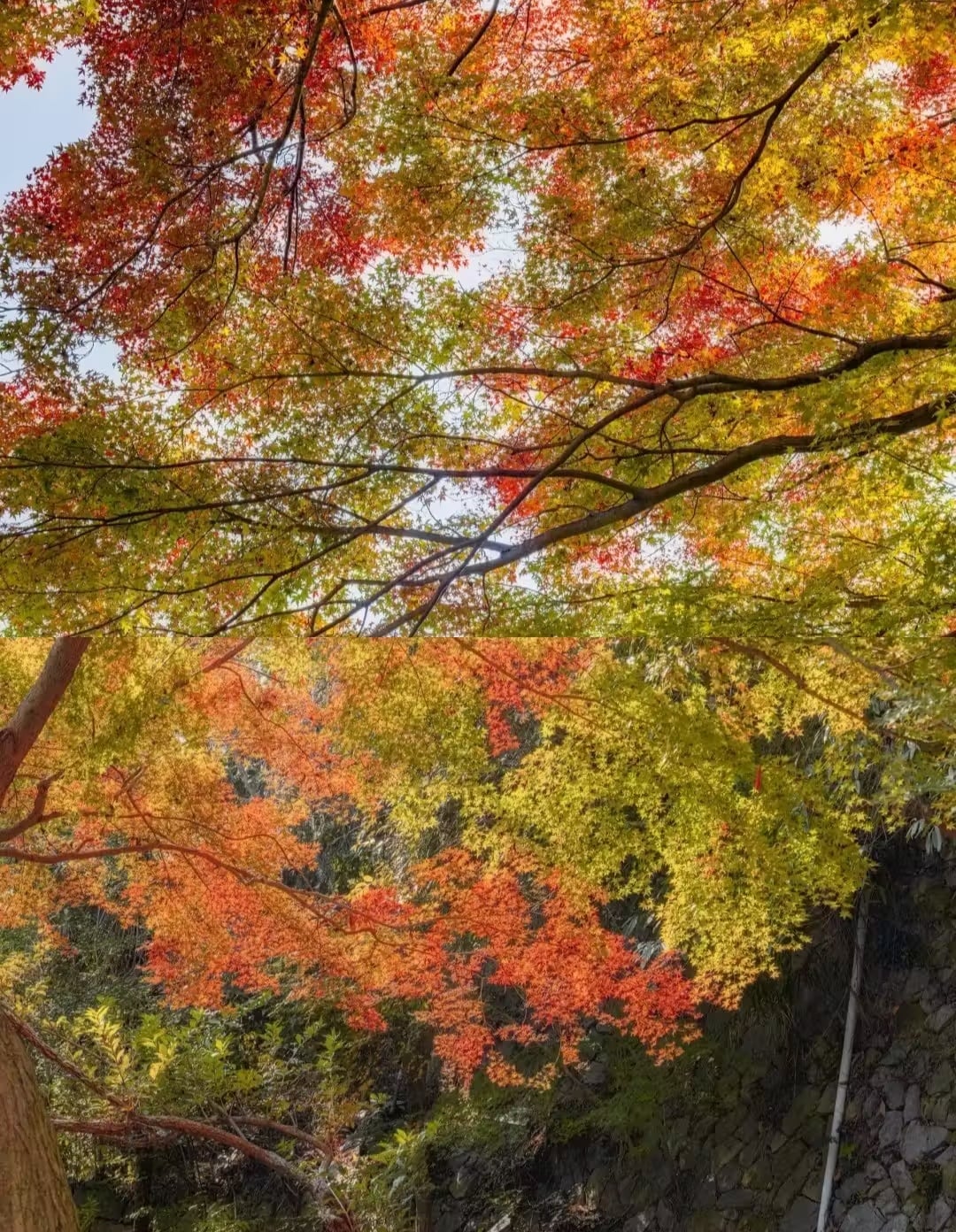
Keep enough time for the journey back to your accommodation. A viewpoint visit is more relaxing when it does not depend on catching the very last transfer. If the weather turns wet or visibility stays poor, shorten the outing and make a warm meal the next stop.
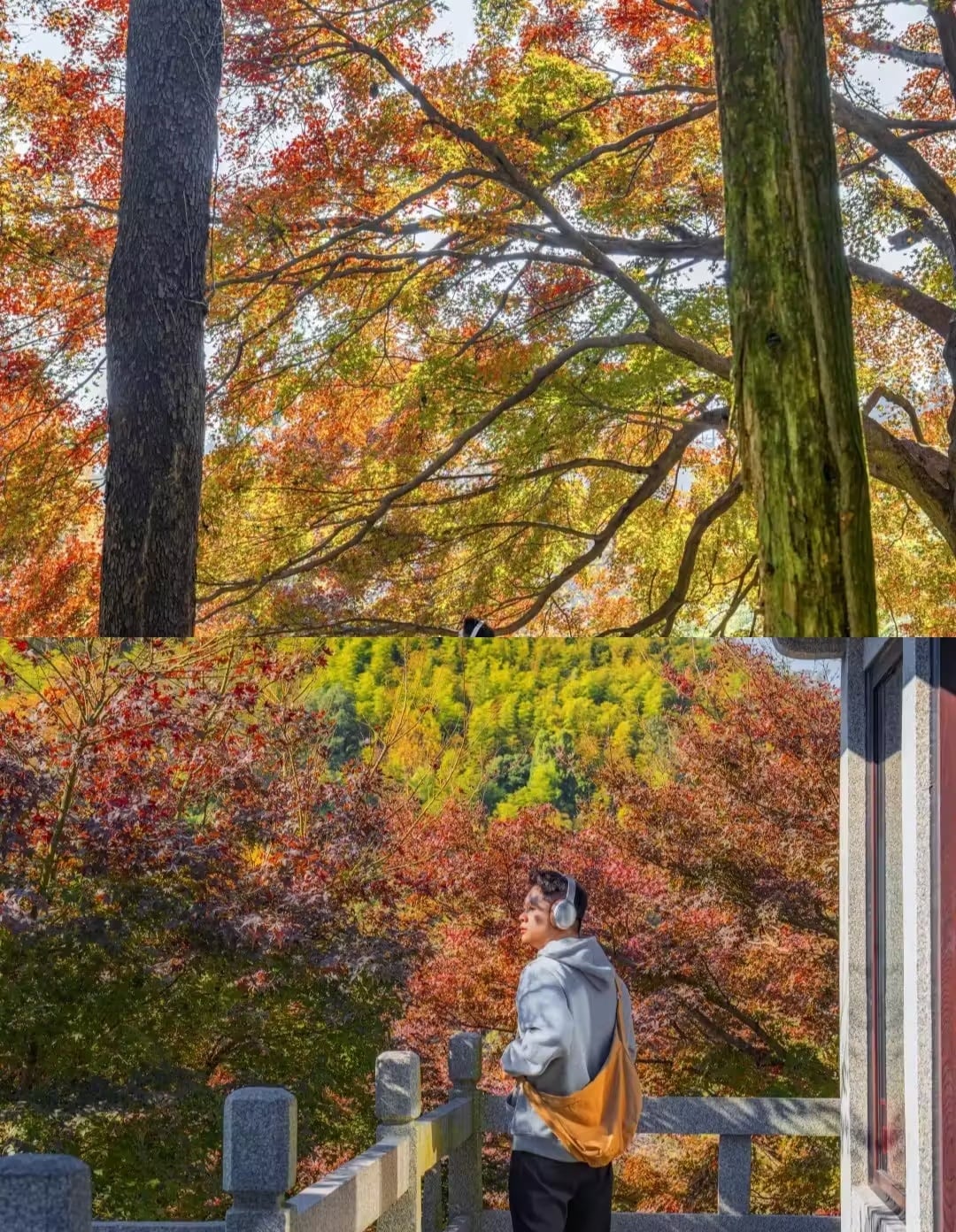
Start the second day around Yucun Square and the Mogan Yujie area. Browse the small spaces that interest you rather than trying to visit every shop. A reading room, an exhibition or a café can be the reason to stay for an hour.
Shanjian Chongwu is a tea-space name to look up when planning this part of the trip. Confirm its current address, access and booking arrangements locally before building the morning around it. Take time over the tea itself and ask about the available selection instead of treating the venue as only a photograph stop.
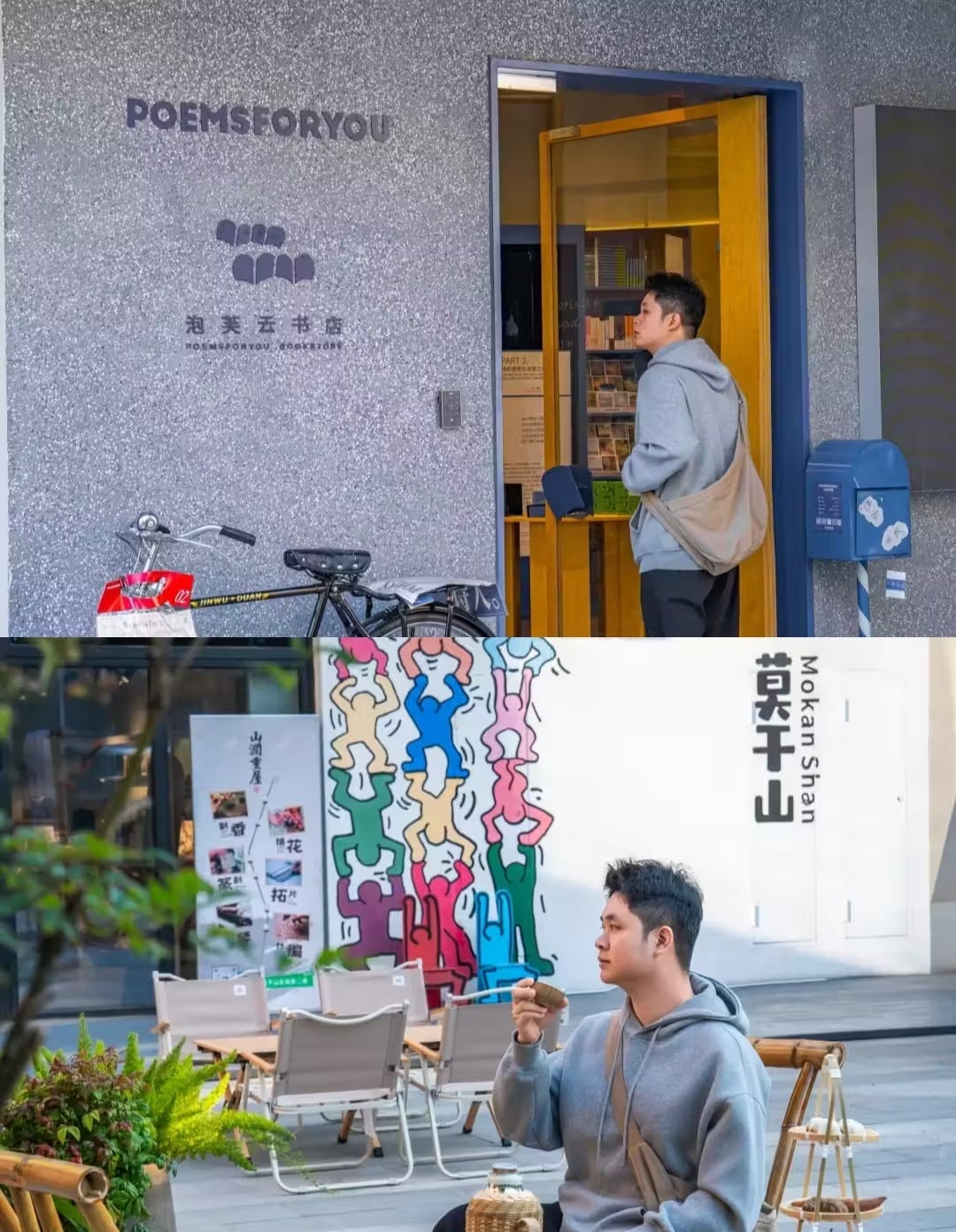
PoemsForYou, known in Chinese as Paofuyun, brings poetry and reading into the town’s cultural mix. Check the current location and programme before going, as bookshops and creative spaces can move, host events or change their opening arrangements. Allow for browsing without assuming that every display or reading area is freely accessible.
The park areas around Yucun offer a simple counterpoint to the indoor stops. Enjoy the grass, trees and outdoor installations from the permitted paths, leaving room for residents and other visitors. This part of the day does not need a strict timetable.

Lilin Coffee is in Gaofeng village, in a chestnut-grove setting near Gaofeng Temple. It is a separate excursion from the Yucun streets, so check the road journey, parking and current opening before committing. If you have an early train, stay in town instead of adding another transfer.
Choose the stop for a quiet drink and its woodland setting, rather than expecting chestnuts or autumn colour to be at their peak on every visit. Nearby religious sites have their own access arrangements and should be visited respectfully.
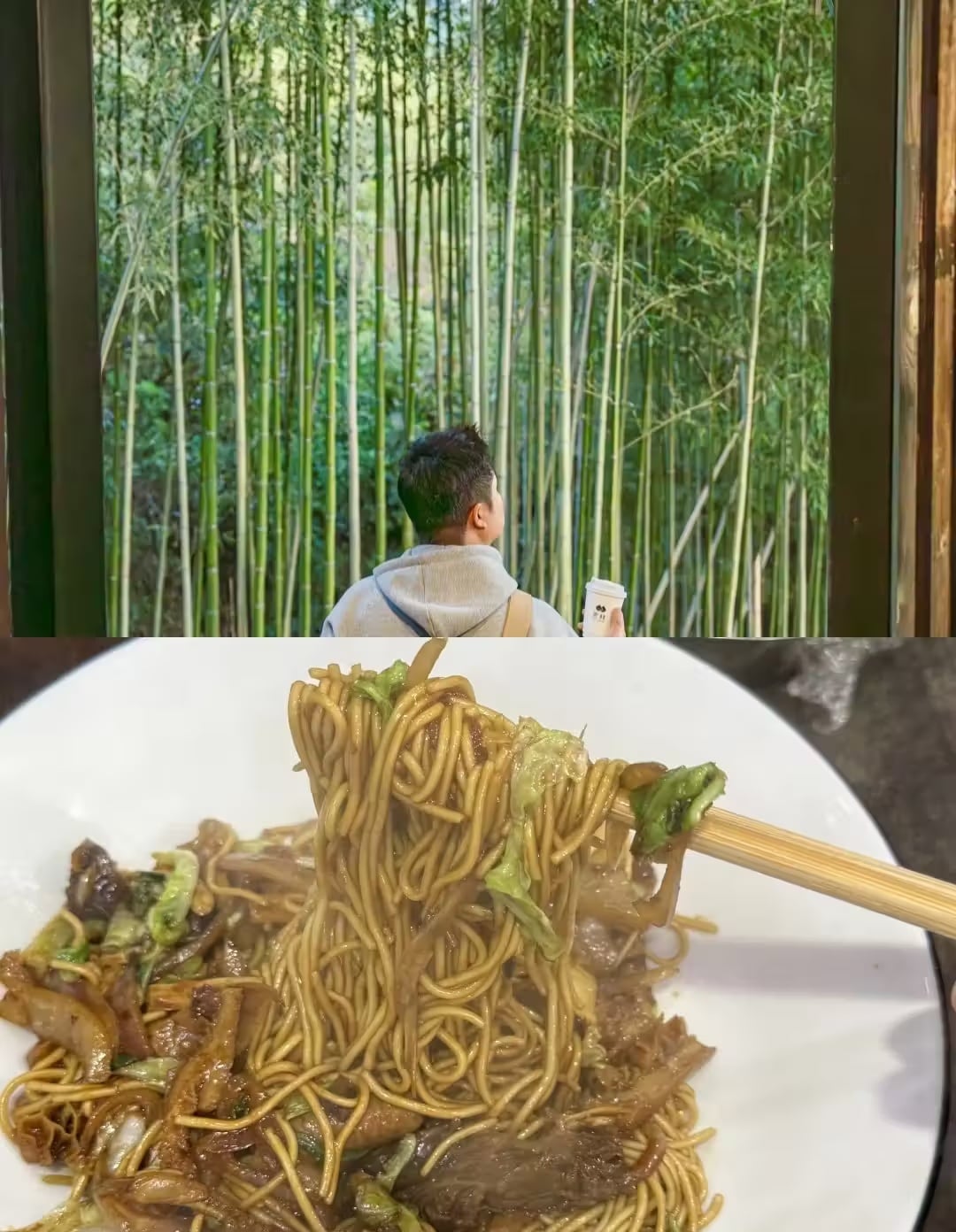
Plan for late autumn, then check recent local observations close to departure. Leaf colour changes from tree to tree and year to year; warm weather, rain and wind can alter the experience. An image of a full canopy is not a reliable forecast for a particular weekend.
For photography, use the light you find rather than rushing between named locations. Side light can reveal the shape of a branch, while softer conditions can work well for leaves against stone walls. Stay behind railings and keep paths clear; there is no need to climb a wall or step into a stream for a better angle.
Wear shoes with grip for stone steps and fallen leaves, and bring a layer for cool mornings and exposed viewpoints. Carry water and leave time for lunch. A simple bowl of noodles can be a useful travel-day meal, with a longer dinner near your accommodation.
Before travelling, confirm the scenic admission, transfers, hotel access and any essential café or tea booking. Keep the second day easy to shorten for luggage collection and your return connection. The aim is to enjoy the maples, the old buildings and the slower moments between them.