24Oct
+8619705475100
[email protected]

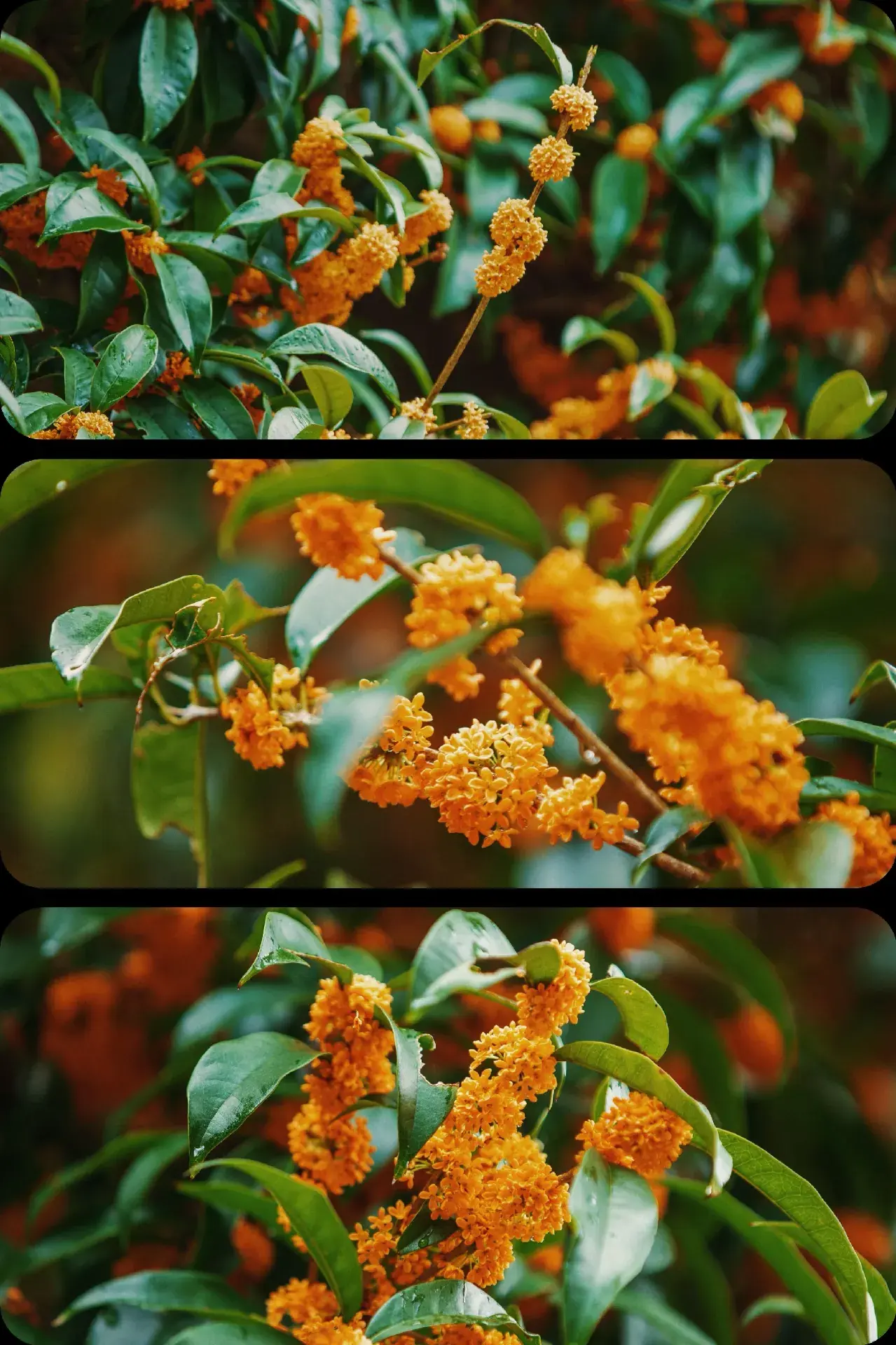
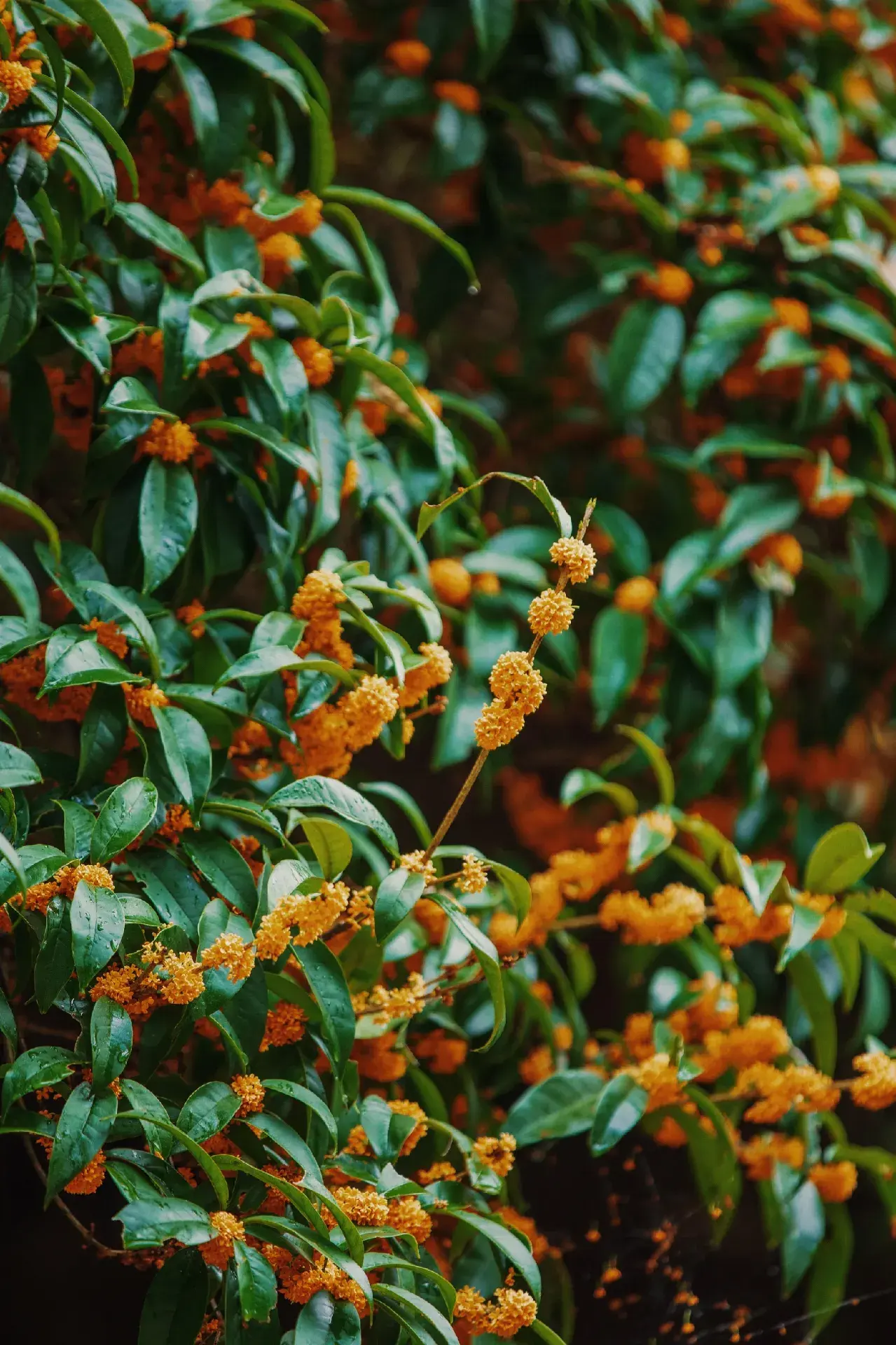
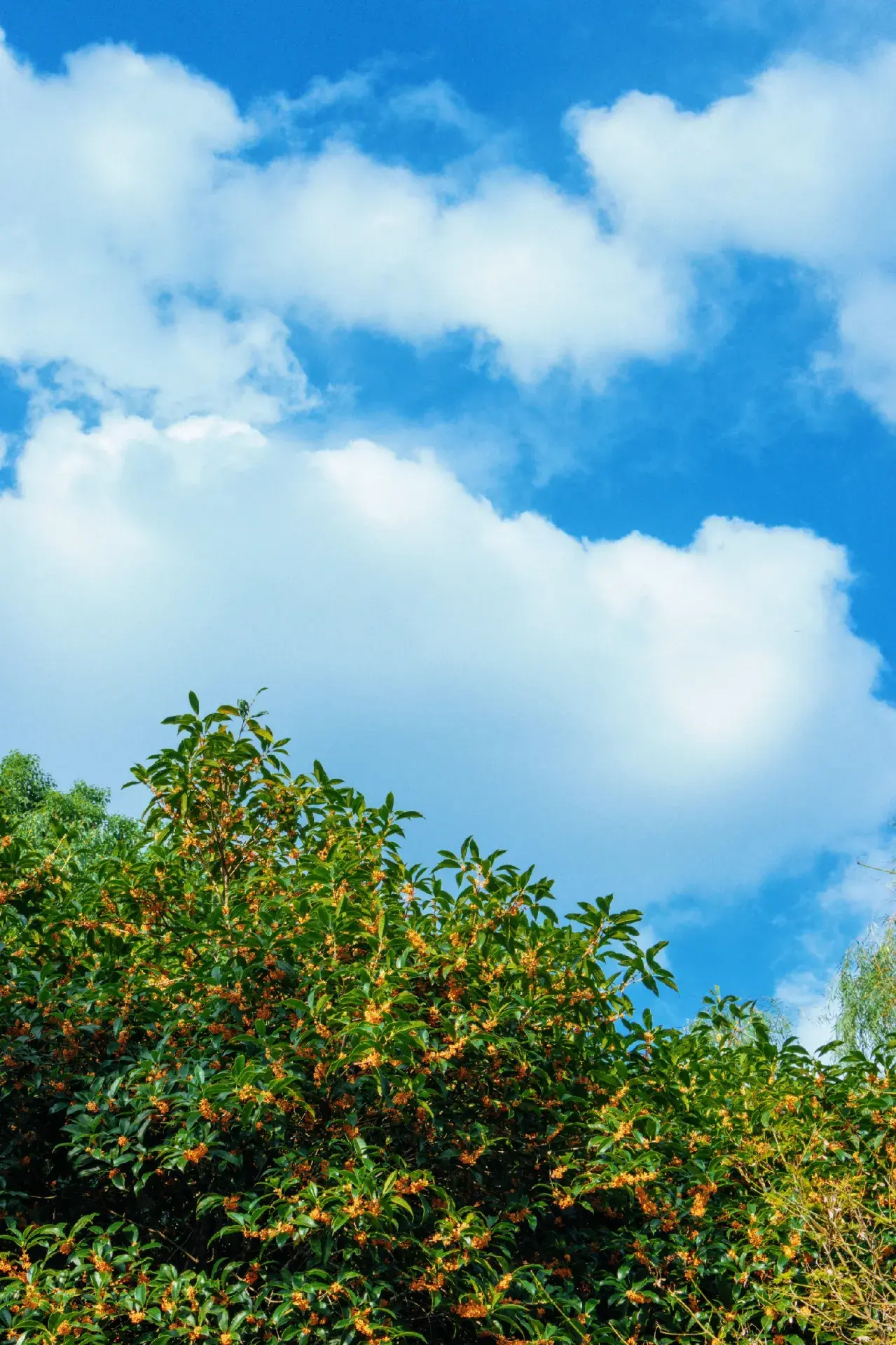
Autumn in Hangzhou often announces itself through scent before colour. Small osmanthus blossoms gather beneath glossy leaves, and a sweet fragrance drifts across a lane, a garden path or a tea-house courtyard. A good outing need not involve finding the single most famous tree: it can be a slow walk with room to notice what is flowering along the way.
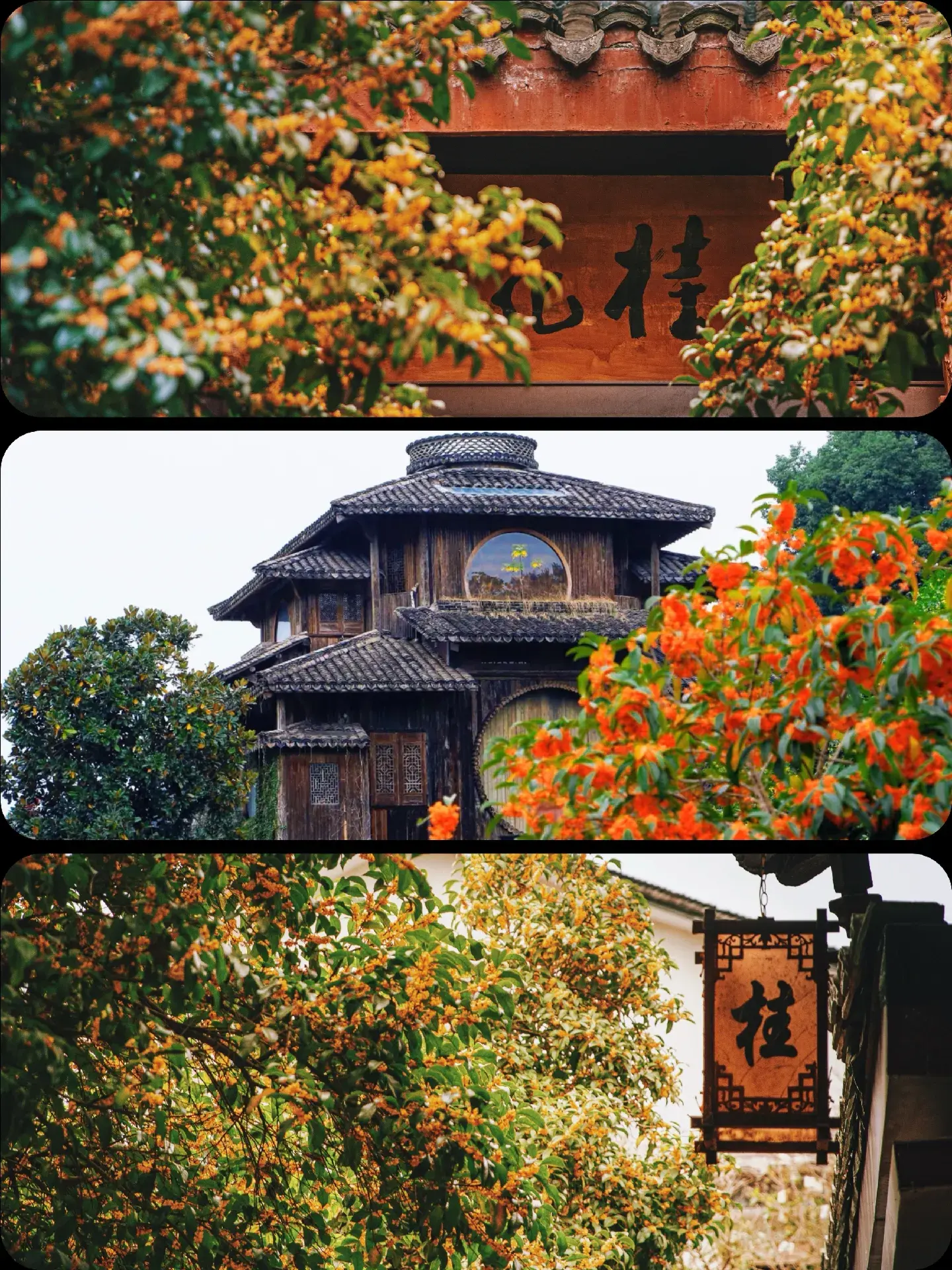
There are several ways to build that day around West Lake and its surrounding hills. Choose Manjuelong for the classic village setting, gardens for a gentler outing, or a woodland walk if time and energy allow. The six ideas below are alternatives to choose between, rather than one continuous route to complete in a day.
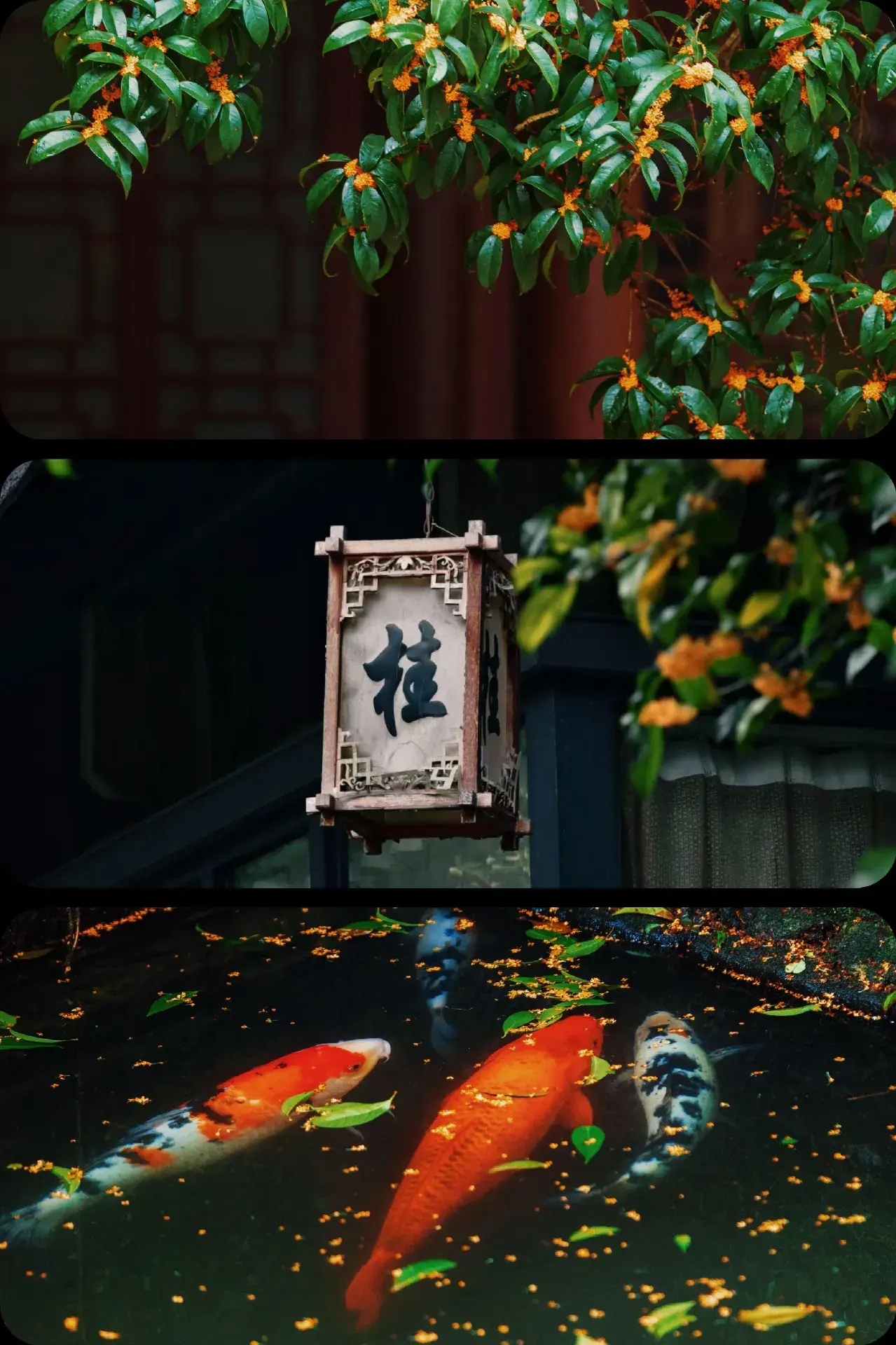
Begin around Shiwu Cave and continue into the Manjuelong area at walking pace. The attraction is the mixture of flowering trees, village lanes and small architectural details. Some visitors come for a famous photograph, but looking away from the busiest corner often reveals the gentler character of the place: a hanging lantern, a branch beside a wall or a courtyard full of autumn scent.
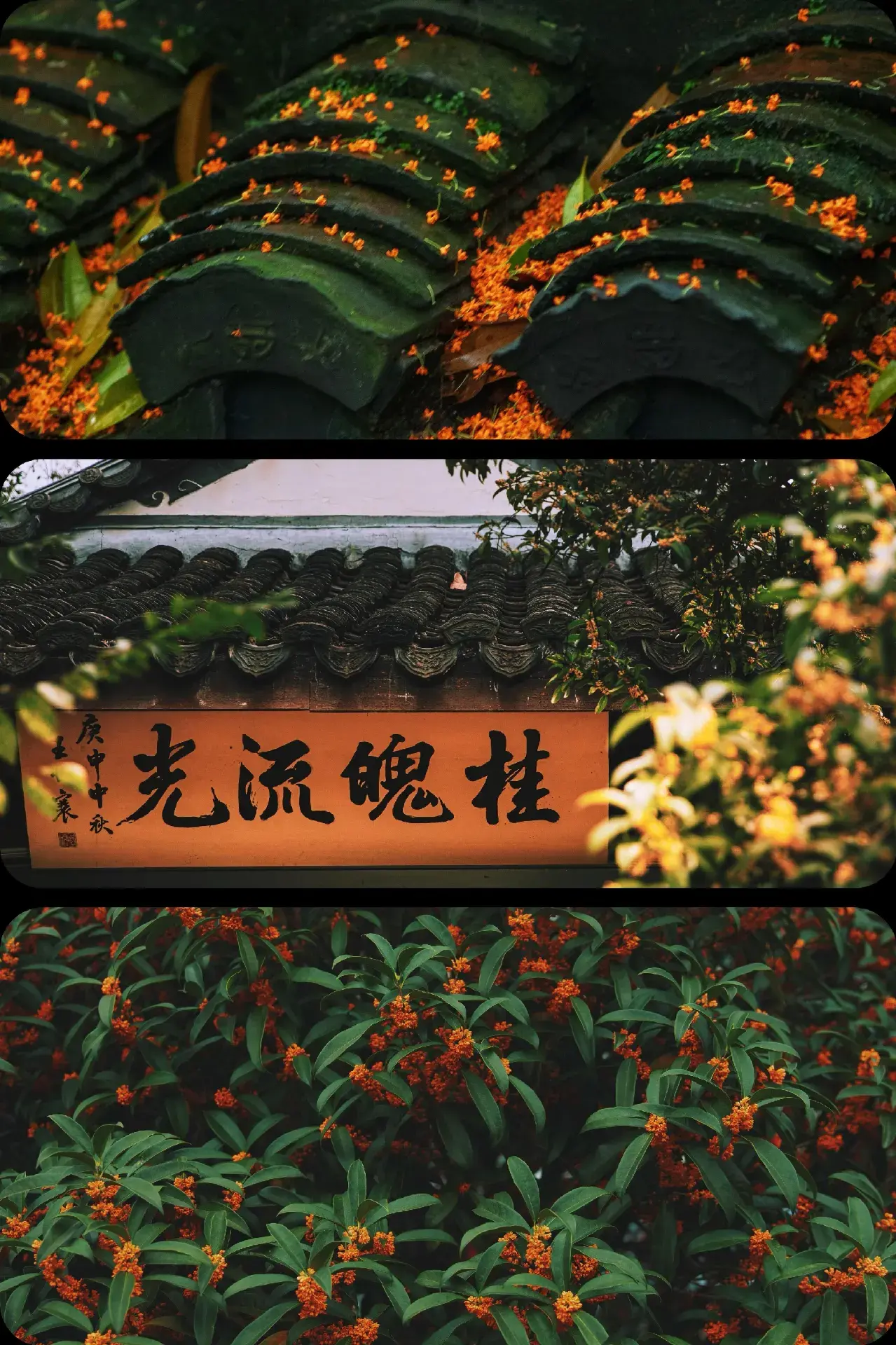
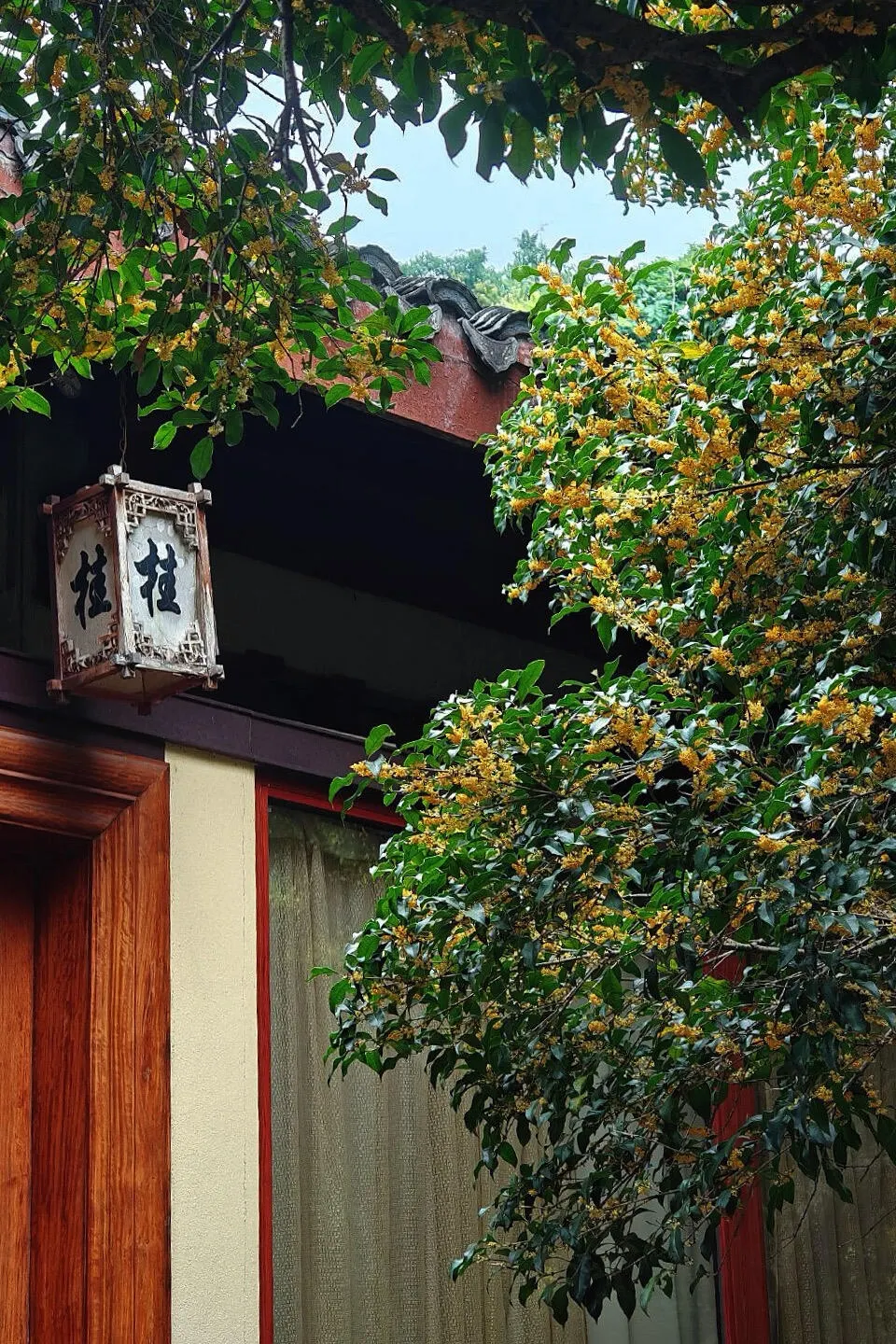
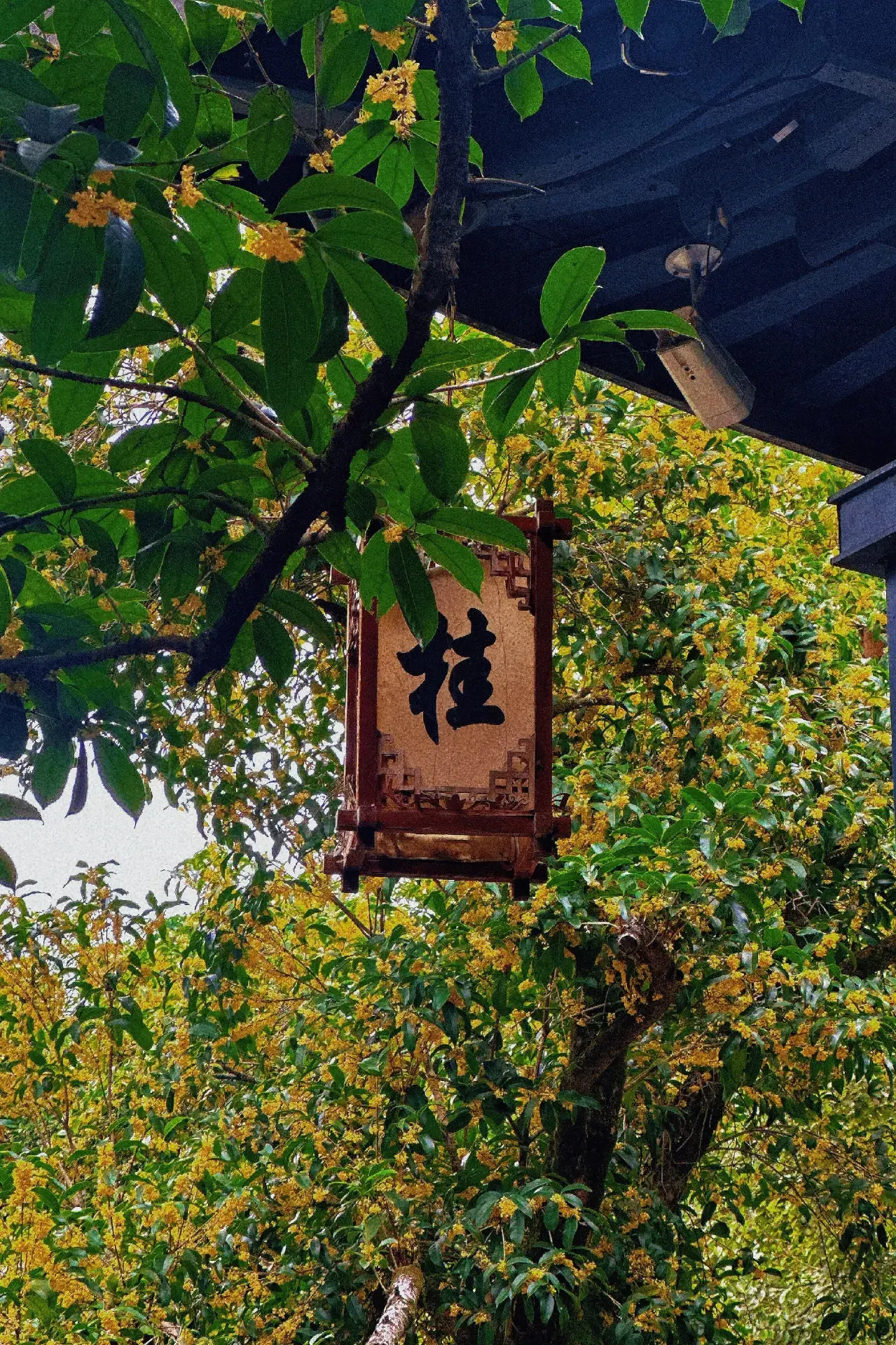
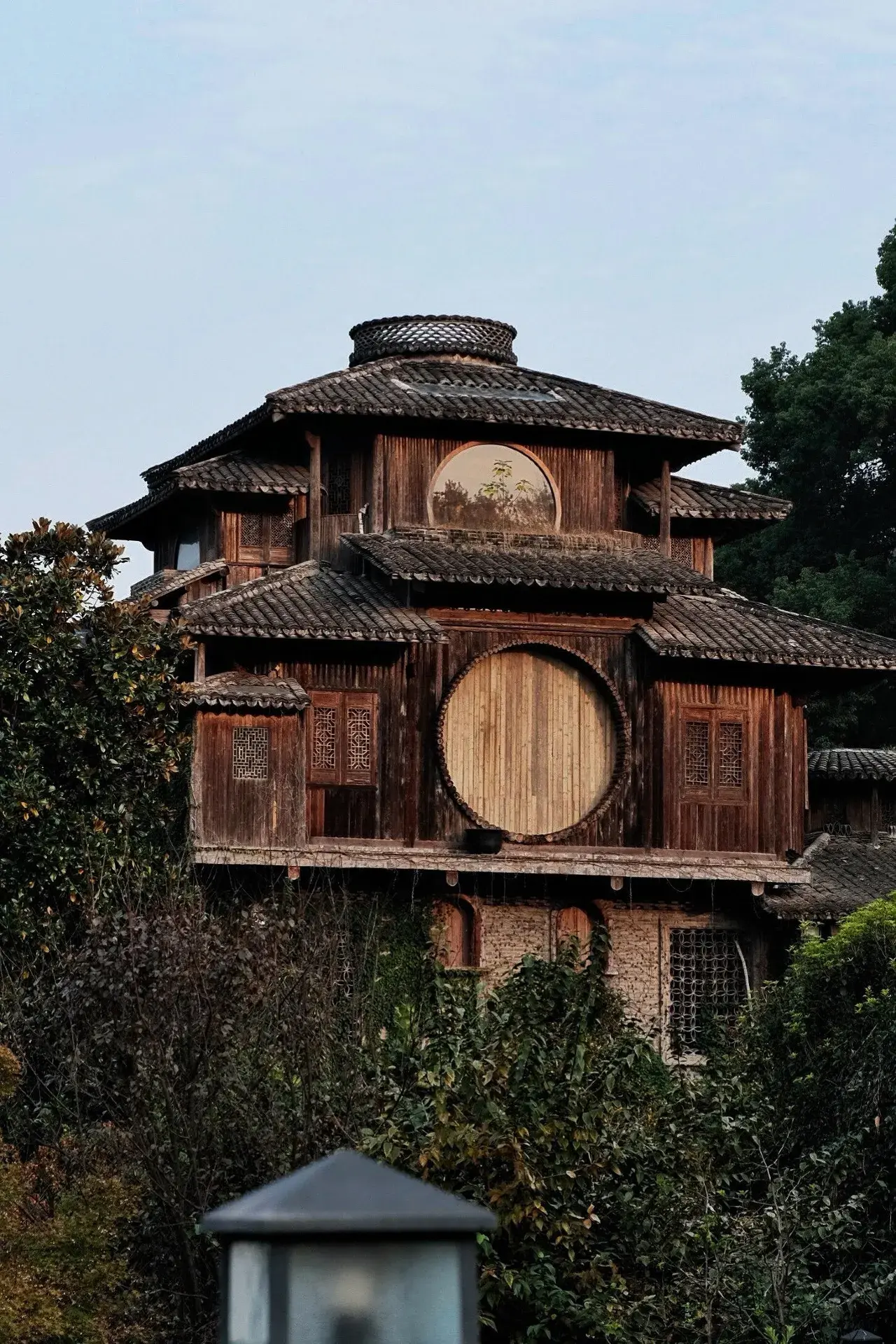
Tangwu, the distinctive wooden building with circular windows, is another recognisable stop. Treat it as a private building to admire from a permitted public viewpoint. Its popularity does not make the property open for entry, and there is no need to leave the public path for a closer photograph.
Baihe Peak is an optional extension for walkers who want some climbing. Keep it separate from the basic village stroll and decide according to conditions and the group’s energy. Comfortable shoes, water and enough daylight matter more than completing every stop on a saved list.
Manjuelong can be busy during flowering periods. Check the day’s public-transport and traffic arrangements before setting out, especially at weekends and holidays, when access patterns may change. Starting earlier can leave more flexibility, but no particular hour guarantees quiet lanes.
For a less hilly outing, start with Hangzhou Botanical Garden and its osmanthus collections. The garden offers a reason to slow down and compare flowers at close range, rather than simply passing through on the way to somewhere else. Yuquan’s pools and the Han Meilin Art Museum can provide a change of focus if their current opening arrangements suit your visit.
Hangzhou Flower Nursery is another option to include before heading towards the lake. From there, choose a manageable section around Guo’s Villa, Quyuan Fenghe and Gushan. Wenlan Pavilion and Manao Temple are possible cultural additions, but you do not need to connect every landmark. Check the actual walking route, entry arrangements and closing times before committing to a longer sequence.
The Han Meilin Art Museum’s published visiting information lists Tuesday as its usual closing day, with holiday exceptions. Confirm this before making the museum essential to the outing. Gardens, museums and individual historic buildings can follow different schedules even when they are close together.
Hupao offers an alternative for visitors who would rather spend time within one wooded park than link several village and lakeside stops. Follow the open paths, look for flowering trees along the way and leave room to pause. It can be the focus of an outing in its own right; adding another hill or lakeshore walk is a choice, not a requirement.
Check current admission and opening information before travelling. If your party includes someone who wants a gentler day, plan around the paths they are comfortable using rather than assuming every wooded route is level. A shorter walk enjoyed slowly is often a better fit than a long list of distant viewpoints.
Jiuxi brings streams and wooded paths into the day. Shili Langdang is a more demanding hill-walking option, so avoid treating the two names as a single effortless stroll. Choose a specific start, finish and route suitable for your group, and check current trail access before leaving.
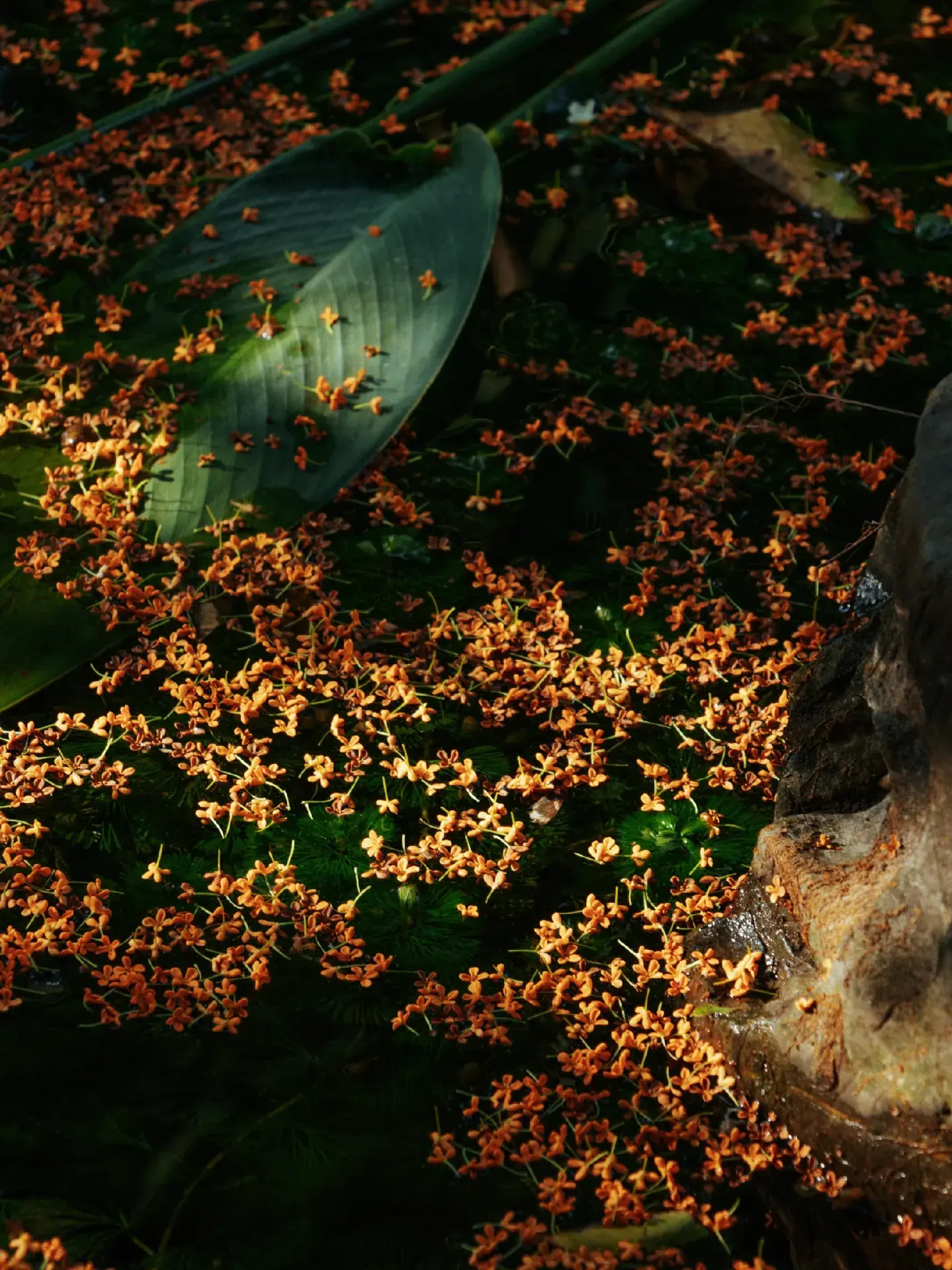
Wear shoes with suitable grip, carry water and allow time for the return journey. Rain can change conditions on stone paths and steps. If the main aim is to enjoy the fragrance of osmanthus, there is no obligation to add a ridge walk: the shorter route that matches the conditions may be the more enjoyable one.
The Tianzhu and Lingyin area offers another setting for autumn flowers, with wooded surroundings and temple architecture changing the mood of the walk. Choose a section of Tianzhu Road and decide separately which religious sites you wish to enter. A walk along the road and a temple visit are not necessarily covered by the same access arrangements.
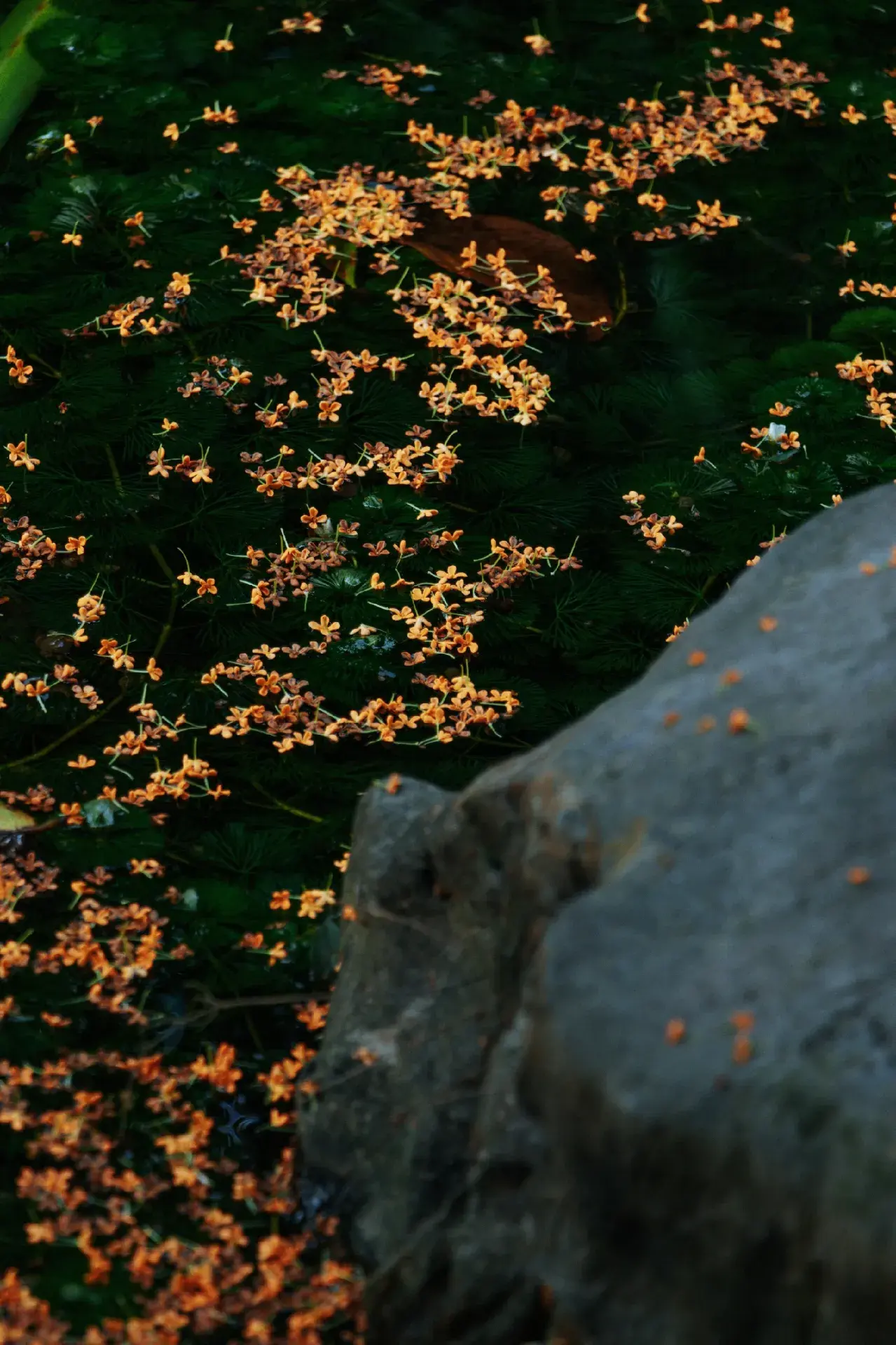
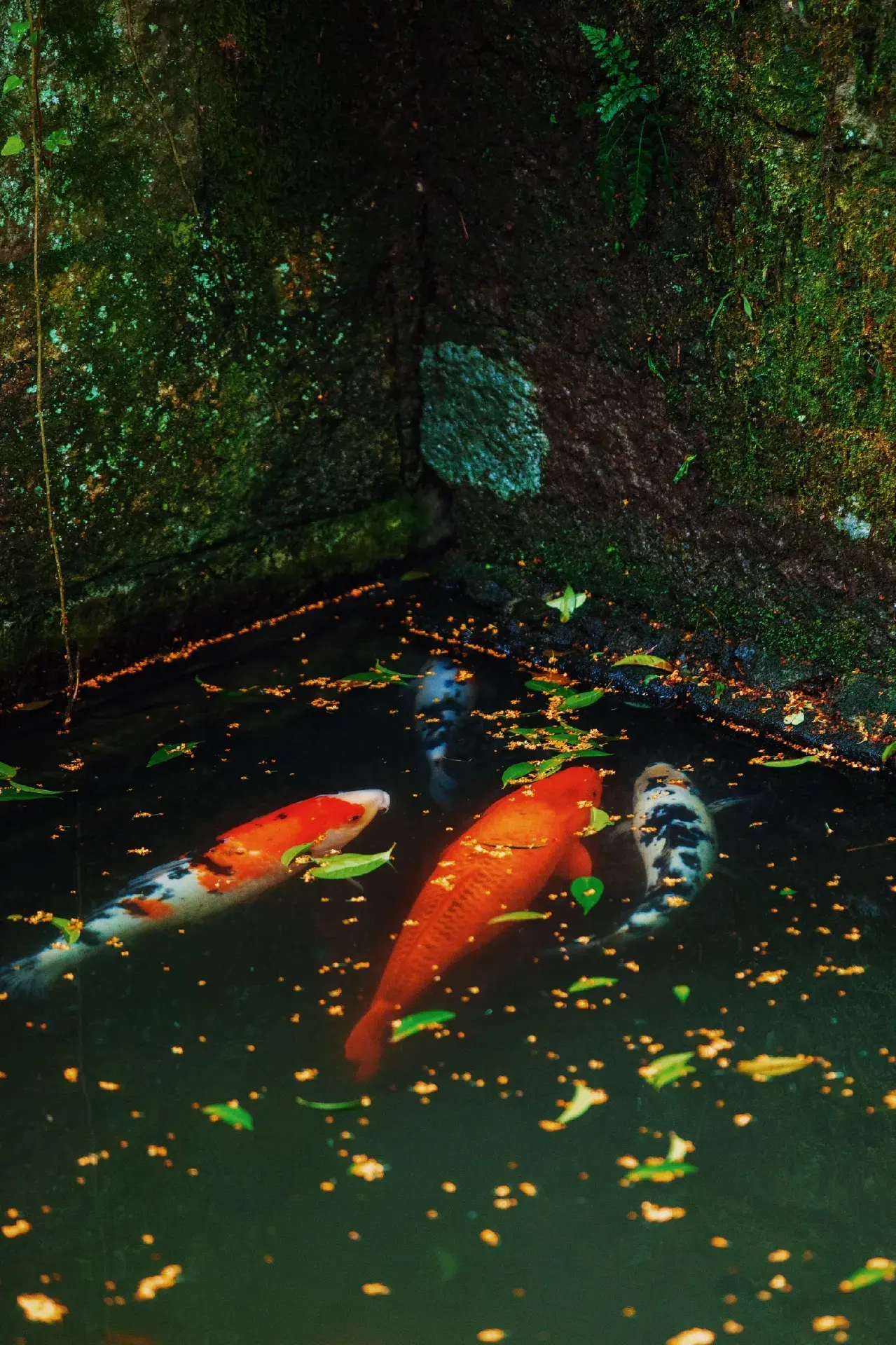
Give worshippers space, keep voices low and follow photography notices. Allow time for a proper stop instead of rushing between gates. Check the current arrangements for each site you intend to visit, including any reservation requirements, and keep an alternative in mind if access is restricted.
Fancun is another possibility for combining osmanthus season with a tea-village outing. Choose it as a separate plan rather than assuming it is a short extension of the northern West Lake walk. Confirm the destination in your map app, arrange the return journey and stick to public lanes and permitted paths around the tea fields.
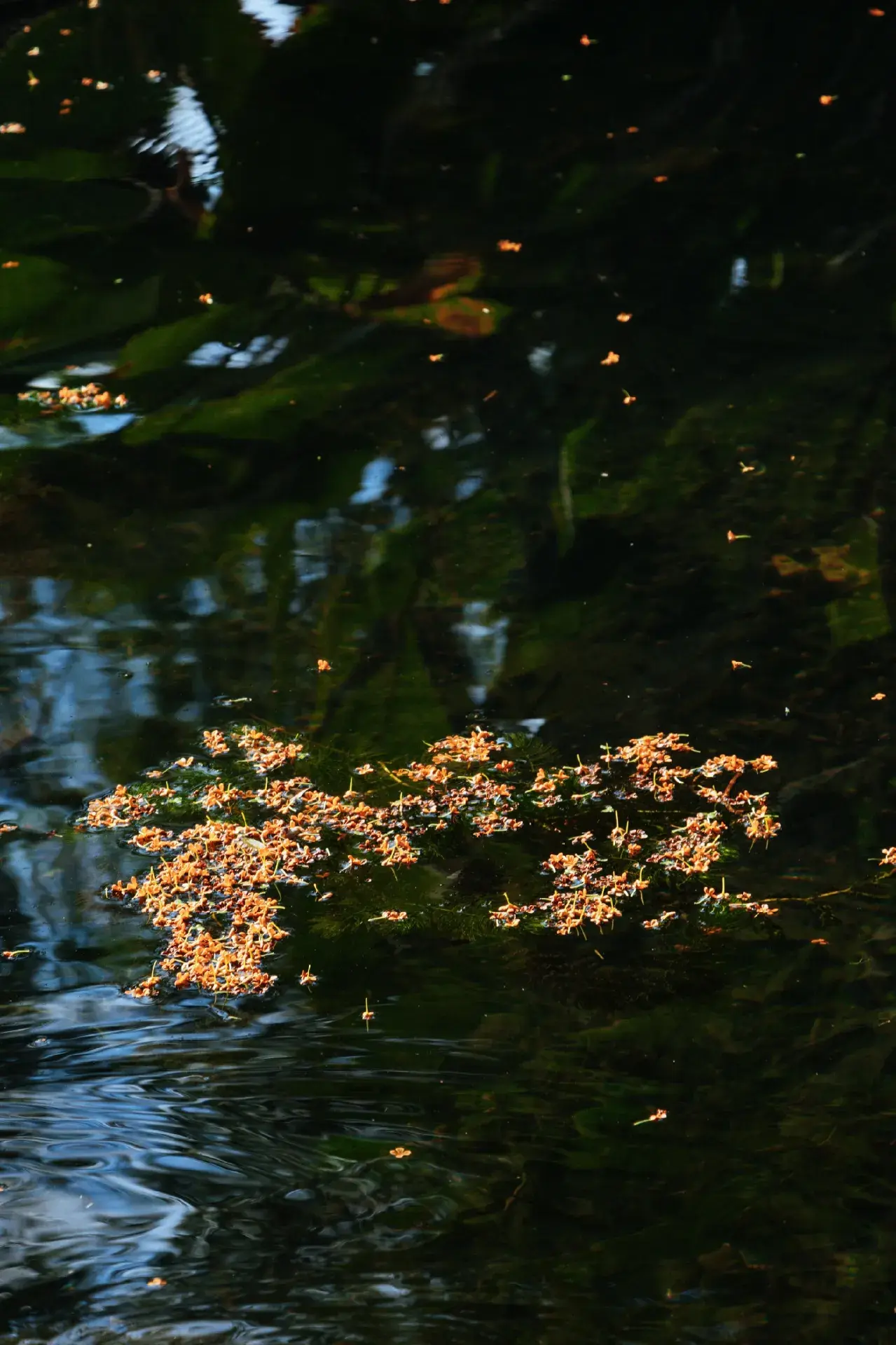
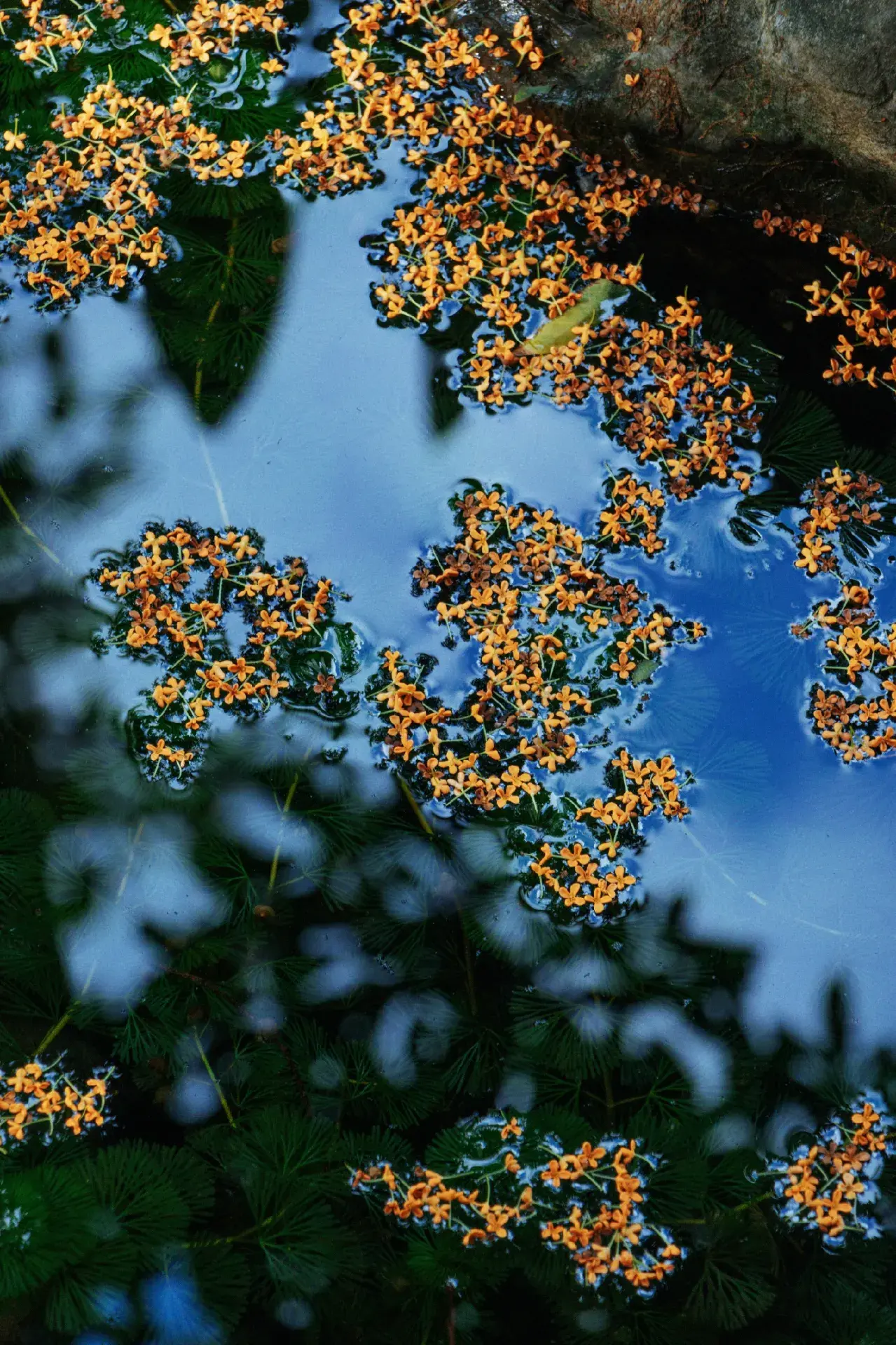
A tea break can give the outing its shape: walk a little, sit for a while and leave time for the surroundings. Check that any tea house you intend to visit is open, and ask about prices before ordering. A village described as less well known is not guaranteed to be empty during a popular flowering weekend.
Osmanthus blooms in waves, and the timing varies with temperature and weather. Late September and October are useful months to consider, but the week after the National Day holiday is not a dependable annual peak. Recent local reports and photographs close to your travel date are more useful than a calendar promise made in advance.
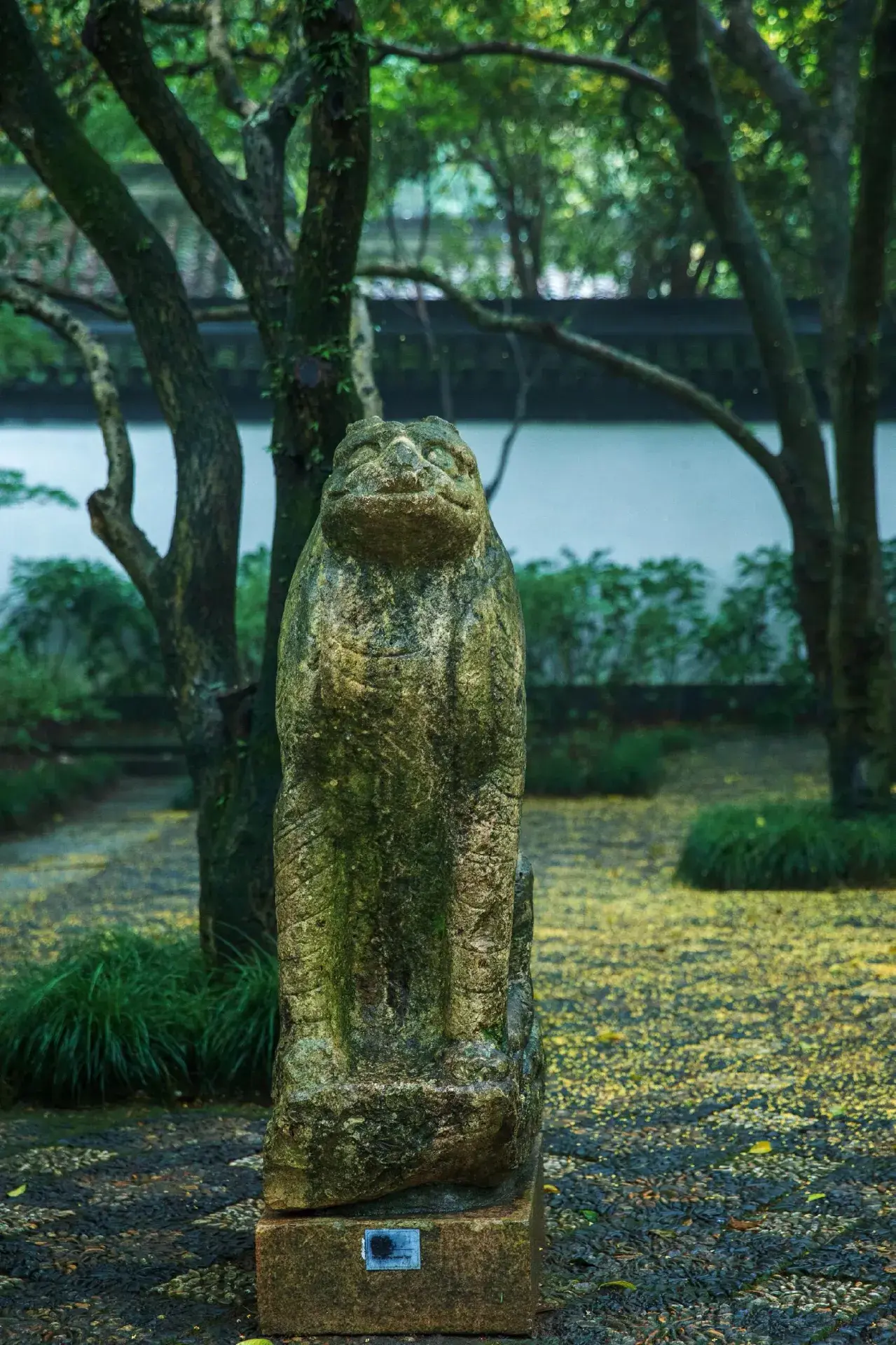
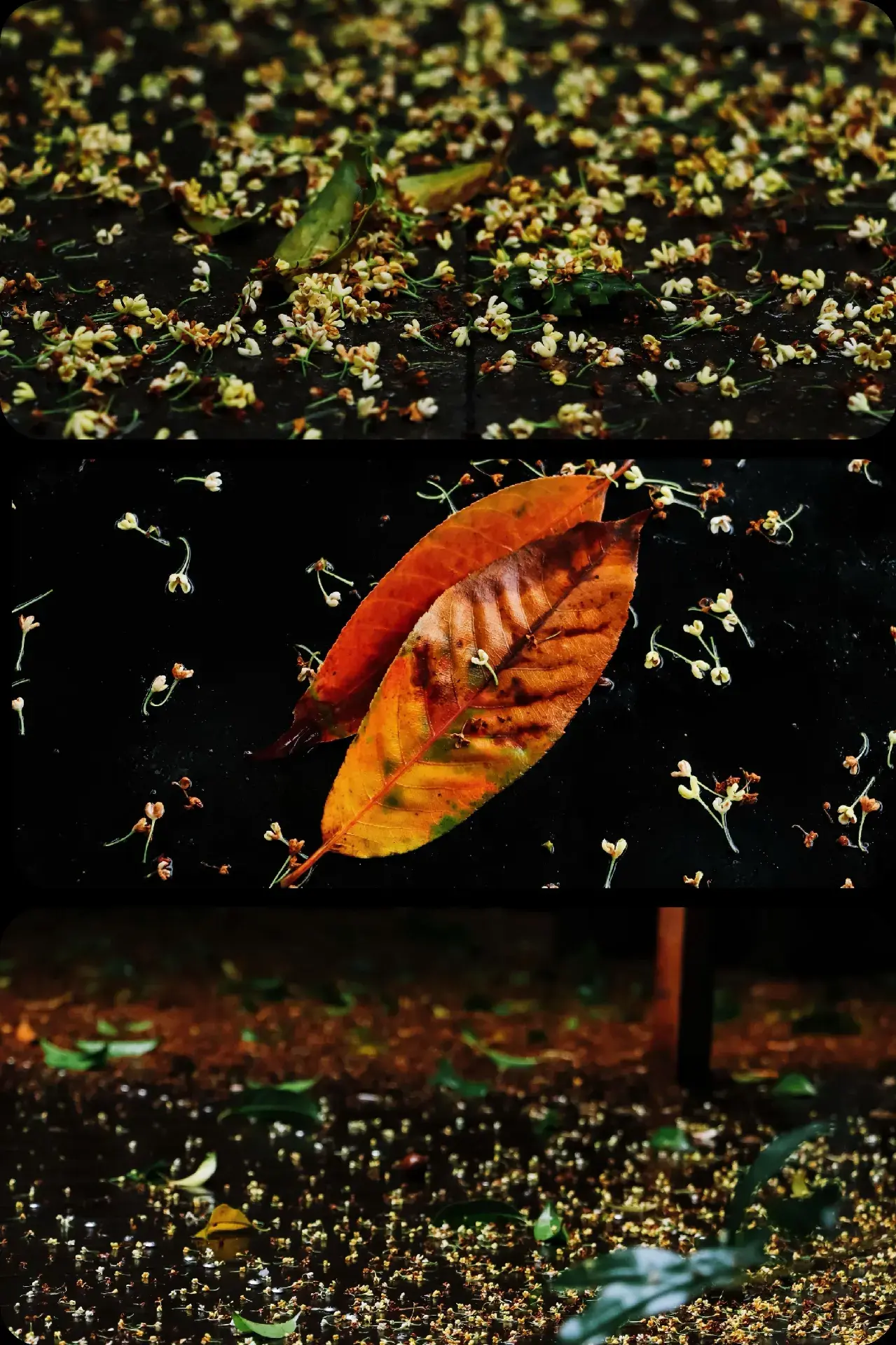
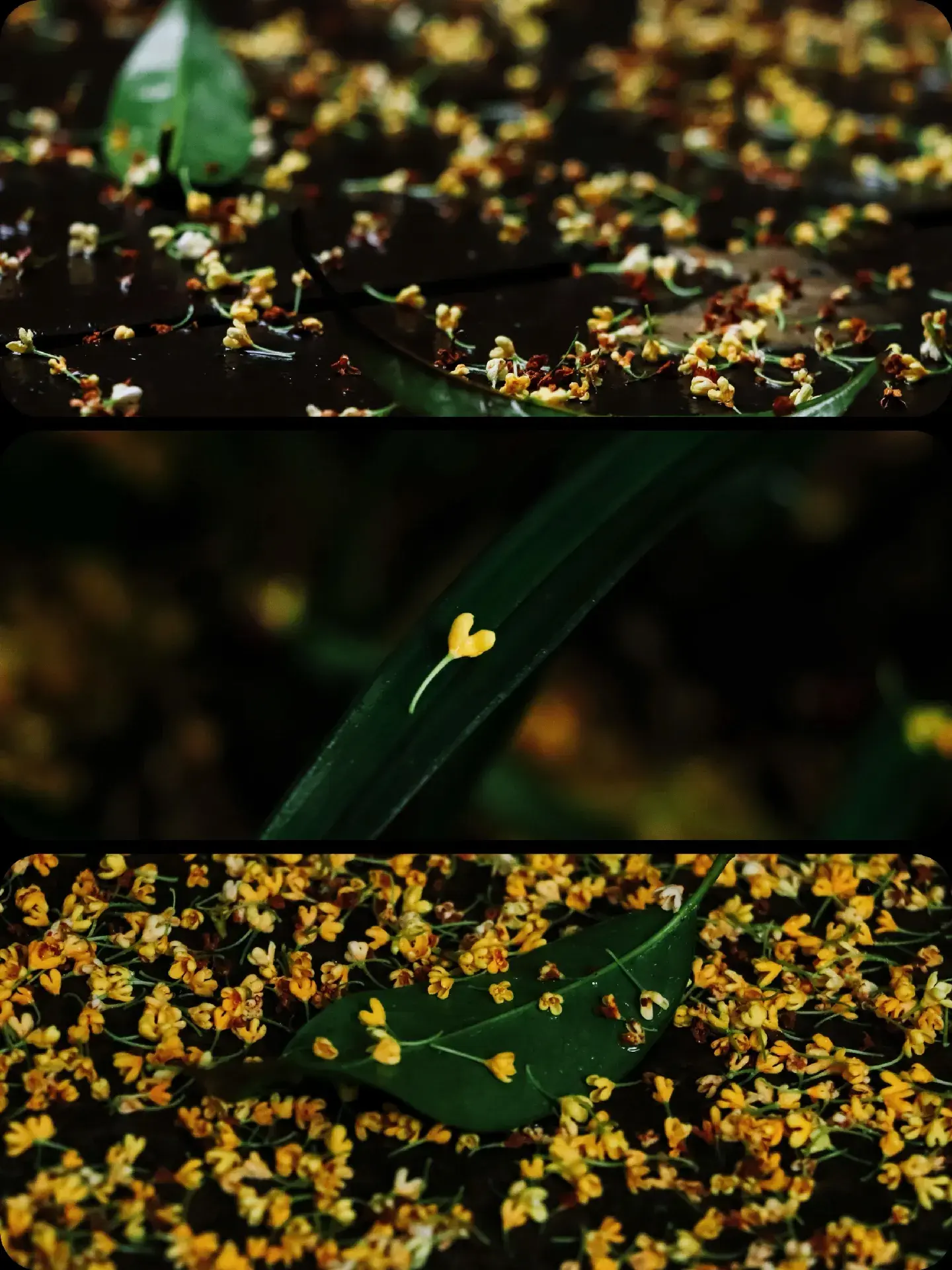
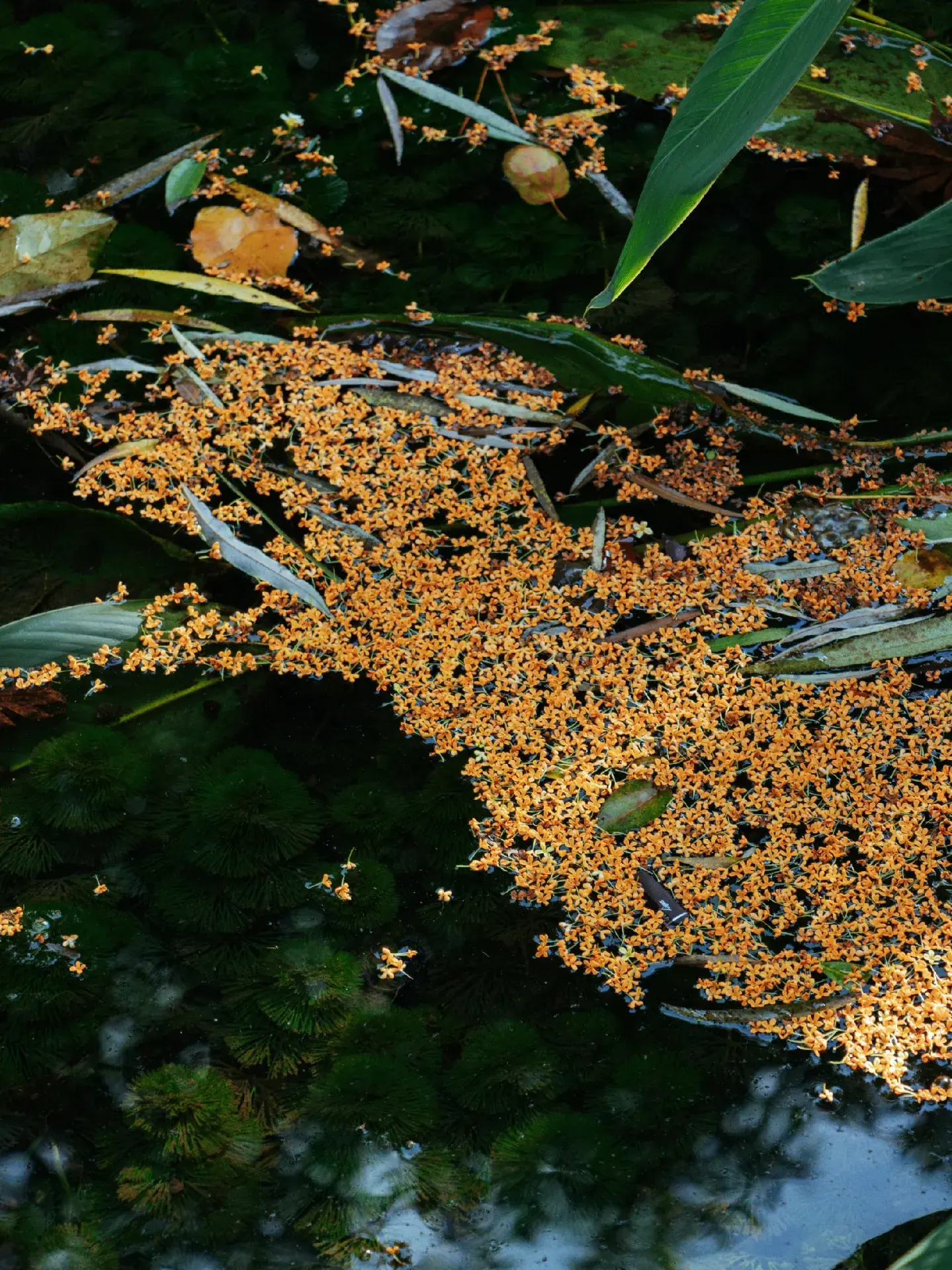
Choose one main area, keep some freedom to shorten the walk and bring a light layer for shaded paths. The season’s pleasures can be small: flowers caught on a leaf, a pond dotted with gold or a sudden drift of fragrance as you turn a corner. Leave enough time for those details to become the outing.