02Nov
+8619705475100
[email protected]

Putuoshan combines a sea crossing with temple visits, wooded hills and stretches of coast. The challenge of a day trip is fitting those different experiences together without turning every stop into a race. Start with your ferry arrangements, decide whether Foding Mountain belongs in your plan, and leave room for queues and a proper lunch.
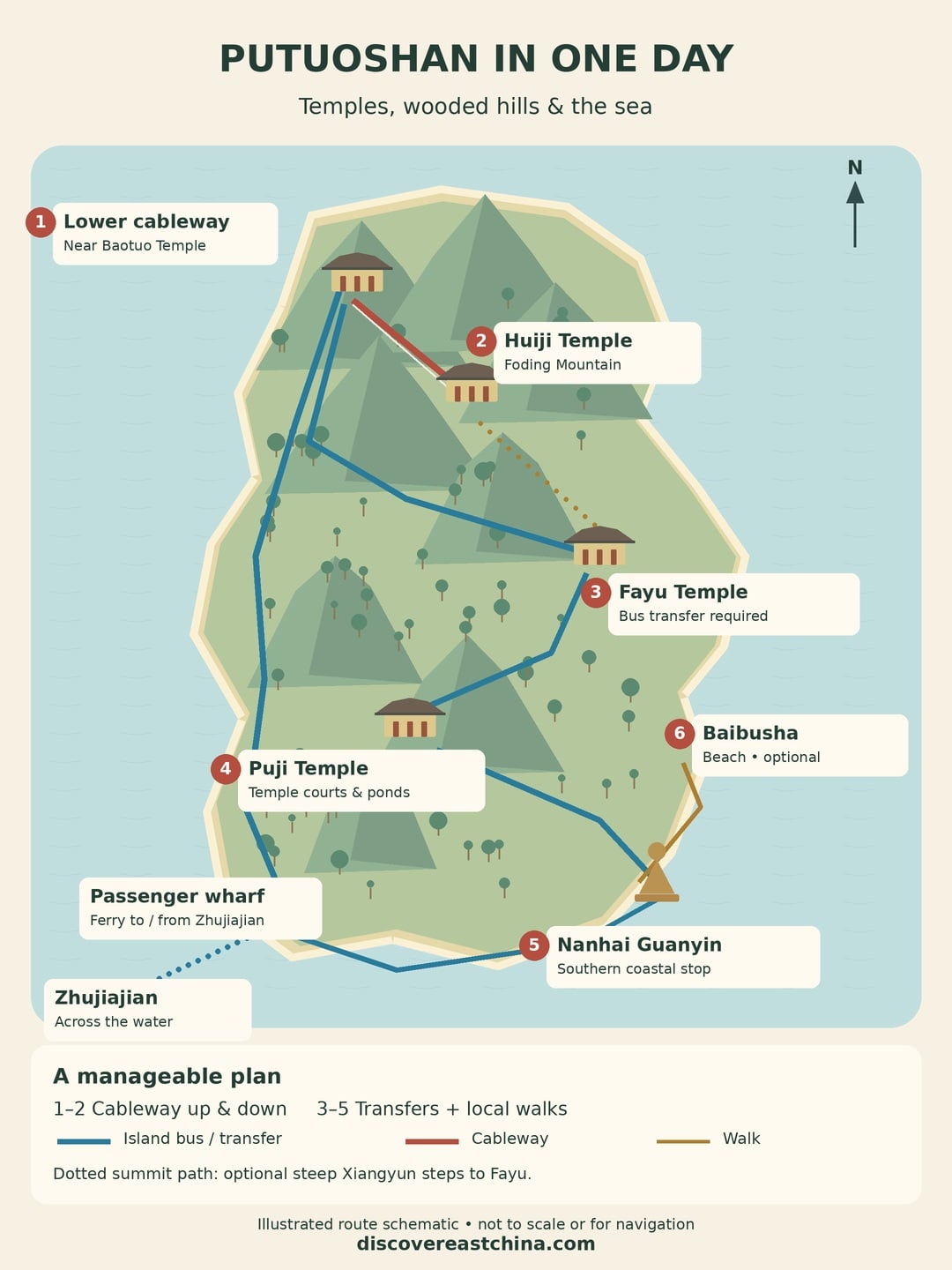
For a day visit, Zhujiajian’s Wugongzhi passenger terminal is a useful starting point. Staying nearby the previous night can make an early departure easier, although you should check the actual distance between your hotel and the terminal entrance. A hotel described as “near the pier” may still require a transfer.
Book through the official Putuoshan ticket channels and check the entry period, ferry direction and what your purchase includes. Scenic-area admission, ferries, island buses, the cableway and individual temple contributions should not be treated as one universal ticket. Visitors using passports should confirm the accepted document and collection procedure; the official visitor service arrangements include assistance for overseas travellers.
An early crossing can give the day more breathing space, but it cannot guarantee empty temples. Confirm that day’s sailing information and sea conditions before leaving. Do not build the plan around an old screenshot of a first or last boat.

Huiji Temple stands on Foding Mountain. The Xiangyun stone-step route approaches it from the Fayu Temple side, while the cableway serves a different approach near Baotuo Temple. This distinction matters: riding down does not deliver you directly to Fayu Temple, and a walking ascent is still a climb.
For a visit with less stair climbing, use the cableway in both directions, with island transport to and from its lower station. There will still be local walking and steps, so check suitability before committing. After returning to the lower station, arrange the onward transfer to Fayu Temple rather than expecting a continuous downhill stroll between the two.
A stronger walker can instead visit Fayu first, climb the Xiangyun steps to Huiji and descend by cableway. That is a different itinerary, with a sustained uphill section and an onward transfer from the cableway’s lower station. Choose it for the walk itself, rather than assuming it saves effort or time.
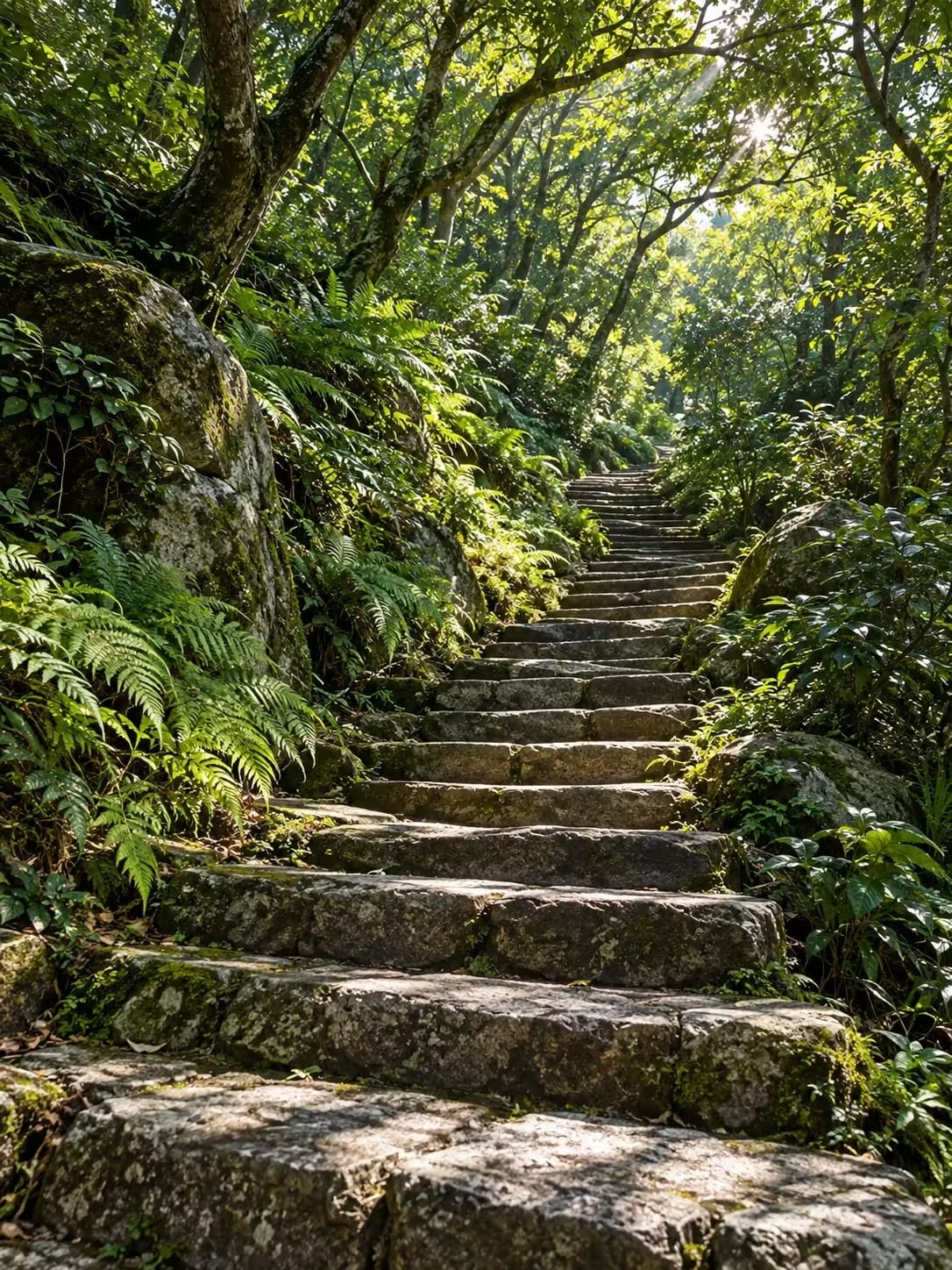
If the cableway is suspended, the weather deteriorates or queues consume too much of the morning, leave Foding Mountain out. A day focused on the lower temples and coast can be more satisfying than adding a difficult climb to an already compressed schedule.
Fayu and Puji are major temple stops, each deserving more than a hurried photograph at the entrance. Use the island’s available visitor transport to connect the separate areas, confirming the correct stop and destination before boarding. Keep the number of transfers realistic, particularly when travelling with children or anyone who needs regular rests.
At the temples, follow local instructions, dress respectfully and keep voices low. Observe photography restrictions inside halls and avoid obstructing people at prayer. A small amount of cash can be useful for modest purchases or contributions; check the payment options at each location.
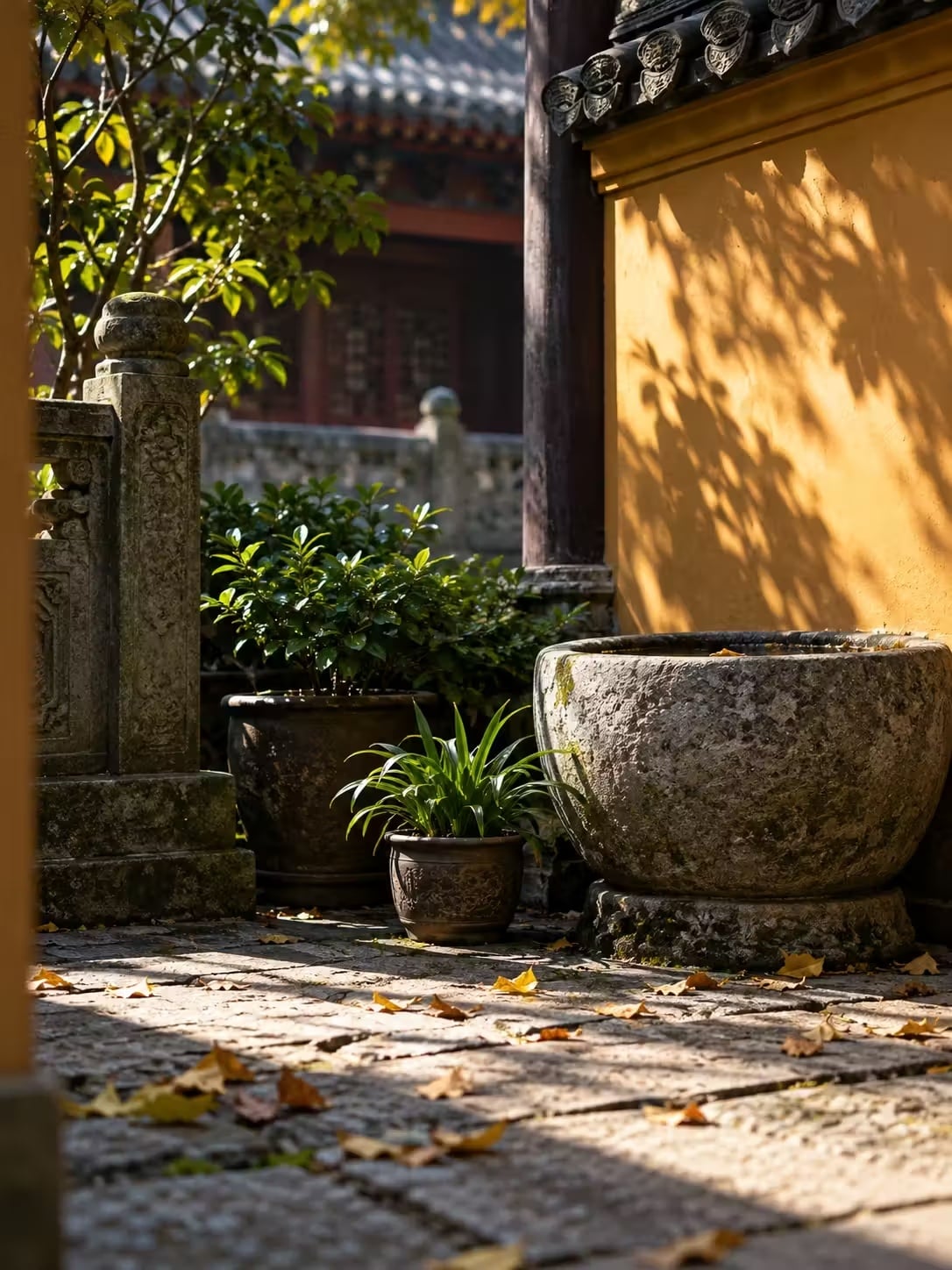
A vegetarian meal can fit naturally into a temple day, but visitor access and serving hours should be checked locally. Do not rely on arriving at a temple at any time and finding lunch available. Keep an alternative in mind, carry drinking water and bring a simple snack for the gaps between stops.
When ordering elsewhere, read the menu and confirm prices before committing. Leave enough time to sit down rather than eating while rushing for the next bus. A shorter afternoon is often a better choice than sacrificing every break to complete a checklist.
Nanhai Guanyin belongs to the island’s southern coastal area. Visit it as a distinct stop, with time for the approach, admission arrangements and the return connection. Avoid assuming that a line between landmarks on an illustrated map represents a short, level walk.
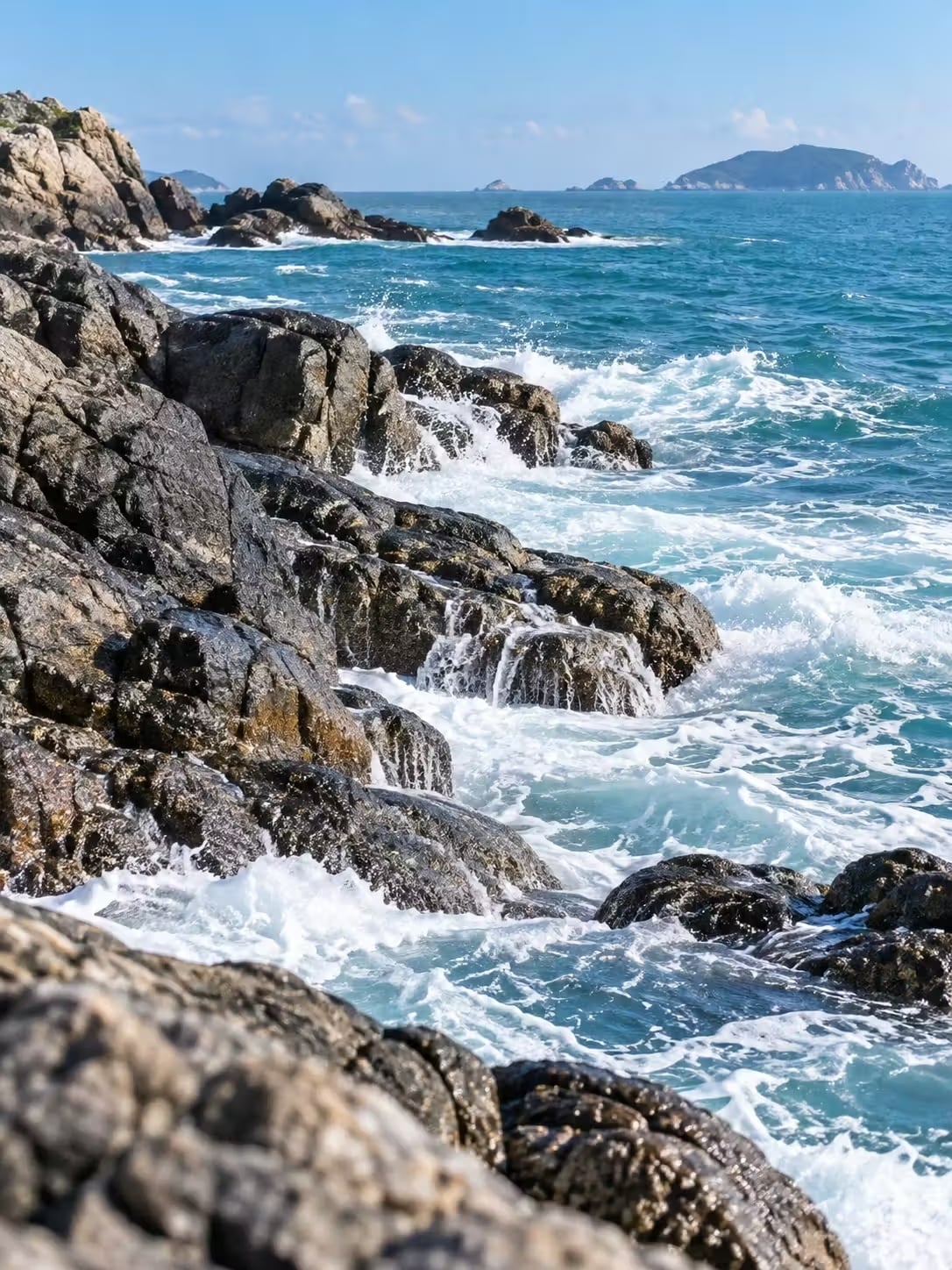
Baibusha, the Hundred-Step Beach, is an optional addition in the Puji Temple area. It is a separate place from the Guanyin statue, so allow for the journey between them if you include both. Follow beach notices and barriers, stay away from exposed rocks and judge the conditions at the time; a calm-looking photograph says little about the day’s sea.
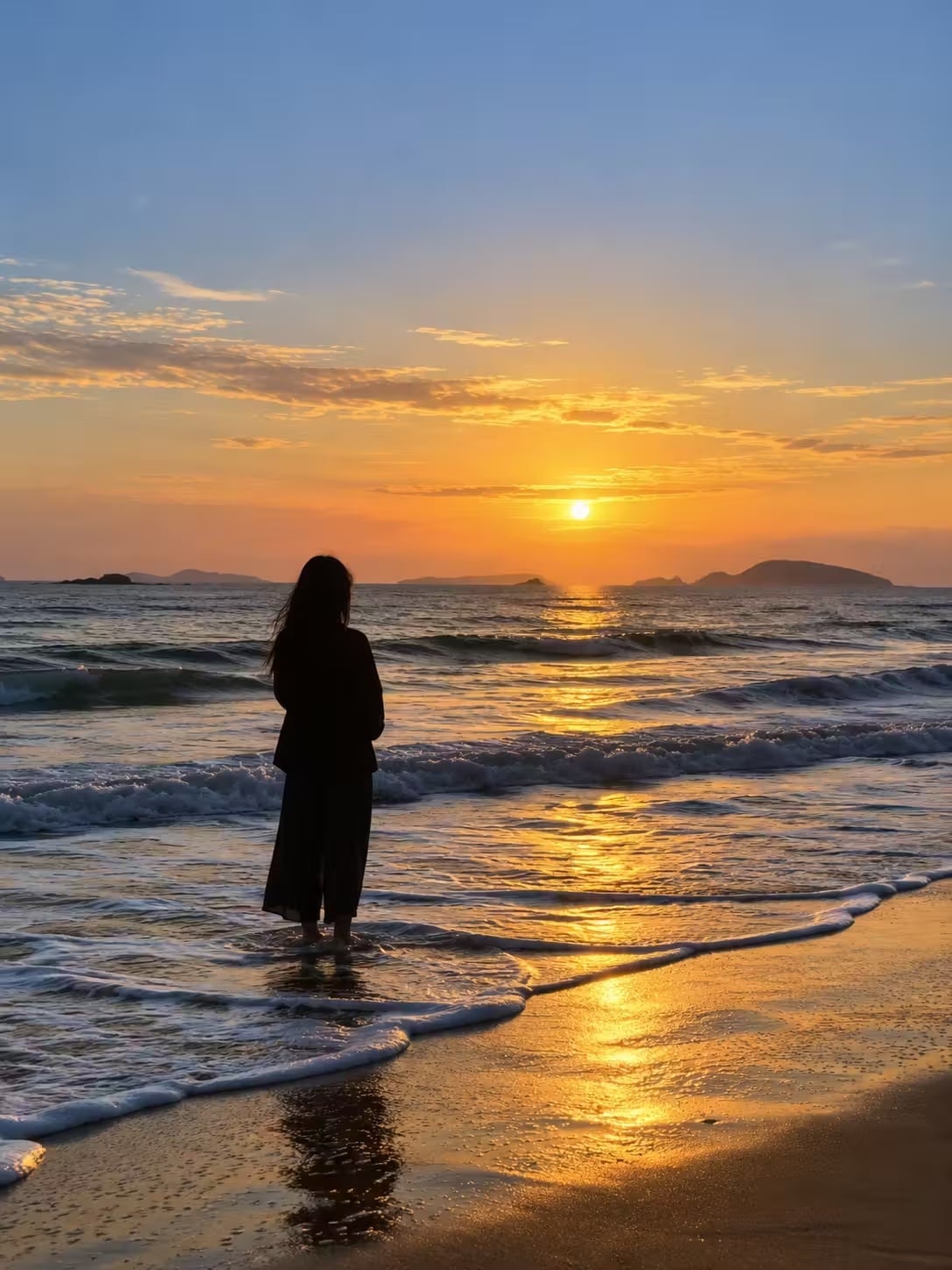
Work backwards from the ferry you intend to use and add a comfortable margin for the transfer to the wharf, queues and boarding. If lunch or the mountain visit takes longer than expected, shorten the coastal section. Sunset photographs should not decide whether you reach your onward transport.
A useful outline is: ferry to Putuoshan, transfer to the cableway, Huiji Temple with a cableway return, Fayu Temple, Puji Temple and lunch, then Nanhai Guanyin if time allows. Baibusha is an optional stop that can be grouped with Puji or added only when the afternoon remains comfortable. The sequence may need adjusting to the day’s transport arrangements.
Wear shoes with reliable grip, carry a layer for wind and keep luggage light. Check current ticket details, temple access, cableway operation and sailings shortly before travel. The best day here leaves enough attention for the temple courts, the woodland and the sea between the named sights.