18Oct
+8619705475100
[email protected]

Shaoxing reveals itself in small changes of pace: a covered boat passing a whitewashed house, a calligraphy inscription in a garden, or a literary landmark opening onto an ordinary street. The old city is a rewarding starting point, with several larger scenic areas available as separate outings.
Begin with a manageable group of central sights, then choose the excursion that interests you most. Trying to combine every famous name into one day would leave little time for the canals, food and quieter details that make the city distinctive.
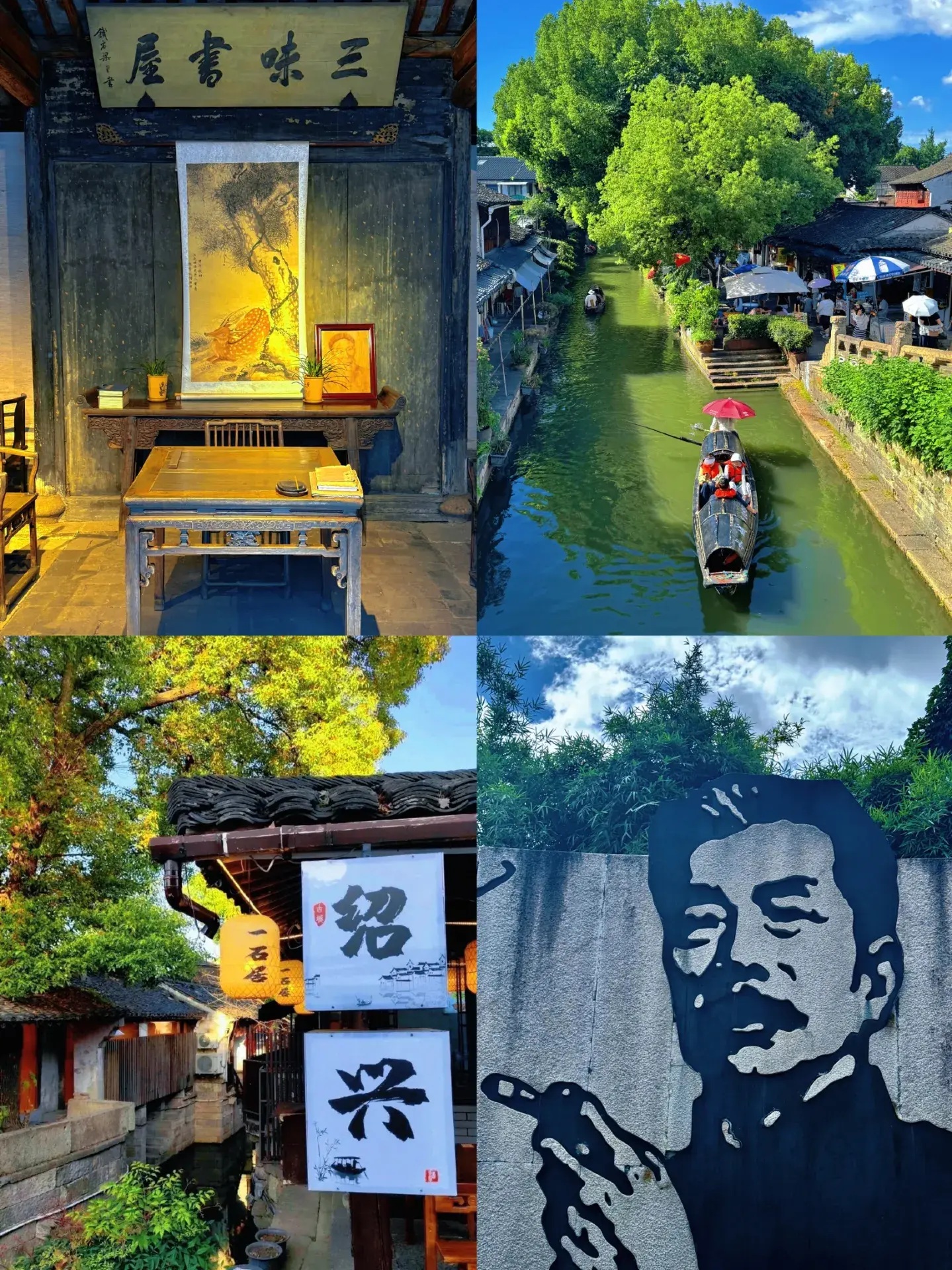
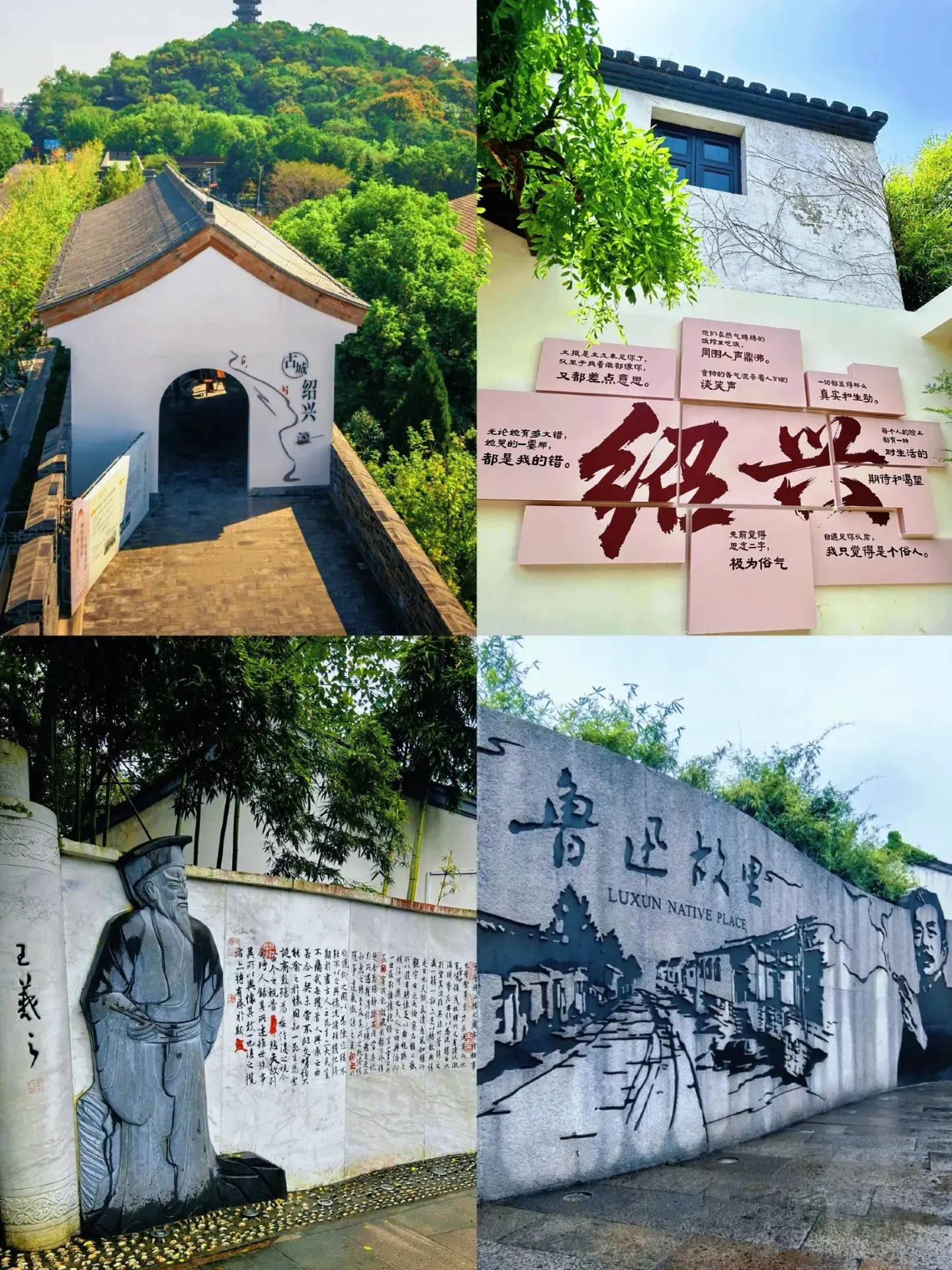
The area associated with the writer Lu Xun introduces both his early life and the streets that shaped his work. The former homes, Sanwei Study and Baicao Garden give context to names familiar from Chinese literature, while the surrounding lanes offer shops, snacks and places to pause.
Lu Xun’s Native Place has free admission, but the historic visitor sites use a reservation system. Check the official museum or Shaoxing cultural-tourism booking channel for the current process and opening calendar. A paid guided-tour listing is not the same thing as an entrance charge, and overseas visitors should confirm the identification arrangements before arriving.
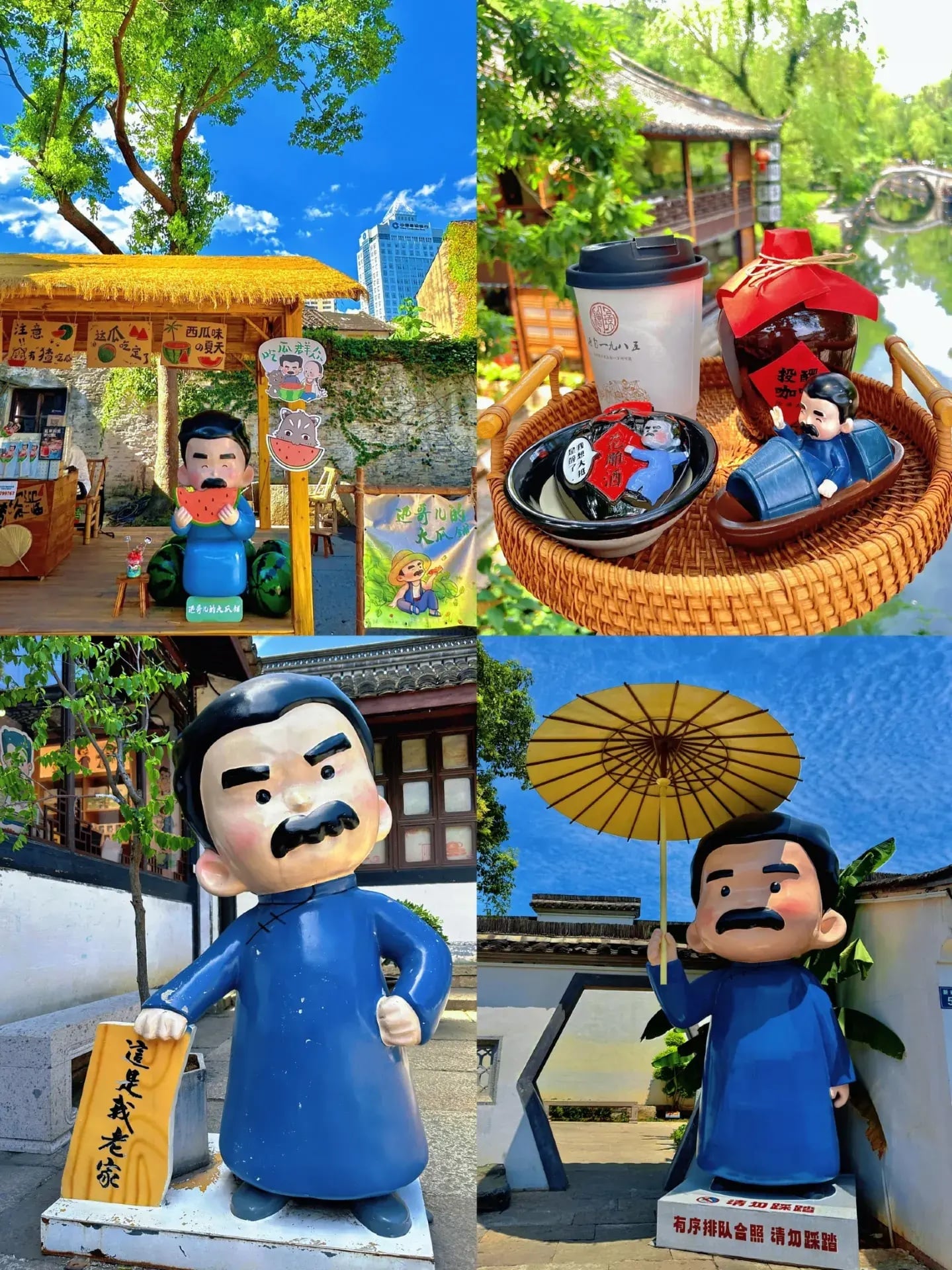
Give the historic interiors priority over souvenir stops if time is limited. Where rooms are busy, follow the visitor flow and photography instructions. The contemporary cartoon figures and themed displays shown in the photographs are a different layer of the visit from the historic buildings.
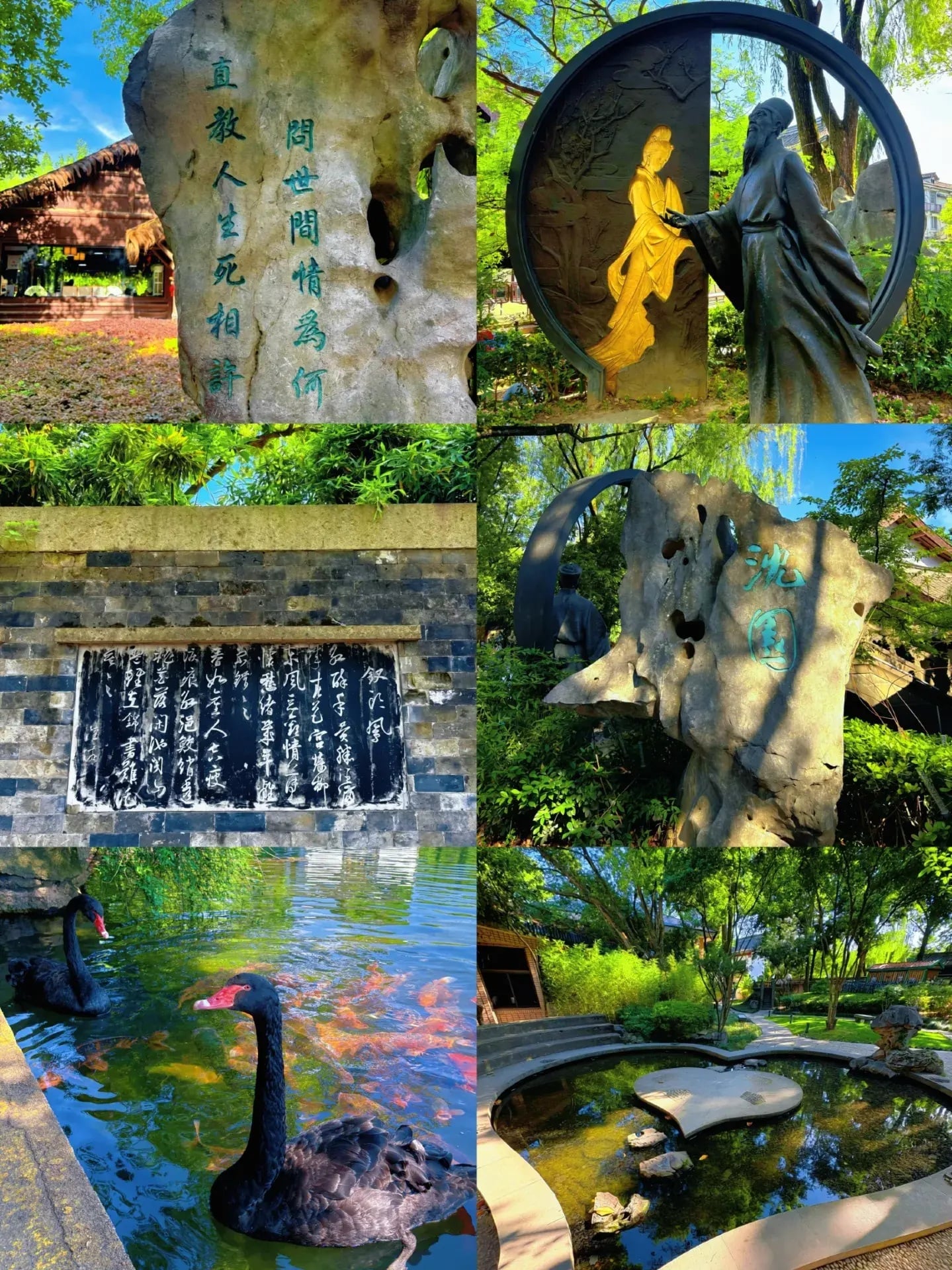
Shen Garden, also called Shenyuan, is associated with the poets Lu You and Tang Wan and their remembered relationship. It makes a natural cultural addition to the Lu Xun area, but deserves its own time for the garden and interpretation.
Check daytime admission rather than assuming it is free. An evening performance is a separate booking decision, with its own programme, seating and entry arrangements. Choose the garden, a performance, or both according to your interests; do not rely on an old show title or fixed time copied from a previous visitor.
Shusheng Guli, often translated as the Sage of Calligraphy’s Hometown, offers a neighbourhood walk connected with calligraphy culture. Look for the historic interpretation and inscriptions, then leave room for the houses, small businesses and ordinary activity between them. An open public street does not guarantee access to every interior.
Cangqiao Straight Street brings another view of canal-side life. Walk a section, stop for a meal or snack and use permitted bridge approaches to look back along the water. Avoid treating residential doorways and steps as photography sets.
Bazi Bridge is another rewarding stop for those interested in old crossings and waterways. Work it into a separate central-city walk if it fits the day, rather than assuming every literary site and canal lane sits on one continuous pedestrian street. Allow a transfer or a longer walk where needed.
Accommodation near Lu Xun’s Native Place can be convenient for a first visit focused on historic interiors and food. The Cangqiao and Shusheng Guli areas offer different neighbourhood settings to compare. Ask about street noise, luggage access and the distance to the actual property entrance, not simply the district name.
A central day can be complete with Lu Xun’s Native Place, Shen Garden and one canal-street walk. Keep the rest as options, especially in wet weather or when queues take longer than expected.
Lanting, the Orchid Pavilion: this is the major calligraphy excursion south-west of the city. It is associated with Wang Xizhi and the gathering that inspired the Preface to the Orchid Pavilion Collection. The garden setting and calligraphy displays reward a slower visit. Confirm the opening calendar and any exhibition access, and plan the journey separately from the central streets.
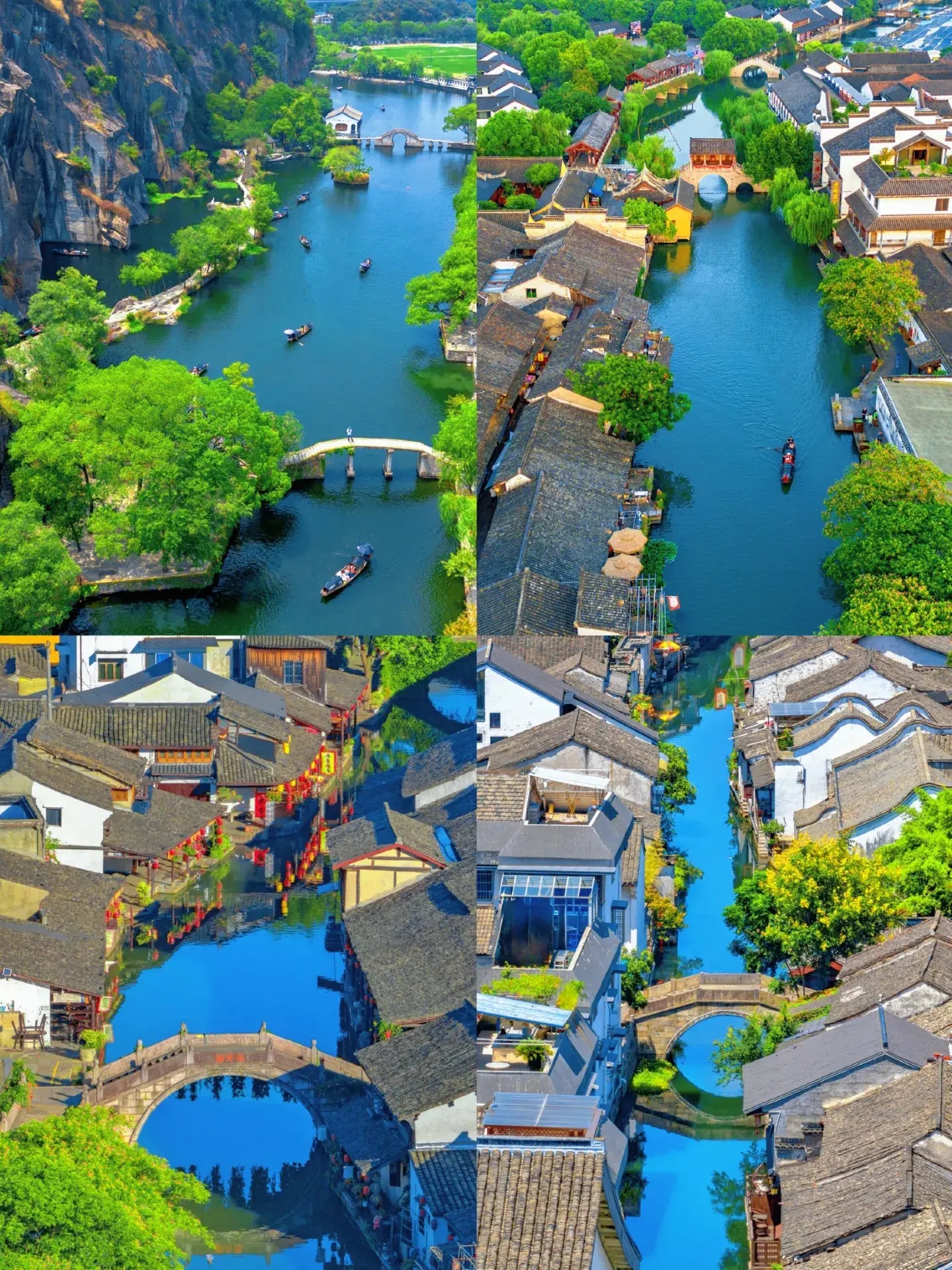
Shaoxing East Lake, or Donghu: east of the old city, this landscape is known for former quarry cliffs, water and traditional boat views. It is a different place from Wuhan’s East Lake and from Shaoxing’s Keyan Scenic Area. Choose the correct destination in your map app; check that the listing describes Shaoxing’s quarry-lake scenery.
If taking a boat at East Lake, check the official route, capacity, operating conditions and fare. Walking and boating offer different perspectives, but neither needs to become a rushed attempt to repeat a photograph.
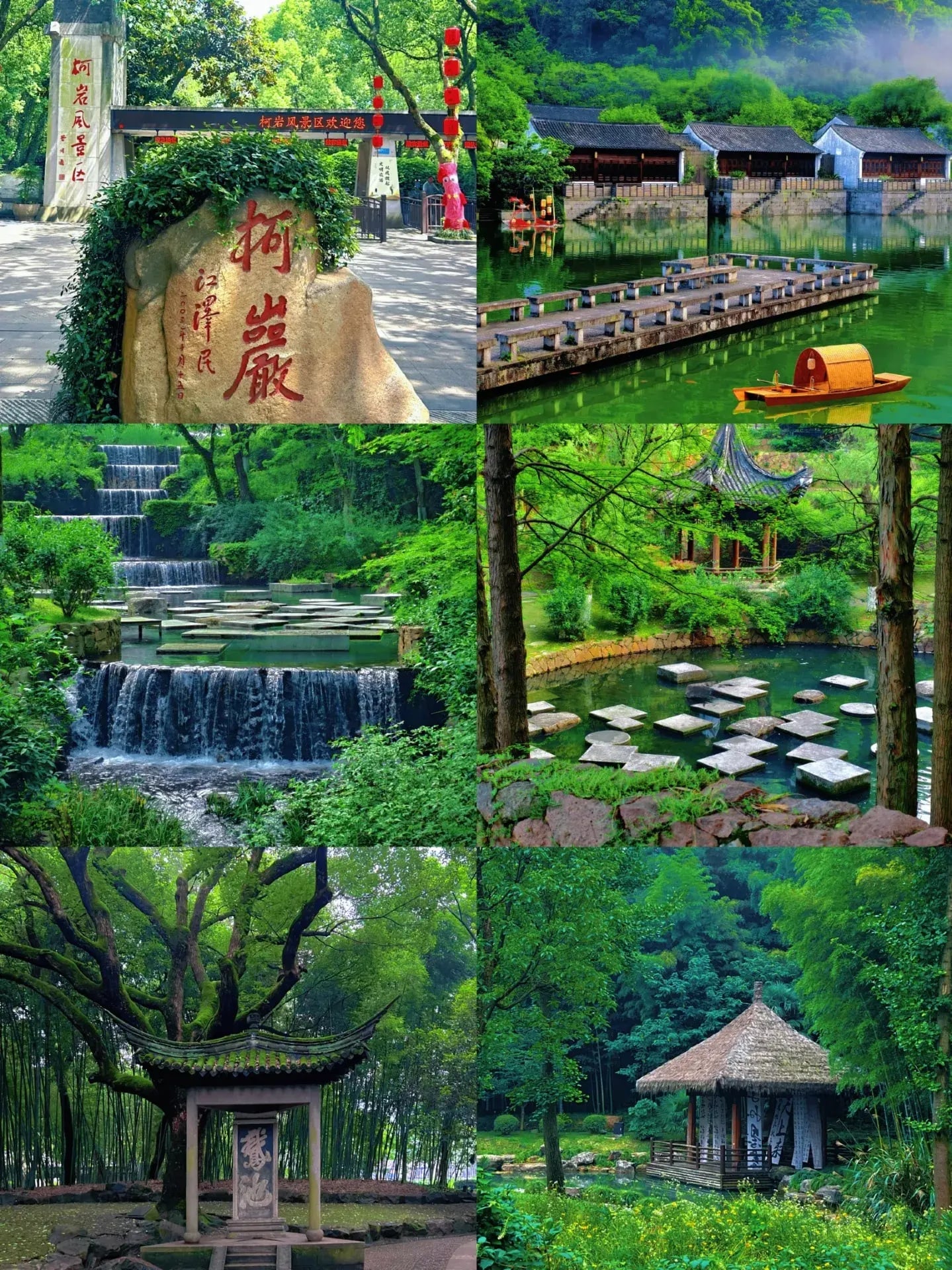
Keyan, Jianhu and Luzhen: these form a separate excursion on the Keqiao side of Shaoxing. Keyan’s stone scenery, the Jianhu waterside setting and Luzhen’s literary-themed townscape are distinct parts of the visit. Check exactly which areas, boats or performances your chosen ticket includes. Do not navigate to Keyan when you intend to visit East Lake.
Dayu’s Mausoleum: choose this cultural outing if the traditions associated with Yu the Great and flood control interest you. Allow time for the site’s interpretation and check current access, rather than adding it as a quick stop between distant attractions.
Anchang Ancient Town: this is another separate outing in Keqiao, with canal streets, covered waterfront sections and food shops associated with cured sausage and soy sauce. Public old-town access is free, while selected museums and experiences may charge. Give it time for a walk and lunch instead of assuming it is next to Shaoxing’s central literary sights.
Hangzhou Xiaoshan International Airport is a useful arrival airport, but there is no single Hangzhou Metro Line 1 train straight from the airport to Shaoxing. A metro journey requires interchanges. Use a current planner from the terminal to your hotel, and compare the whole trip with an appropriate road or rail connection.
Hangzhou Metro Line 5 connects with Shaoxing Metro Line 1 at Guniangqiao. Within Shaoxing, use the current network map for your exact route. Shaoxing North railway station and Shaoxing railway station are different places, so confirm the arrival station and the final transfer before booking accommodation or making a tight connection.
In the old city, combine manageable walks with public transport or taxis where helpful. Check signs and pedestrian restrictions before using a bicycle. Allow extra time at large railway stations, but do not assume a fixed walking distance or taxi duration applies to every entrance and destination.
A black-canopied wupeng boat can be a memorable part of the trip. Use an authorised service point and check the route and fare locally. Different waterways have different services; an old per-boat price or capacity should not be treated as a citywide rule.
Menus may include pork with preserved mustard greens, Shaoxing-style drunken chicken, river prawns and other local dishes. Smaller stops can include steamed buns, wontons, preserved-vegetable pastries, stinky tofu or yellow-rice-wine-flavoured frozen treats. Ask about ingredients and portion sizes, and compare the menu rather than treating every well-known name as a guaranteed bargain.
Keep the visit centred on a few interests: literature and a garden, calligraphy and quiet lanes, or quarry scenery and a boat ride. Shaoxing offers enough variety for several visits; leaving one excursion for another day can be the best way to enjoy the one you choose.