
Compare Jingdezhen's major ceramic museums by theme, from broad porcelain history and imperial archaeology to industrial heritage and contemporary art. Choose a focused half-day visit and plan complementary stops for a longer stay.
Jingdezhen has several places where you can explore ceramics, but they do not tell the same story. One museum can introduce the broad development of porcelain. Another can show how archaeology and reconstructed fragments reveal imperial production. A former factory can explain modern industrial life, while a changing art exhibition can show what artists are doing with ceramic materials today.
For a first visit, the useful question is not how many museums you can fit into the day. It is which combination will help you understand the city without repeating similar displays or exhausting the time you need for its streets, workshops and meals.
With only half a day, choose one principal museum and give it time. With two days, choose museums that answer different questions. A broad history museum and a focused archaeological visit can complement each other; several consecutive display-heavy visits may be less rewarding.
This guide compares the principal options, explains how to choose for historical or artistic interests and sets out practical booking and pacing advice for overseas visitors.
The Main Choices at a Glance
| Museum or venue | Main emphasis | Choose it when | Important planning distinction |
|---|---|---|---|
| Jingdezhen China Ceramics Museum | A broad view of ceramic development, with strong Jingdezhen collections | You want an introduction across periods and styles | Separate location and reservation from the Imperial Kiln Museum |
| Jingdezhen Imperial Kiln Museum | Imperial production, excavated material and reconstructed objects | Archaeology, Ming and Qing porcelain or the kiln site interests you | Museum access and the surrounding Taoyangli area need separate attention |
| Jingdezhen Ceramic Industrial Heritage Museum | Modern industrial production, equipment and factory life | You want to understand the city’s more recent working history | Located in the Taoxichuan context rather than the imperial-kiln setting |
| Taoxichuan Art Museum and other named art venues | Changing contemporary exhibitions | Your priority is artistic expression and current ceramic practice | Choose by the actual exhibition, not the venue name alone |
| Jingdezhen Folk Kiln Museum, associated with the Hutian site | Kiln archaeology outside the imperial-factory focus | You have a specific interest in earlier production and site evidence | Confirm current visitor access and the precise site before travelling |
| Ancient Kiln Folk Customs Exhibition Area | Traditional production, kiln structures and interpretation | You want to connect museum objects with making processes | A wider visitor site with its own admission and activity arrangements |
The final option is included as a useful alternative to another conventional museum visit. It should not be treated as the same kind of experience as a gallery of collected objects.
If You Visit Only One Museum
Choose China Ceramics Museum for an overall introduction
Jingdezhen China Ceramics Museum is the strongest starting point when your main question is how the city’s ceramic tradition developed across different periods.
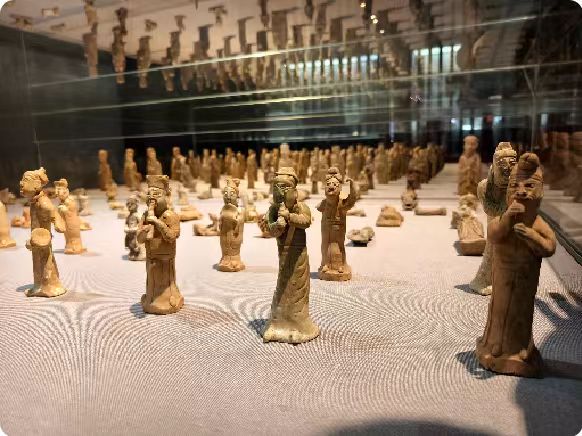
Choose China Ceramics Museum for an overview across periods and styles.
Its collections include historical ceramics and later artistic work. That breadth makes it useful for first-time visitors who want context before seeing kiln sites or browsing contemporary ceramics.
Allow a substantial part of your half-day for the visit rather than adding a second distant museum simply because it also appears on a must-see list.
Choose Imperial Kiln Museum for archaeology and a historic-site visit
Choose the Imperial Kiln Museum if you are particularly interested in imperial porcelain, excavation and the evidence left by production. Its relationship with the kiln site and surrounding historic area can make the visit feel connected to a place rather than only a collection.
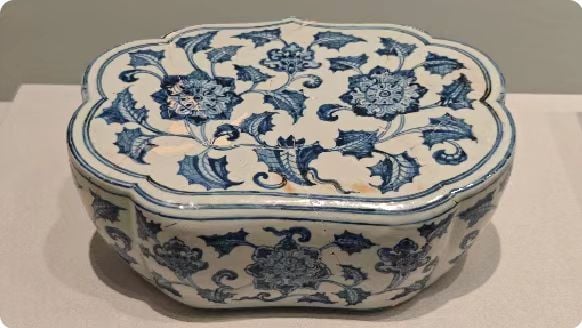
Reconstructed objects connect imperial porcelain with excavated evidence.
It is also a useful choice if you want to combine a museum with a manageable walk through part of Taoyangli. Check the entry arrangements for both elements before assuming one reservation covers the complete outing.
Choose a current art exhibition for a primarily artistic visit
If contemporary art is your central interest, begin with the current exhibition programme at Taoxichuan or another named venue. Read what is actually on show.
An art museum’s name does not guarantee a particular style of ceramics, and some exhibitions may include other materials. Choose a show that interests you, then add a short architecture walk or a few creative shops nearby.
Choose industrial heritage for a different chapter
The Ceramic Industrial Heritage Museum suits visitors who want to understand factory production, working lives and the modern industrial setting that preceded Taoxichuan’s redevelopment.
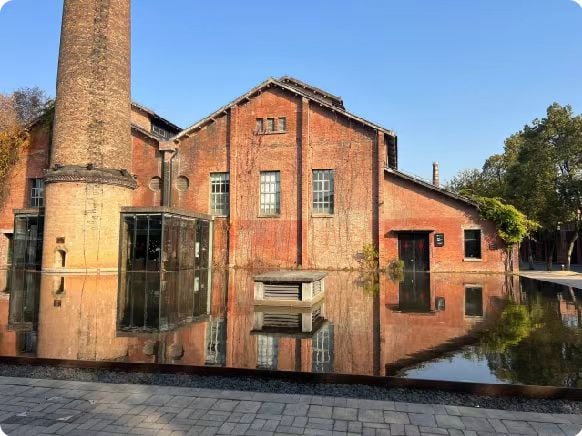
Industrial heritage introduces factory production and working lives.
It can be especially rewarding if you have already visited several historical ceramics collections elsewhere and would prefer a different angle in Jingdezhen.
Jingdezhen China Ceramics Museum
What it helps you understand
The museum provides a broad introduction through ceramic objects from different periods, with collections that help illustrate Jingdezhen’s development and its later artistic production.
A useful visit follows changes in form, surface, decoration and use rather than trying to memorise every dynasty. Notice how objects that serve similar purposes can look different across time.
This can give you a vocabulary for the rest of the trip. A glaze, painted surface or vessel form noticed here may become easier to recognise when you visit another collection or speak with a maker.
Who it suits
Choose this museum if you want a first overview, enjoy comparing styles or prefer a collection-based visit before exploring individual production sites.
It can also suit art-minded visitors interested in historical decoration or later artistic ceramics. Historical and artistic interests overlap; the distinction is about the focus of your visit, not whether old objects can be appreciated as art.
How to avoid an exhausting visit
Identify the main exhibition route and choose a few themes. For example, look at changes in vessel forms, painted decoration and the relationship between everyday and specialised uses.
Spend longer with objects that raise a question and move more quickly through sections that repeat what you already understand. A good museum visit does not require reading every label.
If a particular well-known object has drawn a queue, decide whether it matters enough to your visit to wait. One widely photographed piece should not absorb the time you wanted for the wider collection.
Booking matters
Current museum notices emphasise advance official reservation. Do not rely on older descriptions of flexible walk-in admission or front-desk registration.
Check the latest booking channel, release arrangements, identification requirements and opening notice for your date. Overseas visitors should confirm the passport procedure before travelling to the museum. Its March 2026 notice specifies a physical Chinese identity card for the standard entry gates and does not explain a passport-holder alternative. Do not assume a passport alone will permit entry; obtain an authorised procedure directly from the museum before committing to the visit.
General admission and a paid guided service are different things. China Ceramics Museum identifies Changyou Jingdezhen (畅游景德镇) as its sole official reservation channel and states that third-party paid reservation services are not authorised. Confirm your own valid official entry reservation separately from any guiding arrangement.
Jingdezhen Imperial Kiln Museum
Its distinctive story
The Imperial Kiln Museum is closely connected with excavated material from the imperial kiln site. Reconstructed objects assembled from fragments are central to its appeal.
Rather than seeing every break or join as a flaw, consider it evidence. Fragments can help researchers understand objects that did not survive intact, production decisions and the history of the site.
The museum is therefore a focused complement to a broad chronological collection. It asks how we know about imperial production as well as what the finished porcelain looked like.
Who it suits
Choose it for an interest in archaeology, imperial production, restoration or the relationship between museum objects and an actual production site.
It can also appeal to visitors interested in the museum building and its relationship with the surroundings. Give the collection time before making exterior photographs the entire visit.
Combine it with Taoyangli carefully
Taoyangli is the wider historic-area context, including streets, built heritage and the kiln-site setting. The museum and the surrounding area are related, but their admissions and operating arrangements should be checked individually.
Confirm what a ticket or reservation covers, where to enter and whether the museum requires another booking. Do not assume that free museum admission, if available under the current arrangement, means all surrounding areas are free to enter.
For a half-day visit, choose the museum and one nearby historical section. A comprehensive historic-area circuit may require more time and walking than the museum visit alone.
Daytime and evening are different choices
An evening walk or view of the building is not the same as an evening museum visit. Confirm whether interior galleries are open during the time you intend to arrive.
Special-event extended hours should not be treated as a permanent schedule. Plan the museum around confirmed entry and closing times, then add exterior views or dinner afterwards if the group wants them.
Jingdezhen Ceramic Industrial Heritage Museum
A shift from imperial production to factory life
This museum introduces a more recent industrial chapter through production-related material, equipment, documents and the lives of workers. It sits within the Taoxichuan setting associated with the former Yuzhou Porcelain Factory.
It offers a different way to understand ceramics: not only the appearance of an individual object, but the organisation of work and the systems around making it.
That perspective can make Taoxichuan’s reused factory buildings more meaningful. The creative district becomes easier to read when you know something about the working place it developed from.
A useful choice after historical museums
If you have already spent time with imperial or dynasty-based porcelain elsewhere, industrial heritage can add variety. It can also suit travellers interested in urban change, working history or production technology.
Choose it because that subject interests you, rather than using it simply to increase the number of museums visited.
Combine it with the district
Visit the museum during its confirmed opening period, then walk through part of Taoxichuan, browse selectively and have a meal.
A current art exhibition can add another perspective, but two indoor venues followed by a busy market may become a long outing. Keep the second venue optional unless it is a central interest.
Confirm museum entry separately from public-area access. The ability to walk through a creative district does not establish that every cultural venue is open.
Contemporary Art Venues at Taoxichuan
Choose the exhibition first
Taoxichuan Art Museum and other named venues can provide a view of contemporary artistic practice. Their programmes can change, so a visitor’s experience may differ substantially from a photograph or review posted months earlier.
Read the exhibition description, dates and participating artists. Decide whether the subject fits your interests before organising the rest of the day around it.
For a visitor interested in clay as sculpture, installation or an experimental medium, a current show may be more relevant than another historical overview. For someone hoping to see conventional decorated porcelain, the same show may be unexpected.
Exact names prevent confusion
The wider development includes different cultural spaces. Save the precise Chinese venue name and a map pin; “Taoxichuan museum” is not a sufficiently specific destination.
Check last entry, admission, weekly closures, photography rules and whether any parts are being changed between exhibitions. An announced show may have a different venue from one you visited previously.
Combine art with making
A contemporary exhibition and a separately booked workshop can complement each other. One lets you look at artistic choices; the other gives a limited practical introduction to a process.
Avoid assuming that a gallery visit includes a making session or that a studio welcomes walk-in participation. Workshops need their own booking, language and completion arrangements.
Other Options for More Specific Interests
Folk Kiln Museum and the Hutian site
The Folk Kiln Museum is associated with the Hutian kiln site and offers an archaeological angle outside the main imperial-factory focus. It is worth investigating if earlier kiln production and site evidence are particular interests.
This is a more specialised choice. Confirm current opening, visitor access and what can actually be seen before arranging a journey specifically for it.
Do not assume that every archaeological area is open, fully interpreted or suitable for a self-guided visit. Ask whether guided explanation would help and whether language support is available.
Ancient Kiln Folk Customs Exhibition Area
The Ancient Kiln area can help connect objects with traditional production and kiln forms. It offers a different type of outing from a collected-object museum.
Check which interpretation spaces and demonstrations operate on your date. A demonstration may have a specific schedule, while a hands-on session may require a separate booking or fee.
Choose this option if you want to understand how things are made and prefer a mix of movement and interpretation. Allow for the site’s outdoor sections and its own admission requirements.
Smaller or specialist collections
A small collection can be worthwhile when its focus matches your interests. It may address a particular technique, historical subject, maker or private collection.
Before adding it, ask what distinguishes it from the museum you have already selected. Check its current existence, opening arrangements and location rather than relying on a long generic list of museums.
For a short first visit, a specialist venue usually replaces another stop rather than being added to an already full day.
Only Half a Day: Four Practical Choices
The following are planning frameworks, not fixed opening-hour schedules. Reserve transport, meals and entry time within the half-day you have available.
Option 1: The broad introduction
Choose China Ceramics Museum as the principal visit. Use the main galleries to understand changes in ceramic production and style, then finish with a break or meal.
This is the most useful starting point when you want background for a longer stay but know little about ceramics.
Do not add an Imperial Kiln Museum transfer if doing so leaves only a rushed glance at each collection.
Option 2: Archaeology and historic streets
Choose Imperial Kiln Museum, followed by a limited nearby section of Taoyangli where the current admission arrangement permits it.
This suits travellers who want a focused museum and a sense of place. Check both entry procedures before departure and keep the street walk short enough to leave time for the return journey.
Option 3: Contemporary art and creative life
Choose one current exhibition at a named Taoxichuan venue, then a short architecture walk, selected shops and a café or meal.
This works well if art is the priority. A confirmed market can be an additional interest, but it should not replace checking the exhibition itself.
Option 4: Modern industrial history
Choose Ceramic Industrial Heritage Museum and a short walk through the Taoxichuan setting. Look at how the former factory context connects with the present uses.
This provides a distinct theme without trying to cover the entire history of Jingdezhen in a few hours.
If your half-day begins late
Check whether the intended museum still allows enough time before last entry and closing. A reservation near the end of the day does not create extra viewing time.
If the main venue cannot be visited comfortably, choose a lighter street or creative-district outing and move the museum to another day where possible. Do not present exterior photographs as a substitute for the collection you wanted to see.
Historical Interest or Artistic Interest?
| Your main question | Start with | Add only if time and interest justify it |
|---|---|---|
| How did Jingdezhen ceramics develop across time? | China Ceramics Museum | Imperial Kiln Museum for a focused archaeological chapter |
| What does excavation reveal about imperial production? | Imperial Kiln Museum | A selected Taoyangli or kiln-site section |
| How did modern factory production shape the city? | Ceramic Industrial Heritage Museum | Taoxichuan architecture and public spaces |
| What are contemporary artists doing with ceramics? | A relevant current art exhibition | A studio visit or booked workshop |
| How were traditional objects made and fired? | Ancient Kiln interpretation or a suitable process-focused visit | One collection-based museum for context |
| What can kiln archaeology reveal beyond imperial production? | A verified Hutian/Folk Kiln visit | A contrasting broad collection |
| How did painted surfaces and decorative styles change? | Selected China Ceramics Museum galleries | An exhibition or specialist collection matching that technique |
You can appreciate art in a historical museum and history in an art exhibition. Use the table to establish priorities, not to divide the city into rigid categories.
Which Museums Work Well Together?
China Ceramics Museum and Imperial Kiln Museum
This is a useful combination for a first two-day stay. The broad collection provides context; the Imperial Kiln Museum narrows the focus to production and archaeological evidence.
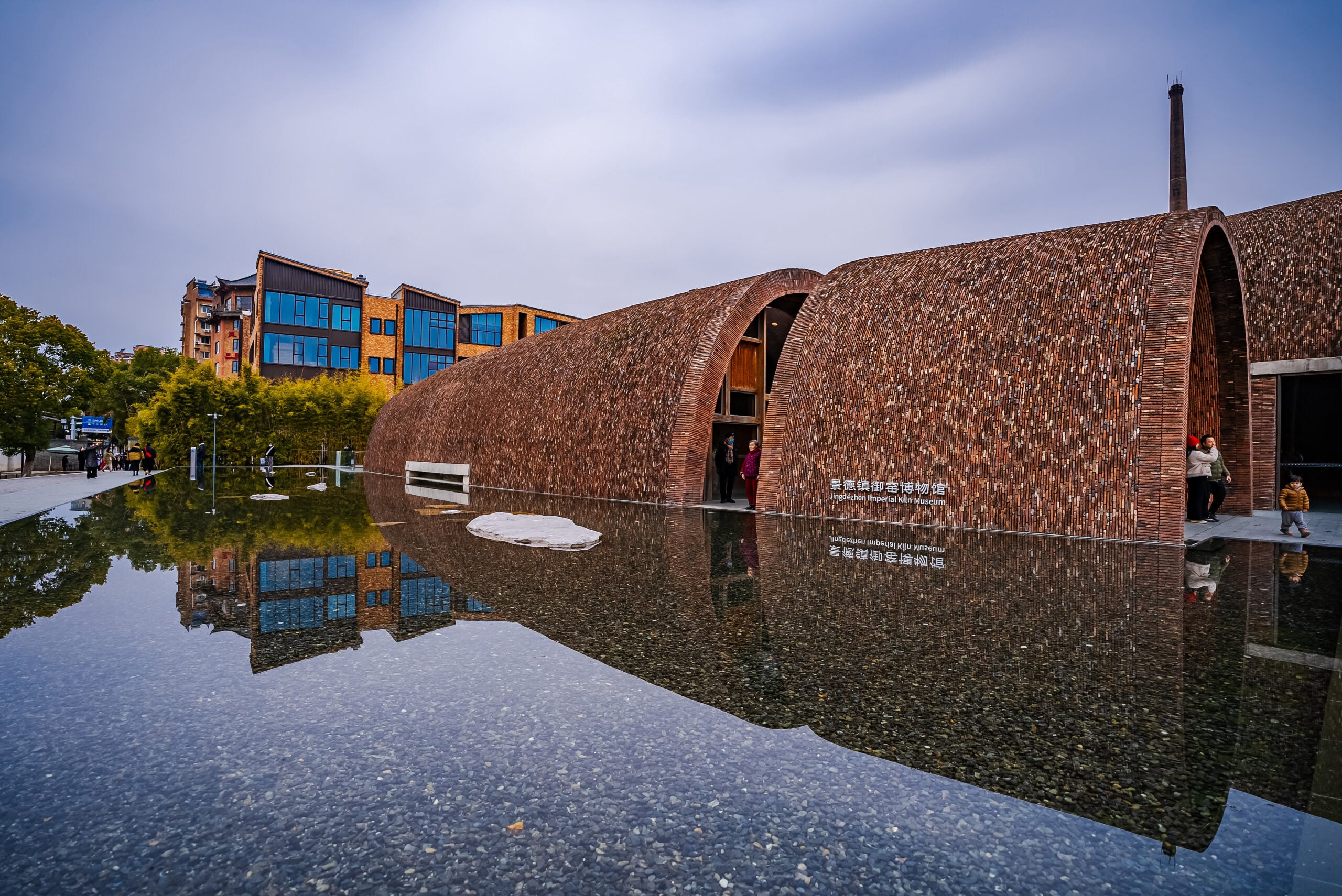
The Imperial Kiln Museum offers a focused archaeological visit in a historic setting.
Spread them across separate parts of the trip if possible. Give each a different question so the second visit does not feel like another attempt to see every ceramic object.
Imperial Kiln Museum and a Taoxichuan exhibition
This pairing suits visitors who want both historical depth and a contemporary view. It connects a focused imperial-production visit with artistic activity in the city today.
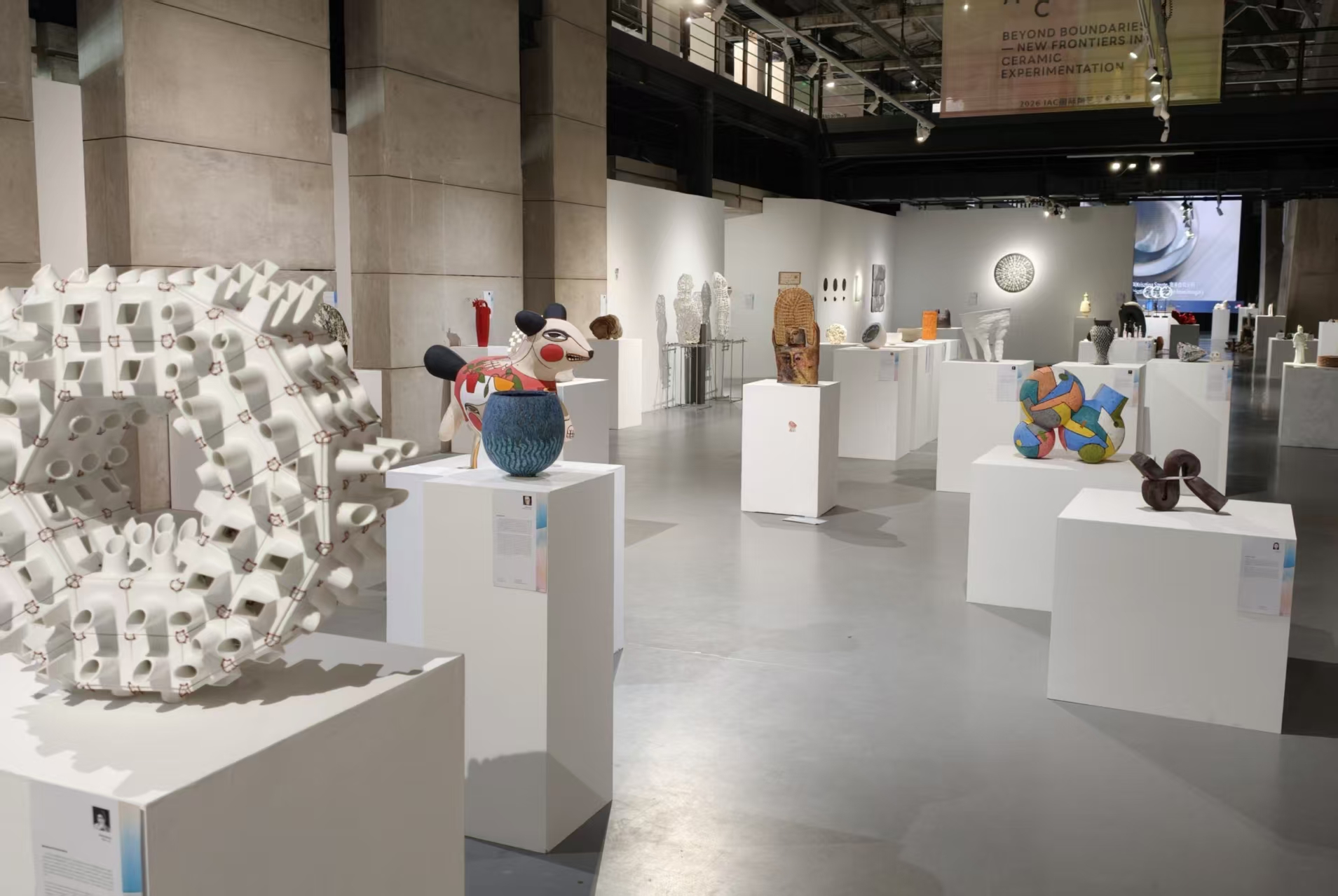
Choose a current exhibition that complements your historical museum visit.
Include a meal or hotel break between them. Do not schedule the art visit so late that it conflicts with the venue’s last-entry time.
China Ceramics Museum and industrial heritage
This pairs a long historical perspective with the organisation and experience of modern production. It can be particularly useful for visitors who enjoy both collections and social history.
The two museums have separate locations and admission procedures. Allow for the transfer rather than treating them as neighbouring galleries.
One museum and one making experience
For families or travellers who tire of display-heavy visits, this may be the best combination. Choose a museum for context and one appropriate workshop for participation.
A short workshop cannot explain the whole production process, but it can make museum observations more tangible. Confirm language, age requirements, drying and firing, and how finished work will reach you after the trip.
How to Avoid Repeating Similar Experiences
Give each visit a question
Before entering, decide what you want to learn. At a broad museum, that may be how forms and decoration changed. At the Imperial Kiln Museum, it may be how fragments become evidence. At industrial heritage, it may be how factory production was organised.
A distinct question makes it easier to focus and easier to recognise when another museum adds something worthwhile.
Limit museum time within a short trip
For many first-time visitors on a two-day stay, two substantial museum visits are enough. Add a third only for a particular exhibition or specialist interest.
Leave time for historic streets, a meal, a creative district or a workshop. The city is easier to understand when collected objects connect with the places and people around them.
Do not confuse novelty with value
A venue does not need to be unfamiliar to be worth revisiting, and a new venue does not automatically add a new subject. Compare the programme with what you have already seen.
If two stops mainly repeat a theme that is not a strong interest, choose the better fit for your route and use the saved time elsewhere.
Reservations and Entry for Overseas Visitors
Use the latest official notice
Museum entry rules can change between ordinary weeks, holidays and special events. Search for the museum’s current official announcement, not simply the first result giving opening hours.
China Ceramics Museum’s newer notices emphasise advance real-name reservation. Older walk-in descriptions should not be used as the basis for a new itinerary.
For the Imperial Kiln Museum and other venues, confirm the current reservation system and whether surrounding-site admission is separate. A historic event notice is not a permanent timetable.
Confirm passport booking before making the journey
If the booking form offers a passport document type, enter the name and number exactly as required and check the resulting confirmation. If it appears to accept only a Chinese identity-card format, contact the venue through its official channel for the permitted overseas-visitor procedure.
Ask specifically about advance booking and entrance verification. A Chinese identity-card gate procedure may not explain how a passport holder is processed.
Hotel or tour staff can help with communication, but you still need confirmation that the procedure is valid for the individual traveller. Do not use invented identity information or assume another person’s account establishes your admission.
Keep documents and confirmations together
Bring the original passport used for the booking, the reservation confirmation and any additional ticket required for the surrounding site. Check the date, time slot, visitor names and venue.
Children and other members of the group may need individual registration. Confirm the current requirement rather than assuming one adult booking covers everyone.
A screenshot can be useful for communication, but follow the venue’s actual verification procedure. Do not assume a screenshot replaces a live code or physical document where those are required.
Tickets, reservations and guiding are different
Free general admission can still require a reservation. A paid surrounding-area ticket may not include every exhibition. A guided explanation may be a separate service.
Ask the provider to itemise what is included and who is responsible for each booking. Avoid leaving a museum reservation unresolved because a private guide has already been paid.
If a slot is unavailable, choose another time or venue. Be cautious about unofficial offers claiming guaranteed access, and use authorised arrangements rather than assuming paying more changes the entry rules.
Opening Hours, Holidays and Evening Visits
Check the precise date, weekly closure, last admission and any holiday exception. A museum’s closing time is different from its last-entry time, and neither tells you how long you want to spend inside.
Holiday extensions and special evening openings must be verified for the current year and period. An announcement from a previous ceramic fair does not establish that the same hours apply now.
Where a museum changes temporary exhibitions, parts of the programme may be unavailable between shows. Check the exhibition you care about as well as the building’s general opening status.
If your visit depends on one specific gallery or object, ask whether it is on view. Collections can change through loans, conservation and rearrangement.
Plan a Comfortable Museum Pace
One substantial visit per part of the day
A morning museum, lunch and a different afternoon activity usually provides a clearer rhythm than several consecutive indoor collections.
If you choose two museums in a day, put a real break between them. Include travel and entry procedures in the timetable rather than assigning every available hour to galleries.
Look closely at selected objects
Choose a few objects and ask what makes them different: function, shape, surface, decoration or evidence of repair. This can be more memorable than photographing every case.
Read the introductory text for a section, then use individual labels where something interests you. Stop for a rest before attention becomes fatigue.
Guiding and language support
If historical explanation is central to the trip, a knowledgeable guide can help connect objects, processes and places. Confirm the language, duration and scope of the service.
Ask whether the guide specialises in ceramics or provides a general sightseeing overview. Neither is inherently wrong, but the level should fit your interests.
Check audio guides and interpretation directly with the museum. A venue with some English labels does not necessarily provide a complete English-language tour.
Families, Older Travellers and Access Needs
For children, choose one museum with a simple focus: shapes, animal forms, colours or how broken pieces are reconstructed. Avoid requiring them to read long historical text at every case.
A workshop or short outdoor outing can provide variety after the museum. Choose it as a replacement for another substantial collection, not an extra demand at the end of a tiring day.
For older travellers, ask about seating, lifts, toilets and the walk from the drop-off point. Age does not determine interest or stamina; use the individual’s actual preferences.
For wheelchair users or anyone needing step-free access, confirm the route from arrival through the relevant galleries and facilities. Do not infer continuous access from the building’s modern appearance or a general accessibility label.
Check bag and stroller rules with the venue. Museum storage may not accept every suitcase size, and availability should not be assumed. Leave larger luggage at the hotel where agreed.
Transport Between Museums
The principal venues are in different parts of Jingdezhen. A map showing several ceramic attractions does not mean they can be covered through one short walk.
For overseas visitors, a taxi, ride-hailing car or arranged transfer can be practical when the destination is clear. Save the Chinese names and correct map pins:
| English name | Chinese name to verify on the map |
|---|---|
| Jingdezhen China Ceramics Museum | 景德镇中国陶瓷博物馆 |
| Jingdezhen Imperial Kiln Museum | 景德镇御窑博物馆 |
| Taoyangli Imperial Kiln Scenic Area | 陶阳里御窑景区 |
| Jingdezhen Ceramic Industrial Heritage Museum | 景德镇陶瓷工业遗产博物馆 |
| Taoxichuan Art Museum | 陶溪川美术馆 |
| Jingdezhen Folk Kiln Museum | 景德镇民窑博物馆 |
| Ancient Kiln Folk Customs Exhibition Area | 古窑民俗博览区 |
Verify the map result before confirming a ride. Administrative institution names, such as a museum institute, may not point to the visitor entrance you need.
Avoid booking a tight onward train immediately after the second museum. Entry queues, traffic and the journey to the railway station need time in reserve.
A Balanced Two-Day Museum Plan
Day 1: Broad history and a lighter creative outing
Visit China Ceramics Museum in a confirmed morning slot, then have lunch and a break. Spend the later part of the day in Taoxichuan for architecture, a few shops and dinner.
Add an art exhibition only if its programme strongly interests you and you have enough time before closing. A market is optional and needs a current schedule check.
Day 2: Imperial archaeology and the historic setting
Visit Imperial Kiln Museum and a selected nearby Taoyangli section, subject to the current admission arrangement. Follow with a comfortable meal and leave enough time for departure or another modest activity.
If contemporary art or industrial history matters more than a broad overview, replace the first day’s main museum accordingly. The aim is two complementary subjects, not one universal itinerary.
Common Mistakes to Avoid
- Assuming China Ceramics Museum and Imperial Kiln Museum are the same place.
- Booking several museums without identifying what each adds.
- Treating exterior museum photographs as a complete collection visit.
- Using an old walk-in rule despite newer advance-reservation notices.
- Leaving passport booking and verification questions until arrival.
- Assuming free admission means no reservation is needed.
- Assuming Taoyangli admission automatically covers every museum requirement.
- Copying special-event evening hours into an ordinary-day itinerary.
- Travelling to a contemporary venue without checking its current exhibition.
- Forgetting transfers, lunch, seating and luggage when calculating available time.
Frequently Asked Questions
Which museum is best for a first visit to Jingdezhen?
China Ceramics Museum is a useful choice for an overall historical introduction. Choose Imperial Kiln Museum instead if archaeology and imperial production are your main interests.
Are China Ceramics Museum and Imperial Kiln Museum different?
Yes. They have different locations, collections and visitor procedures. Confirm the full name when arranging transport or reservations.
Which should we choose with only half a day?
Choose one principal museum. Use China Ceramics Museum for breadth, Imperial Kiln Museum for a focused archaeological visit, or a relevant Taoxichuan venue for industrial or contemporary-art interests.
Can we visit both main museums in half a day?
Attempting both leaves less time for viewing, transfers and entry procedures. For most first-time visitors, one substantial visit is a better use of the half-day.
Are the two main museums repetitive?
They overlap in ceramic history but have different emphases. The broad collection and the excavated, reconstructed material can complement each other when you give each visit a clear focus.
Which venue suits contemporary-art interests?
Choose a current exhibition at Taoxichuan Art Museum or another verified art venue. Read the programme before deciding; contemporary exhibitions vary in subject and materials.
Which venue explains factory production?
The Ceramic Industrial Heritage Museum provides a modern industrial angle. Combine it with a short Taoxichuan walk to connect the interpretation with the setting.
Is the Ancient Kiln area another museum?
It is a wider visitor experience involving kiln and production interpretation. Treat it as a different option with its own admission, outdoor sections and activity schedules.
Do we need reservations?
Check each venue’s latest official notice. China Ceramics Museum’s current notices emphasise advance reservation, and other museums may have separate systems or requirements.
Can foreign passport holders book online?
Confirm the current passport procedure for the particular venue. If the form does not support your document, ask the museum for the authorised alternative before travelling.
Does a paid guide guarantee admission?
No. Confirm whether entry reservation is explicitly included and completed. Guiding, general admission and surrounding-site tickets can be separate arrangements.
Are museums open in the evening?
Some periods may have extended hours, but do not assume a permanent evening schedule. Check the current date-specific notice and last admission.
Are museum visits suitable for children?
Yes, with a short focus, manageable viewing time and a break. One collection followed by a different activity may work better than several consecutive museums.
How many museums should we include in two days?
For many first-time visitors, two substantial visits provide enough museum time. Add another only for a specific interest, and leave room for the city outside the galleries.
Can we leave suitcases at the museum?
Check storage rules and availability directly. Hotel storage is often easier to arrange for a sightseeing day; do not assume museum storage will accept every piece of luggage.
Choose Museums That Give You Different Perspectives
A thoughtful museum plan can connect the city’s long ceramic history, imperial production, factory life and contemporary creativity without trying to cover every collection.
Discover East China Tours can help you choose complementary visits and combine them with historic streets, a creative district or a suitable making experience. Share your available time, historical or artistic interests, language needs and access requirements so the relevant reservations and arrangements can be checked before travelling.