
Explore Jingdezhen through focused studio appointments, suitable workshops and production heritage. Learn how to request access, arrange language support and plan longer study around real process time.
For ceramic lovers, Jingdezhen becomes more rewarding when the visit moves beyond a sequence of museums and shops. A conversation with a maker, a focused studio session or a closer look at production heritage can connect the objects you admire with the decisions and labour behind them.
The best starting point is a question. You might want to understand how a porcelain form is controlled, how blue-and-white decoration is approached, what a particular glaze does in firing, or how contemporary makers work within a city shaped by ceramic production. That question gives you a reason to choose one studio rather than visit many briefly.
Plan around confirmed access and a realistic learning goal. A public shop, an artist’s working studio, a taught workshop and a longer study programme are different experiences, even when they share an address.
This guide explains how to choose deeper visits, request appointments, arrange language support and allow enough time for learning. It also shows how museums, traditional production sites and the countryside can support a ceramic-focused stay without becoming unrelated additions.
What Kind of Ceramic Lover Are You?
You do not need to be a practising potter to enjoy a specialist visit. Curiosity about objects, processes or contemporary art can be enough. The useful distinction is what you want from the time.
| Your interest | A strong starting experience | What to establish before booking |
|---|---|---|
| Collecting or close observation | A focused collection visit and a maker conversation | The subject, access to work and the maker’s role |
| First hands-on experience | A clearly taught introductory session | Materials, instruction, assistance and finishing |
| Some making experience | A session centred on one technique or problem | Your level and whether the instructor can support that goal |
| Ceramic design or contemporary art | A relevant exhibition and an appointed studio visit | The current programme and the person you will meet |
| Traditional production processes | A guided production-heritage visit | What can be observed and whether demonstrations are scheduled |
| Materials and firing | A specialist discussion or appropriate programme | The technical scope, language support and actual access |
| Longer study or independent practice | A structured course or formally accepted studio arrangement | Teaching, facilities, supervision, timetable and costs |
A collector’s visit and a potter’s learning day may use the same city very differently. Decide which is closer to your aim before filling an itinerary with ceramic-related names.
Choose a Theme before Choosing Venues
Form and making
A form-led visit can connect museum objects with a session on a simple vessel, hand-built structure or another appropriate project. Look at proportions, weight, rims, feet and the relationship between form and use.
If you already make ceramics, explain your experience and what you want to improve. A general beginner session may provide little new instruction, even in an attractive studio.
If you are new to the material, choose one manageable goal. Learning to control a small form can be more valuable than attempting several techniques with little feedback.
Decoration and surface
Decoration can provide a focused route through collections, examples of contemporary work and a suitable taught activity. Ask what surface and materials the class uses, and how the work is completed afterwards.
Painting a prepared piece is not automatically instruction in a named historical technique. A session described as blue-and-white painting should explain the actual materials, stages and learning scope.
Glazes and firing
A glaze-focused visit can involve looking at samples, discussing results and understanding the maker’s choices. It does not necessarily require operating a kiln or mixing materials yourself.
Ask which questions the provider can address. A casual retail conversation, a guided demonstration and a specialist technical consultation require different preparation.
Observing a firing is possible only when the studio’s schedule and visitor access allow it. An operating kiln is not evidence that a firing will occur during your stay.
Contemporary ceramic practice
A contemporary-art focus can connect an exhibition with a maker’s discussion of function, sculpture, installation or another approach. Choose work that interests you rather than expecting every contemporary venue to resemble a historical porcelain gallery.
A worthwhile conversation may centre on one body of work: why the artist chose the material, how it behaves and how the finished pieces relate to the wider practice.
A Few Ceramic Terms That Help You Ask Better Questions
Jingdezhen is associated with several important decorative traditions. These short descriptions provide orientation; they do not substitute for a specialist explanation or define the contents of a workshop.
| Term | Basic orientation | A useful question |
|---|---|---|
| Blue-and-white — 青花 | Decoration beneath the glaze, associated with cobalt blue | What changes between the painted surface and the fired result? |
| Fencai — 粉彩 | A tradition of overglaze enamel decoration | Which stages and materials are being demonstrated here? |
| Linglong — 玲珑 | Translucent glaze-filled openings within the ceramic body | How are the openings made and kept structurally workable? |
| Coloured glazes — 颜色釉 | Colour and surface effects developed through glaze and firing | Which aspects are controlled, and which vary between firings? |
Use the Chinese term alongside English where helpful. Do not assume that similarly coloured pieces share the same process, or that a maker’s contemporary approach follows a single historical recipe.
When asking about a class, distinguish learning about a technique from practising the complete process. Both can be rewarding when the programme makes the difference clear.
Understand the Types of Access
Shop or gallery browsing
A shop or gallery can provide an introduction to finished work and, where staff are available, a short conversation. It may sell several makers’ pieces rather than work produced by the person behind the counter.
Ask who made the object and how the seller is connected with it. Do not assume that browsing includes access to the workshop behind the retail area.
Appointed studio visit
A studio appointment can provide time with a maker or a member of the team. Agree whether the visit includes a discussion, a tour of permitted working areas, a demonstration or something else.
The maker may be working to a production or exhibition deadline. A visit should fit the agreed time and scope rather than depend on interrupting whatever is happening that day.
Taught workshop
A workshop gives you participation under instruction. Confirm the activity, teacher, group size and actual time available for practice.
Watching a professional complete most of an object is different from receiving guided practice yourself. Ask how the session balances demonstration, making and feedback.
Longer study
A multi-day course can provide continuity, repeated practice and a more considered project. It needs a programme that accounts for materials and waiting stages, not simply several unrelated short classes.
Independent studio use or an artist residency is another arrangement again. Acceptance, equipment access, support and responsibilities must be agreed through the relevant provider. A visitor course does not automatically confer access to those facilities.
Where to Look for a Meaningful Visit
Sanbao: a studio-led setting
Sanbao — 三宝 — is a useful direction to investigate for contemporary ceramic work and a more studio-centred stay. The wider area contains scattered destinations; it is not one continuous street of accessible workshops.
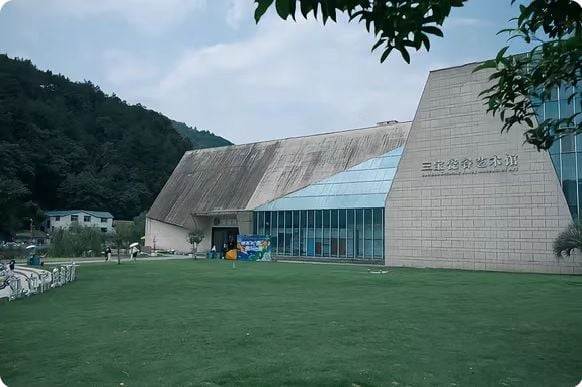
Choose a specific host and exact address before planning a studio-led day in Sanbao.
Sanbao International Ceramic Art Village — 三宝国际陶艺村 — is a named venue within the broader Sanbao context. Its official venue information distinguishes creative, living and exhibition spaces; confirm the permitted visit or programme directly rather than assuming access to all areas. A general map pin for the valley does not identify a particular teaching studio or appointment.
Choose the provider first, then organise the day’s transfers and lunch around its actual location. If visiting more than one place, check the connecting route and whether the second appointment adds a distinct subject.
A studio setting can be rewarding without unrestricted access. Confirm which spaces you may enter and what the host can offer on your date.
Taoxichuan: industrial context and contemporary work
Taoxichuan — 陶溪川 — brings former porcelain-factory architecture together with contemporary cultural and creative activity. It can connect the city’s modern industrial history with exhibitions, makers and retail.
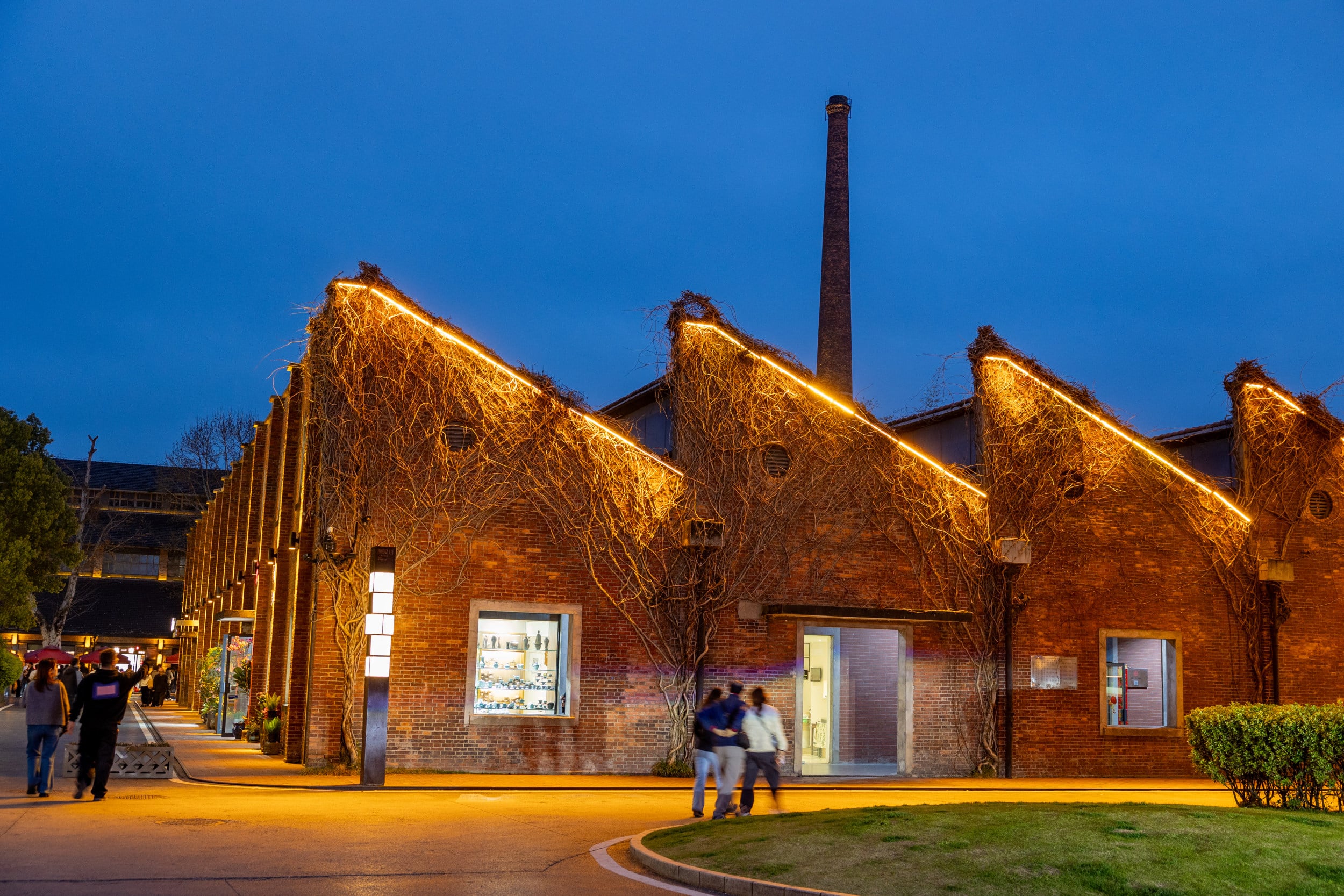
Select a relevant exhibition and confirm access to any maker or working studio separately.
For a ceramic-focused visit, select an exhibition or industrial-heritage stop, then arrange a relevant conversation if possible. A long succession of shops is not the only way to use the district.
Confirm venues independently. Public spaces, exhibitions, working studios and international programmes do not share one access policy or opening schedule.
An international programme in the district does not establish walk-in access to participants or their workspaces. Ask the organiser about public activities and permitted visits.
Sculpture Porcelain Factory area: browse selectively
The Sculpture Porcelain Factory area — 雕塑瓷厂 — can offer a different browsing context. Use it to compare a limited selection of work or investigate a specific maker, rather than assume every business is an open teaching studio.
If a particular market matters, confirm its current organiser, venue and date. A browse on an ordinary day and an organised market are different outings.
Choose this area because of a specific interest, not simply because it is another ceramic destination within the city.
Traditional production-heritage venues
The Ancient Kiln Folk Customs Museum area — 古窑民俗博览区 — and Huangyao — 皇窑 — are options to investigate for traditional production context. They have different settings and visitor programmes.
Ask what processes can be observed, which demonstrations are scheduled and what interpretation is available. General admission does not necessarily include a private technical visit or an extended hands-on class.
Choose one venue that supports your theme. Confirm current arrangements before building a day around a particular craftsperson or production stage.
Museums as Preparation for Studio Time
A collection visit can make the subsequent studio conversation more useful when you arrive with a few observations.
China Ceramics Museum
Use the Jingdezhen China Ceramics Museum — 景德镇中国陶瓷博物馆 — for a selective overview or a focused subject. Choose a small group of objects related to your main interest rather than trying to cover every period.
Notice proportions, decoration and the relationship between material and intended use. Note questions you can later discuss with an instructor, while following photography rules.
Confirm current reservation and overseas-passport entry arrangements before visiting. The museum’s official reservation notice specifies physical Chinese identity-card verification; foreign-passport arrangements should be confirmed directly with the museum. The booking process is a separate issue from the depth of your interest in the collection.
Imperial Kiln Museum and Taoyangli
The Imperial Kiln Museum — 景德镇御窑博物馆 — and the surrounding Taoyangli area — 陶阳里 — can add archaeological and historical production context.
Fragments, reconstructions and the production setting encourage questions about selection, variation and the evidence that survives. A finished object tells one part of the story; material left behind can prompt different observations.
Check the museum and wider heritage area’s access separately. A specialist conversation or guided programme needs its own confirmation rather than being assumed within standard entry.
Return with a different question
A second look can be worthwhile after studio learning if it has a clear purpose. Compare an object with the technique you attempted, or revisit a display you now understand differently.
Do not repeat a museum solely to occupy another afternoon. A focused return should develop your interest and fit the current admission rules.
How to Request a Studio Appointment
Introduce your interest and experience
A useful enquiry tells the provider why you want to visit and what you already know. Include your dates, group size and the experience you are seeking.
For a practical session, describe previous making experience honestly. If useful, offer a small selection of photographs of your work after checking the provider’s preferred contact method.
For observation or collecting interests, name the subject or body of work you want to discuss. Avoid a vague request to “meet a master” without explaining the purpose.
Provide a concise booking brief
| Information | What to include |
|---|---|
| Dates | Available days and any fixed departure |
| Participants | Number, ages where relevant and experience levels |
| Main interest | One or two specific techniques, processes or artistic questions |
| Desired format | Studio conversation, demonstration, hands-on teaching or multi-day learning |
| Available time | A realistic appointment block or length of stay |
| Language | Teaching or interpreting needs |
| Physical or access needs | Any requirement affecting the space or activity |
| Finished work | Whether keeping a piece and overseas delivery matter |
| Budget scope | A range or a request for an itemised quotation |
A clear brief helps the host decide whether the request fits their work and facilities. It also makes alternatives easier to assess when your first choice is unavailable.
Confirm the actual host
Ask who will lead the visit. A venue bearing an artist’s name does not guarantee that the artist will personally teach or meet every visitor.
Clarify whether the host is the maker, a studio assistant, a teacher or a guide. Each can provide a useful experience, but it should match what you intend to book.
Confirm the exact address, meeting point and expected duration. Keep the written arrangement and a contact for the day.
Translation Support: General English Is Not Always Enough
Guide, interpreter and instructor have different roles
A guide can organise the visit and explain cultural context. An interpreter helps communication between you and the maker. The instructor is responsible for teaching the activity and assessing what is appropriate to attempt.
One person may perform more than one role, but confirm it. English-speaking transfer assistance does not automatically include technical interpretation throughout a studio session.
Brief the interpreter before the appointment
Share the subject, your experience and the questions you hope to discuss. Agree useful terminology in advance, especially when talking about glaze, firing, decoration or process stages.
Ask the interpreter to check unfamiliar words with the maker rather than replace them with a confident guess. Save the Chinese term where a short English equivalent might lose meaning.
In a detailed conversation, leave time for consecutive interpretation. A translated appointment covers fewer questions in the same hour than an exchange in a shared language.
Use demonstration alongside explanation
A sample, sketch or permitted demonstration can make a technical point clearer. Ask the instructor to pause so you can see the action and hear the explanation before trying it yourself.
A translation app can support simple logistics or written terms. It should not be the sole communication method for a technical class when you need to understand equipment instructions or precise feedback.
For a discussion that matters professionally, agree whether written notes or a short follow-up summary can be provided. Do not assume recording is permitted.
Designing a Workshop with More Depth
Agree one principal outcome
Choose a goal that the instructor believes is achievable. It might involve greater control of a simple form, a small hand-built project, a particular decorative exercise or a better understanding of a process through observation.
Distinguish a learning outcome from a finished-object promise. You can learn substantially even if the piece needs further work after departure.
For experienced participants, ask how the session differs from the studio’s standard visitor activity. Equipment access and several hours of practice do not necessarily include advanced instruction.
Confirm the balance of demonstration and practice
Ask how much time is spent watching, doing and receiving feedback. A specialist visit can be observation-led, but a taught making session should identify the participant’s role.
If several people attend, establish how help is shared and whether their projects can differ. More intimate teaching depends on staff support as well as group size.
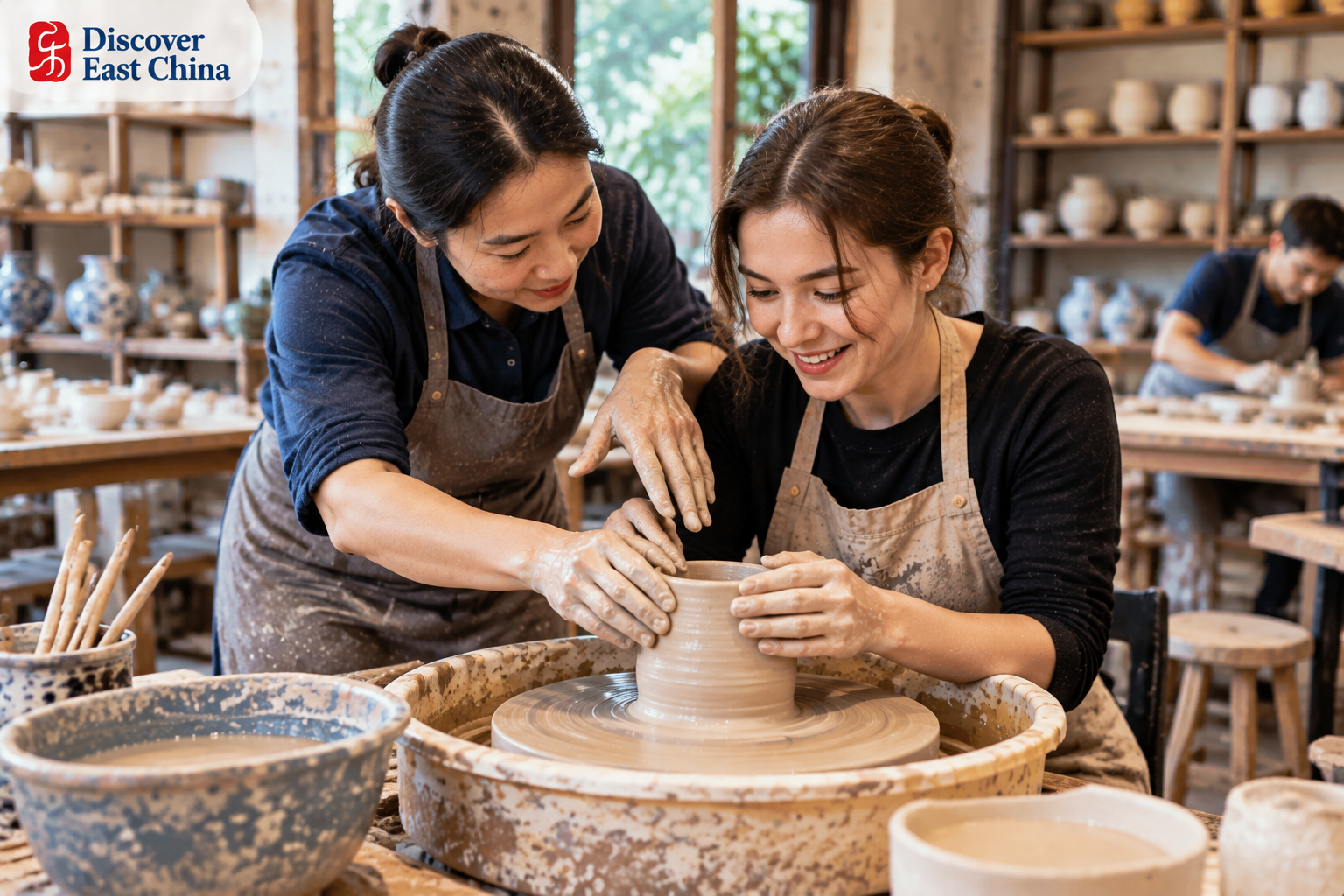
Agree how the session balances demonstration, practice and individual feedback.
Identify materials and production stages
Ask what body, prepared form or surface you will use. Confirm which stages are included, which are demonstrated using earlier work and which the studio completes later.
Shaping, drying, trimming, decorating, glazing and firing do not automatically fit into one day. Some programmes use prepared pieces to make later stages accessible; that should be explained clearly.
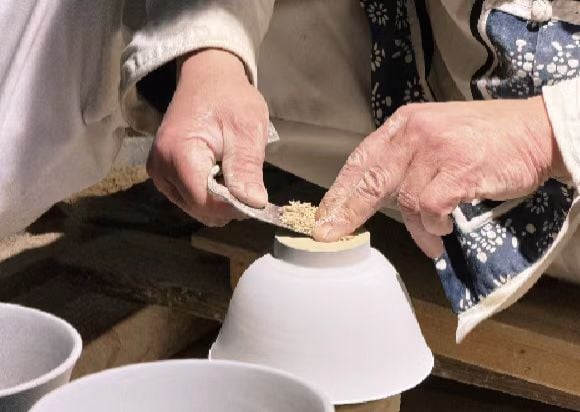
Trimming is one stage in a longer process; confirm which stages your programme includes.
Follow the provider’s equipment and material instructions. Independent use of kilns, tools or production areas should be part of a formally agreed arrangement, not an assumption made from general class admission.
How Much Time Should You Allow?
| Format | Initial planning allowance | A realistic purpose | Main limitation |
|---|---|---|---|
| Focused studio conversation | About 1–2 hours | Discuss one body of work or process | Limited time for extensive technical detail, especially with interpretation |
| Introductory workshop block | About 2–3 hours | Try one activity with assistance | Usually only part of the finishing cycle |
| Half-day focused session | Roughly 3–4 hours | More practice or a clearly defined technique | Still needs a realistic project and completion stage |
| Studio day | Around 5–7 hours including breaks | Combine teaching, practice and feedback | A full day does not equal a complete ceramic production cycle |
| Several learning days | A provider-designed programme | Build continuity around one project or skill | Drying, firing and facilities determine what is feasible |
| Longer course or residency | The formal programme’s actual duration | Sustained study or accepted independent work | Access, acceptance and responsibilities must be confirmed separately |
These are enquiry and itinerary allowances, not verified course durations. The programme, teacher and participant needs determine the appropriate time.
Do not infer that a five-day stay guarantees finished work. Equally, a short visit can be valuable if it is focused and well taught.
Longer Learning: Build a Programme around Real Process Time
Start with the provider's sequence
Before booking accommodation or intercity travel, ask for a proposed schedule. It should identify teaching blocks, practice, drying or preparation intervals, later stages and any work completed after you leave.
If the course uses prepared pieces, distinguish them from pieces you make during the programme. If your own work will be used in a later session, confirm how its readiness is assessed and what happens if it is not ready.
Keep some flexibility. Materials and production schedules can require adjustment, and a useful programme should explain how it handles that.
Use waiting intervals purposefully
A gap between process stages can support a museum visit, a glaze-sample discussion, drawing, a maker conversation or a selected production-heritage outing.
This is a better use of time than treating every gap as spare capacity for another lengthy transfer. Match the activity to the learning subject and the next studio appointment.
Clarify independent practice
If the programme includes time outside supervised teaching, ask what facilities you may use, when staff are present and what restrictions apply.
Confirm tools, materials, storage, work space and any charges for additional use. A visitor workshop booking does not create an open-ended studio membership.
Course or residency?
A course usually centres on teaching. A residency may centre on independent artistic work, with an application or acceptance process and different support arrangements.
Neither term establishes English instruction, accommodation, kiln access or a place for your dates. Obtain the actual programme information and written acceptance before building the trip around it.
A Three-Day Ceramic-Focused Framework
This is a suggested structure, not an operating timetable or a named provider’s course.
Day 1: objects and production context
Use a selective museum visit to introduce your theme, then continue to the imperial kiln area if it supports the interest. Keep time for notes and a discussion rather than attempting every gallery.
If two museum visits would overload the day, choose one. The purpose is preparation for the deeper appointment, not completion of the general city itinerary.
Day 2: a confirmed studio programme
Protect the main workshop or studio visit. Arrive prepared, allow the agreed teaching time and keep lunch and interpretation within the schedule.
Use the latter part of the day for feedback, finishing arrangements or a modest nearby visit. Avoid booking another appointment so tightly that the main session cannot end comfortably.
Day 3: choose one extension
Choose a related exhibition, a production-heritage visit, a second complementary studio appointment or a rural material-history outing.
A second studio session should answer a different question or continue an explicitly designed programme. It should not merely repeat Day 2 under another venue name.
If departing, choose an activity with a dependable end and calculate luggage collection and onward travel separately.
A Longer Stay: Learning First, Sightseeing Around It
For a longer visit, let the studio programme determine the core days. Arrange cultural visits around its actual intervals rather than impose an ordinary sightseeing route on a learning schedule.
A useful sequence might include an orientation visit, several teaching or practice blocks, a production-context outing and a final discussion of the work. The number and order of days must come from the provider’s feasible programme.
Keep accommodation near the main learning location when repeated transfers would reduce practice time. A Sanbao base can suit a Sanbao-led programme; a city hotel can suit a provider elsewhere.
Confirm room facilities, meals, transport and passport check-in. A rural or studio-associated property may offer a different level of convenience from a central hotel.
Leave time for packing, purchases and departure without making the final day depend on an unconfirmed kiln unloading.
Add Rural Heritage for a Different Perspective
Raonan — 绕南 — can support an interest in material preparation and water-powered processing. Dongbu — 东埠 — adds the historic transport setting. Gaoling’s porcelain-clay mine heritage — 高岭瓷土矿遗址 — connects with the source of a material and the name associated with kaolin.
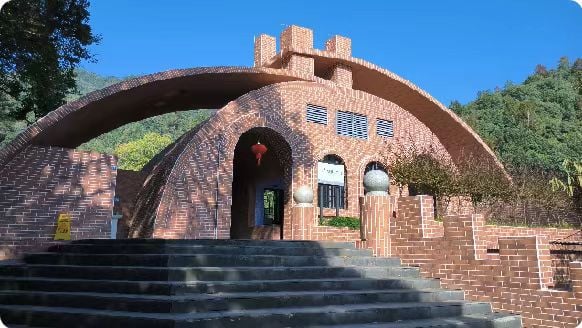
A focused rural heritage visit can explain material preparation beyond the city workshops.
Choose a focused question and a knowledgeable explanation. Protected remains may be difficult to interpret without context, and the visible site does not establish that every historic process is being demonstrated.
Keep Gaoling mining heritage separate from Gaoling China Village — 高岭中国村. They are different destinations and should not be substituted in a technical itinerary.
Treat this as a substantial rural outing with confirmed transport, lunch and access. It is an alternative to another major city programme that day, rather than a brief addition after a full workshop.
Yaoli can provide a village centre for the day. Keep the surrounding stops selective so the route develops your interest without becoming a series of hurried arrivals.
Studio Etiquette and Useful Questions
Arrive within the agreed time and ask before entering work areas, handling objects or photographing people and processes. A studio is a workplace, and the host may have areas or stages they cannot show.
Ask permission before recording a demonstration or sharing detailed process images. A public-facing exhibition does not establish permission to reproduce a maker’s working material.
A few focused questions can begin a meaningful exchange:
- What part of this work depends most on the material?
- Which stage requires the most judgement?
- What usually changes between the intended and fired result?
- How does this body of work differ from your earlier pieces?
- What should a visitor try to understand before attempting the process?
Respect an answer that sets a limit. Not every recipe, method or client project is available for discussion.
Learning visits and purchases should be clear arrangements. Paying for an appointment does not imply that you must buy work, and a purchase does not automatically include extended teaching.
Finishing, Shipping and Buying Work
Your own workshop pieces
Confirm who completes remaining stages, how the pieces are identified and when progress updates are available. Keep the provider’s contact details and the written finishing agreement.
Ask about failure during drying or firing, packing, shipping, tracking and damage arrangements. International delivery and any destination-related charges need specific confirmation.
Do not schedule a return journey solely around a hopeful completion estimate. If collection matters, obtain a realistic plan and an alternative for delays.
Purchasing a maker's work
Ask about authorship, material, process, intended use and care. A studio address or ceramic district does not independently certify an object’s origin, age or suitability for food use.
For a substantial purchase, request relevant documentation and an itemised receipt. Inspect the work before packing, and confirm whether any irregularities are intentional features of the piece.
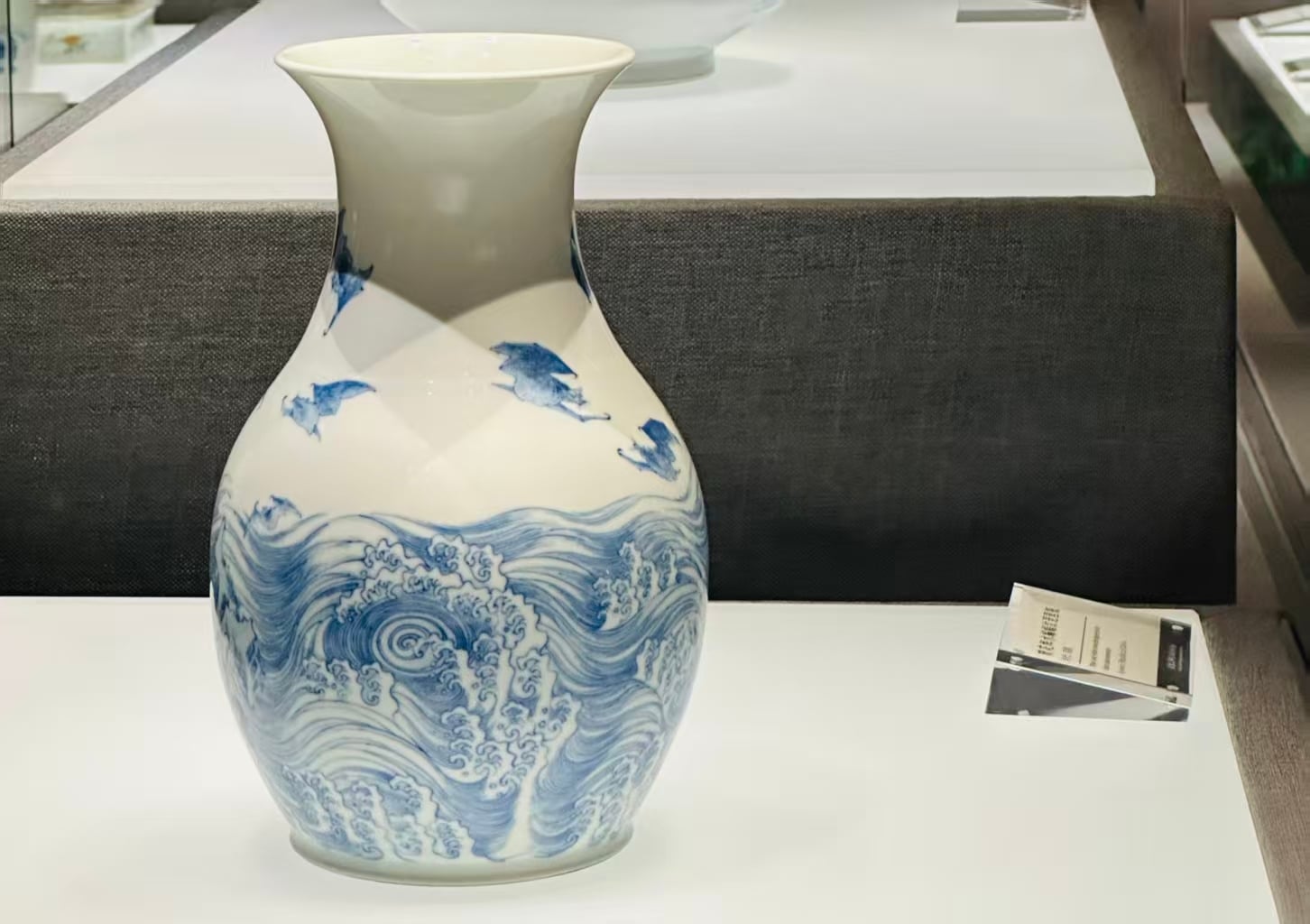
Ask about the maker, material, process and intended use before buying work.
Separate your travel and learning budget from purchases. A ceramic-focused visit remains worthwhile without acquiring an expensive object.
Budget and Booking Decisions
Request an itemised quotation that distinguishes teaching, access, interpretation, materials, firing, finishing, transfers, meals and delivery.
Technical interpretation may need a separate booking. Specialist access or a private session may also differ from standard visitor pricing.
Clarify what happens if a maker becomes unavailable, a firing changes or the chosen project cannot continue as planned. A useful alternative should preserve the purpose of the visit rather than replace it automatically with shopping.
Confirm cancellation, rescheduling and any deposit terms in writing. For a multi-day programme, establish both the teaching dates and the facilities included throughout the stay.
No fixed prices are given here because the scope of a brief conversation, a private taught day and a longer course differs substantially. Compare equivalent services when assessing quotations.
Common Planning Mistakes
- Treating every ceramic shop as a working studio open to visitors.
- Booking by a famous venue name without confirming the actual host.
- Asking for an advanced class without describing your experience.
- Assuming general English support covers detailed technical interpretation.
- Booking several brief appointments that leave no time for questions or travel.
- Calling painting a prepared piece a complete traditional production course.
- Expecting a kiln firing to occur on demand.
- Filling drying intervals with unrelated long-distance sightseeing.
- Assuming a longer stay guarantees collection of finished work.
- Confusing a short workshop, a course and an artist residency.
Frequently Asked Questions
Do I need pottery experience to enjoy a deeper visit?
No. A focused conversation, collection visit or well-taught beginner activity can provide depth. Explain your experience honestly so the host can suggest a suitable format.
Where should I start when choosing studios?
Start with your learning goal or the work you want to understand. Then identify a provider whose practice and access arrangements match it.
Can I walk into an artist's studio?
Do not assume so. Shops and galleries may welcome ordinary browsing, while working studios usually need a confirmed appointment for a meaningful visit.
Will I meet the artist whose name appears on the venue?
Only if that is confirmed. Ask who will lead the visit and what their role is before booking.
Is Sanbao the best place for every ceramic lover?
It is a useful studio direction, but the best provider depends on your interest. A suitable programme elsewhere can offer a better match.
Can I learn a traditional decorative technique in one session?
You can receive an introduction or practise a selected part if the teacher offers it. One session should not be described as mastery of the complete technique.
Can an experienced potter book advanced instruction?
Potentially. Share your experience and goals, then ask the provider to confirm suitable teaching rather than assume its visitor class can be upgraded.
Is English instruction available?
Confirm the actual instructor’s language. If needed, arrange interpretation suited to the technical subject.
What is the difference between a guide and an interpreter?
A guide provides cultural context and visit support; an interpreter enables communication with the host. Neither automatically replaces the ceramic instructor.
Can I observe a firing?
Only when the studio confirms both the firing schedule and visitor access. Equipment on site does not guarantee a firing during your visit.
How many days should I allow for learning?
A short session suits one introduction, while several days can support continuity and practice. Let the provider’s feasible programme determine the stay length.
Is a course the same as a residency?
No. A course generally centres on instruction; a residency may focus on accepted independent work. Confirm the actual programme, access and support.
Can I take my finished pieces home before leaving?
Do not assume so. Ask about drying, finishing, firing and the realistic collection window for your own work.
Can a studio ship overseas?
Check the destination and full terms specifically. Domestic delivery does not establish international shipping availability.
Is a rural heritage day useful for ceramic enthusiasts?
Yes, if material sources, processing or transport are part of your interest. Choose a focused route with suitable interpretation and confirmed access.
Must I buy ceramics during a studio visit?
Purchases should be optional unless you have explicitly booked a different commercial arrangement. Clarify visit fees and shopping expectations in advance.
Plan a Visit around the Ceramics You Want to Understand
Choose a subject, find a suitable host and give the conversation or learning programme enough time. Museums, production heritage and contemporary work become more connected when they support the same question.
Discover East China Tours can help investigate appointments, appropriate language support and a ceramic-focused route. Tell us your experience, preferred techniques, available dates and whether your priority is observation, making or longer study, so possible arrangements can be checked before you commit.