
Explore Wuzhen's local dishes, breakfast and snacks, with practical advice on scenic-area dining, ordering, dietary preferences and family meals.
Food in Wuzhen is best enjoyed as part of the water-town visit: a warm breakfast before a canal walk, a seated lunch between museums, a freshly cooked snack in the afternoon and a relaxed dinner before the evening views.
You do not need to spend the day moving between famous food stalls. Choose one or two local dishes for a proper meal, leave room for a small snack and make your dining locations fit the walking route. This creates a more comfortable visit than collecting a long list of things to eat.
For a first visit, useful starting choices include braised lamb, soy-sauce duck, a fish dish suited to your group, noodles or wontons, and one traditional pastry. Availability, preparation and portion sizes vary between venues, so use dish names as an introduction rather than a guarantee of a particular recipe.
The main planning distinction is between eating inside the scenic areas and elsewhere in Wuzhen town. Inside dining can keep the day simple. Outside restaurants can offer another choice of menus and settings, but leaving and returning requires attention to your admission rights and the journey between the table and the gate.
What to Eat in Wuzhen: A Quick Guide
| Food or drink | Chinese name | What to expect | Best place in the day |
|---|---|---|---|
| Braised lamb | 红烧羊肉 | A richly seasoned lamb dish; a local cold-season association | A shared lunch or dinner |
| Lamb noodles | 羊肉面 / 红烧羊肉面 | A filling noodle meal with lamb; preparation varies | Breakfast for a substantial appetite, or a simple lunch |
| Soy-sauce duck | 酱鸭 | Savoury, often slightly sweet duck, commonly served with bones | A shared dish with rice and vegetables |
| Steamed whitewater fish | 清蒸白水鱼 | A local freshwater-fish option, with fine bones to consider | A seated meal with time to eat carefully |
| Wontons | 馄饨 | Dumplings usually served in broth; filling and stock need checking | Breakfast or a light meal |
| Dingsheng cake | 定胜糕 | A steamed rice-flour pastry; filling and shape vary | A small warm snack |
| Radish fritter | 萝卜丝饼 | A fried snack built around shredded radish and batter | An afternoon taste rather than a full meal |
| Gusao pastry | 姑嫂饼 | A small sweet-and-savoury local pastry | Tea break or a packaged gift |
| Osmanthus cake | 桂花糕 / 桂花糖糕 | A sweet pastry with an osmanthus theme; versions differ | Dessert or a shared snack |
| Chrysanthemum tea | 菊花茶 / 杭白菊茶 | A floral infusion, with sweetening optional by venue | A seated break |
These descriptions are broad. Ask about the actual ingredients, cooking method and price before ordering if any of them matter to you.
Understand the Local Flavours
Wuzhen’s food belongs to the wider Jiangnan setting, where rice, freshwater produce, vegetables and soy-based cooking are familiar themes. The menus you encounter will also include dishes from elsewhere in China and contemporary café food.
A local meal can range from a relatively delicate steamed dish to a richer braise. Soy-sauce duck and braised lamb provide a different experience from a bowl of wontons or a vegetable dish. Balance the table rather than ordering several heavy dishes simply because they are all described as specialities.
Do not assume every dish is mild. A restaurant may serve regional fusion food, offer chilli condiments or prepare the same dish differently from another venue. Ask about the item you are ordering.
Likewise, a vegetable name does not establish a vegetarian recipe. Broth, cooking fat, sauce and small additions such as minced meat need separate confirmation.
Local Dishes for a Proper Meal
Braised lamb
Braised lamb is one of the most recognisable Wuzhen food themes, especially in colder-season descriptions of the town. It suits a shared meal when you want a substantial local dish.
Order it with rice and something lighter, such as a vegetable dish, rather than combining it with several other rich mains. Ask about the portion, bones and seasoning if these affect your choice.
Lamb noodles offer a simpler way to try the same theme without ordering a full table of dishes. They can suit a solo traveller or a quick lunch before continuing the walk.
If you do not enjoy lamb’s flavour, choose another dish. There is no need to order a speciality you already know you will dislike.
Soy-sauce duck
Wuzhen-style soy-sauce duck is a useful shared dish with a savoury sauce and often a sweet edge. It is commonly served as cut pieces rather than boneless fillets.
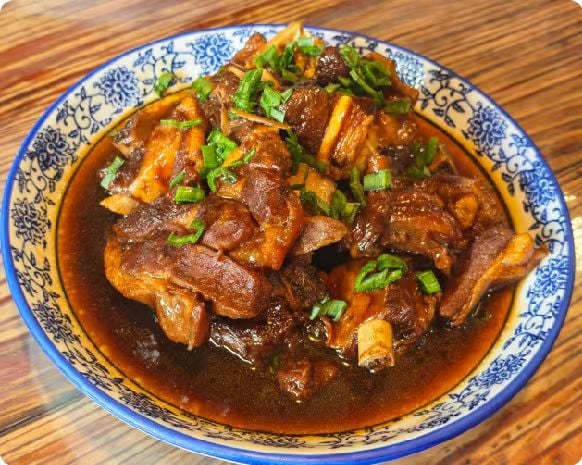
Soy-sauce duck can be shared with rice and lighter dishes.
Ask whether the available serving is hot or cold and how large it is. A portion intended for several people may be excessive alongside another large meat dish.
For a family, pair it with rice and simpler vegetables. Check the pieces carefully for bones when serving children. A duck leg bought as a snack is also different from a complete restaurant dish, both in portion and convenience.
Steamed whitewater fish
Whitewater fish appears in Wuzhen food descriptions and offers an alternative to the richer meat dishes. It may be served whole, so confirm the size and pricing method before the kitchen prepares it.
This fish can have numerous fine bones. It is a seated-meal choice for people comfortable with bone-in fish, and children need help. If your group prefers boneless food, ask whether another preparation is available rather than assuming the restaurant can remove all bones.
A whole fish may be priced by weight. Ask for the weight, unit price and estimated total, including any preparation charge, before agreeing to the order.
Seasonal vegetables, tofu and lighter dishes
Use vegetables or a suitable tofu dish to balance a meal. Ask what is available that day rather than expecting a particular seasonal ingredient throughout the year.
If you want vegetarian food, establish whether the dish uses meat stock, lard, oyster sauce, fish products or minced meat. For a lighter preference, you can request less oil or sauce, but a pre-made braise may not be adjustable.
Choose a venue that can answer questions clearly. A confidently described simple dish is more useful than a long menu that staff cannot explain.
Breakfast in Wuzhen
A straightforward local breakfast
Noodles, wontons, buns, porridge and other breakfast foods can provide a practical start, depending on what the venue serves. A warm bowl and a drink may be enough before a morning walk.
Lamb noodles are an option if you want a more substantial breakfast. For a lighter appetite, choose a smaller serving or another available dish and save a pastry for later.
Ask about fillings and stock. Wontons and steamed buns often contain meat, and a dish that looks plain may still use an animal-based broth.
Hotel breakfast
Hotel breakfast can be the simplest choice when you are checking out, travelling with children or leaving for a station. Confirm the serving venue, hours and number of guests covered by your booking.
A room rate described as including breakfast may cover only a specified number of people. Children’s treatment and extra breakfasts require checking.
Do not assume that an outside hotel offers an early scenic-area breakfast experience or that every guesthouse can prepare the same menu. Verify the arrangements for your property.
The Water Market morning experience: Zaochake
The special morning tea and breakfast experience commonly referred to as Zaochake (早茶客) is associated with the Water Market in Xizha. It can be a worthwhile addition if eating beside the canals is an important part of your stay.
Treat it as a particular experience with its own arrangements. Ask your hotel or the operator about eligibility, reservation, access, charges or credit, the available food and the serving period.
Some accommodation offers present this experience as an alternative to regular hotel breakfast. Do not assume you receive both or that one booking rule applies to every property.
Also distinguish the experience from an ordinary morning walk through the area. Being able to walk in Xizha does not establish a reserved breakfast place or food allowance.
If you are staying outside, check early-entry arrangements before planning breakfast inside. A hotel package with repeat entry does not necessarily permit entry at any hour.
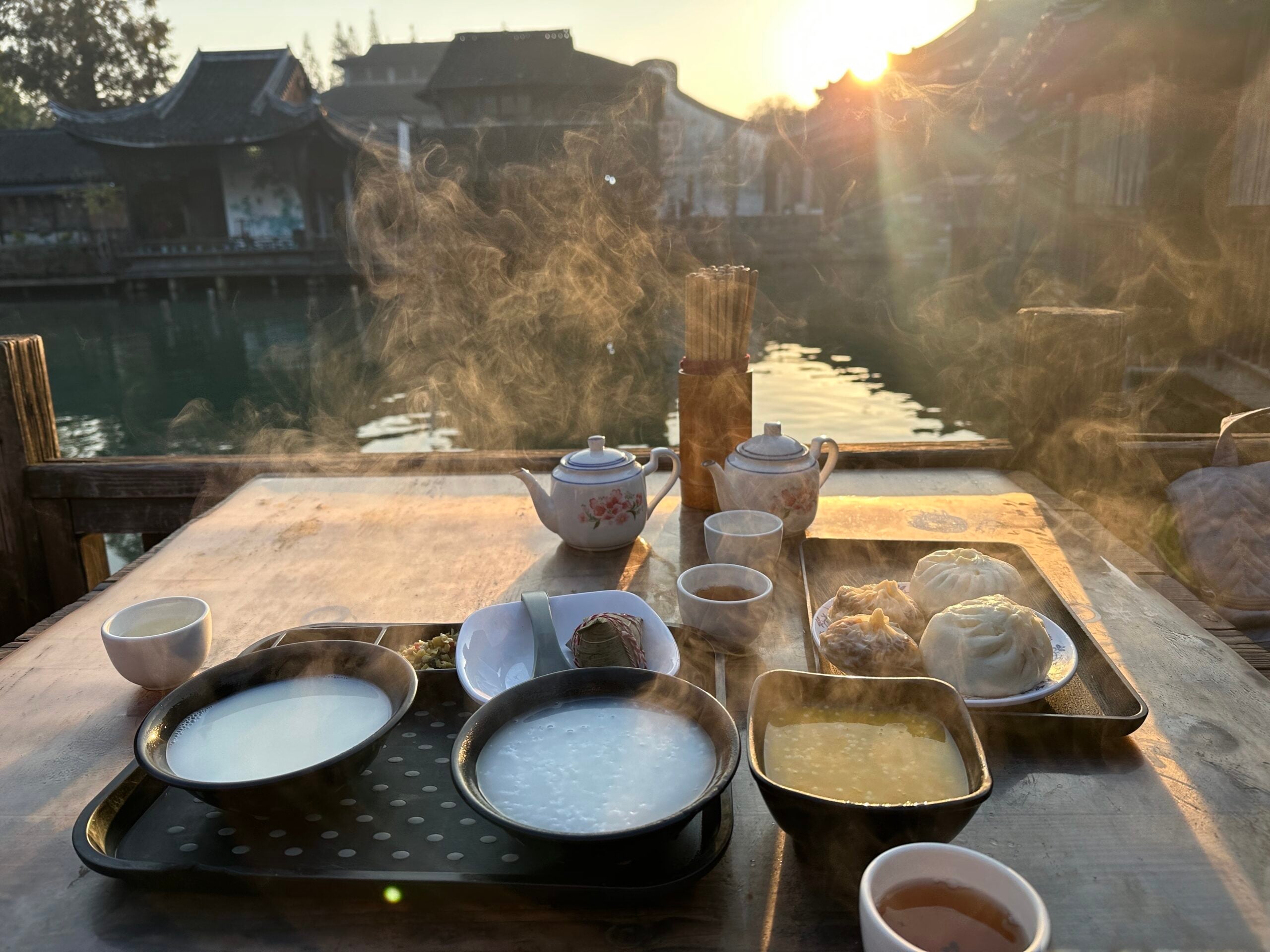
Confirm the Water Market breakfast arrangements with your hotel or operator.
Snacks Worth Considering
Dingsheng cake
Dingsheng cake is a steamed rice-flour pastry associated with Wuzhen’s traditional snack selection. Versions can differ in colour, shape and filling.
Buy a small portion and try it warm where available. It can be a good shared taste between walks, but it does not replace the seating and variety of a proper lunch.
Ask about the filling if you have dietary requirements. A rice-flour description alone does not establish the complete ingredients or allergen controls.
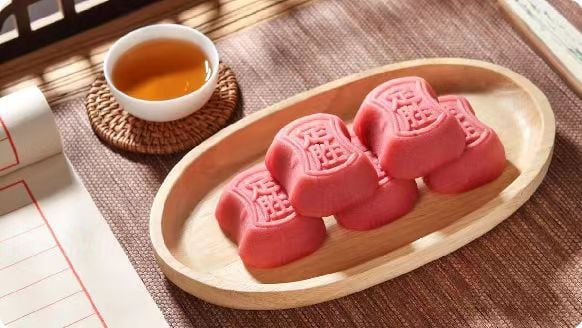
Try a small portion of warm Dingsheng cake.
Radish fritters
Radish fritters combine shredded radish with batter and are generally fried. A freshly prepared portion can be enjoyable during an afternoon walk.
The ingredient list may vary. Do not assume every fritter is meat-free, and ask about the oil and shared fryer if these matter to you.
Choose a manageable portion. Several fried snacks in succession can leave little appetite for dinner and still provide no proper rest.
Gusao pastry
Gusao pastry is a small local sweet-and-savoury snack that works well with tea. Packaged versions can also make convenient gifts.
For a takeaway purchase, inspect the ingredient label, expiry date and storage instructions. A sealed packet is easier to transport than something that needs to remain warm or be eaten immediately.
Do not infer the presence or absence of nuts, sesame, dairy or animal fat from the pastry’s appearance. Check the actual recipe or packaging.
Osmanthus pastries and rice-based snacks
Osmanthus cakes, seasonal qingtuan and zongzi may appear among the snack choices, but availability and fillings differ. Choose according to the menu that day.
A sweet cake and a savoury meat-filled rice parcel serve different appetites. Ask whether the item is sweet or savoury before buying if the displayed name is unfamiliar.
You do not need to try every version. One warm pastry and one other snack can give a useful introduction while leaving space for local dishes at a meal.
Tofu snacks and other savoury bites
Tofu-based snacks, spring rolls and other savoury items can appear along the visitor route. Their sauces, fillings and cooking fats require checking if you avoid certain ingredients.
Strong-smelling fermented tofu is a matter of preference. Share a small portion if curious, rather than treating it as a required taste.
A stall without seating may be fine for a quick bite. For a family needing a pause, choose a venue where everyone can sit and eat comfortably.
Tea and Other Drinks
Chrysanthemum tea is a useful local drink to look for during a seated break. Ask whether it is served plain or sweetened, and whether the quoted price is for a cup or a pot.
Xundou tea, often translated as smoked-bean tea, is another regional choice mentioned in Wuzhen food descriptions. Ingredients can vary and may include additional savoury components, so request an explanation before ordering.
Sanbai wine and other local alcoholic drinks appear in the town’s food culture. If you want to taste one, confirm the serving size and alcohol strength. You can enjoy the meal without ordering alcohol.
For children or anyone wanting a straightforward drink, ask about water, an unsweetened option or another clearly described beverage. Do not assume a café includes an extensive range of dietary alternatives.
Where to Eat: Match the Venue to the Route
Inside Xizha
Eating inside Xizha is often the simplest choice during a long afternoon-and-evening visit. You can stop for lunch or dinner and continue walking without leaving the controlled-access area.
Options range from snack counters and noodle venues to larger restaurant and hotel settings. Choose according to whether you need a quick bowl, a seated break or a full shared meal.
Near the Water Market and busier streets, browsing can be part of the visit, but seating and queues need attention. Farther along the route, choose a restaurant that fits the return to your hotel or exit rather than walking across the area solely for a famous name.
For an evening meal, check kitchen hours and availability before the group is tired. The scenic area remaining open does not mean every restaurant serves food until the same time.
Inside or near Dongzha
For a museum-focused Dongzha visit, plan lunch around the route’s end or a convenient pause. Look for a venue that provides actual seating and a clear menu rather than relying entirely on snacks between interiors.
If continuing to Xizha, lunch between the two visits can provide a natural break. Confirm admission and re-entry before leaving any area with the intention of returning.
Do not assume a lunch booking includes entrance to a scenic area or that a combined-area ticket removes the need to plan transport between them.
Outside the scenic areas
Restaurants elsewhere in Wuzhen town can be useful before entry, after your visit or near an outside hotel. They may offer different menus, room layouts or price points.
Compare the complete arrangement. A lower food price can lose its appeal if the meal adds a long transfer, interrupts your walking route or requires another admission purchase.
Outside does not automatically mean more local, cheaper or better. Use the same checks you would inside: a clear menu, understandable pricing, current operation, suitable seating and staff who can discuss your requirements.
Hotel restaurants
A hotel restaurant can suit a family, a larger group or travellers who want a more structured meal. Confirm whether non-residents can dine, whether a reservation is needed and how to reach the restaurant.
The room booking may provide breakfast but no other meals. A discount voucher is not the same as an included dinner; check participating venues, minimum spend, excluded items and validity.
If using a prepaid meal product, verify the date, guest count and redemption procedure. Do not rely on an old promotional page simply because it remains online.
Restaurant Names to Check on Your Route
These are orientation examples from the operator’s restaurant descriptions, rather than a ranked list or a guarantee of current menus, opening hours or table availability. Confirm operation and the current offer before making a special journey.
| Venue name | Chinese name | Why it may fit your plan |
|---|---|---|
| Dan Cha Fan | 淡茶饭 | A Xizha restaurant option on Xizha Street for a seated meal; check the current menu and table arrangement |
| Chayi Street Restaurant | 茶艺街餐厅 | A western-Xizha option associated with the pagoda and Grand Canal side of the area; useful to check if that end matches your route |
| Houjie Jiujia | 后街酒家 | A Xizha dining option with a local-style restaurant identity; ask about the current meal service rather than an expired themed offer |
The name of a waterfront restaurant does not guarantee a waterfront table. If the view matters, request the particular seating arrangement and check whether it can be reserved.
For outside-town dining, use your actual hotel location to build a short list. A restaurant close to an entrance on the map may still require a different pedestrian route from the one you can use.
How to Arrange Main Meals and Snacks
A focused day trip
Have breakfast before leaving your city base if the journey begins early. Once in Wuzhen, schedule a seated lunch rather than postponing food until you finish all the sights.
Try one small snack during the afternoon. If staying for night views, have dinner before the final evening loop, allowing time to reach your return meeting point afterwards.
If the transport requires an earlier departure, eat before leaving or plan the meal back at your base. Do not start an uncertain restaurant queue shortly before a booked connection.
Dongzha and Xizha in one day
Use breakfast to support the outward journey, then give Dongzha its museum-and-craft window. Lunch between areas creates a rest and transfer break.
In Xizha, choose a snack as part of the walk and a proper dinner before the evening views. This avoids trying to fit two heavy lunches into one day because both areas have speciality menus.
One night in Wuzhen
Choose an arrival-day lunch or late lunch according to your travel time. Keep an afternoon snack small, then enjoy a seated dinner and a shorter evening walk.
The next morning, use confirmed hotel breakfast or a separately arranged Water Market experience. Leave enough time for luggage and departure rather than trying to fit another extensive tasting route before check-out.
Travelling with children or parents
Plan meals around the group’s needs before choosing a scenic table. A timely meal, comfortable seating and an easy return often matter more than a famous restaurant.
Choose at least one dish everyone is comfortable eating, then add a local speciality for those interested. Snacks should complement the meal rather than determine when the family finally gets to sit down.
Ordering a Balanced Meal
At a shared-table restaurant, dishes are often designed for the table rather than as individual plated mains. Rice, soup and drinks may be ordered separately.
For two people, a useful starting point is one main dish, one vegetable or other lighter dish and rice or another staple. Add more after checking portion sizes and appetite. A whole fish may already be a substantial main.
For a family, select one or two main dishes according to size, a vegetable option, staples and any simpler dish needed for a child. Ask the server whether the order is enough before adding several more items.
A solo traveller may find noodles, wontons or a clearly priced individual set easier than a table of shared dishes.
When ordering a set meal, inspect the full contents. Check whether it is suitable for the whole party, whether substitutions are permitted and whether drinks, rice or other extras are included.
Practical Ordering Phrases
Show the phrase to staff if spoken communication is difficult. Confirm their response with the menu or another clear explanation.
| What you want to ask | Chinese phrase |
|---|---|
| May we see the menu? | 请给我们看一下菜单。 |
| Do you have pictures of the dishes? | 有菜品图片吗? |
| Is this spicy? | 这道菜辣吗? |
| Please do not add chilli. | 请不要放辣椒。 |
| Please use less oil. | 请少放一点油。 |
| Please use less salt. | 请少放一点盐。 |
| Is this sweet or savoury? | 这是甜的还是咸的? |
| How many people is this portion for? | 这一份适合几个人吃? |
| Does this dish have bones? | 这道菜有骨头或鱼刺吗? |
| Does this contain pork? | 这里面有猪肉吗? |
| Does the broth contain meat? | 汤底里有肉或肉汤吗? |
| Is rice included? | 包含米饭吗? |
| Is this fish priced by weight? | 这条鱼是按重量收费的吗? |
| Please confirm the total before cooking. | 请先确认总价,再制作。 |
| May we have separate serving spoons or chopsticks? | 请给我们公勺或公筷。 |
| We would like the bill. | 请结账。 |
A request such as “less salt” may be possible for a freshly prepared dish and impossible for an item already cooked. Ask what the kitchen can change rather than expecting every recipe to be adjusted.
Vegetarian, Vegan and Other Dietary Preferences
Vegetarian and vegan meals
Explain what you exclude. Asking only for a vegetable dish leaves questions about stock, fat and seasoning.
For vegan requirements, a useful starting statement is:
我吃纯素,不吃肉、鱼、海鲜、蛋和奶。也请不要使用肉汤、猪油或蚝油。
I eat vegan food and do not eat meat, fish, seafood, eggs or dairy. Please also avoid meat stock, lard and oyster sauce.
Then ask which dishes the kitchen can genuinely prepare that way. A soup with its meat removed may still have a meat-based broth. A pre-cooked snack may not be adjustable.
For stricter requirements, contact a restaurant or hotel in advance and keep another meal option available if the kitchen cannot confirm the preparation.
Avoiding pork, alcohol or particular ingredients
State the ingredient explicitly and ask about sauces and cooking methods. Pork may appear as mince, fat or stock; cooking wine may be used even when the finished dish does not taste alcoholic.
If you require halal food, establish the restaurant’s actual provision and preparation arrangements. A dish containing no obvious pork does not confirm halal suitability.
Gluten-free requirements
Rice-based food is not automatically gluten-free. Sauces, fillings, seasoning and preparation surfaces can change whether a dish meets your needs.
Explain the ingredients you must avoid and ask the kitchen about the whole preparation. Do not infer suitability from a dish name or photograph.
Food Allergies: Communicate Before Ordering
Tell staff about the allergy before selecting the meal, and distinguish it from a taste preference. Use a clearly translated card naming the specific allergen and ask whether the kitchen can avoid both that ingredient and cross-contact during preparation.
A vegan label, a vegetable dish or removal of a visible topping does not establish that a meal is suitable for an allergy. Shared oil, equipment and ingredients need consideration.
A useful opening phrase is:
我对【过敏原】过敏。请确认所有配料、酱料和制作过程,避免接触这种食材。
I am allergic to [allergen]. Please check all ingredients, sauces and preparation, and avoid contact with this ingredient.
This phrase starts the conversation; it is not proof that the kitchen can meet the requirement. If staff cannot provide a clear answer, choose another venue or an option whose preparation can be confirmed.
For a family member with an allergy, book dining with this requirement in advance where possible. Avoid making a crowded snack stall the only available meal plan.
Family Dining: Seats, Portions and Timing
Ask about child seats, room for a stroller and the route to the table if these matter. A small upstairs room or a narrow entrance may be inconvenient even if the restaurant is close by.

Choose comfortable seating and a meal time that fits your group.
Order one familiar, suitable dish early so a hungry child does not have to wait for the entire table. Ask for the sauce separately where the kitchen can do this.
Check bones carefully in fish and duck. Whole or chopped bone-in dishes may be interesting for adults but harder for a child to manage.
Bring variety through shared dishes rather than ordering a large unfamiliar portion for every person. A child can try a little local food alongside the staple or simpler dish they prefer.
For parents or other travellers who need a gentler pace, let the meal become a real rest. Choose seating and a manageable onward walk instead of standing with successive snacks.
If your group must eat at a particular time, reserve a suitable venue when possible and confirm how long the kitchen expects the meal to take. Do not make an unreserved popular restaurant the last task before an intercity departure.
Prices, Payment and Reservations
Use the current menu and ask about anything priced by weight, person or set. Confirm charges before preparation where the total is unclear.
Do not assume a waterfront location means a premium meal, or that outside dining is always cheaper. Compare the actual menu, portion and seating arrangement.
Check payment options before ordering if you rely on an international card or a particular mobile-payment method. A tourist destination does not guarantee that every stall accepts your preferred payment.
For a prebooked meal, confirm the dates, number of guests, arrival procedure and cancellation terms. A voucher may require redemption at the restaurant and may not include scenic-area admission.
If your hotel offers a dining discount, ask which venues and menu items qualify. A listed percentage can have exclusions or a minimum-spend condition.
Keep the restaurant’s Chinese name and location available. A reservation is only useful if you can reach the correct venue within your scenic-area access arrangements.
Choosing a Restaurant Without Chasing a Ranking
Start with the meal you need: a quick bowl, a seated local lunch, an early family dinner or a longer evening meal. Then choose the area that fits your route.
Look for a clear current menu, prices you understand and a kitchen or service team able to explain the dishes. Recent reviews can help with practical details such as seating, noise and waiting, but use them alongside the actual menu.
A queue may indicate demand, yet it does not prove that a venue is the best choice for your time, dietary needs or group. Choose another available place if the wait would consume the visit.
Avoid judging local character from décor alone. A simple restaurant can serve food from several regions, while a larger hotel restaurant can offer local dishes. Ask what is actually on the menu.
For snacks, choose items prepared and presented in a way you can understand. If you need ingredient information, buy from somewhere that can answer rather than guessing from appearance.
Food Gifts and Takeaway Purchases
Packaged Gusao pastry and other labelled snacks can be easier to transport than a freshly fried or steamed item. Check the ingredients, shelf life and storage instructions before buying.
Ask how fragile pastries should be packed. If you are continuing through several cities, consider whether you want to carry the purchase for the rest of the trip.
For meat products, alcohol or other food gifts taken abroad, check the destination country’s current import rules before purchasing. Rules differ, so local sale does not establish permission to bring an item home.
Keep an immediate snack separate from a gift purchase. Food chosen for its warm, freshly made texture may be disappointing after a long journey.
Common Food-Planning Mistakes
Replacing every meal with snacks. Plan a seated lunch or dinner so the day includes a genuine rest.
Ordering several heavy specialities at once. Balance meat or fish with vegetables and a staple, then add more if needed.
Leaving the scenic area for a cheaper meal without checking re-entry. Confirm the ticket rights and complete journey first.
Expecting every breakfast package to include Zaochake. Hotel breakfast and the Water Market experience can have different arrangements.
Assuming vegetable or rice-based dishes meet dietary requirements. Check stock, sauce, fat and preparation.
Ordering a whole fish without confirming the total. Establish weight-based pricing and preparation charges before cooking.
Using an expired meal offer. Confirm that the package is valid for your dates and covers the actual party.
Chasing a famous snack while everyone is hungry. Eat a useful meal first and keep any long-queue snack optional.
Frequently Asked Questions
What should I try on a first visit to Wuzhen?
Choose a local main such as braised lamb or soy-sauce duck, balance it with vegetables and rice, then try one pastry or radish fritter. A noodle meal is a simpler alternative for a solo traveller.
Is Wuzhen food spicy?
It depends on the dish and restaurant. Many familiar local choices are soy-based or relatively mild, but menus can include spicy dishes and condiments. Ask about the particular item.
Should I eat inside Xizha or outside?
Inside is convenient during a long visit and evening walk. Outside can suit a meal before entry, after departure or near your hotel. Compare the menu and route, and check re-entry before leaving.
Where should I eat when visiting Dongzha and Xizha together?
A seated lunch between the visits provides a useful break. Have dinner in a place that fits your Xizha evening route and return arrangements.
Is the Water Market breakfast included in my room?
Only if the confirmed booking says so. Check eligibility, reservation, credit or charges and whether it replaces regular hotel breakfast.
Can day visitors join the special morning breakfast?
Ask the operator about current eligibility and entry arrangements. Do not assume a normal admission ticket or an outside hotel automatically provides access to the experience.
Are there vegetarian options?
You may find dishes that can meet vegetarian requirements, but confirm the complete recipe and preparation. A vegetable soup or tofu dish can still contain animal-based ingredients.
Is a radish fritter always vegetarian?
No recipe assumption should be made. Ask about the filling, batter, oil and other ingredients used at that stall.
Can restaurants accommodate an allergy?
Ask in advance and obtain a clear answer about ingredients and cross-contact. Capacity varies by kitchen; a translated request alone does not confirm suitability.
Is whitewater fish suitable for children?
It can contain many fine bones. Children need help, and a family preferring boneless food should consider another dish or a preparation the restaurant can explain clearly.
Do I need to reserve dinner?
Reservation is useful for a group, a particular seating request or a fixed meal time. Confirm the current policy of the chosen venue; a meal package and a table reservation are not necessarily the same thing.
What food is easiest to take away?
Labelled, well-packaged pastries can be practical gifts. Freshly cooked snacks are better considered immediate food. Check storage needs and destination import rules before taking products abroad.
Plan Your Wuzhen Visit with Discover East China Tours
A comfortable Wuzhen food plan follows the sightseeing route and your group’s needs. Tell us your travel dates, interests, dietary preferences and whether you are visiting for the day or staying overnight.
Discover East China Tours can help arrange Wuzhen alongside Shanghai, Hangzhou, Suzhou and other East China destinations, with time for local meals, canal walks and a pace that suits your family or small group.