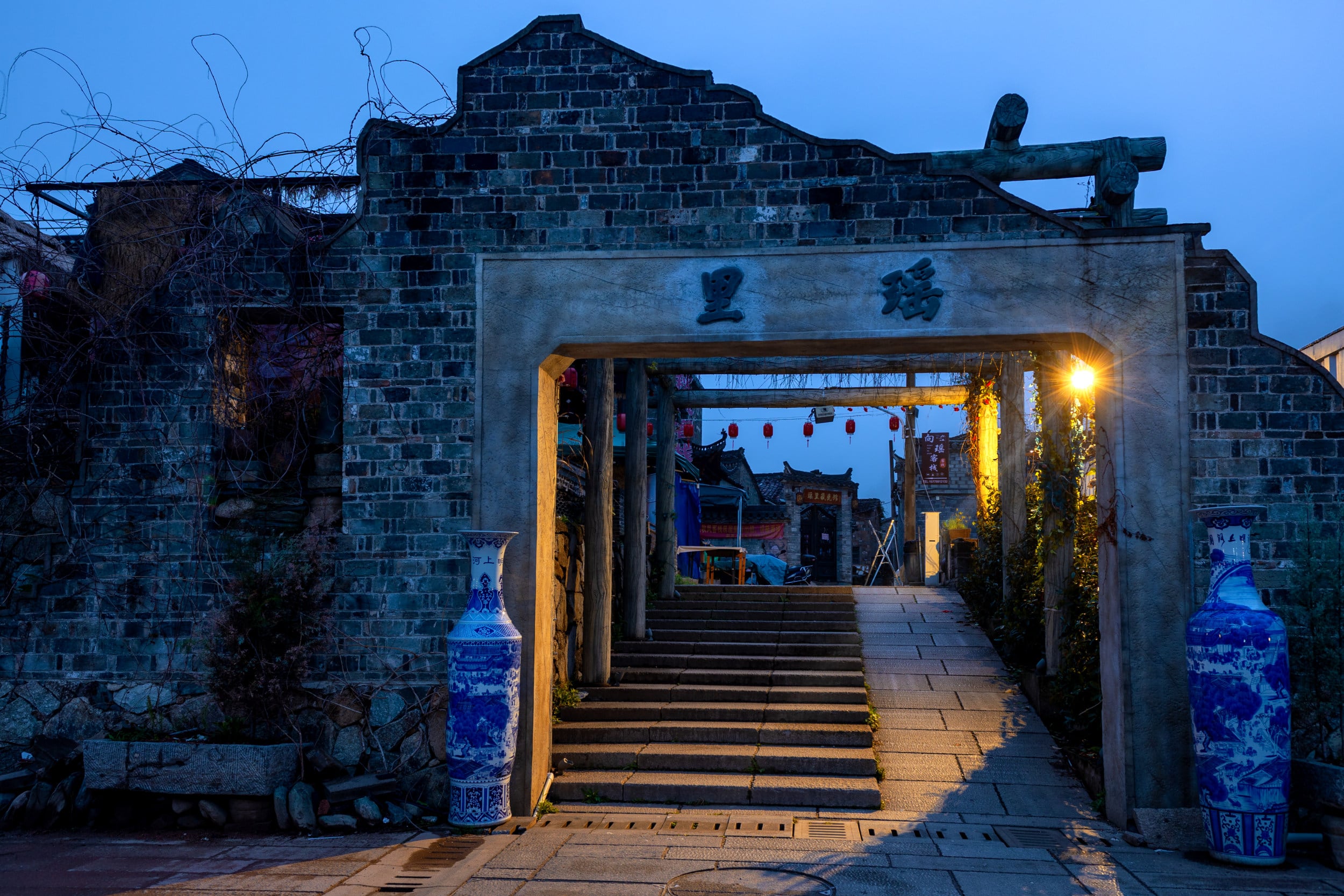
Explore Yaoli's riverside village and choose surrounding porcelain heritage or nature stops. Compare a day trip with an overnight stay and plan transport, meals and walking time from Jingdezhen.
Yaoli offers a countryside chapter of a Jingdezhen trip. A riverside village walk can sit alongside a visit to ceramic-production remains, a forest outing or time spent over a local meal. The appeal lies in making those experiences work together without filling the day with transfers.
For a first visit, choose the ancient town as the centre of your outing and add one surrounding area that interests you. Porcelain enthusiasts might choose Raonan; travellers looking for a longer nature walk might choose Wanghu. An overnight stay gives you more room for both, especially if an unhurried morning in the village matters.
Plan Yaoli as an ancient town within a wider rural sightseeing area. The village, ceramic heritage sites and forest attractions are separate stops, with different access arrangements and journeys between them.
This guide explains how the areas relate, how to combine village life with porcelain history and scenery, when a day trip or overnight stay makes sense, and how to organise transport, meals and walking time.
What Is Yaoli Ancient Town?
Yaoli is in Fuliang County, within Jingdezhen, Jiangxi. The wider destination lies around 50 kilometres northeast of central Jingdezhen. It is a countryside excursion rather than another neighbourhood to add to an urban walking route.
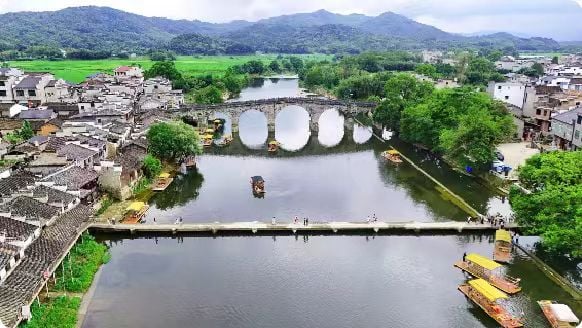
The ancient town follows the Yao River, with historic streets and buildings influenced by Huizhou architectural traditions. Look for white walls, dark roof tiles and the relationship between houses, lanes and the water. Architectural stops include Cheng’s Ancestral Hall and Shigang Shenglan.
Yaoli’s historic name, written 窑里, connects it with kilns. Its setting helps visitors explore the materials, production and transport behind Jingdezhen porcelain, as well as the finished objects seen in city museums.
A rewarding visit can be simple: a village walk, a meal and one well-chosen excursion. You do not need to visit every named area to understand why Yaoli belongs in a Jingdezhen itinerary.

Understand the Ancient Town and the Surrounding Areas
“Yaoli” can describe the settlement, the town-level destination or the wider scenic area. A hotel listing, ticket package or driver may use the name differently. Start with the actual places you want to visit and save a map pin for each.
| Area | Main reason to include it | How to plan it |
|---|---|---|
| Yaoli Ancient Town — 瑶里古镇 | Riverside lanes, village architecture and a local meal | Use it as the main walking and meal stop |
| Raonan ceramic heritage area — 绕南 | Production history, water-powered material processing and kiln remains | Add a focused heritage visit with confirmed access |
| Dongbu — 东埠 | Historic wharf and street setting associated with porcelain-material transport | Choose it for the transport story or a shorter village stop |
| Gaoling historic mining area — 高岭 | The raw-material background of porcelain and the place-name associated with kaolin | Confirm the heritage-site entrance and walking requirements |
| Wanghu forest area — 汪湖 / 汪胡 | Forest scenery and the Nanshan waterfall area | Reserve a separate walking block and check trail conditions |
| Meiling — 梅岭 | A rural leisure setting | Include only a confirmed venue or route that suits your stay |
The ancient town, Raonan, Dongbu, Wanghu and Gaoling are among the destination’s main sights. They should not be interpreted as adjoining sections of one pedestrian attraction.
Keep similar names separate
Gaoling’s historic mining heritage and Gaoling China Village — 高岭中国村 are different destination names. A coach stop named after the latter is not necessarily the correct drop-off for the historic mine site. Show the driver the precise location you want.
Wanghu also appears under different Chinese spellings in tourism descriptions. Check the map pin and entrance for the intended forest or waterfall visit rather than relying on an English transliteration alone.
Ticket descriptions may group attractions differently from a travel guide. Ask which sites are included and how to reach them before deciding that a package suits your route.
How Much Time Should You Allow?
Ancient town only: around two to three hours on site
This is a useful allowance for a riverside walk, some lanes, photographs and a short break. Add time for a seated lunch or a substantial visit inside a heritage building.
The journey from Jingdezhen remains additional. An ancient-town-only outing can still occupy much of the day once transfers and lunch are included.
Ancient town plus one surrounding area: a full-day outing
Allow a full day from your Jingdezhen hotel for the village, lunch and either a ceramic heritage stop or a nature walk. The balance depends on the chosen entrance, transfer route and how far you want to walk.
For first-time visitors, this is usually the most manageable version. Choose the second area for a clear reason, rather than adding every stop mentioned by a driver or map.
Several areas at a relaxed pace: one night
An overnight visit lets you divide walking and transfers across two days. Spend the first day on the village and a heritage stop, then use the second for nature before returning to Jingdezhen.
These are itinerary allowances, not official visit durations. A shorter accessible route and a longer forest walk require very different schedules, even when they share the same attraction name.
Start with a Village Walk

Follow the river, then explore a few lanes
Begin at your agreed arrival point and orient yourself around the river. Choose public paths that give a view of the buildings, bridges and surrounding slopes, then turn into a manageable selection of lanes.
The most useful route is one you can enjoy at your group’s pace. There is little benefit in following every side street if it leaves no time to sit down, look closely or have lunch.
Ask locally which bridges and paths provide suitable crossings. Return by a different public section where practical, keeping your meal stop and pickup point in mind.
Give the architecture some attention
Notice the way houses meet the lanes, the rooflines and any interpretation explaining individual buildings. If an open hall or historic residence interests you, include one visit rather than entering buildings solely to complete a list.
Cheng’s Ancestral Hall — 程氏宗祠 — and Shigang Shenglan — 狮冈胜览 — are names to check when planning architectural stops. Confirm current public access and any separate admission arrangements.
A historical-looking façade does not establish a building’s date or whether the interior is open. Use signs or a knowledgeable guide to distinguish documented history from appearance.
Leave room for village life
Treat residential doorways and courtyards as people’s space. Ask permission before photographing residents closely, and keep bridges and narrow passages clear while taking pictures.
A village walk works best when you can pause without expecting a performance or activity at every corner. Everyday routines, weather and visitor numbers will shape the atmosphere on the day.
Keep to designated public paths. A picturesque river crossing, water structure or hillside track in a photograph is not automatically an approved walking route.
Add Porcelain Heritage with a Clear Focus
Yaoli becomes more meaningful when you connect its landscape with a question about porcelain: where did the materials come from, how were they prepared, and how did they reach the workshops?
Choose one question for a day trip. A guide can help connect the visible remains with processes that are difficult to interpret from buildings or equipment alone.
Raonan: materials, water power and production
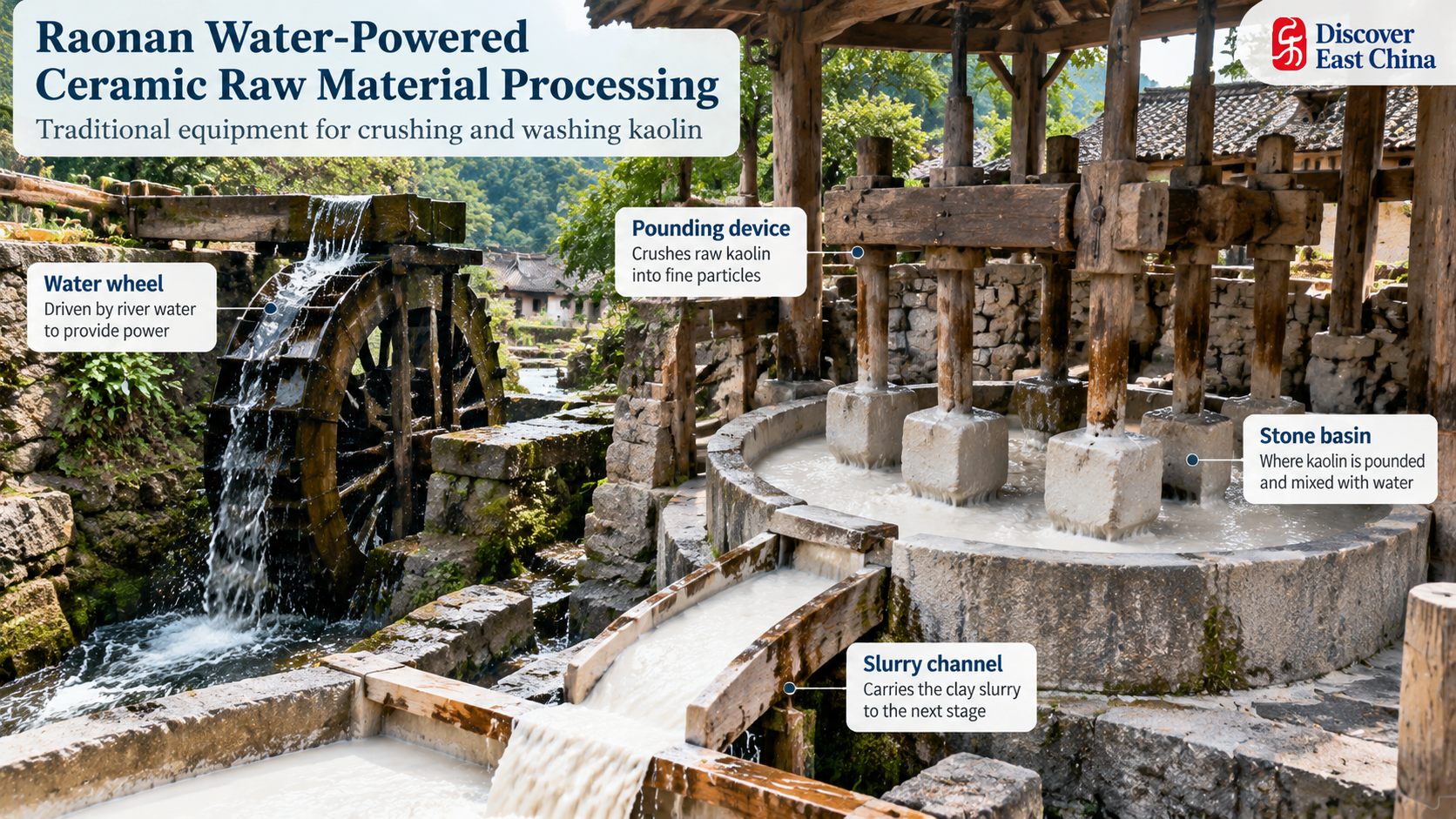
Raonan is a useful choice for travellers interested in how ceramic production worked. Its ceramic heritage includes glaze-material processing, water-powered pounding equipment and dragon-kiln remains.
Water-powered pounding helps explain the work needed to reduce hard materials before later processing. Look for the relationship between the water source, machinery and working space, using interpretation to understand what you are seeing.
Do not assume demonstrations run every day. Confirm whether equipment is operating, whether a guide is available and which parts of the site can be entered on your date.
Allow roughly one to one-and-a-half hours as an initial planning block, then adjust to the actual programme. A detailed guided visit can need longer.
Dongbu: the transport connection
Dongbu adds the movement of materials to the story. Its historic wharf and streets connect with the loading and transport of kaolin.
It can be a good alternative to a longer nature outing if you want another village setting with a specific historical purpose. Ask where the relevant public route begins and what interpretation is available.
A short stop may suit your day, but check the approach and transfer time before adding it. An extra village is worthwhile when it deepens the visit, rather than simply repeats another riverside photograph.
Gaoling: the raw-material story
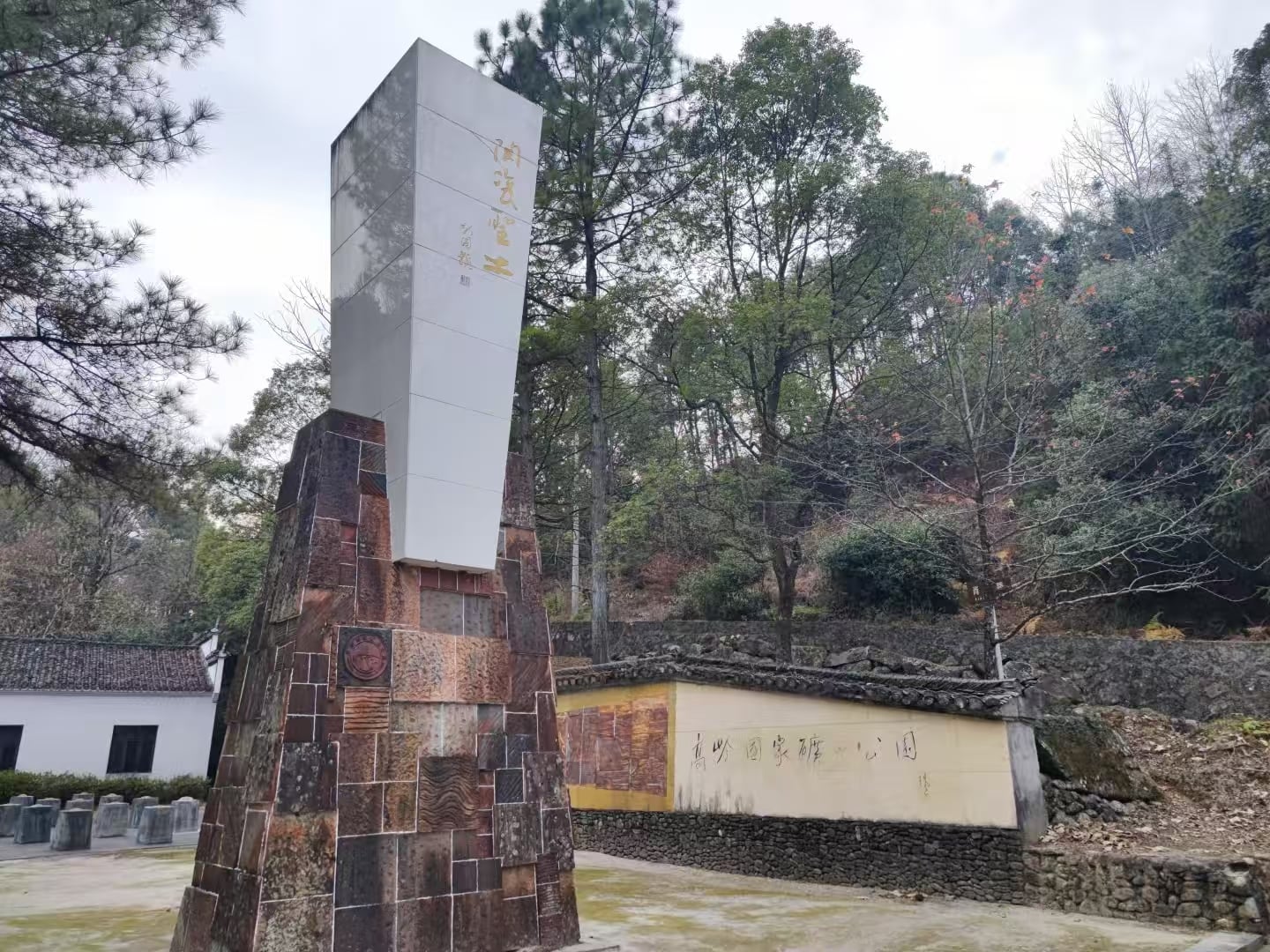
Gaoling connects the trip with the source of a porcelain material. The name is associated with the international term “kaolin”, making it especially relevant to visitors interested in ceramic materials.
A mining-heritage visit has different access and walking needs from the ancient town. Confirm the exact site, permitted route and whether the interpretation will make sense without a specialist guide.
Keep to the authorised visitor area. Historical extraction sites and protected remains are places to observe; collecting material or entering old workings should not be part of the outing.
How this complements city sightseeing
Use a Jingdezhen museum visit to introduce objects and ceramic history, then give Yaoli a different purpose: understanding the rural landscape behind production.
If your trip already includes several museums, the village-and-nature combination may provide a better balance than another long interpretive visit. If porcelain history is the main interest, Raonan or Gaoling can justify a more focused countryside day.
Add Nature without Rushing the Village
Wanghu and the Nanshan waterfall area
Wanghu combines forest scenery with the Nanshan waterfall area. It can supply a stronger nature component than a short riverside stroll.
Reserve a distinct part of the day for this outing. Ask which trail is open, its length, steps, gradient and turnaround point. A scenic-area name alone tells you little about the effort required.
For an initial schedule, allow around two to three hours for a selected nature route, subject to local confirmation. Include the transfer separately and leave enough time to return before closing or your transport departure.
Waterfall appearance varies with recent weather. More water can coincide with more difficult walking conditions, so choose the permitted route based on conditions rather than photographs from another season.
Meiling and lighter countryside time
Meiling may be relevant if a confirmed accommodation, leisure venue or short route there matches your plans. Avoid adding a vague “Meiling visit” without knowing where you will stop and what is open.
For a lighter day, a suitable public village route, lunch and time to sit can provide enough rural scenery. A forest excursion is optional, particularly with children or travellers who prefer level walking.
Combining heritage and nature
A full-day trip works well with the ancient town and one substantial addition. Ancient town plus Raonan emphasises culture; ancient town plus Wanghu emphasises walking and landscape.
If you want both Raonan and a longer Wanghu visit, consider staying overnight. You can then give each experience sufficient daylight without shortening every stop to fit the return drive.
Day Trip or Overnight Stay?
| Choice | A good fit for | Main planning consideration |
|---|---|---|
| Day trip from Jingdezhen | Travellers with limited time who want the village and one additional area | Arrange the return journey before setting out |
| One night near the ancient town | Travellers wanting evening and morning village walks | Check the property’s exact position, facilities and meals |
| One night in a surrounding rural area | Travellers prioritising a particular nature or leisure venue | Confirm transfers to the ancient town and other sites |
| Two days with several excursions | Travellers with a strong heritage or walking interest | Divide the route by geography and avoid repeated drives |
Choose a day trip for a focused introduction
A day trip suits visitors who want to retain their Jingdezhen hotel and return to the city for dinner. It also keeps luggage handling simple.
Choose one central experience and one optional addition. If the weather or walking pace changes, you can shorten the optional part without losing the main purpose of the day.
Avoid pairing the excursion with a tightly timed evening train. The return involves rural roads, and a schedule that works on paper may leave too little room for delays.
Stay overnight for a different rhythm
An overnight stay gives you access to the village at different times without another drive from the city. A short evening walk and another after breakfast can be more rewarding than trying to extend one afternoon visit.
It also lets you move a substantial nature outing to the following day. Staying one night creates time; it does not require adding more attractions.
Do not choose an overnight stay solely on the assumption that the town has a nightly show, extensive illumination or late dining. Confirm any programme or service that matters to your plans.
A Suggested Day Trip from Jingdezhen
This is a flexible sequence for an arranged vehicle, not a bus timetable or a promise of attraction opening hours.
Morning: transfer and village walk
As an initial planning allowance, reserve approximately one to one-and-a-half hours each way by private vehicle from central Jingdezhen. The actual journey depends on your hotel, route, traffic and road conditions; obtain a current estimate when booking.
Leave after breakfast and begin with around two hours in the ancient town. Follow the riverside, explore a few lanes and include an accessible building if it is open and interests the group.
Midday: a seated lunch
Allow around an hour for lunch and a proper break. Choose the restaurant around the walking route and afternoon departure point.
With a group, ask about portion sizes before ordering. Decide on a few suitable dishes rather than losing the afternoon to a long menu discussion.
Afternoon: one selected excursion
Choose Raonan for production history, Dongbu for a shorter transport-history stop, or Wanghu for a more substantial nature visit. Confirm the afternoon entry window before committing to the sequence.
If your chosen site requires earlier entry, reverse the order and visit the town later. The route should follow access and weather conditions rather than a fixed photograph checklist.
Late afternoon: return with time in reserve
Agree the departure time with your driver and return to an identifiable pickup point. Leave room for walking back, toilets and loading the vehicle.
Keep the evening in Jingdezhen flexible. Dinner or a short outing can work; an essential reservation immediately after the estimated return is less forgiving.
A Suggested One-Night Visit
Day one: village and porcelain heritage
Travel from Jingdezhen in the morning with a confirmed vehicle or coach plan. Explore the ancient town, have lunch and include one heritage stop if its access arrangements work.
Check in before the evening becomes rushed. Ask the accommodation to confirm dinner and the next morning’s breakfast. Take a short public-path walk if weather and lighting allow.
Day two: morning village time and a nature outing
Enjoy another village walk after breakfast, then collect luggage or leave it in agreed storage. Continue to a selected Wanghu route or another confirmed countryside stop.
Plan lunch according to the route and return to Jingdezhen with a comfortable buffer. If leaving by train that day, allow for station travel and boarding procedures in addition to the rural transfer.
Travellers who prefer less walking can replace the forest visit with a shorter heritage stop and an earlier return. An overnight visit can be restful without being inactive.
Getting to Yaoli and Moving between Areas
Arranged car and driver
An arranged vehicle is often the simplest planning choice for a multi-area visit because you can agree both the outward journey and local transfers in advance.
Request a written outline covering hotel pickup, destinations, waiting time, return time, total price and any additional charges. Clarify whether a guide is included; a driver and an English-speaking guide are different services.
For families, request suitable child seating in advance. For larger groups, confirm the vehicle’s passenger and luggage capacity, especially on an overnight journey.
Public coach from Jingdezhen
A Yaoli scenic-area coach route serves Jingdezhen North Railway Station’s north square — 景德镇北站北广场, running between the west coach station and Yaoli with intermediate stops including Dongbu. Check the current fare when booking.
For a public-transport visit, obtain a complete timetable for your travel date. Verify the departure at your boarding stop, journey time, fare and return service directly with the operator. A listed service range should not be read as frequent departures or as Yaoli’s last return time.
Contact Jingdezhen Changyun on 0798-8569000 to check departures, fares and payment options. Confirm current arrangements, particularly if you need help using a Chinese booking system.
A coach stop along the route does not provide a ready-made sightseeing connection. Check onward transport before planning several areas by public transport.
Taxis and ride-hailing
A car available for the outward journey does not establish that another will be available for a rural return or a transfer between sites. Secure the return arrangement before leaving Jingdezhen.
If booking a return pickup, agree an exact location, time and contact method. Save the driver or operator’s details and ask how delays or a route change will be handled.
Useful destination names
| English destination | Chinese name to save |
|---|---|
| Yaoli Ancient Town | 瑶里古镇 |
| Raonan ceramic heritage area | 绕南 |
| Dongbu ancient wharf | 东埠古码头 |
| Gaoling historic porcelain-clay mine site | 高岭瓷土矿遗址 |
| Wanghu forest or ecological sightseeing area | 汪湖生态游览区 / 汪胡国家森林公园 |
| Meiling | 梅岭 |
| Jingdezhen North Railway Station north square | 景德镇北站北广场 |
Use the name together with a confirmed map pin. For a rural hotel, save the full address and the point the vehicle can reach; the building may require a final walk.
Where to Eat and How to Arrange Meals
Make the ancient town your main meal stop
For a typical village-centred itinerary, a seated lunch in or near the ancient town is a practical arrangement. Choose an open restaurant along your route and ask what can be prepared within the time available.
On a longer forest outing, settle the meal plan before entering the trail. Carry drinking water and a snack, and confirm where you will have lunch afterwards rather than expecting a full-service restaurant at the turnaround point.
Try a local dish alongside familiar choices
One local speciality is Yaoli kuzhu tofu — 瑶里苦槠豆腐. It is a preparation made from kuzhu tree nuts rather than ordinary soybean tofu. Ask how the restaurant serves it; the finished dish may contain meat or a strongly flavoured sauce.
Jianshui ba — 碱水粑 is an alkaline rice cake associated with the region. Depending on the kitchen, it may be stir-fried with vegetables, meat and seasonings. Neither its rice base nor the word “tofu” in another dish establishes that the complete meal is vegetarian.
Combine one regional choice with suitable vegetables, rice and another dish the group will enjoy. Availability and preparation vary, so ask about the day’s menu rather than expecting every restaurant to serve a fixed list of specialities.

Spice levels and dietary preferences
If you want food without chilli, say 不要辣椒 — no chilli, and ask whether chilli oil or chilli sauce is already included. “Mild” can mean different things to different kitchens.
For vegetarian or vegan meals, name the ingredients you avoid, including meat stock, lard and sauces where relevant. For a food allergy, explain the allergen and ask about preparation as well as ingredients. A translated dish name alone is insufficient.
Use a short written message in Chinese or ask your guide to help. It is easier to agree a suitable meal before a busy lunch period than after dishes have arrived.
Overnight dinner and breakfast
Confirm meal times with your accommodation before arrival. Ask whether dinner needs advance ordering and whether breakfast is included, where it is served and when it begins.
For an early departure, arrange a suitable breakfast or provisions the previous evening. Children and travellers with dietary requirements should have a dependable option rather than rely entirely on finding an open snack stall.
Choosing Accommodation
Choose the location for the experience you want. An ancient-town property can suit repeated village walks; accommodation elsewhere may work better for a particular countryside venue.
Check the exact walking route from the vehicle drop-off. “Near Yaoli” does not describe the same stay as “within walking distance of the ancient town”.
Before booking, confirm:
- Acceptance of your overseas passport and the check-in procedure.
- Room type, beds, private bathroom and hot water.
- Heating or air conditioning for your season.
- Stairs, vehicle access and assistance with luggage if needed.
- Dinner, breakfast and dietary arrangements.
- Noise conditions if a quiet room is important.
- Transfers to the sites you intend to visit.
Photos of an attractive building do not establish accessibility or room comfort. Ask specific questions about the facilities that matter to your group.
Tickets, Opening Hours and Guided Visits
Check admission separately for village walking, individual buildings, ceramic heritage areas and forest attractions. Do not assume one ticket covers all of them or includes local transport.
If considering a combined ticket, ask for the included sites, validity, re-entry rules and any additional charges. Compare that package with the places you will actually visit.
Confirm the current opening and last-entry times for your chosen date. Public lanes, ticketed interiors and trails need not share one schedule.
If interpretation matters, ask whether a local guide is available and in which language. A booking contact who can reply in English does not establish that the on-site tour will be conducted in English.
This guide does not publish a fixed attraction price or daily opening timetable. Confirm those details when the route is booked, especially around holidays or changes to trail access.
Weather, Walking Comfort and Family Visits
Choose the route for conditions
For spring or autumn travel, check the forecast and prepare layers suitable for both walking and seated breaks. In hot weather, start earlier and build in shade, water and a proper lunch break.
In rain, shorten outdoor sections and ask whether forest paths remain open. Wet stone, steps and waterside surfaces can require a slower pace. If a trail closes, use the village and a confirmed indoor visit instead.
Winter visits need particular attention to room heating and early darkness. Do not extend an unfamiliar rural route simply because it was described as a pleasant short walk.
Families with children
Choose a few things to notice: roof shapes, a bridge, a river view or how water can power machinery. One understandable heritage stop can work better than several long explanations.
Keep children close beside water and on narrow paths. Select a meal before they become tired, and check whether a nature route suits their ages and stamina.
For a pushchair, ask about paving, steps and crossings on the actual route. A shorter public-path walk may be easier, but no town-wide step-free claim should replace route-specific information.
Older travellers and mobility needs
Request a short walking route with seating, toilets and a vehicle pickup that avoids a long return on foot. Choose an accessible building or scenic stop based on confirmed information.
The ancient town and a seated lunch can be a complete outing. Add a forest route only when its surface, gradient and rest opportunities suit the traveller.
Common Planning Mistakes
- Treating all the named areas as one continuous village walk.
- Confusing Gaoling mining heritage with Gaoling China Village.
- Planning every surrounding attraction in a single day.
- Assuming a coach’s published service range supplies the return timetable.
- Arranging the outward car journey without securing a return.
- Expecting an unscheduled demonstration or pottery workshop at a heritage site.
- Leaving lunch until after a long nature walk.
- Booking accommodation without checking meals, heating or vehicle access.
- Assuming a rice dish or a dish called “tofu” contains no animal ingredients.
- Adding a tightly timed onward train immediately after the rural transfer.
Frequently Asked Questions
Is Yaoli worth visiting from Jingdezhen?
It can be a rewarding choice if you want village walking, rural scenery or the materials-and-production side of porcelain history. Give it a dedicated outing rather than squeezing it into an urban sightseeing afternoon.
Is the ancient town the whole Yaoli scenic area?
No. The ancient town is one part of a wider destination that includes separate heritage and nature areas. Plan transfers and admission for the places you select.

How long should we spend in the ancient town?
Around two to three hours is a useful allowance for walking and a short break. Add time for lunch and any substantial interior visit.
Can we visit as a day trip?
Yes. The ancient town, lunch and one surrounding area make a practical starting plan, with confirmed return transport.
When is staying one night worthwhile?
Stay if you want evening and morning village time, or enough room for both heritage and a longer nature outing. Confirm the accommodation and meals before committing.
Which area should porcelain enthusiasts add?
Raonan suits an interest in material preparation and production remains. Gaoling suits a raw-material focus, while Dongbu adds the transport story. Choose according to the question you want the visit to answer.
Which area is best for a nature walk?
Wanghu is the main forest-and-waterfall option discussed here. Confirm the particular open route and walking requirements before deciding that it suits your group.
Can we walk between all the areas?
Do not plan them as one pedestrian circuit. Use current map distances and arrange transfers; keep walking time for the village or the selected trail.
Is public transport available from Jingdezhen?
A Yaoli coach route serves Jingdezhen North Station’s north square. Confirm your boarding stop, departure and return service with the operator before travelling.
Can we rely on ride-hailing for the return?
Secure a confirmed return arrangement. An outward booking does not guarantee later availability in a rural location.
Is admission free?
Verify the current policy for the specific public areas, buildings and attractions you want to visit. Do not apply one admission statement to the entire destination.
Can we make pottery in Yaoli?
A heritage visit does not automatically include a hands-on session. Book a named provider and confirm the process, language, age suitability and what happens to the finished work.
What should we eat there?
Ask about local kuzhu tofu or alkaline rice cake, then combine available regional dishes with choices suited to the group. Check preparation and ingredients when ordering.
Is Yaoli suitable for children and older travellers?
It can be with a short village route, a seated meal and realistic transfers. Assess forest walks, steps and accommodation access separately.
What happens if it rains?
Shorten the village walk and use confirmed indoor stops where available. Follow local trail restrictions and replace the forest excursion if conditions require it.
Can we combine Yaoli with an evening in Jingdezhen?
Yes, if the return is planned with time in reserve. Keep dinner or an evening outing flexible rather than tying it to a tight arrival estimate.
Plan Your Yaoli Visit
Give the day a clear centre: a village walk, one heritage question or a nature route that suits your group. Build transport and meals around those choices, and leave enough time to enjoy the countryside between stops.
Discover East China Tours can help combine Yaoli with Jingdezhen’s museums, historic districts and creative spaces. Tell us your travel dates, walking preferences, interest in porcelain heritage and whether you prefer a day trip or an overnight stay, so the route and practical arrangements can be checked.
Related Jingdezhen Guides