11Oct
+8619705475100
[email protected]

Huangshan rewards time on the mountain. A ridge that looks clear in the afternoon can disappear into cloud, while a pine tree silhouetted against pale granite can hold your attention longer than a famous viewpoint. Staying overnight gives you space for those changes and a chance to see the landscape near dawn.
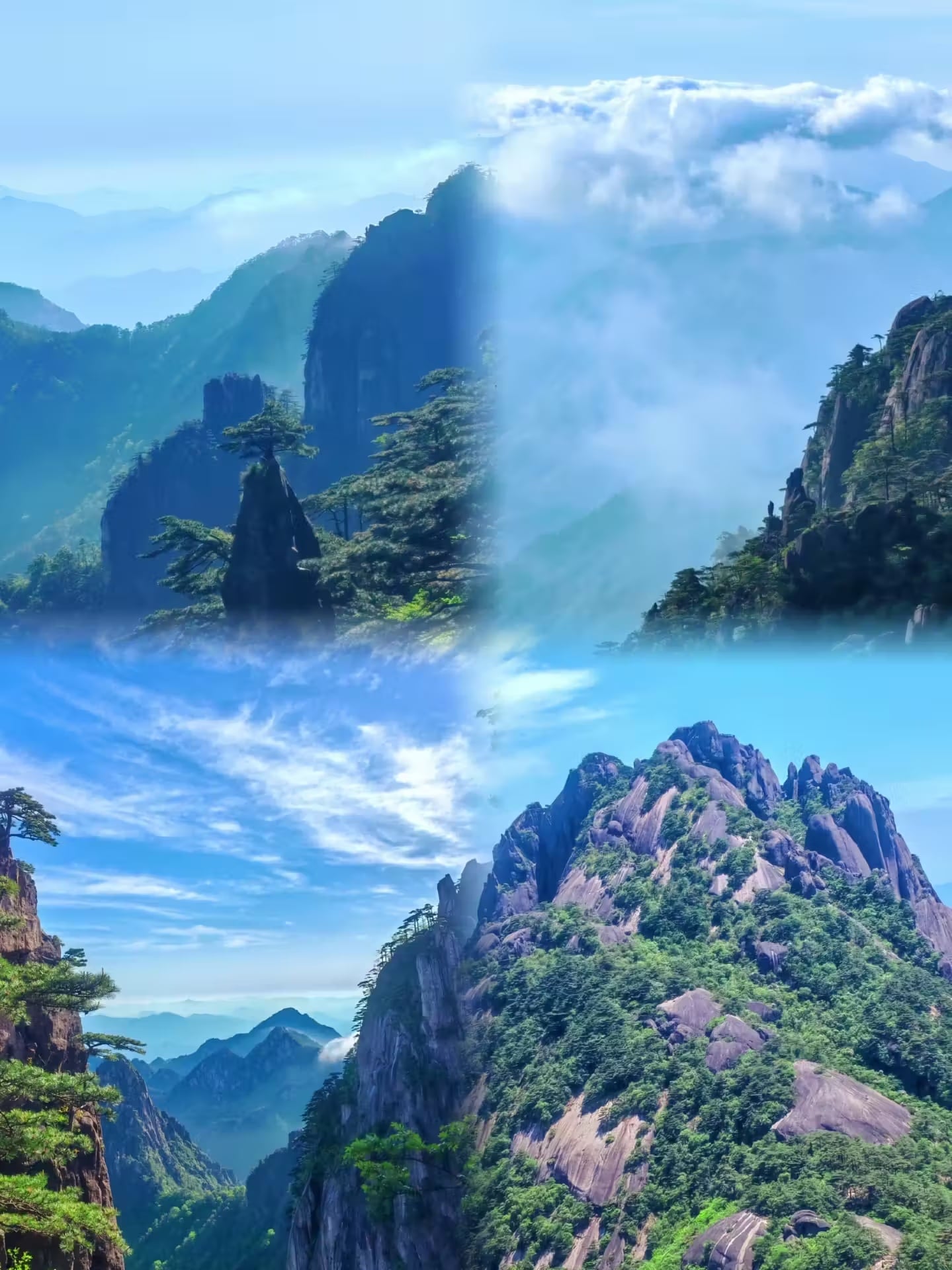
A practical two-day plan is to enter from the southern side, take the Yungu Cableway up, explore the northern mountain paths and stay in the Tianhai area. On the second day, continue towards Yuping and the Welcoming Pine before descending by cableway. The West Sea Grand Canyon can be part of the first day when trails are open and you have enough time and energy.
Cableways remove a substantial climb from the valley, but they do not remove the stairs between sights. Huangshan’s paths include repeated ascents, descents and narrow sections. Treat this as a mountain walk, with breaks and a flexible finish, rather than an easy stroll from one cableway to another.
Allow a full first day if you want to include the canyon. Arriving in Tangkou late in the morning, joining queues and then attempting every viewpoint before sunset leaves little margin. Staying in Tangkou the night before is a useful option if your train arrives too late for an early start.
Reserve your mountain accommodation and scenic-area entry as separate parts of the trip. Check that the booked entrance direction and time suit your route, and use the same identification details for reservation and admission. Overseas visitors should confirm the passport-booking and verification process through the official platform or their accommodation.
From Tangkou’s southern transfer system, take the authorised scenic-area shuttle towards Yungu Temple and the Yungu Cableway. The transfer centre, the lower cableway station and the upper mountain are different stages of the journey; allow for boarding and ticket checks rather than treating arrival in Tangkou as arrival at the viewpoints.
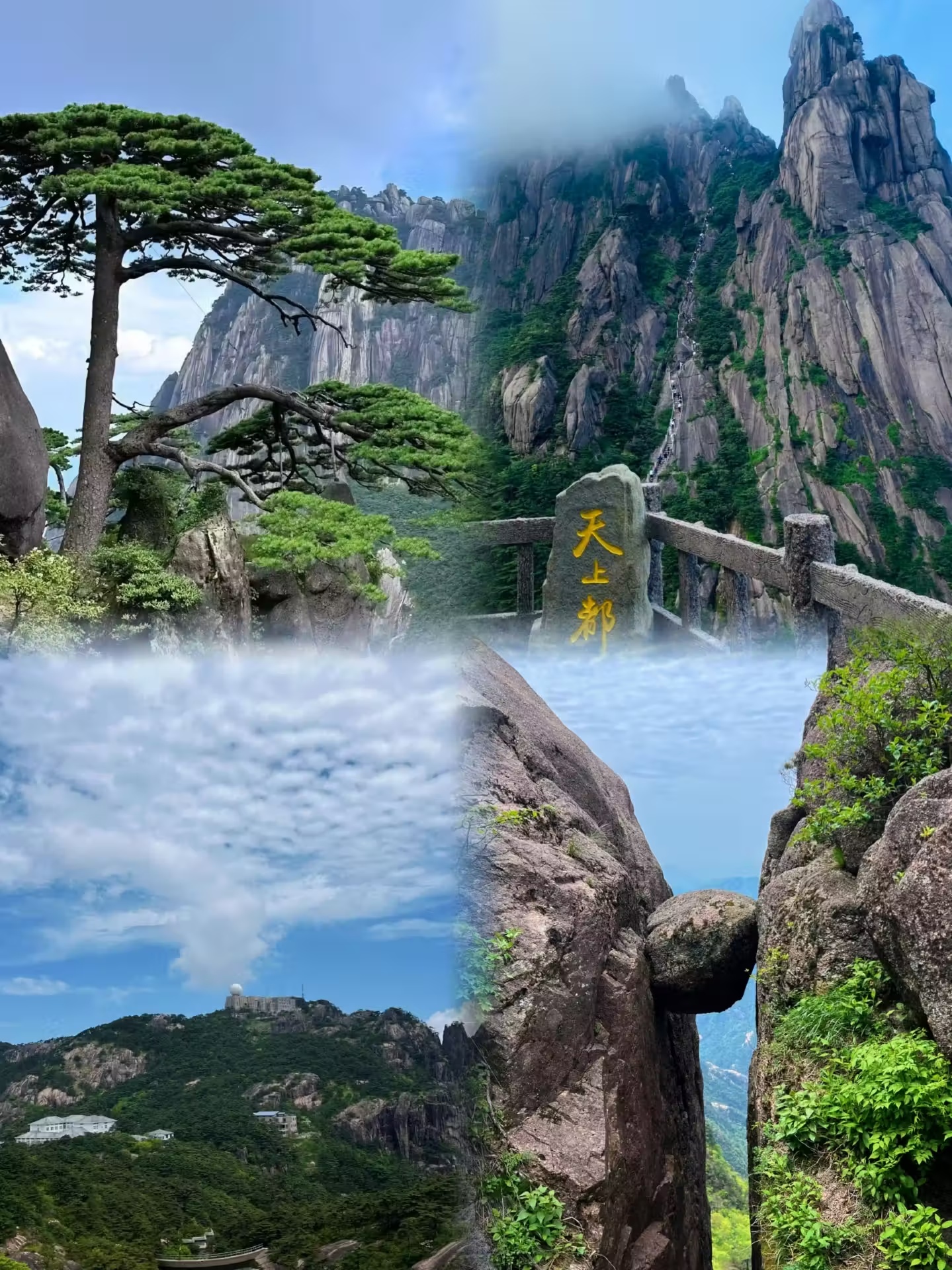
After the cableway ascent, follow open paths towards Beginning-to-Believe Peak, known locally as Shixin Peak, and the Beihai area. This is a good part of the day to pause for pines, granite formations and views between ridges. Choose a few viewpoints you can enjoy properly, rather than adding every nearby detour.
Keep checking the time against your hotel location. If you are staying around Tianhai, you still need to walk there. Ask the hotel for the most suitable approach under current trail conditions and arrive with enough daylight to settle in.
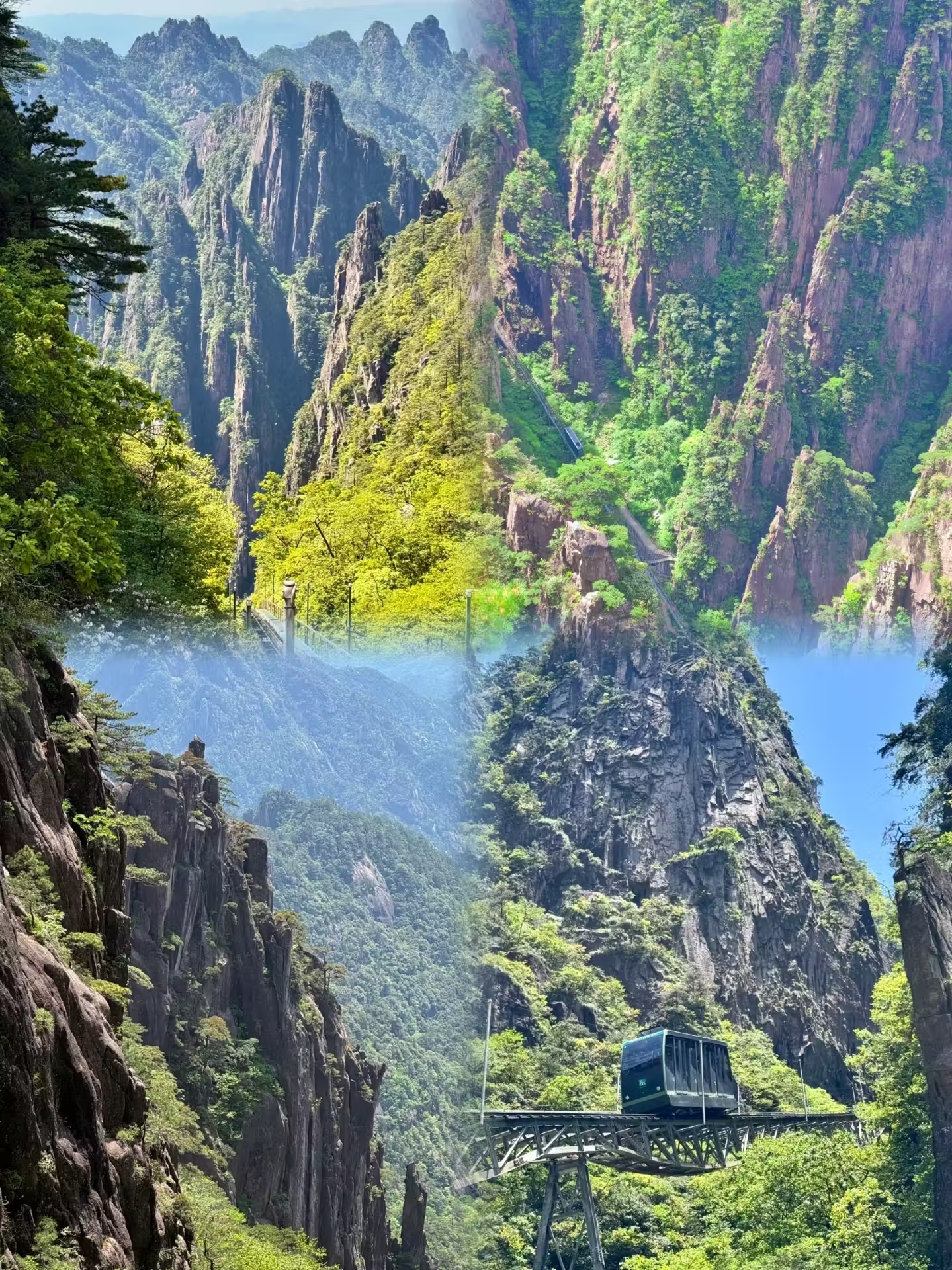
The canyon is a substantial extension, with steep walking and a different sense of scale from the ridge paths. The scenic area’s recommended traversal starts at the northern entrance near Paiyun Pavilion, continues through the First and Second Rings to the valley floor, then uses the funicular up to Tianhai.
The funicular connects the valley floor with Tianhai. It is not a lift from Paiyun Pavilion straight down into the canyon. Reaching its lower station on this route involves descending the canyon paths first, and the ride requires a separate ticket.
If you only want a short look from the northern entrance, turn back at a suitable open viewpoint and return along the permitted path. That is a different plan from the full traversal, so check how the remaining mountain walk connects to your hotel. Do not descend beyond a point you can comfortably retrace unless you have confirmed the onward route and service times.
The canyon and funicular have seasonal maintenance closures and can close temporarily in poor weather. Check the day’s notices before entering. Skip this section if you start late, feel tired or need a simpler route; an overnight Huangshan visit does not depend on completing the canyon.
Bright Summit, or Guangming Ding, is a well-known viewpoint, but sunset is better planned around the walking distance to your accommodation. Ask staff about nearby open viewing areas, the forecast and the route back. Leave enough time to return safely, and carry a torch or headtorch in case light fades sooner than expected.
Clear skies, a cloud sea and colourful light are possibilities rather than promises. Even when the horizon stays hidden, shifting mist between the peaks can make the evening worthwhile.
Choose a sunrise viewpoint within a sensible walk of your hotel. Check the actual sunrise time and forecast, then allow time to reach the viewing area without rushing in the dark. Warm layers, a headtorch and shoes with reliable grip are more useful than a fixed early-morning schedule copied from another season.
An overnight stay makes this plan practical because you are already on the upper mountain before dawn. It does not guarantee a sunrise view. If the weather is poor, have breakfast, wait for conditions to improve and enjoy the paths in daylight.
From the Tianhai area, follow the open route towards Haixin Pavilion, Aoyu Peak and the Yuping area. The Welcoming Pine, or Yingke Song, is the main landmark to aim for before the descent. Allow for stairs, photo stops and queues at popular sections, rather than promising a fixed midday finish.
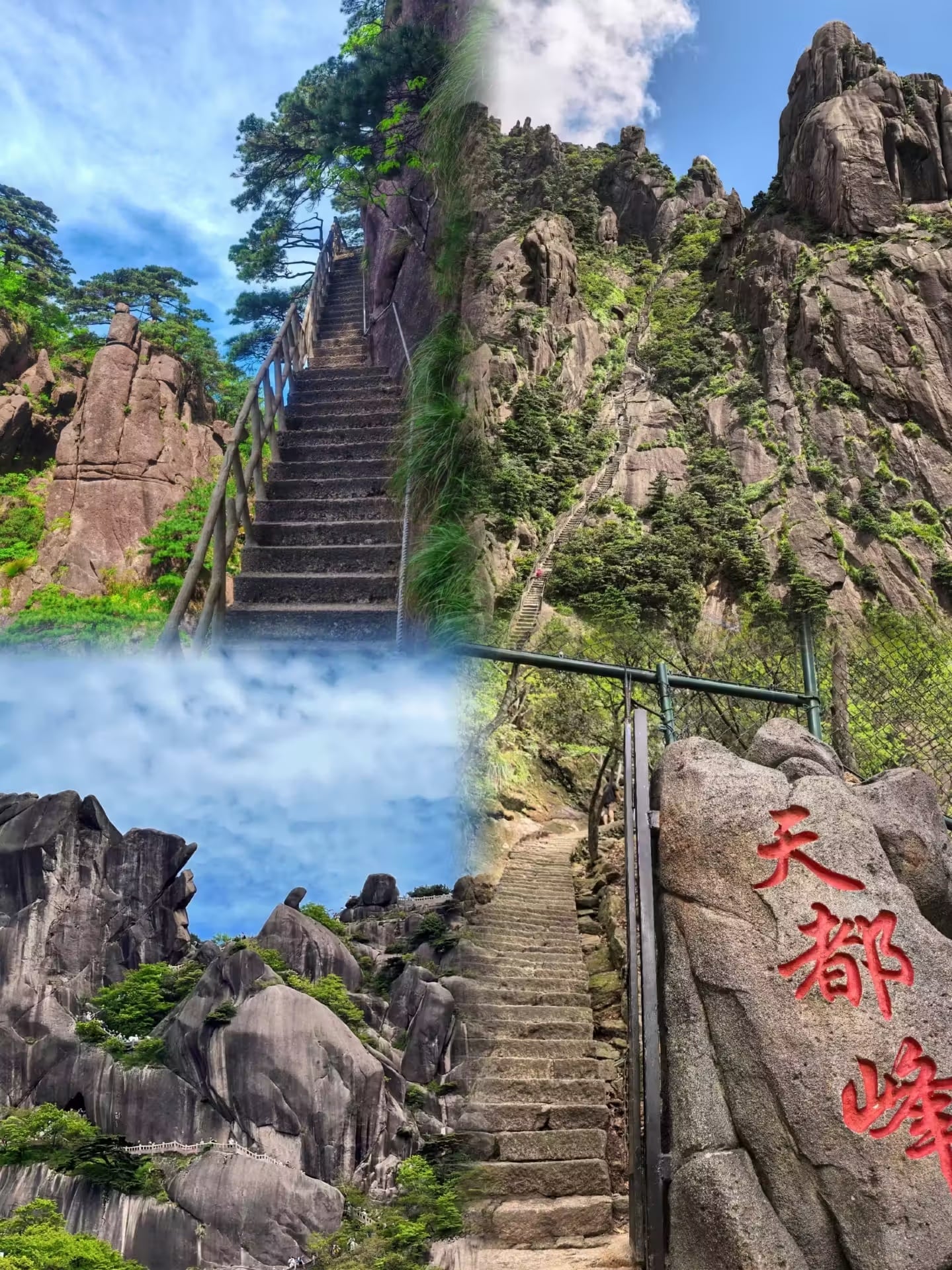
As checked in October 2026, Lotus Peak is in its closed rotation period and should not be included as an available climb. Tiandu Peak has separate access and reservation arrangements when open; it is a demanding optional climb, rather than an automatic addition to this two-day route. Follow the current trail notices and keep the main descent manageable.
Use the Yuping Cableway to descend, then take the authorised shuttle back towards the southern transfer centre. Confirm the last cableway and shuttle services for your date before committing to extra walks. Keep a generous margin for your onward train or transfer.
A hotel on the mountain and a hotel in Tangkou serve different purposes. Tangkou is useful for the night before an early ascent; a mountain hotel lets you remain among the peaks overnight. Check the exact property location before booking.
Baiyun Hotel is in the Tianhai area and suits a plan that crosses the mountain towards Yuping. Accommodation near Paiyun Pavilion is more convenient for the canyon’s northern entrance, while a stay near Yuping changes the balance of the walk. Choose the room after choosing the route, rather than assuming every mountain hotel is equally close to every viewpoint.
Book early for busy dates, but avoid relying on a universal number of days in advance. Confirm room type, meals, cancellation terms and arrival instructions. A “mountain view” room does not automatically mean a sunrise-facing window. Hotel staff can help choose a nearby viewing area on the day.
The published standard adult prices for 21 January–19 December 2026 are:
Admission plus the two cableway journeys totals CNY 360; adding one funicular journey makes CNY 460. Scenic-area shuttle buses, accommodation, food and external transfers are additional. These figures are a dated planning reference, not a quote for future travel; confirm the selected date, operating status and any concessions in the official booking process.
The scenic area uses advance real-name reservations by entrance direction and time. A hotel booking alone does not secure admission. If you plan to leave and re-enter within the ticket’s permitted validity, check the separate repeat-entry reservation process rather than assuming you can return without arranging it.
Huangshan North railway station is a useful arrival point for this southern-entry plan, with tourist coach connections towards the scenic area’s South Gate. Huangshan West station also has connections, but it is a different station with a different approach journey. Check the service that matches your actual arrival station and travel date.
Tangkou, the mountain scenic area and central Huangshan city are different places. Tunxi Old Street is in the city area, so a meal there involves another transfer; it is not a quick walk from the southern mountain entrance. For a straightforward finish, eat in Tangkou before continuing your journey.
Huizhou cooking gives the trip a satisfying finish. Look for fermented mandarin fish, known as chou gui yu, or mao tofu, a local fermented tofu dish. Chicken soup with rock lichen and dishes with dried bamboo shoots are other possibilities to check on the menu.
Choose around your dietary needs and appetite after the walk. Ask about ingredients, portions and prices before ordering, especially for fish dishes. A simple meal near your transfer point can be more comfortable than making a long detour for a restaurant recommendation.
Carry a light overnight bag and arrange storage for larger luggage before ascending. Bring comfortable footwear with grip, warm layers, a windproof waterproof outer layer, rain protection, a headtorch, a charged phone and a power bank. Pack drinking water and modest snacks; check refill and meal options locally rather than relying on free water being available everywhere.
Stay on signed paths, observe closures and give wildlife space without feeding it. Slow down on wet steps and rest before tired legs affect your footing. If fog, rain or queues change the day, shorten the route.
The point of two days on Huangshan is the time between the famous sights: a pine against the sky, a cloud lifting from a granite wall, and an evening when you can remain on the mountain. A flexible plan leaves room for those moments while keeping the walk within your energy and the day’s conditions.