13Oct
+8619705475100
[email protected]

Taoyangli brings Jingdezhen’s ceramic history into the streets. A pavilion rises above the old roofscape, the Imperial Kiln Museum turns the shape of a kiln into contemporary architecture, and nearby lanes still connect workshops, courtyards and places to eat. It is a district to explore slowly rather than a single attraction to photograph and leave.
Give the visit most of a day if you want to combine the museum, historic kiln sites and a hands-on activity. A shorter visit can focus on the pavilion and museum, but the surrounding streets help explain how porcelain production shaped the city.

Use this sequence as a starting point, then adjust it around your museum booking and the day’s open entrances:
This is a sightseeing framework, not a promise of a route without retracing your steps. Check the current visitor map and local signs before choosing the next junction. Keep a substantial part of the day for the places that interest you most.
Longzhu Pavilion, also known as Dragon Pearl Pavilion, gives the historic area a recognisable skyline. Look at it first from the open approach, then notice how it appears above brick arches and old tiled buildings as you move through the district.
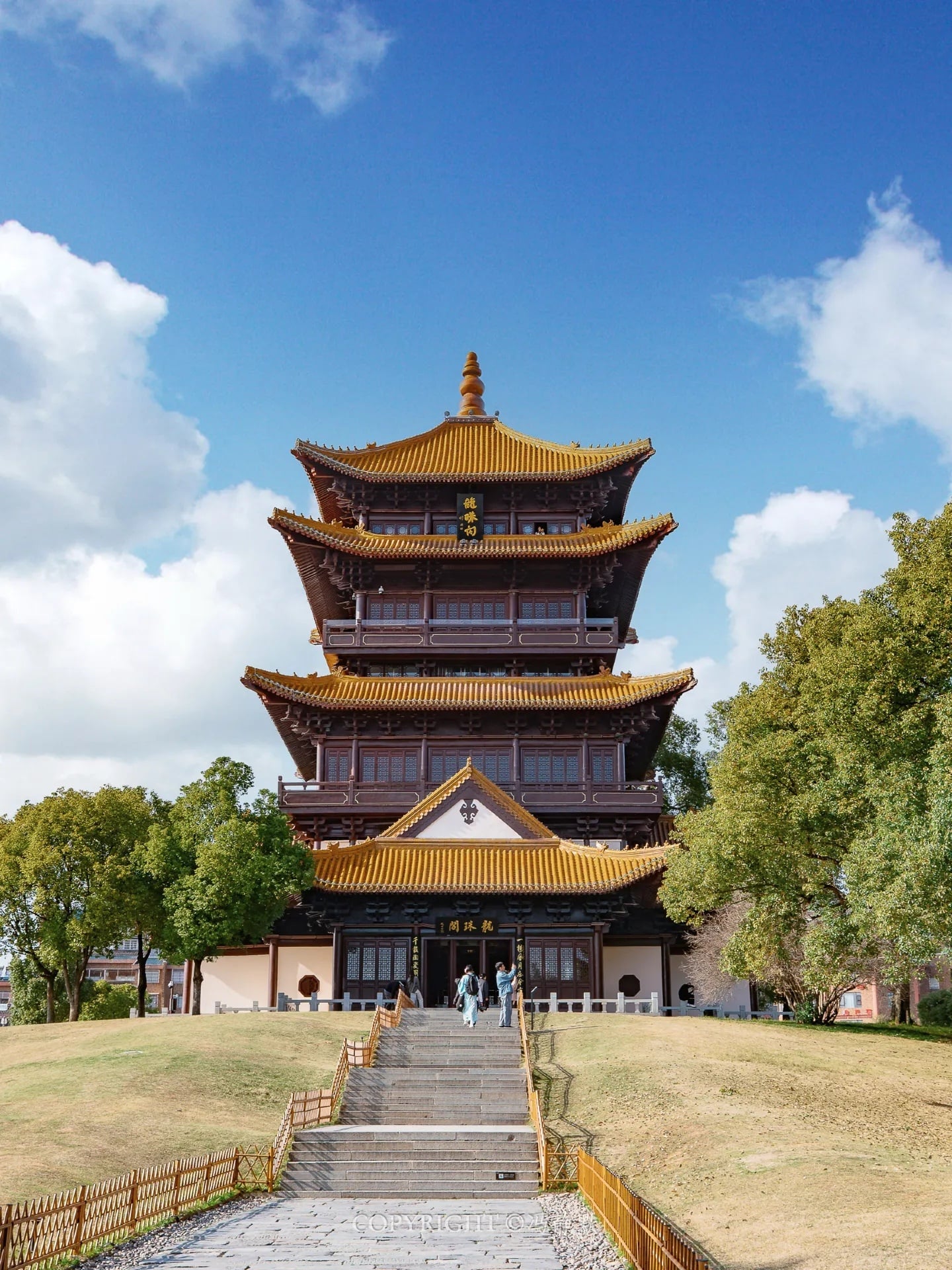
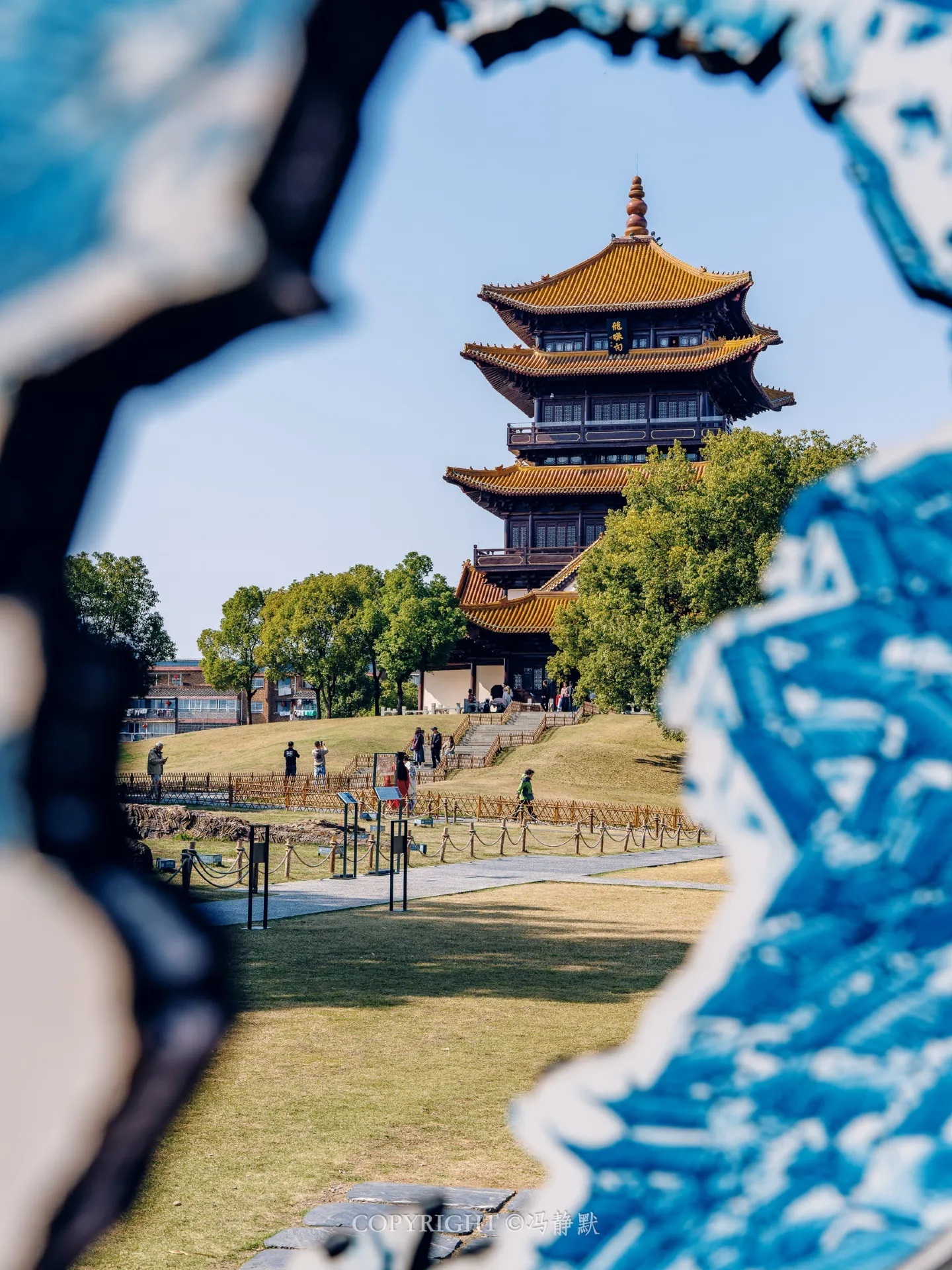
A ceramic-shaped frame can create a striking photograph of the pavilion, but a clear foreground is only one way to enjoy the view. Allow others to pass and avoid making a popular photo spot the centre of the whole visit. Use designated props or viewpoints; leave archaeological material where it belongs.
The Jingdezhen Imperial Kiln Museum stands beside the historic imperial kiln remains. Its design by Studio Zhu Pei draws on the forms of traditional brick kilns. Curved vaults, courtyards and openings create a sequence of light and shadow, with recycled kiln bricks mixed with new brickwork.
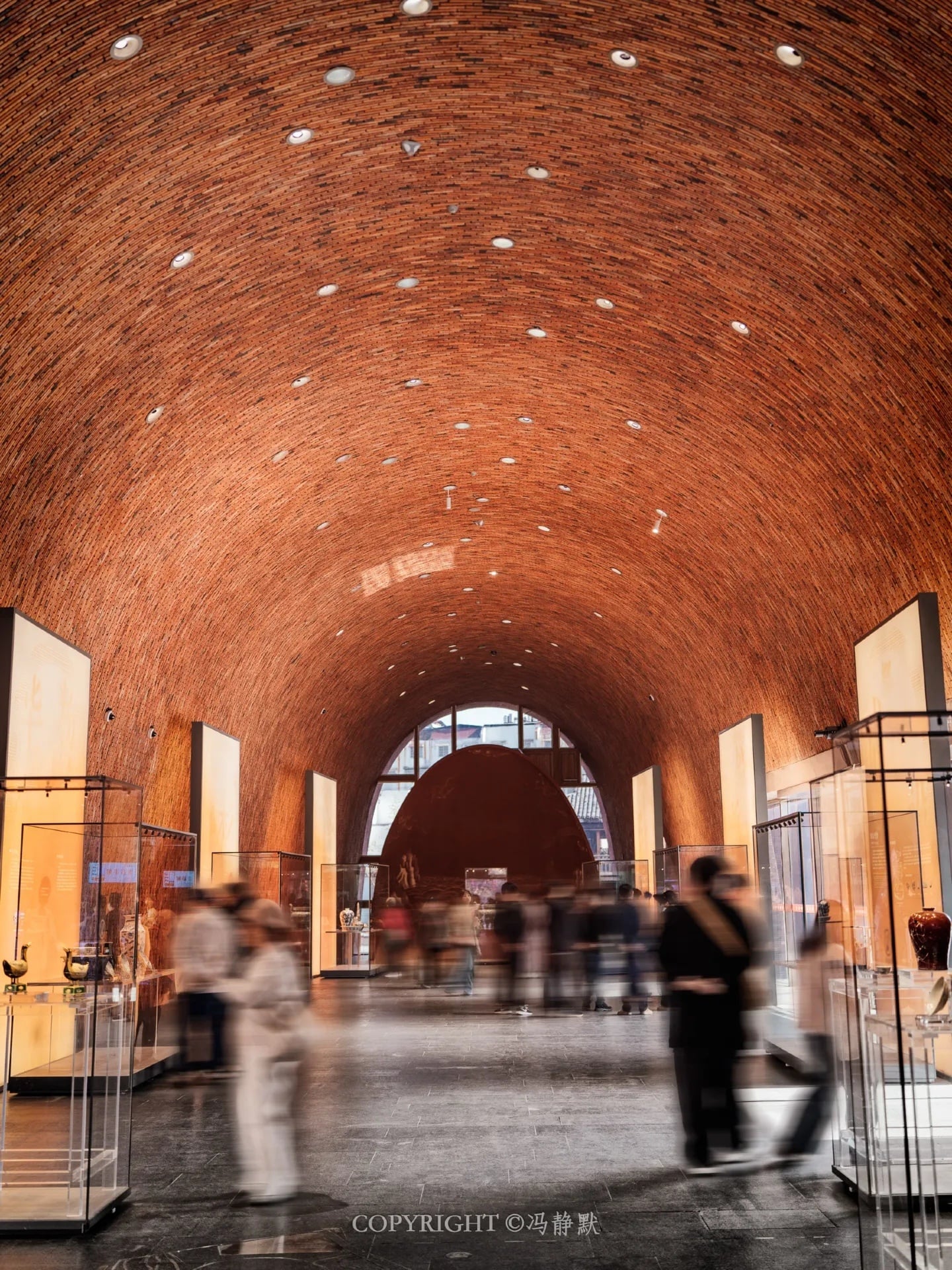
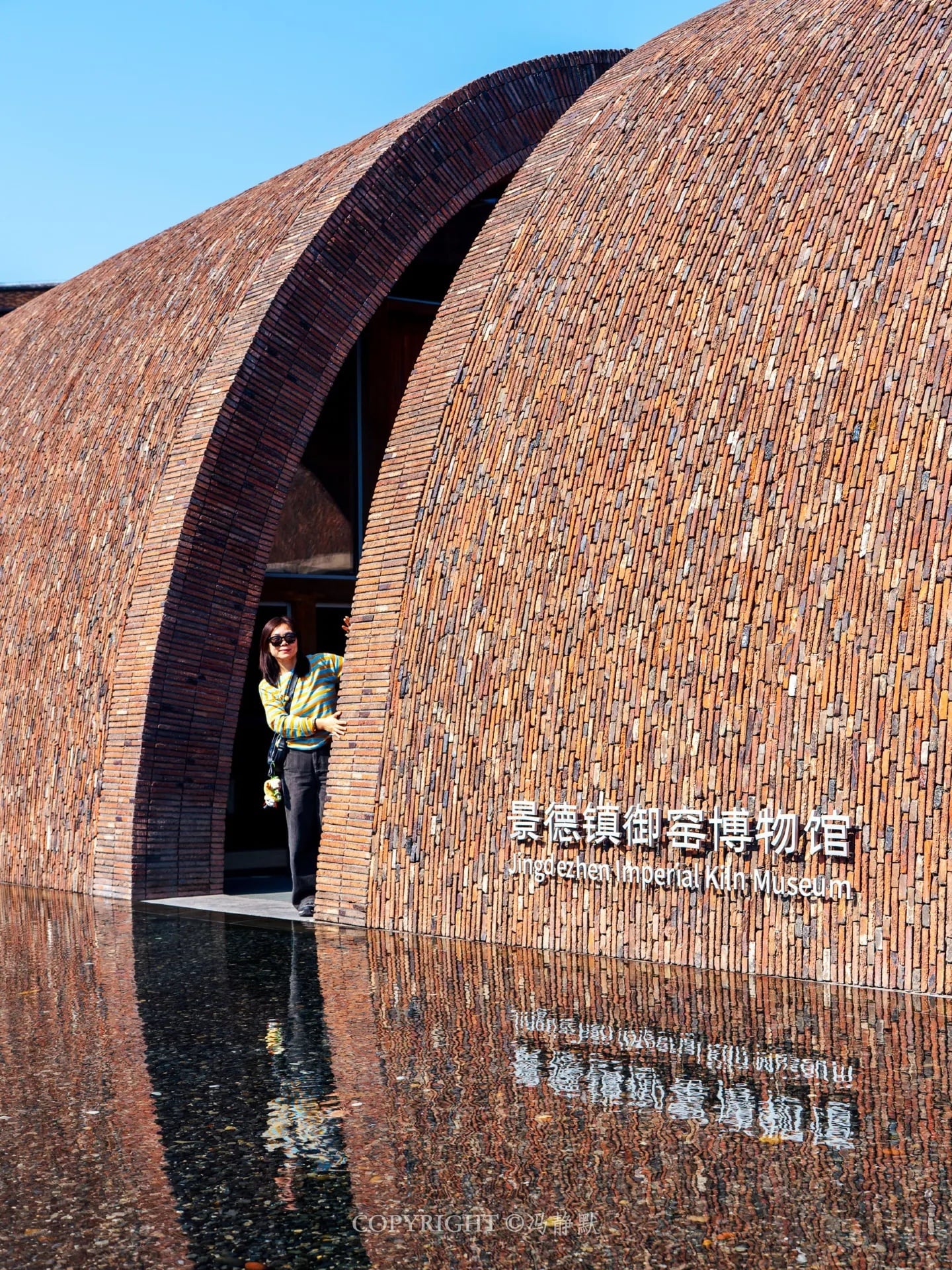
Make time for the displays as well as the building. Seeing ceramics and fragments in the setting of the former imperial production area gives the architecture a purpose beyond its striking appearance. A guide or the museum’s own interpretation can help connect the objects with how they were made and used.
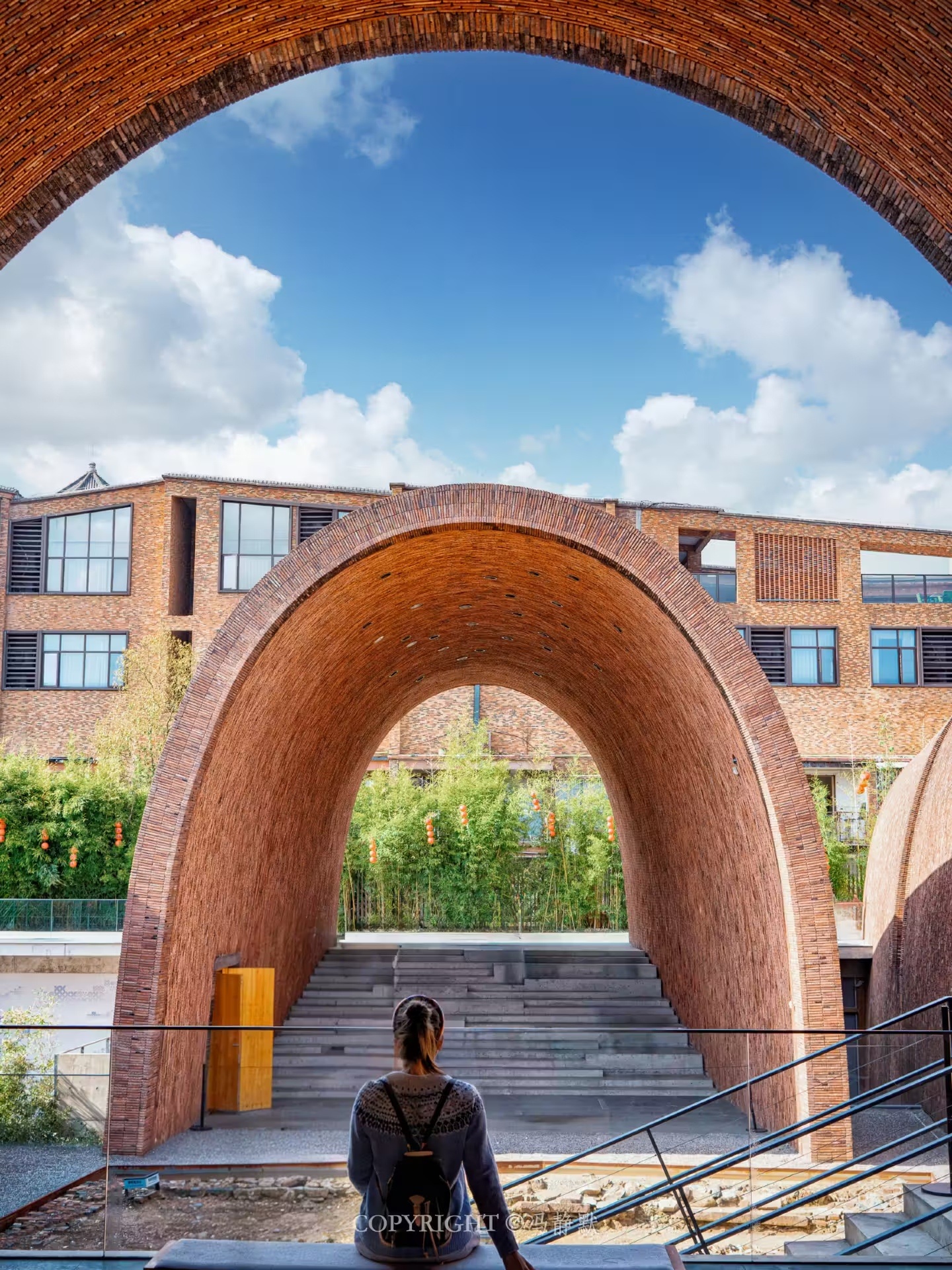
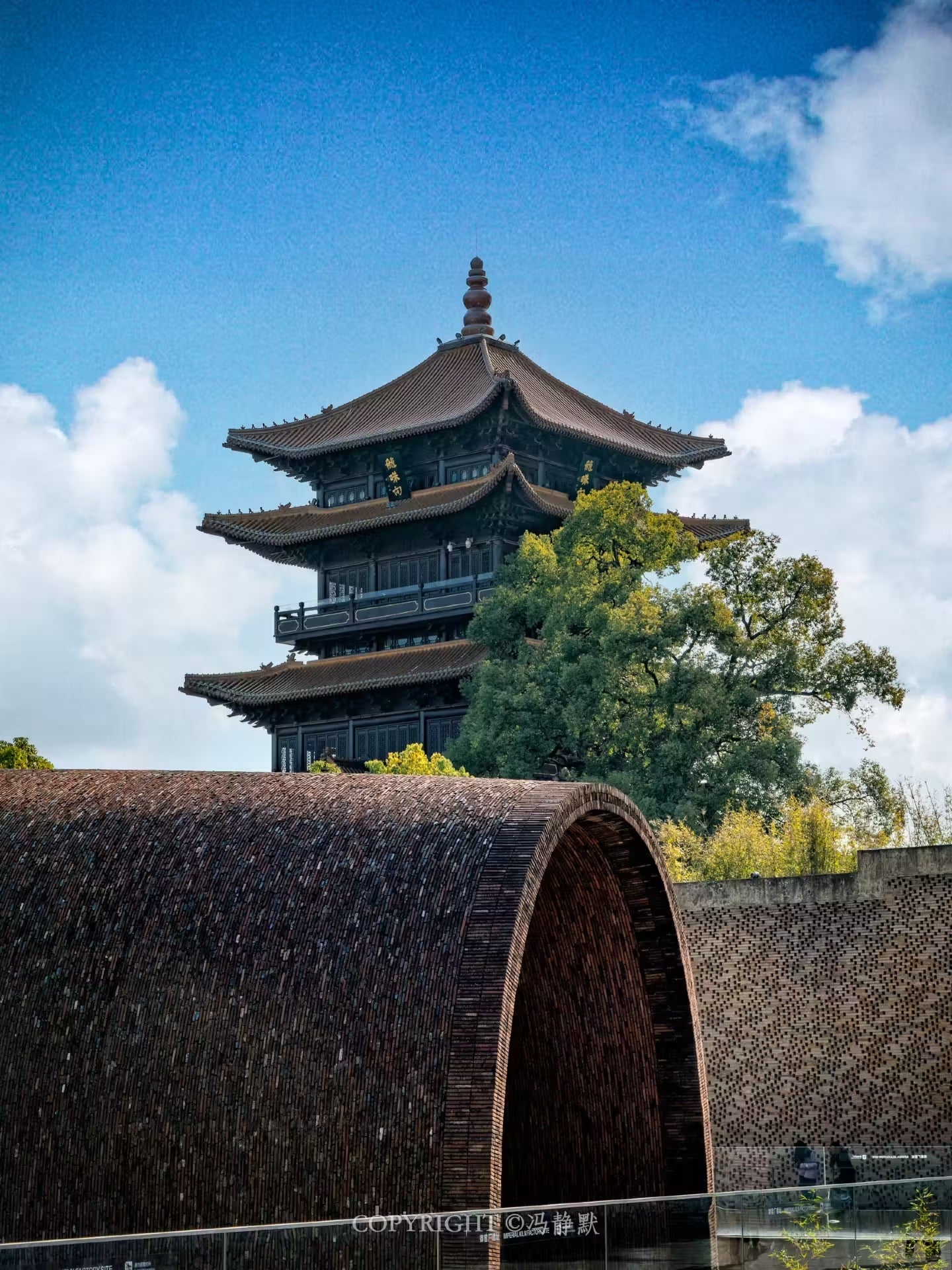
Plan the museum around its own admission and reservation arrangements. The hours of the wider Taoyangli district do not automatically apply to every gallery. Confirm the selected date, entry slot and any weekly closure or holiday exception through the museum’s official information.
Continue into the kiln area when the open routes allow. The West Wall Ruins and the surviving kiln settings give a different sense of the place from the finished museum galleries. Look for the relationship between working spaces, kiln structures and the surrounding houses.
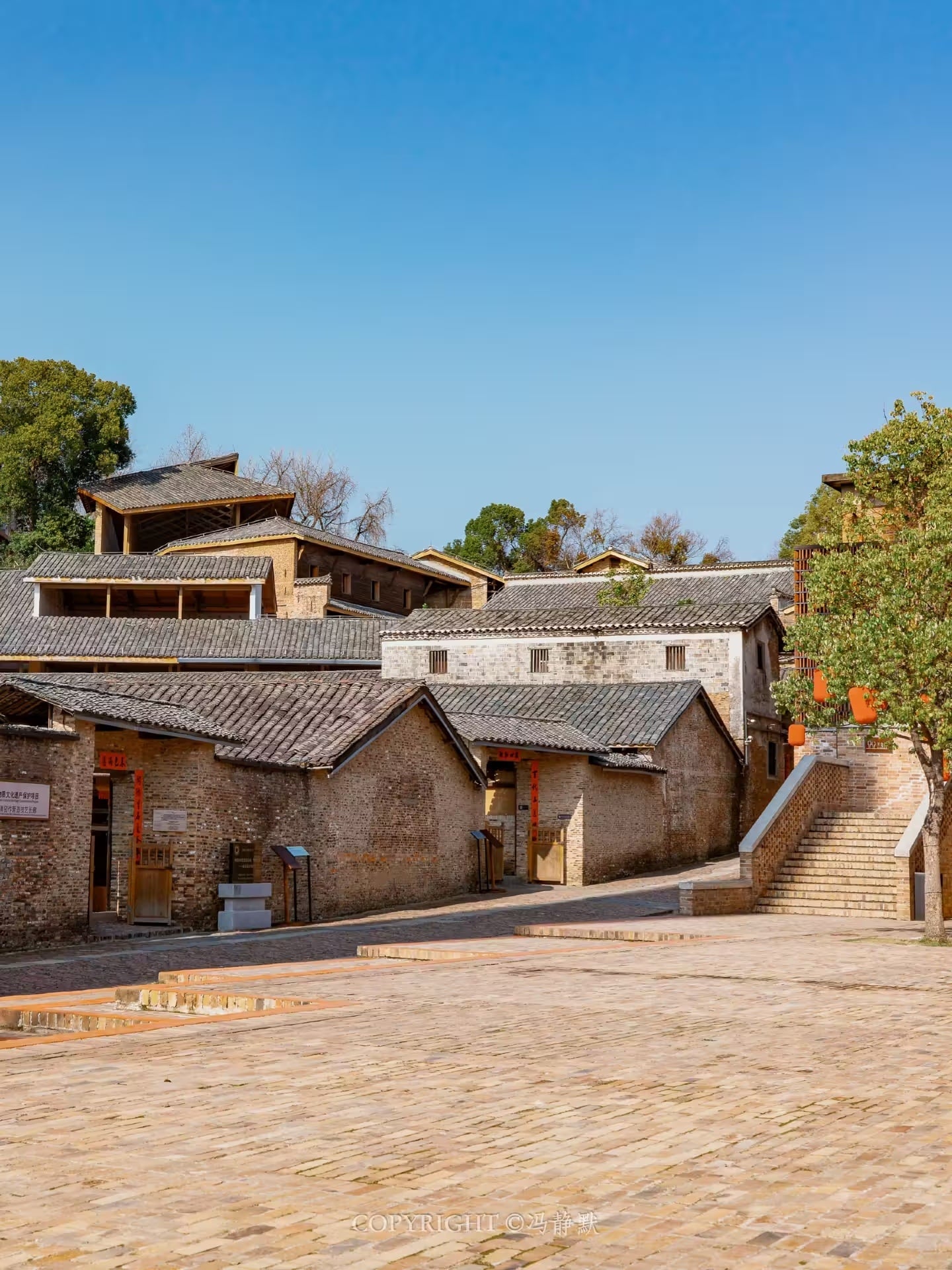
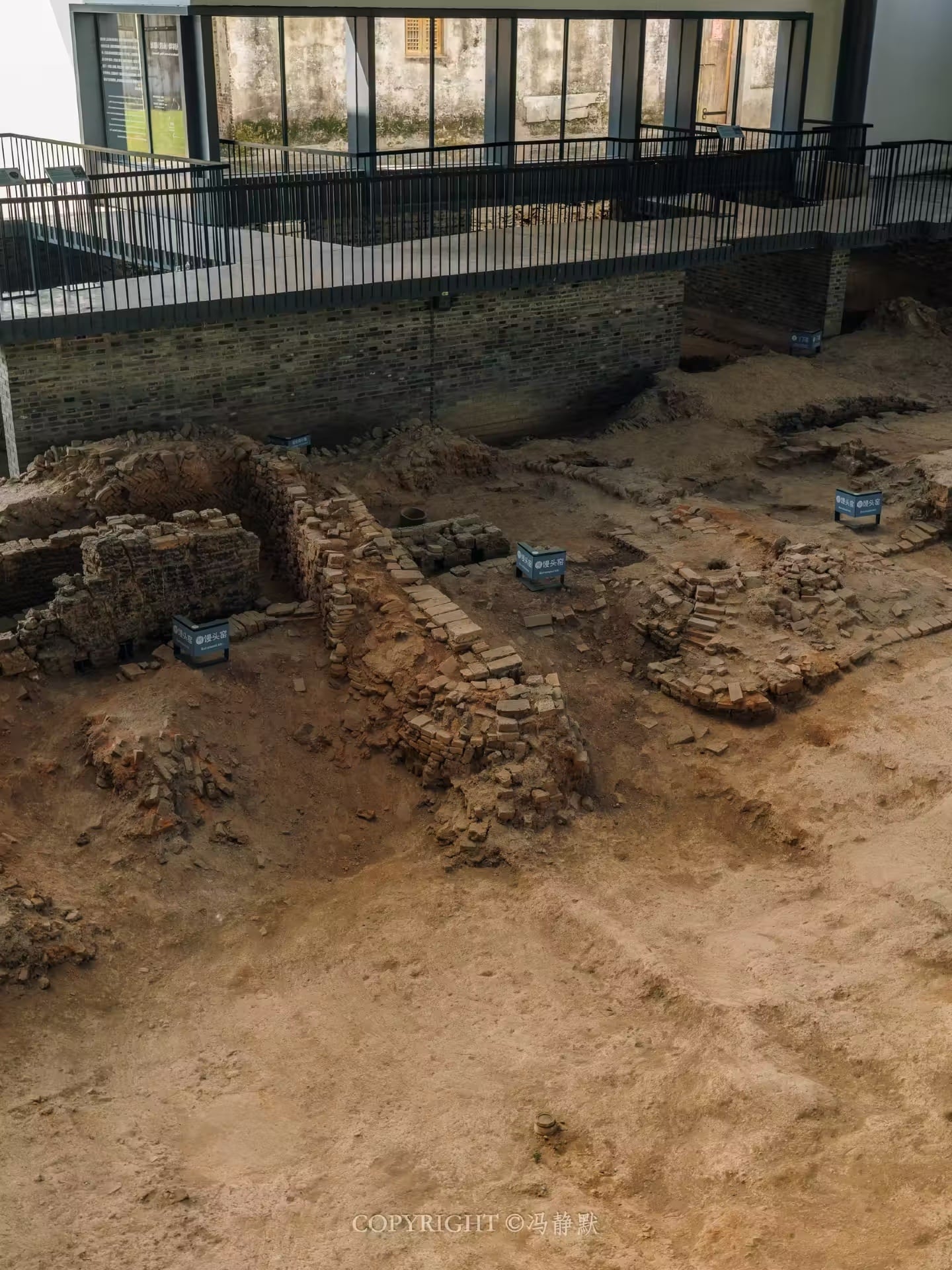
Huanglaoda Kiln and Xujia Kiln are names to include in your planning. At Xujia, the open workshop setting can offer a look at ceramic production and opportunities for making, subject to the day’s programme. Do not assume every stage of production is being demonstrated continuously or that a firing will happen during the visit.
A workshop changes the visit from looking at porcelain to understanding some of the work behind it. Ask at Xujia Kiln or the relevant craft venue about sessions available that day. Before booking, confirm the activity, duration, age suitability, language support and what happens to the finished piece.
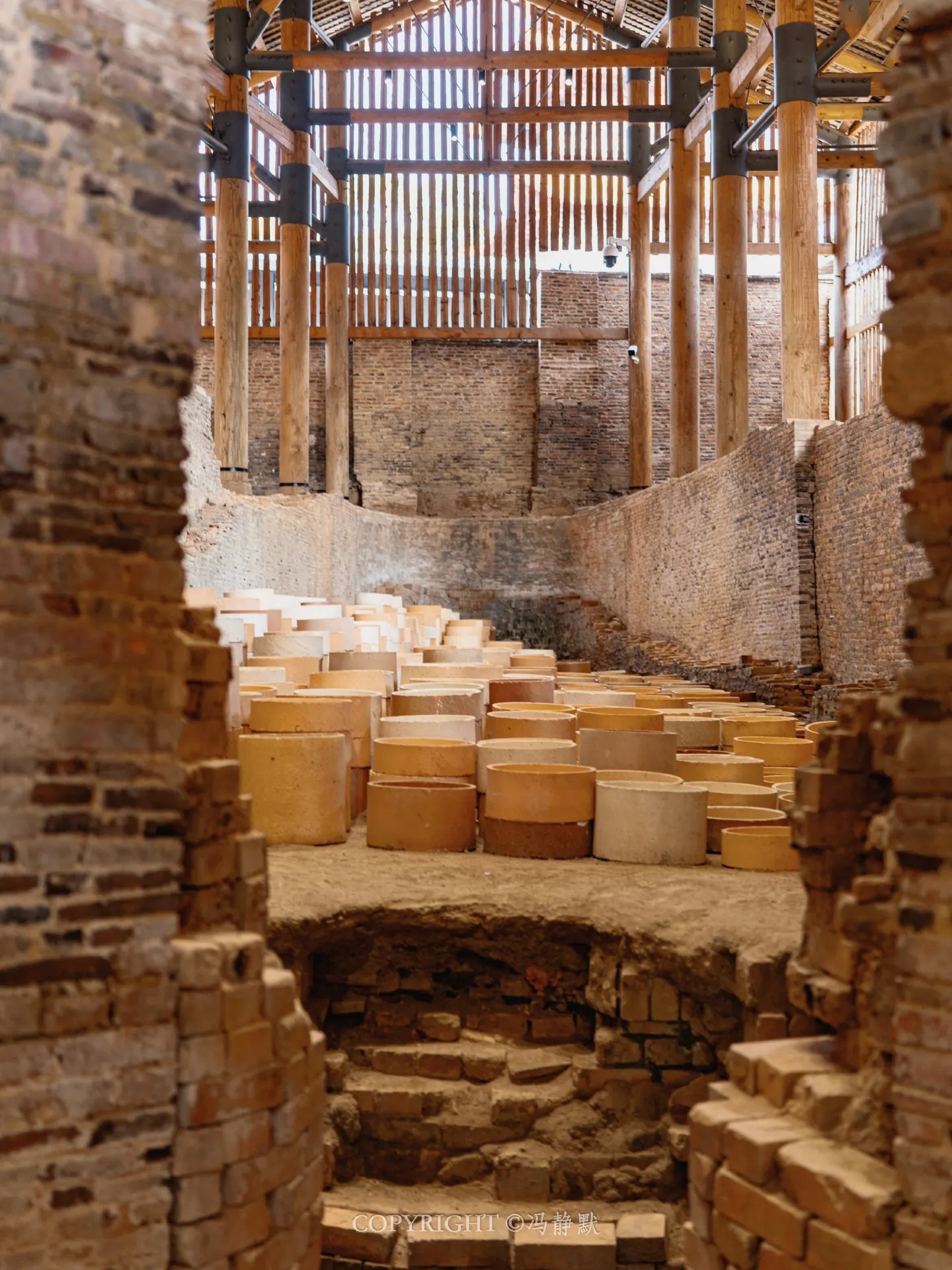
For pottery, shaping clay and taking home a fired object are different stages. Ask whether firing, glazing, collection or shipping are included, and how long they take. A same-day session does not necessarily produce a finished ceramic item you can carry away that afternoon.
The Baigong Baijiang Craft Community brings a broader range of traditional skills into Taoyangli’s lanes. Artisans and activities vary, so choose according to what is actually running. Watching a maker at work can be worthwhile even when you decide against a paid session.
The spaces between named attractions deserve attention. Narrow brick lanes, tiled gateways, paper-cut window decorations and courtyard roofs reveal another side of the historic district. Walk at a pace that lets you notice the materials and details.
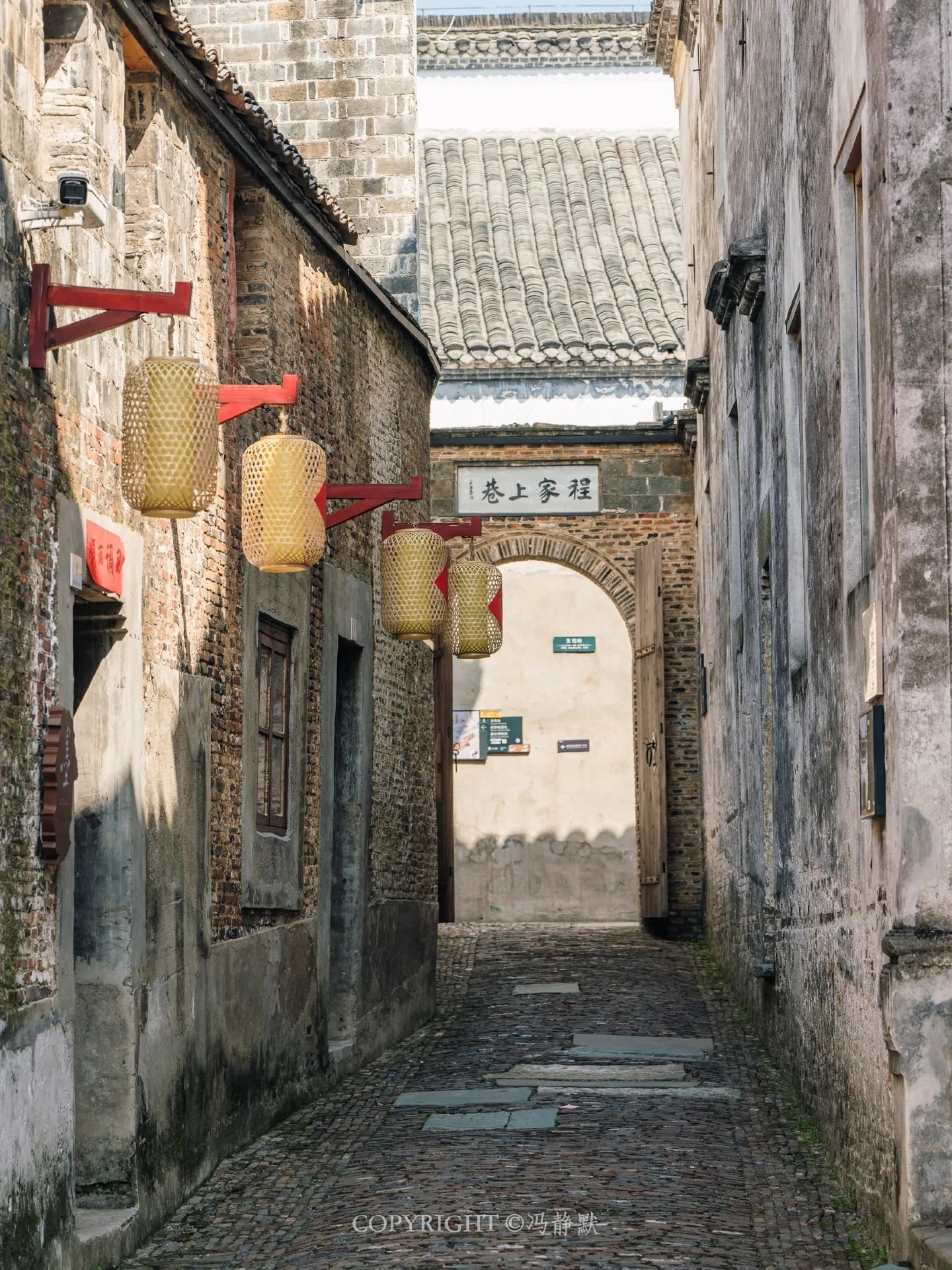
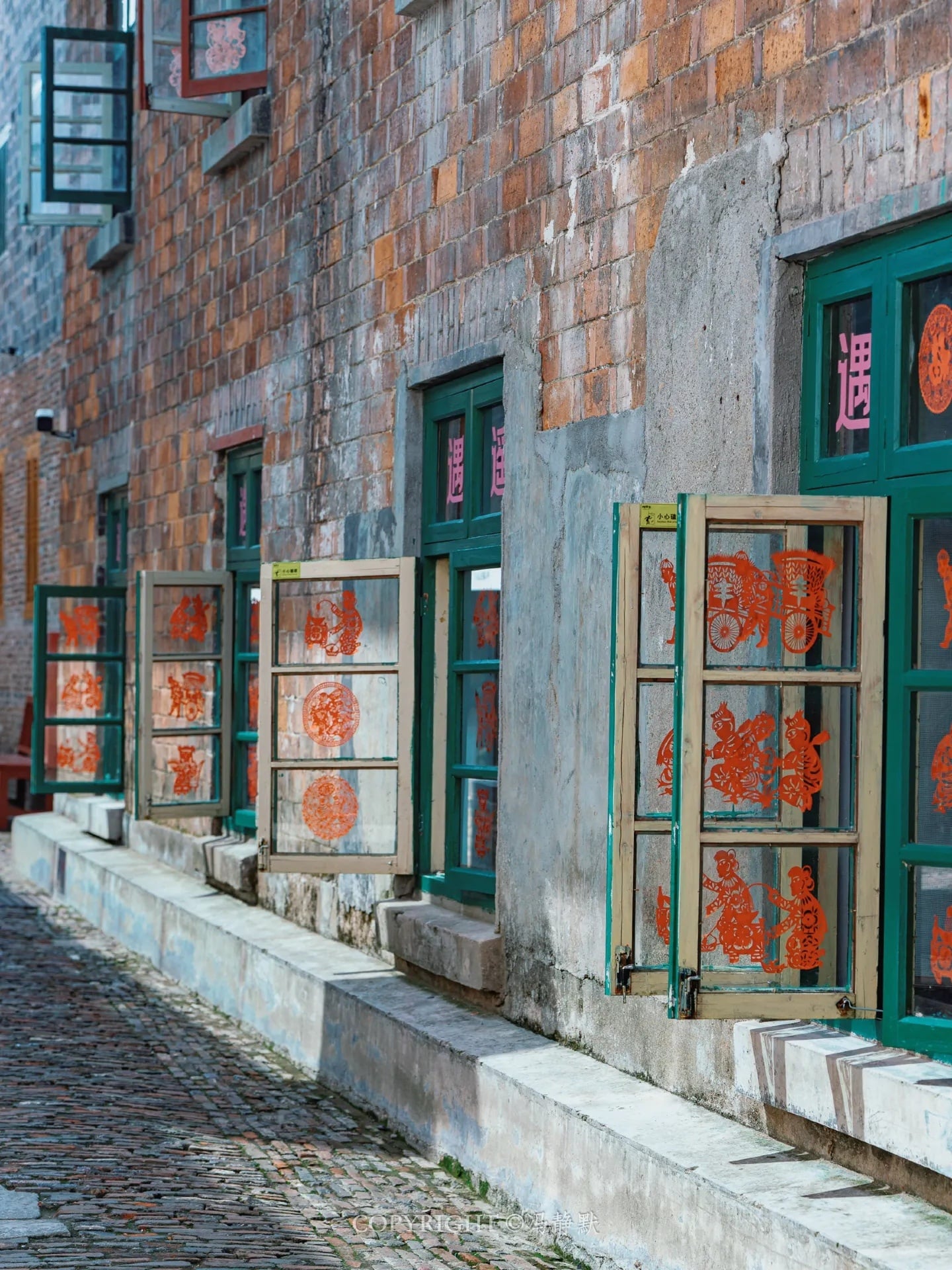
Colourful walls provide a lighter pause between museum and kiln visits. Keep photographs considerate: ask before making a portrait of a worker, leave entrances clear and respect any areas reserved for residents or workshop staff.
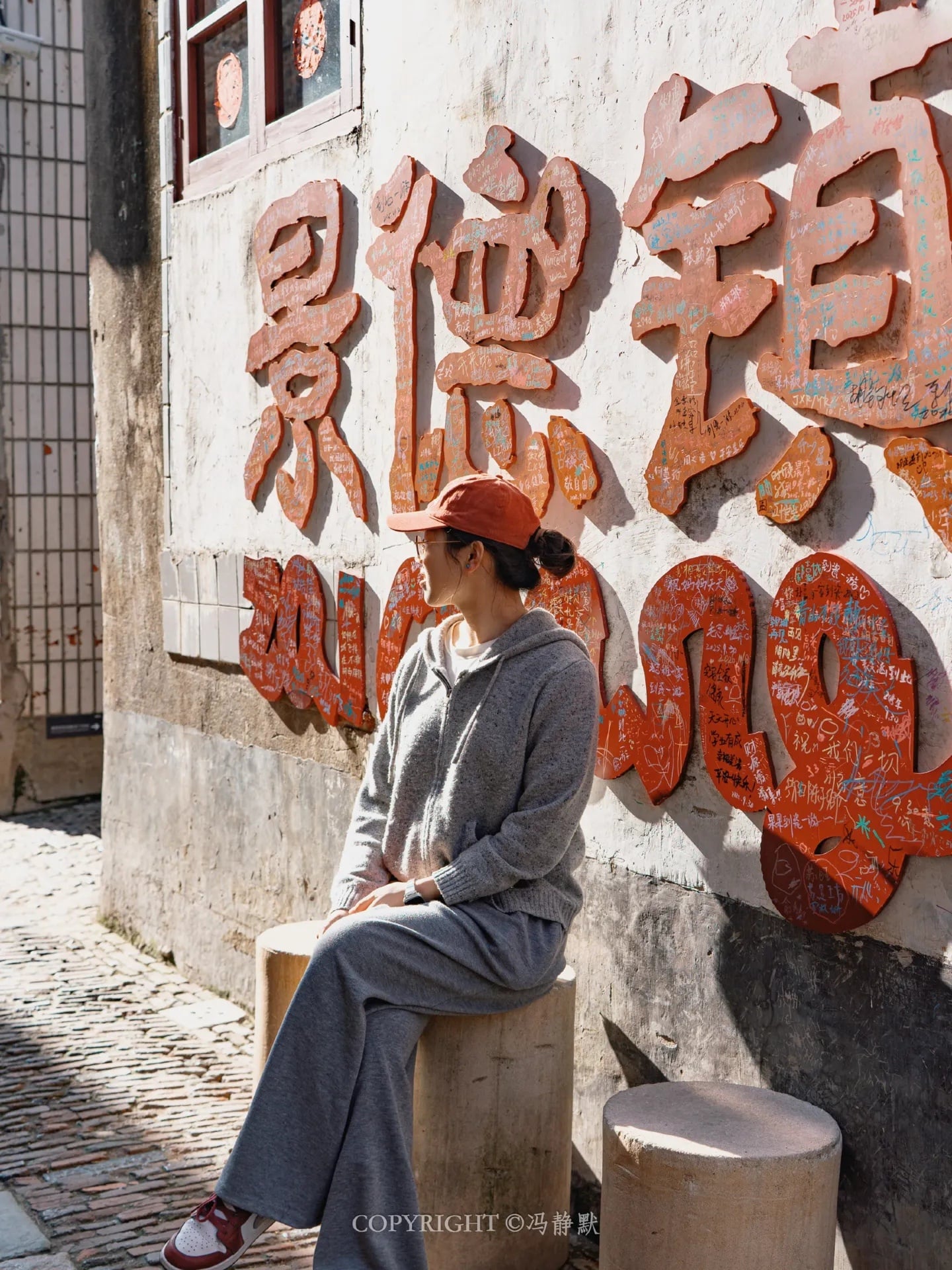
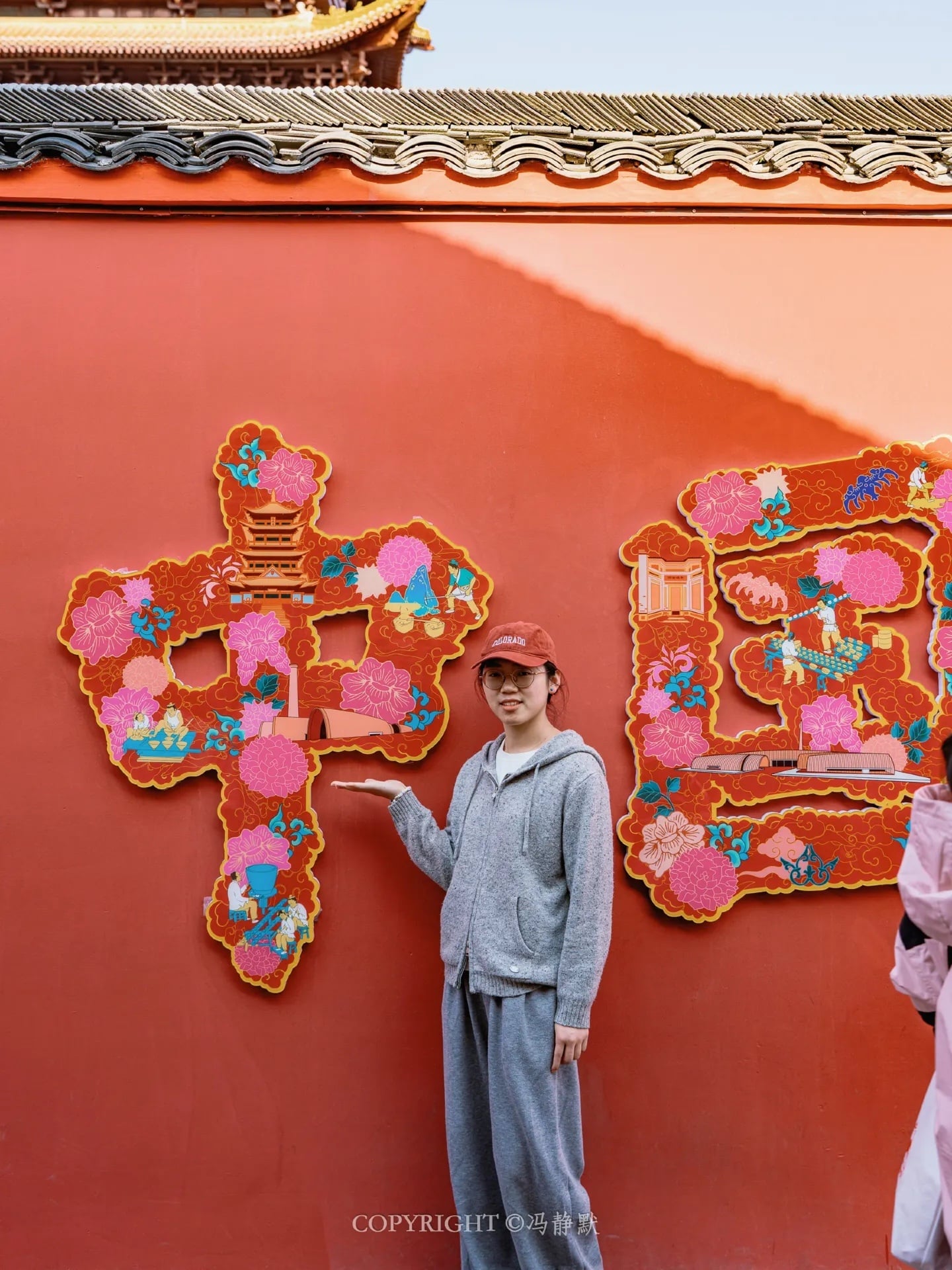
Taoyangli includes heritage settings alongside everyday businesses and contemporary visitor spaces. A decorated wall is part of that present-day experience; it need not be treated as a historic relic to be enjoyed.
Zhongshan North Road adds street life to the itinerary, with shopfronts, food options and places for a break. Leave time to sit down rather than moving directly from one photo stop to the next. Compare menus and prices before ordering, and ask before handling ceramics displayed for sale.
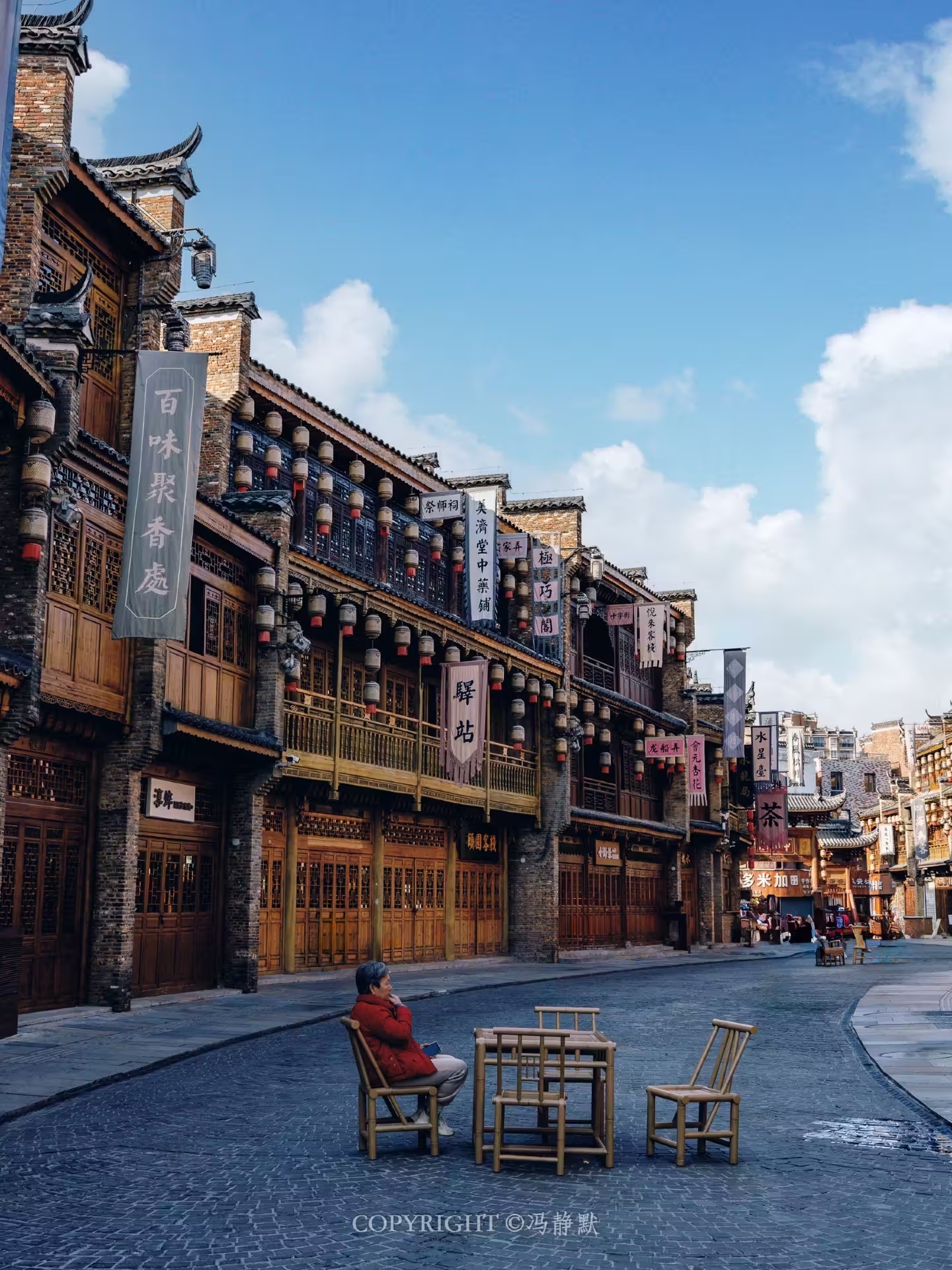

The lanes around Hubei Guild Hall and the craft community provide another connection with the district’s history. Follow the visitor information for access to specific buildings; seeing a façade does not necessarily mean every interior is open throughout the day.
The He Yi Jingdezhen immersive VR experience is another possible way to encounter the city’s ceramic story. Treat it as an optional activity with its own availability and admission conditions, rather than a necessary part of the walking route.
Check the session schedule, language options, age rules and whether the experience suits you before paying. If your time is limited, prioritise the museum and physical kiln settings, then choose either a craft session or VR instead of rushing through both.
Taoyangli is in Jingdezhen’s old city centre. Arriving at Jingdezhen North railway station still leaves an onward transfer; use a licensed taxi or an appropriate booked service and allow for traffic. Confirm the entrance and pickup point rather than relying on a fixed 15-minute drive.
If driving, check the current South Gate access and parking arrangements before setting off. The wider district, the Imperial Kiln Museum and individual experiences can have different admission or reservation requirements. A booking for one element should not be assumed to cover all of them.
The museum uses real-name reservations. Overseas visitors should confirm the passport-entry process through the official platform or visitor service team, and keep the same identification ready for admission. Check opening and last-entry times for your actual date, including any Monday or holiday changes.
A half day works best as a focused visit to the pavilion, museum and one nearby kiln or lane. A full day gives room for a workshop, a meal and more of the historic streets. Choose the museum entry first, then build the rest of the walk around it.
Late-afternoon light may offer another view of the brick architecture, and parts of the district have an evening atmosphere. Confirm which venues remain open before postponing an interior visit until night. Daylight streets and illuminated buildings are different experiences, not interchangeable opening hours.
Wear comfortable shoes, carry water and leave breaks between the standing and walking. Stay within the permitted routes around archaeological remains. Taoyangli rewards the time spent connecting kiln, object, workshop and street: the photographs are a beginning, while the making gives them meaning.