18Oct
+8619705475100
[email protected]

Shaoxing is a city for changing viewpoints: from a literary courtyard to a canal bridge, from a shaded lane to open water beyond the centre. A first visit can bring those experiences together over two days, provided the plan leaves room for meals, museum visits and the journeys between places.
Use the old city as the focus of the first day. On the second, choose a landscape outing and keep any lakeside finish flexible. The route maps show the full collection of stops; they are a guide to the areas and sequence rather than a promise that every interior will fit into two busy days.
The full sequence begins with Shen Garden and Lu Xun’s Native Place, continues west towards Qingteng Study, Fushan Park and Cangqiao Straight Street, then turns north through Xixiaolu and the Yangming and Jiemin cultural areas. Shusheng Guli and Bazi Bridge complete the wider circuit. Select the parts that match your interests and the day’s opening hours.
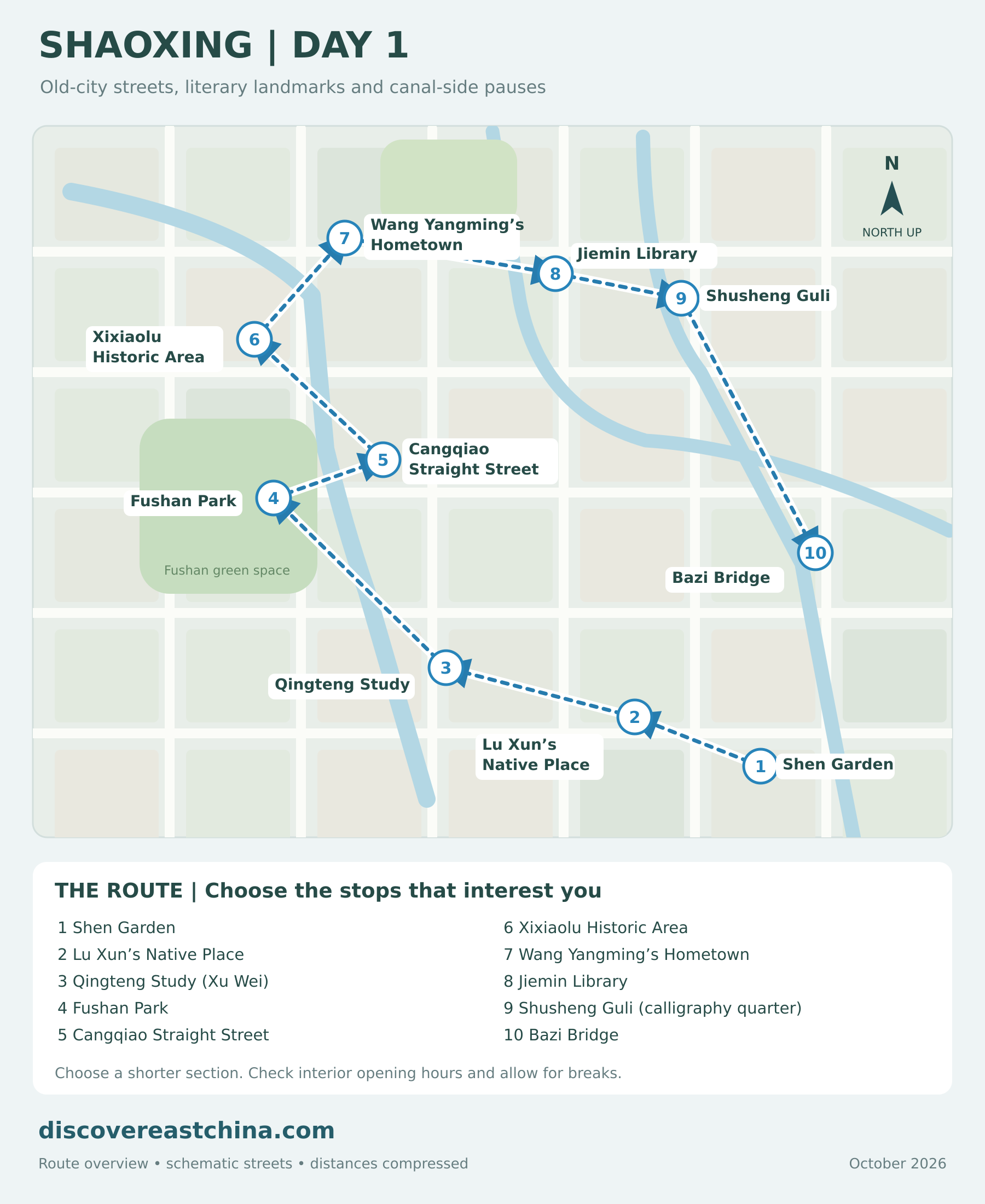
Shen Garden introduces the literary memory of Lu You and Tang Wan. Lu Xun’s Native Place, nearby in the central heritage area, explores a different period through the writer’s early-life setting. Give the historic rooms and interpretation priority if these stories are the reason for your visit.
Check each attraction’s current admission arrangements separately. Lu Xun’s historic visitor sites use reservations, while Shen Garden’s daytime visit and evening programme have their own ticket conditions. Carry the identification required for your booking and allow time for entry queues.
Qingteng Study, also known as the Green Vine Study, is a more intimate stop associated with the Ming painter, calligrapher and writer Xu Wei. Its courtyard scale is part of its charm. Check access before diverting into the lane, and take time to look at the garden details rather than expecting another large museum complex.
Fushan Park offers a change from streets and interiors, with tree shade and paths on the hill. Choose a manageable section and take care on steps after rain. Any viewpoint is a bonus, not a reason to add a steep detour when the rest of the day is already full.
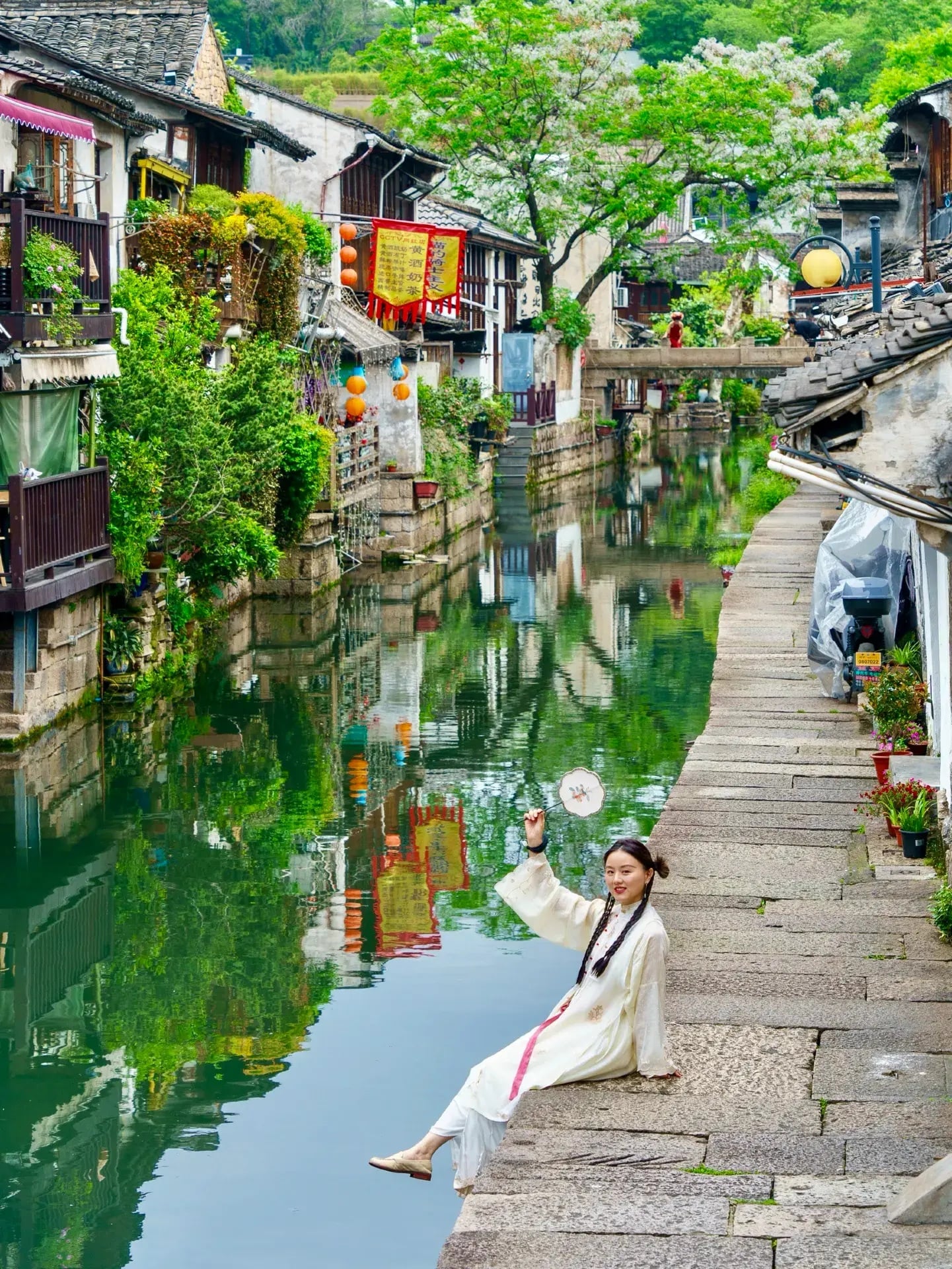
Cangqiao Straight Street and the Xixiaolu Historic Area return the visit to the water. Walk slowly enough to notice doorways, timber fronts, plants and the relationship between homes and the canal. These are living neighbourhoods as well as visitor destinations, so leave entrances clear and ask before taking close portraits.
A meal or seated break fits naturally here. Look at the menu and choose somewhere comfortable instead of treating every street as another landmark to finish. Crowds and businesses change, so a description of a quiet lane should not be taken as a guarantee for a holiday weekend.
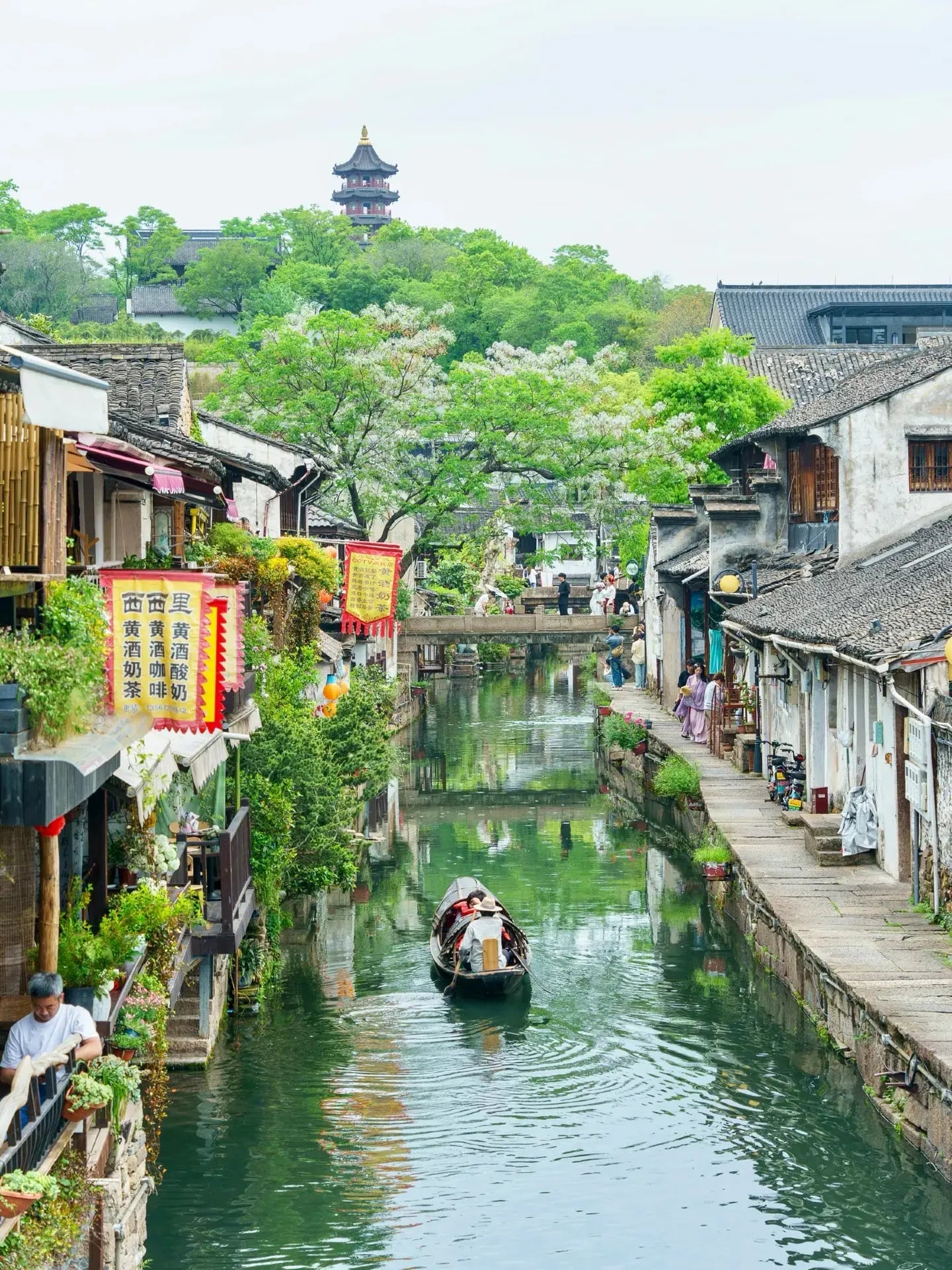
Wang Yangming’s Hometown adds a philosophical strand to the visit. Its cultural spaces sit within the renewed old-city setting; check the exhibitions and areas open on the day. Architecture, water and courtyards can be interesting even when you are not planning an extended exhibition visit.
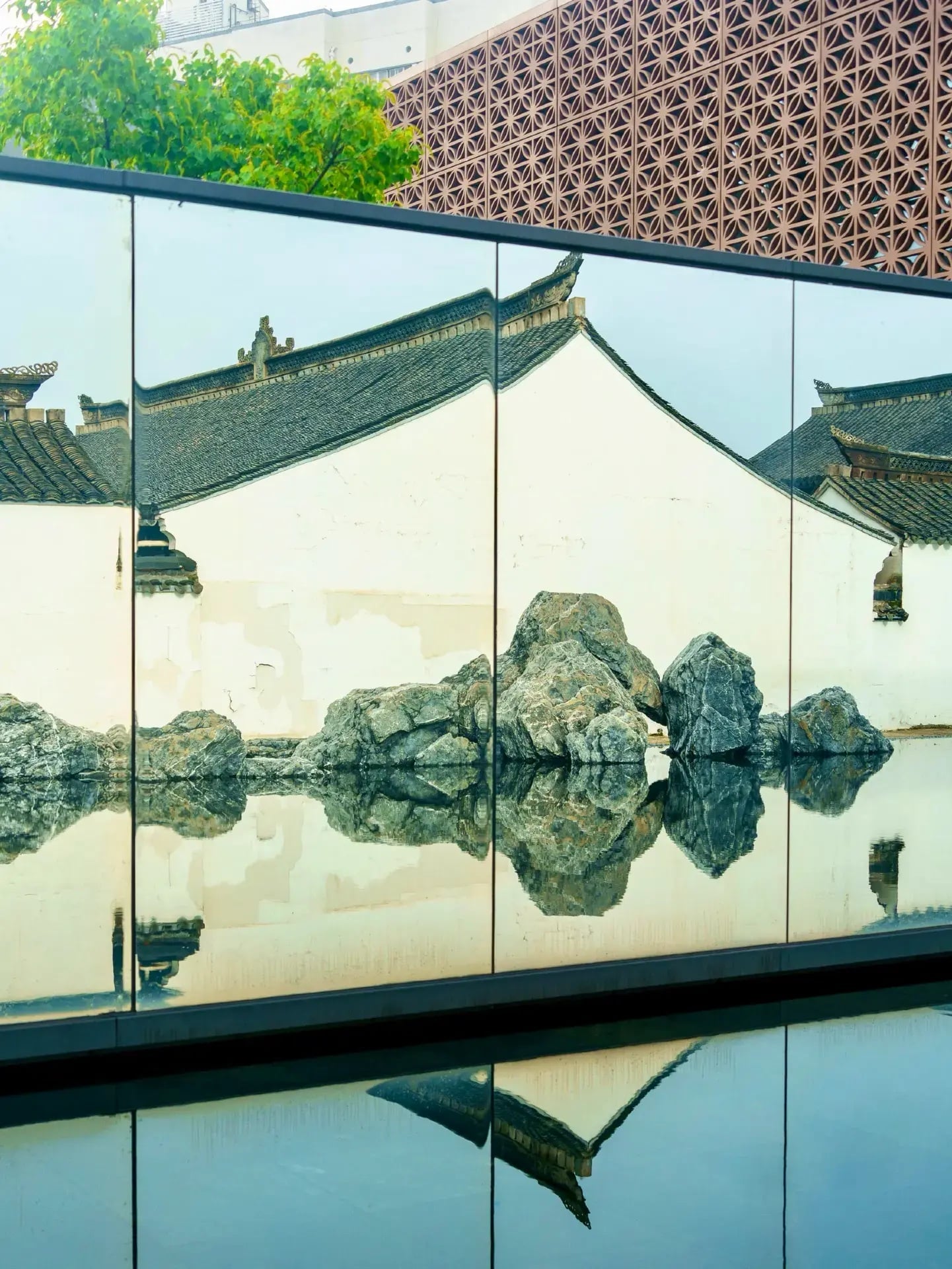
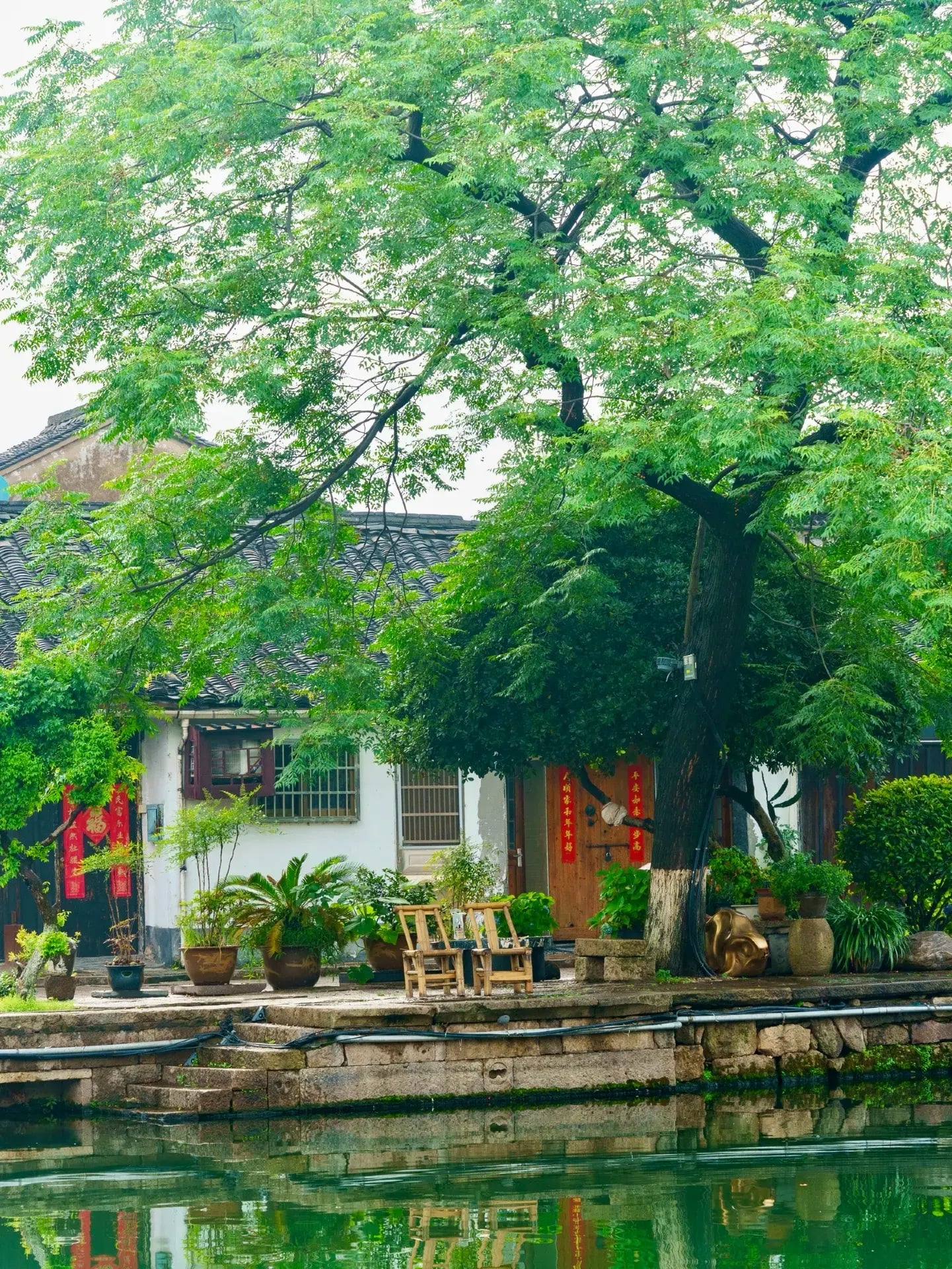
Jiemin Library is associated with the Cai Yuanpei cultural area. Treat it as a specific venue with its own access arrangements, rather than assuming that every library room is a walk-in attraction. If interiors are closed or your time is short, keep this part of the day to the surrounding public streets.
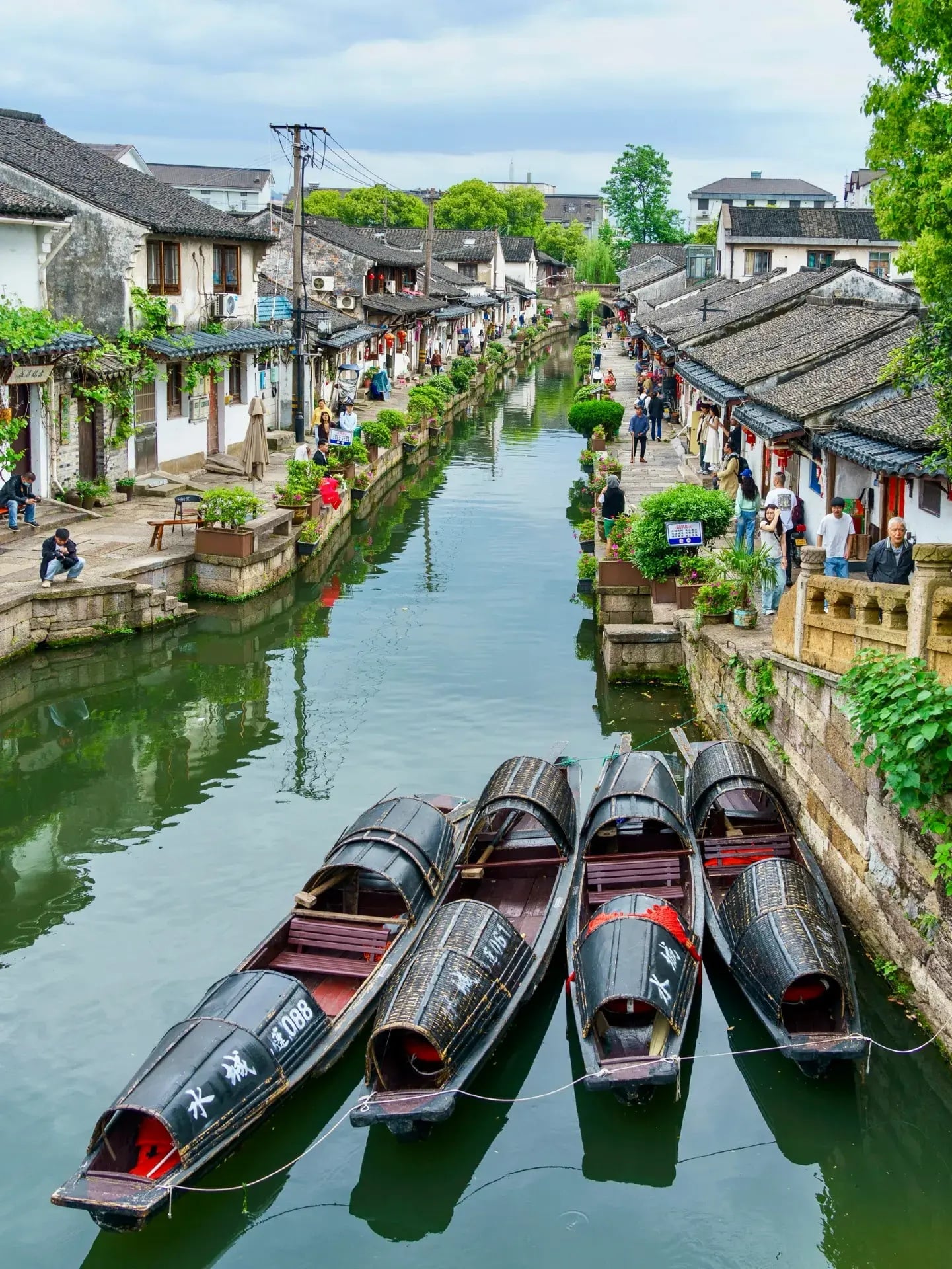
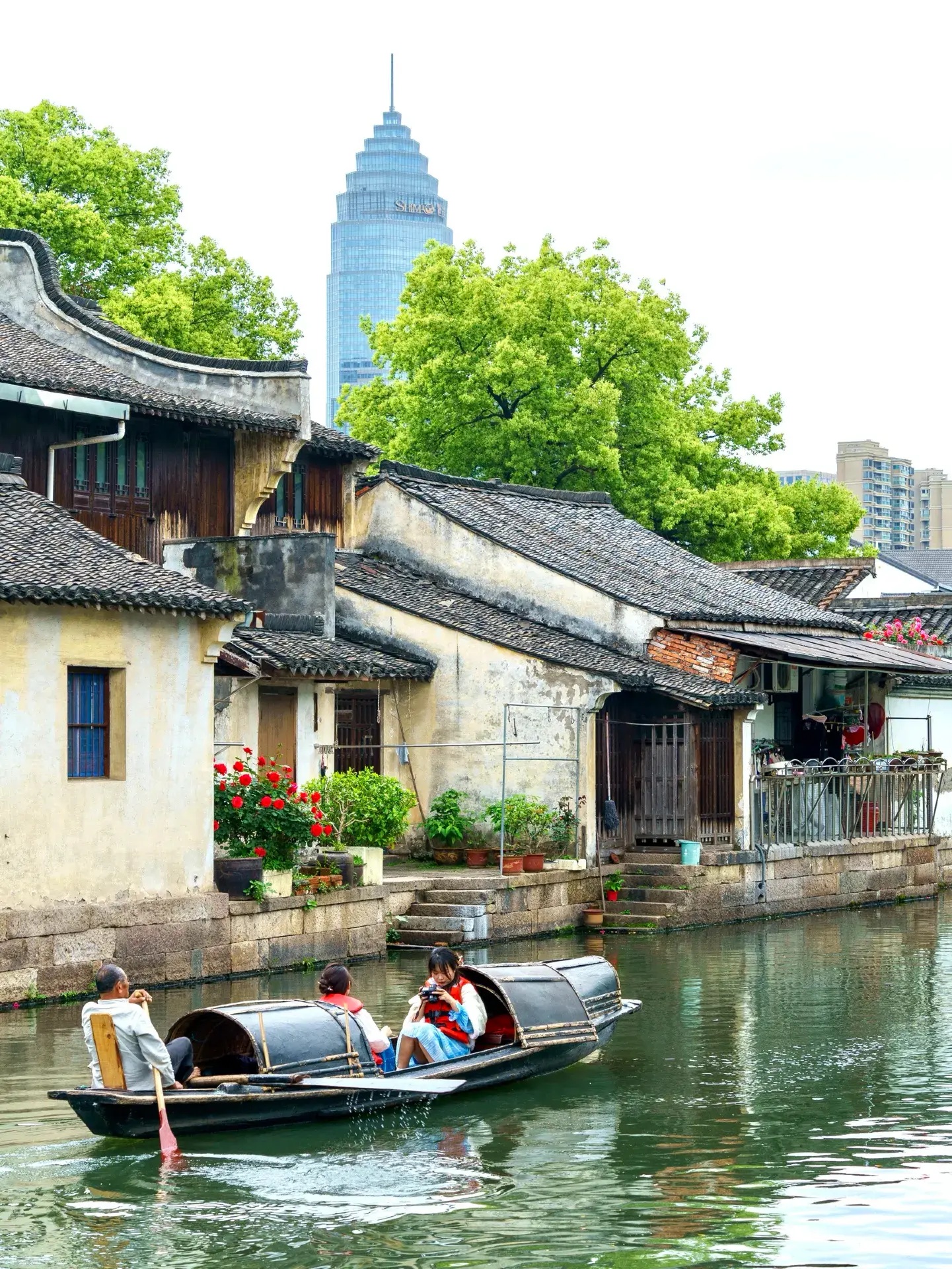
Shusheng Guli, the calligraphy quarter, offers inscriptions, waterside homes and another set of lanes to explore. Bazi Bridge provides a different kind of historic focal point where old crossings and canals meet. Leave space for residents and other walkers on narrow approaches, and shorten the circuit if you find yourself hurrying between stops.
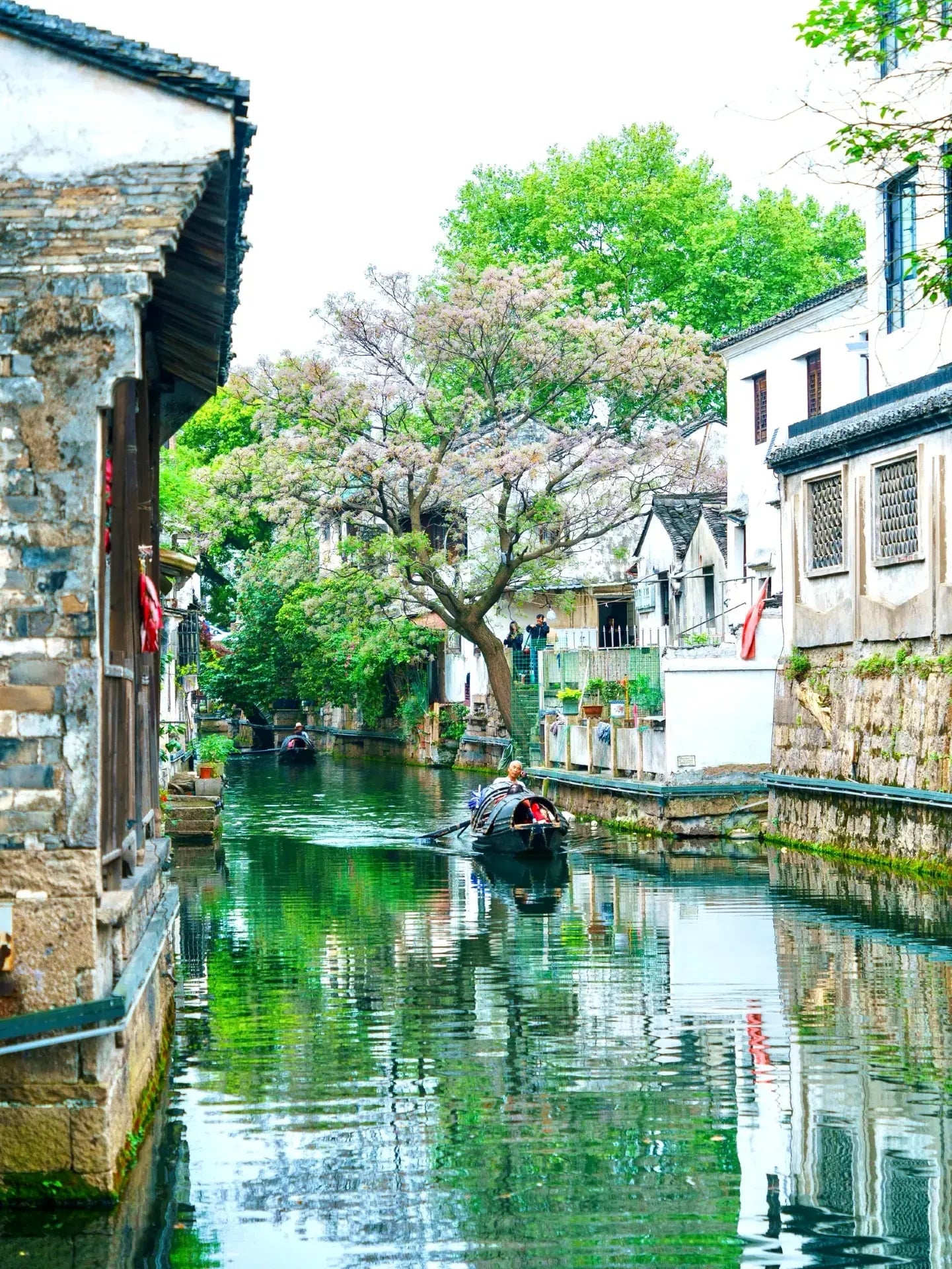
Lanting, East Lake and Angsang Lake are separate destinations around Shaoxing. The full sequence can involve substantial transfers, especially by public transport. Choose one main excursion first; add a second only when opening hours, transport and your energy leave enough time to enjoy it.
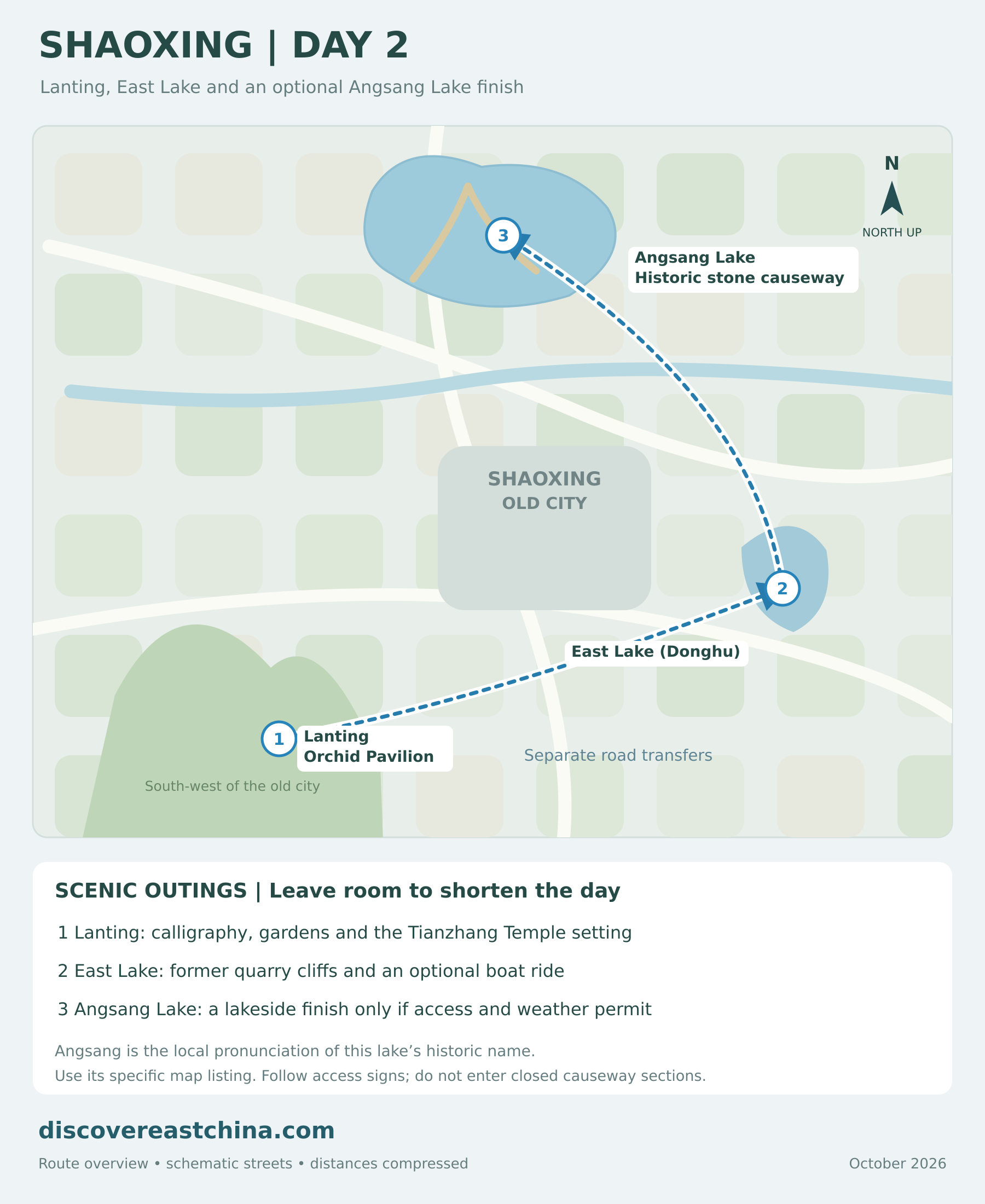
Lanting, the Orchid Pavilion, lies south-west of the old city. It is associated with Wang Xizhi and the gathering behind the Preface to the Orchid Pavilion Collection. The visit brings together calligraphy, garden spaces and cultural interpretation rather than one isolated pavilion photograph.
The Tianzhang Temple setting adds a quieter architectural and waterside pause. Follow the site’s own interpretation and access signs, and check which exhibitions or buildings are open. Leave time to look at reflections and planting without blocking narrow walkways.
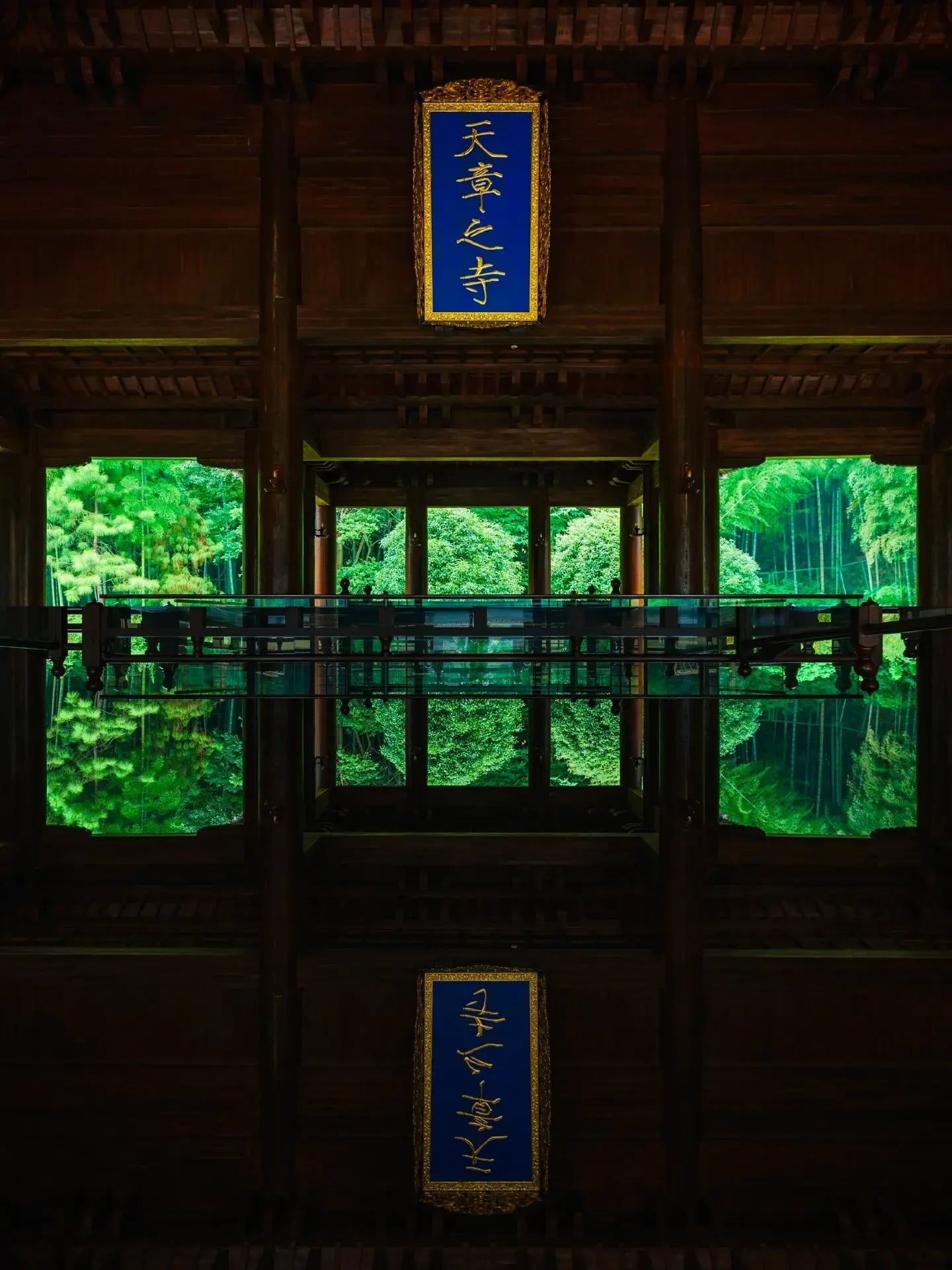
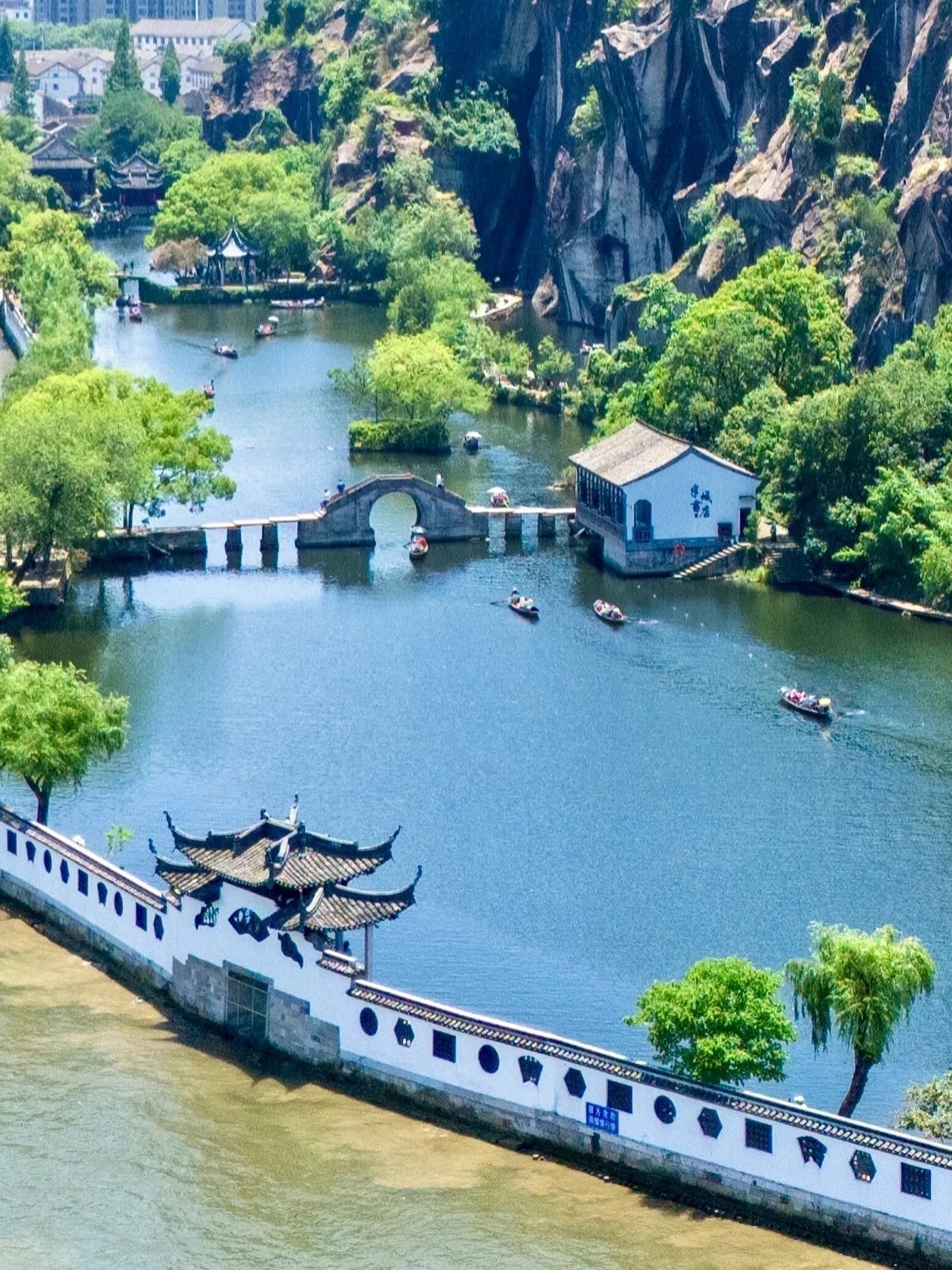
Shaoxing East Lake, or Donghu, is east of the old city. Its former quarry cliffs, pools and small bridges offer a strong contrast to the central canal streets. A traditional boat can bring the rock faces closer into view, while the permitted paths provide another way to appreciate the setting.
Confirm the boat route, price, capacity and operating conditions at an authorised service point. An attractive photograph does not establish the exact route a current ticket will cover. Make sure your map destination is Shaoxing East Lake rather than Keyan or a similarly named lake elsewhere.
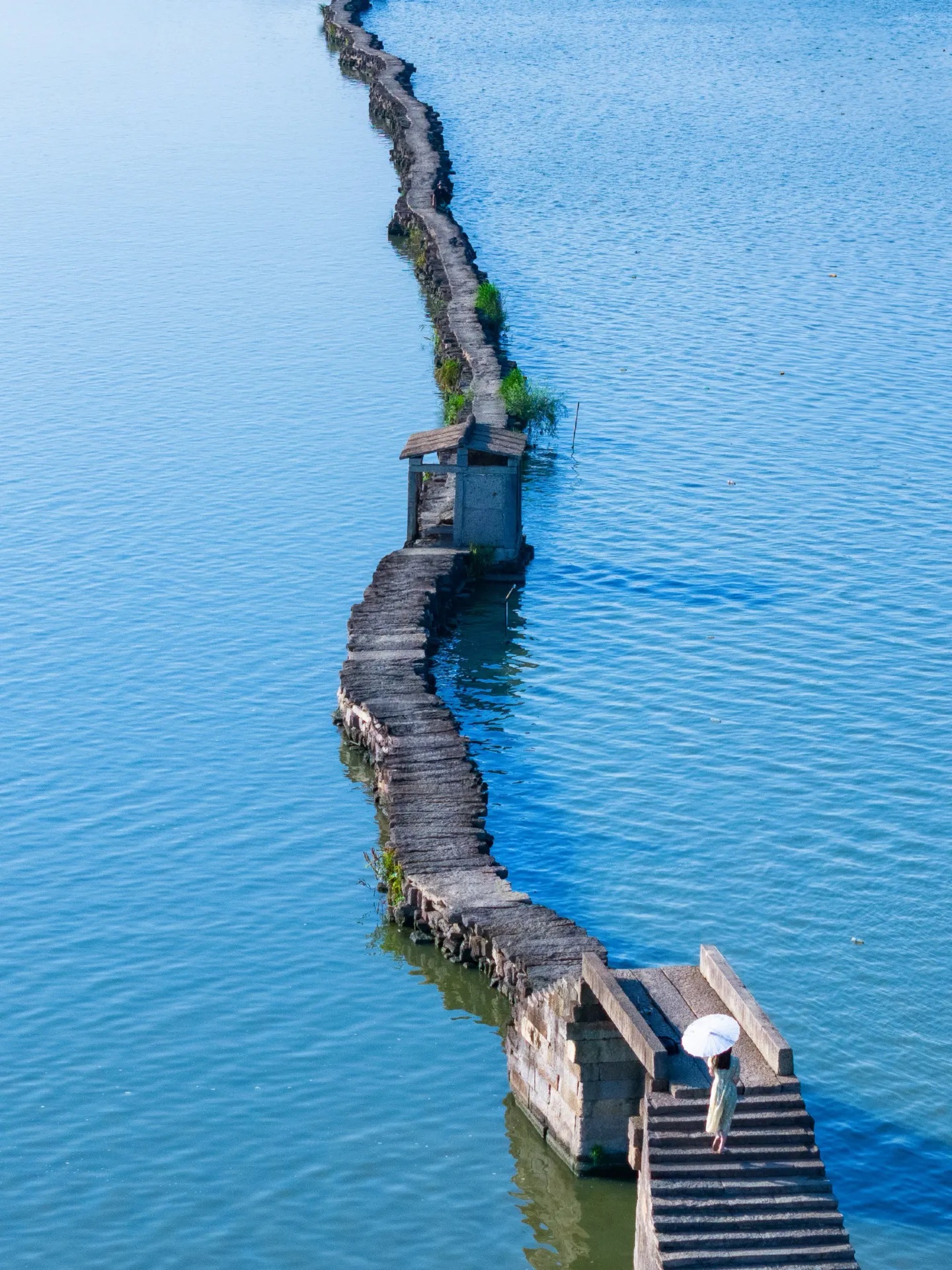
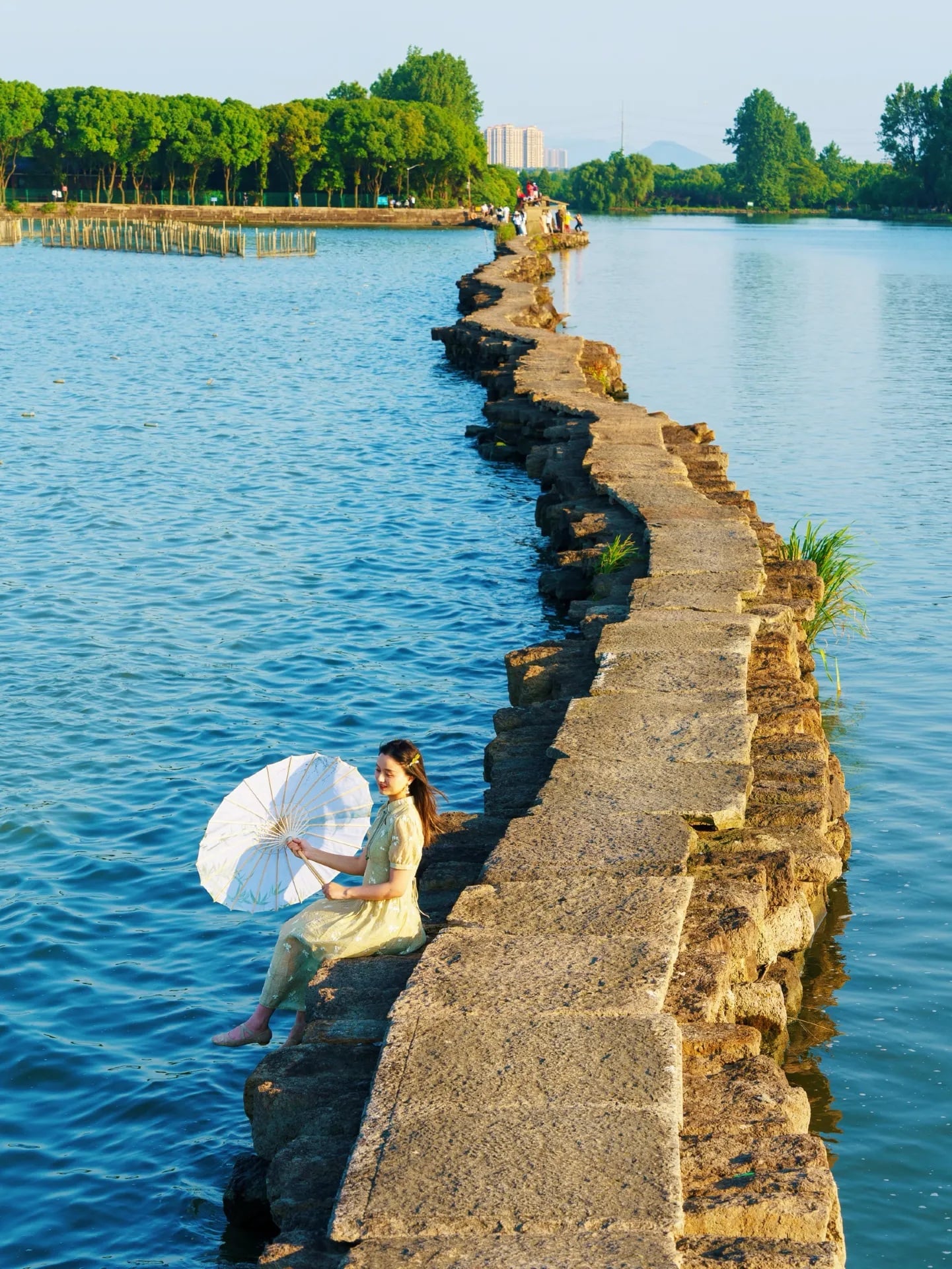
Angsang is the local pronunciation of the lake’s unusual Chinese name. The historic stone structure is more precisely a protective embankment, or bitang, built to shelter boats from wind and waves as well as connect the shores. It is often described in travel posts as an ancient towpath.
This lake is in the Lingzhi area north of Shaoxing’s old city. Select the specific Angsang Lake listing and confirm a currently open public approach. A generic search for “Shaoxing ancient towpath” can lead to a different site on the Keqiao side of the city.
Keep this as an optional finish, particularly if you hope to see late-afternoon light. Current public access to every section could not be confirmed. If an approach is closed, omit the stop or use an authorised shore viewpoint. Sections of the historic stonework are narrow, uneven and unguarded; stay back from edges and reconsider the visit in rain, strong wind or poor visibility.
Arrange the return journey while there is still daylight and phone access. The calm appearance of a photograph is not a guide to the weather or safety of the path on another day.
An old-city base can simplify the first day. Compare the actual hotel entrance, luggage access, nearby transport and street noise before booking. A familiar chain or a waterside guesthouse may suit different travellers; neither label by itself guarantees value or quiet.
Local menus may include pork with preserved mustard greens, hand-worked noodles, stinky tofu and dishes flavoured with Shaoxing yellow rice wine. Wine-flavoured drinks and frozen treats offer smaller tasting stops. Ask about ingredients and preparation, choose according to your preferences and compare portions and prices before ordering.
With a full old-city day and a carefully chosen landscape outing, Shaoxing can feel varied without becoming a race. Leave room for the view from a bridge, a courtyard pause or a boat passing beneath the eaves.