15Oct
+8619705475100
[email protected]

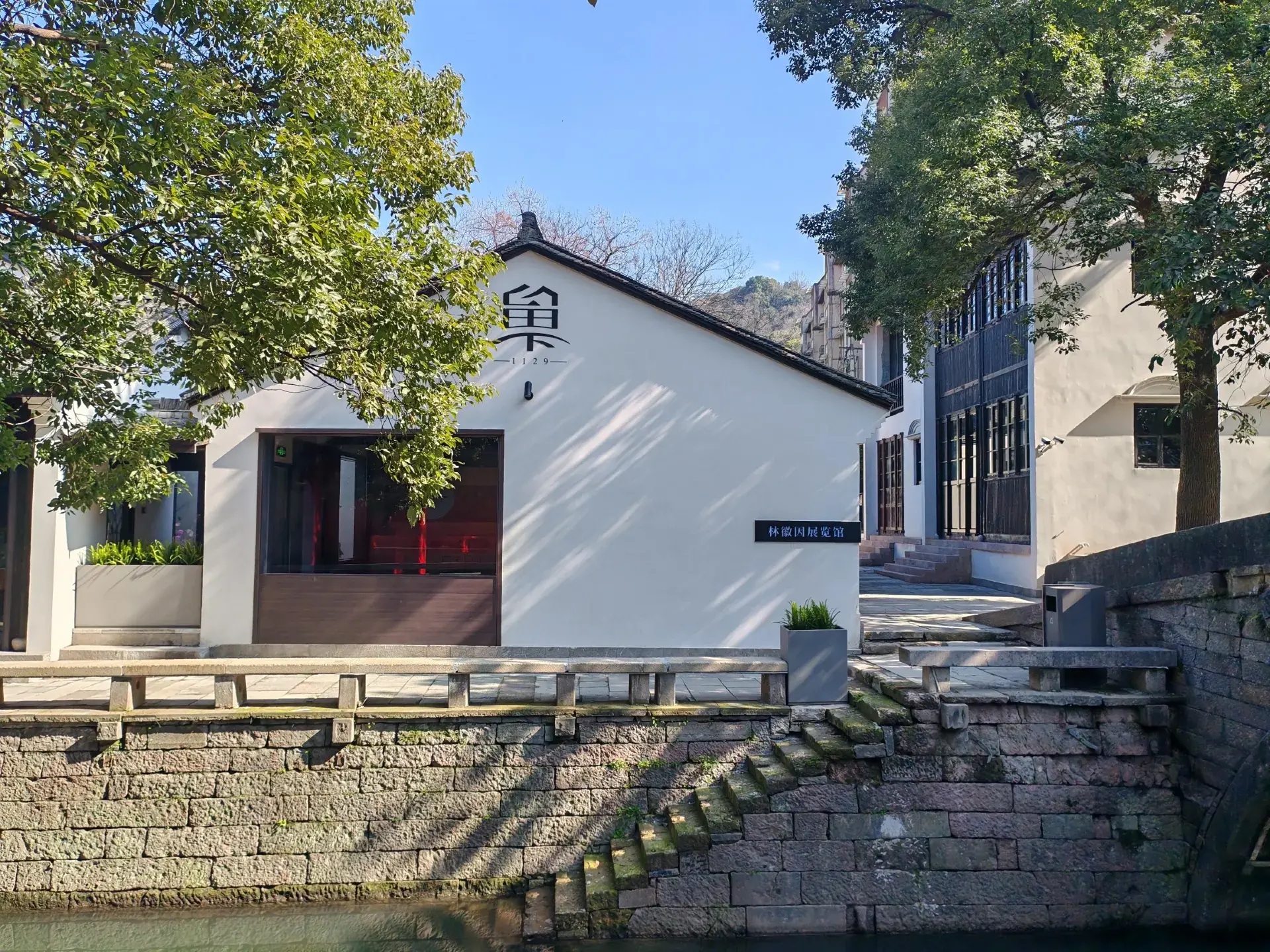
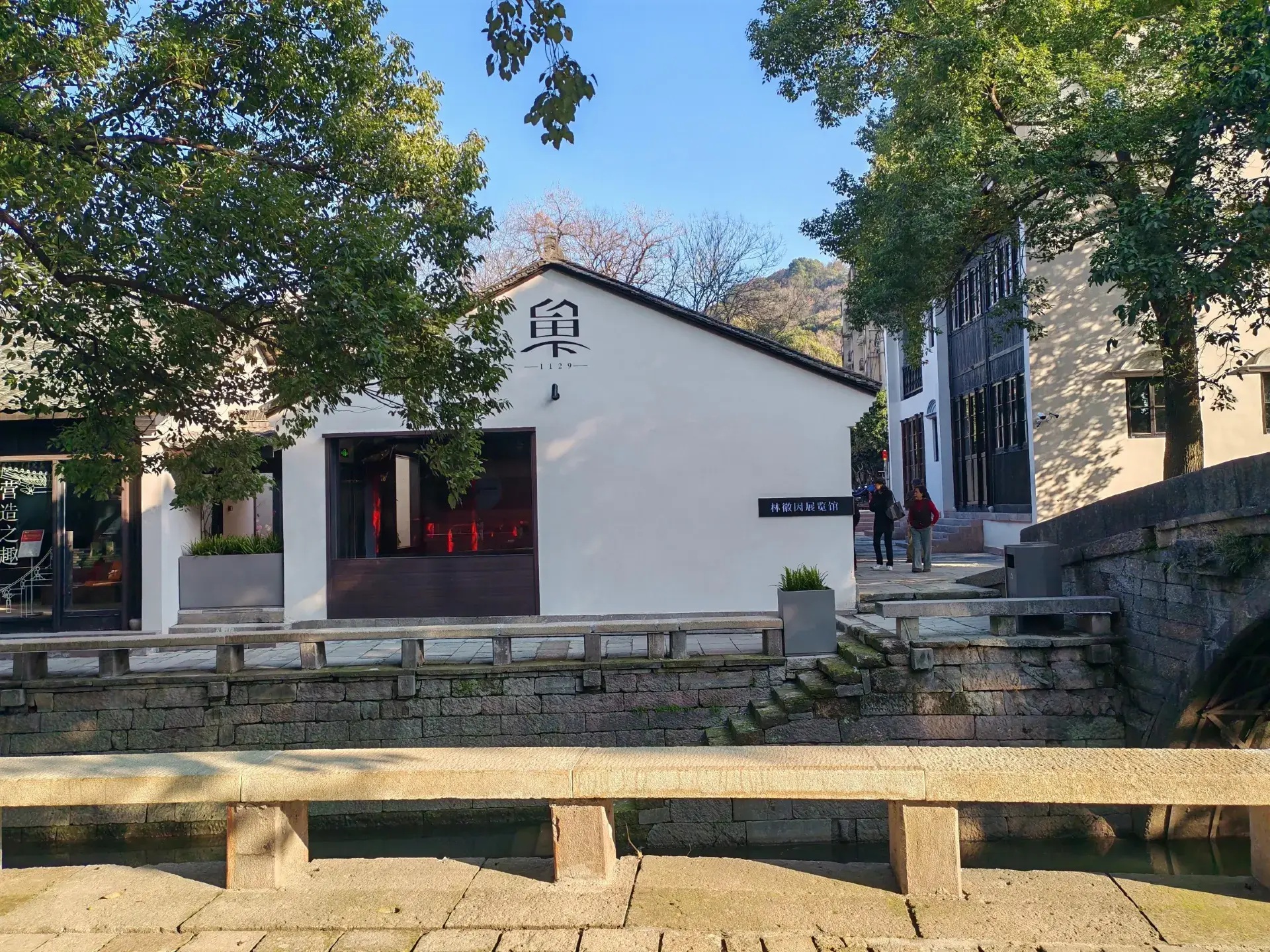
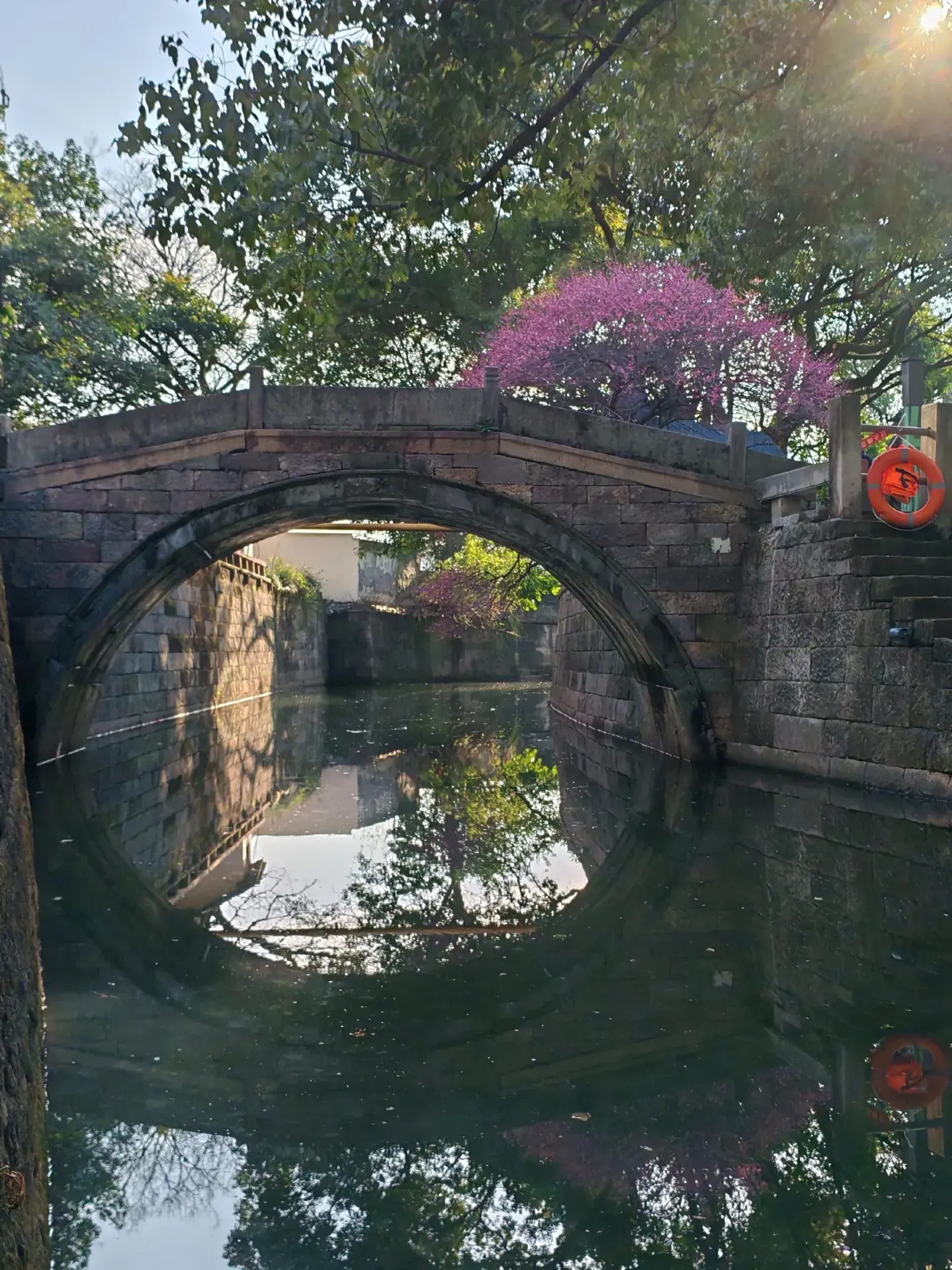
A stone arch reflected in the canal, branches reaching across the water and a white wall catching the afternoon light: Liuxia rewards small observations. This historic neighbourhood in western Hangzhou suits a visit with a loose plan, comfortable shoes and time to stop when a view or a shop catches your attention.
The streets around the water combine older bridges and buildings with contemporary businesses and renewed cultural spaces. Give the place room to be a living neighbourhood. You may find a quiet corner, but markets, weekends and special events can change the atmosphere; neither solitude nor an absence of commerce should be taken for granted.
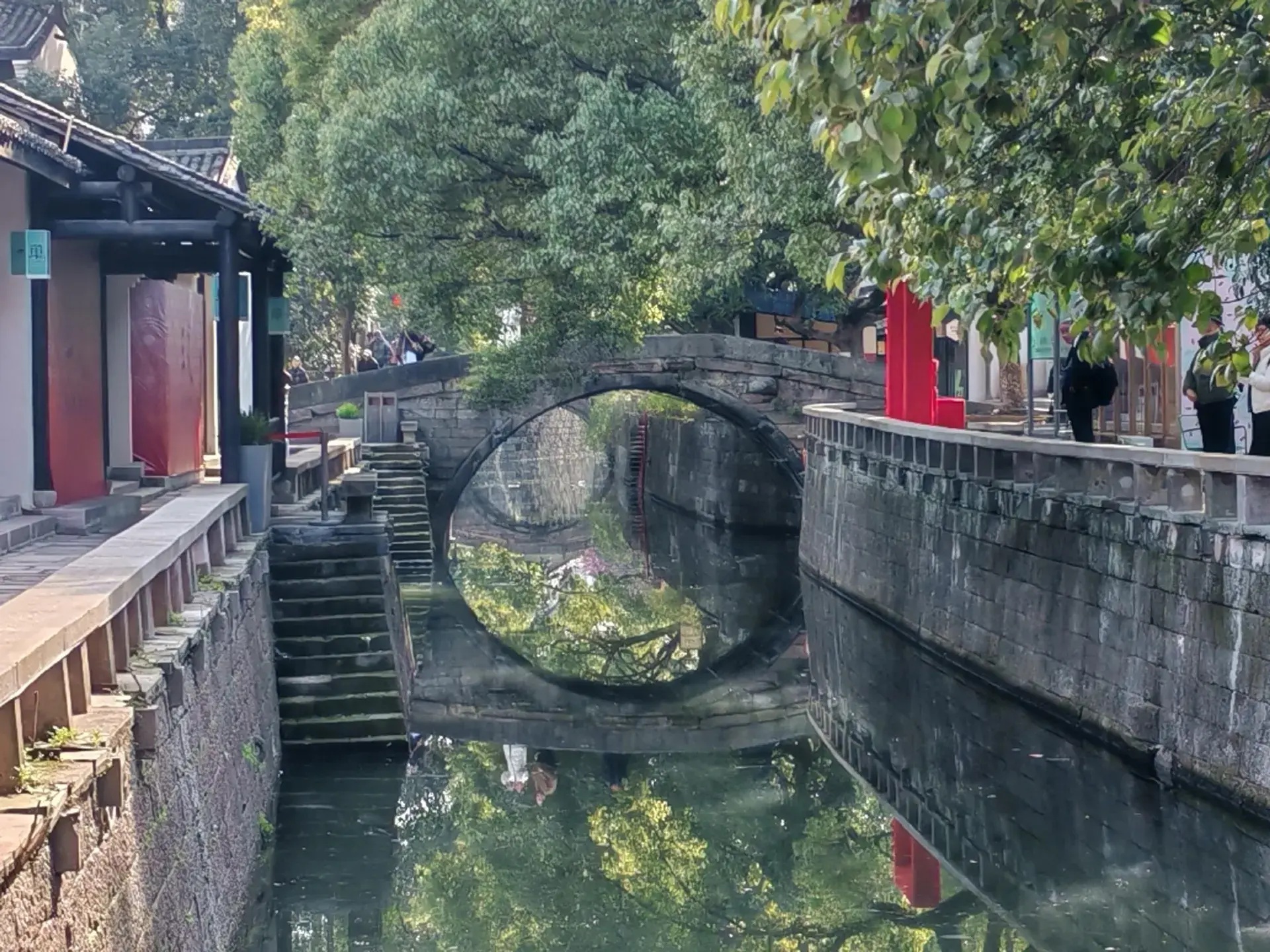
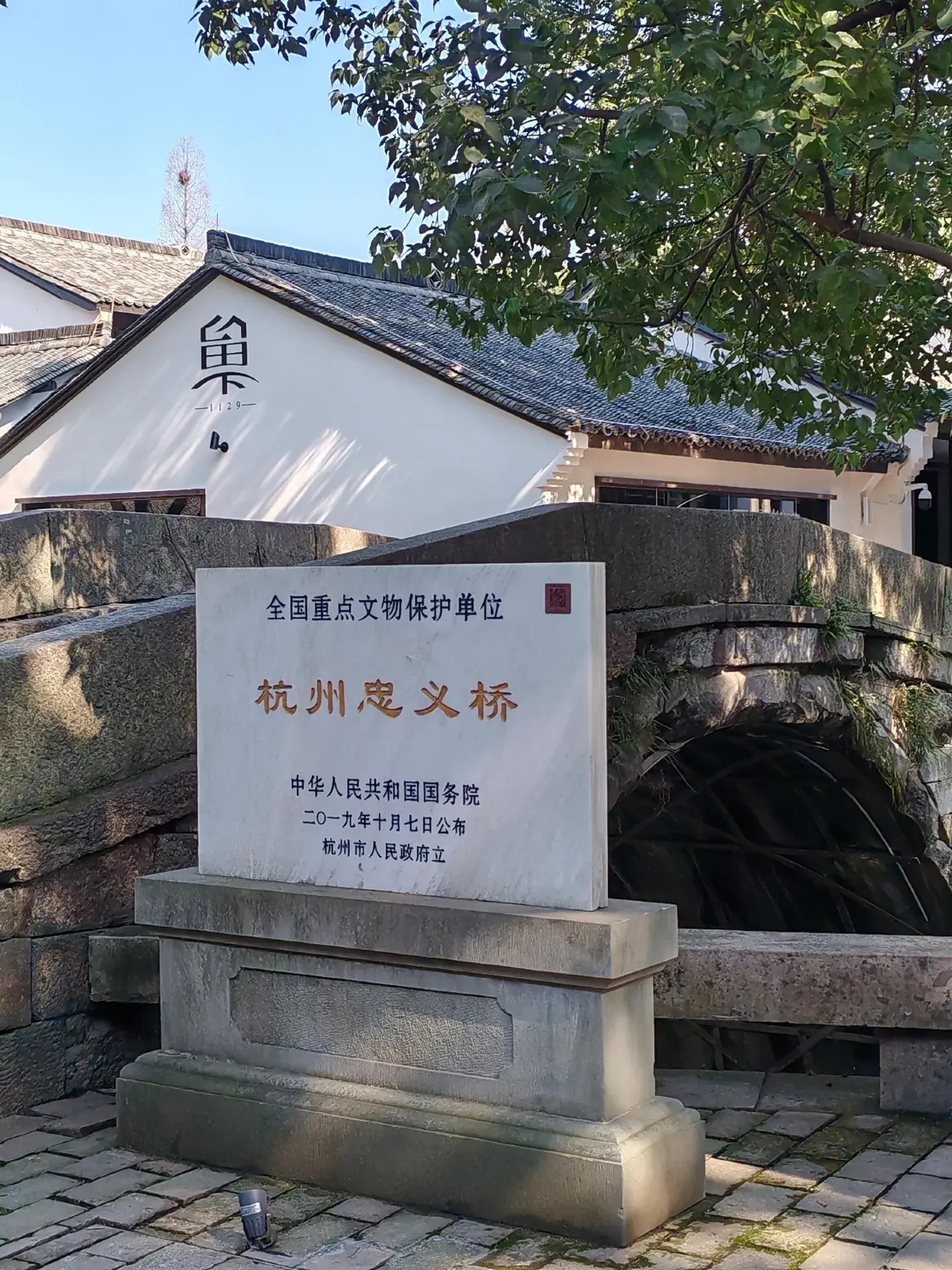
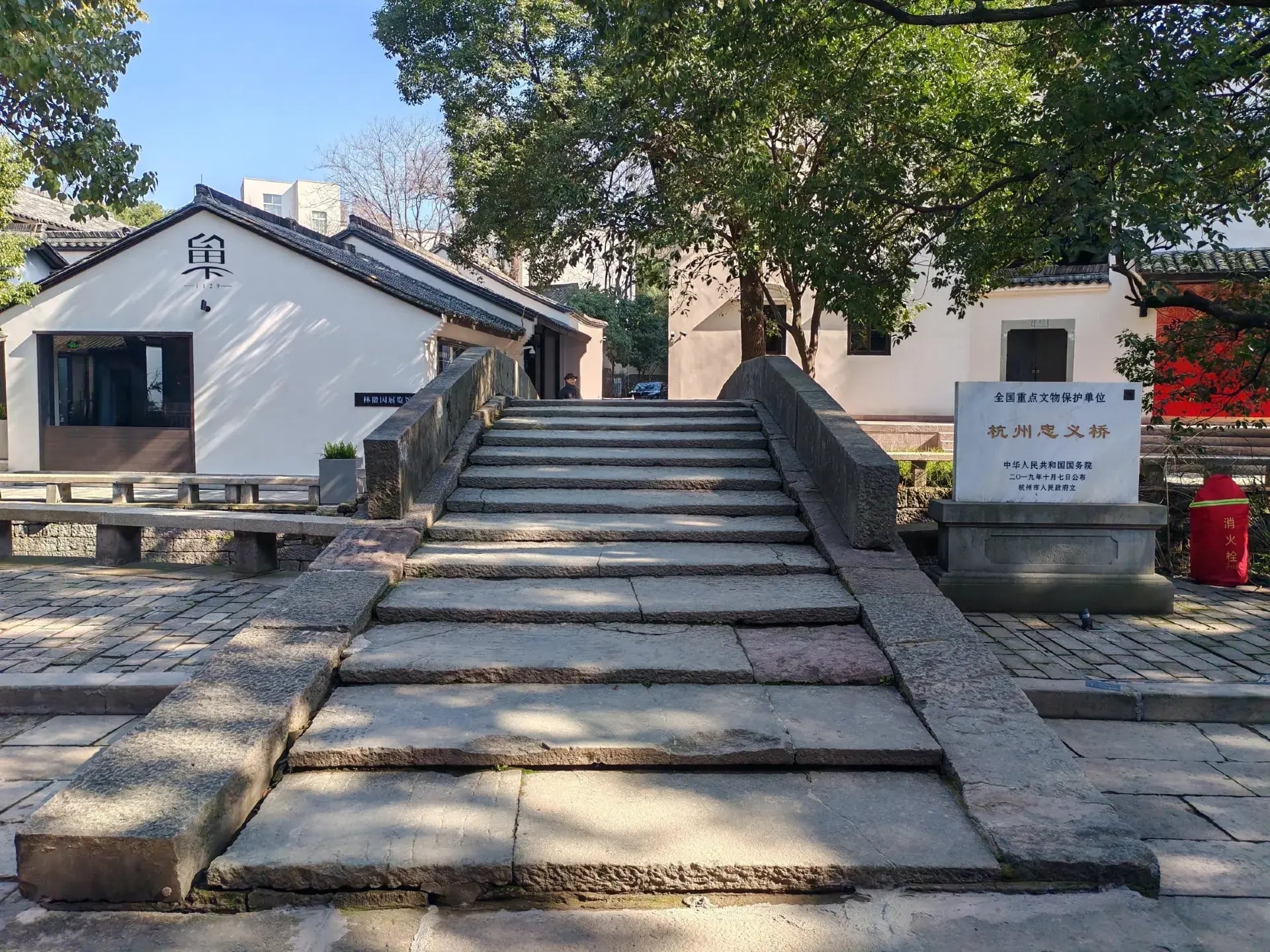
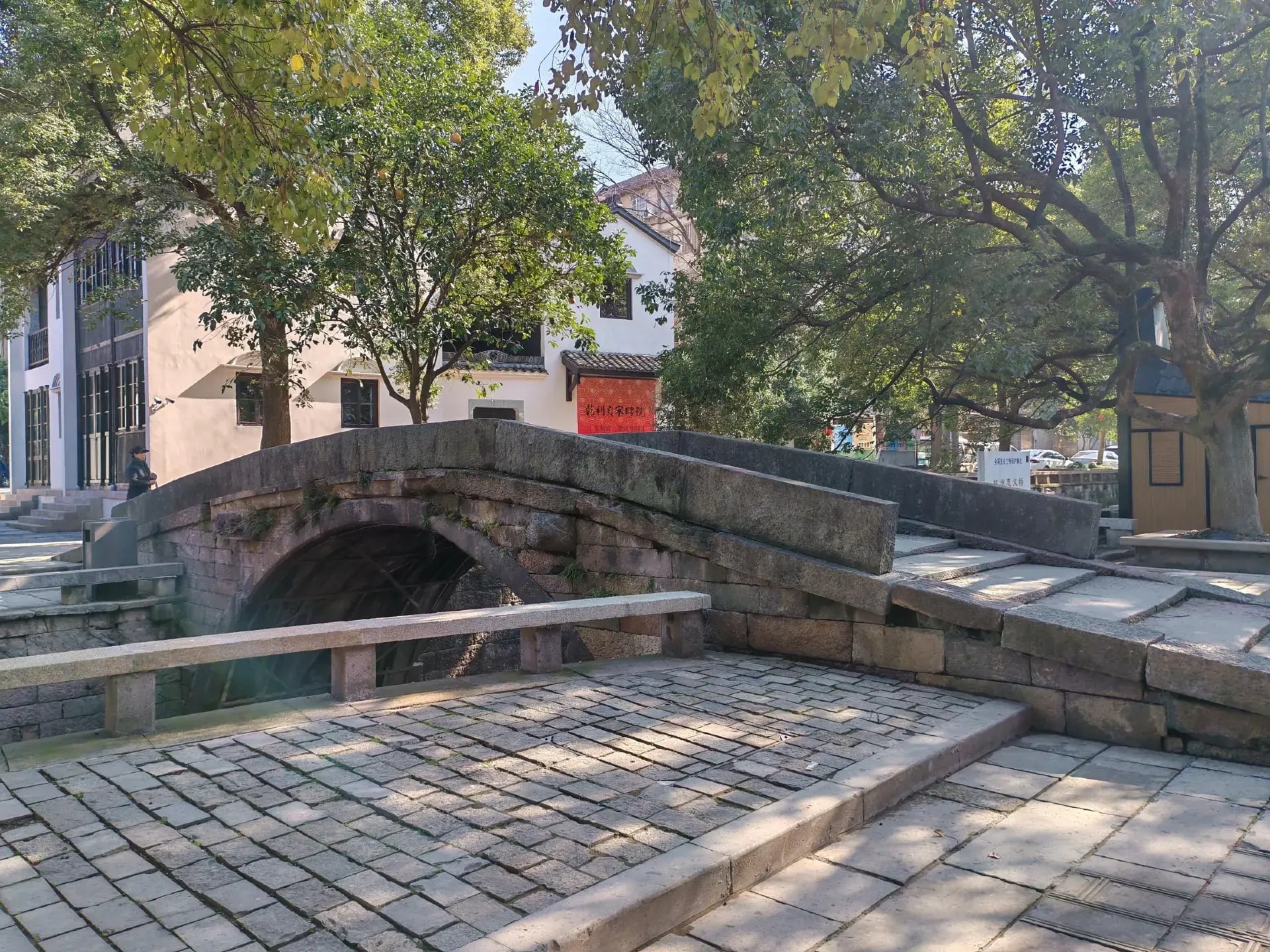
Zhongyi Bridge is a useful focus for the walk, with its stone arch, stepped approach and heritage marker. Look at it from the canal path as well as from the approach: the side view reveals the curve of the arch, while the steps show how the crossing fits into the older streets.
The bridge is a historic structure within an everyday neighbourhood. Stay on permitted routes, avoid climbing parapets and leave space for people crossing. Its raised steps are also a reminder that an otherwise gentle street walk can include changes of level.
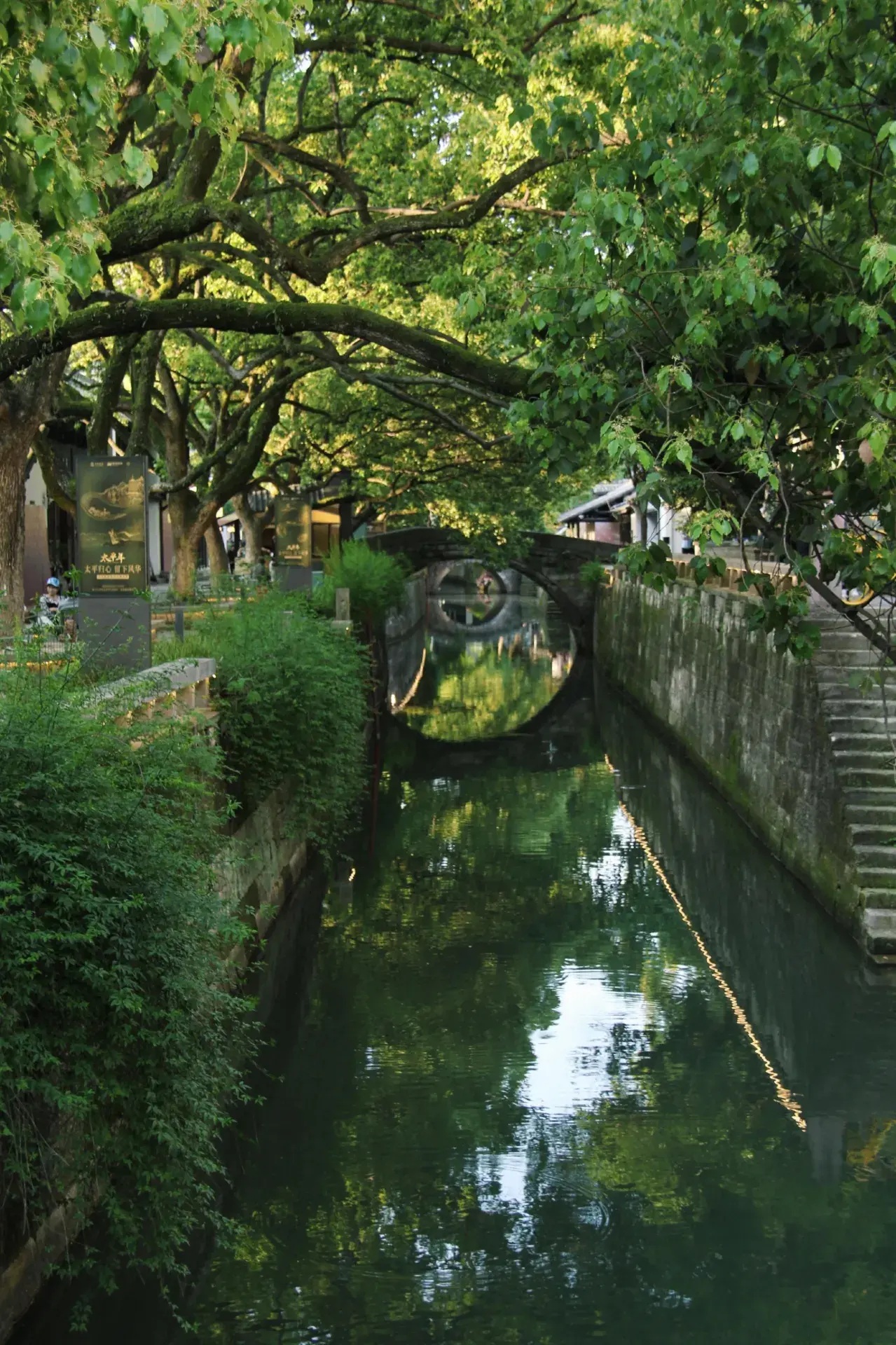
Let the canal guide the next part of the visit. A short stretch can offer several compositions: a bridge framed by foliage, a roof above a stone retaining wall or a building mirrored in still water. Move on when a narrow spot becomes busy rather than waiting in the way for an empty scene.
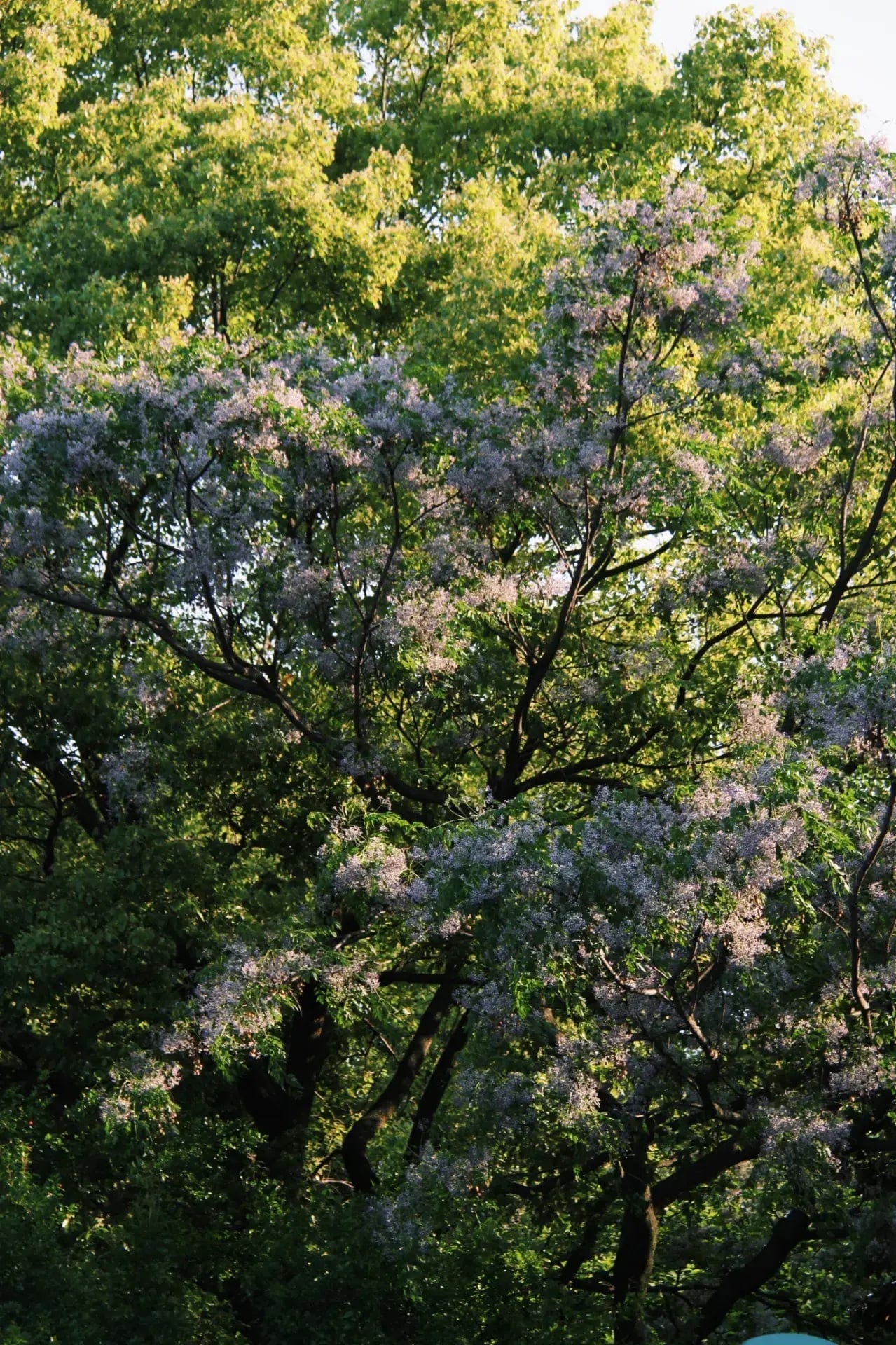
Tree cover changes the light throughout the day. In warm weather, shaded sections can offer a welcome pause; after rain, paving and bridge steps may remain slippery. Plan around conditions on the day rather than treating a fixed morning or afternoon window as the only good time to visit.
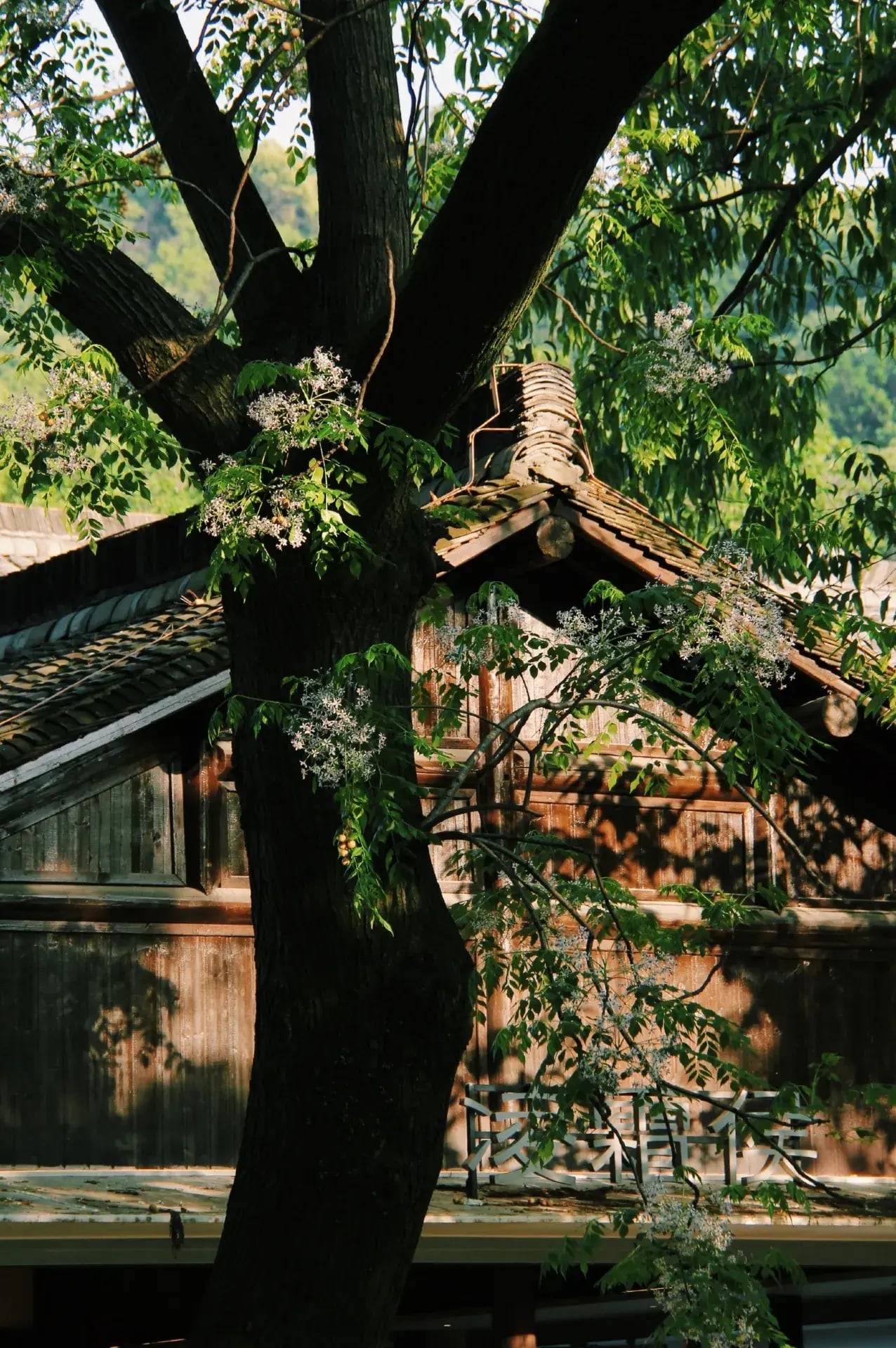
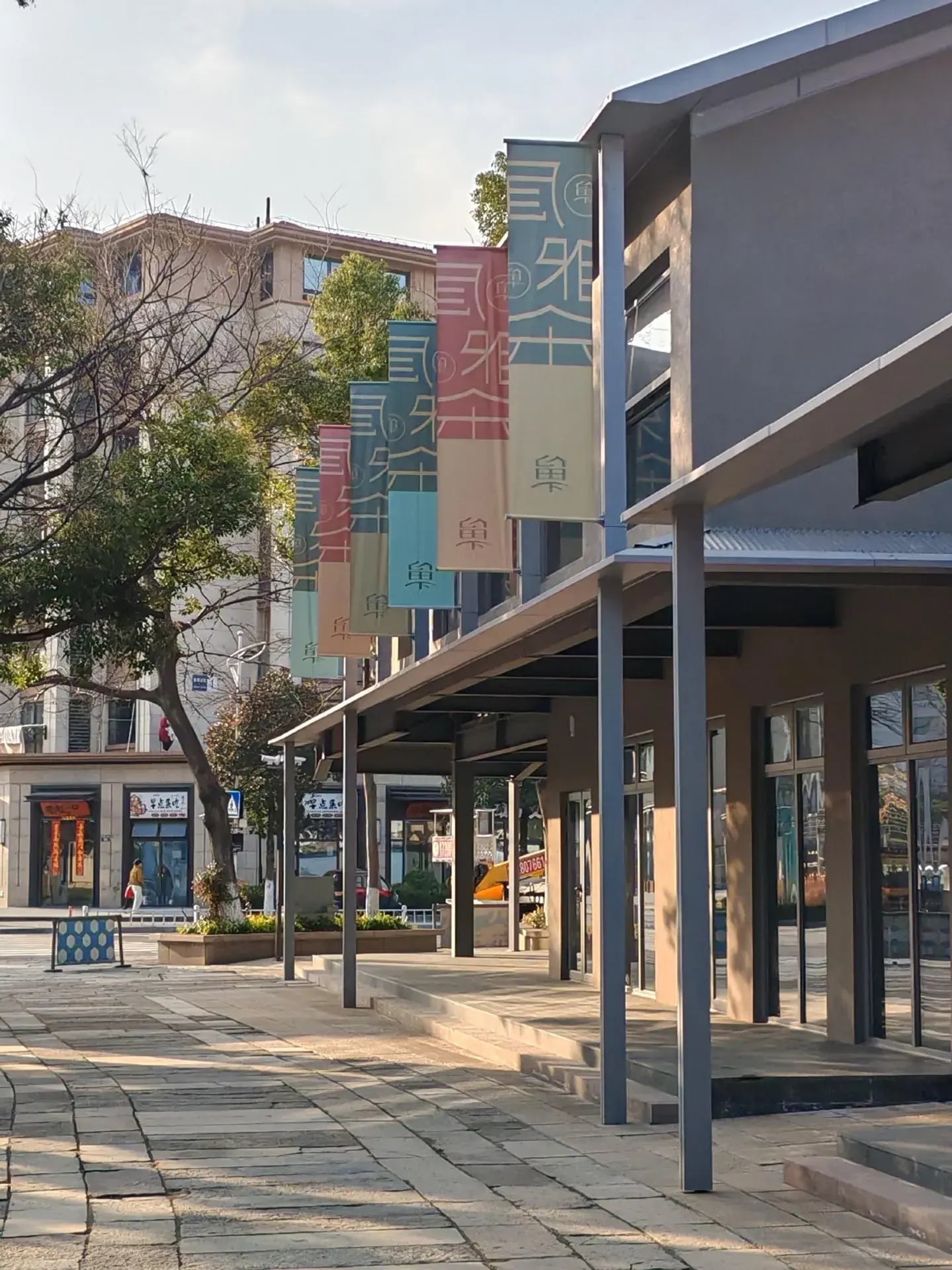
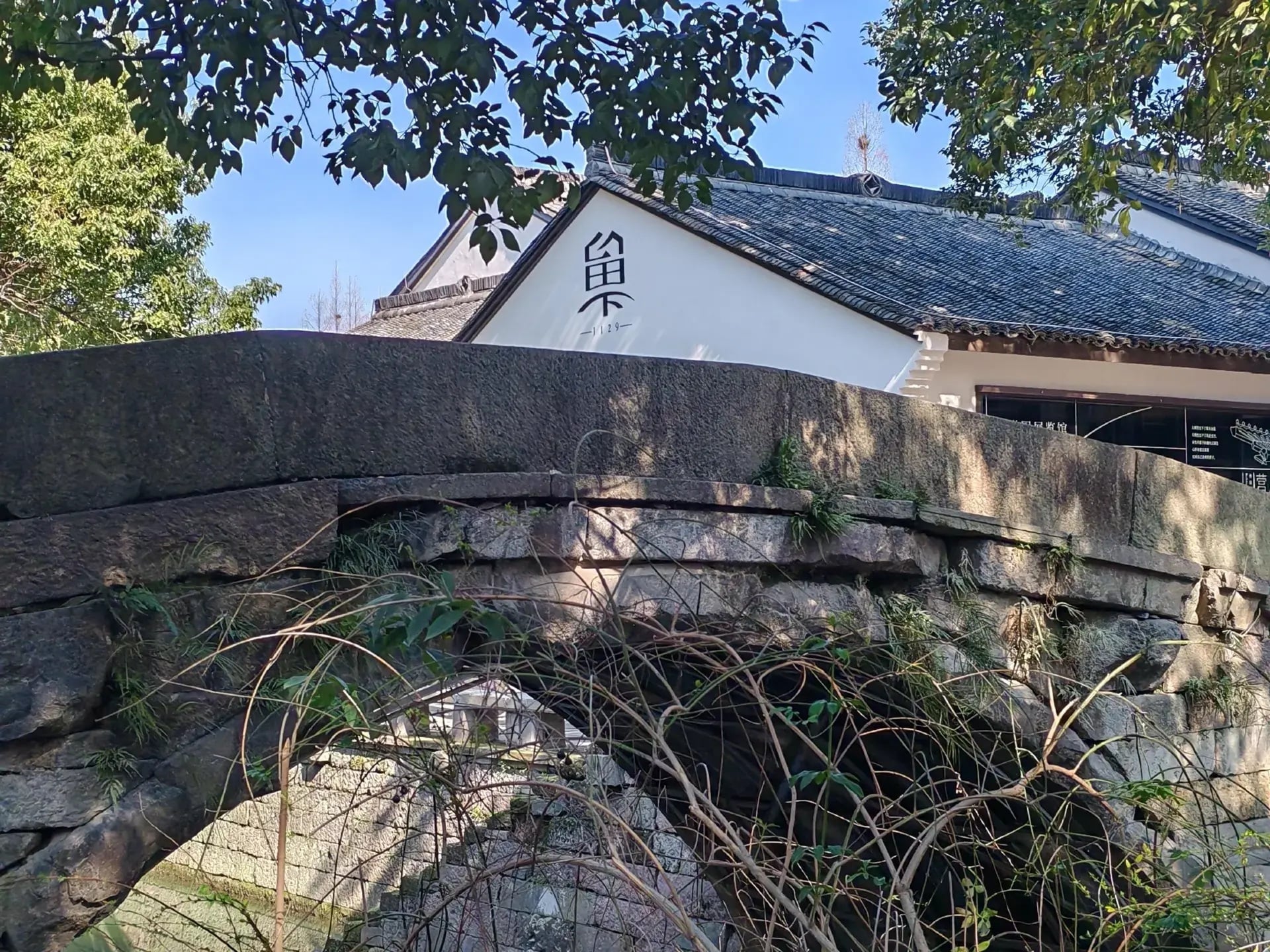
The older fabric is part of a neighbourhood that continues to change. Near the bridges, pale walls and tiled roofs sit alongside renewed façades, shop signs and contemporary cultural spaces. The Liuxia 1129 development is one expression of that renewal, with Song-inspired programming and new uses for the streetscape.
Interpretation on site can help distinguish an older bridge or building from a later renovation. A broad white façade, a timber doorway and a canopy of leaves each tell a different part of the story. Leave time to notice those details instead of measuring the visit only by the number of places photographed.
A simple meal can give the walk a natural pause. Look at the menus of businesses open that day for wontons, rice-based cakes, duck dishes or local home-style cooking. Choose according to appetite and dietary needs rather than relying on a list of shops that may have changed since an earlier visit.
Ask about fillings, ingredients, portion sizes and the level of chilli or seasoning before ordering. If buying packaged food to take away, check storage guidance and how long it will be carried before reaching a refrigerator. Shops and stalls keep their own hours, so do not assume that every breakfast dish or handmade snack is available all afternoon.
A café or tea shop can be just as useful as a full lunch. Find a seat where you can rest and watch the street without blocking a doorway or photographing customers without their agreement. Compare the menu before settling in, especially if you intend to stay for a longer break.
For couples, keep the route short enough to leave time for a café and a few considered photographs. There is little benefit in filling a relaxed afternoon with repeated crossings and detours simply to collect every angle of the same bridge.
For older visitors, begin with the most comfortable accessible approach and build in seated breaks. The compact scale can suit a gentle outing, but bridge steps and uneven paving matter more than the overall distance. Confirm entrances and facilities before visiting if reduced mobility changes what is comfortable.
Families can turn the bridges, rooflines and reflections into a simple observation game. Watch children closely beside the canal and on steps. A workshop can be a worthwhile addition when a suitable session is actually available, with the activity, age suitability, price and language support confirmed in advance.
Solo travellers can keep the day open: walk, read in a café or spend longer looking at a favourite stretch of water. Local residents and makers may be busy, so let any conversation develop naturally and ask before taking portraits or entering a working space.
Markets and cultural events sometimes add food stalls or craft demonstrations to the streets. Check current event information rather than assuming that bamboo work, cake making or other hands-on experiences run every day. The riverside walk is enough for a satisfying visit even without an organised activity.
If interested in tea experiences in the wider area, arrange a specific venue and date first. Harvest seasons, weather, transport and permission all matter. A nearby hillside or tea garden should not be treated as an invitation to enter or pick leaves independently.
Take Metro Line 3 to Liuxia station and follow current signs towards the historic street. Allow roughly ten minutes from the station area, depending on your exit and the entrance you choose. Keep the Chinese place name 留下历史文化街区 available for navigation and check the final pedestrian approach.
A few hours give room for the bridges, a slow canal walk and a meal or café stop. Extend the visit if an exhibition or booked activity interests you. Comfortable flat shoes are useful on stone surfaces, and a light rain layer helps when showers are forecast.
Xixi Wetland can be a separate addition to a western Hangzhou day, but choose the entrance and onward transport in advance. Some tourism bus links operate only on weekends or public holidays. Do not assume that the wetland entrance you want is a short walk away or that every connection runs daily.
Use public paths, keep voices low near homes and leave gates and private courtyards alone unless invited in. The same consideration applies around shops and workshops: an open door does not necessarily mean a space is open for sightseeing.
Liuxia works well when the itinerary stays light. A bridge, a green stretch of canal and a good place to sit can provide the shape of an afternoon. Leave with a sense of the neighbourhood’s everyday rhythm rather than a completed checklist.