15Oct
+8619705475100
[email protected]

Liuxia Old Street offers a different scale of Hangzhou: a small waterway, shaded paths, tiled roofs and places to stop for coffee. Rather than building the visit around a long list of attractions, give yourself time to follow the river, notice the façades and choose a café when you feel ready for a break.
The historic neighbourhood lies in Hangzhou’s Xihu District, south of the Xixi Wetland area. Its older streets and surviving buildings now sit alongside renewed cultural and commercial spaces, including the Liuxia 1129 development. The result combines local heritage with contemporary uses rather than presenting every building as an untouched Song-dynasty original.
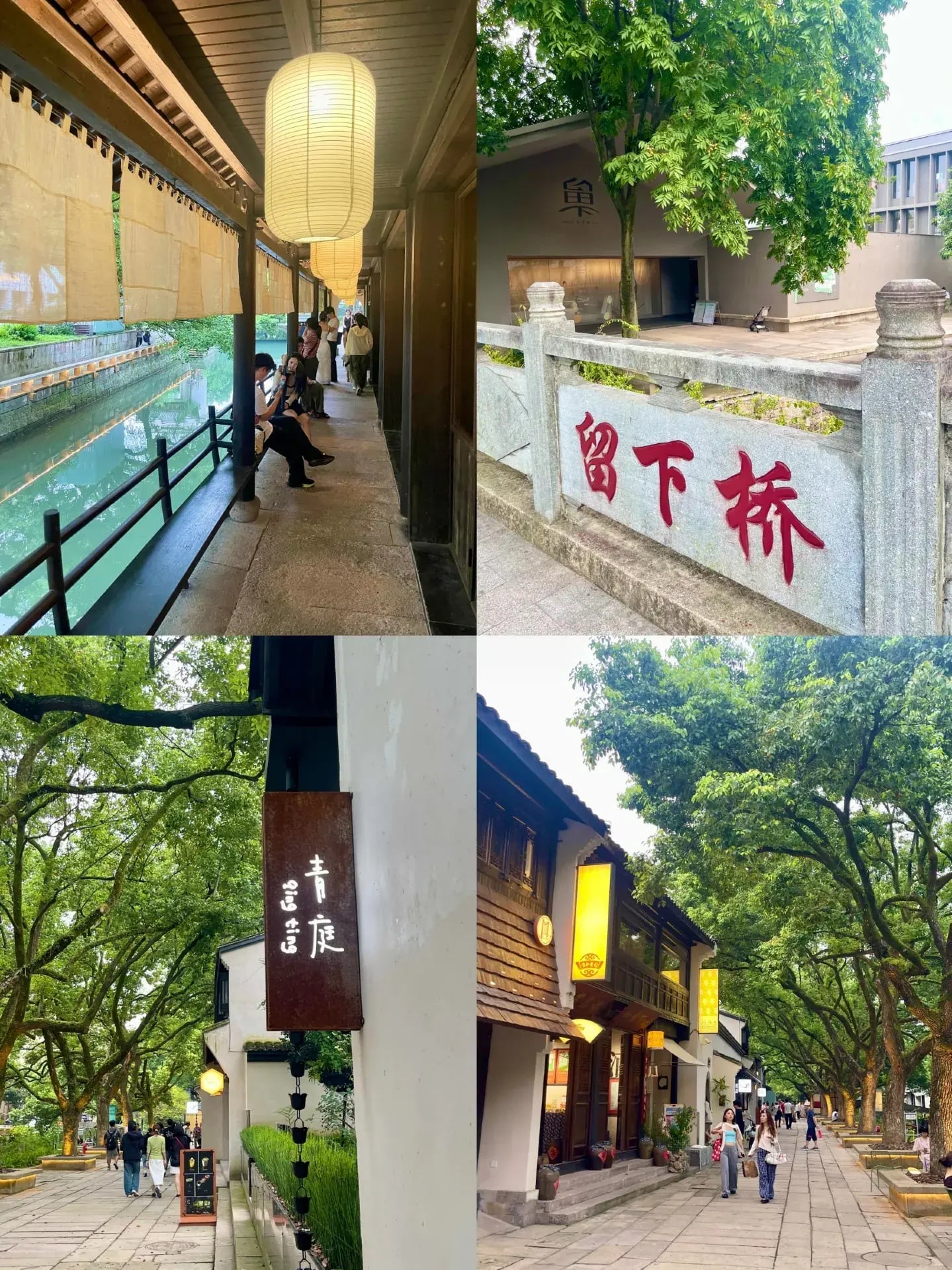
Liuxia station on Metro Line 3 is a useful starting point. Allow roughly ten minutes on foot from the station area, with the exact walk depending on the exit and entrance you use. Follow current signs towards the historic street rather than treating a quoted walking distance as exact.
For navigation, search for Liuxia Historic and Cultural Block or Liuxia 1129, and keep the Chinese name 留下历史文化街区 available on your phone. The surroundings include ordinary neighbourhood streets as well as the visitor spaces, so check the pin and the open pedestrian approach before setting off.
Begin with a gentle walk beside the water. The river gives the visit a natural focus, with bridges, railings, tree cover and buildings seen from changing angles. Cross only at the available pedestrian links and use the open paths to decide whether to make a small loop or return along the same bank.
A lantern-hung covered walkway offers one sort of view; an open stretch beneath a spreading tree offers another. Pause where there is room, leaving the path clear for residents and other visitors. Reflections can add interest when the water is calm, but the architecture and greenery are worth looking at even without a perfect photograph.
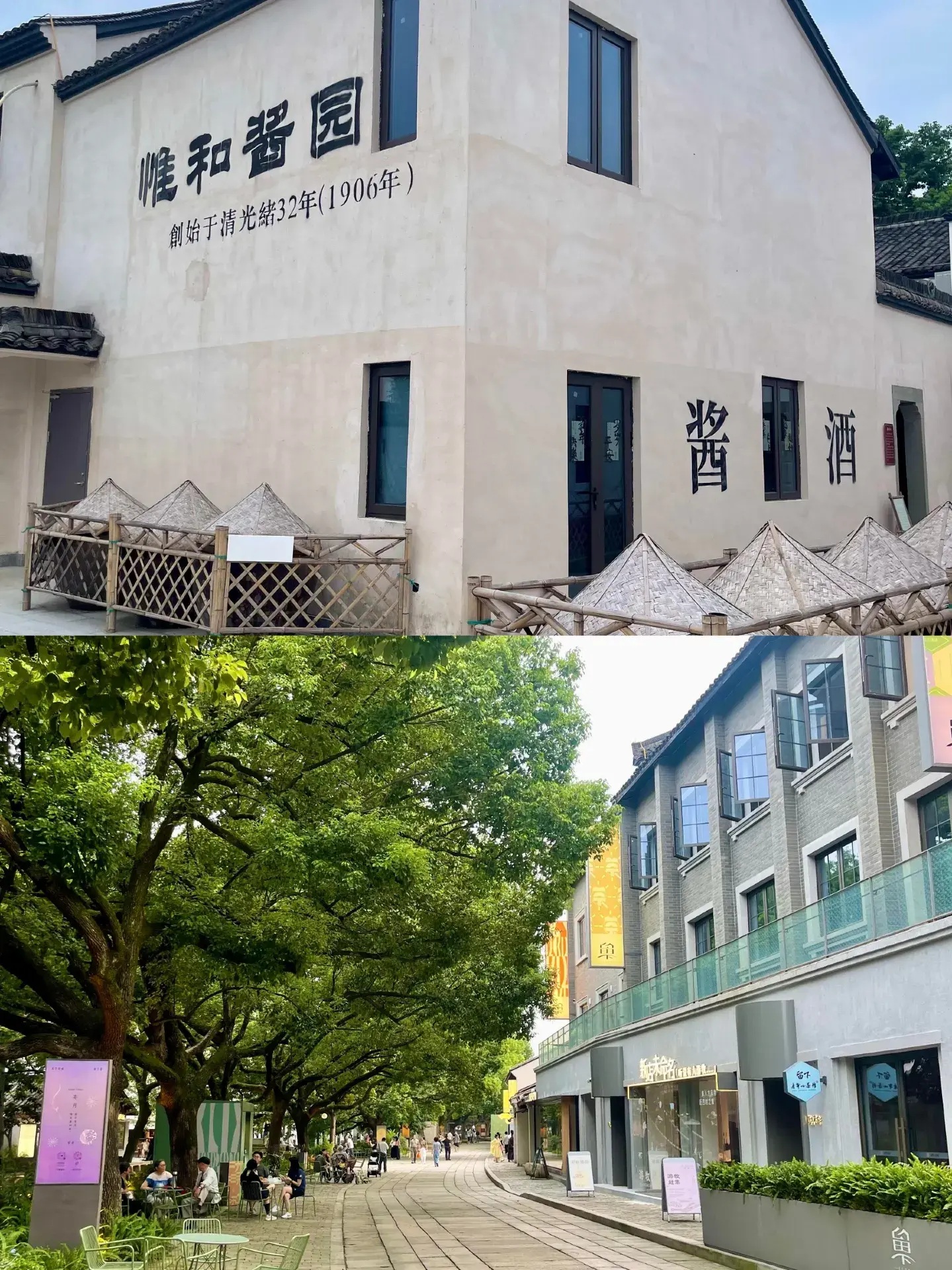
Liuxia’s heritage is more than an architectural backdrop. Zhongyi Bridge is one of the area’s notable historic landmarks, while the 1129 cultural spaces bring Song-inspired activities and contemporary social uses into the neighbourhood. Look for the interpretation available on site to understand which elements are historic and which belong to later renewal.
At the 1129 Community Centre, exhibitions and cultural activities may add another layer to the walk. Programmes, workshops and access arrangements vary; check what is actually running that day before planning around a particular session. A street visit and entry to an individual venue are separate parts of the outing.
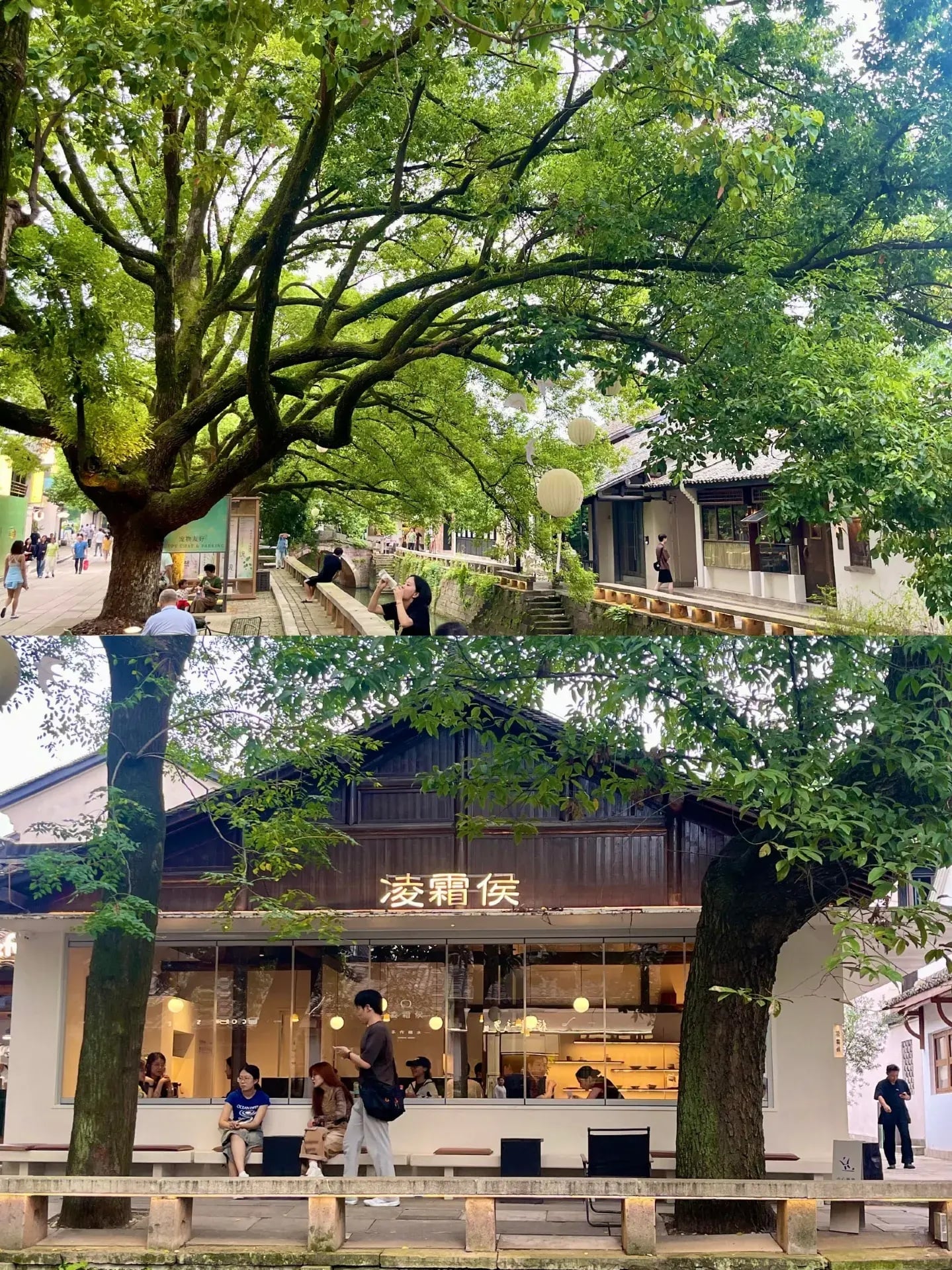
Part of the pleasure is finding a place that suits the moment: a small counter behind a traditional façade, a window seat looking onto the street or a table with a view of the trees. Compare the menu and available seating before ordering, and leave time to sit rather than treating every shop as another photo stop.
The photographs show a mix of cafés, food businesses and contemporary displays within the older streetscape. Shop names and tenants can change, so use them as a sense of the neighbourhood rather than a guaranteed list of businesses open on your date. Ask before photographing interiors, staff or customers.
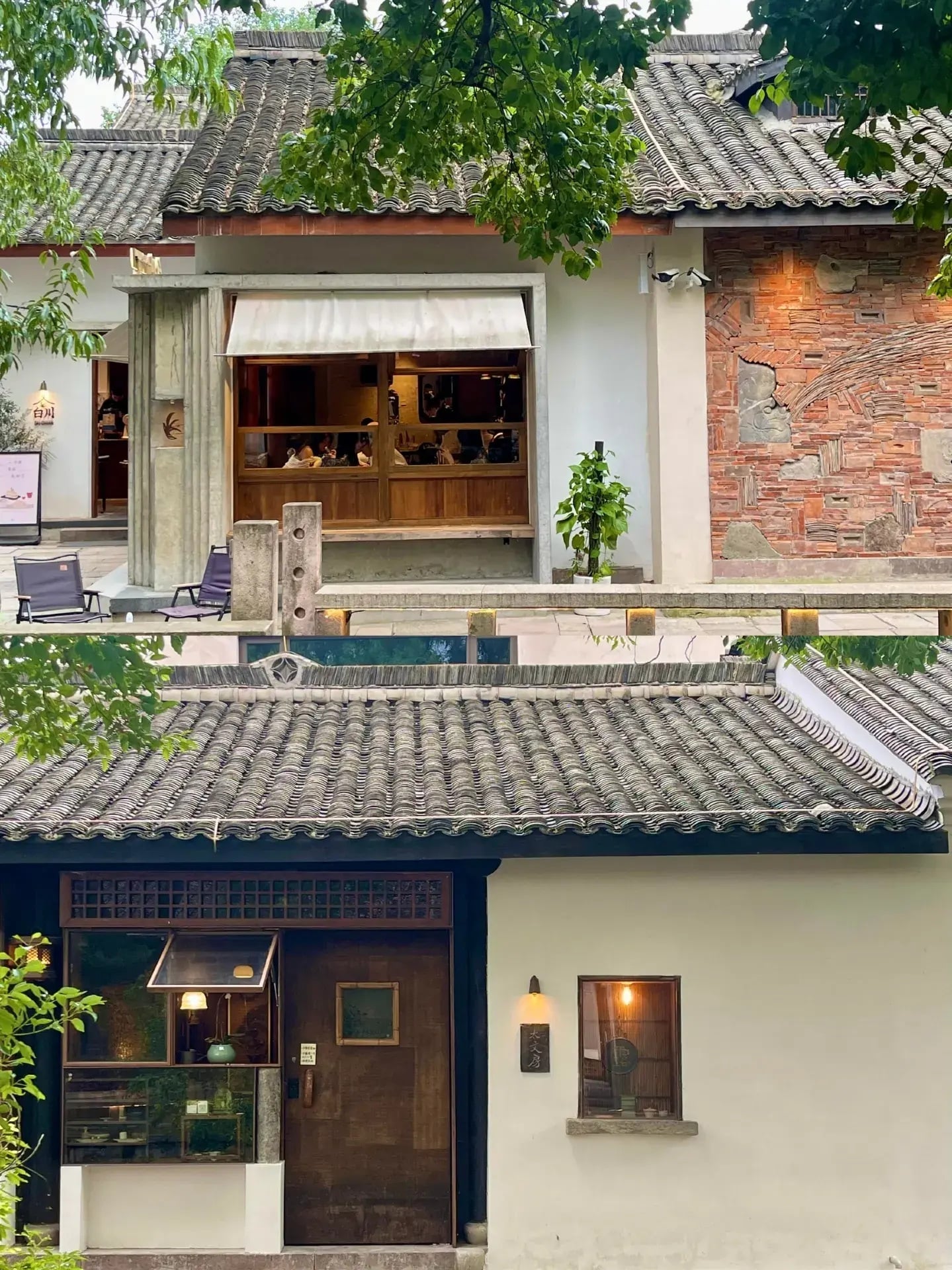
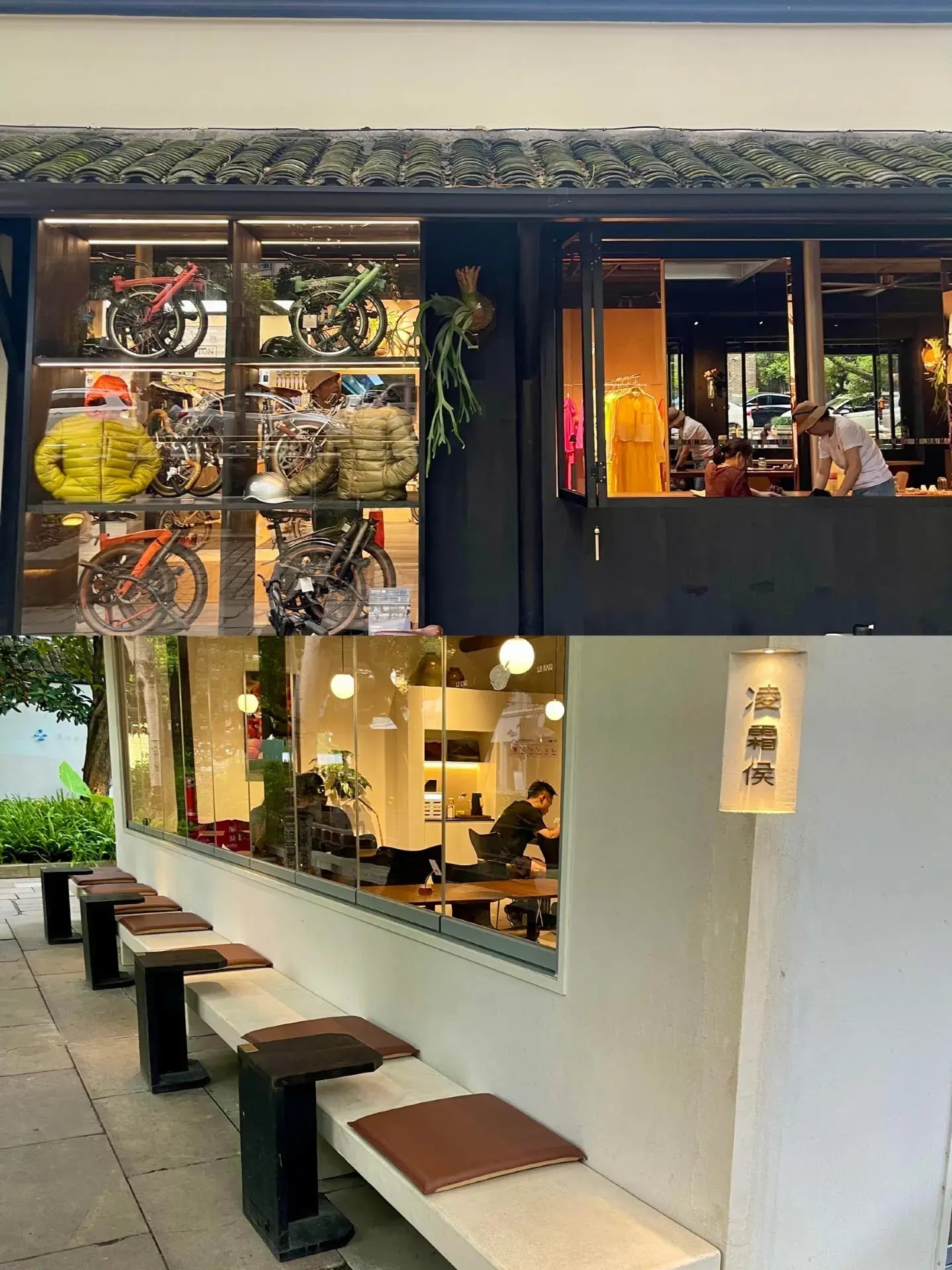
Look closely at the materials: timber doors, pale walls, exposed brick, roof tiles and stone paving. A wider frame can show how a café fits into the street, while a closer view can pick out a roof corner, lantern or window. Try a few viewpoints instead of repeatedly stopping in the busiest part of a narrow path.
After rain, the paving may catch reflections and the colours can look richer, but wet stone can also be slippery. In bright weather, tree shade offers an alternative to photographing straight into harsh light. Choose conditions that feel comfortable rather than expecting either sunshine or rain to produce the same scene every time.
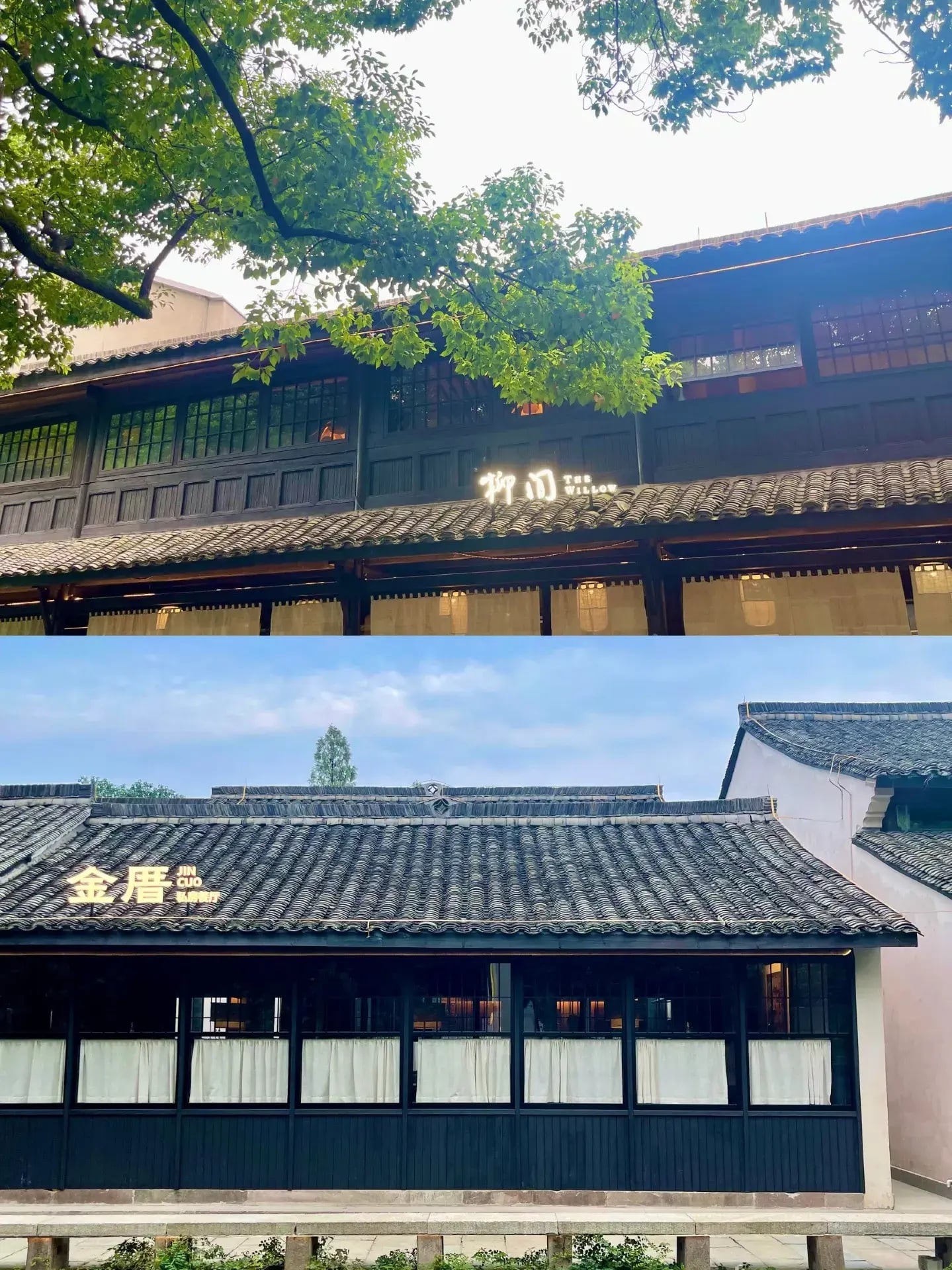
A relaxed half day is a sensible planning allowance if you want a riverside walk, a venue visit and a café break. The street itself is compact; much of the time comes from stopping to look, sitting down or joining an activity rather than covering a long distance. You can make a shorter visit by keeping to the public paths and one break.
Quiet moments are possible, but they are not guaranteed. Markets, exhibitions, weekends and holidays can draw visitors to a neighbourhood that looks peaceful in a photograph. Check for events if you prefer a particular atmosphere, and stay flexible if a favourite-looking spot is busy.
Liuxia can form part of a day in western Hangzhou, with Xixi Wetland as a separate addition. Plan the onward transport and the wetland entrance you intend to use; being in the same wider area does not mean every entrance is a short walk from the old street.
Tourism bus links have been introduced between Liuxia, the Xixi Road interchange and the wetland area, with some services limited to weekends and public holidays. Confirm the current route, boarding point and operating day before relying on one. A simple metro-based visit to Liuxia also works well on its own.
Wear comfortable shoes and bring a light rain layer when showers are forecast. Ask about steps and accessible entrances if these matter to your visit, particularly before choosing a specific café or cultural venue. Check opening times and any charges directly for individual exhibitions, workshops or businesses.
Keep the itinerary light enough to enjoy the street as you find it. A riverside stroll, a look at the older buildings and a thoughtful café stop can be a complete outing. Liuxia is best approached with time to notice the relationship between water, everyday life and the neighbourhood’s changing uses.