20Oct
+8619705475100
[email protected]

Zhujiajiao offers a different rhythm from central Shanghai: a stone bridge above a broad river, narrow shopping streets and glimpses of gardens behind walls. A rewarding day here leaves room to wander, eat and sit beside the water, with a few historic stops giving the walk its shape.
Begin around Fangsheng Bridge and North Street, allow time for Kezhi Garden, then choose a boat ride, the old post office or a temple visit according to opening hours and your interests. The public streets are free to explore; individual attractions and experiences have separate arrangements.
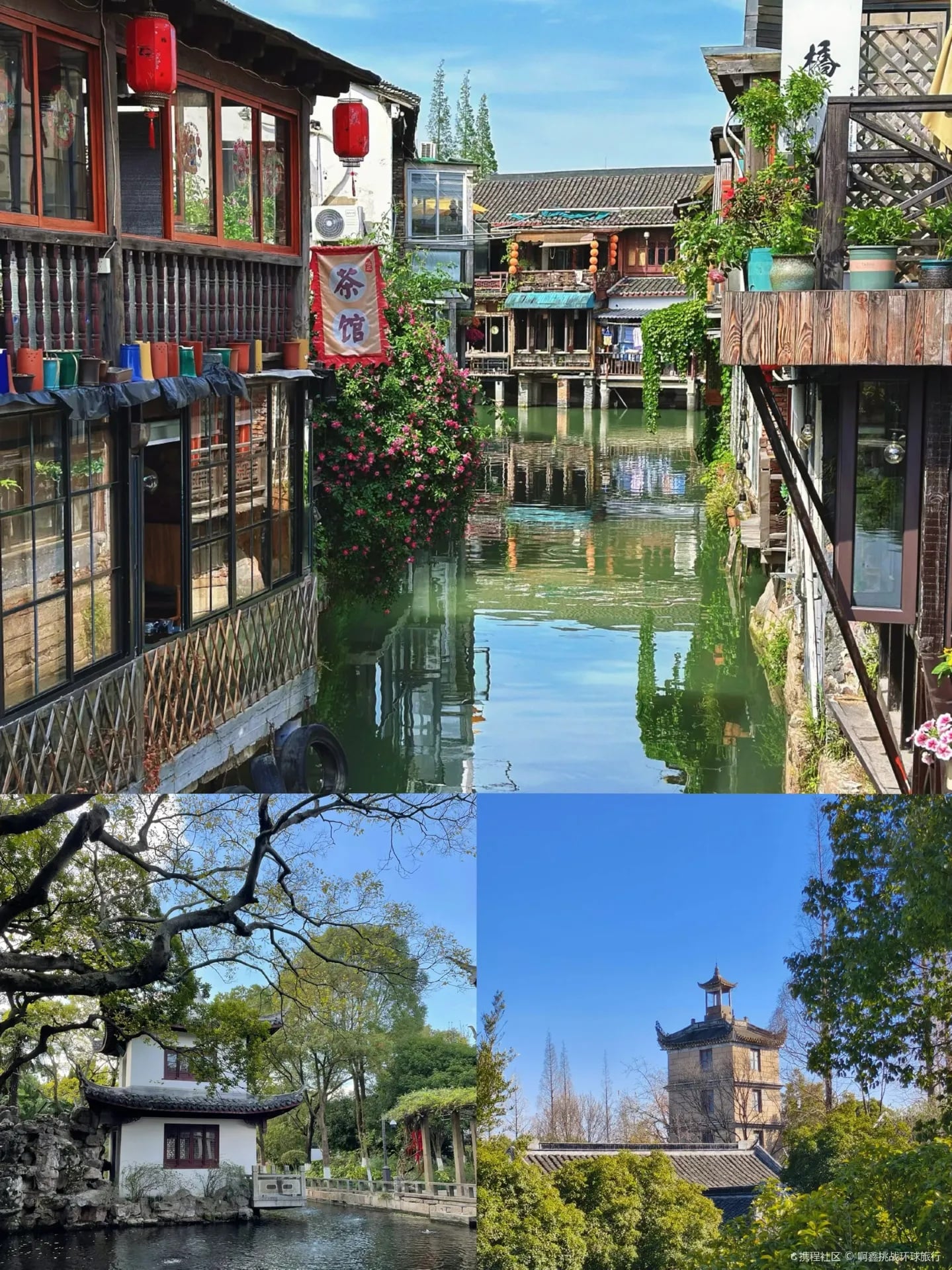
Shanghai Metro Line 17 serves Zhujiajiao. Plan the connection from your accommodation and allow for the final journey from the station to the old-town streets. The visitor centre and Fangsheng Bridge are different arrival points, so choose the one that fits your first stop.
Check current local bus and boat connections if you prefer a transfer to walking. A station-to-town boat service is distinct from a sightseeing trip within the canals. Confirm the route and departure point before buying a ticket.
Fangsheng Bridge is one of the town’s defining landmarks, a five-arched stone crossing over the Caogang River. The raised viewpoint brings together tiled roofs, boats and the riverside buildings, while the approaches show the bridge in relation to the working waterfront.
Take photographs without blocking the crossing, then look back from a permitted riverside path. Early light can be attractive, but mist and empty streets are possibilities rather than part of a fixed programme. Uneven steps and wet stone call for comfortable shoes.
North Street, or Beida Street, follows the old town’s commercial character. Look above the signs for timber windows and tiled eaves, and notice how the businesses sit beside the waterways. The most interesting details are often between the obvious stopping points.
A zongzi rice parcel makes a simple tasting stop; ask about the filling and whether it is ready to eat. Smoked green beans and local cakes are other small purchases to compare. Leave room for lunch rather than feeling obliged to try something from every stall.
Kezhi Garden, at the northern end of Xijing Street, offers a change from the shopping lanes. Built as a private estate in the early twentieth century, it combines Jiangnan garden design with architectural influences from farther afield. Its name links study with the cultivation of the land.
Give the garden time for courtyards, planted views, pavilions and changes in scale. The interest lies in how buildings frame the landscape as much as in a single photograph. Check the current entry ticket and last admission before planning a long lunch around it.
Kunqu performances have been staged in this setting, including garden productions of The Peony Pavilion. Book only against a current programme; a past description does not establish regular Wednesday or Saturday performances.
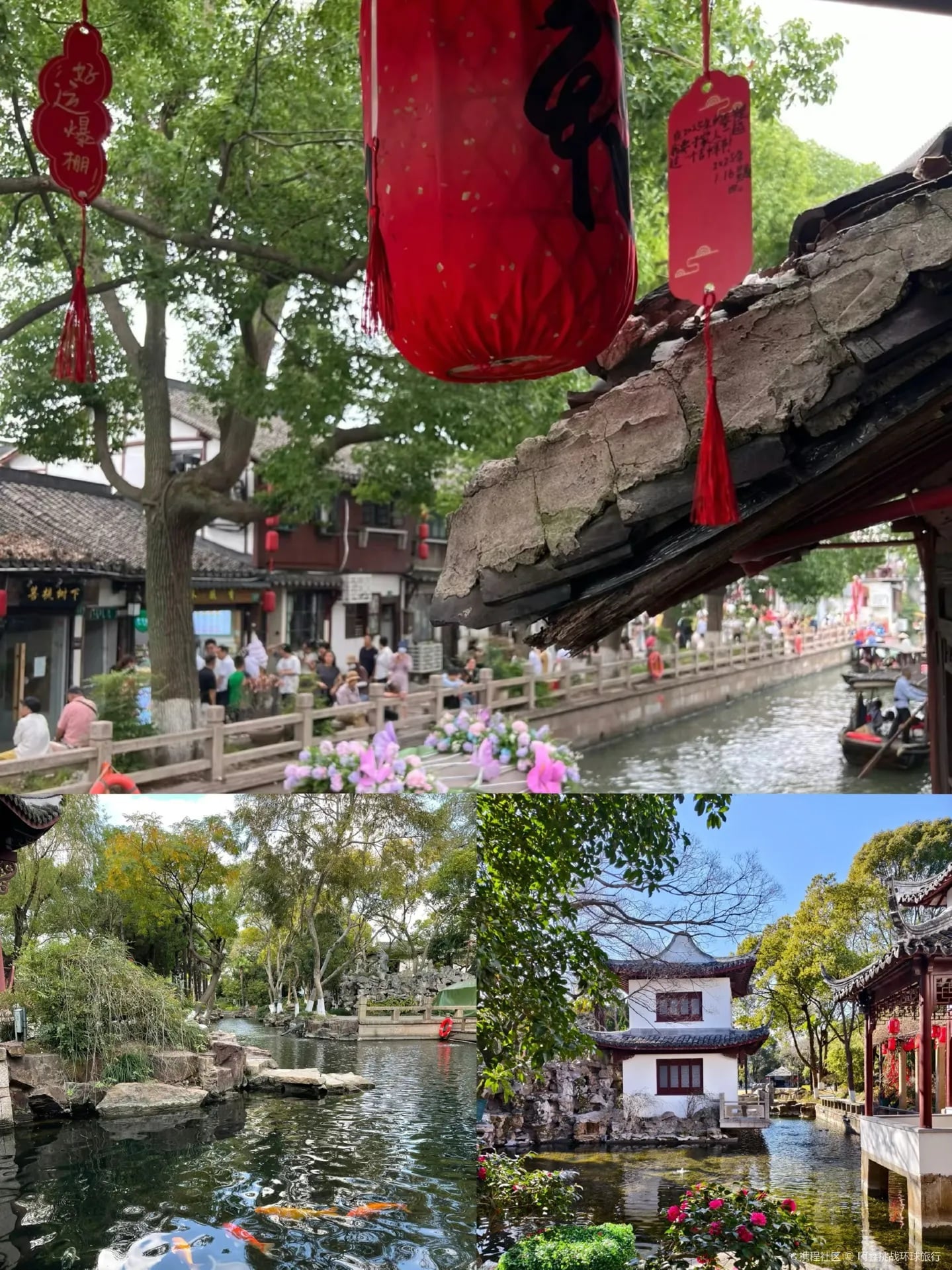
A boat brings the waterfront closer to eye level and changes the view of bridges and houses. Use an official boarding point and ask about the route, duration, capacity and price. A per-person shuttle fare and a private sightseeing boat are different products.
Operation depends on the weather and local arrangements. If boats are not running or the queue does not suit your day, keep the time for a waterside tea break instead. Looking across the canal can be just as enjoyable as moving along it.
The former Qing-era post office adds a small chapter of communications history to the walk. Postal services developed here during the final years of the Qing dynasty, and the surviving site connects the town’s waterways with the movement of letters and goods.
If postcard services are available, choose a card and confirm the postage and collection arrangements. Treat any café or exhibition inside the building as a business with its own current opening hours, rather than a guaranteed part of the historic attraction.
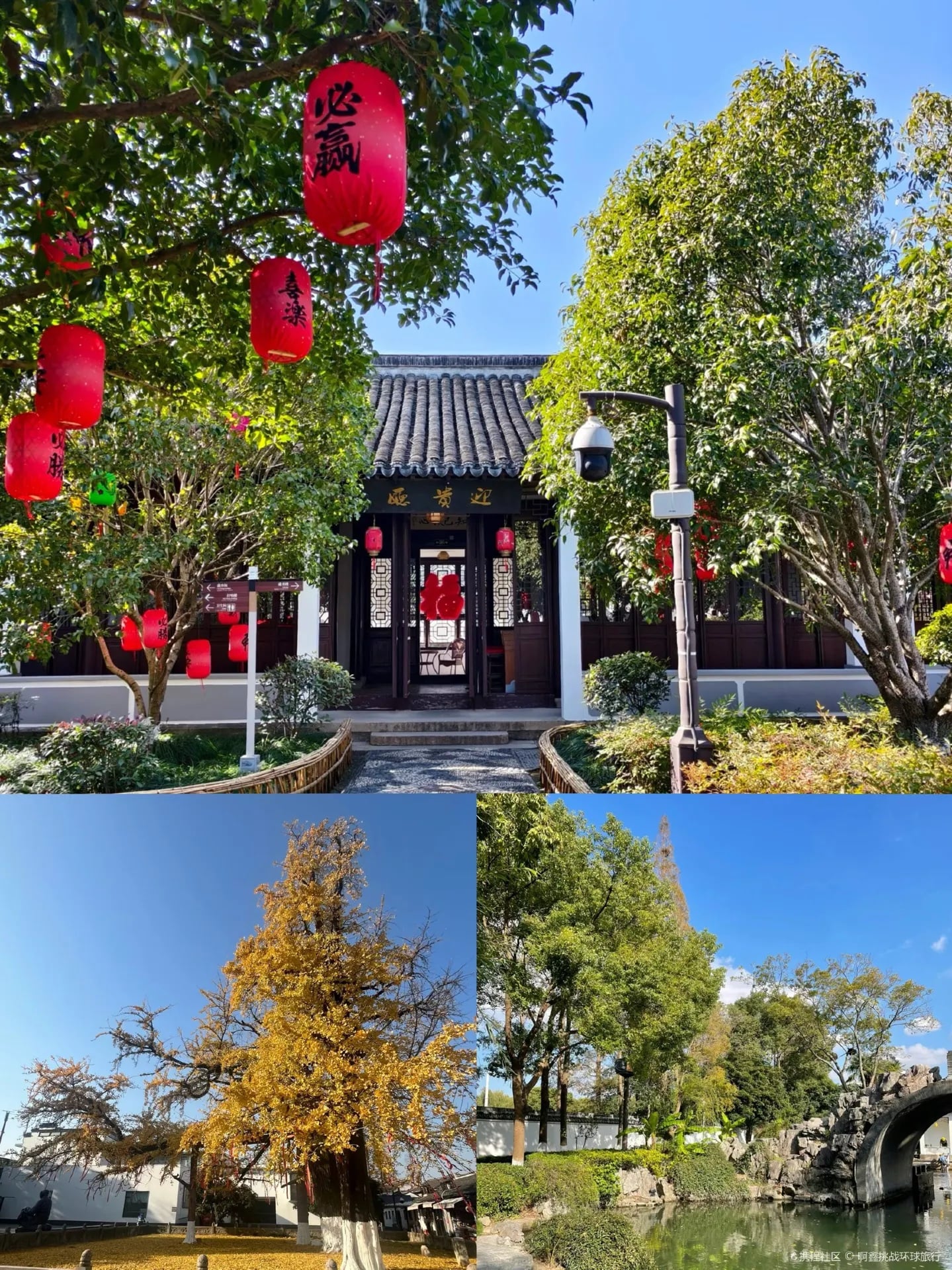
Yuanjin Temple is another option beside the river. Its religious and cultural history offers a different atmosphere from the commercial streets. Follow temple etiquette and any photography restrictions, and check which spaces are open. Access to a tower or upper-level viewpoint should be confirmed on the day.
Return towards Fangsheng Bridge or settle at a riverside table if time permits. Changing light can make familiar roofs and reflections look different, while a meal gives the visit an unhurried ending. Compare menus and portions before choosing a restaurant.
Local dishes can include steamed fish and river prawns, alongside simpler noodles or snacks. Ask about ingredients and preparation where needed. A named teahouse or café in an older travel post is a suggestion to investigate, not a promise of current tenancy or service.
If you stay after dusk, check the return connection first. Scenic lighting and special events may change, so avoid building the evening around an unverified weekly water show. Garden interiors, temples and boat services do not necessarily share the public streets’ hours.
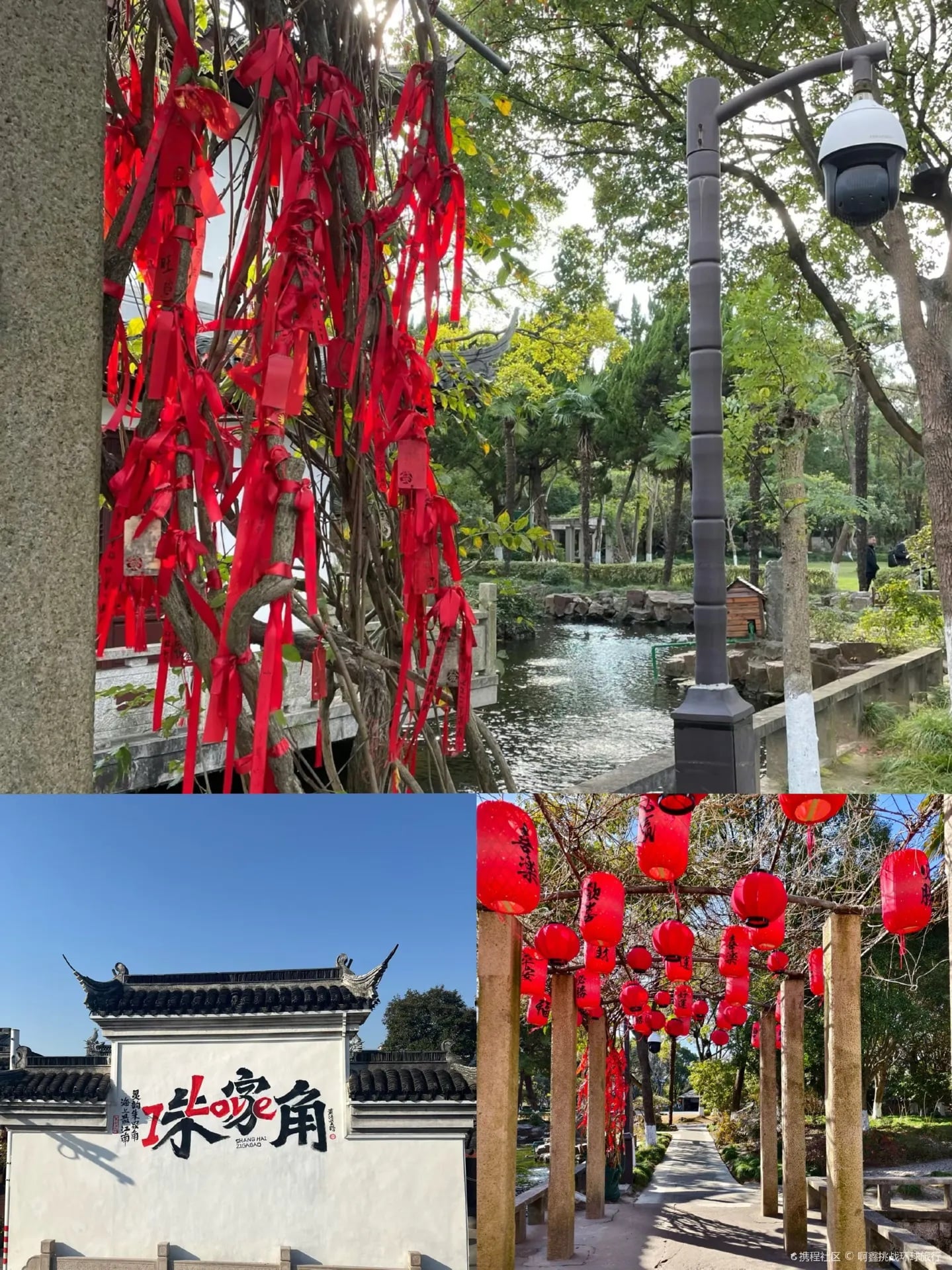
Select paid attractions according to what you actually want to see. Check the current ticket inclusions rather than relying on an old combined-pass price. A canal walk, Kezhi Garden and one additional stop can be enough for a full day.
Bring a rain layer or sun protection as conditions require and leave time for seated breaks. Keep residential entrances clear and ask before photographing people closely. The old town is also a neighbourhood, and its ordinary activity is part of the visit.
The best plan is one with enough room to follow a view, pause for tea and leave a busy lane for a quieter stretch of water. Zhujiajiao does not need a minute-by-minute schedule to fill a memorable day.