
Plan a slower, richer stay in Hangzhou with local advice on West Lake, tea culture, temples, heritage and food.
Is Hangzhou Worth Visiting? The Quick Answer
Yes. Hangzhou is a rewarding addition to an East China trip if you enjoy lakeside scenery, tea culture, temples and time outdoors. For most first-time visitors, we recommend two full days; stay three if you want to explore beyond the classic sights. Start with West Lake, then spend another day around Lingyin Temple and the Longjing tea-growing hills. A third day can focus on the Grand Canal, Liangzhu or Xixi Wetland. Hangzhou combines well with Shanghai and Suzhou, but an overnight stay gives you more freedom than a hurried day trip.
Hangzhou at a Glance
| Planning question | Our recommendation |
|---|---|
| Ideal first visit | Two to three full sightseeing days |
| Minimum worthwhile visit | One full day with a focused route |
| Best for | Lakes, tea culture, temples, heritage and slower travel |
| Classic highlights | West Lake, Lingyin Temple and the Longjing tea area |
| Walking | Easy lakeside sections; steps and slopes in temple and tea areas |
| Best seasons for outdoor sightseeing | Spring and autumn |
| Families and seniors | Good options when walking and transfers are planned carefully |
| Arrival from Shanghai | High-speed rail; check the exact stations before booking |
| Suggested onward stops | Shanghai, Suzhou, Wuzhen or Huangshan |
| Guided travel options | Private and tailor-made journeys; ask about small-group availability |
Planning Your First Trip to Hangzhou?
Tell us your travel dates, interests and preferred pace. Our Hangzhou-based team can help you choose a route that leaves time to enjoy each stop.
In This Guide
Is Hangzhou Worth Visiting?
Yes, particularly if you want to balance Shanghai’s urban sightseeing with landscapes and cultural experiences. West Lake sits alongside the city, with wooded hills on its other sides. You can move between lakeside paths, neighbourhood restaurants and tea-growing countryside within the same stay.
The lake is also a cultural landscape. Its causeways, islands, gardens and temples reflect centuries of landscape design, and UNESCO recognises its influence on gardens elsewhere in China, Japan and Korea. Understanding a little of that history makes a walk here more meaningful. [1]
Hangzhou suits travellers who enjoy exploring at an unhurried pace. It is less convenient if you have only a few hours between trains and want to include several distant attractions. Nor does a scenic reputation guarantee solitude: popular lakeside sections and temple approaches can feel busy.
| Choose Hangzhou for | Consider a different plan if |
|---|---|
| Lakeside walks and wooded hills | Your main priority is big-city nightlife |
| Tea culture and village visits | You have only a few spare hours |
| Buddhist heritage and early Chinese history | You want every attraction within a compact walking district |
| Combining city comforts with outdoor time | Your itinerary already includes too many hotel changes |
How Many Days Do You Need in Hangzhou?
Two full days are our recommended starting point. This gives you one day for West Lake and historic neighbourhoods, and another for Lingyin and the tea-growing area.
| Time available | What to prioritise |
|---|---|
| One full day | West Lake plus either Lingyin or a tea-village visit |
| Two full days | West Lake, historic streets, Lingyin and tea culture |
| Three full days | Add the Grand Canal, Liangzhu or Xixi according to your interests |
| Four days or more | Slow down further or add an excursion beyond central Hangzhou |
Count sightseeing days separately from arrival and departure. Arriving after lunch and leaving the following morning gives you substantially less time than a full two-day visit.
If your schedule is tight, choose fewer places and spend longer at them. A short lake walk, a relaxed meal and one meaningful cultural visit can make a better day than repeated transfers.
Best Things to Do in Hangzhou
West Lake: Start With the City’s Defining Landscape
West Lake is the natural starting point for a first visit. Its appeal changes as you move: the eastern shore connects easily with city life, while other sections offer gardens, causeways and views towards the hills.
Choose a section to explore rather than treating a complete circuit as essential. An early walk can leave the afternoon free for a museum or neighbourhood visit; a late-afternoon return lets you see the lake in different light.
Much of the public lakeshore is free to visit. Boat trips, some individual attractions and performances have separate charges. Confirm what a boat ticket includes, its landing point and whether it suits your onward route. [7]
Planning tip: One lake walk and an optional boat trip are usually enough for a first day. Leave room for a meal and a second, shorter visit if you enjoy the atmosphere.
Lingyin Temple and Feilai Peak: Buddhist Heritage in the Hills
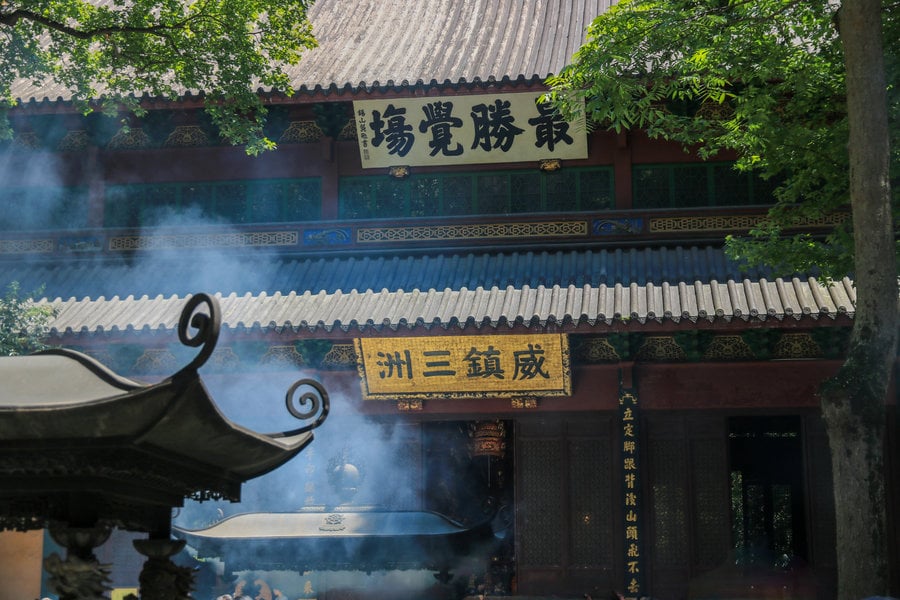
Lingyin Temple: allow time for Buddhist heritage and the surrounding hills.
Lingyin and the surrounding Feilai Peak area combine an active Buddhist setting with wooded scenery and rock carvings. Allow enough time to look beyond the main temple halls, while keeping your route realistic if steps are difficult.
Dress respectfully, keep your voice low and follow notices about photography. Visitors are sharing the space with worshippers.
Current admission information: Since 1 December 2025, the Lingyin Feilai Peak Scenic Area, including Lingyin Temple, has operated free admission with real-name, timed reservations. The official notice accepts passports for overseas visitors. Reserve through the “杭州灵隐飞来峰” mini-program on WeChat or Alipay and bring the original document used for booking. Advance reservations are available for the coming seven days and should be made at least one day ahead. Limited on-site registration may be possible when capacity remains; do not rely on it. Check the official platform before your visit. [4]
Planning tip: Combine Lingyin with one tea-area stop, leaving a generous lunch and transfer break between them.
Longjing Tea Villages: Make Time for Tea Culture
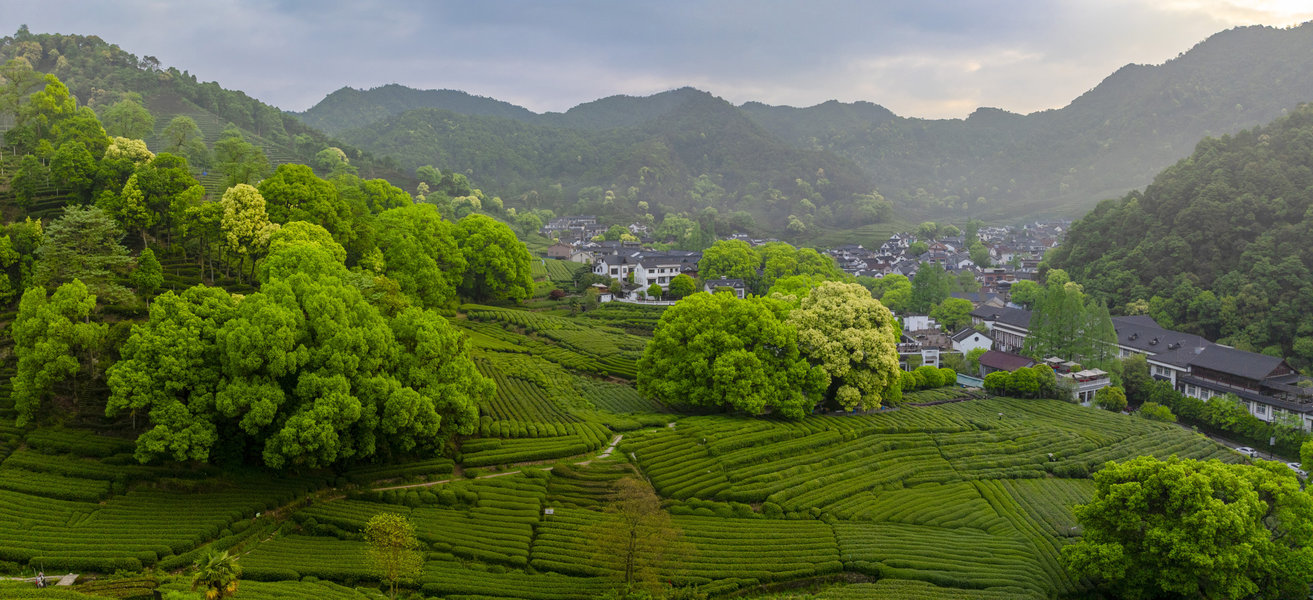
Meijiawu tea fields: plan a cultural experience, with purchases entirely optional.
Longjing, often translated as Dragon Well, is the green tea most closely associated with Hangzhou. The tea-growing hills offer a different experience from the urban lakeshore: village lanes, planted slopes and opportunities to understand how tea is grown and prepared.
Longjing Village is a familiar starting point; Meijiawu is another option to consider when planning a tea-focused visit. Choose according to your route and the experience available, rather than trying to visit every village.
Spring is especially interesting for the harvest, although its timing changes with the weather. Tea picking, processing demonstrations and hosted tastings must be arranged or confirmed; they are not guaranteed simply because you arrive at a village. [8]
A worthwhile visit does not depend on buying tea. Ask what is included and what any tasting or activity costs before it begins. Stay on permitted paths and never pick leaves without permission.
For journeys arranged by Discover East China Tours, our No Forced Shopping Promise means a tea experience can focus on learning and enjoyment, with purchases entirely optional.
The Grand Canal: Explore Another Side of Hangzhou
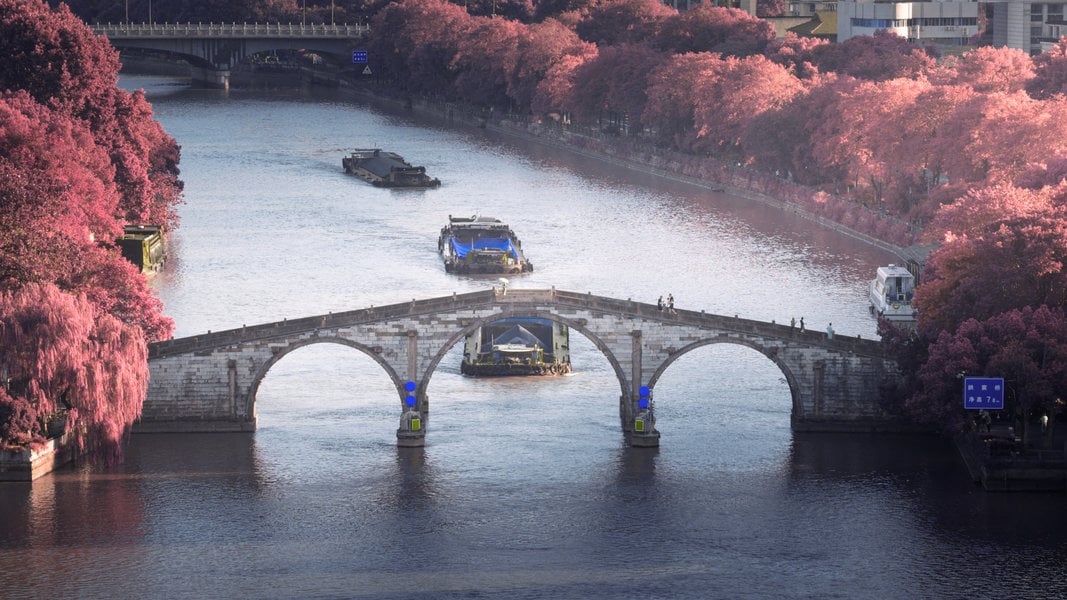
Gongchen Bridge introduces Hangzhou’s canal heritage.
The Grand Canal introduces a different strand of the city’s heritage. UNESCO recognises the wider canal system for its engineering and its historic role in transport and trade. [2]
In Hangzhou, Gongchen Bridge and the nearby Qiaoxi historic area provide a useful focus. Qiaoxi also houses museums devoted to local crafts, including umbrellas and fans. Check individual museum opening arrangements when building your route. [9]
Choose one canal neighbourhood and explore it properly. Combining every historic street into a single walk can create a much longer outing than expected.
Xixi Wetland: A Separate Nature Outing
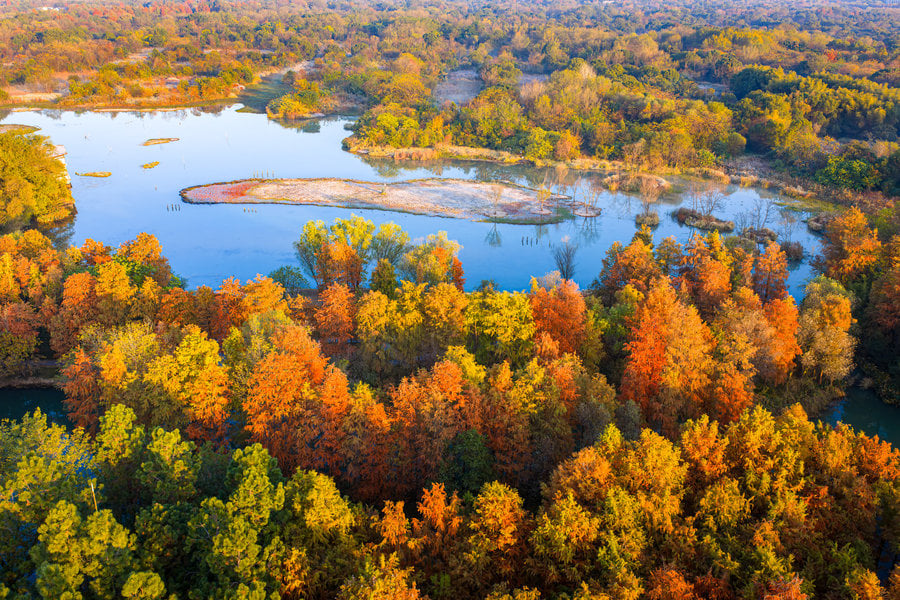
Xixi Wetland offers a different outdoor setting from West Lake.
Xixi offers waterways, vegetation and a different outdoor setting from West Lake. It is worth considering if your interests lean towards nature or if you have already seen the classic Hangzhou sights.
The experience depends on your entrance, walking route and any boat service you choose. Seasonal changes matter too: official visitor information highlights spring plum blossoms and autumn reeds. [10]
Give Xixi its own half-day rather than inserting it between Lingyin and another distant attraction. Confirm current tickets, boat options and entry points before travelling.
Liangzhu: For Travellers Curious About Early China
The Archaeological Ruins of Liangzhu City are particularly rewarding for visitors interested in early civilisation. Dating to approximately 3300–2300 BCE, the UNESCO-listed site preserves evidence of urban planning, water management and a socially organised, rice-growing society. [3]
Expect an archaeological landscape, rather than a surviving city of intact buildings. The Liangzhu Museum and archaeological park are separate venues; consider both if you want objects and interpretation alongside the outdoor site.
Reserve a substantial part of the day for the area. Confirm each venue’s opening and booking arrangements, and avoid adding it as a quick stop after a full West Lake itinerary.
Hefang Street and Historic Hangzhou
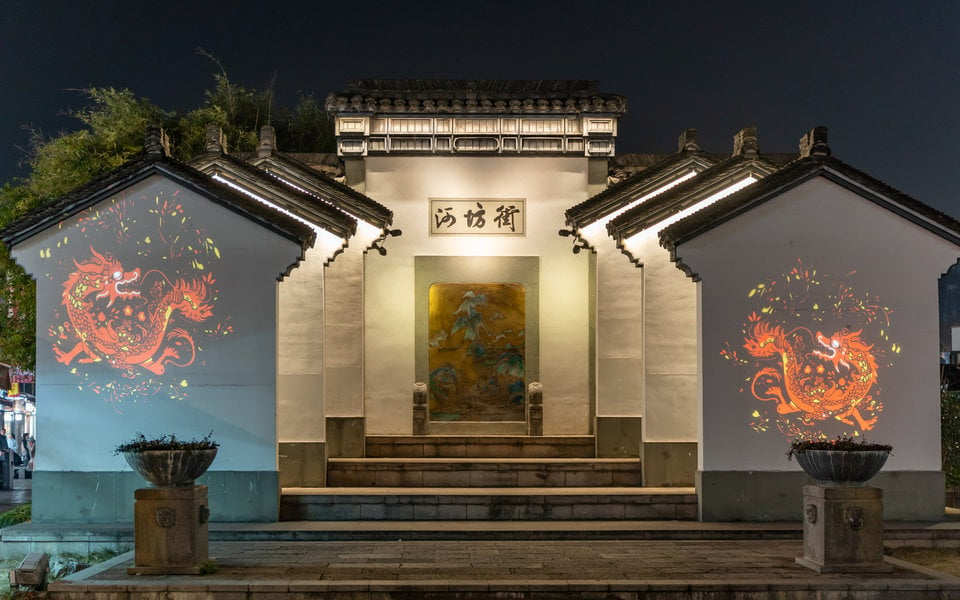
Hefang Street suits an evening browse and a casual meal.
Hefang Street and Southern Song Imperial Street offer an accessible introduction to Hangzhou’s historic commercial districts. They suit a late-afternoon walk, a browse and a casual meal. [11]
Expect a visitor-oriented environment, with shops and snack stalls alongside heritage themes. If you prefer quieter streets, use the main pedestrian areas as a starting point and explore nearby lanes respectfully.
Which Experiences Should You Choose?
These are suggested planning allowances, excluding transfers and queues.
| Experience | Best for | Allow | Walking and timing | Booking and combination | Skip or shorten if |
|---|---|---|---|---|---|
| West Lake | Almost every first visit | Half a day or longer | Easy sections available; early or late light | Public shore needs no general ticket; combine with historic streets | Shorten in extreme heat or limited time |
| Lingyin and Feilai Peak | Temples and Buddhist heritage | About three hours | Steps and uneven sections; earlier visits can work well | Reserve; combine with tea hills | Steps or crowds would make the visit uncomfortable |
| Longjing tea area | Tea, village scenery and slower travel | Two to three hours | Easy lanes or hill paths, depending on route | Arrange hosted activities; combine with Lingyin | Tea culture holds little interest |
| Grand Canal | Neighbourhoods and craft heritage | Half a day | Mostly gentle routes; bridge steps vary | Check museums; focus on one district | Your two-day schedule is already full |
| Xixi Wetland | Nature and a different outdoor setting | Half a day | Route-dependent; allow boarding time for boats | Check entrance and boat arrangements | You prefer history to another landscape visit |
| Liangzhu | Archaeology and early civilisation | Half to a full day | Extensive grounds; avoid the hottest hours | Check museum and park separately | You want intact historic buildings |
| Historic streets | Food, browsing and city history | One to two hours | Mostly easy; evenings can be busy | Combine with southern lake sightseeing | You dislike commercial pedestrian streets |
Best Hangzhou Itineraries
One Day in Hangzhou
Spend the morning exploring one section of West Lake. After lunch, choose Lingyin and Feilai Peak or the tea-growing area. Return towards your hotel or departure station with a comfortable buffer.
For a day trip from Shanghai, the train journey is only part of the travel time. Include station access, security, onward transport and your return connection. If that leaves the day feeling rushed, stay near West Lake and enjoy a more focused visit.
Two Days in Hangzhou: Our First-Visit Recommendation
Day 1 — West Lake and historic Hangzhou
Begin with a lakeside walk suited to your hotel location and energy level. Add a boat trip if its route fits. Pause for lunch, then choose a museum, garden or rest break before visiting Hefang Street and nearby historic streets. Keep the evening flexible.
Day 2 — Lingyin and tea culture
Visit Lingyin and Feilai Peak in your reserved time slot. Allow a proper lunch break before continuing to a tea village for a walk and an arranged tasting or cultural experience. Choose a gentle lane visit or a longer hill walk according to your group.
This plan leaves room for weather, traffic and individual interests without treating every attraction as compulsory.
Three Days in Hangzhou
Use the two-day route above, then select one theme:
- Canal heritage: Gongchen Bridge, Qiaoxi and a craft museum.
- Early civilisation: Liangzhu Museum and the archaeological landscape.
- Nature: A planned Xixi Wetland route with an optional boat ride.
For an easier third day, return to a favourite lakeside area and spend more time over lunch or tea.
Prefer a Slower, Privately Guided Itinerary?
We can adapt your sightseeing to your interests, walking comfort and arrival arrangements, with time for meals and breaks.
Best Time to Visit Hangzhou
For a first visit focused on walking and outdoor sightseeing, we generally recommend spring or autumn. Each season offers a different experience; none guarantees dry weather or quiet attractions.
| Season | What to expect | How to plan |
|---|---|---|
| Spring | Fresh growth, flowers and the spring tea season; rain is possible | Keep outdoor plans flexible and confirm harvest activities |
| Summer | Lotus scenery, heat, humidity and rain | Walk early, pause indoors at midday and carry water |
| Autumn | Often comfortable walking weather, seasonal colour and osmanthus | Choose weekdays where possible; flowering dates vary |
| Winter | A colder, quieter-feeling landscape outside holiday peaks | Bring layers and plan warm indoor breaks |
April and October are useful starting points when choosing dates, but weather and public holidays should influence the final decision. Early-October National Day travel can be especially busy; other holiday dates vary by year.
Rain does not automatically spoil a visit. Light rain can suit a short lake walk, while museums and a seated tea experience provide alternatives. Heavy rain is a reason to revise exposed walks and check boat operations.
Where to Stay in Hangzhou
For most first-time visitors, start your search around Hubin on the eastern side of West Lake. This gives you a practical balance of lake access, restaurants and city transport. Choose elsewhere if quiet surroundings matter more than convenience.
| Area | Best for | Transport and atmosphere | Price tendency | Main trade-off |
|---|---|---|---|---|
| Hubin / east side of West Lake | First visits and easy evenings | Urban, walkable lake access; metro proximity varies | Wide range; views may command a premium | Busy surroundings at popular times |
| Nanshan Road / southern lake area | Lakeside atmosphere and slower stays | Good walking opportunities; exact location matters | Mixed, with premium scenic properties | Longer walks to some metro stations |
| Lingyin / tea-growing hills | Nature and quieter surroundings | More dependent on road transport | Guesthouses through to luxury retreats | Fewer convenient cross-city connections |
| Central city / Grand Canal districts | Dining, neighbourhoods and repeat visits | Choose a hotel near useful transport | Often more choice away from prime lake frontage | Lake sightseeing requires a transfer |
The Grand Canal spans several districts; a hotel advertised as “near the canal” may still be far from your planned sights. Check its exact address.
For families or seniors, ask about lifts, vehicle access, room arrangements and the real walking route from the hotel. A scenic address can be less useful than a comfortable entrance and easy transport.
How to Get to Hangzhou
From Shanghai
High-speed rail is the usual starting point for planning this journey. Compare services for your dates and check both ends of the booking: Shanghai has multiple stations, and Hangzhou’s stations serve different parts of the city.
Choose the arrival station together with your hotel and first day’s route. The fastest train does not always produce the simplest door-to-door journey.
From Suzhou
Rail can fit well into a Shanghai–Suzhou–Hangzhou itinerary. Compare the specific departure and arrival stations, rather than searching only by city name. Leave time after arrival to check in before beginning sightseeing.
From Huangshan
Plan the transfer around where you are staying: Huangshan’s urban area, villages and mountain gateways are different destinations. Compare a suitable rail connection with a private transfer for your actual route.
From Hangzhou Xiaoshan International Airport
The airport’s official transport information lists Metro Lines 1, 7 and 19. Choose your route according to your hotel and required connections, and check operating hours for your arrival date. A taxi or pre-arranged transfer can be convenient with children, substantial luggage or a late arrival. [5]
Railway Booking Basics
China Railway’s official English booking platform is 12306. Its English service accepts valid foreign passports. Enter passenger details accurately and travel with the document used to book. Allow time for station security and document checks. [6]
Getting Around Hangzhou
Metro: Useful for many city journeys. A station near a scenic area does not necessarily put you beside your chosen entrance, so check the final walking section.
Taxi or DiDi: Helpful for point-to-point journeys. Save destinations in Chinese and check the designated pick-up location in busy scenic areas.
Private car: Worth considering when combining temple and tea areas, travelling as a family or reducing walking. A car still needs to follow traffic restrictions and permitted drop-off points.
Walking: Often the most enjoyable way to explore a selected lake or neighbourhood route. Avoid joining several long routes simply because they look close on a map.
Bicycles: An option for confident riders on permitted routes. Check local signs, parking rules and whether your chosen rental service works with your phone and payment setup.
Scenic-area transport: Boats and shuttle-style services can help shape a lake visit. Check their stops, charges and operating arrangements before relying on them. [7]
Plan by More Than Distance
A short distance can still involve traffic, an indirect entrance or a lengthy walk after drop-off. Build your day around entrance locations, reservation times, walking comfort and meal breaks. Carry your hotel’s Chinese address and confirm a workable payment method before setting out.
What to Eat in Hangzhou
Hangzhou’s local cooking, known as Hangbang cuisine, belongs to the wider Zhejiang tradition. Signature dishes include Dongpo pork, Longjing shrimp and West Lake vinegar fish. Flavours are often mellow or slightly sweet, rather than chilli-led. [12]
Dongpo pork is a rich braised pork-belly dish, best shared alongside vegetables and lighter dishes.
Longjing shrimp brings together shrimp and the city’s famous tea. It is a useful introduction to the link between local ingredients and regional cooking.
West Lake vinegar fish has a distinctive sweet-and-sour sauce. Ask about bones before ordering for young children or anyone who finds whole fish difficult.
For a simpler meal, try a neighbourhood noodle restaurant or breakfast stop. Tea can also be part of your food experience: sit down, ask how it is prepared and give yourself time to notice the flavour.
Is Hangzhou Food Spicy?
Traditional Hangzhou dishes generally are not strongly spicy, although restaurants across the city serve many regional styles. Ask about individual dishes. If you have dietary requirements, check sauces, stocks, cooking wine and preparation methods rather than relying on a dish’s English name.
Hangzhou for Different Travellers
| Traveller | A suitable approach |
|---|---|
| First-time China visitors | Two full days with the lake, Lingyin and tea culture |
| Families with children | Short walks, breaks and one arranged interactive activity |
| Senior travellers | Convenient accommodation, manageable routes and seated pauses |
| Couples | Lakeside evenings, tea hills and flexible meal times |
| Photographers | Allow return visits and adapt to the light and weather |
| Culture travellers | Prioritise Lingyin, canal heritage or Liangzhu |
| Slow travellers | Three or four days with space to revisit favourite places |
A gentle itinerary still needs careful planning. Temple steps, boat boarding and guesthouse access can matter more than the total distance travelled. Tell your planner about walking comfort before choosing the route.
Hangzhou or Suzhou?
Choose Hangzhou if lakes, hills and tea culture appeal most. Choose Suzhou if classical gardens and historic canal streets are your priority. These are itinerary recommendations, rather than a ranking of the two cities.
| Planning factor | Hangzhou | Suzhou |
|---|---|---|
| Main appeal | Lake scenery, wooded hills and tea | Classical gardens and canal neighbourhoods |
| Suggested first stay | Two to three full days | One to two full days |
| Route style | Often spread across separate areas | Selected garden and old-town sights can form a compact day |
| Best match | Travellers combining nature and culture | Travellers drawn to gardens and built heritage |
| Connection with Shanghai | Compare rail options for your dates | Compare rail options for your dates |
Visit both if you can give each a worthwhile stay. If adding another city means losing your only relaxed day, choose the one that better matches your interests.
Best Day Trips From Hangzhou
Hangzhou can also be a base for exploring more of Zhejiang. Select an excursion for its character and check the complete return journey before booking.
| Destination | Consider it for | Planning advice |
|---|---|---|
| Wuzhen | A well-known water-town experience | Choose the area you want to visit; consider an overnight stay for the evening |
| Shaoxing | Historic streets and another city perspective | Build a focused route rather than adding every attraction |
| Moganshan | Wooded hills and a countryside break | Road transfers matter; a longer stay can feel more relaxed |
| Tonglu | River landscapes and rural outings | Choose a specific village or scenic area before arranging transport |
For a first two-day Hangzhou visit, we usually recommend enjoying the city before adding a distant excursion.
Common Mistakes When Visiting Hangzhou
- Giving West Lake only a brief photo stop. Allow time for a walk and a pause beside the water.
- Planning entirely by map distance. Check entrances, transfers and traffic restrictions.
- Scheduling long exposed walks at midday in summer. Move them earlier or later and include indoor breaks.
- Treating tea culture as a compulsory shopping visit. Confirm the experience and any charges in advance.
- Putting too many distant attractions into one day. Choose a main area and one compatible addition.
- Leaving reservations until arrival. Check Lingyin and any other booked activities before travelling.
- Ignoring stations and hotel access. Plan the whole journey, including luggage and the final transfer.
Frequently Asked Questions
Is Hangzhou Worth Visiting?
Yes, especially if you enjoy scenery, tea culture and cultural sightseeing. Its strongest first-visit combination is West Lake, Lingyin and the tea-growing hills. The city also offers canal heritage and archaeology for a longer stay. Choose it because those experiences interest you, rather than adding another stop to an already crowded itinerary.
How Many Days Do You Need in Hangzhou?
We recommend two full sightseeing days for most first-time visitors. One day can cover a focused introduction; three gives you time for the Grand Canal, Liangzhu or Xixi. Count arrival and departure separately. Two hotel nights may leave less than two full days if your transport arrives late or departs early.
Is One Day Enough for Hangzhou?
One full day is enough for an introduction. Prioritise West Lake and choose either a temple visit or tea experience if the timing works. A day trip from Shanghai also needs station and local transfer time. Stay overnight if you want a more relaxed morning or evening by the lake.
What Is Hangzhou Famous For?
Hangzhou is best known to visitors for West Lake and Longjing tea. Lingyin Temple is another major cultural stop, while the Grand Canal and Liangzhu broaden the city’s heritage story. For a first trip, begin with the lake and tea hills, then add another theme according to your interests.
Is Hangzhou Better Than Suzhou?
Neither is better for every traveller. Hangzhou is our recommendation for lake scenery, hills and tea culture; Suzhou suits an interest in classical gardens and canal streets. If time allows, the two can complement each other. With a tight schedule, choose one and give it enough time rather than rushing through both.
How Far Is Hangzhou From Shanghai?
Hangzhou is southwest of Shanghai and can be included in a rail-based East China itinerary. For travel planning, the exact stations and departure matter more than a single city-to-city distance. Check current services, then add transfers at both ends before deciding whether to visit for a day or stay overnight.
Can I Visit Hangzhou Without a Tour?
Yes. Independent travel is a reasonable option if you are comfortable arranging transport, reservations and navigation. A guide can help with interpretation, a coordinated tea experience and routes tailored to your walking needs. Decide according to the support you want and the time available, rather than assuming a tour is essential.
What Is the Best Month to Visit Hangzhou?
April and October are good starting points for a walking-focused trip, with spring and autumn our general recommendations. Check your actual dates against holidays and expected weather. Spring tea activities depend on the harvest, while autumn flower displays vary. Keep a rain alternative regardless of the month you choose.
Is West Lake Free to Visit?
Much of the public lakeshore is free, so you can enjoy a walk without buying a general lake admission ticket. Boat trips and certain attractions or performances are separate purchases. Check what any ticket includes and where the activity ends before fitting it into your day. [7]
Is Hangzhou Suitable for Families With Children?
Yes, with a manageable pace. Short lakeside walks, rest stops and an arranged tea activity can work better than a long list of sights. Choose transport and accommodation around your children’s ages. Confirm boat boarding, steps and stroller suitability for the specific route rather than assuming every scenic area is equally easy.
Is Hangzhou Suitable for Senior Travellers?
Yes, when the itinerary reflects individual walking comfort. Choose convenient accommodation, shorter sightseeing sections and time to sit down. Temple steps, sloping paths and boarding arrangements need particular attention. A private transfer can simplify the day, but the walking required after drop-off should still be checked before booking.
Can I Visit a Tea Plantation in Hangzhou?
Yes, you can explore tea-growing areas around the city. Choose permitted village lanes and paths, and arrange any hosted tasting or picking activity beforehand. Harvest experiences are seasonal and weather-dependent. Learning about tea does not require a purchase; confirm costs clearly and respect growers’ land and working routines.
Explore More of Hangzhou
Use the topics below to plan the details of your stay:
- One, two and three days in Hangzhou
- West Lake walks and boat-trip planning
- Longjing tea villages and cultural experiences
- Where to stay in Hangzhou
- Shanghai to Hangzhou by train
- Hangzhou with children or senior travellers
- Hangzhou versus Suzhou
- Combining Hangzhou with Wuzhen or Huangshan
Hangzhou Tour Ideas
Our team can use these starting points to build a trip around your interests:
Three-day Hangzhou private journey: More time for the lake, temple heritage and tea culture, with an additional experience chosen for your group.
Four-day Hangzhou and Wuzhen journey: Combine Hangzhou’s landscapes with a water-town stay, allowing time for an evening in Wuzhen.
Shanghai–Suzhou–Hangzhou journey: Link urban sightseeing, classical gardens and lake-and-tea scenery in a wider East China trip.
Ask us about current arrangements, inclusions and suitable travel dates.
Build Your East China Journey
Whether you want two relaxed days in Hangzhou or a longer journey through Shanghai, Suzhou, Wuzhen and Huangshan, we can help shape the route around you.
Share your dates, group size, interests and preferred walking pace. Our Hangzhou-based team will help you plan a private journey with local guidance, comfortable pacing and no forced shopping.
Local Planning Note
Use the suggested durations as planning allowances. Your route should reflect weather, reservations, traffic and the needs of your group. Confirm dynamic information with the relevant official operator before travelling.
Prepared for: Discover East China Tours
Last updated: 3 October 2026
Recent Comments