
Shanghai is a rewarding first stop in East China because it offers several different journeys within one city. You can walk past the Bund’s historic waterfront buildings, look across the Huangpu River toward Pudong’s towers, spend an afternoon among tree-lined residential streets, and finish with a meal that introduces you to local flavours.
The challenge is deciding what belongs in your trip. Shanghai is large, its best-known places are spread across different areas, and a list of attractions does not automatically make a comfortable itinerary.
For a first visit, start with three priorities: the riverfront, one historic neighbourhood walk, and a food or cultural experience that interests you. Add museums, gardens, family attractions or a nearby excursion according to your available time.
This guide is the starting point for planning Shanghai. It explains the main visitor areas, how many days to allow, where to stay and how to connect the city with Suzhou, Hangzhou and the wider region.
Shanghai at a Glance
| Planning question | Practical starting point |
|---|---|
| How long should I stay? | Allow three full days for a balanced first visit; two days cover selected highlights |
| What should I prioritise? | The Bund, one historic neighbourhood, and a museum, garden or local experience |
| Where should I stay? | Choose a convenient central base with useful transport and dining nearby |
| How should I get around? | Walk within neighbourhoods and use the metro or a car between areas |
| Is a day trip worthwhile? | Yes, if you have enough time for Shanghai itself; Suzhou, Hangzhou and Zhujiajiao offer different experiences |
| Is Shanghai suitable for families? | Yes; reduce transfers, include breaks and reserve a full day for a major theme park |
| Should I return here before flying home? | An overnight gateway stay can make a separate-ticket international departure easier to manage |
These are planning recommendations, not minimum requirements. Your arrival and departure times, interests and walking pace matter as much as the number of nights.
What Makes Shanghai Worth Visiting?
A City of Contrasting Streetscapes
The riverfront provides the most familiar view of Shanghai, but the city becomes more interesting when you look beyond the skyline.
Historic commercial buildings, shikumen-style lanes, garden houses, parks and former industrial sites reveal different layers of development. Contemporary galleries, cafés, restaurants and public waterfronts show how those places are used today.
A good visit includes both landmark views and time at street level.
An Accessible Introduction to East China
Shanghai is a major arrival and departure gateway, with extensive urban transport and rail connections to other cities in the region.
It works well at the beginning of a journey, when you need time to adjust, set up payment and get comfortable with local travel. It also makes sense at the end, when you want a manageable base before an international flight.
Experiences for Different Interests
Architecture, food, museums, shopping, contemporary art and family attractions can all shape a Shanghai visit.
You do not need to pursue every category. The most satisfying plan usually gives a few interests enough time rather than spreading attention across a long checklist.
Understand Shanghai’s Main Visitor Areas
The Huangpu River is a useful starting point for understanding the city.
Puxi, west of the river, contains the Bund, the old-city visitor area and many of the historic neighbourhoods that first-time visitors explore. Pudong, east of the river, includes Lujiazui’s skyline, museums, residential districts and the airport.
Neither side is one compact sightseeing zone. Group activities by their actual location and avoid crossing the river repeatedly for unrelated stops.
| Area | Main appeal | Suggested use |
|---|---|---|
| The Bund and nearby riverfront | Historic architecture and views toward Pudong | An essential first-visit walk |
| Lujiazui, Pudong | Towers, observation options and a different waterfront perspective | Pair with the riverfront if the skyline interests you |
| Yu Garden and surrounding old-city visitor area | Classical garden, traditional-style streets and food | A focused garden-and-neighbourhood outing |
| Historic neighbourhoods around Wukang, Anfu, Fuxing and Sinan | Architecture, leafy streets, cafés and everyday surroundings | Choose one connected walking route |
| Xintiandi and Tianzifang | Distinct commercial adaptations of historic lane settings | Optional stops with different atmospheres |
| People’s Square and Nanjing Road | Central orientation, urban institutions and shopping | Useful as part of a central-city day |
| Jing’an and nearby neighbourhood streets | Dining, shopping, temple visits and a practical hotel base | Good for a slower local afternoon |
| Suzhou Creek and M50 | Waterfront walks and creative or industrial heritage | An alternative to repeating landmark sightseeing |
| West Bund | Art venues and riverside space | A focused art-and-waterfront half-day |
| Shanghai’s outer districts | Water towns, parks and major family attractions | Separate outings with transport time included |
The time suggestions in this guide are itinerary allowances. They are not official visit durations.
The Bund: Start with the Riverfront
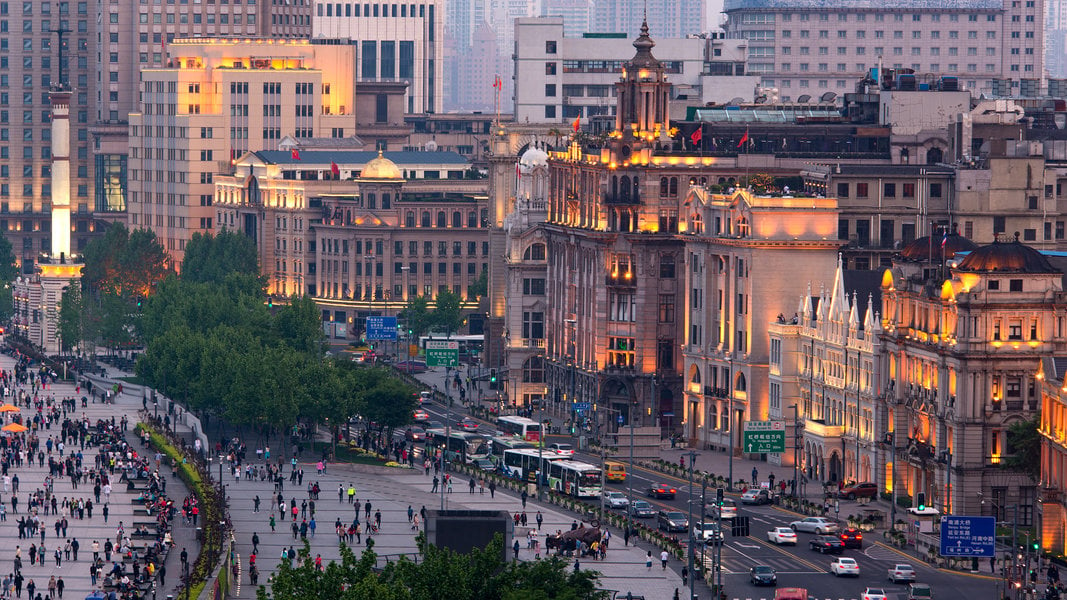
The Bund is the simplest place to begin understanding Shanghai’s visual identity.
Walk along the river, looking both toward Pudong and back at the historic buildings on the western bank. The contrast is part of the experience: one side recalls Shanghai’s earlier commercial development, while the other presents its contemporary skyline.
Allow around one to two hours for a selective walk, photographs and a pause. A guided architecture walk may take longer.
Daytime or Evening?
Daylight is useful for examining buildings and seeing the river clearly. Evening can offer a different atmosphere, but lighting and access arrangements should be checked for your date.
If you have several days, you can make a brief return in the evening without repeating a full walk.
Do not build the whole itinerary around an assumed nightly lighting schedule. Weather, special events and crowd controls can affect the experience.
River Cruise or Waterfront Walk?
A waterfront walk gives you flexibility and is enough for many visitors.
A Huangpu River cruise is an optional addition if you enjoy seeing the city from the water. Compare the departure pier, route, sailing time, seating and cancellation terms before booking.
It should replace another substantial activity if the day is already full. A cruise is not required to appreciate the Bund.
Where to Go Next
Pair the Bund with one nearby central-city outing, or cross to Pudong for a deliberate skyline visit.
Avoid treating the Bund, Yu Garden, several historic neighbourhoods and a tower as one short walking route. They need a more considered sequence.
Lujiazui and Pudong: Choose Your Skyline Experience
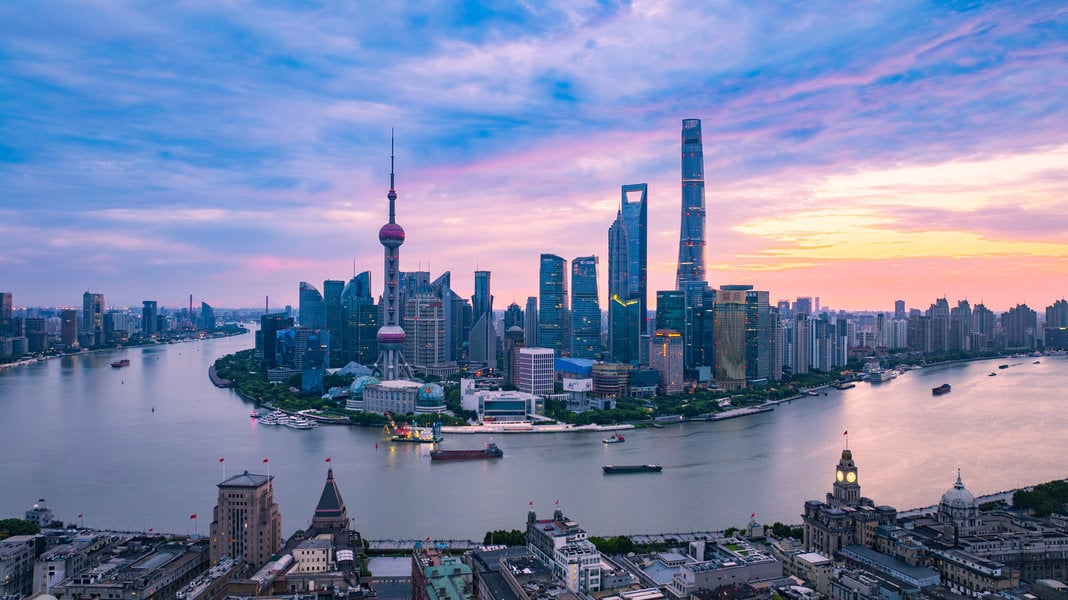
Lujiazui offers a different view of the river and the concentration of towers that defines many photographs of Shanghai.
You can explore the waterfront and public spaces, select an observation attraction or combine the area with lunch.
Do You Need to Visit a Tower?
An observation visit is worthwhile if panoramic views are a priority. Choose one rather than booking several similar experiences.
Consider visibility before committing. Haze or low cloud can reduce the value of a high viewpoint, even if the attraction remains open.
The riverside view from ground level can still be enjoyable when you decide against an observation ticket.
Do Not Confuse Pudong with One Small District
Pudong is extensive. Lujiazui, Shanghai Museum East, the airport and Shanghai Disney Resort are different destinations.
Plan their journeys individually. Staying “in Pudong” does not necessarily place you close to all of them.
Yu Garden and the Old-City Visitor Area
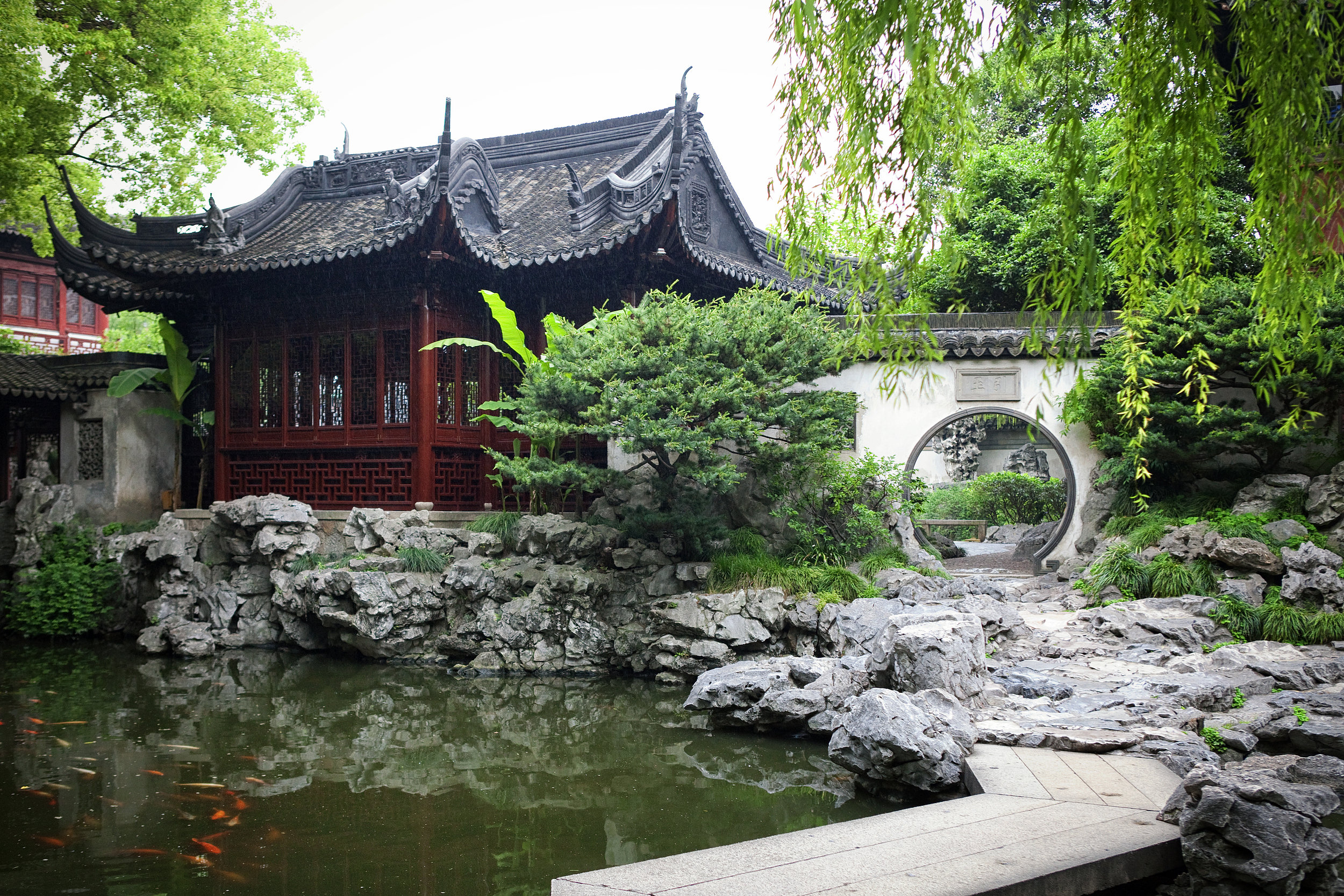
Yu Garden is a classical Chinese garden within Shanghai’s old-city visitor area.
The garden itself and the surrounding bazaar are different experiences. The garden offers a more focused look at landscaping, architectural details and enclosed spaces. The nearby streets provide shops, food and a busy visitor atmosphere.
Check garden admission and opening arrangements separately from access to the surrounding area.
Allow two to three hours for a selective garden visit and nearby exploration, adding time if you want a meal.
Set the Right Expectations
This is a popular destination, particularly on weekends and during festivals.
The commercial streets should not be presented as a quiet, untouched residential quarter. Enjoy their character while recognising that much of the immediate visitor experience is shaped by tourism.
If classical gardens are a major interest, consider a separate Suzhou visit as well. Yu Garden is useful within a Shanghai itinerary, while Suzhou offers a broader garden-focused trip.
Historic Neighbourhoods: Walk a Route, Not a Label
The term “former French Concession” is commonly used in travel planning for a broad group of historic streets. It is a historical description, not a single attraction with one entrance.
For a more useful plan, choose specific streets and connected places in the Hengshan–Fuxing historic area and its surroundings.
Wukang Road and Anfu Road
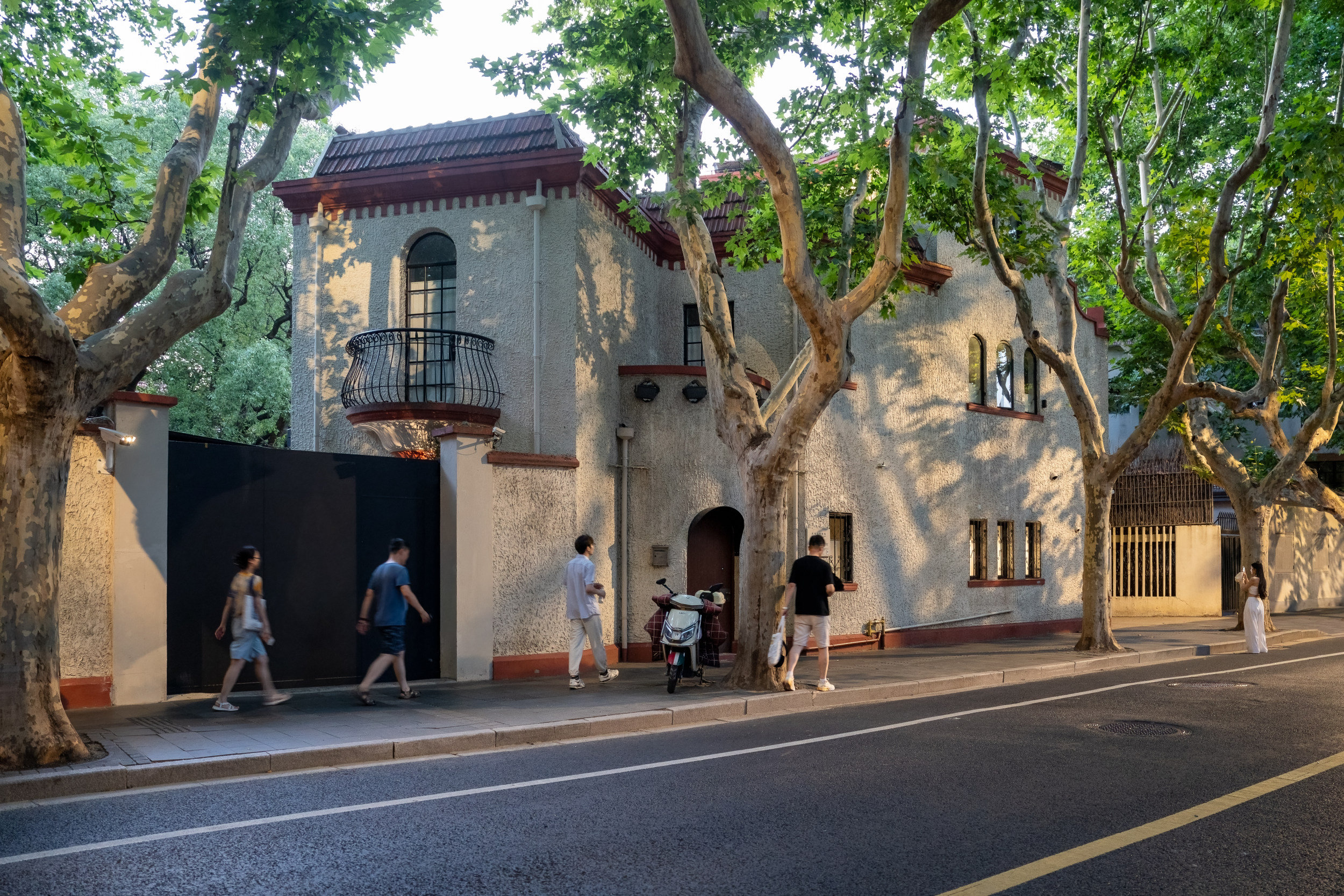
Choose this area for architecture, cafés, shops and a slower street-level visit.
Allow time to notice buildings and side streets rather than only stopping at a famous photograph location. Popular corners can be crowded, so continue beyond them if you want a more varied walk.
Fuxing Park and Sinan
This pairing suits visitors who want a park break alongside historic streets and buildings.
A park can provide a different view of the city from a landmark attraction. Observe everyday activities respectfully and avoid treating residents as part of a staged tourism experience.
Xintiandi
Xintiandi combines a shikumen-inspired historic setting with contemporary dining, shopping and leisure.
It can work well for lunch or an evening meal. Its polished commercial environment is part of what it offers; choose it for that experience rather than expecting an unchanged residential lane.
Tianzifang
Tianzifang provides a narrower-lane visitor experience with shops and cafés.
It can be enjoyable if you like browsing, but its lanes can feel crowded. Consider accessibility, weather and your interest in commercial stops before adding it.
How Much Should You Walk?
Allow two to four hours for one selected neighbourhood outing, including a café or meal break.
Do not try to combine every famous road, park and lane district into a single uninterrupted walk. A compact route with time to stop is more rewarding.
Respect residential entrances and private spaces. A building that appears in travel photographs is not automatically open to visitors.
Museums, Galleries and Cultural Visits
Shanghai’s museums can add depth to a trip and provide useful indoor options.
Choose the subject first, then check the venue, exhibition and access arrangements. A familiar institution name does not establish that the collection you want is at its most central building.
Shanghai Museum: Check Which Site You Need
Shanghai Museum has major sites at People’s Square and in Pudong.
The two sites should not be treated as interchangeable. During the announced July 2026–November 2027 special-exhibition period, the People’s Square site is dedicated to an Americas-themed exhibition. Visitors seeking the museum’s permanent displays should consider Shanghai Museum East and check the current gallery program.
Admission, reservations and special programs may differ by site. Verify the correct location, opening day and entry procedure before planning the journey.
For a collection-focused visit, allow a substantial half-day block, including travel and a break.
Contemporary Art
M50, near Suzhou Creek, offers a creative setting associated with former industrial buildings.
West Bund provides another option for visitors interested in galleries, museums and riverfront space.
Choose based on current exhibitions. Do not assume that every studio is open or that several nearby institutions can be meaningfully covered in one short visit.
Religious and Historical Sites
A temple or specialist historical visit can fit an itinerary when it reflects your interests.
Check visitor access and dress or photography guidance. Active religious places should be approached with respect for worshippers and staff.
Local Experiences Beyond Landmark Sightseeing
A local experience works best when it connects with something you want to understand.
| Interest | Experience to consider | What to confirm |
|---|---|---|
| Architecture | A guided neighbourhood or Bund walk | Route, pace and guide language |
| Food | A focused food walk or local meal | Dietary needs, inclusions and walking distance |
| Cooking | A hands-on class | Menu, instruction language and class length |
| Tea | A booked tasting or introduction | Format, price and whether purchases are optional |
| Art | An exhibition visit or creative district outing | Current program and opening arrangements |
| Evening culture | A performance or river experience | Venue, date, duration and return transport |
| Photography | A planned waterfront or neighbourhood walk | Conditions, access and realistic timing |
Avoid adding activities simply because they are described as “authentic.” A clear explanation of what you will do is more useful.
If an experience includes retail opportunities, participation and purchases should remain optional. Confirm the full cost and inclusions before booking.
How Many Days Do You Need?
One Full Day: Choose the Essentials
With one day, prioritise the Bund and one other area.
A practical combination is a selected old-city or neighbourhood visit, a local meal and a riverfront walk. Add an observation attraction only if it is a main interest and the day has enough room.
This gives you an introduction rather than a complete Shanghai visit.
Two Full Days: A Good Short Visit
Use one day for the riverfront and a selected central-city experience. Use the second for a historic neighbourhood and a museum or cultural activity.
Keep meals near the route and avoid filling both evenings.
Two full days can work well within a longer East China itinerary.
Three Full Days: A Balanced First Visit
Three days allow the main contrasts of the city without constant rushing.
| Day | Main focus | Practical combination |
|---|---|---|
| Day 1 | Riverfront and city orientation | Bund, one nearby outing and a local meal |
| Day 2 | Historic neighbourhoods | One connected walk, park or café break, and a chosen cultural experience |
| Day 3 | Personal interest | A museum, Pudong skyline outing, art district or family-focused day |
The exact order should follow weather, opening days and confirmed bookings.
Four or Five Days: Add Depth or an Excursion
Extra time can support a slower pace, a major family attraction, more museums or one nearby trip.
Do not automatically use every extra day for a different city. Shanghai itself can provide enough variety if food, architecture or art interests you.
Nights Are Not the Same as Sightseeing Days
A three-night stay may include only two usable sightseeing days if you arrive late and leave early.
For a long-haul arrival, keep the first afternoon flexible. A lighter day can make the rest of the trip more enjoyable.
When to Visit Shanghai
Spring and autumn often suit visitors who want to walk outdoors, although conditions vary.
Summer can be hot and humid, with rain affecting outdoor plans. Schedule shorter walks, indoor breaks and more flexible afternoons.
Winter can feel cold and damp. Museums, meals and shorter neighbourhood outings can work well when you dress for the conditions.
Major holidays can increase demand for hotels, trains and attractions. Check the calendar before committing to a route that depends on several timed bookings.
For any season, keep one indoor alternative and avoid putting every outdoor priority on the same day.
Where to Stay: Choose a Base That Supports the Trip
A convenient hotel is more valuable than a famous district name without a useful location.
Check the actual address, nearby metro access, dining options, room arrangement and journey to your arrival or departure gateway.
| Area | Best suited to | Main trade-off |
|---|---|---|
| People’s Square and nearby central Puxi | First visits with varied city activities | Busy surroundings and differences between individual properties |
| Bund and East Nanjing Road area | Riverfront interest and central orientation | Some locations are crowded; a view can increase the cost |
| Jing’an | Dining, shopping and a balanced city base | Riverfront sightseeing requires a separate journey |
| Xintiandi and Huaihai Road surroundings | Meals, historic-neighbourhood outings and urban comfort | Hotel prices and atmosphere vary by exact location |
| Selected Xuhui historic streets | Visitors who want the neighbourhood to be part of the stay | Check station access and practical building facilities |
| Lujiazui | Skyline interest and Pudong-focused activities | More river crossings for a Puxi-heavy itinerary |
| Airport or Hongqiao transport area | A specific early departure or short connection | Less convenient as a general sightseeing base |
For a short first visit, keep one hotel unless a specific transport need justifies changing.
A property near an airport can be useful for one transit night. It is not necessarily a good base for three days of central sightseeing.
Families should check bed configuration, connecting-room availability and room size. Older travellers may value elevators, easy pickups and a manageable walk to meals more than proximity to a famous photograph spot.
Getting to Shanghai and Around the City
Airports: Pudong and Hongqiao
Shanghai has two major airports:
- Shanghai Pudong International Airport — PVG — 上海浦东国际机场
- Shanghai Hongqiao International Airport — SHA — 上海虹桥国际机场
They are different gateways. Confirm the airport and terminal on every booking.
Metro, rail, taxi and prearranged transfers serve different needs. Choose according to your hotel, luggage, arrival time and comfort.
The Airport Link Line connects the airport areas, but its end-to-end running time is not the same as the time needed to change flights. Include terminal movement, baggage, check-in and other procedures.
Do not assume that an airport-to-airport rail service stops beside your central hotel.
Railway Stations
Shanghai Hongqiao is important for many regional high-speed journeys, but trains can use other stations.
Confirm the exact departure station instead of ordering a car to “Shanghai station” as a generic destination.
For travel to Suzhou, Hangzhou or other cities, compare the complete hotel-to-hotel journey. A short train ride still includes station access, waiting and onward transport.
Metro
The metro is a useful default for many city journeys.
Use a current route planner, check the destination exit and leave time for station walking. Large interchanges can make a simple-looking journey longer than expected.
Confirm the current ticket or payment option that works for you. Do not depend on an untested account or assume that every overseas card works at every gate.
Taxis and App-Based Cars
Cars are useful with luggage, for late returns or when a metro journey involves inconvenient transfers.
Save the hotel’s Chinese name and address. Choose a permitted pickup point, especially around pedestrian streets and crowded attractions.
An app’s English interface does not guarantee an English-speaking driver. Keep destination information clear and ask the hotel for help when needed.
Walking
Walk within a chosen area, then transfer to the next.
Shanghai is not best understood as one continuous route linking every attraction. Comfortable footwear, meal breaks and a sensible walking distance make a significant difference.
Food: What to Try and How to Plan Meals
Shanghai’s food scene includes local cooking and a wide range of regional and international choices.
For a first visit, include a local breakfast, a noodle or dumpling meal and one sit-down meal featuring Shanghainese dishes.
| Food | What to expect | Practical note |
|---|---|---|
| Xiaolongbao | Steamed dumplings with a juicy filling | Let the hot filling cool; ingredients vary |
| Shengjian | Pan-fried buns, often with pork and a crisp base | The inside may be very hot |
| Scallion-oil noodles | Noodles dressed with aromatic scallion oil and sauce | Confirm broth, toppings and other ingredients |
| Hongshao rou | Red-braised pork with a rich sauce | Usually a sharing dish |
| Wontons and soups | Different sizes, fillings and broths | Check meat, seafood and dietary suitability |
Some local dishes combine savoury and sweet flavours, but not every meal is heavy or sweet.
Where to Eat
Choose meals along your sightseeing route.
A dedicated food outing is worthwhile if eating is a main interest. Otherwise, avoid crossing the city repeatedly for individual popular dishes.
For a sit-down restaurant, reserve if appropriate and check service times. For a small breakfast shop, allow for queues and a simpler ordering process.
Dietary Requirements
Tell restaurants or guides about allergies and dietary needs clearly.
A vegetable-looking dish may contain meat stock, lard, dried shrimp or other animal ingredients. Do not infer suitability from appearance alone.
A food tour should confirm how it handles your requirements before you book.
Practical Preparation for Overseas Visitors
Documents and Reservations
Carry the original identification required for bookings and transport.
Check current entry requirements separately for your nationality and itinerary. Do not assume that an arrangement applying to one traveller also applies to everyone in your group.
Attraction access varies. Some venues accept individual walk-ins, while specific exhibitions, activities or peak periods may require advance arrangements.
Payments and Connectivity
Set up supported payment and communication tools before relying on them.
Keep a practical backup, such as RMB cash and an accessible payment card. Save hotel and travel details so that you can show them if your connection fails.
Test the tools you intend to use early in the trip.
Luggage and Departure Days
Ask the hotel about storage before check-in or after check-out.
Do not schedule sightseeing as though luggage will disappear automatically. Include collection and the journey to your station or airport.
For a separate-ticket international departure, consider returning to Shanghai the previous day rather than relying on the last possible regional connection.
Day Trips and Regional Extensions
The best excursion adds something your Shanghai days have not already provided.
| Destination | Main reason to go | Best use |
|---|---|---|
| Suzhou | Classical gardens and historic canal neighbourhoods | A focused day trip or one-to-two-night extension |
| Hangzhou | West Lake, tea landscapes and cultural experiences | A selective day trip or a longer stay for several areas |
| Zhujiajiao | A water-town outing within the Shanghai region | A separate half-to-full-day plan with transport included |
| Tongli or Zhouzhuang | Another water-town setting beyond central Shanghai | A deliberate countryside outing or overnight choice |
| Wuzhen | Canal districts and an overnight atmosphere | Often better as a planned stay than a rushed addition |
| Huangshan | Mountain scenery and ancient villages | A multi-day extension |
| Jingdezhen | Porcelain heritage and ceramic creativity | A multi-day cultural extension |
Suzhou: Choose a Garden and a Neighbourhood
For a day trip, select one principal garden and one historic canal area.
Do not attempt every major garden plus several water towns. Allow for both station transfers and the return.
An overnight stay gives you more room for quieter hours and a second part of the city.
Hangzhou: A Focused Day or a Longer Stay
A day trip can provide a selected West Lake experience.
If you want tea villages, Lingyin, the Grand Canal and several lake routes, allow a longer stay. The short rail journey does not make all of Hangzhou a single-day outing.
Zhujiajiao: A Nearby Water-Town Choice
Zhujiajiao offers bridges, waterways and historic streets within the wider Shanghai area.
Allow transport time and check which attractions or boat experiences need separate tickets.
If the trip already includes Suzhou and another water town, consider whether an additional canal outing adds enough variety.
Huangshan and Jingdezhen
These destinations deserve more than a quick there-and-back journey from Shanghai.
Add them when mountain scenery, villages or ceramic culture are priorities, and reserve meaningful time after the travel.
How Shanghai Fits into an East China Journey
Shanghai–Suzhou–Hangzhou
This sequence combines a major city, classical gardens and lake scenery.
It can work well for a first regional trip when each destination receives usable sightseeing time. Check departure and arrival details before fixing hotel nights.
Shanghai–Hangzhou–Wuzhen
Choose this if you want city life, West Lake and a water-town overnight experience.
Wuzhen is reached through its own transport arrangements rather than a railway station in the visitor district. Plan the final connection.
Shanghai–Hangzhou–Huangshan
This adds a substantial landscape change.
Keep the mountain section flexible enough for weather and local transfers. Do not use Shanghai’s final departure day as the only margin for a return.
Adding Jingdezhen
Jingdezhen can extend a longer route with porcelain museums, workshops and creative districts.
Include it because the experience interests you, not simply to add another destination name. The extra hotel changes and travel need enough days.
Shanghai for Different Travellers
Families
Use shorter outings, meal breaks and an attraction that matches the children’s interests.
Shanghai Disney Resort should normally receive its own day. Check tickets, operating arrangements and transport rather than combining it with a full central-city program.
A convenient hotel and fewer transfers can be more valuable than an ambitious checklist.
Older Travellers
Keep a manageable walking distance and schedule places to sit.
Combine one main morning activity with a slower afternoon. Use direct car journeys when they reduce complicated transfers.
Verify accessibility at individual venues rather than assuming that an entire district is step-free.
Architecture and Photography Visitors
Allow time for changing light, street details and careful observation.
Choose a connected neighbourhood route and one riverfront session. Respect private buildings and avoid blocking paths for photographs.
Food and Culture Visitors
Give a meal, museum or guided experience enough time to become a main part of the day.
A cultural interest is often a better organising principle than trying to see every famous attraction.
Explore the Shanghai Guide Series
Use this overview to select priorities, then move to the relevant detailed planning topic.
| Next question | Guide topic to read |
|---|---|
| How should I arrange a short first visit? | Two- and three-day Shanghai itineraries |
| What should I see along the waterfront? | The Bund walking and evening guide |
| How do I choose a historic-street route? | Shanghai historic neighbourhoods and former French Concession walks |
| Is Yu Garden worth including? | Yu Garden and old-city visiting guide |
| Where should I book accommodation? | Where to stay in Shanghai |
| How do airport and metro journeys work? | Getting around Shanghai |
| What should I eat? | Shanghai food and breakfast guide |
| Which museum suits my interests? | Shanghai museums and cultural experiences |
| What works for children or a slower pace? | Shanghai family and senior travel guides |
| Which nearby trip should I choose? | Day trips from Shanghai |
| How do I continue to Suzhou or Hangzhou? | Shanghai-to-Suzhou and Shanghai-to-Hangzhou train guides |
Start with the topic that affects your next decision, whether that is choosing a hotel, arranging an airport transfer or planning your first sightseeing day.
Frequently Asked Questions
How many days should I spend in Shanghai on a first visit?
Three full days provide a balanced introduction. Two days can cover selected highlights; extra days allow deeper interests or an excursion.
Is the Bund enough to understand Shanghai?
It is an important starting point, but add a historic neighbourhood and a local cultural or food experience for a fuller visit.
Should I stay in Puxi or Pudong?
Choose according to your activities. A central Puxi base often suits a varied first visit, while Lujiazui can work for a Pudong-focused stay.
Is the former French Concession one attraction?
No. It is a broad historical label. Choose a route through specific streets and places.
Should I visit both Yu Garden and Suzhou’s gardens?
You can if gardens interest you. For limited time, choose according to the wider itinerary rather than assuming both are compulsory.
Which Shanghai Museum site should I visit?
Check the current program. For permanent collections during the announced People’s Square special-exhibition period, consider Shanghai Museum East.
Do I need a private driver every day?
No. Walking and the metro work for many journeys. Cars are useful for luggage, accessibility and inconvenient connections.
Is Shanghai suitable for a rainy visit?
Yes. Museums, exhibitions and meals can anchor the day, with shorter outdoor sections when conditions allow.
Can I visit Suzhou or Hangzhou in a day?
Yes, with a focused plan. Allow for station transfers and choose a limited set of experiences.
Can I add Huangshan as a day trip?
It is better treated as a multi-day extension, including the journey to the actual mountain or village area.
Should I spend my last night in Shanghai before flying home?
That can be a practical choice when returning from another city on separate tickets. Assess the airport, flight time and transport margin.
Plan Your Shanghai Journey
A good Shanghai visit combines recognisable landmarks with enough time to experience the streets, meals and cultural places that interest you.
Discover East China Tours can help shape a private or small-group journey around your pace, including Shanghai and suitable regional extensions. Share your travel dates, arrival and departure gateways, group details and interests when making an inquiry.