+8619705475100
[email protected]

White walls, dark tiled roofs and carved stone gateways give Huizhou Ancient City its distinctive character. Set in Shexian County, within Huangshan City in southern Anhui, this former administrative centre of historic Huizhou makes a rewarding day away from the mountain trails. Its appeal lies in the combination: a monumental archway, formal courtyards, lived-in lanes and an easy change of scene beside the water.
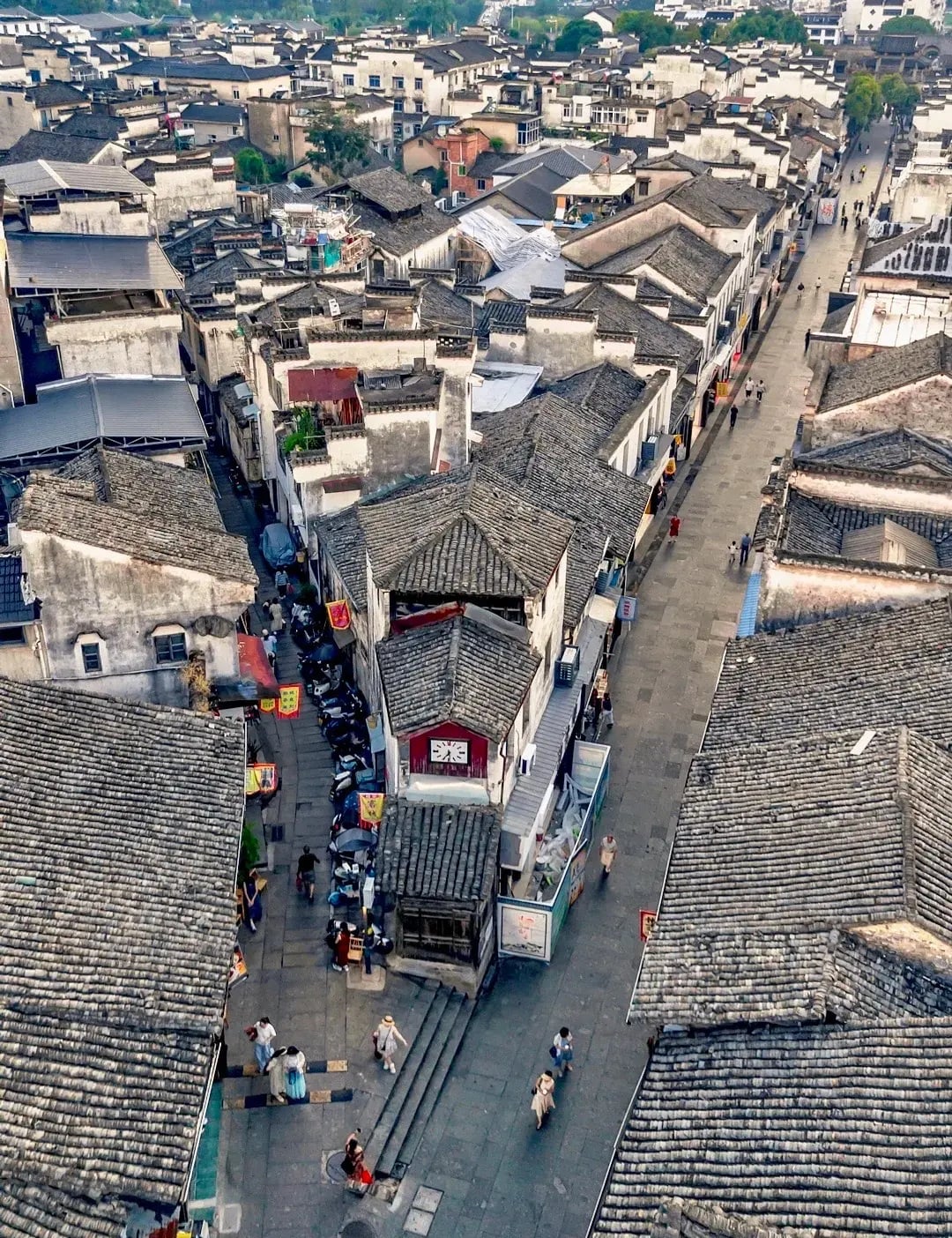
Give the old city time to unfold. A walk that leaves room for a quiet lane or a snack stop is more enjoyable than rushing between photo spots. You can spend the main part of the day around the historic centre, then make Yuliang a separate riverside stop if time and conditions allow.
The Xu Guo Stone Archway is one of the clearest landmarks for a first visit. Built in 1584 during the Ming dynasty, it honours the official Xu Guo. Eight stone pillars form a rectangular arrangement, giving the monument a more three-dimensional presence than a conventional single-plane gateway.
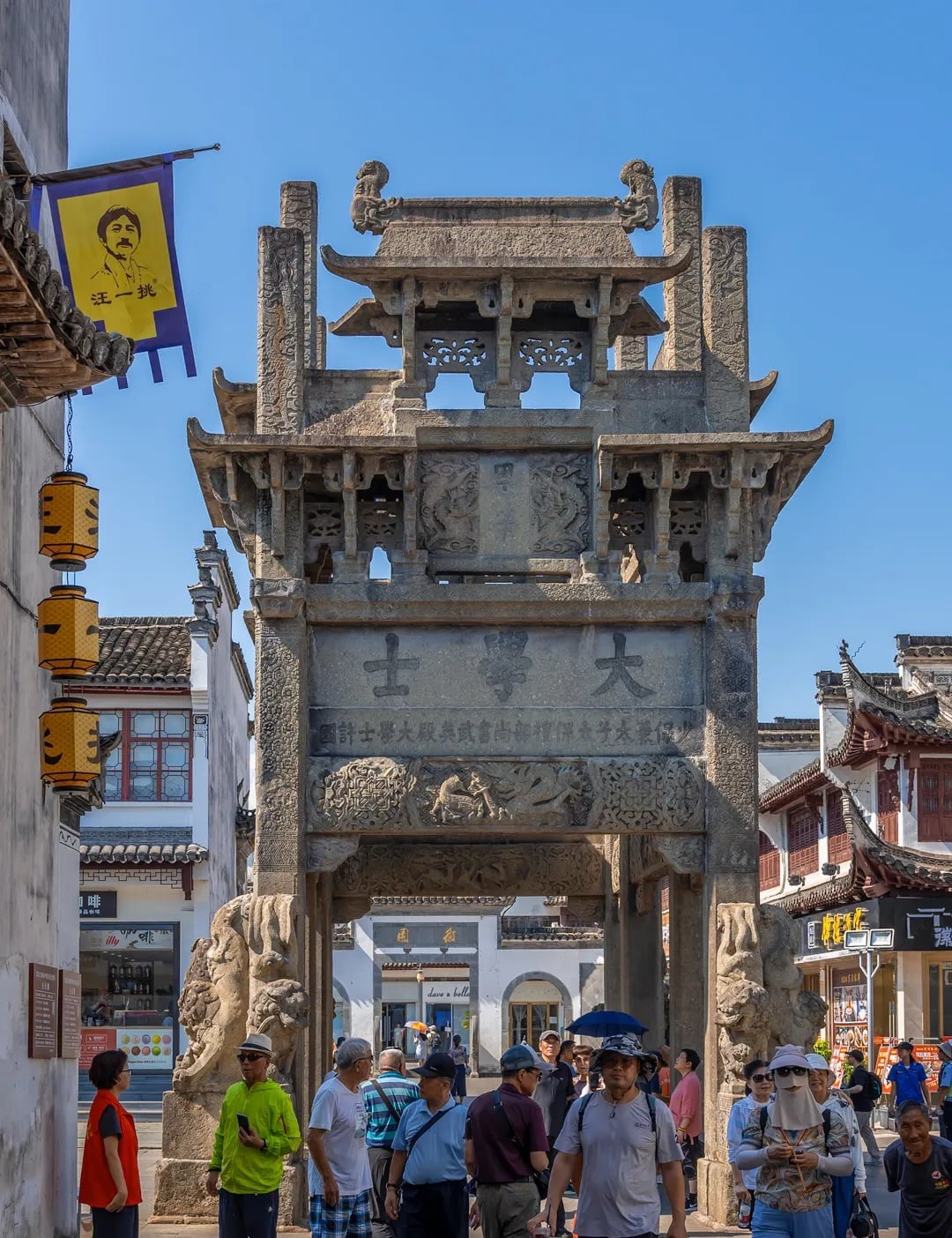
Walk around it to appreciate how the carved panels, crossbeams and roof-like details fit together. A low viewpoint emphasises its height, while a wider view shows how the monument sits within the surrounding streets. Leave space for pedestrians and shop entrances when taking photographs.
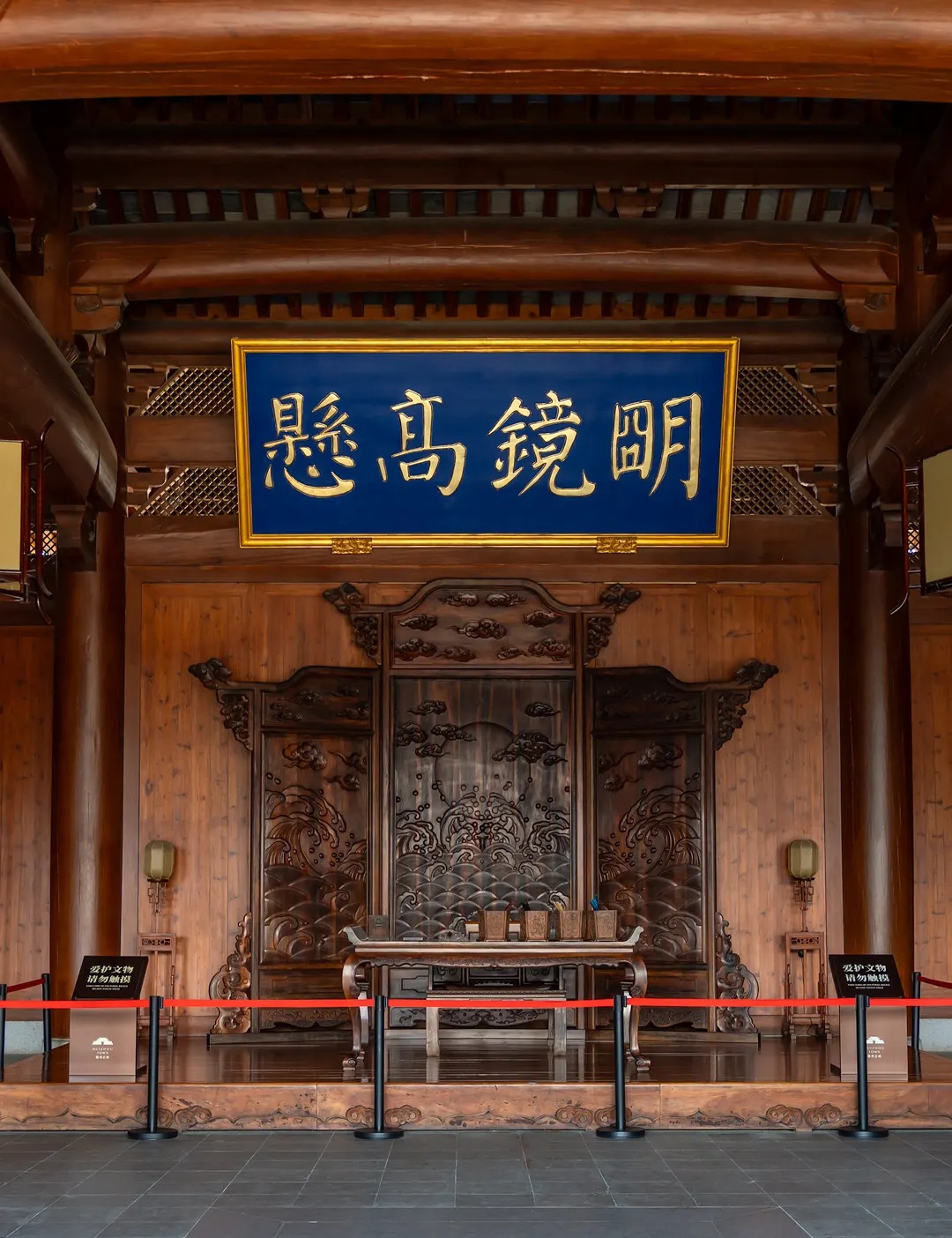
Huizhou Prefectural Government Office, or Huizhou Fuya, introduces the administrative role of the old city. The complex seen today includes reconstruction and restoration, so it is best understood as a way to explore the layout and atmosphere of a historic government compound rather than as an entirely untouched ancient building.
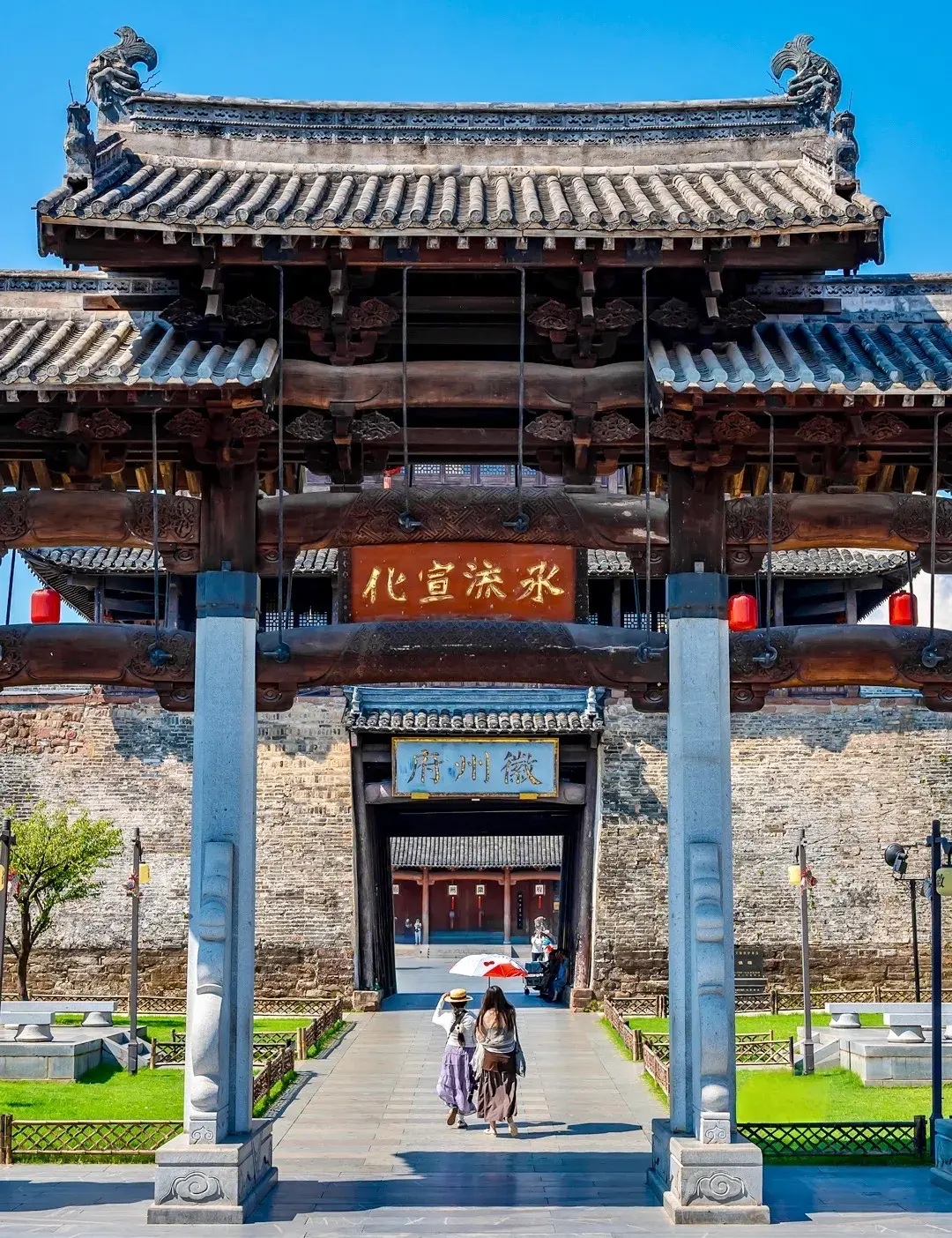
Look for the progression from gateways to halls and enclosed courtyards. The formal symmetry provides a useful contrast with the irregular lanes outside. If you are interested in a staged court performance, ask about the programme on arrival; access, show times and arrangements should be checked for your visit date.
Doushan Street is a natural next focus for anyone interested in the residential side of Huizhou. Traditional houses, stone paving and narrow passages offer smaller details to notice after the scale of the main monuments. Look up at door surrounds and timber work, then step back to see the rhythm of white walls and tiled roofs.

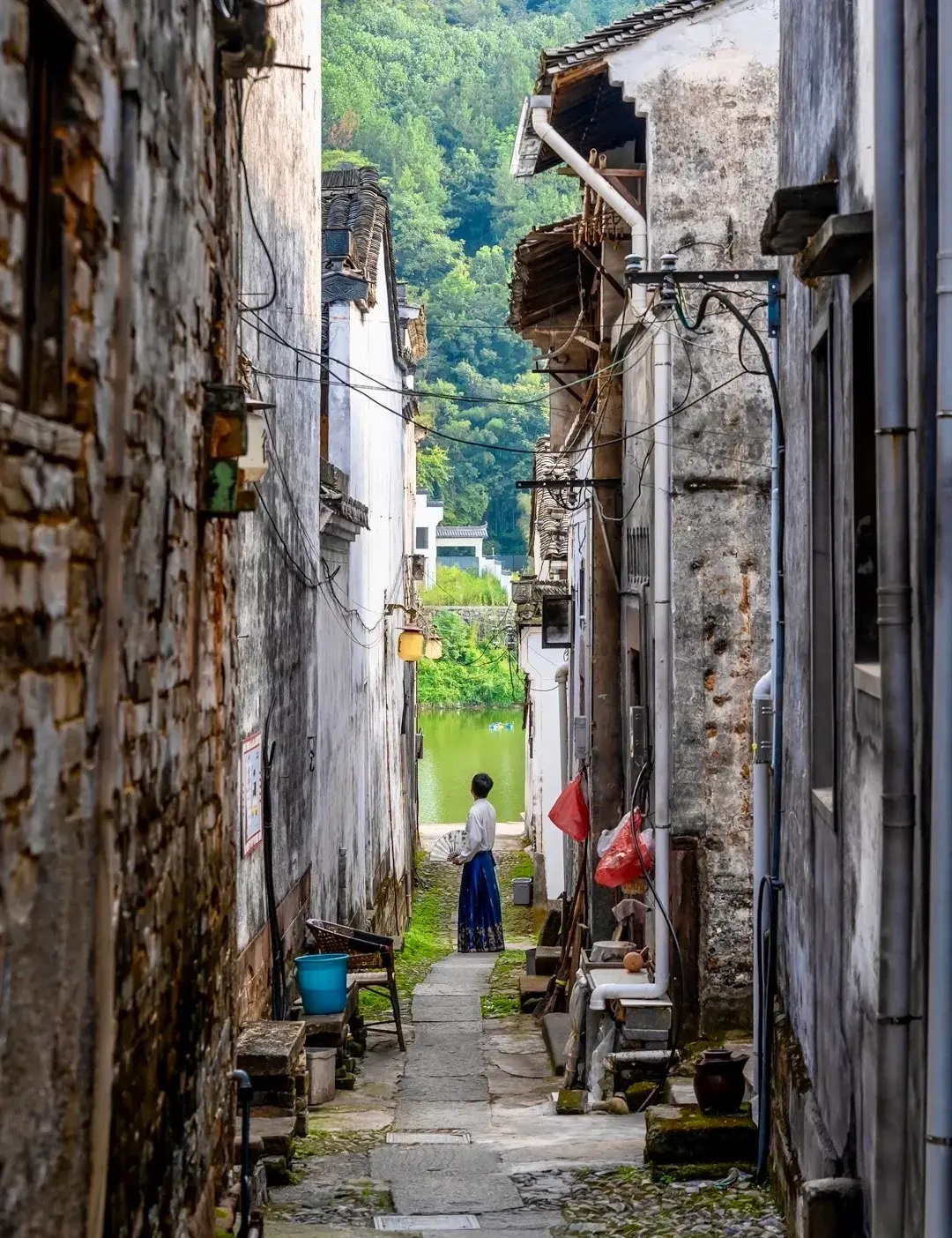
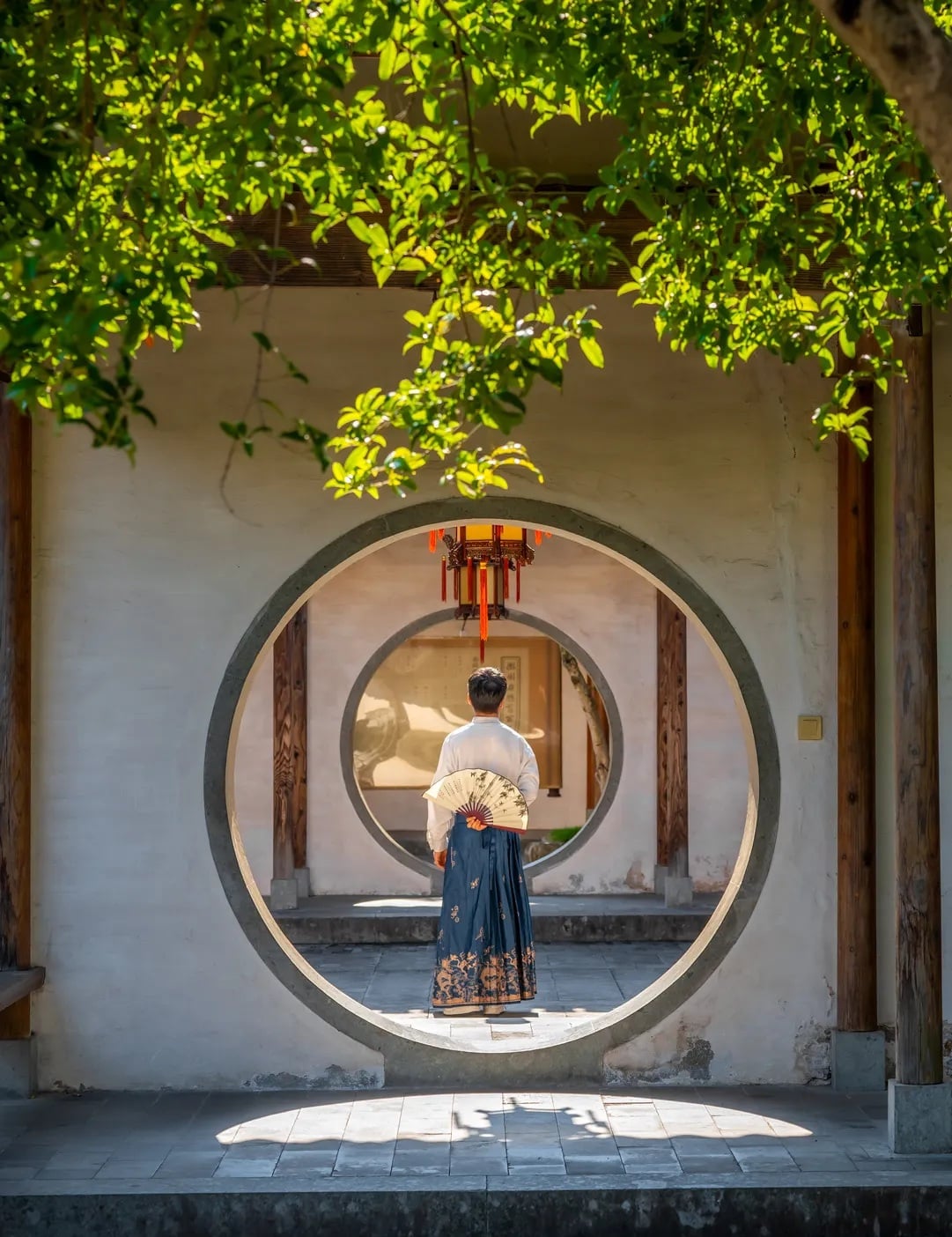
These streets are also places where people live and work. Keep doorways clear, avoid entering private houses without an invitation, and ask before making a close portrait. Courtyards and circular doorways can create beautiful compositions, but the best photograph is one you can take without interrupting someone else’s day.
Yuliang offers another side of the Shexian story: old trading streets and the water routes once used to carry goods towards Hangzhou. Treat it as an extension to the central old-city walk rather than assuming every riverside sight is immediately beside the archway.
Yuliang Dam is an important historic water-control structure. Earlier dams existed here, while the surviving stone structure reflects rebuilding in the Ming period. The attraction is as much the relationship between settlement and river as the dam itself. Explore the old street and look for views from accessible riverside paths.
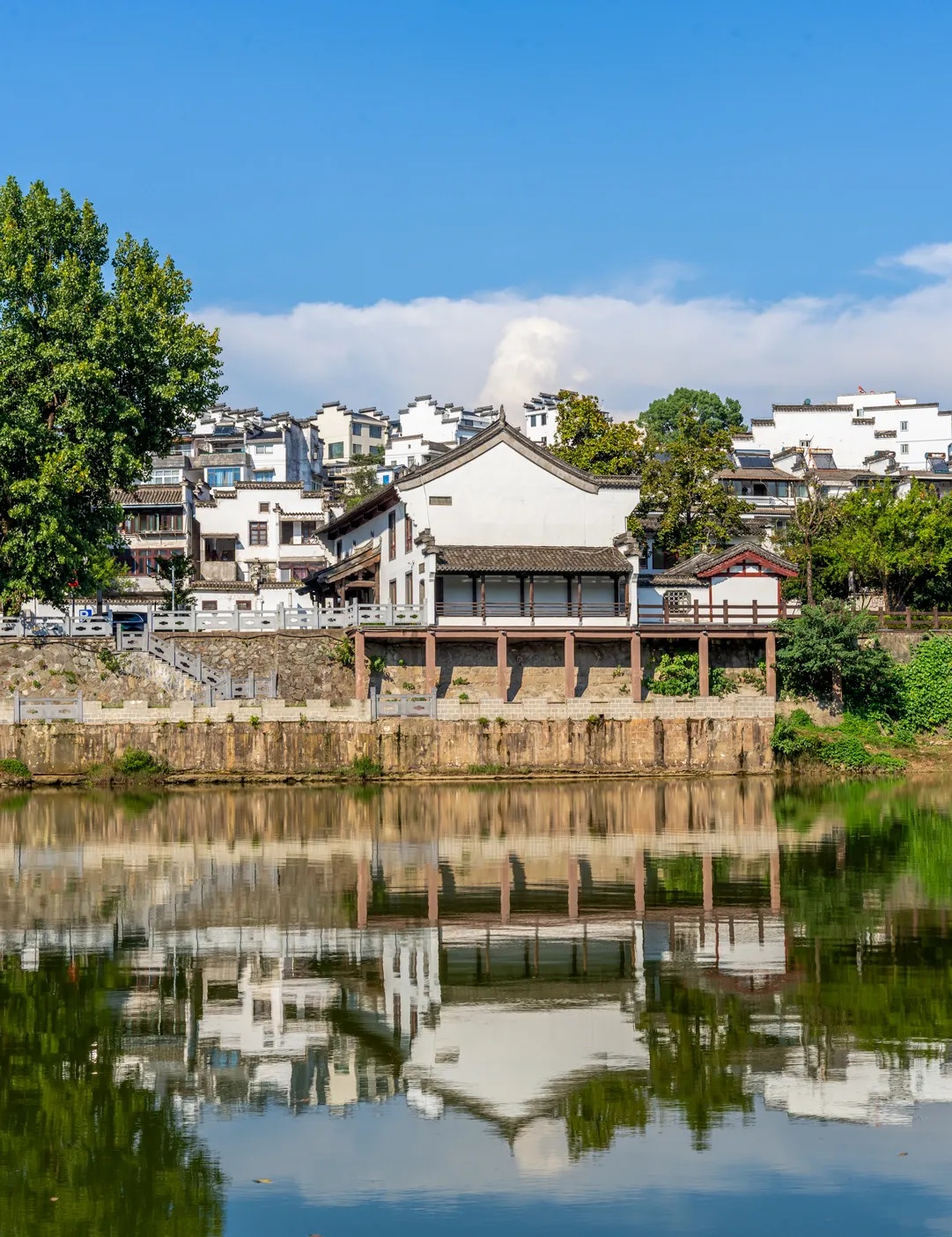
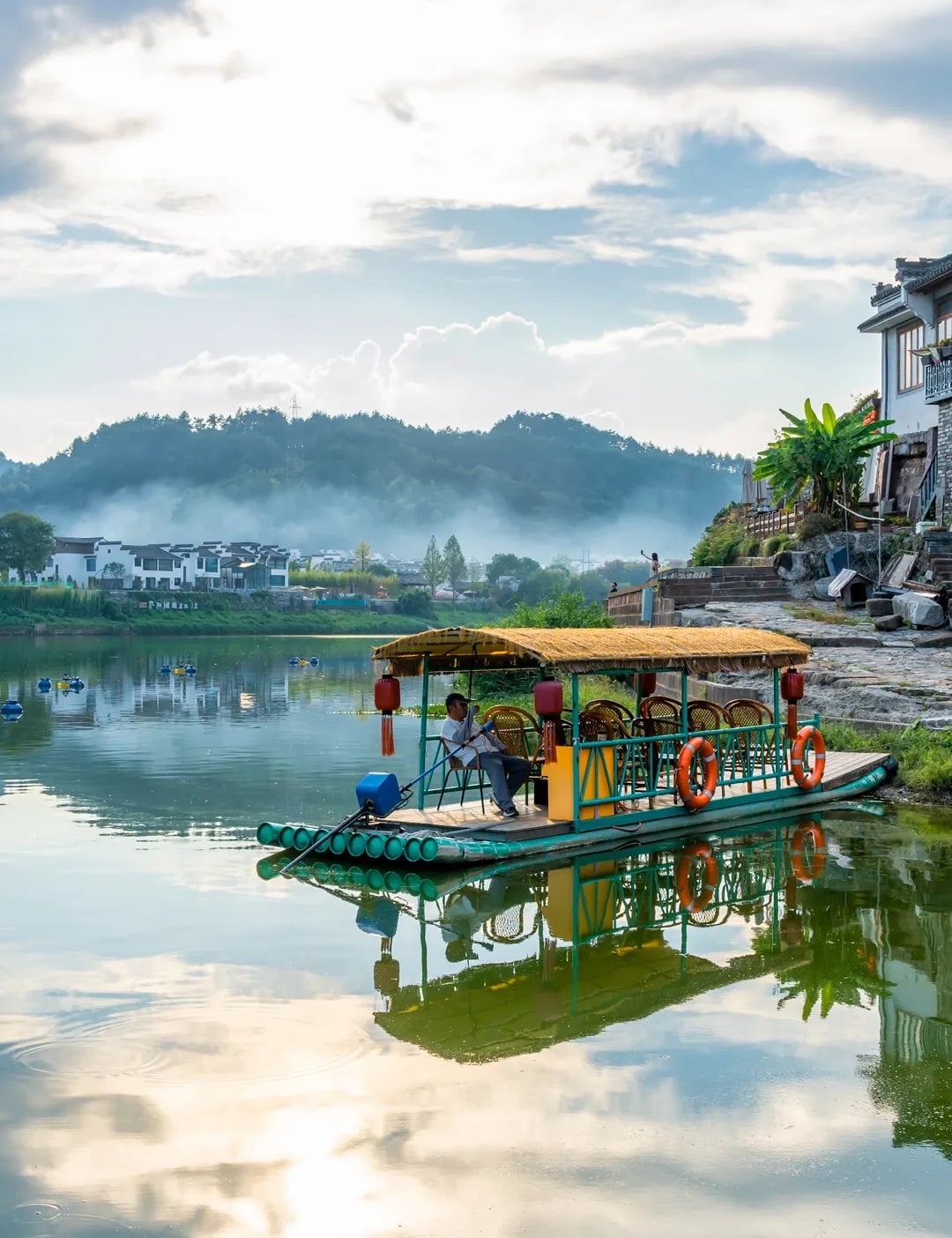
Stay on open, permitted paths and follow local instructions around the water. Wet stone can be slippery, and river levels may change. A photograph of a boat is not a guarantee of a visitor boat service: check locally if you would like to go on the water.
Make room for local food between sightseeing stops. Chou guiyu, the region’s fermented mandarin fish, and mao doufu, fermented tofu, are distinctive choices if you enjoy stronger flavours. For a simpler snack break, look for freshly baked Huangshan shaobing, often made with a savoury preserved-vegetable filling.
Check ingredients before ordering, especially if you avoid pork or have dietary requirements. Fillings, sauces and cooking methods vary. It helps to keep a written Chinese version of any allergy or dietary restriction ready to show the restaurant.
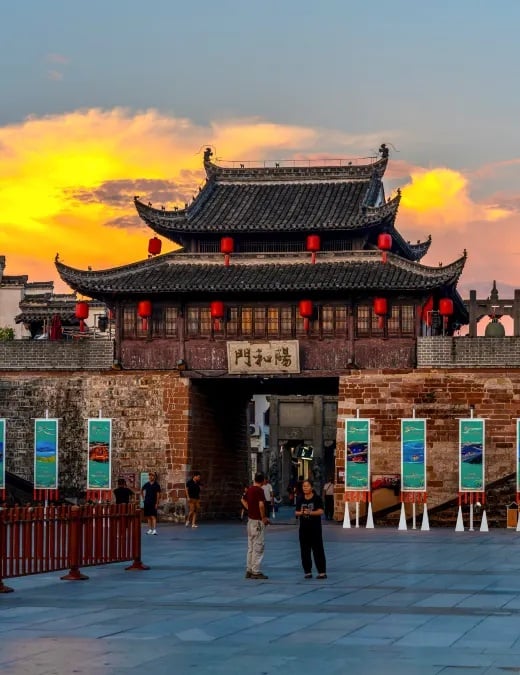
If your schedule allows, stay for the transition from daylight to illuminated streets. Warm light behind the gates can change the mood of the architecture, while shops and lantern displays provide a different set of details after dark.
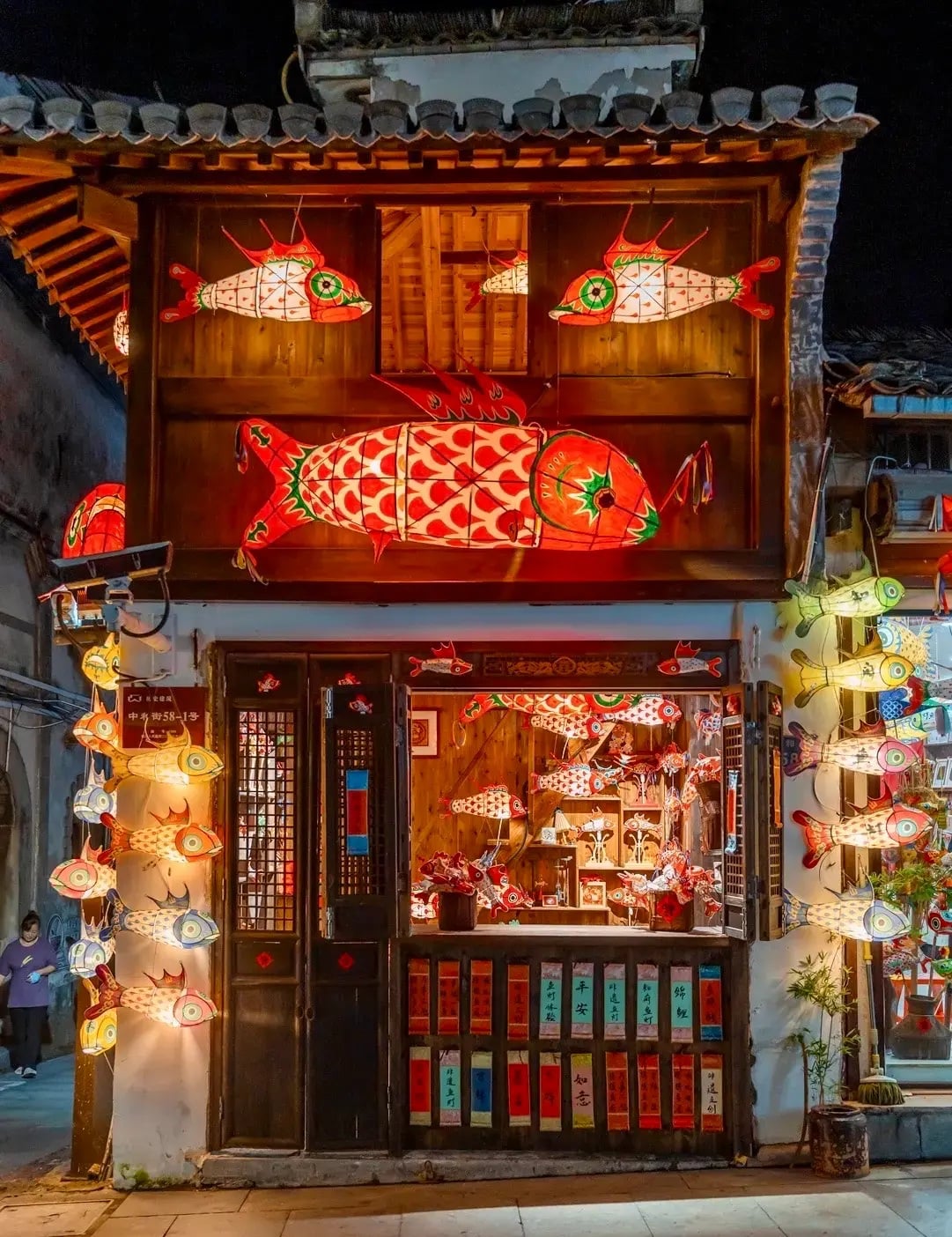
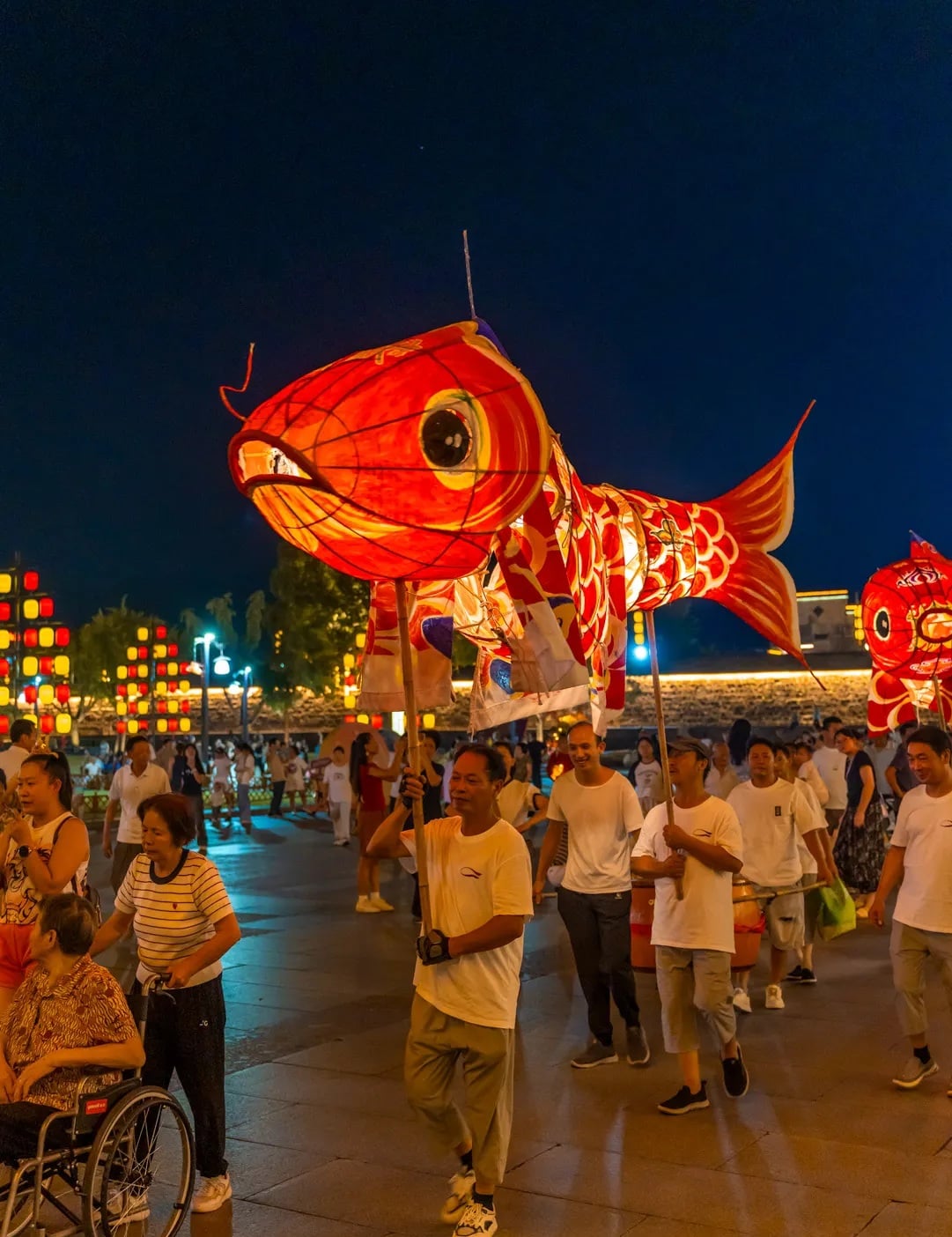
Fish lanterns are a memorable part of the wider Huizhou cultural landscape. Processions and special displays depend on the date and local programme; they are not something to assume will happen every evening. If a lantern event is a priority, confirm the organiser’s current information before planning your trip around it.
A flexible order: begin with the Xu Guo Stone Archway and the prefectural government complex, allow time for lunch and the Doushan Street area, then add Yuliang if you want a longer outing. Keep an evening in the old city optional, particularly if you have a train to catch.
Getting there: search for Shexian North railway station if arriving by high-speed rail, and arrange onward road transport to Huizhou Ancient City. Check your exact train, station name and transfer route before departure. Allow a buffer for traffic and the return journey rather than relying on a fixed taxi time.
Before you go: check current ticket arrangements, opening times for individual buildings and any event notices. The streets and the ticketed interiors may operate differently. Wear shoes suitable for uneven paving, carry rain protection when needed, and allow extra time if steps or narrow lanes could affect your group’s pace.