02Nov
+8619705475100
[email protected]

Yiwu rewards a longer stay when you give its different sides room to breathe. Spend a morning following a particular product through the market halls, an afternoon among timber-fronted shops, and an evening deciding between local noodles and an international meal. A week allows time for those changes of pace, with a village outing between the busier city days.
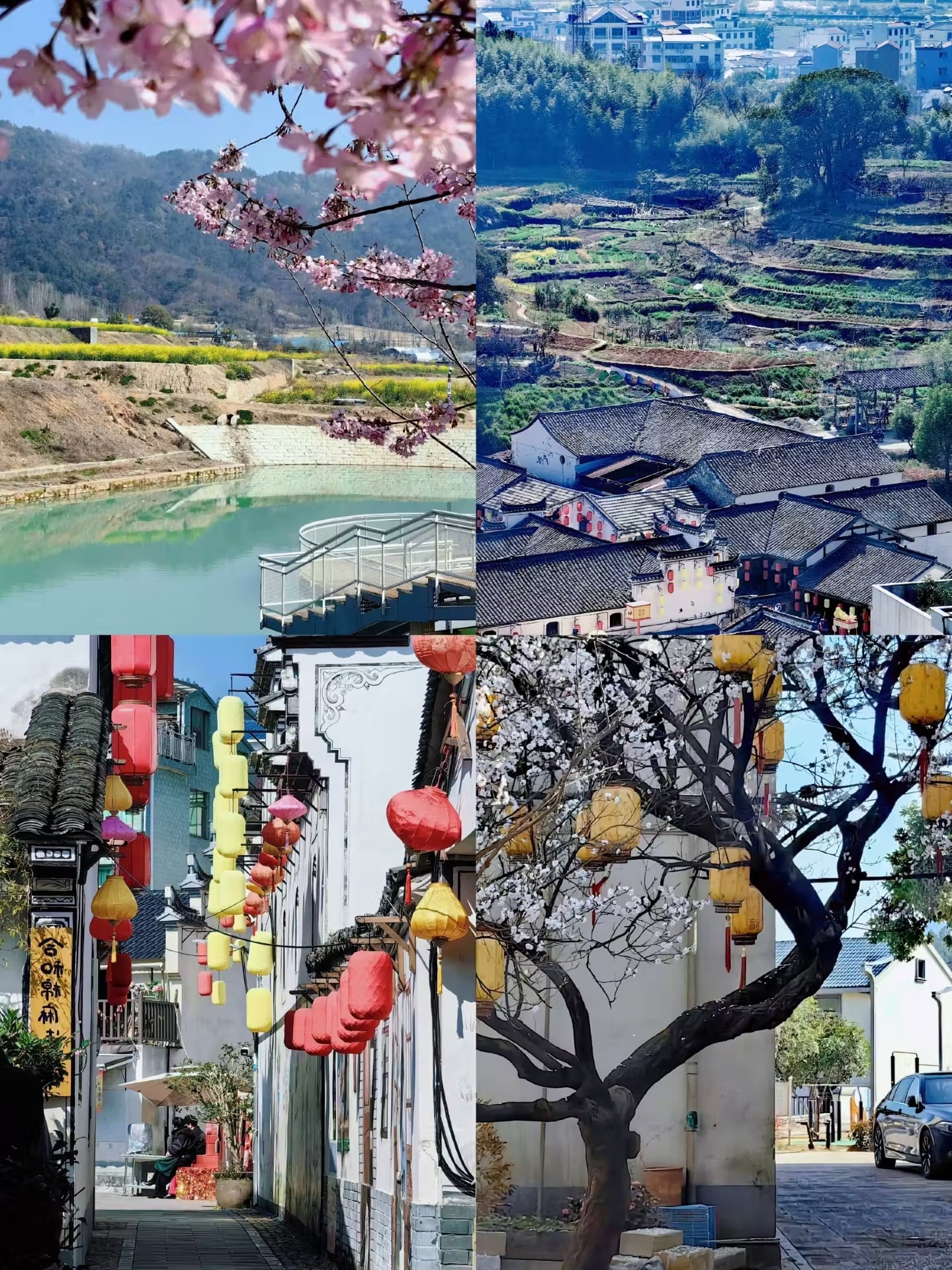
Use the first two days to explore selected markets and settle into the city. Keep day three for Fotang Ancient Town, day four for the old-station creative quarter, and day five for a village excursion. Reserve the last two days for clothing, food, a favourite neighbourhood and a comfortable departure. Jiming Pavilion and the night market can fit into separate evenings, according to the weather and your energy.
At Yiwu International Trade City, a little preparation makes the experience much more rewarding. Pick a category before setting off: toys and ornaments are a starting point in District One, while District Five includes imported goods. The Global Digital Trade Center, which opened in October 2025, adds a newer market setting to the choice. Use the current directory to locate the products that interest you instead of trying to walk every district.
These are working trade spaces. Ask whether a shop sells individual items, what the minimum order is and whether the quoted price applies to your quantity. A sample, a single purchase and a bulk order may be priced differently. Compare the actual item and its packaging, and check power specifications or sizing where relevant. There is no universal retail mark-up or bargaining percentage.
Take a photograph of the shop number with permission and keep your receipts. Carry a small bag for the day, leaving substantial purchases until you understand the collection or delivery arrangements. A short list of useful finds is easier to manage than a suitcase filled on the first morning.
Fotang Ancient Town lies southwest of central Yiwu. Its old commercial streets offer a different scale from the market halls: timber buildings, carved details and long-established shopfronts invite a slower walk. Ming- and Qing-era architecture and later residences tell a story of trade that predates the modern wholesale city.
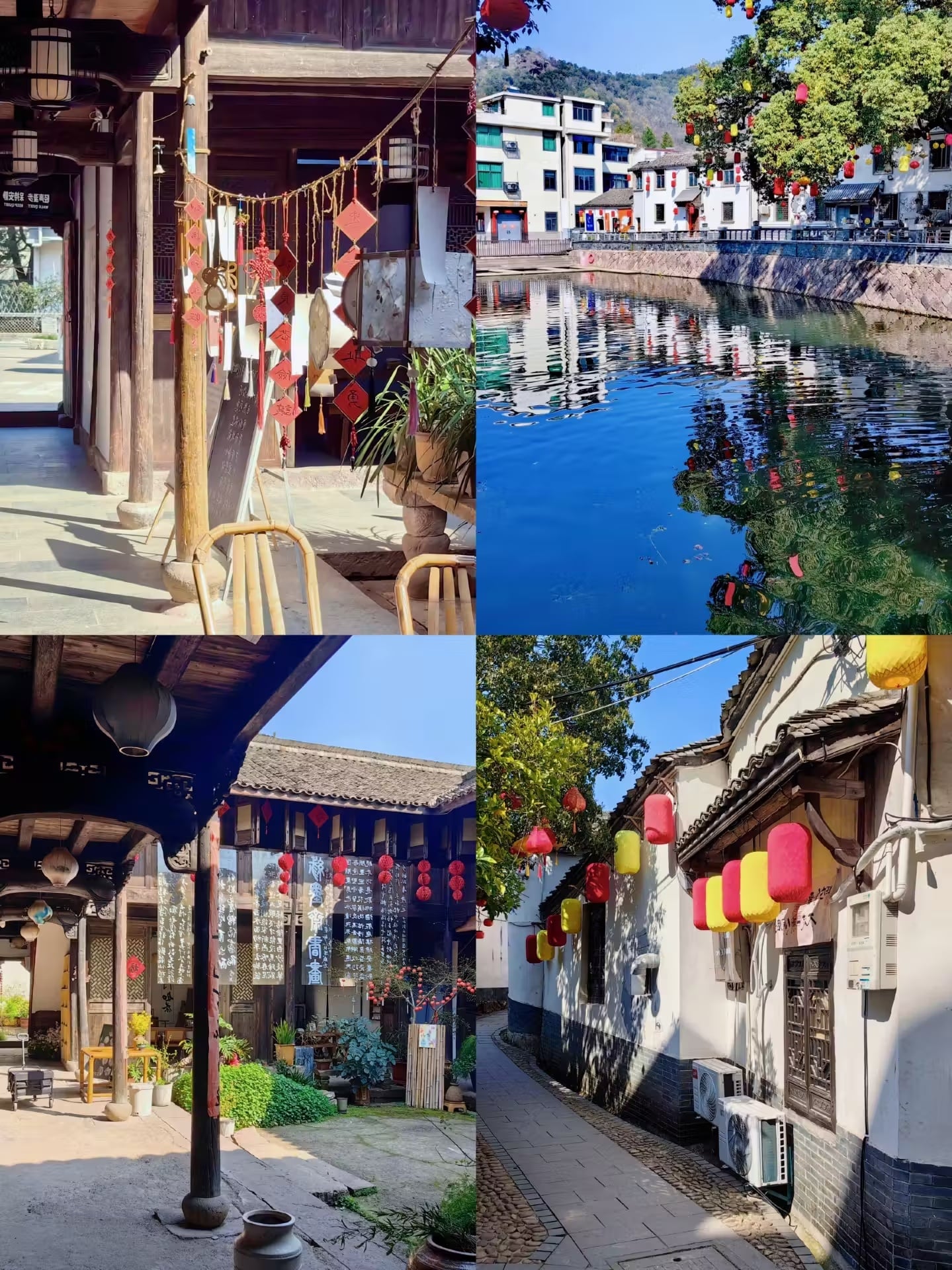
Allow time to turn off the busiest stretch where public lanes remain open. Stop for lunch, browse a small shop and look at the doors and windows as well as the larger façades. Fotang is associated with dishes such as sliced boiled lamb and local crisp pastries; choose a place whose menu suits your appetite. Keep the afternoon loose enough for a tea break before returning to the city.
The Old Station · 1970 Cultural and Creative Park occupies the former railway-station area. Its reused buildings offer an architectural change after two days of market browsing. Visit for a gentle look around and a café stop, choosing any exhibition or shop on the basis of what is actually open that day.
In the evening, explore the dining options around Binwang or the city’s Korean-style restaurant streets. Decide between cuisines rather than trying to combine several full meals. A shared dinner can make a useful contrast to a day spent browsing alone, especially when everyone has found a different corner of the city.
Lizu village is a good option for a day centred on small creative businesses. Studios, coffee stops and craft activities bring a contemporary layer to the village setting. If making something is the reason for your visit, contact the studio first and allow time for the activity rather than treating it as a quick shopping stop.
Tie-dye is one of the crafts associated with Lizu. Ask about the material, session length and when the finished piece can be taken away. Once the workshop is finished, leave time to walk through the village and sit over a drink. Follow public routes around homes and working spaces.
For a more rural alternative, consider an outing in Chi’an with a particular village or countryside destination chosen in advance. Plan that as a separate excursion, with the outward and return transport arranged around the place you want to see. It need not be squeezed into the same day as Lizu.
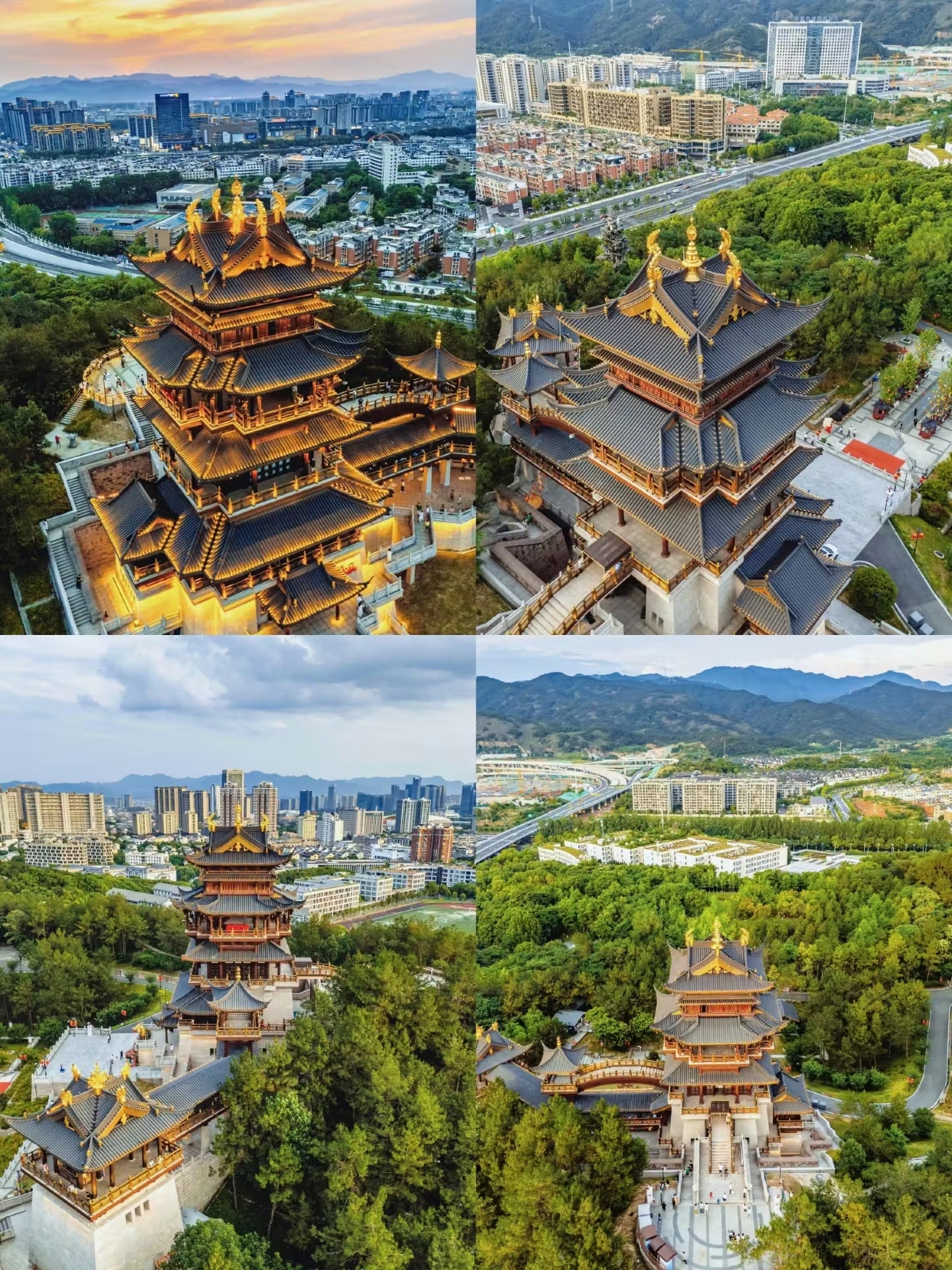
Jiming Mountain Park and Jiming Pavilion provide another view of Yiwu, with traditional-style architecture against the modern city. Arrive with enough daylight for the paths and allow the changing light to set the pace. The illuminated setting is part of the attraction, but check the current visitor arrangements for pavilion entry or a specific performance rather than relying on a fixed switch-on time.
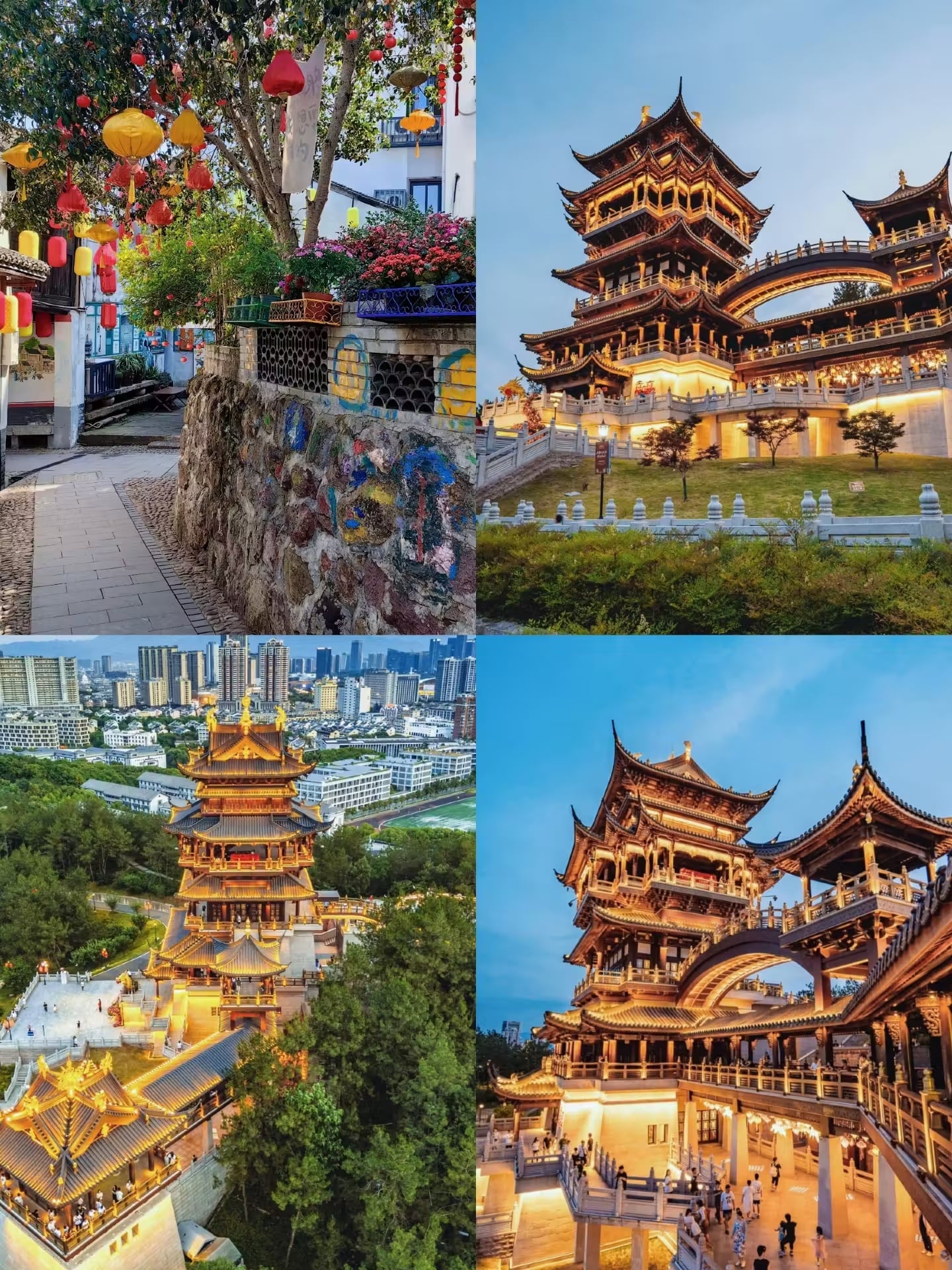
A separate evening at Santing Road Night Market, also commonly called Binwang Night Market, leaves more time for browsing and dinner. Compare a few stalls, ask the price clearly and agree it before buying. Going earlier in the evening can be easier if you want an unhurried meal and a straightforward journey back to your hotel.
Huangyuan Garment Market is an option if clothing is still on your list. Keep it to a focused visit: check sizing, inspect seams and confirm whether trying on or returns are possible before paying. Alternatively, use the final full day to return to a street you enjoyed or take a longer lunch. A local museum visit can add historical context, provided you confirm the current venue and admission arrangements first.
For a taste of Yiwu, look for Donghe meat pies, a thin savoury speciality made with minced meat and spring onion. Brown sugar and brown-sugar snacks are other local purchases to consider. Read the ingredients and storage instructions, and choose a size that travels easily.
Choose accommodation by its address and your main purpose. A central base around Binwang can suit evenings out; proximity to the market may matter more on a buying trip. Compare journey times and room conditions rather than relying on a single nightly price from a travel post.
For longer cross-city journeys, use a taxi, booked car or a suitable public-transport route. Keep your hotel and destinations saved in Chinese for drivers, and build a separate transfer into the Fotang and village days. Check the station printed on your train ticket and allow time for luggage and security. On departure day, one final breakfast is usually more comfortable than one final market expedition.