22Oct
+8619705475100
[email protected]

Xinchang offers a different view of Shanghai from the towers and riverfront boulevards of the city centre. In this historic part of Pudong, a walk follows canals, tiled roofs, small shops and stone crossings. Tea and something freshly cooked give the outing its rhythm, while the side lanes invite a closer look at the buildings beyond the main shopping street.
The appeal is in the combination of heritage and ordinary neighbourhood life. Xinchang grew through the salt trade, and its old-town fabric still includes homes as well as businesses. Come for an unhurried walk rather than a promise of empty streets: visitor numbers and the atmosphere change with weekends, holidays and local events.
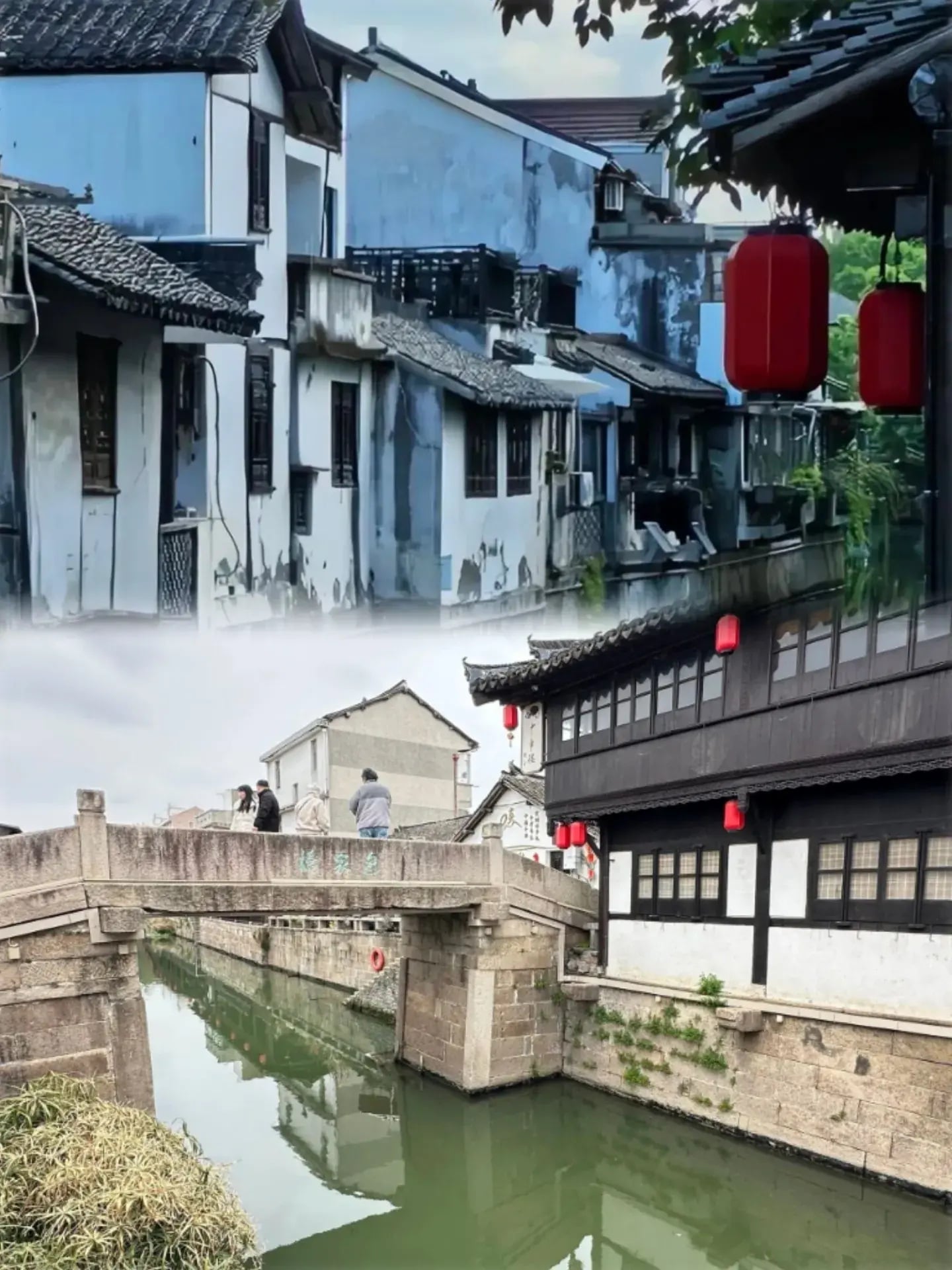
Use Xinchang Street, or Xinchang Dajie, as the thread through the visit. Begin with the shopfronts and the waterways around the central streets, allowing time to turn down an open public lane or pause at a crossing. Look above eye level for timber windows, projecting eaves and the layers of repairs that come with buildings still in use.
Hongfu Bridge is a useful named stop for orientating the walk. From an accessible approach, look along the water and then back towards the street. A bridge can bring roofs, reflections and the canal into a single view, but it is also a working pedestrian route. Take a photograph where there is room and let other people pass.
The Sanshi Erpin Archway is another landmark to look for along the old-street visit. Keep its name in Chinese, 三世二品坊, on your phone if you are using local signs or asking directions. Treat the streets between these stops as part of the experience, rather than hurrying from one marker to the next.
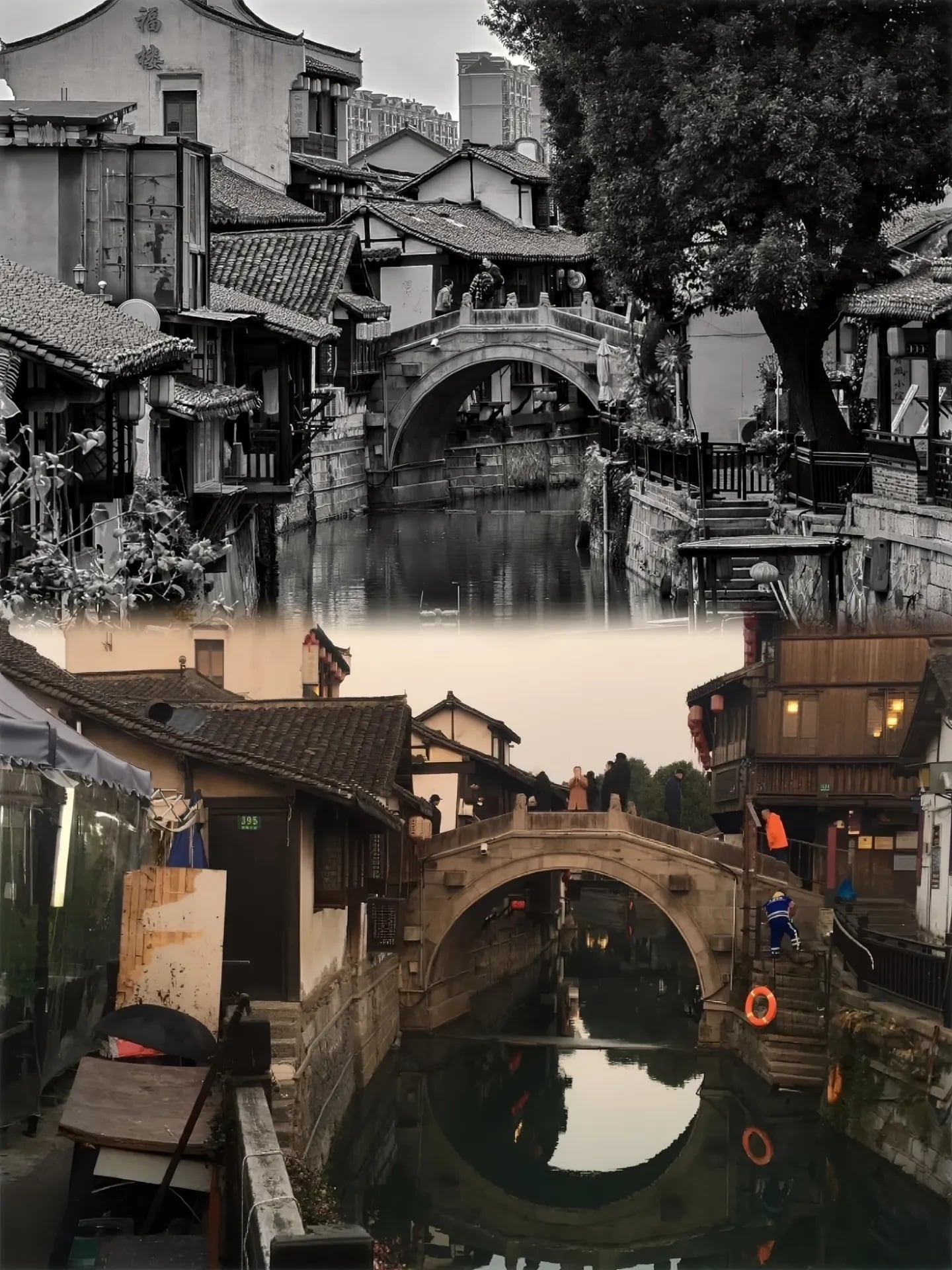
Diyilou, often translated as the First Teahouse, is one of Xinchang’s best-known historic stops. Its Qing-era building was renovated in the 1920s, and its connection with the film Lust, Caution adds another reason to notice the setting. The interest lies as much in the old building and the water-town surroundings as in finding a particular camera angle.
If it is open for tea, ask about seating and the current menu before settling in. A window-side place may be attractive, but access to a particular floor or table depends on the business on the day. Leave time to enjoy the pause: a pot of tea can turn a short sightseeing circuit into a more leisurely outing.
Other waterside cafés and dining terraces offer alternatives. Compare the menu and minimum-spend arrangements, if any, and choose the place that suits your appetite and budget. There is no need to plan the entire visit around securing one well-known seat.
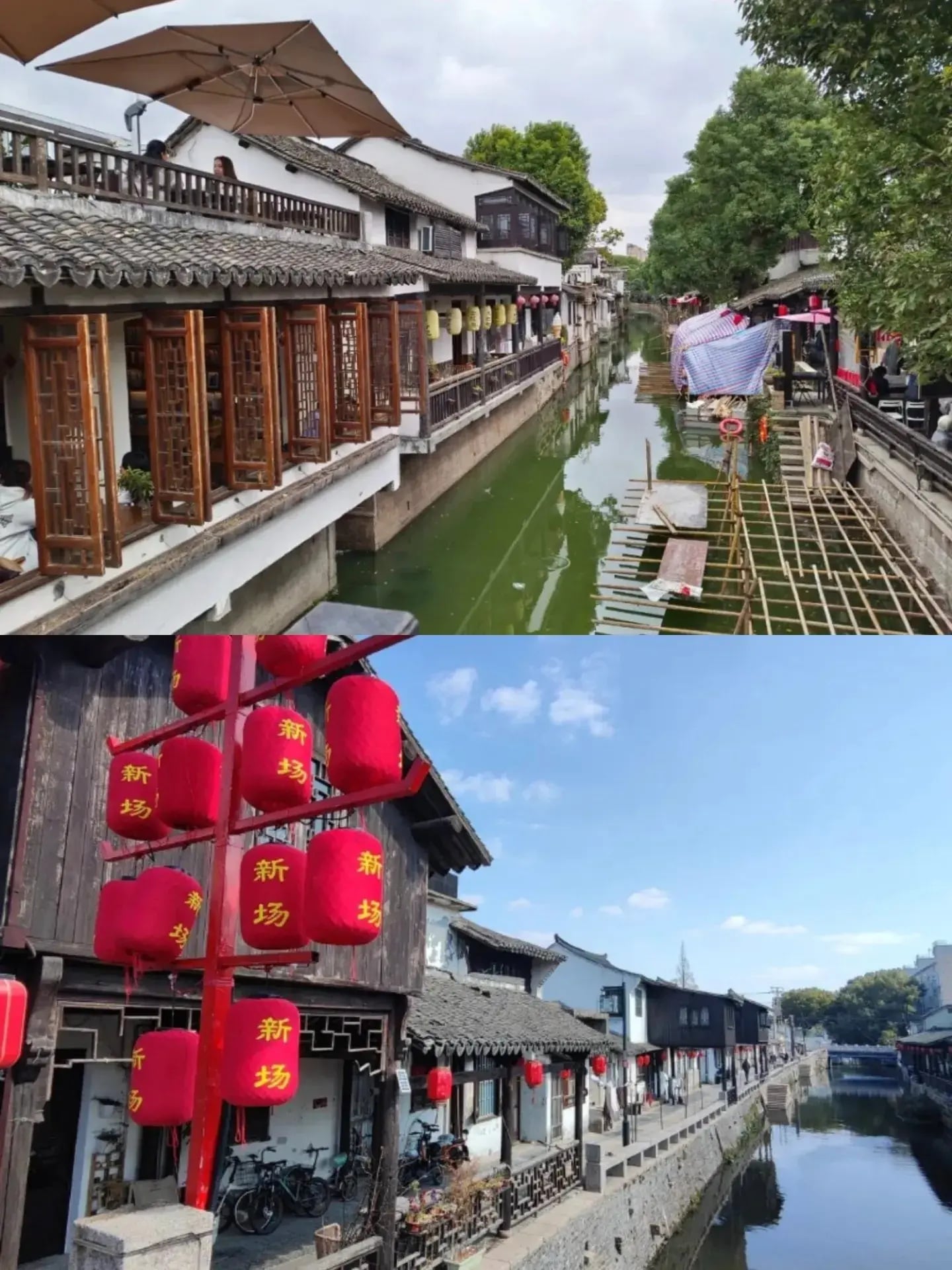
Xinchang is a good place to build a walk around a few small food stops. Fried stinky tofu and haitanggao are among its familiar snacks. Haitanggao is a small mould-baked cake, commonly filled with sweet bean paste; its appeal is in the contrast between the warm filling and the browned exterior. Ask what a stall is making fresh rather than buying everything at once.
For a more substantial meal, compare local menus for dishes such as white-cut mutton. A bowl of savoury tofu pudding can make a lighter stop where it is served. Recipes, toppings and availability differ, so ask about meat stock, seafood additions or other ingredients if they matter to you. Choose portions that leave room for a later snack or tea.
The most enjoyable food plan is flexible: one freshly cooked snack, a walk, then a seated meal when you are ready. Check displayed prices and the serving size before ordering. A popular stall may have a queue, while a business mentioned in an older recommendation may have changed its opening hours.
After the central street, use Xiatang Street as a reason to look for a different waterside perspective. The photographs show overhanging houses, narrow lanes, stone banks and terraces beside the canal. Notice how doors and small passages connect the street with the water, and how the buildings make use of the space above it.
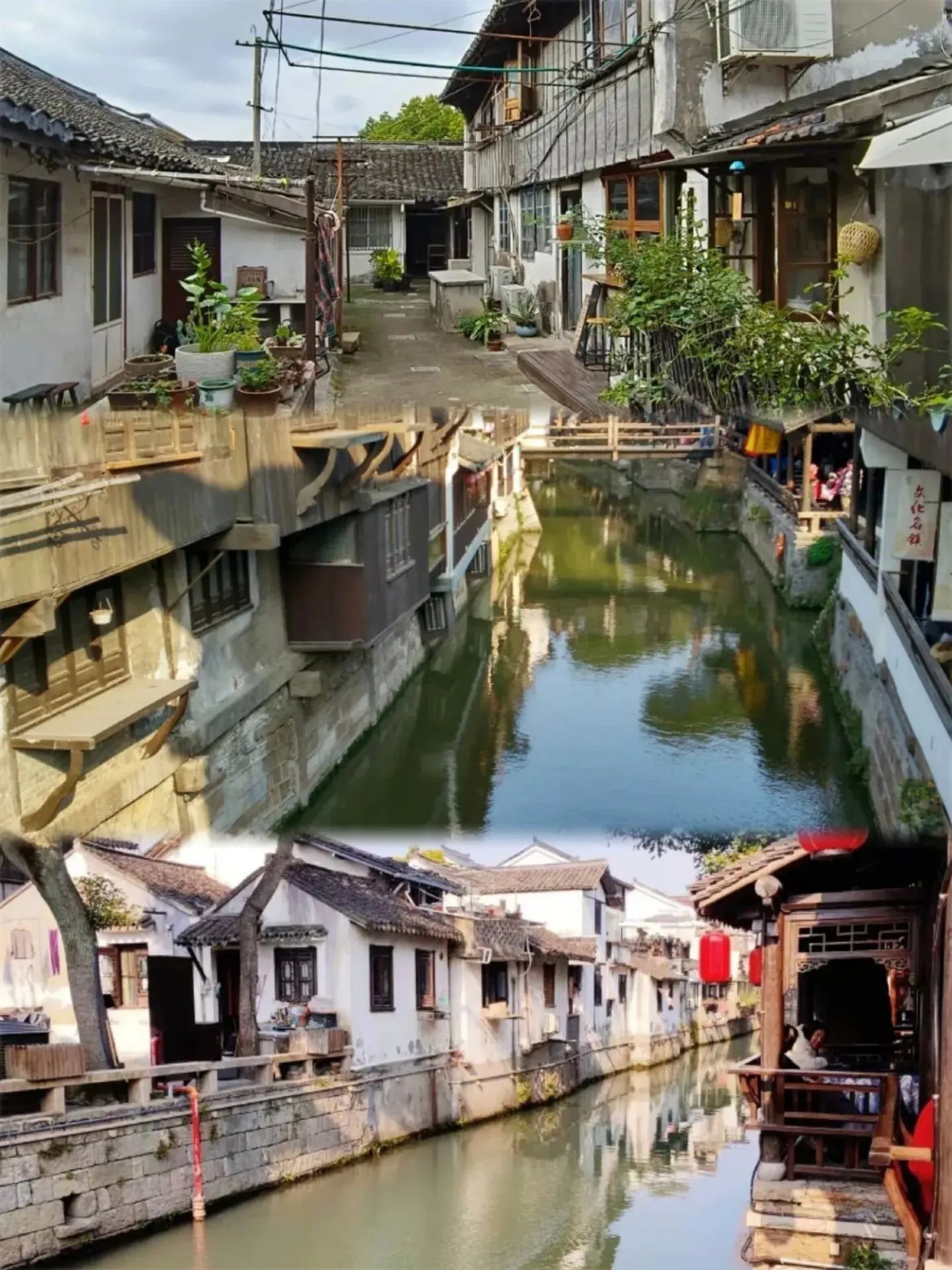
Keep to public routes and leave residential entrances clear. A doorway, drying clothes or a person resting beside the canal is part of someone’s home life, so ask before taking a close photograph. Bridge steps and uneven paving can interrupt the walk, particularly after rain; comfortable shoes make it easier to explore without rushing.
If you want to extend the visit, check a current local map for Baojia Bridge or Nanshan Temple. The temple can add a different kind of stop when open to visitors, but it has its own access arrangements and etiquette. Choose the extension according to time and energy rather than trying to complete every named landmark within a fixed two-hour schedule.
The same stretch of canal can be worth a second look later in the day. Softer light changes the appearance of white walls and tiled roofs, while illuminated lanterns and buildings can add colour after dark. Return to an open, familiar section of the waterfront and give yourself time to stop rather than chasing every viewpoint.
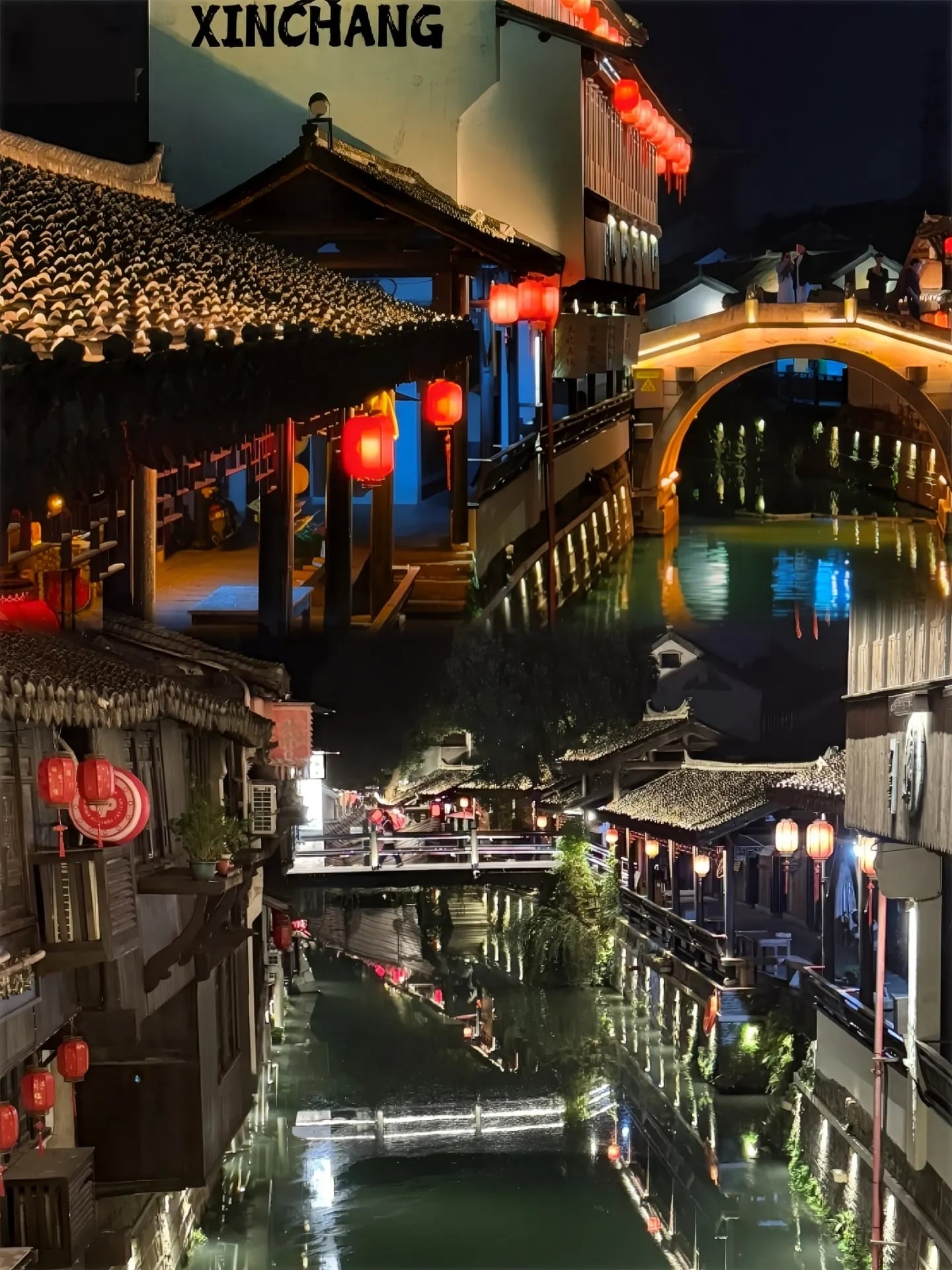
The night photographs are a reason to consider an evening finish, rather than a promise of the same lighting on every date. Shops, tea rooms and individual attractions have separate hours. Confirm the last practical connection back to your accommodation before deciding to stay, and take care around dim steps and waterside edges.
Xinchang Ancient Town is in Pudong New Area. The visitor address is 128 Haiquan Street, a useful starting point for a current journey planner. Entry to the public old-town area is free, while some individual attractions charge separately. Meals, tea, transport and any optional paid activities remain extra.
Metro Line 16 serves Xinchang Station, with an onward connection needed for the old town. Recent city visitor guidance lists bus 1068 towards the Xinfeng Highway–Hunan Highway stop. Check the direction, stop and final walk in a live journey planner; a station with the same name should not be mistaken for an entrance beside the canal.
If driving, use a designated public car park and check the posted tariff. Do not assume that a roadside space is legal or free. For any boat service you find operating, confirm the official boarding point, route, duration and current price before paying. A short ride is optional; the town can be enjoyed entirely on foot.
Allow a flexible half-day or longer, depending on the journey and how much time you want for tea and food. A simple order is enough: old street and bridge, a tea break, lunch, then a canal-side wander. Leave the evening and any longer extension as choices. The visit gains more from a few well-chosen pauses than from completing a long checklist.