22Oct
+8619705475100
[email protected]

As daylight fades in Xinchang, the waterways begin to catch the colour of the streets. A lantern beside a doorway, a lit shop sign and the outline of a small bridge can draw the eye more than a grand landmark. This old town in Pudong offers an evening built around walking, eating and watching the light change, with time to pause between each.
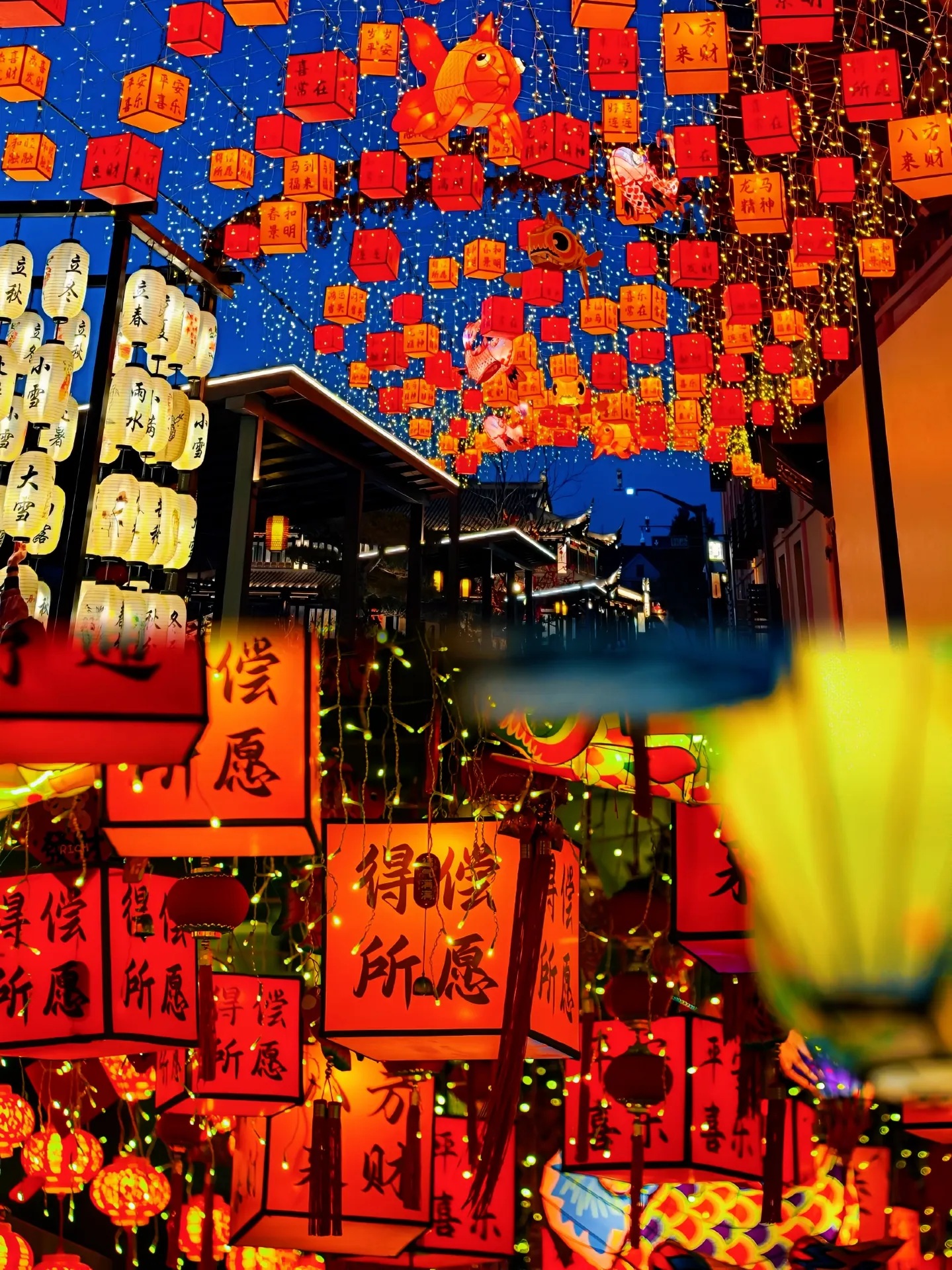
The setting is still a living neighbourhood. Homes, shops and waterside passages sit close together, and the atmosphere depends on the day, the businesses that are open and any events taking place. Come with room for a short wander and a food stop, rather than a timetable that relies on every street being busy late into the night.
An arrival before dusk gives the outing two different moods. Begin around Haiquan Street and the public old-town lanes, looking at the timber frontages, tiled roofs and small passages leading towards the canals. In daylight it is easier to understand how the streets connect and choose a comfortable route back.
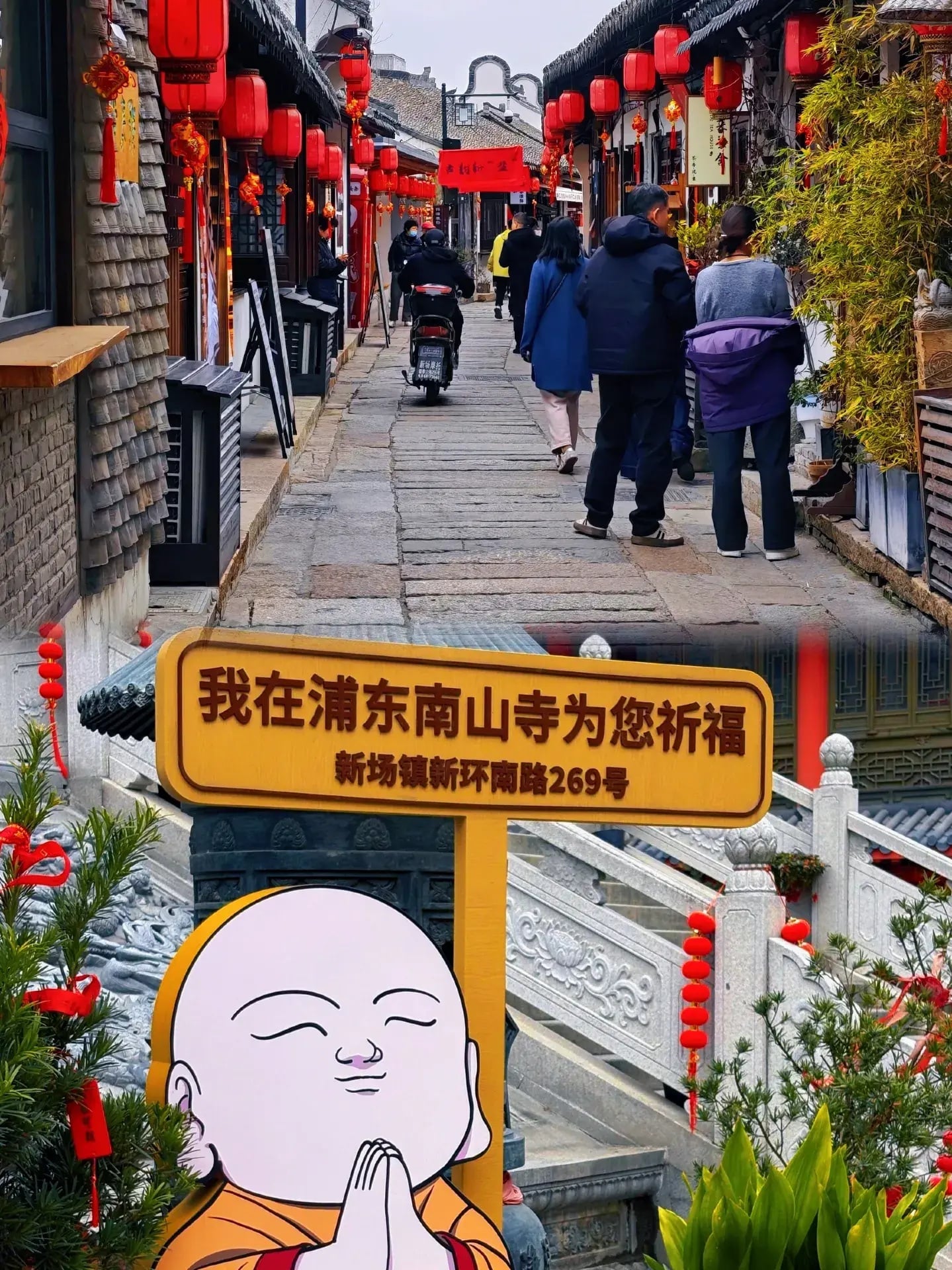
A sign towards Nanshan Temple appears in the street photographs, but a temple visit is a separate choice with its own access and opening arrangements. For an evening focused on the lanes and water, there is no need to add every nearby attraction. Choose a few accessible crossings and leave room for a second look as the light changes.
The strongest evening views are often made from simple elements: a lit doorway, dark timber above it and a reflection below. Follow an open public lane towards a crossing, then turn to see the waterfront from the other direction. A shop sign or a line of lanterns can look quite different when seen across the canal.
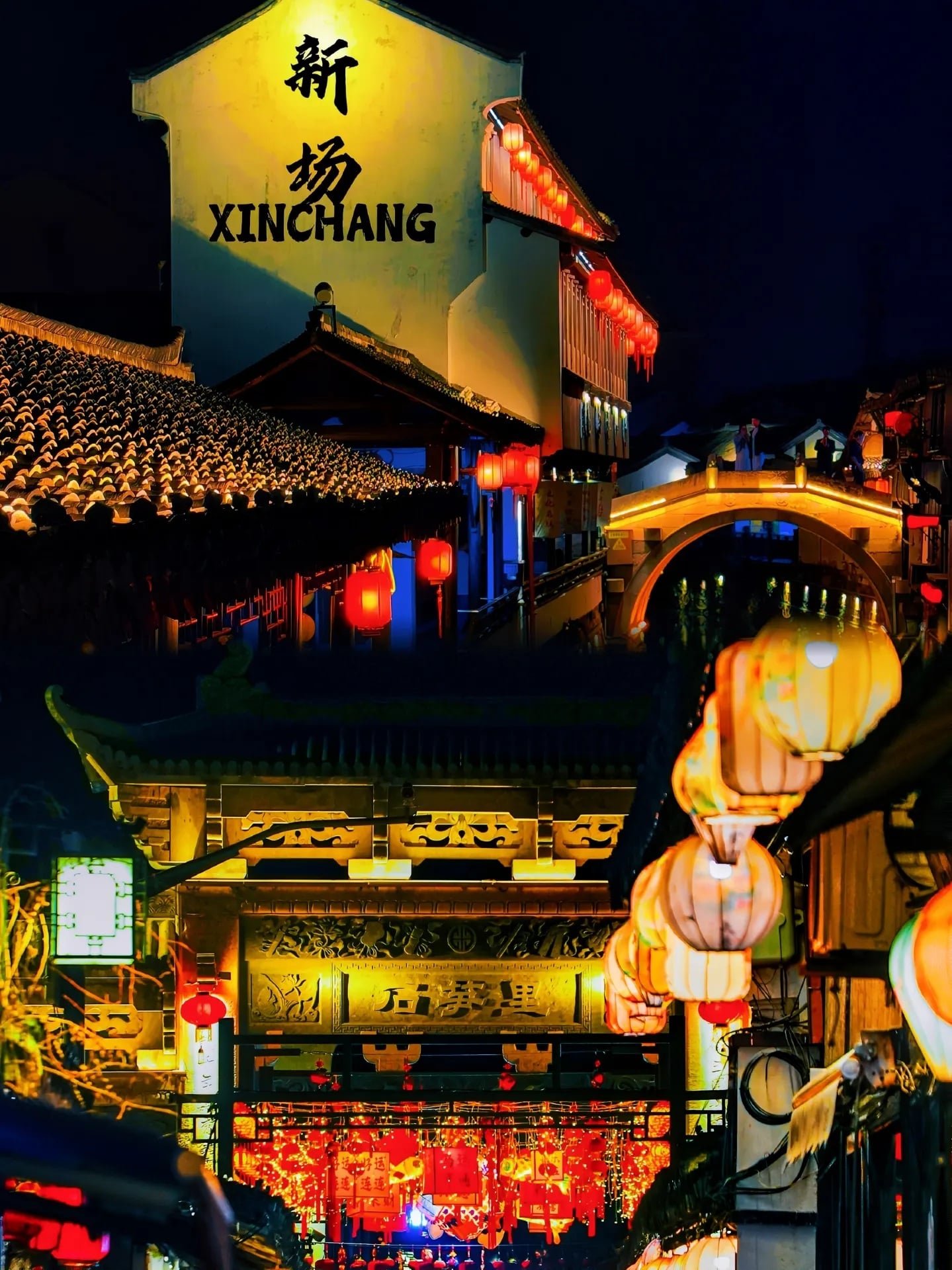
Use the photographs as inspiration for what to notice. Lantern displays, decorative lighting and the busiest corners can change with festivals, trading hours and local arrangements. A favourite view may involve waiting for people to pass or choosing another angle, rather than finding the scene exactly as it appears in a photograph.
Xinchang’s food stalls give an evening stroll an easy rhythm. Look for a freshly cooked spring-onion pancake or haitanggao, a small mould-baked cake commonly made with a sweet filling. Ask what is available, compare the displayed prices and start with a small order before deciding whether you want a proper meal.
Menus and recipes differ between businesses. Check fillings and cooking ingredients if you avoid meat or have another dietary requirement, and ask whether an item is made to order. A place to sit with tea or a drink can be a welcome break between stretches of walking; confirm seating and any minimum spend before settling in.
One of the photographs shows a banner for a traditional Chinese medicine and intangible-heritage cultural market. Xinchang has hosted events combining local culture, craft displays and activities connected with traditional medicine. Such markets can add another layer to an outing when their dates coincide with your visit.
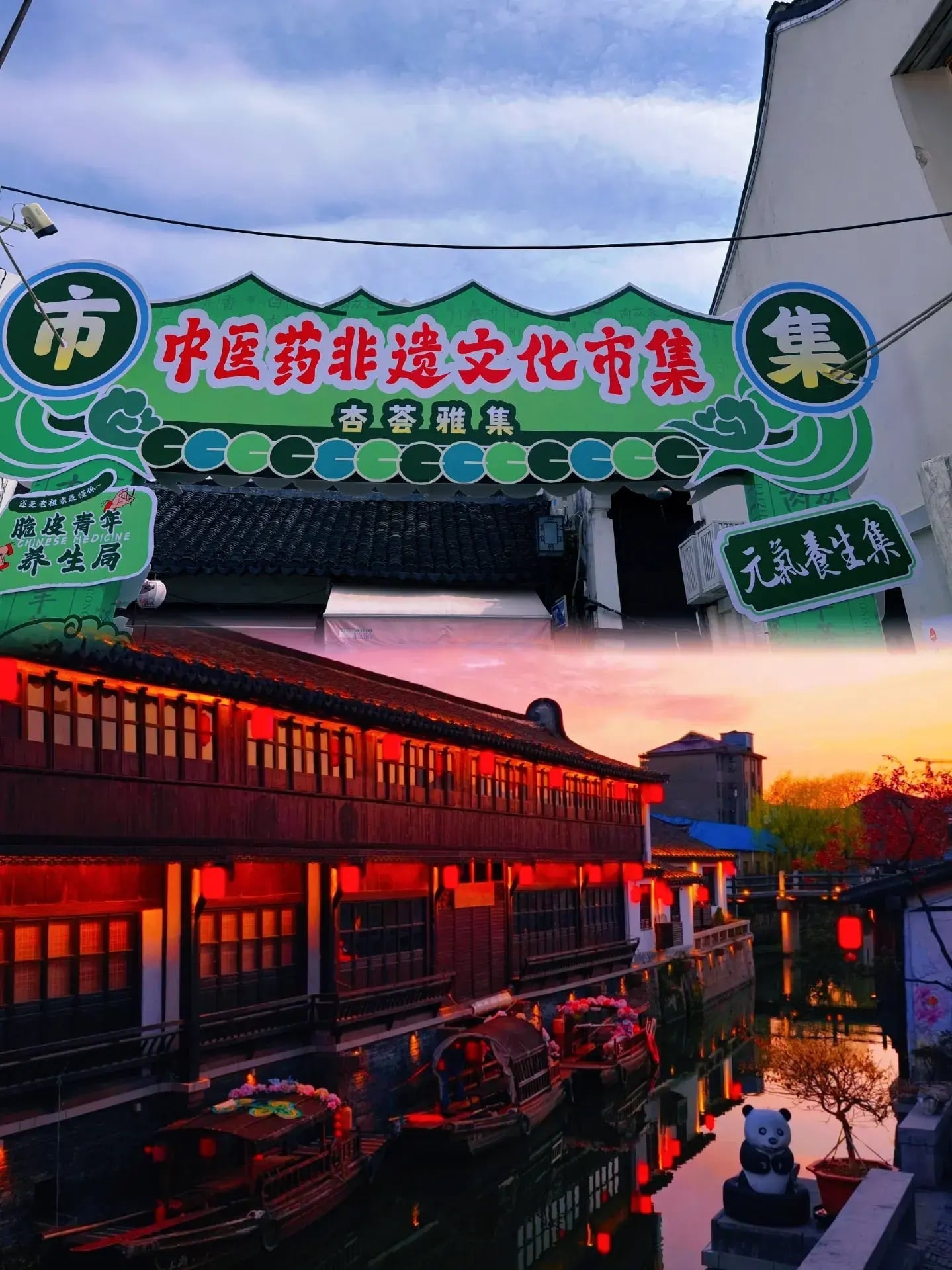
Check current event announcements before planning around a particular market. A banner in a travel photograph records an event setting; it does not establish a permanent daily attraction. If a market is operating, browse the crafts and cultural displays at your own pace and ask before photographing stallholders or close-up demonstrations.
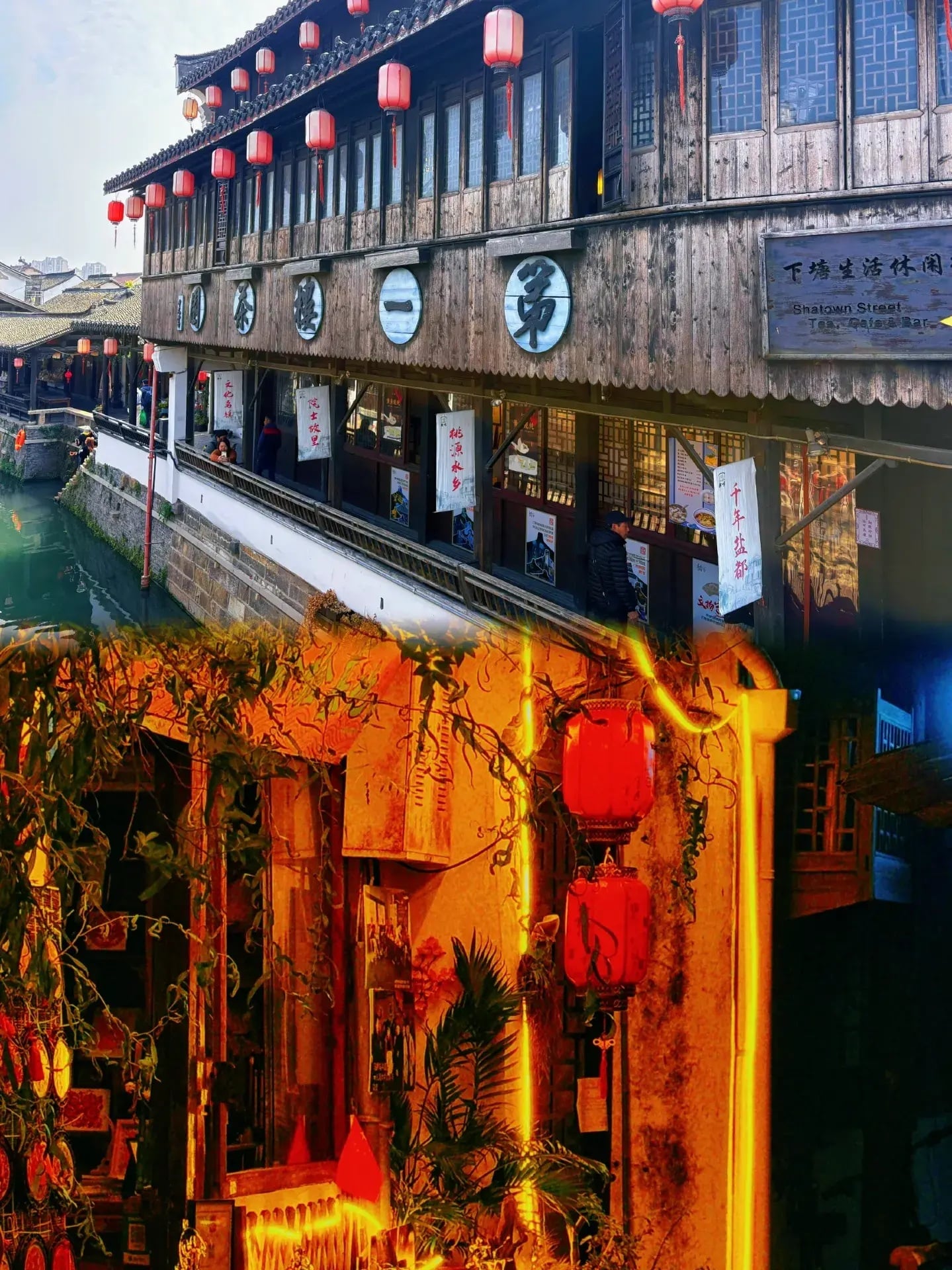
Return to a familiar stretch of water for the final part of the visit. The change from pale walls and green water to dark façades and reflected light is part of the appeal. Staying in one place for a while can reveal more than trying to cover another long section of street.

For photographs, stand where there is a clear public stopping place and keep bridge steps and shop entrances free. Damp paving can add reflections, but it also makes worn stone slippery. Comfortable shoes and a light rain layer are useful if the forecast is unsettled; there is no need to choose poor weather just to recreate a particular image.
Xinchang Ancient Town is in Pudong New Area, with a visitor address of 128 Haiquan Street. Entry to the public old-town area is free, while some individual attractions charge separately. Shops, restaurants, cultural spaces and temples keep their own hours, so public access to the streets should not be read as round-the-clock access to everything in them.
Metro Line 16 serves Xinchang Station, with an onward connection needed for the old town. Use a live journey planner to check the current bus or taxi connection and the final approach to your chosen entrance. The station and the historic streets are separate parts of the journey; allow time for both when coming from central Shanghai.
Before stopping for dinner, check the last practical connection back to your accommodation and leave a margin for reaching the station. Evening activity varies, and a quieter date may suit an earlier finish. A simple plan is enough: arrive before dusk, explore the lanes, eat something freshly cooked and return to the canal once the lights are on.