
Eating in Hangzhou can mean a carefully prepared meal beside West Lake, a bowl of noodles in a busy neighborhood shop, or soy milk and freshly fried dough before a morning walk. The city’s food is easier to appreciate when you make room for all three.
For a first visit, try a few classic Hangzhou dishes at a sit-down restaurant, keep one meal simple with local noodles, and leave time for breakfast outside your hotel. Dongpo pork and Longjing shrimp introduce the restaurant tradition; pian’er chuan noodles and cong bao hui offer a more everyday taste of the city.
This guide explains what to order, where to look for food, and how to fit meals into your sightseeing. It also covers practical questions for overseas visitors, including menus, payment, portions and dietary requirements.
Hangzhou Food at a Glance
| What you want | A useful starting point |
|---|---|
| A first classic Hangzhou meal | Dongpo pork, Longjing shrimp, a vegetable dish and rice |
| A simple local lunch | Pian’er chuan noodle soup |
| A breakfast outside the hotel | Soy milk with youtiao, buns or wontons |
| A distinctive street snack | Cong bao hui, a pressed wrap with scallions and fried dough |
| A sweet dish to share | Lotus root stuffed with sticky rice and osmanthus syrup |
| Convenient dining after West Lake | Hubin and the surrounding central streets |
| Snacks combined with an old-town walk | Hefang Street and the Zhongshan Road area |
| Food with a canal outing | Qiaoxi, Xiaohe Street or Dadou Road |
| A more substantial restaurant meal | A Hangzhou-cuisine restaurant chosen for its current menu and exact branch |
You do not need to try every famous dish. Choose according to your appetite, preferences and the time you have.
What Is Hangzhou Cuisine Like?
Hangzhou cuisine is part of Zhejiang’s culinary tradition. Zhejiang cuisine, rather than Hangzhou alone, is commonly included among China’s eight major regional cuisines.
Many traditional Hangzhou dishes favor the flavors of the ingredients, with steaming, braising and other preparations that do not depend on heavy chilli heat. Fish, shrimp, pork, bamboo shoots and seasonal vegetables appear frequently. Sweetness, vinegar, soy sauce and cooking wine all have a place, but the balance differs from dish to dish.
This does not mean every meal is light or mild. Dongpo pork is rich; West Lake vinegar fish has a pronounced sweet-and-sour sauce; some contemporary restaurants serve spicy dishes alongside local classics. Ask about the preparation rather than assuming a whole menu follows one flavor profile.
Hangzhou also has a broad modern dining scene. You will find food from other parts of China, international restaurants, bakeries, cafés and hotel dining rooms. These are useful options during a longer stay, particularly if your group has different tastes.
Classic Hangzhou Dishes to Try
1. Dongpo Pork — 东坡肉
Dongpo pork is one of the city’s best-known dishes. Pieces of pork belly are slowly cooked until tender, with a glossy, savory-sweet sauce. The fat is an essential part of its texture, so this is not a lean-pork dish.
Its name honors Su Dongpo, the poet and official associated with Hangzhou. Stories about its connection with his public works are part of the dish’s cultural appeal, though they are better understood as food tradition than a precise account of how every version originated.
Order it if you enjoy braised meat and rich sauces. Rice and a vegetable dish provide a useful balance. Check whether the price is for one piece, an individual portion or a larger serving before ordering for the table.
Worth knowing: Cooking wine may be used. Ask about the recipe if avoiding alcohol or particular ingredients is important to you.
2. Longjing Shrimp — 龙井虾仁
Longjing shrimp combines peeled shrimp with the green tea associated with Hangzhou. The appeal is usually the shrimp’s texture and a restrained tea fragrance, rather than a strong tea-flavored sauce.
This makes a good contrast with Dongpo pork in a shared meal. It is also a reasonable first choice for visitors who prefer a less heavily sauced main dish, provided they eat shrimp.
Recipes and ingredient quality vary. Do not assume that the dish uses the same shrimp, tea or seasoning at every restaurant, or that all versions have identical allergen information.
Worth knowing: Shrimp is a crustacean allergen. Some preparations may also use egg or other ingredients during marinating and cooking; confirm with the kitchen where necessary.
3. West Lake Vinegar Fish — 西湖醋鱼
West Lake vinegar fish is a famous Hangzhou specialty, generally served as fish under a sweet-and-sour vinegar sauce. Traditional preparations often use a whole freshwater fish, although restaurants may offer different fish or serving styles.
It suits visitors who enjoy vinegar-based sauces and are comfortable eating fish with bones. The sauce is part of the experience, so order it because the flavor sounds appealing rather than simply because the name is famous.
Before ordering, ask which fish is used, whether the price is per dish or by weight, and how large the serving will be. The name does not mean the fish on your plate was caught in West Lake.
Worth knowing: A whole fish can be a substantial shared dish. It may be more practical for a small group than for a solo traveler.
4. Sister Song’s Fish Soup — 宋嫂鱼羹
Sister Song’s fish soup is a thickened fish soup associated with Hangzhou’s older culinary traditions. Ginger and vinegar can give it a distinctive character, while the texture differs from a clear broth.
It is a useful choice if you would like a fish dish but do not want to make a whole fish the center of the meal. Ask whether it comes as individual bowls or a larger shared portion.
The recipe can include ingredients beyond fish, including ham, cooking wine or egg in some versions. It should not automatically be treated as pork-free or suitable for someone avoiding eggs.
Worth knowing: “Fish soup” is a broad English description. Show the Chinese name to distinguish this dish from other soups on the menu.
5. Beggar’s Chicken — 叫花鸡 / 叫化鸡
Beggar’s chicken is associated with a wrapped, slow-cooked preparation, traditionally involving lotus leaves and a clay covering. Restaurants adapt the cooking and presentation, so the version served may not match every photograph you have seen.
It can make an enjoyable shared centerpiece, but a whole chicken may be too much if you are also ordering several large dishes. Ask about serving size, availability and whether advance ordering is required.
Check the filling as well as the chicken itself. Some recipes include pork, ham or mushrooms, which matters for dietary restrictions.
Worth knowing: Treat dramatic clay-breaking presentations as something to confirm, not a standard feature guaranteed by the dish’s name.
6. Fried Tofu-Skin Rolls — 干炸响铃
Often translated as “fried ringing bells,” this dish is known for its crisp tofu-skin exterior. A savory filling gives it more substance than the delicate wrapper suggests.
It can add a contrasting texture to a table of braised meat, shrimp and vegetables. Eat it soon after it arrives if you want to enjoy the crispness.
Worth knowing: A tofu-skin wrapper does not make the dish vegetarian. Ask about the filling and frying oil; meat-filled versions are common.
7. Braised Bamboo Shoots — 油焖笋
Braised bamboo shoots offer another way to explore local cooking without adding a second large meat dish. They are particularly worth considering when shoots are in season, although menus and available varieties change throughout the year.
The preparation may be savory-sweet and more richly seasoned than a plain vegetable side. If you want something simpler, ask what greens or lightly cooked vegetables are available that day.
Worth knowing: A vegetable dish can still contain meat stock, lard or other animal ingredients. Confirm the cooking method if you need a vegetarian or vegan meal.
8. Sticky-Rice Lotus Root — 桂花糯米藕
This sweet dish combines lotus root filled with sticky rice and an osmanthus-scented syrup. It is usually served in slices, making it easy to share.
It works as a sweet addition to a meal rather than necessarily a dessert brought only at the end. If you are not sure about the sweetness, order one portion for the group.
Worth knowing: “Sticky rice” is also called glutinous rice, but the name alone does not establish whether the finished dish is gluten-free. Syrups, additions and preparation still need checking when relevant.
Everyday Food: Noodles, Snacks and Small Meals
Pian’er Chuan — 片儿川
Pian’er chuan is a Hangzhou noodle soup typically topped with sliced pork, bamboo shoots and preserved greens. The combination gives it a savory flavor quite different from the city’s sweeter braised dishes.
It is a practical lunch between sightseeing stops and an excellent way to include a local meal without organizing a full restaurant spread. A bowl can also work as breakfast if the noodle shop opens early enough.
The preserved greens bring saltiness, while the shoots add texture. Additional toppings may be available, but check their names and prices before adding them.
Worth knowing: The standard dish contains pork, and the broth may contain other animal ingredients. Removing visible meat does not necessarily make it vegetarian.
Shrimp and Eel Noodles — 虾爆鳝面
Another noodle option to look for is shrimp and eel noodles. The combination is generally a richer, more substantial choice than a simple bowl of soup noodles.
Try it if you enjoy both ingredients, and check the serving style on the menu. It can be useful for travelers who want a distinctive noodle meal rather than another shared restaurant dinner.
Worth knowing: It contains both fish and crustaceans. Do not confuse it with a plain shrimp noodle dish when discussing allergies.
Cong Bao Hui — 葱包桧
Cong bao hui is a pressed wrap made with a thin pancake or wrapper, scallions and youtiao, the fried dough sticks commonly eaten at breakfast. It is cooked on a flat surface until the outside becomes crisp, then served with the vendor’s sauces.
The combination of crisp wrapper, fried dough and scallion makes it a satisfying snack during an old-town walk. Versions differ, with some stalls offering extra fillings or different sweet and spicy sauces.
Ask for no chilli sauce if you prefer to avoid heat. Eat it soon after preparation for the best texture.
Worth knowing: The wrapper and dough are generally wheat-based. Added fillings and sauces need separate checking for dietary requirements.
Small Steamed Buns and Other Snacks
Small steamed buns, wontons and pan-fried buns are useful choices when you want a modest meal. They also give families the option to share a few items rather than commit to several large dishes.
These foods belong to a wider regional food culture and are not all unique to Hangzhou. That does not make them less useful or less enjoyable during your trip.
The label “xiaolongbao” can cover different styles. Ask what the filling is and do not assume every basket will have exactly the thin wrapper and soup-filled preparation associated with a particular Shanghai restaurant.
Breakfast in Hangzhou
Breakfast is worth planning at least once outside your hotel. A neighborhood snack shop can provide a different view of the city from a formal dinner or a sightseeing street.
Soy Milk and Youtiao — 豆浆、油条
Soy milk with fried dough sticks is a straightforward place to start. Ask whether the soy milk is sweet, unsweetened or savory, since these are different preparations rather than simply different sweetness levels.
Savory soy milk may contain extra seasonings and garnishes, so check the ingredients rather than assuming it is plain soy milk without sugar.
If you prefer a smaller breakfast, begin with a drink and one food item, then add more if you are still hungry.
Buns and Wontons — 包子、馄饨
Steamed buns are easy to order for one person or share. Fillings can include pork, vegetables or sweet ingredients. Wontons offer a warm, soup-based breakfast, but the filling and broth need checking separately.
A vegetable-filled bun may still have ingredients you avoid, and a clear broth is not necessarily vegetable stock. Use the Chinese names and ask a specific question about the filling rather than relying on appearance.
Noodles for Breakfast
A bowl of noodles is a perfectly reasonable breakfast choice. Pian’er chuan is particularly useful if you want to try a local dish and prefer a filling savory meal before walking.
Choose a shop that actually serves breakfast. A well-known noodle restaurant may not open until later in the morning, so a lunch recommendation should not automatically become your early breakfast plan.
How to Find a Breakfast Shop
Ask your hotel for a nearby shop serving the items you want. “Where can I get soy milk and steamed buns nearby?” is more useful than asking for the single “best breakfast in Hangzhou.”
Check the current opening time, particularly on holidays. Some breakfast-focused shops sell out of popular items, while others continue serving snacks later in the day.
Youbu Doujiang and Xinfeng Snacks are names worth searching when investigating local breakfast options. Confirm the exact outlet before traveling, and avoid crossing the city for a short meal unless the visit itself interests you.
Where to Eat in Hangzhou
Choose a dining area that fits your day. A good meal close to your sightseeing route can be more rewarding than spending an hour traveling to a restaurant with a familiar name.
Hubin and the East Side of West Lake
Useful for: Convenient meals, mixed preferences and dining after a lake walk.
Hubin and the surrounding central streets make a practical base for restaurant meals, cafés and mall dining. This area works well if you want to finish a walk and compare a few menus without adding a long transfer.
For a local meal, check whether the menu actually includes Hangzhou dishes. A restaurant’s location beside the lake does not tell you which cuisine it serves.
Compare indoor and waterfront options according to price, waiting time and the setting you want. A lake view may matter for a special lunch, but it is not essential for a good bowl of noodles.
Gushan and the Northern Lake Area
Useful for: A classic restaurant meal combined with northern West Lake sightseeing.
This is a sensible area to consider if your walk already includes Gushan. Lou Wai Lou’s Gushan Road restaurant is a well-known option for traditional Hangzhou food in a lake-side setting.
Check the current menu and booking arrangements. Request a particular seating area if it matters, but do not assume every table has a lake view or that a table will be available without a wait.
Hefang Street and the Zhongshan Road Area
Useful for: Snacks, an old-town walk and a flexible small-meal outing.
Hefang Street gives visitors a convenient setting for browsing and eating during a historic-street visit. Nearby streets in the broader Zhongshan Road area are also useful places to investigate breakfast shops and small eateries.
Not every snack sold in a visitor district is a Hangzhou specialty. If your aim is local food, look for recognizable dish names such as cong bao hui and compare what vendors are actually preparing.
Zhongshan Road has different sections. Zhongshan South Road and Zhongshan Middle Road are not interchangeable destinations, so save a specific shop pin rather than just the road name.
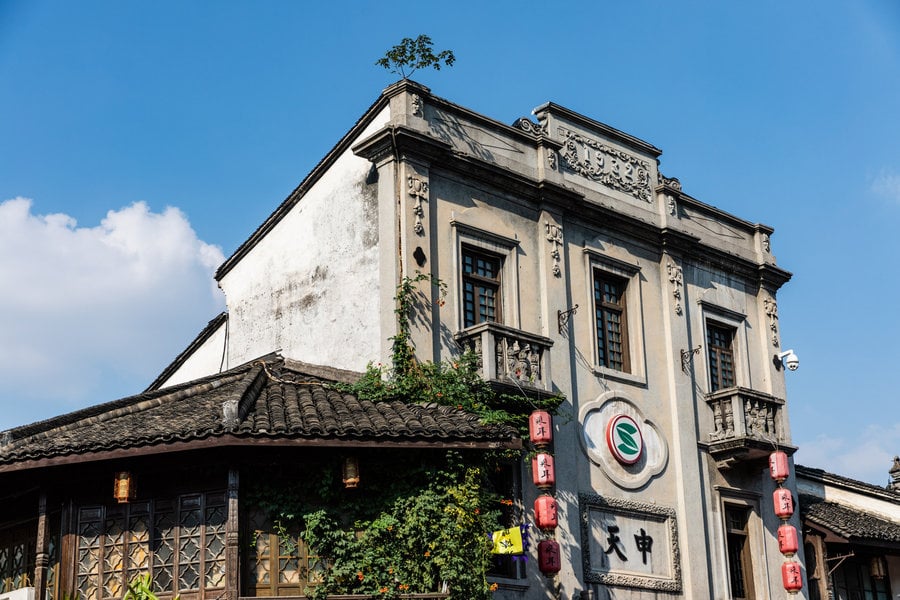
Wulin and the Central Shopping Districts
Useful for: Evening meals, group flexibility and eating near central hotels.
The wider Wulin area provides another central base for dining. Restaurants, shopping centers and nearby streets can make it convenient when your group wants different cuisines or an indoor meal after a long day.
A night-market visit can add atmosphere and a snack, but it does not guarantee a complete selection of traditional Hangzhou food. Check the current market location and opening arrangements, and decide whether you want dinner or simply a short browse.
Wulin Square, Wulin Road, a night market and a restaurant named Wulin are different destinations. Confirm the place you mean before getting into a taxi.
Qiaoxi, Xiaohe Street and Dadou Road
Useful for: A meal or tea break during a Grand Canal visit.
These canal-area neighborhoods are good places to leave room for a stop instead of packing the afternoon with walking and museums. Choose a restaurant or café according to its menu and setting.
A historic building or canal-side table does not necessarily mean the kitchen serves traditional Hangzhou cuisine. Some venues focus on coffee, desserts or food from elsewhere.
Qiaoxi, Xiaohe Street and Dadou Road are separate areas. Select your meal near the part of the canal you plan to explore, and allow transfer time if you want to eat in another cluster.
Longjing and the Tea-Growing Area
Useful for: Combining a tea-area outing with a countryside-style restaurant meal.
A meal in the tea-growing area can fit naturally into a visit to the villages and surrounding hills. Check the actual menu, prices and location before deciding where to stop.
Ask whether tea is included, charged per person or ordered separately. A restaurant lunch, a tea tasting and a guided tea experience are different products.
If transport is part of your plan, arrange the return journey as well as the outward trip, especially after an evening meal.
Restaurant Names Worth Investigating
The following names offer useful starting points for different kinds of meals. They are not a ranking, and this guide does not claim a recent personal tasting at each venue. Check the exact branch, current menu, opening hours and booking arrangements before visiting.
| Name | Chinese search name | Why consider it? | Main planning point |
|---|---|---|---|
| Lou Wai Lou, Gushan Road | 楼外楼 孤山路 | A well-known traditional Hangzhou restaurant beside West Lake | Confirm the branch, menu, table availability and any seating request |
| Kui Yuan Guan, Jiefang Road | 奎元馆 解放路 | A longstanding name associated with Hangzhou noodles | Check opening time; do not assume it is an early-breakfast shop |
| Zhi Wei Guan | 知味观 | A time-honored name to investigate for local snacks and other menu options | Snack outlets and full-service restaurants may offer different experiences |
| Xinfeng Snacks | 新丰小吃 | A useful name when looking for breakfast and small meals | Choose an outlet close to your route and check its menu |
| Youbu Doujiang | 游埠豆浆 | Known for soy milk and breakfast-style foods | Confirm the current shop pin, hours and queue before making a special trip |
| Wulin restaurant | 武林饭店 | An option to investigate for a shared Hangzhou-cuisine meal | Search the restaurant specifically, not Wulin Square or the night market |
Kui Yuan Guan’s Jiefang Road location is listed at 154 Jiefang Road. Wulin restaurant is listed at 4 Huntangqiao. Use these branch identifiers to distinguish them from similarly named places, then confirm current details when booking.
For a special-occasion meal, you can also investigate established hotel restaurants and reservation-based dining rooms. Ask about menu style, total cost, dress expectations and dietary accommodation before committing to a set menu.
What to Order for Your First Hangzhou Meal
If both diners eat pork and shrimp, consider:
- Dongpo pork in a portion suitable for two.
- Longjing shrimp or another main dish you prefer.
- One seasonal vegetable dish.
- Rice, with an optional small soup or sweet dish if you are still hungry.
This is a suggested structure, not a fixed order. Ask the server whether the selected portions are appropriate, and reduce the number of dishes if they are large.
A Meal for a Family or Small Group
Choose one main dish with meat, one fish or shrimp dish if suitable, vegetables and a starch. Add a soup or another dish according to the group’s appetite.
If you want beggar’s chicken or a whole fish, treat it as a substantial part of the meal. Check its size before adding other large dishes.
For children, ask about bones, spice and sauces. Rice, noodles and a simply prepared dish may be more useful than a separate “children’s menu,” which smaller restaurants may not have.
A Solo Meal
Noodles, wontons or a small selection of snacks often work better than a restaurant menu built around shared plates. If you want a classic dish, ask whether an individual or smaller portion is available.
There is no need to order a whole fish or chicken simply to try a famous local name.
How to Order as an Overseas Visitor
Save the Chinese names of the dishes you want. They can help both with searching and with showing the server what you mean.
Picture menus are useful, but they do not show every ingredient or explain portion sizes. Some restaurants use QR-code ordering; ask for staff assistance or a printed menu if the system is difficult to use.
A translation app can help with basic questions. For allergies or strict dietary requirements, communicate with staff directly and use a carefully prepared Chinese-language card.
Portions and Prices
Clarify whether a price is per piece, bowl, plate, person or weight. Ask about the total price of weight-based dishes before confirming the order.
Rice, tea, drinks and other extras may be charged separately. If staff suggest another dish, you can ask its price and decide whether you want it.
Start with a manageable order. Where practical, add another dish later rather than buying several large plates at once.
Payment
Ask which payment methods the restaurant accepts before ordering if you are relying on a particular method. Mobile payments are common, but foreign-card acceptance and individual app arrangements vary.
Keep a backup payment option. If a QR payment fails, ask staff for another method instead of assuming the meal must be paid through that particular code.
Reservations and Queues
Reserve ahead for a special meal, a larger group or a specific dietary request. At casual venues, check whether you should take a queue number before waiting.
Leave extra time around weekends, holidays and popular meal periods. A restaurant’s posted closing time may differ from its last ordering time.
Useful Chinese Phrases for Dining
| What you want to say | Chinese |
|---|---|
| Do you have an English menu? | 请问有英文菜单吗? |
| Could you help us order? | 可以帮我们点餐吗? |
| No chilli, please. | 请不要放辣椒。 |
| What is in this dish? | 这道菜有哪些食材? |
| Does this contain pork? | 这道菜含猪肉吗? |
| Is there meat stock or lard in it? | 里面有肉汤或猪油吗? |
| How large is this portion? | 这份有多大? |
| Is the price per portion or by weight? | 这个价格是按份还是按重量计算? |
| Please tell me the total price before preparing it. | 请先告诉我总价,再做这道菜。 |
| Can we have serving chopsticks or a serving spoon? | 可以给我们公筷或公勺吗? |
| Can I pay by card? | 可以刷卡吗? |
These phrases help with ordinary dining questions. They are not a complete allergy card or a guarantee that a kitchen can meet a dietary requirement.
Vegetarian, Vegan, Halal and Gluten-Free Dining
Vegetarian and Vegan Meals
Vegetables, tofu and mushroom dishes may be available, but their cooking ingredients need checking. Meat stock, lard, dried shrimp or other animal-based seasonings can appear in dishes that look vegetable-based.
Explain what you avoid rather than using only the word “vegetarian.” If you are vegan, include eggs, dairy and any other excluded ingredients in the discussion.
For a less uncertain meal, investigate a dedicated vegetarian restaurant and confirm its approach to ingredients. A restaurant described as vegetarian still needs to be checked against your own requirements.
Halal Requirements and Avoiding Alcohol
Pork is common in local dishes, fillings and stocks. A chicken or fish dish may also include pork products, while braises and sauces may use cooking wine.
If you require halal food, choose a restaurant with halal arrangements you can verify. “No pork” is not the same as a halal meal, and do not assume a dish meets your requirements because it contains beef or chicken.
Ask specifically about cooking wine if avoiding alcohol is important. Do not rely on the assumption that cooking makes every wine-based preparation acceptable.
Gluten-Free Dining
Wheat noodles, wrappers and fried dough are common. Sauces and seasonings may also contain wheat, including some soy sauces.
Rice-based food is not automatically a gluten-free finished dish. For celiac disease or another strict requirement, discuss ingredients and shared preparation with a restaurant able to handle the request, ideally before arrival.
Food Allergies
Discuss the exact allergen, sauces, stocks and preparation with staff. Shared oil, utensils and cooking surfaces can lead to allergen cross-contact; removing a visible ingredient does not resolve every risk.
Carry a Chinese-language allergy card appropriate to your needs, and follow your own clinician’s advice and emergency plan. If a kitchen cannot confirm the ingredients and preparation, choose another option rather than relying on a menu photograph or an app translation alone.
Budgeting for Food in Hangzhou
Breakfast shops, noodle meals, shared restaurant dinners and hotel dining have very different cost structures. Budget according to the kind of meal you want rather than expecting one city-wide average to describe them all.
| Meal style | What usually determines the bill |
|---|---|
| Breakfast or small snacks | Number of items, drinks and added fillings |
| Noodle or wonton meal | Main bowl, premium toppings and side dishes |
| Shared Hangzhou-cuisine meal | Number and size of dishes, seafood, whole fish or chicken, and drinks |
| Scenic restaurant or tea-area stop | Menu choices, setting and separate tea charges |
| Special-occasion dining | Set-menu price, drinks, supplements and any stated service charges |
For a shared meal, ask about the approximate total before finalizing the order. A menu dominated by individual snacks is easier to control than an order involving fish priced by weight or several large specialty dishes.
Avoid booking a food experience on the assumption that tea, transfers or every tasting are included. Confirm what the quoted price covers.
A Simple Two-Day Food Plan
This outline fits around sightseeing rather than creating a separate restaurant-to-restaurant tour.
Day 1: West Lake and a Classic Dinner
Breakfast: Soy milk with youtiao or steamed buns near your hotel.
Lunch: A convenient noodle or small-meal stop near your lake route. Choose somewhere that leaves enough time for sightseeing.
Afternoon: Tea or a café break if you want one; check the price before ordering.
Dinner: A shared Hangzhou meal with two or three dishes you genuinely want to try. Dongpo pork, shrimp and vegetables can form a manageable starting combination.
Day 2: Everyday Food and Neighborhood Time
Breakfast: Wontons, buns or another breakfast item you did not try on the first day.
Lunch: Pian’er chuan at a noodle shop that fits your route.
Afternoon: Try cong bao hui during an old-town outing, or have a tea break during a canal walk. Treat these as alternative plans in different areas rather than adjacent stops.
Dinner: Choose a restaurant near the end of your sightseeing route. Order one new local dish, or select a different cuisine if your group wants a change.
If your second day focuses on Lingyin Temple and the tea area, adapt the lunch and dinner locations accordingly. Do not cross town just to preserve this meal sequence.
Tea, Food Gifts and Taking Snacks Home
Longjing tea can make a meaningful purchase, but the price depends on the tea offered. Ask about origin, harvest, quantity and the total price before buying. A tasting does not oblige you to make a purchase.
For packaged snacks, check ingredients, production date, shelf life and storage requirements. Perishable items may not suit a long journey.
Before carrying food overseas, check the destination country’s current customs and biosecurity rules. Meat, eggs, fresh produce and other food products may be restricted even when commercially packaged. Declare items where required; do not assume a sealed gift box is automatically permitted.
Common Mistakes to Avoid
- Ordering every famous dish in one meal without checking sizes.
- Assuming West Lake vinegar fish will suit someone who dislikes vinegar or fish bones.
- Treating a tofu-skin dish, vegetable topping or clear soup as automatically vegetarian.
- Going to a lunch-focused noodle restaurant for an early breakfast without checking hours.
- Searching only a brand name and arriving at a branch with a different menu.
- Assuming every night-market snack is a Hangzhou specialty.
- Planning a canal lunch and an old-town snack stop as if the neighborhoods were next door.
- Relying on a picture menu to settle a serious allergy question.
Frequently Asked Questions
What food is Hangzhou most famous for?
Dongpo pork, Longjing shrimp, West Lake vinegar fish and Sister Song’s fish soup are among the best-known restaurant dishes. Pian’er chuan noodles and cong bao hui are useful choices for a more everyday food experience.
Is Hangzhou food spicy?
Many traditional dishes are not chilli-heavy, but spicy preparations and dishes from other regions are widely available. Ask about the specific item you want to order.
What should I try for breakfast?
Soy milk with fried dough sticks or buns is a straightforward start. Wontons and noodles are other options, depending on what the nearby shop serves.
Where should I eat after visiting West Lake?
Hubin is convenient for a range of meals. If your walk includes Gushan, consider a restaurant in that area instead of returning across the lake simply for dinner.
Is Hefang Street a good place for local food?
It is a convenient place to combine snacks with an old-town walk. Look for the actual dish names you want, since its food options are not limited to Hangzhou specialties.
Do I need to book restaurants?
Book for special-occasion dining, a larger group or a dietary request that needs advance discussion. Casual shops may use a walk-in queue instead.
Can vegetarians eat well in Hangzhou?
There are options, but ingredients and stocks need checking. A dedicated vegetarian restaurant can simplify the search, provided its practices meet your requirements.
Availability varies. Larger hotels and visitor-oriented restaurants may have them, while smaller shops may rely on Chinese menus or QR ordering. Save dish names and ask for help when needed.
Can I eat locally without a food tour?
Yes. A breakfast shop, a noodle lunch and one carefully chosen restaurant meal provide a useful introduction. A guide can help with interpretation and planning if you want more context or assistance.
Is a restaurant beside the lake always the best choice?
Not necessarily. Choose according to the food, price, setting and your route. A scenic table can be enjoyable, but everyday meals are worth including too.
Plan Your Hangzhou Food Experience
A satisfying food itinerary gives you time for both local classics and ordinary meals. Start with a breakfast shop, try a bowl of pian’er chuan, and choose a few dishes for a shared dinner. Leave space for tea, a snack and any seasonal item that catches your interest.
If you would like help combining meals with West Lake, the Grand Canal, Lingyin Temple or the Longjing tea area, Discover East China Tours can help shape a visit around your interests and pace. Share dietary requirements when planning so they can be discussed before restaurant arrangements are made.