15Oct
+8619705475100
[email protected]

A Qiantang River outing begins with a wait. Across the broad water, a pale line can gather into a moving front of foam, changing the scale of the river in moments. Watching the tidal bore is one of the distinctive experiences of a visit to the Hangzhou and Haining area, but the best day is one planned around the river’s timetable.
Choose one managed viewing location, leave room for delays and build the rest of the outing around the forecast. A relaxed meal or an old-town walk can fill the time on either side of the tide; a crowded dash between distant riverbanks usually adds little.
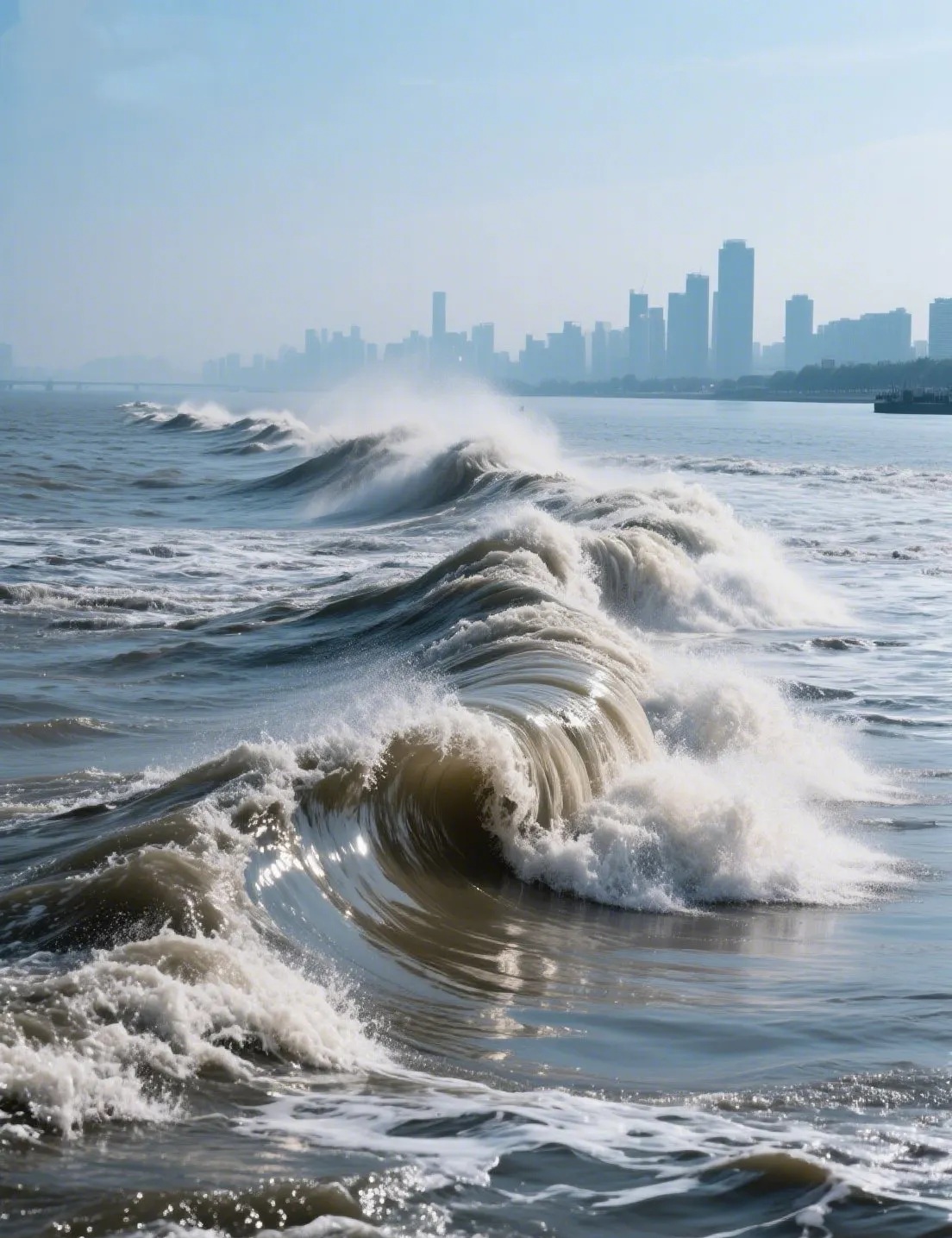
Yanguan is in Haining, within Jiaxing, rather than central Hangzhou. Its established tide-viewing area is associated with the straight, white front known as the “one-line tide”. Zhan’ao Pagoda is a familiar landmark in the setting, adding a historic focal point to the riverside visit.
For a first outing, the managed viewing park provides a clearer destination than an unmarked spot found on a social-media map. Check the park’s current admission arrangements, permitted entrances and crowd controls before travelling. Old ticket prices should not be treated as a quotation for a new visit.
The bore changes as it meets channels, bends and obstacles. A crossing tide forms where fronts converge; a returning tide rebounds and collides with the incoming flow. These are different river conditions, rather than a set of attractions that will all appear on demand.
Laoyancang in Haining and Meinv Dam in Hangzhou’s Xiaoshan District are associated with returning tides. Jiuxi, on the Hangzhou stretch of the river, is another place mentioned in tide reports. Their names are useful when reading a forecast, but they are not permission to approach a dam, descend steps or enter a closed waterfront.
Pick an officially open, managed area for the day’s conditions. Keep a sightseeing visit to Jiuxi or another neighbourhood separate from any assumption that the nearest river access is suitable for watching the bore.
The eighteenth day of the eighth lunar month is traditionally associated with the great autumn tide. It moves on the Gregorian calendar each year, so an old October date is no guide to a future trip. The lunar date alone also cannot promise the size or appearance of the bore.
Use the daily forecast for your chosen viewing point: times differ along the river, and the tide is influenced by weather, upstream water and riverbed conditions. The Hangzhou Forestry and Water Resources Bureau publishes tide information; the Zheliban app’s “Zhiguan Qianchao” service is another way to check it. Recheck before leaving and follow local updates on arrival.
Allow about an hour to reach the designated waiting area before the predicted arrival, with extra time for holiday queues. Take water, sun protection and a light windproof layer as conditions require. Comfortable shoes help with the walk and the wait.
Yanguan station on the Hangzhou–Haining Intercity Railway is a useful gateway, but the station and the riverside viewing park are separate places. Plan the onward connection rather than assuming the water is immediately outside the station.
Tide-season shuttle arrangements can help bridge that gap. Confirm the service operating on your travel date, along with its pickup point and return arrangements. Temporary festival buses should not be assumed to run throughout the year. From elsewhere in Hangzhou, use a current journey planner for the rail connections instead of relying on an old claim of a direct train from Hangzhou East.
If driving, check the destination’s designated parking and traffic notices. Keep the return plan flexible when crowds leave after the tide, and avoid trying to follow the same bore by car between viewing points.
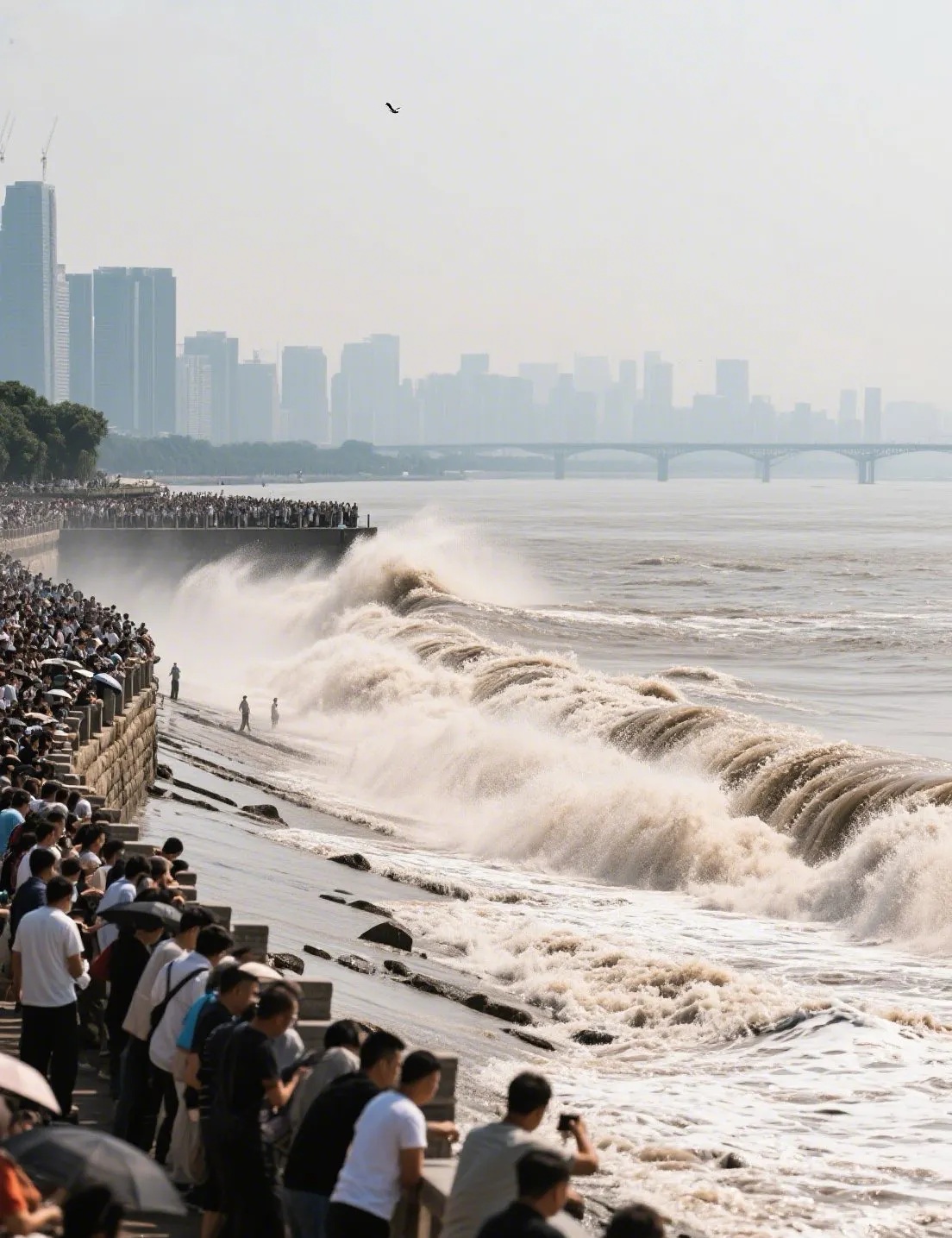
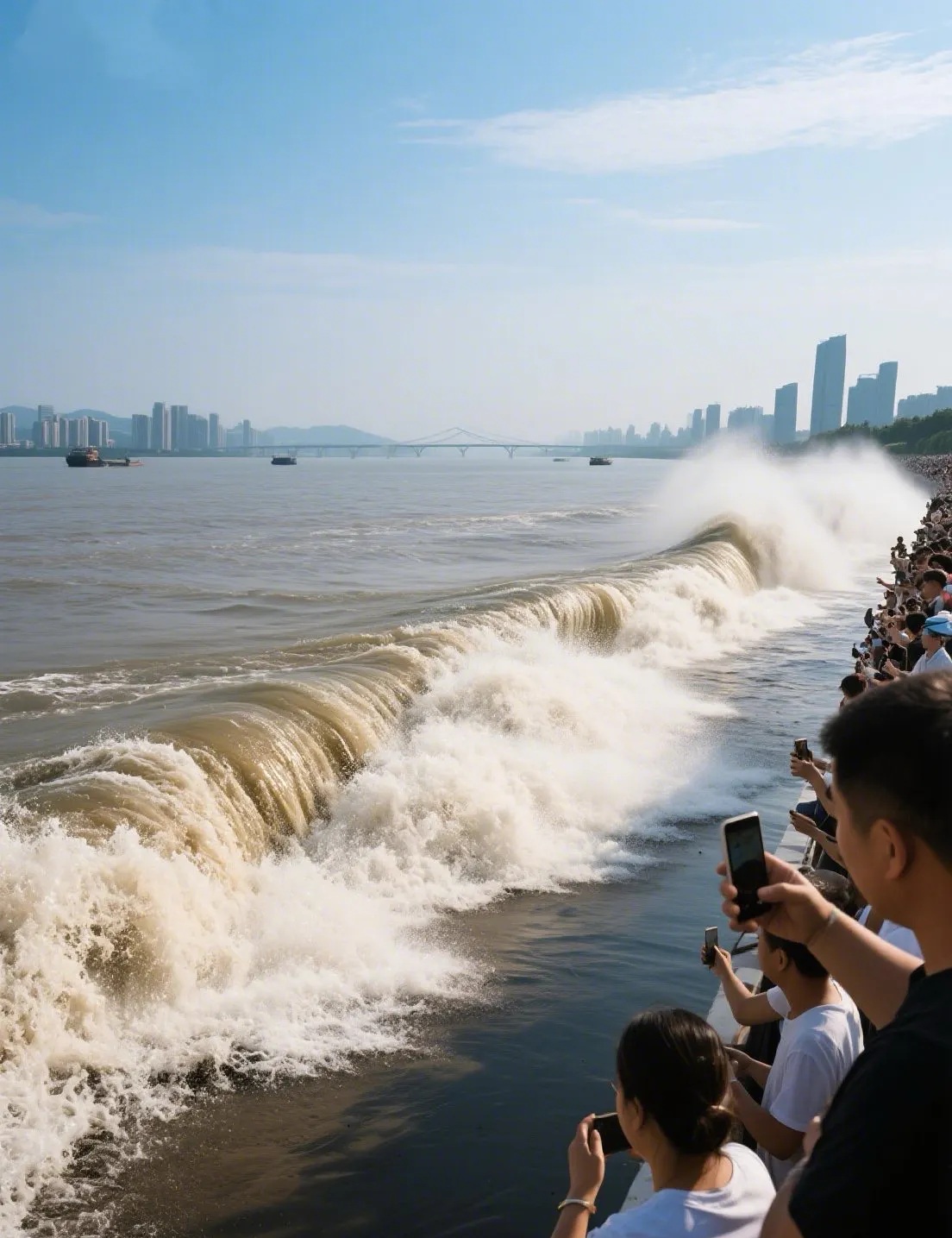
Stay within the designated viewing area and obey staff, warning signs and announcements. Never climb over barriers or go onto river flats, groynes or lower waterside steps. Do not enter the water for a photograph or move closer to the spray.
Keep children close and leave space for people to pass. Take photographs from an authorised position without leaning over a barrier; a longer lens can frame the water from farther back. If instructed to move, leave promptly and calmly. Remain alert after the first wave, as returning water can follow.
At Yanguan, time in the old town can complement the river visit. Plan it on the flexible side of the forecast, allowing a meal or a break before joining the viewing area. Check opening and ticket conditions for any specific attraction you want to enter.
If staying in Hangzhou, West Lake makes a separate addition rather than a quick walk from Yanguan. Choose according to where you are sleeping and how much travelling you want to do. One well-planned tide viewing, with time to enjoy the place around it, is enough for a memorable day.