
Two full days in Shanghai are enough to experience its main contrasts: a classical garden and the old-city visitor area, the Bund and Pudong skyline, and historic neighbourhoods where cafés, parks and residential streets give the city a different rhythm.
The best first-visit itinerary groups these experiences geographically. Spend Day 1 around the old city and Huangpu River. Use Day 2 for a selected historic-neighbourhood route, with time for local food and a break.
You do not need to enter several towers, visit every famous lane district or spend both evenings sightseeing. Choose one main skyline experience, keep the walking manageable and leave room for Shanghai’s everyday surroundings.
The schedule below assumes two full sightseeing days. Later sections explain how to adjust it for midday arrivals, rain, children, older travellers and different walking needs.
The Two-Day Route at a Glance
| Day | Morning | Afternoon | Evening |
|---|---|---|---|
| Day 1 | Yu Garden and selected old-city streets | Lujiazui, with an optional observation visit; transfer back for the Bund | Dinner and a short riverfront stay if conditions suit |
| Day 2 | Wukang Road and Anfu Road | Transfer to Sinan and Fuxing Park; optional Xintiandi | Dinner near the route or an early finish |
| Rain adjustment | Keep confirmed indoor visits or substitute one museum | Shorten outdoor sections and use direct transfers | Choose a meal or indoor activity |
| Lower-walking adjustment | One compact outing each morning | One main afternoon experience | Rest or a brief nearby visit |
All clock times are suggested planning windows, not attraction opening hours or guaranteed transfer times. Confirm access, weather and any booked entry slots before following the route.
You can swap the days if garden access, bookings or the forecast make that more practical.
Before You Start
Make Sure You Have Two Usable Days
An evening arrival followed by one sightseeing day and an early departure is not a two-day visit.
For the full itinerary, arrive the previous evening if possible. If you leave on the second evening, shorten the afternoon and allow for luggage collection and your departure transfer.
After a long-haul flight, keep the first outing light. Beginning the standard route at 9:00 after a sleepless arrival may make the rest of the day less enjoyable.
Choose One Hotel Base
A convenient central Puxi hotel often suits this route well. Areas around People’s Square, Jing’an, Xintiandi or the Bund can work, depending on the property’s actual location and transport links.
You do not need to change hotels between the two days.
Check the journey from your hotel to the starting point. A district name alone does not establish that a property is close to a useful metro station or easy pickup location.
Confirm Two Decisions in Advance
First, check Yu Garden’s current visitor arrangements for your date. The garden and surrounding bazaar are separate experiences; browsing the streets does not mean that you have entered the garden.
Second, decide whether you want an observation-deck visit or a river cruise. The standard route leaves room for an observation visit in Lujiazui. A cruise works as an alternative, with the schedule adjusted accordingly.
Carry the original document required for your booking. For overseas visitors, check passport entry instructions rather than assuming every ticket uses the same procedure.
How Much Walking Should You Expect?
This itinerary involves repeated standing as well as walking.
As a broad planning estimate, the standard version may involve around 6–9 kilometres of walking in a day, depending on entrances, stations, detours and how extensively you explore. This is not a measured route length.
A shorter version can reduce that substantially through direct transfers and smaller walking loops.
| Pace | How to use the itinerary |
|---|---|
| Comfortable with extended walking | Follow the main route with meal and café breaks |
| Prefer moderate walking | Shorten the old-city browse and choose one main historic-neighbourhood cluster |
| Need frequent rests | Use cars between areas, visit a short Bund section and limit each outing |
| Travelling with young children | Keep one main experience per half-day and leave room for meals and rest |
Do not judge the day only by the distance on a map. Museum queues, observation attractions and crowded streets can add substantial time on your feet.
Day 1: Old Shanghai and the Riverfront
9:00–10:30 — Yu Garden
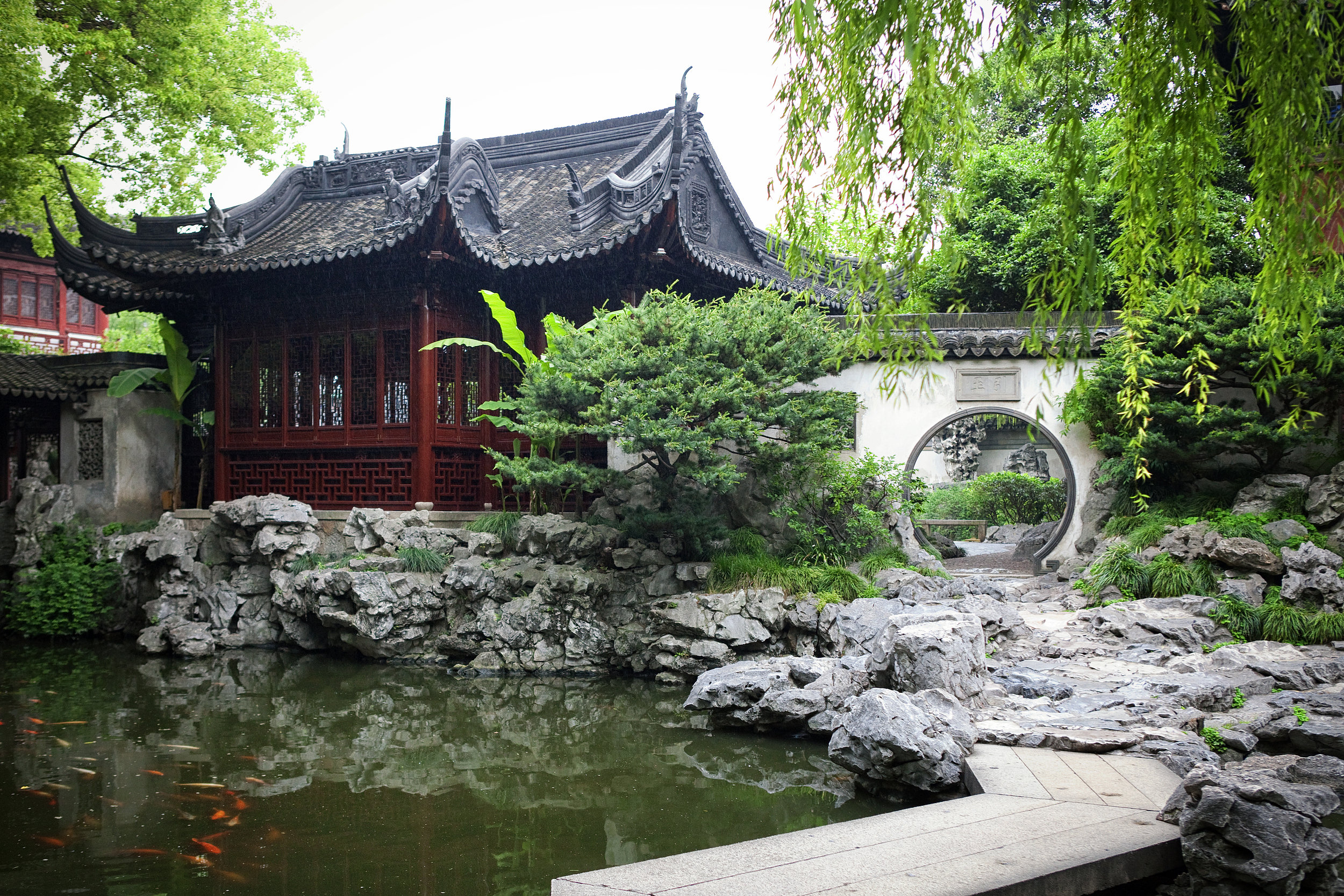
Begin with Yu Garden — 豫园, a classical garden within Shanghai’s old-city visitor area.
Visit the garden itself before spending time in the surrounding commercial streets. This gives the morning a clear purpose and helps distinguish the garden’s enclosed landscaping from the busier bazaar outside.
Look at how pavilions, rocks, water and framed views divide the space. You do not need to identify every feature to appreciate the contrast between a compact garden and the city around it.
Allow around 60–90 minutes inside, adjusting for crowds, access and your interest.
Check the actual entrance and entry time. Do not use the sample 9:00 start as evidence of the current operating schedule.
If the garden is unavailable: move this outing to the other day if practical. Otherwise, explore selected accessible streets and replace the garden with a confirmed cultural experience. Do not promise a closed attraction as part of the route.
10:30–11:30 — The Old-City Visitor Area
Continue through a limited section of the surrounding streets.
The Yu Garden bazaar and nearby visitor areas provide traditional-style buildings, shops and food. They are lively and commercial, particularly during weekends and festivals.
Choose a small loop rather than trying to explore every lane. You can include a temple visit if it interests you and current visitor access is confirmed, but it is not compulsory.
Shanghai’s old city is broader than this visitor district. The morning is an introduction, not a claim to cover the entire historical area.
Treat residential entrances and private spaces respectfully. Streets open to pedestrians do not make every building open to visitors.
11:30–12:30 — Lunch
Have lunch in or near the area before crossing the river.
For a first local meal, consider dumplings, noodles or a few shared dishes. Choose a place that suits your dietary needs and service expectations rather than joining a long queue simply because a restaurant is famous.
Xiaolongbao and pan-fried shengjian often contain pork, while other fillings and preparation styles vary. Check ingredients, and let hot soup-filled items cool before eating.
Keep lunch near the route. A distant restaurant detour makes the afternoon harder to manage.
12:30–13:30 — Transfer to Lujiazui
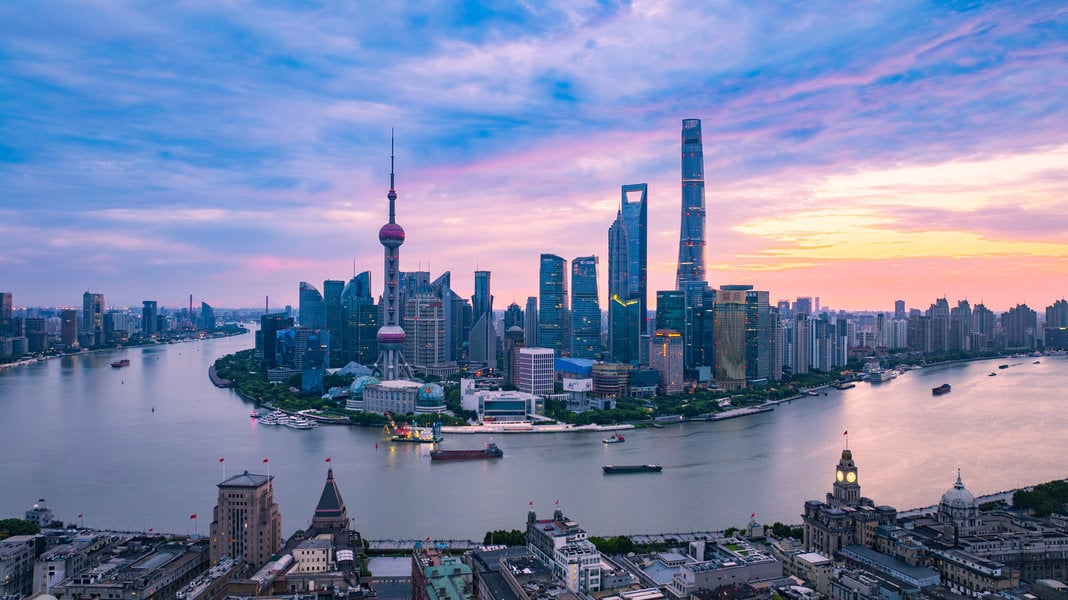
Travel to Lujiazui — 陆家嘴, on the Pudong side of the Huangpu River.
Use a current metro route or a car journey suited to your group. The full transfer includes leaving the old-city streets, reaching transport and walking to the chosen attraction.
This one-hour window is a scheduling allowance, not a published journey duration. Your actual hotel location, entry slot and traffic may justify a different sequence.
13:30–15:30 — Choose Your Pudong Skyline Experience
Select one of the following.
Option A: One Observation Attraction
Choose an observation visit if seeing Shanghai from above is a priority.
Shanghai Tower’s Top of Shanghai observatory is one established option. Confirm the ticket product, entry requirements and included areas before booking; different packages may include different experiences.
Allow approximately 1.5–2 hours for arrival, checks, possible waiting and the visit. Peak-period queues may need more time.
Check visibility. Haze, rain and low cloud can reduce the view. An indoor observation space is not automatically a good rainy-day choice if the main reason for visiting is the panorama.
There is little need to visit several observation towers during a two-day first trip.
Option B: A Ground-Level Skyline Visit
If you prefer flexibility or a shorter outing, explore a selected Lujiazui public area and waterfront section.
Look back toward Puxi for a different perspective on the river. Add a café or indoor break rather than replacing the tower with another long walk.
This version works well for visitors who want the skyline without committing to a paid observation experience.
Option C: Save Your Main Skyline Experience for a Cruise
If a river cruise appeals more than a tower, keep the Pudong visit short or omit it.
Use the time for rest and a slower Bund visit, then attend the cruise at its confirmed departure pier and time. Check the sailing route, seating, boarding requirements and cancellation terms.
A public ferry and a sightseeing cruise are different services. The former crosses the river; the latter is an excursion with its own itinerary.
15:30–16:30 — Cross Back Toward the Bund
Return to Puxi for the Bund.
The metro or a suitable car transfer provides a straightforward approach. A public ferry can be an enjoyable alternative if the relevant piers, operating hours and walking connections fit.
Do not assume that every ferry runs into the evening or lands directly beside your chosen Bund starting point. Check the current service and keep another transport option available.
A ferry crossing does not require adding the Bund Sightseeing Tunnel. Treat that as a separate attraction rather than a necessary part of getting across the river.
16:30–18:00 — Walk the Bund
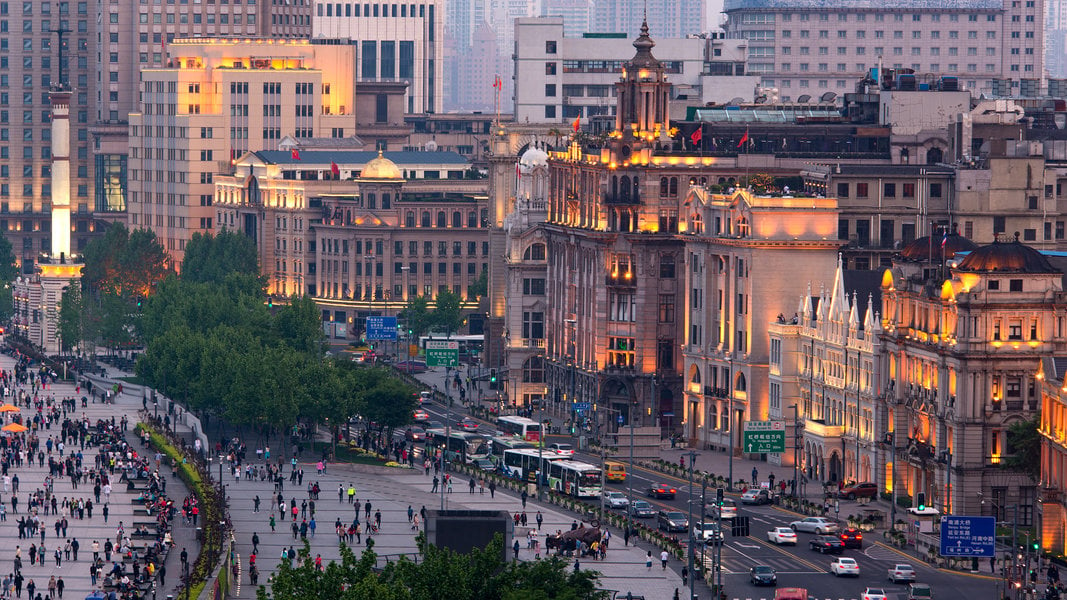
Spend the late afternoon on the Bund — 外滩.
Choose a comfortable section of the promenade. Look across the river at the skyline you saw from Pudong, then turn toward the historic waterfront buildings.
A practical approach is to begin in the central or southern section and continue north only as far as your energy allows. For a longer version, the area toward Waibaidu Bridge provides a natural extension, subject to current access.
Allow time for photographs and a pause. You do not need to walk every stretch of waterfront to appreciate the place.
This timing may bring you close to dusk in some seasons, but it is not a guaranteed sunset appointment. Day length and lighting arrangements vary.
Evening — Dinner and an Optional Short Return
Eat near the riverfront, on the way to your hotel or in an area convenient for your group.
If you want to see the Bund after dark, make it a short continuation or return. There is no need for another full walking session.
Check current lighting and crowd arrangements. On busy dates, follow signed access and staff instructions.
If you already completed a tower visit, avoid adding a long cruise unless you have deliberately reduced other parts of the day. By this point, the itinerary has already included a garden, streets, river crossings and skyline views.
A Lighter Day 1
For less walking, choose:
- Yu Garden with a short surrounding browse.
- Lunch and a rest.
- One skyline experience: a short Bund visit, an observation attraction or a cruise.
You may omit Pudong entirely if the Bund supplies the view you want.
For visitors who find garden paths or crowded lanes difficult, replace the morning with a suitable confirmed cultural visit. Check access at the actual venue.
Day 2: Historic Streets and Everyday Shanghai
9:30–11:30 — Wukang Road and Anfu Road
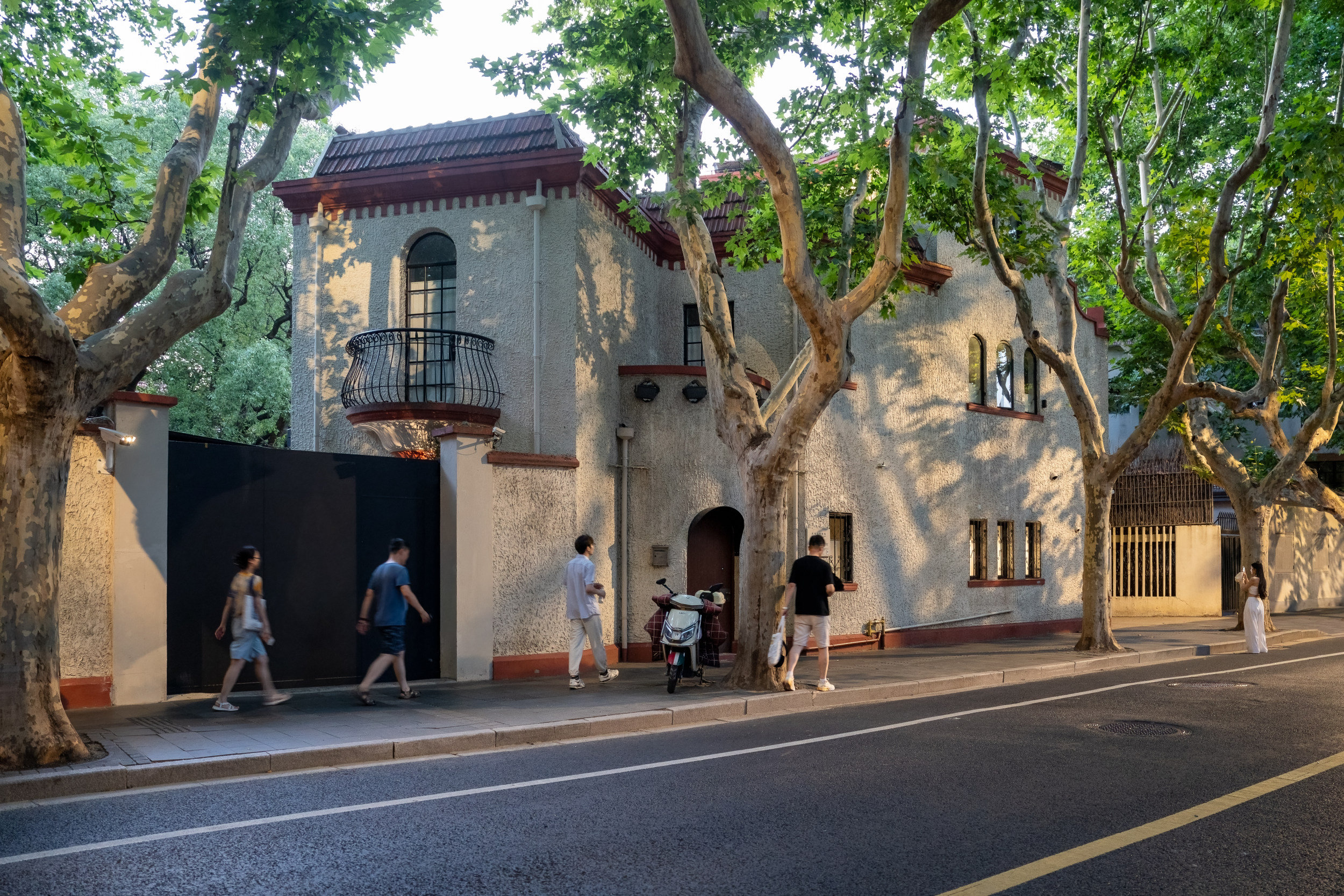
Begin around Wukang Road — 武康路 and Anfu Road — 安福路.
This area introduces a different Shanghai from the riverfront. Historic residential architecture, shops and cafés make it suitable for a slower walk.
Choose a manageable route through selected streets. If photographing Wukang Mansion, use a safe public position and keep pedestrian space clear. Then continue beyond the busiest corner.
The broader area is often described in travel guides as part of the “former French Concession.” That is a historical label for multiple neighbourhoods, not one attraction with a single entrance.
Look for ordinary details as well as famous buildings: entrances, balconies, street trees and the way shops occupy the street. Most residential buildings should be viewed from outside unless visitor access is explicitly available.
Allow 1.5–2 hours for a selected walk, longer if architecture or photography is a major interest.
11:30–13:00 — Lunch and a Café Break
Have lunch nearby and take a seated break.
This pause is part of the itinerary, not unused time. It makes the afternoon more comfortable and gives you a chance to experience the neighbourhood without constantly moving.
Choose a restaurant that fits your group. A local noodle meal, Shanghainese lunch or another style of food can all work.
Shopping is optional. You do not need to make purchases to enjoy the area.
13:00–13:30 — Transfer Toward Sinan and Fuxing Park
Move to the Sinan Road — 思南路 and Fuxing Park — 复兴公园 area.
Use a short car journey or a current public-transport route that suits your actual starting point. A 30-minute window is a planning placeholder; check the real connection.
The morning and afternoon are two distinct walking clusters. There is no need to walk the entire connecting distance just because both relate to Shanghai’s historic neighbourhoods.
13:30–15:00 — Sinan and Fuxing Park
Spend a slower afternoon around selected Sinan streets and Fuxing Park.
Focus on accessible public spaces and the relationship between historic buildings and present-day use. Check opening arrangements if you want to enter a particular venue.
In the park, take time to sit. You may encounter residents exercising, talking or taking part in shared activities, but there is no guaranteed performance schedule.
Ask before photographing people closely, and avoid interrupting their activities.
This section is also the best place to shorten the day. A park break and one nearby street can be enough.
15:00–17:00 — Optional Xintiandi
Continue toward Xintiandi — 新天地 if you want another outing and still have energy.
Xintiandi offers a polished commercial setting associated with shikumen-style architecture, dining and leisure. It is a different experience from the quieter residential streets of the morning.
Use it for a short look, a drink or an early dinner. It should not become another compulsory two-hour walk.
Check the actual connection from your park exit. Walk if it feels comfortable; otherwise use a short transfer.
If you feel finished: return to the hotel instead. The main historical-neighbourhood day is already complete.
Evening — Keep It Simple
Have dinner near the route or your hotel.
If you want a performance, book it as a planned evening activity and reduce the afternoon accordingly. Confirm the venue, language relevance, timing and return transport.
Avoid ending both days with late nights, especially after a long-haul arrival.
Should You Add Tianzifang or Nanjing Road?
Neither is essential to this two-day route.
Tianzifang can replace Xintiandi if you prefer narrow lanes and browsing. Consider crowding and walking comfort.
A short Nanjing Road visit can fit the riverfront day if it supports your route, but it should replace other browsing time. Do not add a full shopping session to an already substantial Day 1.
If You Arrive During the First Day
Arriving the Previous Evening
Follow the standard plan after a restful night.
Confirm the morning transfer and any entry arrangements, then keep the arrival evening simple.
Arriving Early in the Morning
First account for immigration or station exit, luggage, hotel travel and rest.
If you are ready to explore by late morning, use a shortened version of Day 1. The Bund and one old-city or Pudong experience are enough.
Do not treat the scheduled landing time as the start of sightseeing.
Arriving Around Midday
Choose a priority rather than attempting the full first day.
| Priority | Arrival-day plan |
|---|---|
| Garden and old city | Hotel or luggage storage, late lunch, garden if entry is available, then a short Bund visit |
| Skyline | Hotel, lunch, a selected Pudong visit and the Bund if timing allows |
| Lower effort after travel | Hotel, rest, dinner and a short riverfront outing |
| Historic streets | One compact neighbourhood walk; use the following day for the riverfront and old-city priorities |
If garden entry is no longer practical, do not rush there just before closing. Move it to the next morning and shorten the historical-street day.
Arriving in the Evening
Use the evening for hotel arrival and dinner.
If you leave the following evening, you have one full sightseeing day. Choose a condensed combination: old city and Bund, or historic streets and the riverfront.
Add another night if you want the full route.
Rainy-Day Adjustments
Rain changes how you should use the two days, but it does not require abandoning the trip.
Light Rain
Keep short outdoor visits if conditions are comfortable. Use direct transfers, carry rain protection and take more indoor breaks.
Yu Garden and the surrounding streets include exposed sections. Do not describe them as fully sheltered attractions.
Shorten the Bund visit and decide whether visibility still supports an observation ticket.
Persistent Rain
Replace one outdoor half-day with a museum or another confirmed indoor experience.
Shanghai Museum East is an option for visitors interested in permanent collections. Check opening days, passport entry and the actual galleries you want to see.
The People’s Square site has a different program during its announced 2026–2027 special-exhibition period. Do not assume it provides the same permanent-collection visit.
| Original plan | Rain adjustment |
|---|---|
| Long Wukang–Anfu walk | A short street section plus a museum or indoor cultural activity |
| Extended old-city browsing | Garden only if conditions and access suit, followed by lunch and a confirmed indoor stop |
| Observation deck | Keep only if the experience still appeals with limited visibility |
| Long Bund session | A brief waterfront look when conditions permit |
| Optional evening cruise | Check operation and sheltered seating; change plans according to ticket terms |
A Practical Two-Day Rain Plan
Use one day for a confirmed indoor cultural visit, a meal and a short historic-street section. Use the better weather window for the garden or Bund.
Keep one substantial indoor visit per half-day. Do not replace every outdoor stop with another museum and create an even busier itinerary.
In severe conditions, follow local advice and simplify transport.
Adjusting for Different Energy Levels
Standard Pace
Follow the main route, with seated lunch and a café or park break.
Use transport between clusters and keep optional additions genuinely optional.
Moderate Walking
On Day 1, shorten the old-city browse and choose either a tower visit or a longer Bund session.
On Day 2, choose Wukang–Anfu or Sinan–Fuxing as the main walk, then add a meal and one shorter outing.
This preserves the contrast between landmark Shanghai and neighbourhood life.
Minimal Walking
Use direct transfers to selected drop-off points and reduce the number of stops.
| Day | Lower-walking combination |
|---|---|
| Day 1 | One suitable old-city or indoor experience, lunch, and a short Bund section |
| Day 2 | One compact historic-street visit, seated lunch, and a chosen indoor or park experience |
Check step-free access, elevators, seating and the final walking distance at individual venues. A car transfer does not guarantee that the attraction itself is accessible throughout.
Families with Children
Choose one main experience per half-day.
Let meals and rest set the pace. A short skyline outing can be more enjoyable than waiting for several paid attractions.
If Shanghai Disney Resort is the family’s main priority, reserve a full day for it and compress the city plan into the other day. Do not add it after completing the itinerary above.
Travelling with Older Parents
Avoid long standing periods and repeated metro changes.
Use shorter Bund and neighbourhood sections, consider direct car journeys and finish early when needed.
Discuss the actual walking tolerance before choosing the route. Age alone does not establish a person’s preferred pace.
Practical Transport for This Itinerary
Metro or Taxi?
The metro is useful for predictable connections between areas. Cars can be easier with luggage, limited mobility or inconvenient transfers.
Check a current route planner rather than following a fixed sequence of station exits copied from an old guide.
Use the exact attraction entrance when ordering a car. A large district label may send you to the wrong side of the area.
Airport Arrival
Pudong Airport and Hongqiao Airport are different gateways.
Confirm the airport, terminal and journey to your hotel. Allow for arrival procedures and luggage before estimating usable sightseeing time.
The Airport Link Line serves connections between airport areas; it is not automatically the best route to your central hotel.
Departure on Day 2
Work backward from the departure time.
Include luggage collection, the journey to the correct airport or station, and the required entry or check-in procedures.
For an evening departure, remove Xintiandi or the optional cultural program before reducing essential transport margin.
Tickets, Meals and Luggage
What to Book
Prioritise any timed garden access, observation attraction, cruise or guided activity you definitely want.
Confirm the date, venue, passport instructions and cancellation terms.
Leave neighbourhood walks and meals flexible unless you have a specific reservation.
Meal Planning
Keep breakfast simple and near the hotel. Plan lunch within the current cluster and dinner along the route home.
One local breakfast, one dumpling or noodle meal and one Shanghainese-style dinner can provide variety without lengthy restaurant detours.
Tell restaurants about allergies and dietary needs. Vegetable dishes, sauces and broths may contain ingredients you do not expect.
Luggage
Ask the hotel about storage before check-in or after check-out.
Avoid taking large bags into the garden, neighbourhood lanes or observation attractions.
If your departure follows sightseeing, include a return to the hotel unless another storage arrangement is confirmed.
Common Mistakes to Avoid
- Counting arrival and departure days as two full days.
- Treating the entire former French Concession as one short walking loop.
- Adding several towers to a first two-day visit.
- Confusing the Yu Garden bazaar with the garden itself.
- Expecting every public ferry to run at night.
- Booking a high viewpoint without considering visibility.
- Turning optional shopping areas into compulsory stops.
- Forgetting luggage collection before the final transfer.
- Adding a regional day trip without removing a city day.
What to Do with a Third Day
Choose one direction.
If you want more Shanghai, add a museum, a contemporary-art outing or a food-focused experience.
For a family trip, dedicate the day to a major attraction that matches the children’s interests.
For a nearby excursion, choose a focused Suzhou visit, a selected Hangzhou outing or Zhujiajiao. Include the full transport journey and do not attempt several destinations in one day.
If the trip already continues to Suzhou or Hangzhou, use the extra Shanghai day for an experience that differs from those cities.
Frequently Asked Questions
Is two days enough for a first Shanghai visit?
Yes, for selected highlights. Two full days can combine the old city, riverfront, one skyline experience and historic streets.
What is the most useful order?
Use one day for Yu Garden, Pudong and the Bund, and the other for historic neighbourhoods. Swap the days if access or weather requires it.
Do I need to visit Shanghai Tower?
No. A ground-level skyline visit and the Bund can be enough. Choose a tower if views from above are a priority.
Should I choose a cruise or a tower?
Choose the experience you prefer. A tower offers a high viewpoint; a cruise provides a river-level journey. Both are optional.
Can I walk between Wukang Road and Fuxing Park?
You can plan a longer walk, but the standard itinerary uses a transfer between the two clusters to preserve time and energy.
Is the garden required if I will visit Suzhou?
No. If your wider trip is garden-focused, you can replace it with another Shanghai experience. Keep the old-city visit only if it interests you.
What if it rains for both days?
Anchor each day with confirmed indoor activities and use short outdoor windows. Do not rely on a tower panorama in poor visibility.
Is the itinerary suitable for older travellers?
Use the shorter versions, direct transfers and frequent seated breaks. Confirm venue access individually.
Can I add Disneyland?
Give it a full day and reduce the city itinerary to the other day.
Can I add Suzhou as a day trip within these two days?
Yes, but that leaves only one Shanghai sightseeing day. Use a condensed city plan rather than trying to complete both itineraries.
What should I cut if I leave early on Day 2?
Remove the optional afternoon and evening stops, then shorten the neighbourhood route while protecting your departure transfer.
Plan Your Two Days in Shanghai
The most useful first visit connects four sides of the city: the old-city setting, the riverfront, the skyline and the historic streets where Shanghai continues at an everyday pace.
Discover East China Tours can help adjust the route to your arrival time, walking needs and preferred experiences, including private or small-group arrangements and suitable regional extensions. Share your travel dates, hotel area, group details and onward plans when making an inquiry.