
The best place to stay in Shanghai is the area that makes your actual trip easier. A river view, a historic street or a short airport journey can all be valuable, but none replaces a convenient location for the days you plan to spend in the city.
For most first-time visitors staying two or three full days, People’s Square or a well-connected part of central Jing’an is a practical starting point. The Bund area suits travellers who want the riverfront close by. Xintiandi, Huaihai Road and selected historic streets in Xuhui work well when neighbourhood walks and dining are priorities.
Lujiazui is a useful choice for a Pudong-focused stay, particularly if the hotel itself and its skyline setting are part of the experience. Airport and Hongqiao transport-area hotels serve more specific purposes: an early departure, a late arrival or a short connection.
This guide compares areas rather than ranking individual hotels. Within every area, the property’s exact address, room arrangement and access can matter more than its district label.
Quick Answer: Where Should You Stay?
| Your trip | First areas to consider | Main reason |
|---|---|---|
| First visit with varied sightseeing | People’s Square or central Jing’an | A balanced base for different parts of the city |
| One or two nights with central sightseeing | People’s Square or another central location close to your priorities | Less time lost moving between the hotel and activities |
| Riverfront and skyline interest | Bund surroundings or Lujiazui | Choose the side and view that suit your itinerary |
| Historic streets, cafés and dining | Xintiandi–Huaihai Road or selected Xuhui streets | The neighbourhood becomes part of the stay |
| Family city visit | A suitable room in a convenient central area | Room configuration and easy meals matter most |
| Disney-focused visit | Resort accommodation or a carefully selected nearby property | Easier park-day logistics |
| Early Hongqiao departure | A hotel matched to the actual airport terminal or railway station | A simpler departure morning |
| Late Pudong arrival followed by an early flight | A hotel with a verified terminal connection | Less unnecessary overnight travel |
| Longer stay with everyday amenities | Jing’an, Xujiahui or another well-connected neighbourhood | Convenience beyond landmark sightseeing |
These are planning recommendations. Compare them against your route and the actual hotel before booking.
Understand Shanghai’s Geography
Puxi and Pudong
The Huangpu River divides central Shanghai into two useful planning categories.
Puxi, west of the river, contains the Bund, People’s Square, many historic neighbourhoods and much of the first-visit sightseeing covered in this guide.
Pudong, east of the river, includes Lujiazui, Shanghai Museum East, the airport and many other districts.
Both sides can work as a hotel base. The question is how often you would need to cross the river and where your activities are located.
Pudong is extensive. A hotel described simply as “in Pudong” could be near Lujiazui, far from the central skyline or closer to an entirely different part of the city.
Neighbourhood Names Are Not Exact Addresses
Jing’an and Xuhui are large administrative districts. The former French Concession is a broad historical label. “Bund area” is also used loosely in accommodation listings.
Check the map and the property’s full address.
A hotel can use a famous area in its description while still requiring a substantial journey to the attraction you expect to reach on foot.
A Metro Station Name Is Only the Beginning
Look at the walk from the hotel to a useful entrance, not just the distance to the station symbol.
Large stations can involve lengthy internal walks. A route with several changes may be less convenient than a slightly longer direct journey.
For travellers with suitcases, strollers or limited mobility, elevators and the final street approach deserve particular attention.
Compare the Main Areas
| Area | Strongest advantage | Main trade-off | Good fit |
|---|---|---|---|
| People’s Square | Central orientation and varied connections | Busy surroundings; hotel quality and exact location vary | First visits and short city stays |
| Bund and East Nanjing Road surroundings | Riverfront access and a recognisable setting | Crowds, noise in some locations and view-related premiums | Skyline and architecture interests |
| Central Jing’an | Dining, shopping and a balanced urban base | Bund and old-city visits still require transport | Visitors who want convenience with neighbourhood variety |
| Xintiandi and Huaihai Road | Dining and historic-neighbourhood access | Some properties are costly; polished commercial atmosphere | Couples, food interests and comfortable city stays |
| Selected Xuhui historic streets | Leafy surroundings and street-level character | Older or smaller properties need careful facility checks | Slow travel and architecture interests |
| Lujiazui | Skyline setting and Pudong convenience | Repeated river crossings for a Puxi-heavy trip | View-focused or Pudong-focused stays |
| North Bund / selected Hongkou locations | A different waterfront perspective | Not the same location as the classic Bund promenade | Travellers choosing a particular property or waterfront experience |
| Xujiahui | Everyday services, dining and transport | Less immediate access to the classic riverfront | Longer stays and practical value |
| Airport or Hongqiao transport area | A specific arrival or departure advantage | More travel for central sightseeing | Transit and early departures |
| Disney resort area | Park-day convenience | Less suitable for varied central-city sightseeing | Disney-focused families |
People’s Square: A Practical First-Visit Base
People’s Square is a useful starting point for visitors who want a varied Shanghai itinerary.
It can support journeys toward the riverfront, historic streets and other city areas without tying the stay to one type of experience.
Why Stay Here?
The area provides central orientation, dining choices and access to urban transport.
For a short trip, returning to one recognisable central base can make the itinerary easier to manage.
It is especially worth considering when you plan two or three city days and do not need a waterfront room.
What Are the Limitations?
The surroundings are busy. Different sides of the wider area can have different levels of noise, walking convenience and atmosphere.
A hotel’s claim to be “near People’s Square” needs checking. Look at the actual approach, useful transport and where you will eat after sightseeing.
Do not choose the area solely because of an old description of Shanghai Museum’s central collection displays. Museum programs and the role of its different sites have changed.
Best for
First-time visitors, short stays and travellers who want a flexible central base.
What to Check
Confirm room orientation, road noise, the walking route to transport and whether the hotel entrance is easy for a car pickup.
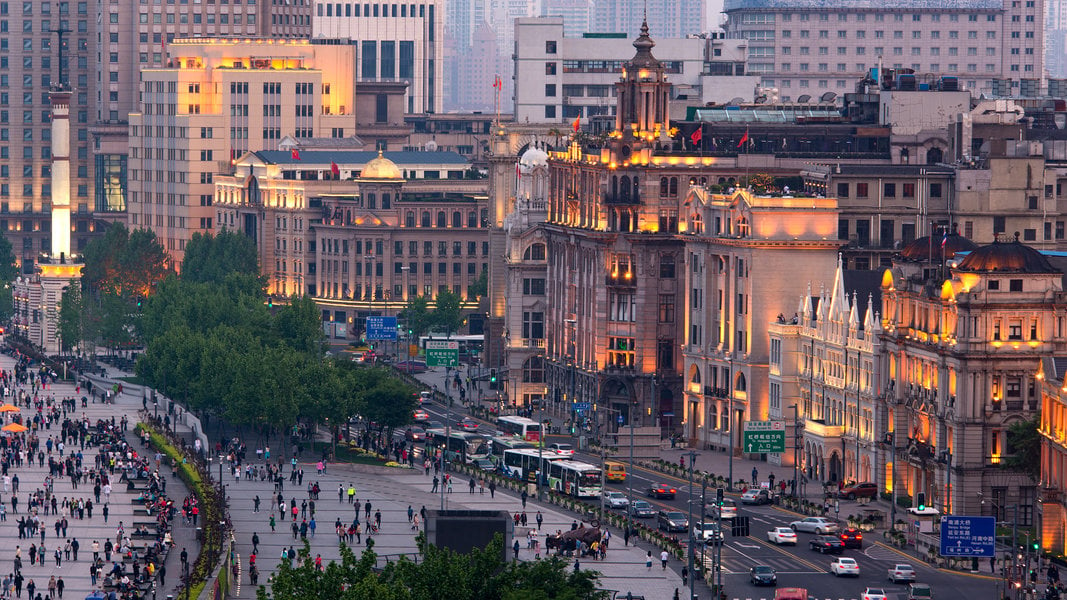
The Bund and East Nanjing Road: For Riverfront Interest
The Bund area is appealing when the waterfront is a main reason for visiting Shanghai.
Being able to take a short riverfront walk without another major journey can add value to the stay, particularly if you want to see the area in different light.
Why Stay Here?
Choose it for historic waterfront architecture, views and convenient access to selected central-city outings.
It can be a memorable location for a first Shanghai visit.
What Are the Limitations?
Popular streets can be crowded. Some rooms face traffic or busy pedestrian activity, and a desirable view can cost more.
The area is not automatically convenient for every historic neighbourhood, museum or family attraction.
A hotel several streets inland may offer better practical value than a room marketed around the riverfront. Compare the actual walking route.
Understand the View Before Paying for It
“River view,” “Bund view,” “city view” and “partial view” are not interchangeable.
Ask:
- Which direction does the room face?
- Is the view guaranteed for the booked category?
- Is it from the room, a shared lounge or a restaurant?
- Could another building obstruct it?
- Do the photographs show the room category you are purchasing?
Pay for a view if you expect to enjoy time in the room. If most of your stay is outside, room comfort and location may matter more.
East Nanjing Road Is Not West Nanjing Road
Both names appear frequently in hotel descriptions, but they refer to different parts of the central city.
Do not book from the words “Nanjing Road” alone.
Best for
Riverfront enthusiasts, architecture visitors and travellers willing to prioritise the setting.
Jing’an: A Balanced Choice for Dining and City Convenience
A well-located hotel in central Jing’an can be a strong alternative to People’s Square.
Selected areas around Jing’an Temple and West Nanjing Road offer dining, shopping and useful connections while giving you more than one way to spend the evening.
Why Stay Here?
Jing’an suits visitors who want a practical base and access to meals, cafés and everyday services.
It can work well for a longer city stay, especially when the trip includes different interests rather than daily riverfront visits.
What Are the Limitations?
Jing’an is a large district. A property elsewhere within it may not provide the convenience you expect from a central listing.
The Bund, Yu Garden and Pudong activities still need transport.
Busy commercial roads and nightlife can affect some rooms. “Central” does not guarantee quiet.
Best for
First visits, food-focused travellers, couples and visitors who want balanced city convenience.
What to Check
Confirm the specific sub-area, useful transport, room noise and nearby meal options. Compare the whole location rather than assuming all Jing’an hotels are equivalent.
Xintiandi and Huaihai Road: Dining and Comfortable City Life
Xintiandi and selected Huaihai Road surroundings can be convenient when meals and historic-neighbourhood outings shape the trip.
Xintiandi’s polished commercial setting provides dining and leisure in a historic-inspired streetscape. Huaihai Road is a longer corridor, so the exact section matters.
Why Stay Here?
This area can support meals, cafés and outings toward selected historic streets without making every evening another travel task.
It suits visitors who want the neighbourhood around the hotel to contribute to the experience.
What Are the Limitations?
Prices and atmosphere vary considerably. A fashionable address does not establish that the room is spacious or quiet.
Xintiandi is a developed commercial destination. Choose it for its actual setting rather than expecting an untouched residential quarter.
The Bund and Pudong remain separate journeys.
Best for
Couples, dining interests and travellers seeking a comfortable central base with an appealing evening environment.
What to Check
Look at room size, breakfast arrangements, actual station access and the distinction between a hotel in the area and one merely using “Huaihai” in its name.
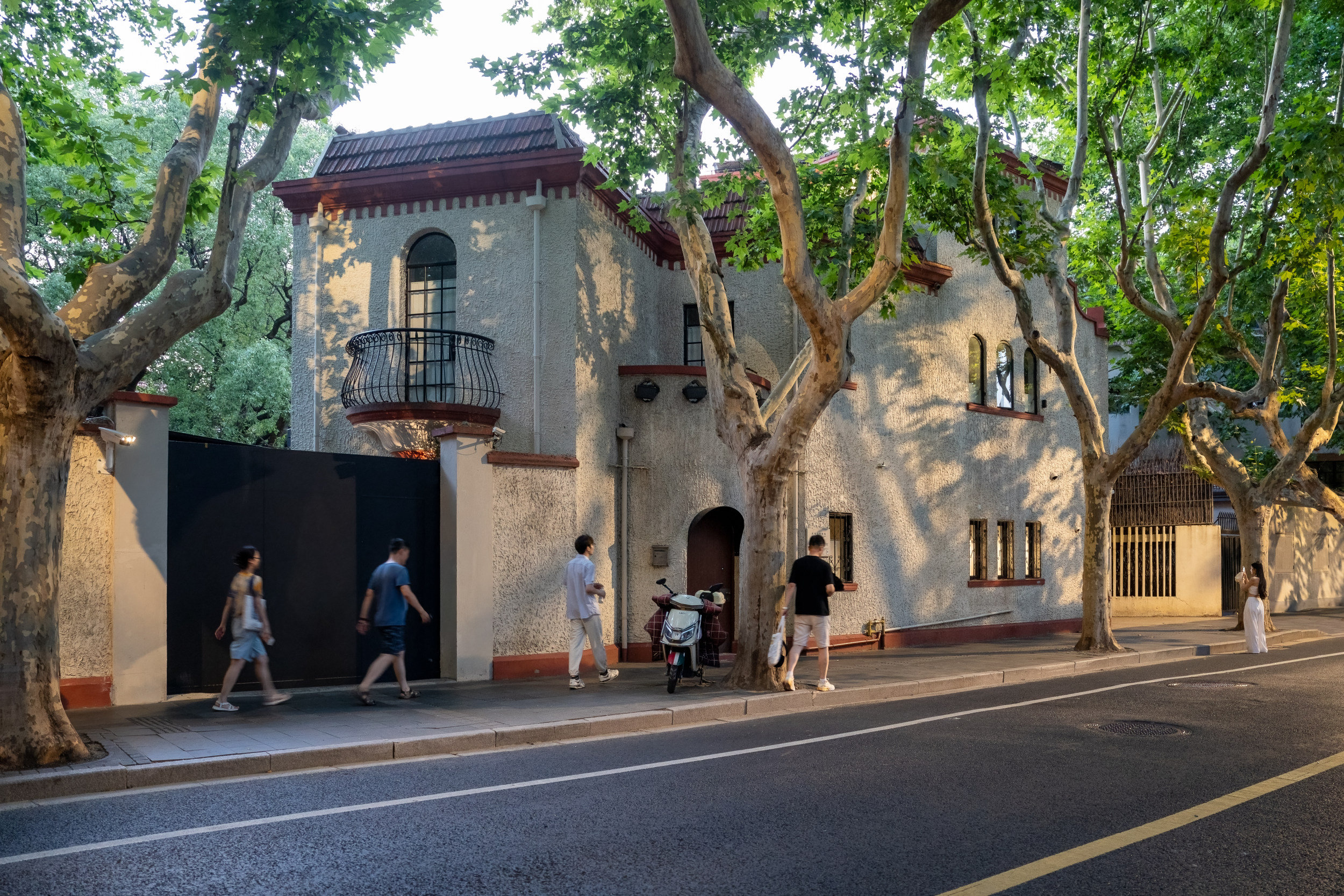
Historic Xuhui Streets and the Former French Concession Area
Choose selected streets in the Hengshan–Fuxing historic area and nearby parts of Xuhui if leafy surroundings and residential architecture are priorities.
Places around Wukang, Anfu or other connected historic streets can make the hotel’s neighbourhood part of the trip.
Why Stay Here?
You can begin a walk close to your accommodation and enjoy cafés, street details and a slower atmosphere.
This can be especially rewarding if you have already visited Shanghai or want more time away from the busiest landmark areas.
What Are the Limitations?
The former French Concession is not one precise hotel district. A listing using that description may be some distance from the streets you want to explore.
Historic buildings can have practical limitations. Check elevators, stairs, sound insulation, heating and cooling, room access and luggage handling.
A smaller property may provide character while offering fewer facilities than a larger modern hotel.
Do not assume that every attractive lane accommodation has the same reception or service arrangements.
Best for
Architecture enthusiasts, slower stays and visitors who enjoy the surroundings as much as the room.
What to Check
Ask about the floor, lift access, reception hours and whether a car can reach the entrance. Check the location against the specific neighbourhood walk you plan.
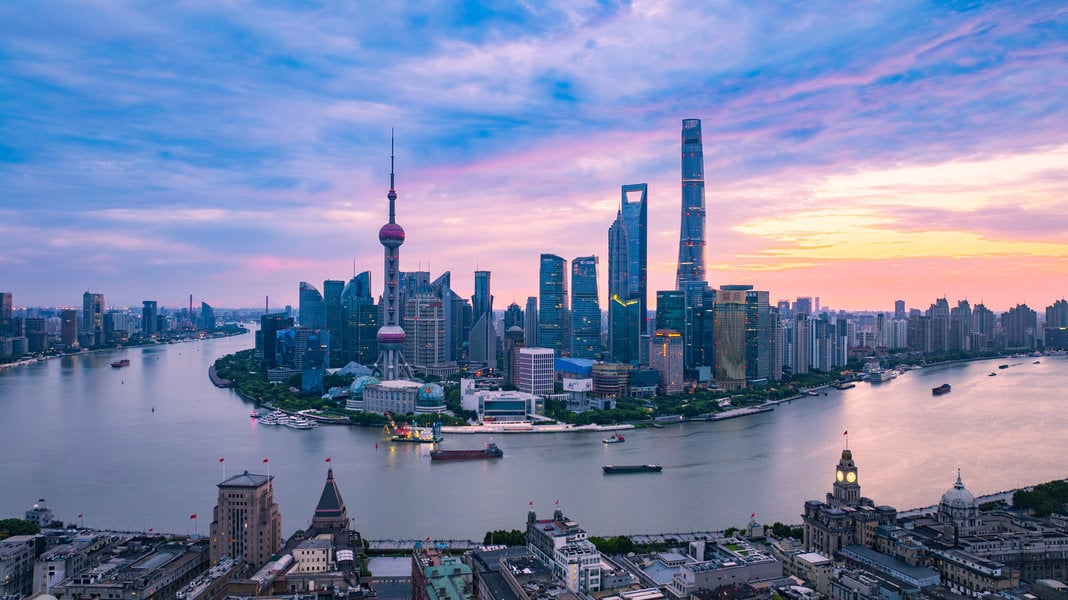
Lujiazui: For Skyline Views and Pudong-Focused Trips
Lujiazui provides the tower-and-river setting associated with contemporary Shanghai.
It can be a good choice when a particular hotel, skyline room or Pudong itinerary is central to the visit.
Why Stay Here?
You have a Pudong base for selected skyline activities and riverfront outings.
Some visitors also prefer the facilities or room arrangements of a particular property here.
What Are the Limitations?
For an itinerary dominated by the Bund, old city and historic streets, staying in Lujiazui adds river crossings.
Pudong’s airport, Shanghai Museum East and Disney Resort are not all beside Lujiazui. Do not infer proximity simply because they are on the same side of the river.
Depending on the hotel, large roads and building layouts can make nearby places less convenient on foot than a map suggests.
Best for
Skyline-focused visitors, Pudong activities and travellers choosing a specific hotel experience.
What to Check
Verify the room’s view, nearby meal options, station or pickup access and the journeys to your actual activities.
Other Areas Worth Considering
North Bund and Selected Hongkou Locations
The North Bund offers a different waterfront perspective.
It can work well when you are choosing a particular hotel or want its surroundings, but it is not the same location as the classic Bund promenade in Huangpu.
Check the actual route to the places you expect to visit.
Xujiahui
Xujiahui can suit visitors who value everyday services, shopping, meals and useful transport.
It is worth comparing for a longer stay or when a suitable property offers better room value.
The main landmark riverfront is a separate journey. Judge the saving against how often you would travel there.
West Bund
A property in or near West Bund can make sense for an art-focused stay or a specific venue commitment.
It is less of a default for a first visit covering many central areas.
Check the exact property and transport. The waterfront and cultural venues are spread out.
Shanghai Railway Station Surroundings
A hotel near Shanghai Railway Station can be useful if your ticket actually uses that station.
Do not confuse it with Shanghai Hongqiao Railway Station.
For several sightseeing days, compare the neighbourhood and room against a central visitor base rather than choosing solely from the arrival point.
Hongqiao Transport Area
The Hongqiao area can suit an early train, an airport connection or a specific commitment.
“Hongqiao” is a broad location label. A property bearing the name may still require a car journey to the railway station or airport.
Confirm the actual facility, terminal and transfer.
Pudong Airport Area
Choose this for a particular flight-related need.
An airport-area hotel can reduce overnight travel, but not every property is walkable from the terminal or offers a shuttle at your required time.
It is usually less convenient for several days of central Shanghai sightseeing.
Disney Resort Area
Consider resort accommodation or a carefully selected nearby hotel when Disney is the main purpose.
Verify the park connection, actual shuttle schedule and room arrangement.
A listing described as “near Disney” is not a guarantee of a short walk or a resort-operated service.
Which Area Is Best for a First Visit?
Start with People’s Square or central Jing’an if you have two or three full sightseeing days and varied interests.
Choose the Bund if close riverfront access is important enough to justify the particular room and price.
Choose Xintiandi or selected Huaihai–Xuhui locations if meals and historic-neighbourhood outings take priority.
Choose Lujiazui if the Pudong setting and your chosen hotel genuinely support the trip.
The difference between two well-located properties is often less important than room suitability, noise and how easily you can reach meals and transport.
Which Area Is Best for Families?
For a family city trip, start with a convenient central area, then choose the room.
| Family priority | What to look for |
|---|---|
| Easy sightseeing | Fewer complicated transfers and a useful hotel location |
| Enough sleeping space | Confirmed bed arrangement and permitted occupancy |
| Meals without a long journey | Nearby options that suit the children |
| Midday rest | A base that is practical to return to |
| Stroller use | Lift access and a manageable entrance |
| Disney priority | A dedicated park-day plan and verified transfer |
Do Not Book by Room Name Alone
“Family room,” “suite” and “connecting rooms” can mean different things.
Confirm bed sizes, separate sleeping spaces, extra-bed charges and whether connecting rooms are guaranteed or only requested.
Check breakfast inclusions for each adult and child. A room rate including breakfast may not include everyone staying in it.
When an Apartment-Style Stay Helps
An apartment-style property may provide useful space or cooking facilities.
Verify the actual kitchen equipment, cleaning arrangements, reception, luggage storage and passport check-in procedure.
If it is a private rental rather than a hotel-operated property, clarify how arrival and accommodation registration are handled before booking.
Where Should You Stay for One or Two Nights?
One Full Sightseeing Day
Choose a central base close to your priorities.
If the day focuses on the Bund and old city, staying conveniently within central Puxi can work well. If the trip is built around a particular Pudong experience, compare a suitable Pudong property.
An airport hotel can consume too much travel time if you still want a full city day.
Two Full Days
Keep one hotel.
Choose the property that supports both days rather than changing accommodation to shorten one journey.
A Transit Night with Little Sightseeing
Prioritise the actual airport or railway connection.
In this situation, room access, reception and transfer reliability may matter more than the neighbourhood atmosphere.
Choosing for Pudong or Hongqiao Airport Connections
| Situation | Sensible starting choice |
|---|---|
| Pudong arrival followed by two or three city days | A suitable city base; arrange the arrival transfer |
| Very late Pudong arrival and an early onward flight | A property with a verified connection to the required terminal |
| City stay followed by an early Pudong departure | Compare an early transfer with moving to the airport area for the final night |
| Hongqiao arrival followed by city sightseeing | Choose the city base that suits the itinerary |
| Early Hongqiao flight or train | Compare an appropriate nearby property with an early transfer from the city |
| Flights using different airports | Plan the airport change separately and protect the connection |
Pudong and Hongqiao Are Different Airports
Check airport codes and terminals:
- PVG: Shanghai Pudong International Airport.
- SHA: Shanghai Hongqiao International Airport.
A hotel near one does not solve an early departure from the other.
The Airport Link Line Does Not Remove All Transfer Time
The line provides a useful connection between airport areas.
Its running time is not the full time needed to reach a hotel, change terminals or connect between flights. Include walking, waiting, luggage and check-in procedures.
Do not assume the service operates at the exact hour your early or late flight requires.
Verify Every Hotel Shuttle Detail
Ask:
- Which terminal or station does it serve?
- Does it run at the required time?
- Is advance booking necessary?
- Where is the pickup point?
- Is it included in the rate?
- How much luggage can it carry?
A shuttle icon in a booking listing is not enough to plan a departure.
Should You Change Hotels During a Shanghai Stay?
For two or three city days, usually keep one base.
Changing hotels involves packing, checkout, transfer, luggage and another check-in. It may take more effort than the journey it saves.
A deliberate change can make sense for:
- A very early flight.
- A Disney-focused extension.
- A longer trip with different commitments.
- A final gateway night before international departure.
Choose the change because it solves a clear problem.
How to Compare Hotels within the Same Area
Location
Check the actual address against your main activities.
Compare morning and evening journeys, not just the first airport transfer.
Room
Look at room size, window description, bed configuration and bathroom arrangement.
An attractive common area does not establish that the room suits your group.
Noise
Ask about street-facing rooms, nightlife, road traffic and construction.
Read recent reviews for repeated patterns rather than relying on one isolated complaint.
Access
Confirm elevators, steps, luggage handling and the car pickup location.
A small historic hotel may require a different arrival plan from a modern property.
Service
For overseas visitors, ask how the hotel handles passport check-in, late arrival and communication.
Confirm reception hours at smaller properties. Carry the required original documents.
Total Price
Compare the final cost, including breakfast, extra beds, occupancy charges and cancellation terms.
Prices vary with dates, exhibitions, holidays and demand. A district-wide price assumption is less useful than comparing suitable rooms for your actual stay.
A Simple Booking Process
- List your main sightseeing days and departure needs.
- Choose two suitable areas from this guide.
- Shortlist properties by actual map location and room requirements.
- Compare full price and cancellation conditions.
- Ask the property about unresolved access, bed or transfer questions.
- Confirm the exact room and save the Chinese name and address.
- Arrange arrival transport if necessary.
For a family or group, solve the sleeping arrangements before paying for a view.
For a short stay, protect usable sightseeing time before choosing a distant saving.
Common Booking Mistakes
- Assuming every “Bund” hotel is beside the promenade.
- Treating Jing’an or Pudong as one compact neighbourhood.
- Confusing East and West Nanjing Road.
- Assuming a hotel in Pudong is close to the airport or Disney.
- Booking a historic building without checking stairs and elevators.
- Treating an apartment listing as equivalent to a staffed hotel.
- Assuming connecting rooms are guaranteed.
- Choosing an airport hotel for several city days without comparing transport.
- Depending on a shuttle without checking its actual schedule.
- Changing hotels to save one short journey.
Frequently Asked Questions
What is the best area for a first Shanghai visit?
People’s Square or a well-connected central Jing’an location is a practical starting choice. The best property still depends on your itinerary and room needs.
Should I stay near the Bund?
Yes, if easy riverfront access matters to you. Compare noise, actual walking distance and the room-view category.
Is Puxi or Pudong better?
A Puxi base often suits varied first-visit sightseeing. Pudong can work well for a skyline-focused or Pudong-heavy trip.
Is the former French Concession a precise hotel area?
No. It is a broad historical label. Check the exact streets, transport and property facilities.
Where should families stay?
Choose a convenient area and a verified room arrangement. Beds, space, meals and access often matter more than the district name.
Is Jing’an too far from the main sights?
A well-connected central location can be a useful base. The district is large, so assess the actual address.
Is Lujiazui convenient for Pudong Airport?
It is on the same side of the river, but it is not the airport area. Check the actual transfer.
Should I stay near Hongqiao for a train journey?
Consider it for an early departure or specific connection. A normal daytime train may not justify moving away from your sightseeing base.
Do I need an airport hotel for an early flight?
Compare a reliable early transfer with a final-night airport-area stay. Verify the terminal connection and reception arrangements.
Should I stay near Disney for one park day?
Not necessarily. A central base can work with a planned transfer. A resort-area stay is useful when its convenience outweighs another hotel move.
Are serviced apartments suitable for overseas visitors?
They can be. Confirm the property’s operating arrangements, passport check-in, registration handling and services before booking.
Should I change hotels during a three-day city visit?
Usually one base is simpler. Change only when it solves a specific departure, park or itinerary need.
Plan Your Shanghai Stay
Choose the area around the experience you want, then check the property’s practical details. A comfortable room, easy meals and reliable transport can improve the trip more than a famous address on its own.
Discover East China Tours can help match accommodation areas to your route, group and pace, including family arrangements and onward travel through East China. Share your dates, budget range, sleeping needs and arrival or departure details when making an inquiry.