15Oct
+8619705475100
[email protected]

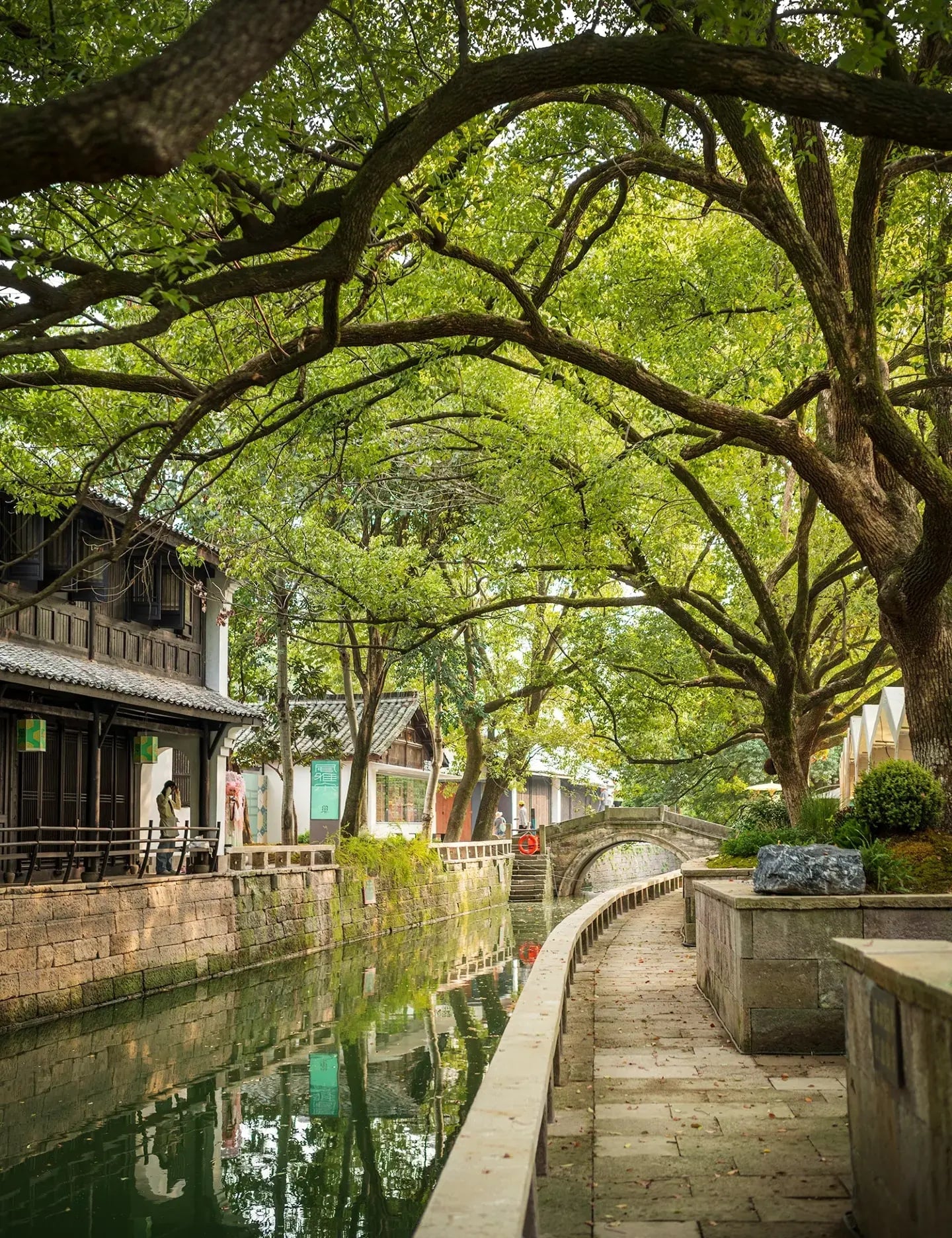
Liuxia’s appeal lies in the change of scene over a short walk. A narrow canal passes beneath old stone bridges and tree cover; nearby, contemporary pavilions, pools and framed openings reinterpret a garden setting. Together, the old street and the Liuxia 1129 cultural spaces make a rewarding half-day outing in western Hangzhou.
Give the visit a flexible shape: start around an open entrance to the historic street, follow the canal and bridges, pause at the small pavilions, then leave time for the 1129 spaces. Exhibitions, markets and installations can add to the day, but the buildings, water and trees are enough to hold your attention without a special event.
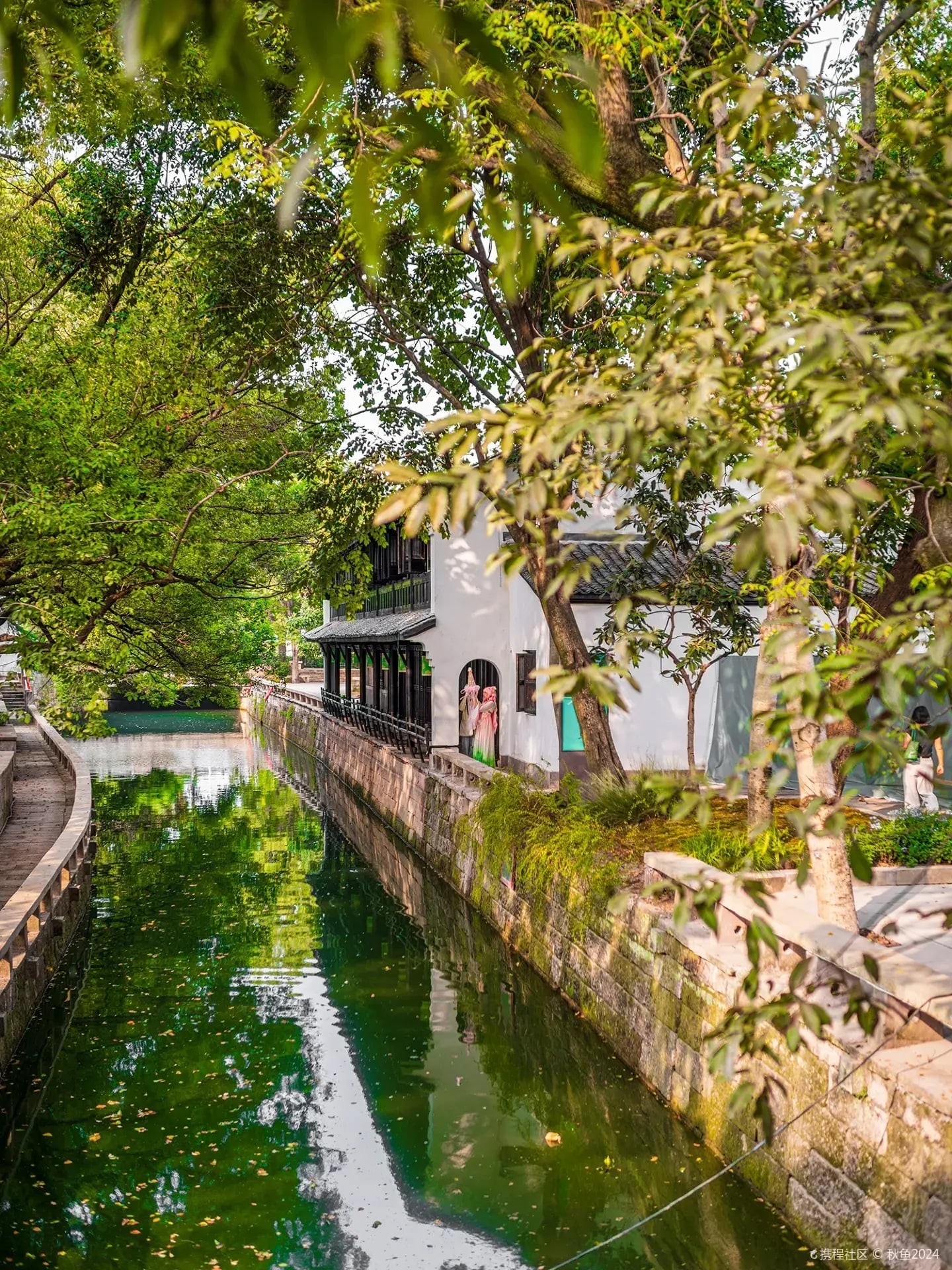
Use the historic street and river as your bearings rather than trying to follow a rigid checklist. Liuxia station on Metro Line 3 is a useful arrival point; allow roughly ten minutes on foot from the station area, depending on the exit and entrance used. Keep the Chinese name 留下历史文化街区 available for navigation.
Once there, check which paths and venues are open. The older street and the newer cultural spaces may have different access arrangements. A few hours is a sensible allowance for a leisurely walk with pauses, though a café, exhibition or workshop can easily extend the visit.
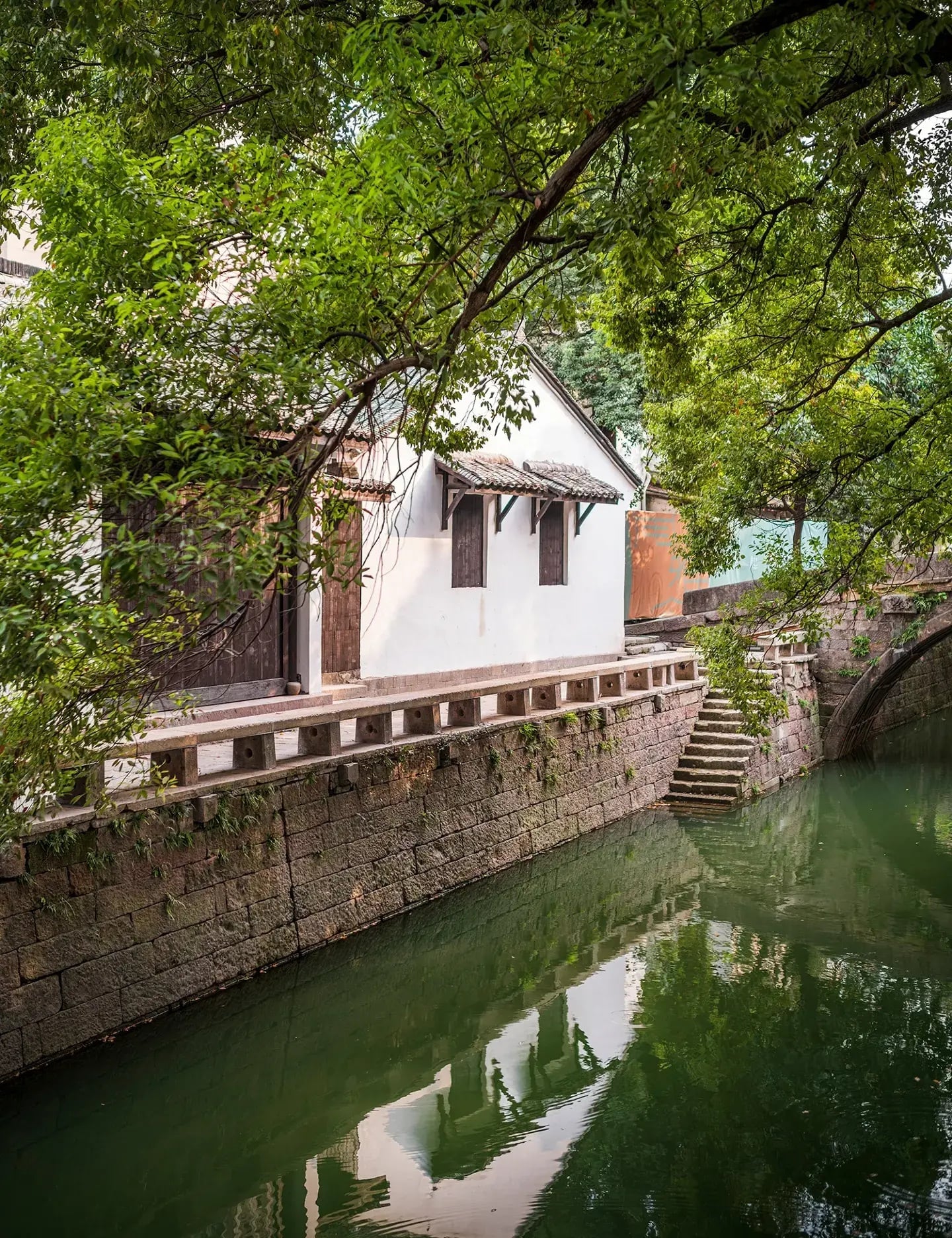
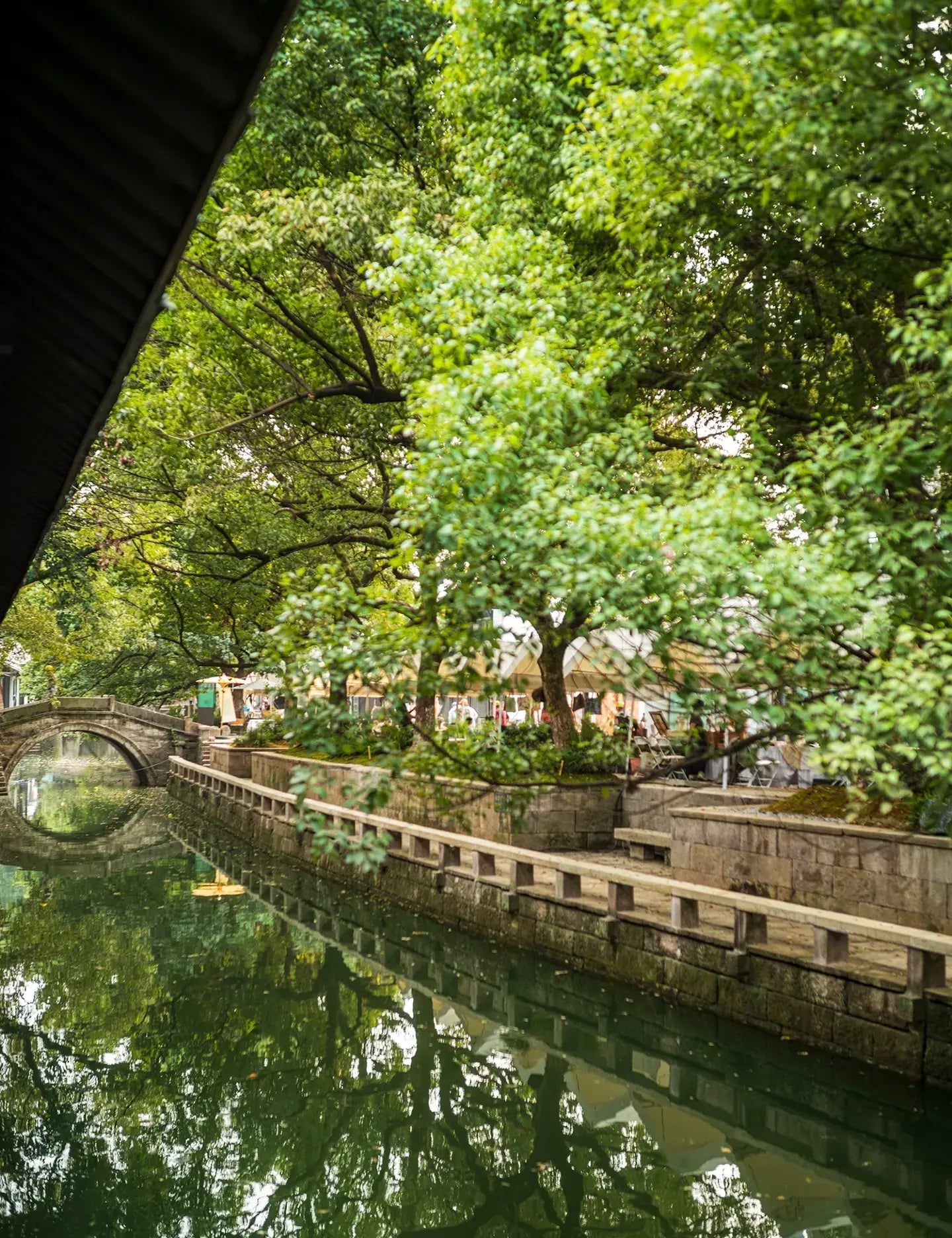
The central canal walk links Gu Qingchun Bridge, Zhongyi Bridge and Gu Yingchun Bridge. Qingchun lies north of Zhongyi, with Yingchun to the south. The short distances between them make it easy to look at more than one crossing without turning the outing into a long-distance walk.
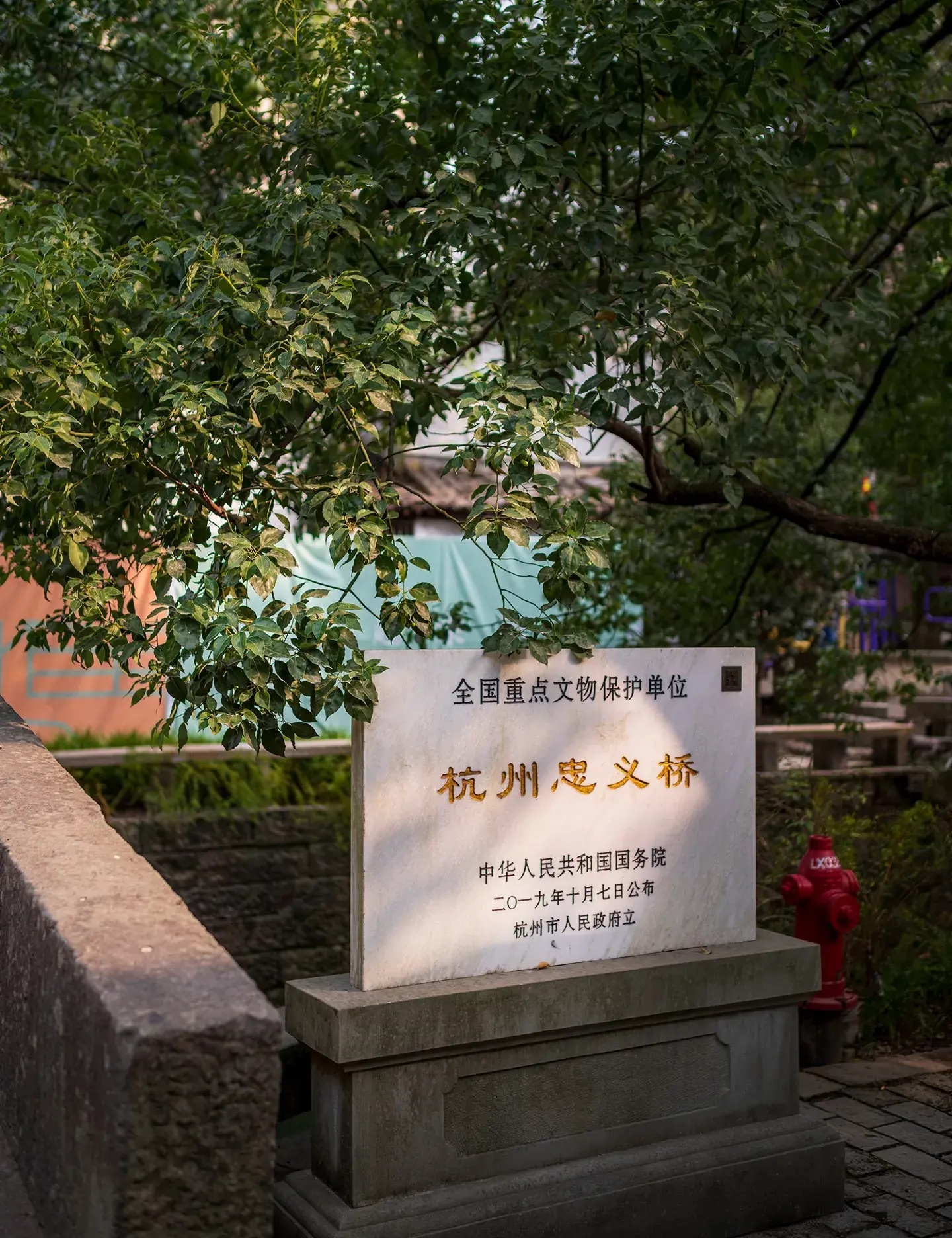
Zhongyi Bridge is a particularly important heritage landmark, associated with a Southern Song inscription dated 1218. Look for the interpretation and marker on site, then notice the stone steps, arch and relationship with the houses beside the water. The neighbouring bridges have their own later histories; they should not all be described as identical Song-dynasty structures.
Move between canal-level views and the permitted bridge approaches to see how the setting changes. An arch and its reflection can form a complete circle when the water is still, while a side view reveals the stonework. Leave enough space for people using the crossing and stay off parapets and private waterside steps.
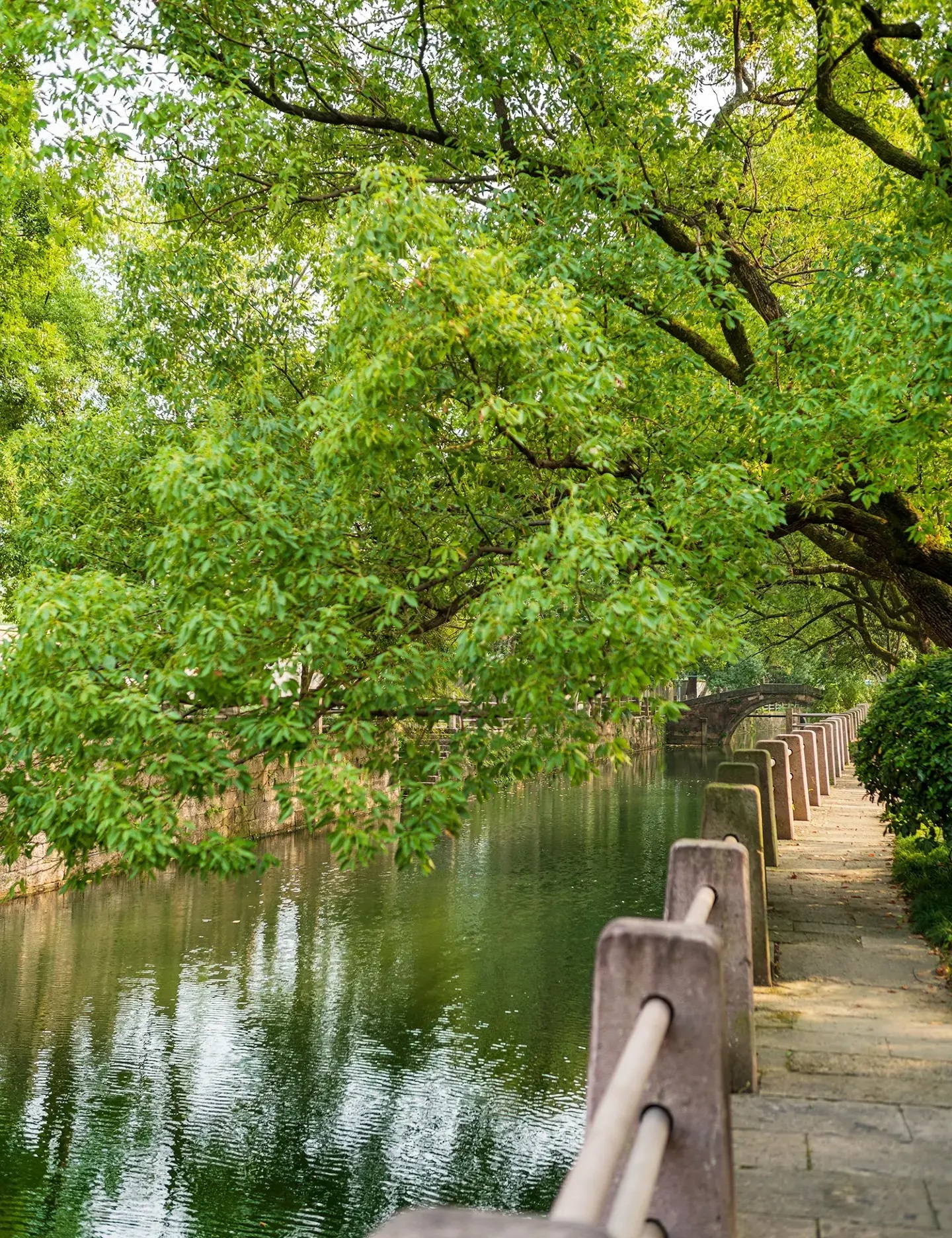
Much of the atmosphere comes from the canopy above the canal. Branches frame pale walls and dark timber façades, and shaded paths bring the view close to the water. Take time to look along the channel as well as across it.
This is also a neighbourhood with homes, businesses and ordinary daily activity. Keep voices low near residences, ask before taking portraits and leave gates or courtyards alone unless invited in. Uneven paving and raised bridge steps deserve attention, especially after rain.
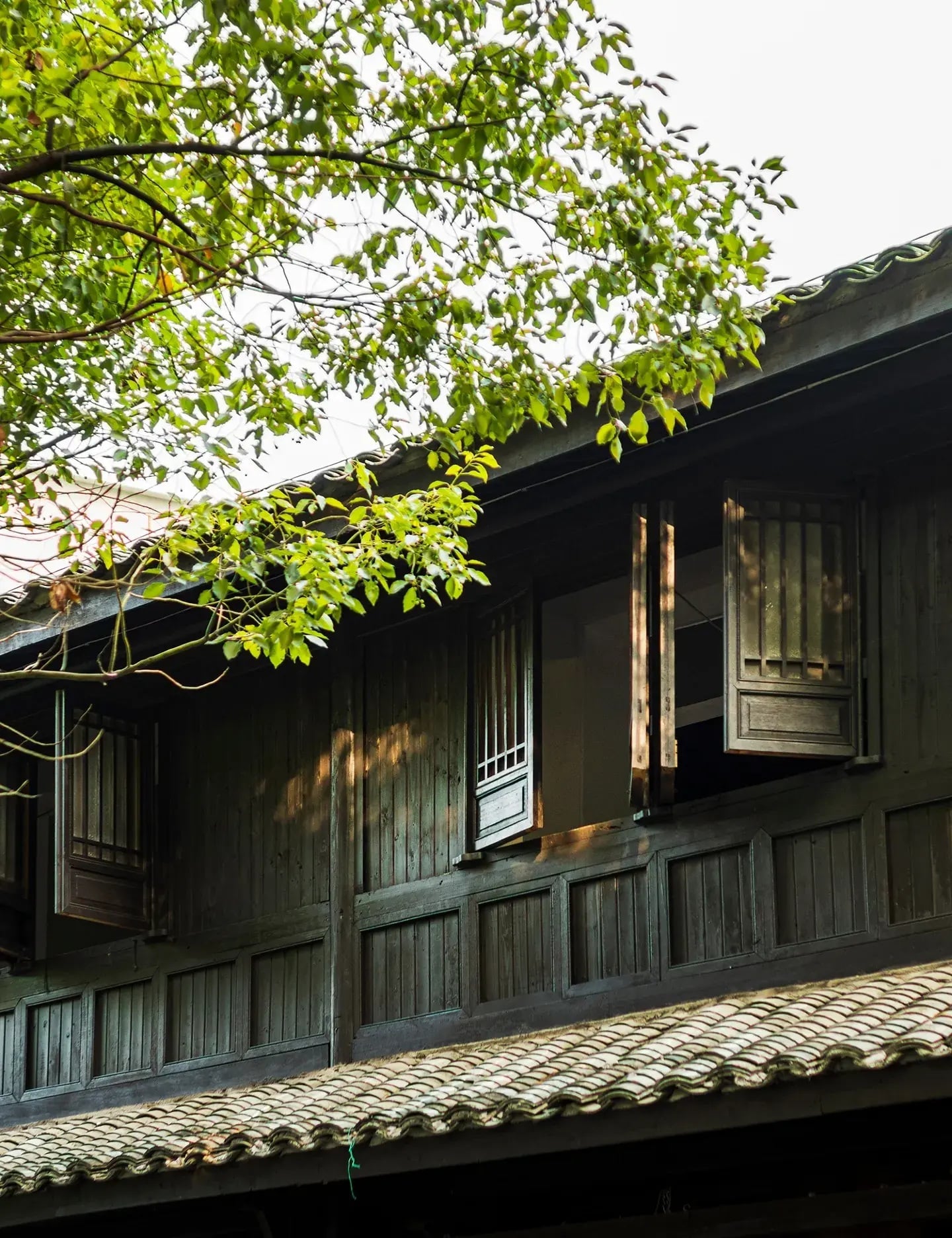
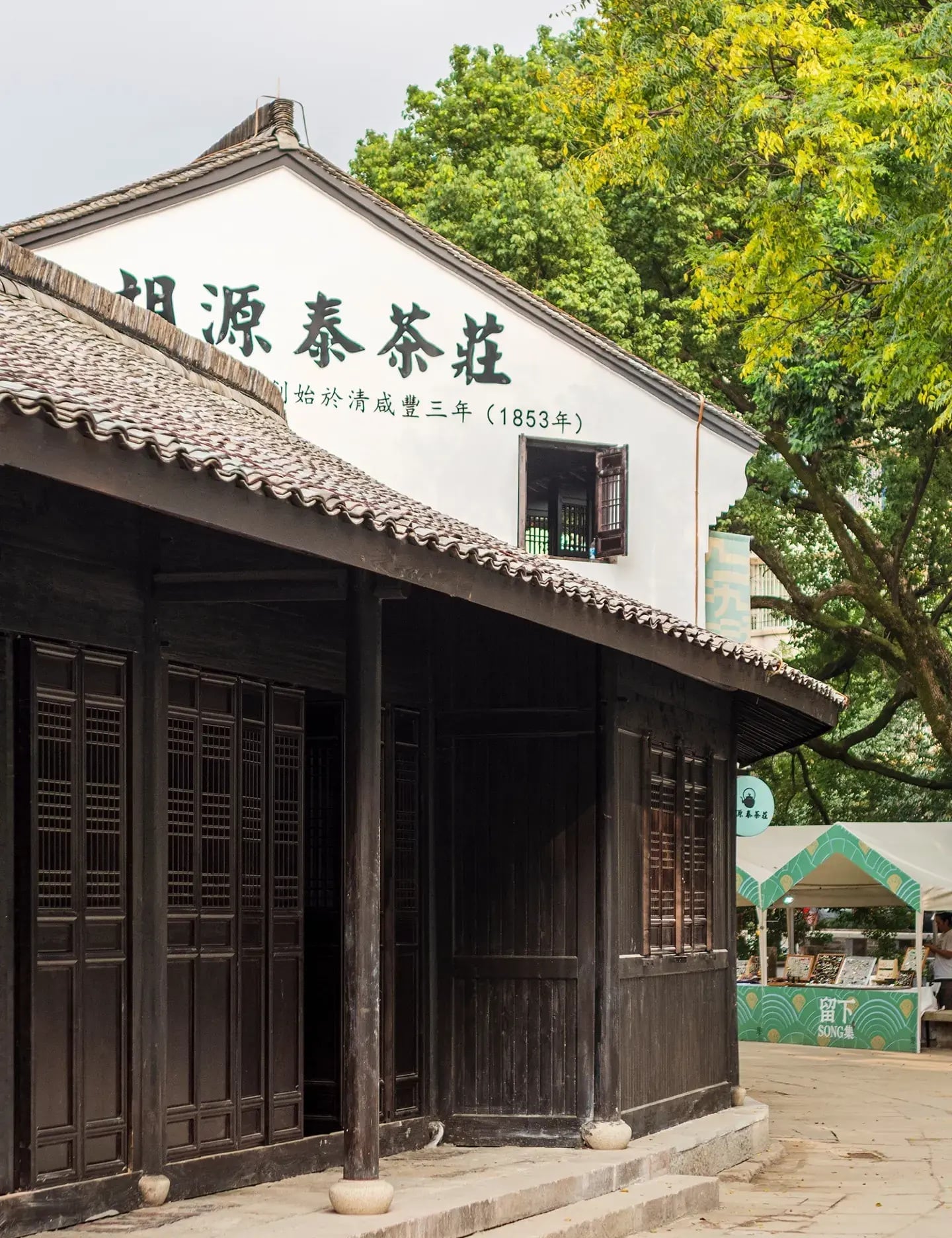
Liu Pavilion, near the northern approach to the old street, connects the visit with the local phrase Xixi qie liuxia, commonly associated with the story of an emperor choosing whether to remain in the Xixi area. Treat the story as local cultural tradition and use the site’s own interpretation for its fuller context.
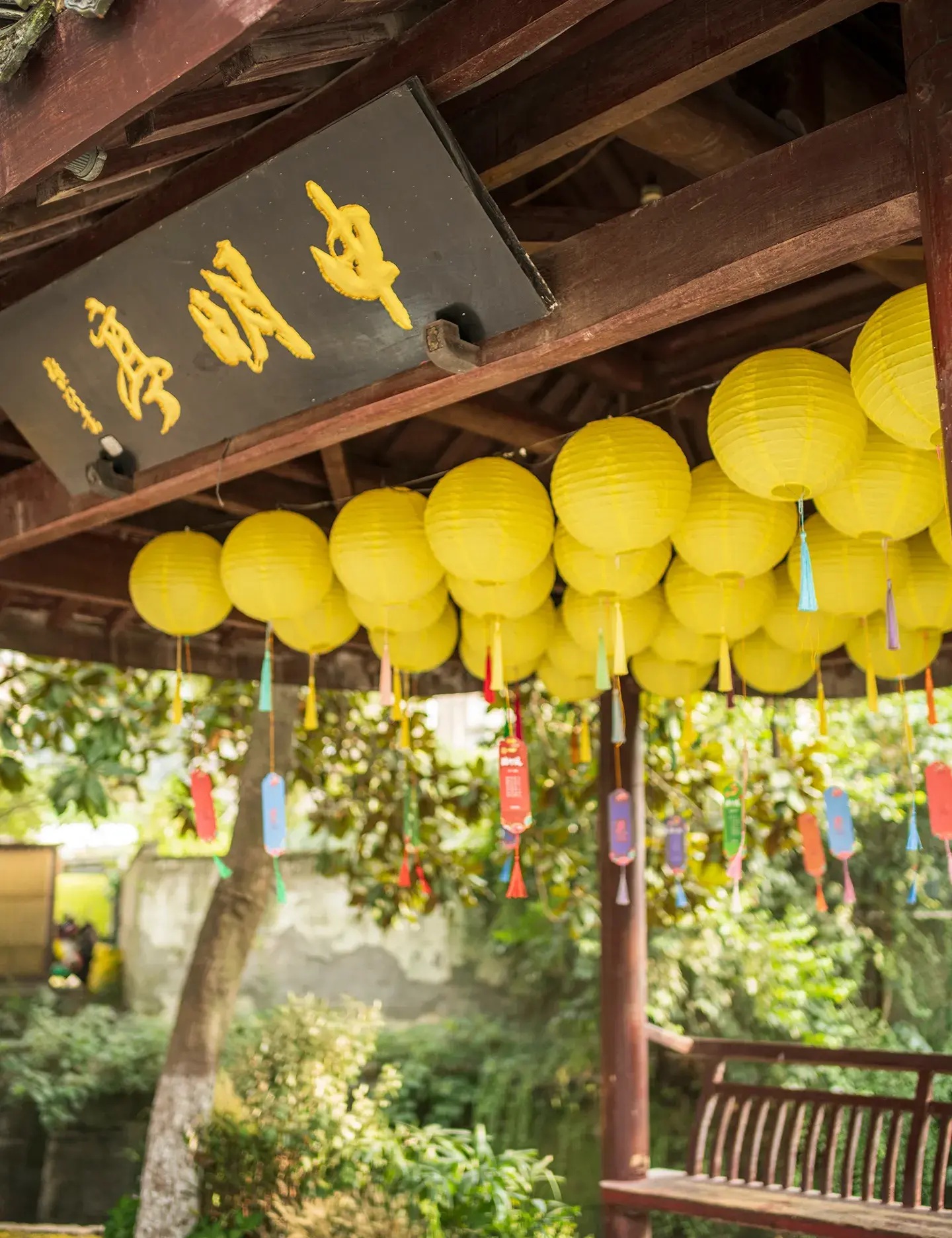
Shenming Pavilion provides another small architectural pause towards the southern part of the street. Its timber structure and tiled roof are worth noticing even without decoration. The yellow lanterns shown in the photographs belong to the display captured at that time; colours and installations may change.
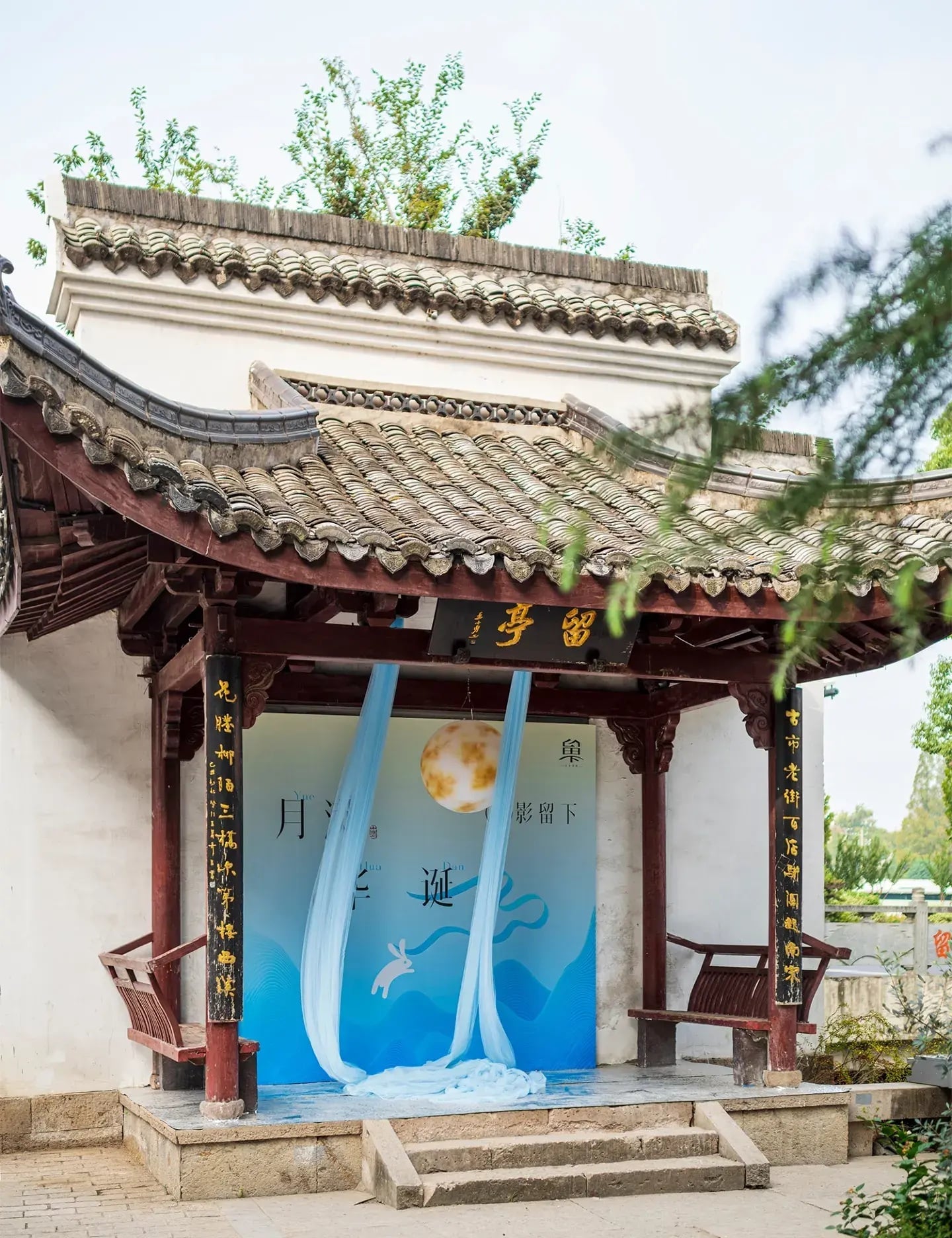
The 1129 cultural spaces introduce a different architectural language alongside the old street. Grey buildings, open-sided pavilions, planted islands and carefully framed views create a sequence of water, light and shade. Look at how an opening frames a tree or a roof is reflected in a pool, rather than expecting every feature to be an ancient relic.
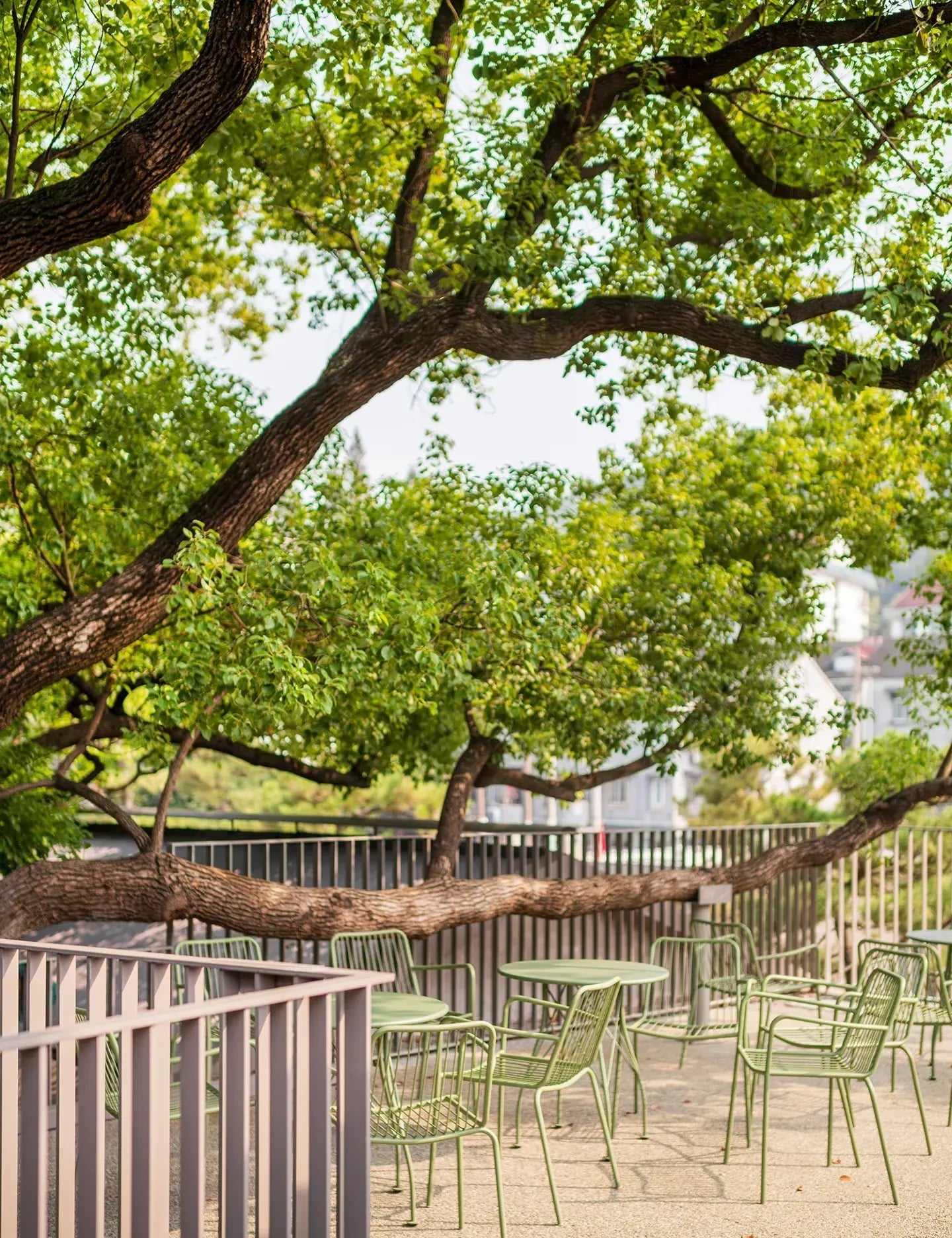
A stairway built around a mature tree offers one kind of detail; a pavilion over water offers another. Follow the designated walkways and respect any barriers around pools or planting. These designed spaces are places to pause, not obstacles to climb for a photograph.
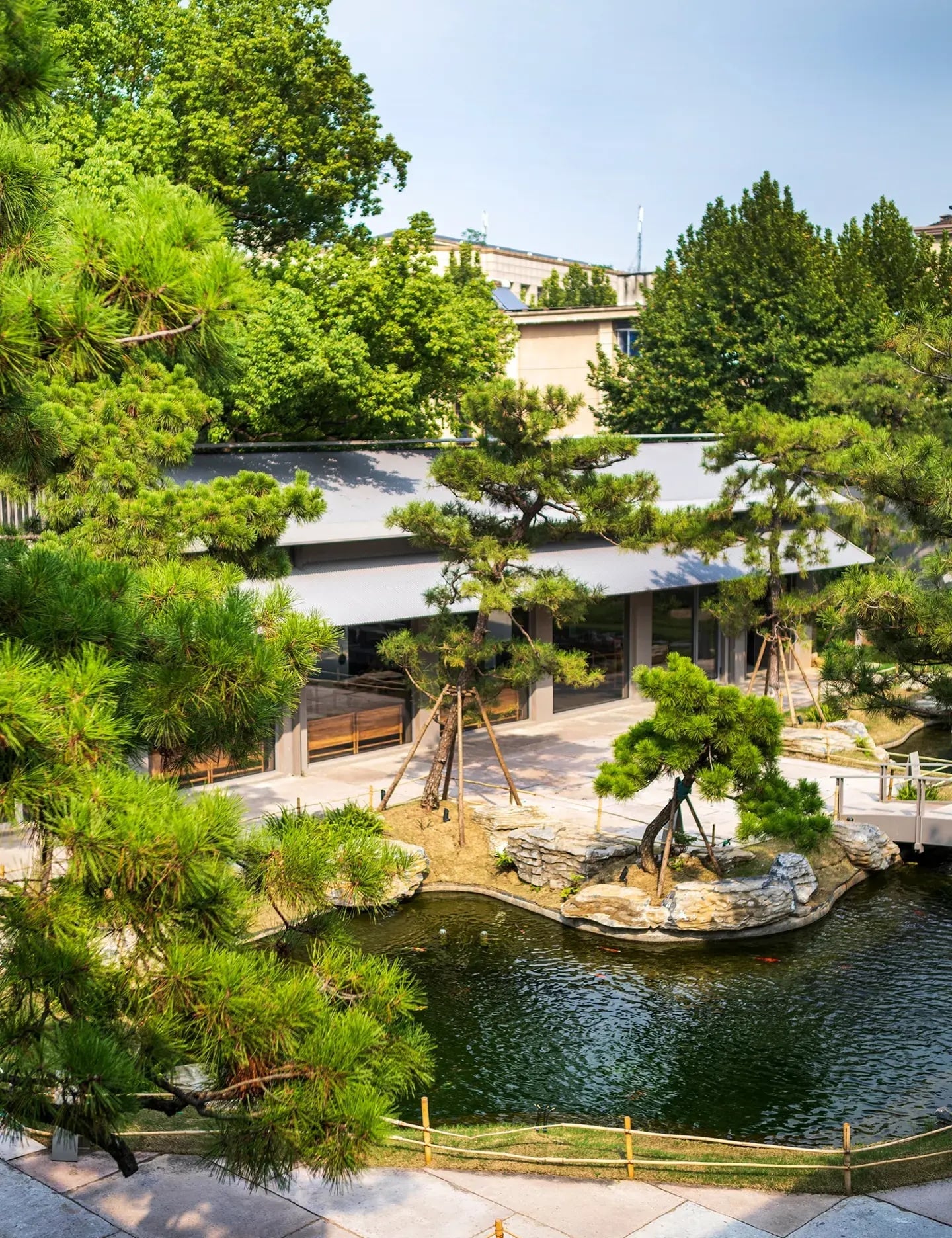
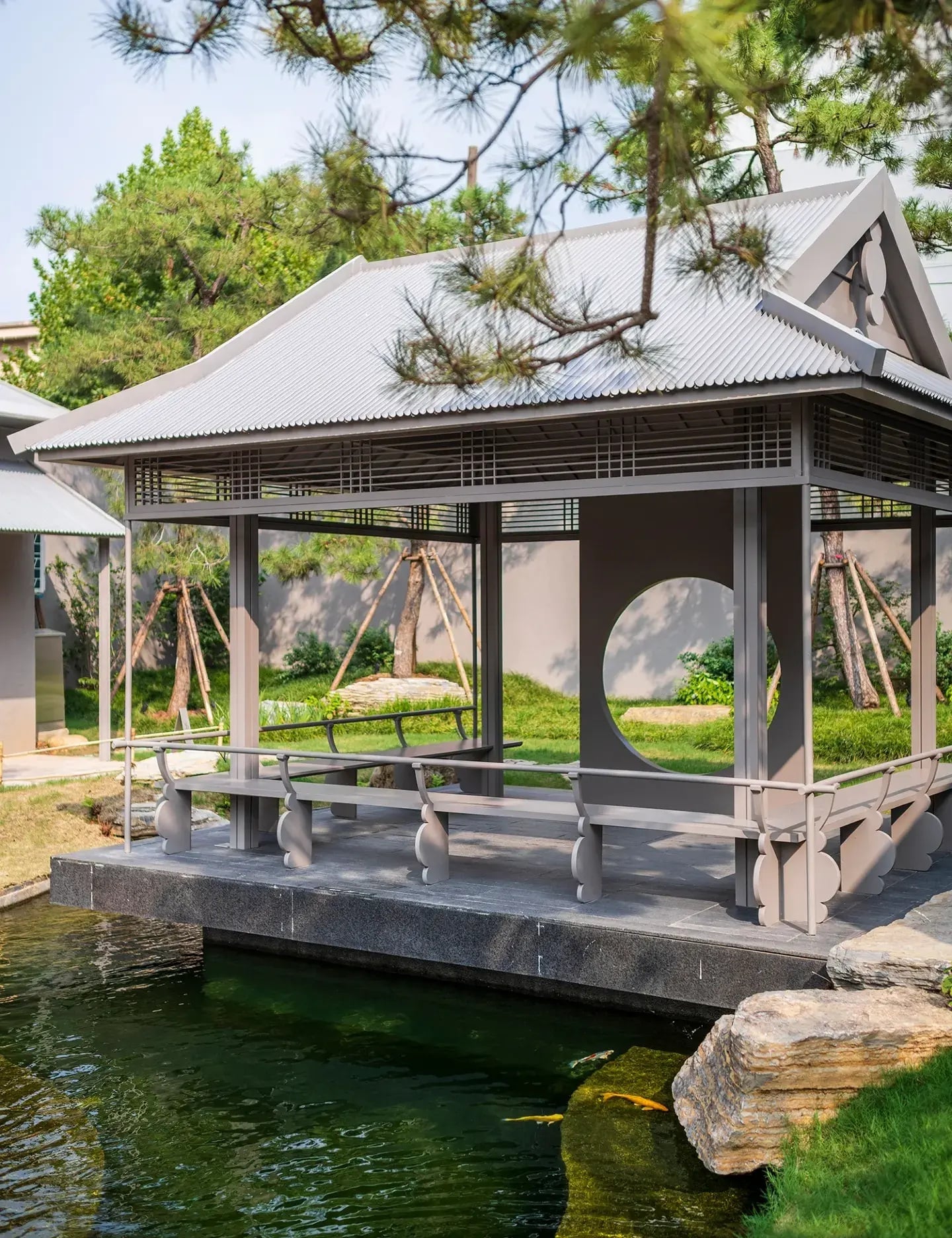
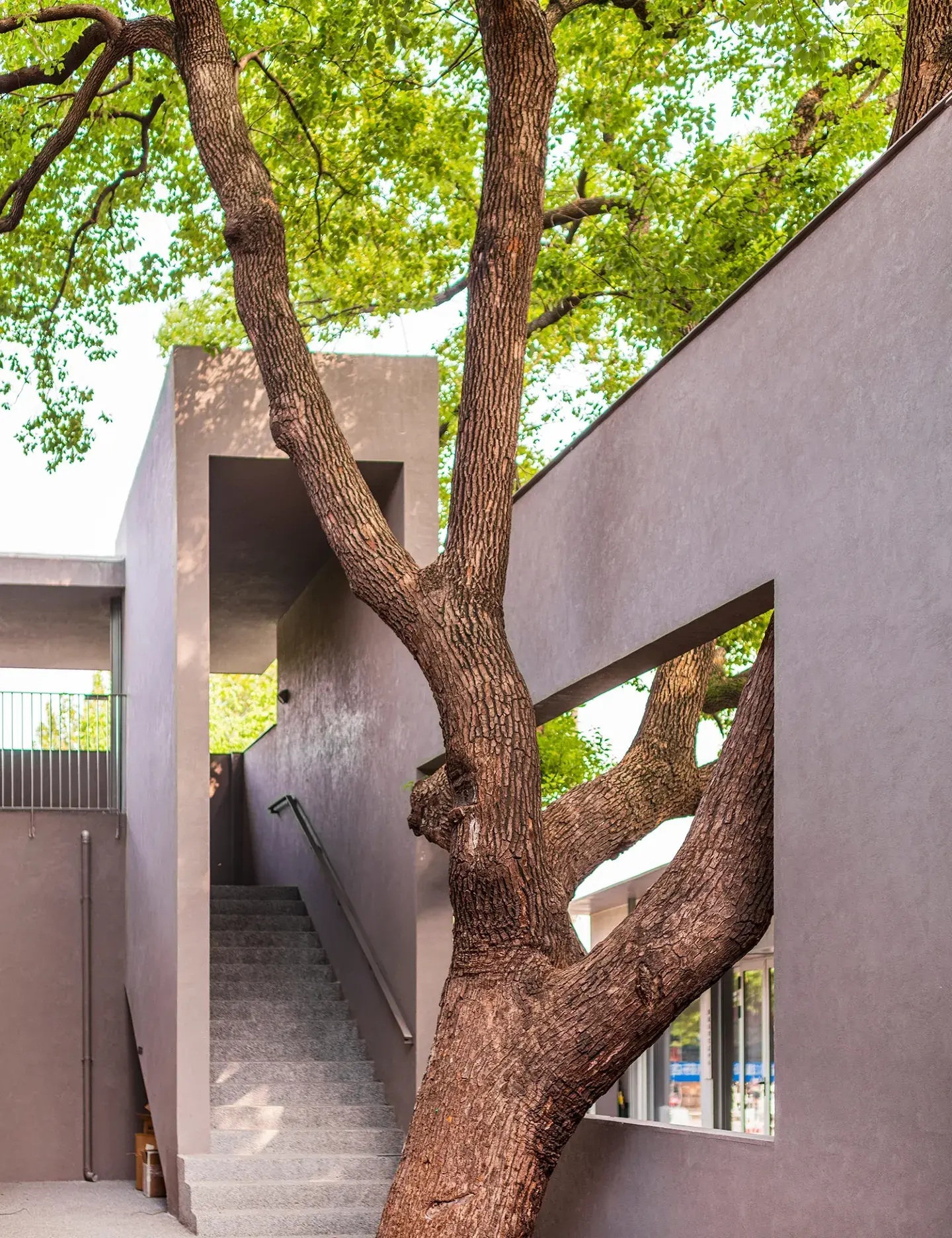
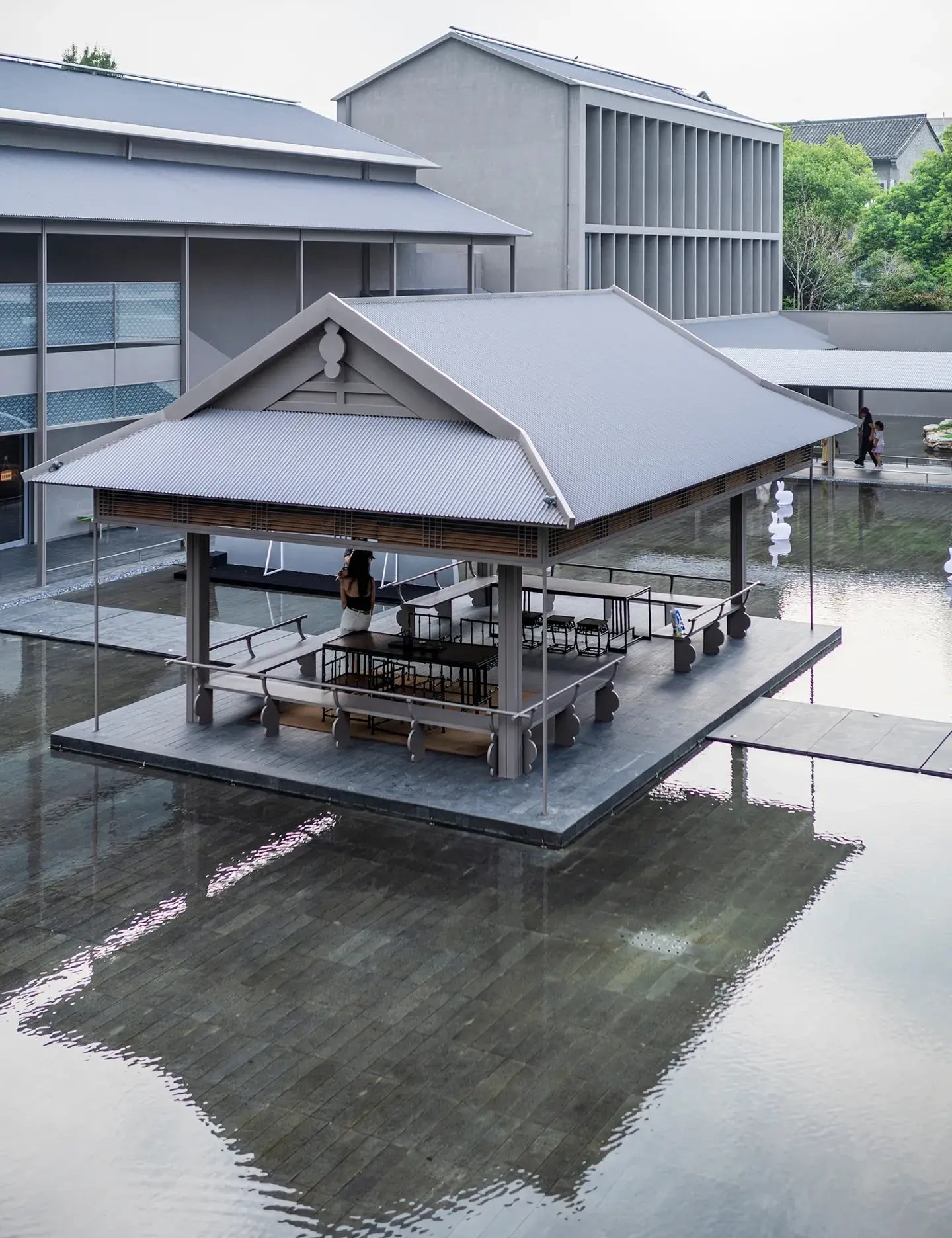
The name 1129 draws on Liuxia’s association with Southern Song cultural memory. Today, that theme also supports contemporary exhibitions, cafés and cultural activities. Check the programme and entry conditions for the specific spaces you want to visit; a street walk does not guarantee admission to every interior or session.
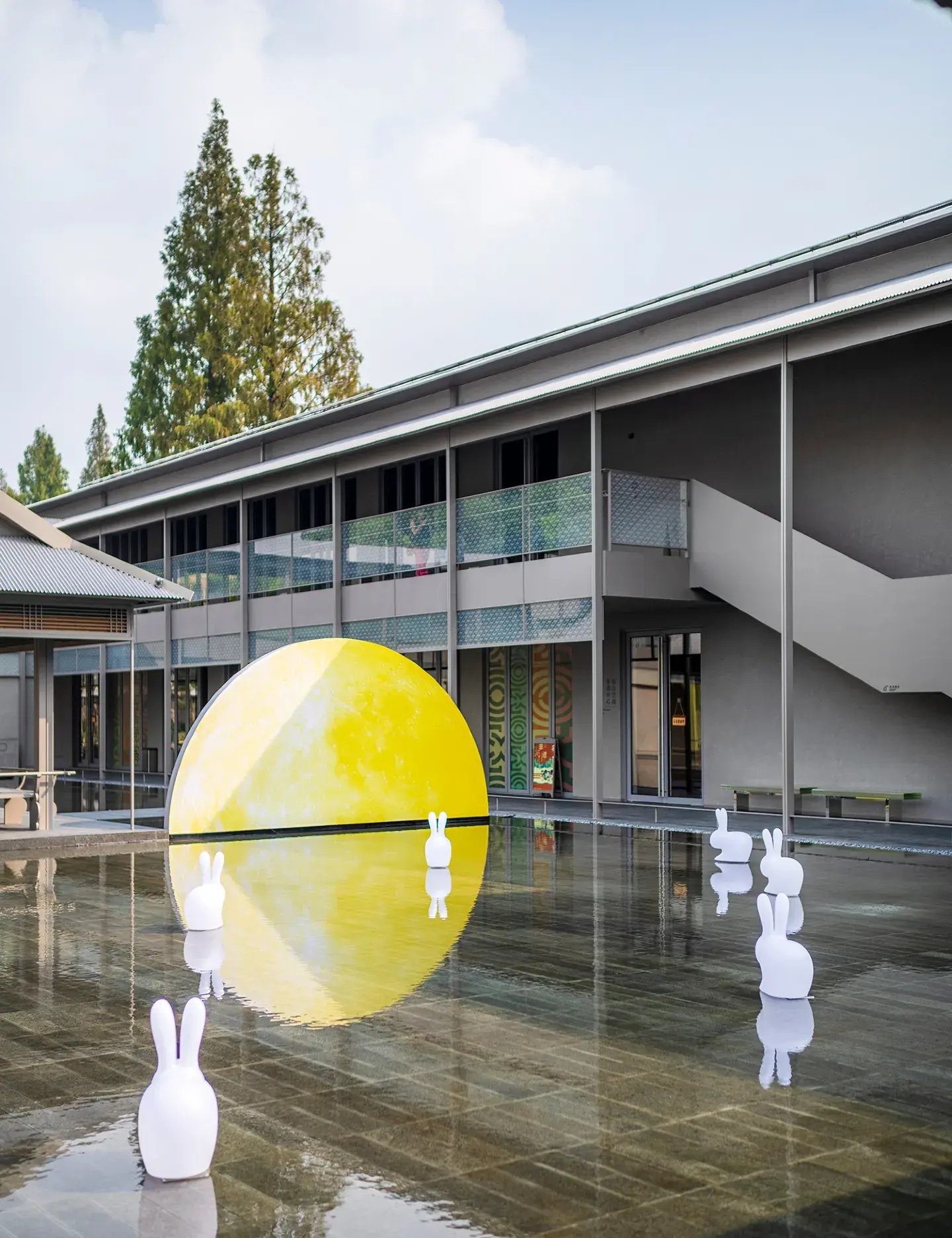
The photographs include a large moon and white rabbit figures, part of a Mid-Autumn Festival setting. Enjoy them as a record of that seasonal display, rather than a promise of an installation still in place on a later visit. The garden’s pools and architecture offer interest even when festival decorations have been removed.
The same applies to temporary art shows, markets and lantern arrangements. Look up the current programme before travelling for a named exhibition, and ask about opening hours, booking and any charge. If nothing special is running, give the time to the garden views and a relaxed break instead.
Shaded outdoor chairs, traditional shopfronts and small contemporary spaces make a break part of the itinerary. Choose a business that is open on the day, compare the menu and settle somewhere comfortable. A pictured shopfront shows the character of the street; it is not a guarantee of current opening hours or tenancy.
Ask before photographing an interior or customers, and leave entrances and narrow routes clear. If you want a particular workshop or tea experience, confirm the activity, duration, language support and what the price includes before making it the centre of the afternoon.
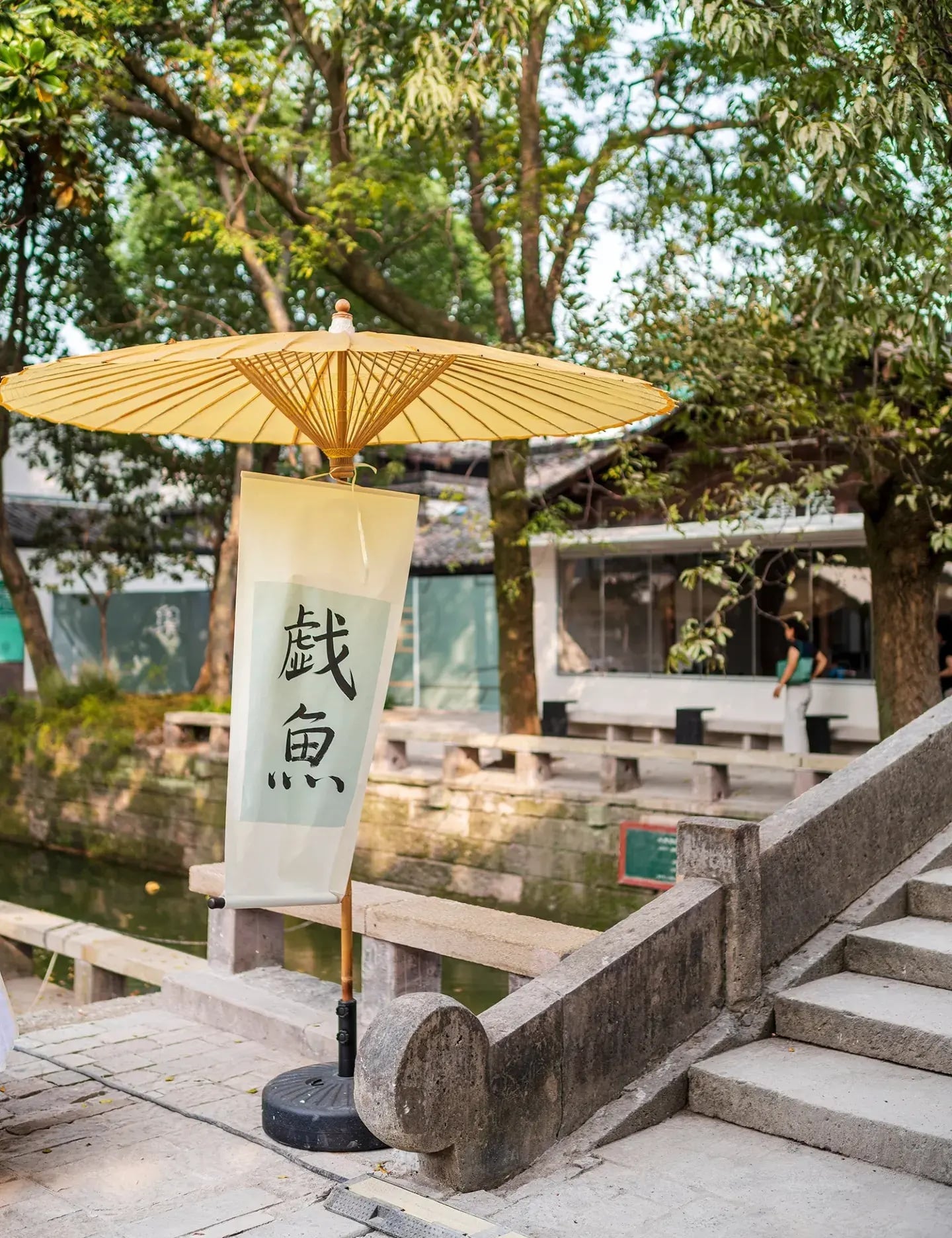
The neighbourhood has undergone renewal, so an old construction notice or promised completion date should not be used as current travel advice. Check the latest access information for the venue and paths you intend to use, and follow local signs if a section is closed or being maintained.
Comfortable shoes are useful for stone paving and bridge steps. Carry a light rain layer when showers are forecast and allow seated breaks in warm weather. If mobility or pushchair access is important, confirm the approach to specific buildings and crossings instead of assuming that a compact walk is entirely step-free.
Xixi Wetland can extend a day in this part of Hangzhou, but choose the entrance and onward transport before leaving Liuxia. Tourism bus links may have operating-day restrictions. Being nearby on a city map does not make every wetland entrance a short walk from the old street.
Dongxin Hechuang Park is another separate option for those interested in creative businesses and reused industrial spaces. Allow for a transfer and check the places you actually want to visit. Trying to cover both additions can squeeze out the slow pace that makes Liuxia enjoyable.
A canal walk, a look at the bridges and time in the 1129 gardens can be a complete half day. The most interesting contrast is already close at hand: historic stone and timber beside contemporary ways of framing water, trees and everyday life.