20Oct
+8619705475100
[email protected]

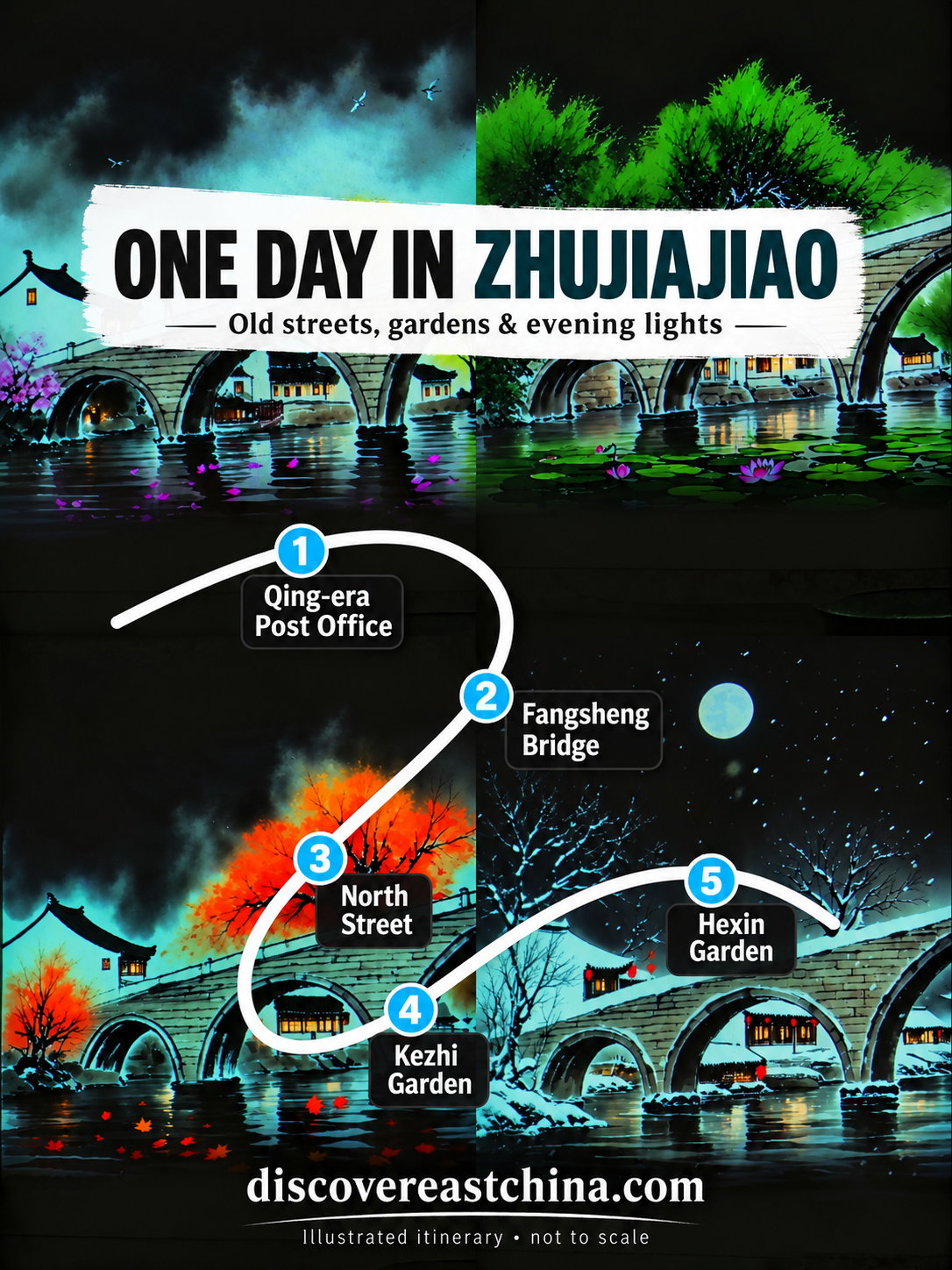
A day in Zhujiajiao can change character without changing destination. In daylight, the interest is in brick façades, stone-paved lanes and boats beside the old houses. After sunset, lanterns and garden lighting bring another layer to the same setting. The most satisfying plan leaves room for both, with a proper break between the two.
This route begins with the Qing-era post office, continues to Fangsheng Bridge and North Street, then makes time for Kezhi Garden and nearby Hexin Garden. An evening visit to Kezhi can be an extra chapter when a suitable programme is running. Treat it as a separately checked experience rather than assuming every daytime ticket includes a night show.
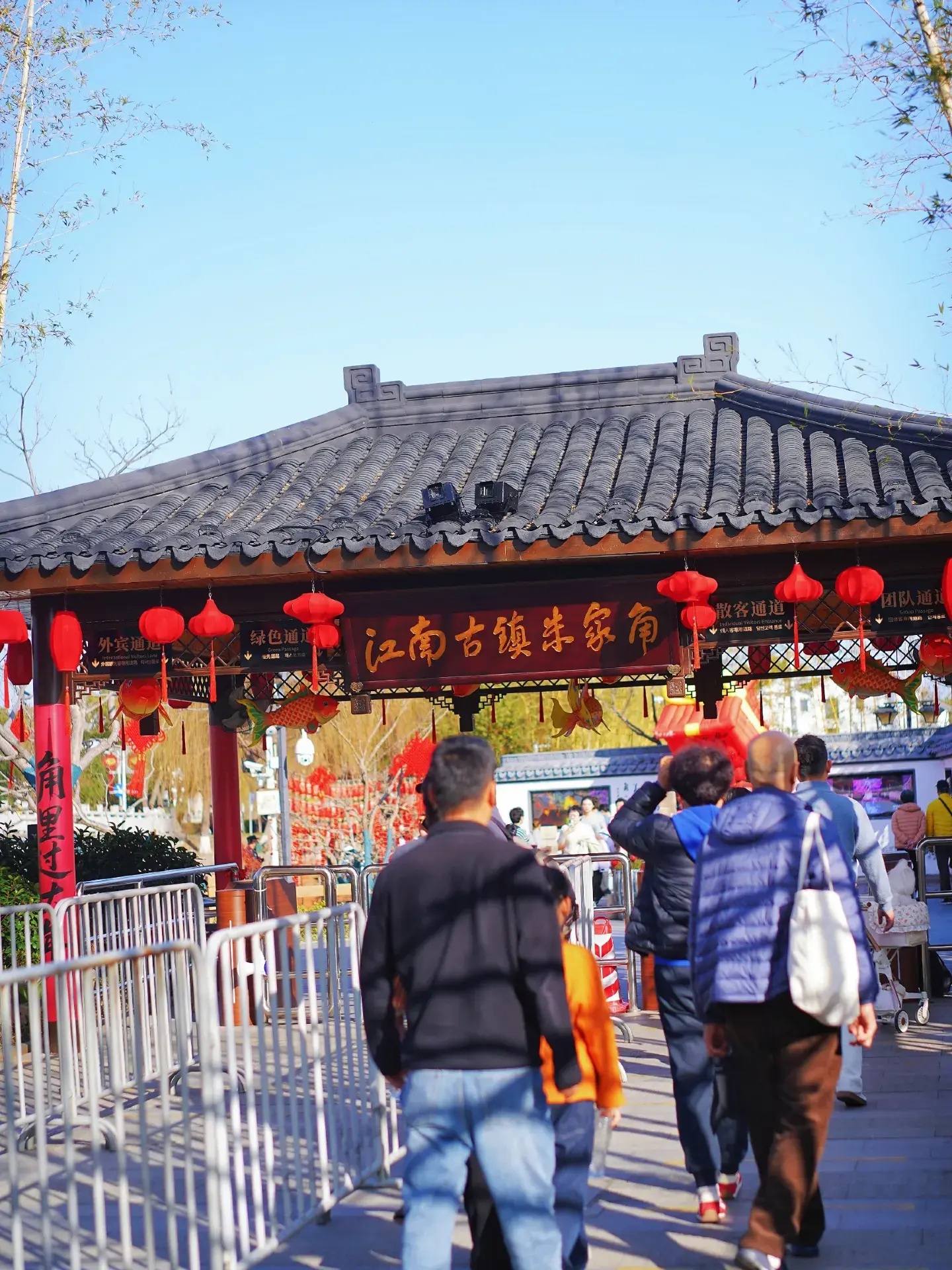
Shanghai Metro Line 17 serves Zhujiajiao. From the station, compare the walk with the current local connections before choosing where to enter the old town. The scenic area’s transport information lists bus 1510 from the Exit 1 side towards the visitor-centre area. Check the stop names and service on the day instead of relying on an old number of stops or a fixed walking time.
For a taxi or car, the visitor centre is at 555 Kezhiyuan Road. Confirm the designated drop-off or parking area and current charges. Holiday parking offers are temporary, so do not build a budget around a previous visitor’s free-parking experience. If staying after dark, check the return metro connection and how you will reach the station before buying an evening ticket.
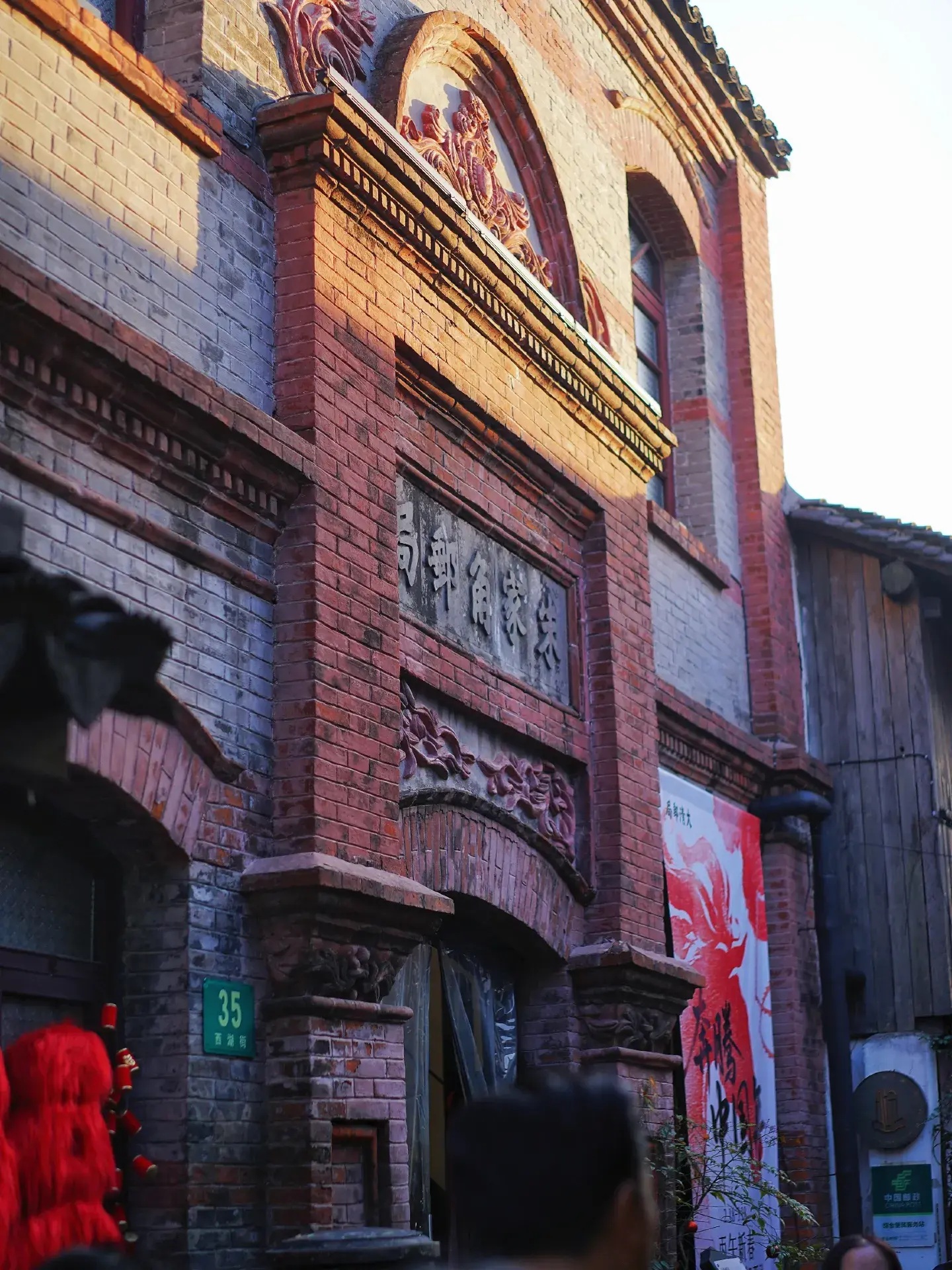
The former Qing-era post office gives the walk a modest historical starting point. Its brickwork and arched windows offer a contrast with the white walls and timber façades elsewhere in town. Look at the exterior first, then check whether the interior or any postal service is open. A postcard can be a pleasant souvenir when sales and posting are available.
Continue towards Fangsheng Bridge, the five-arched stone bridge that is one of Zhujiajiao’s defining sights. Pause where pedestrians can still pass and look along the water towards the buildings and boats. The approach and a permitted riverside path can be as rewarding for photographs as the top of the bridge.
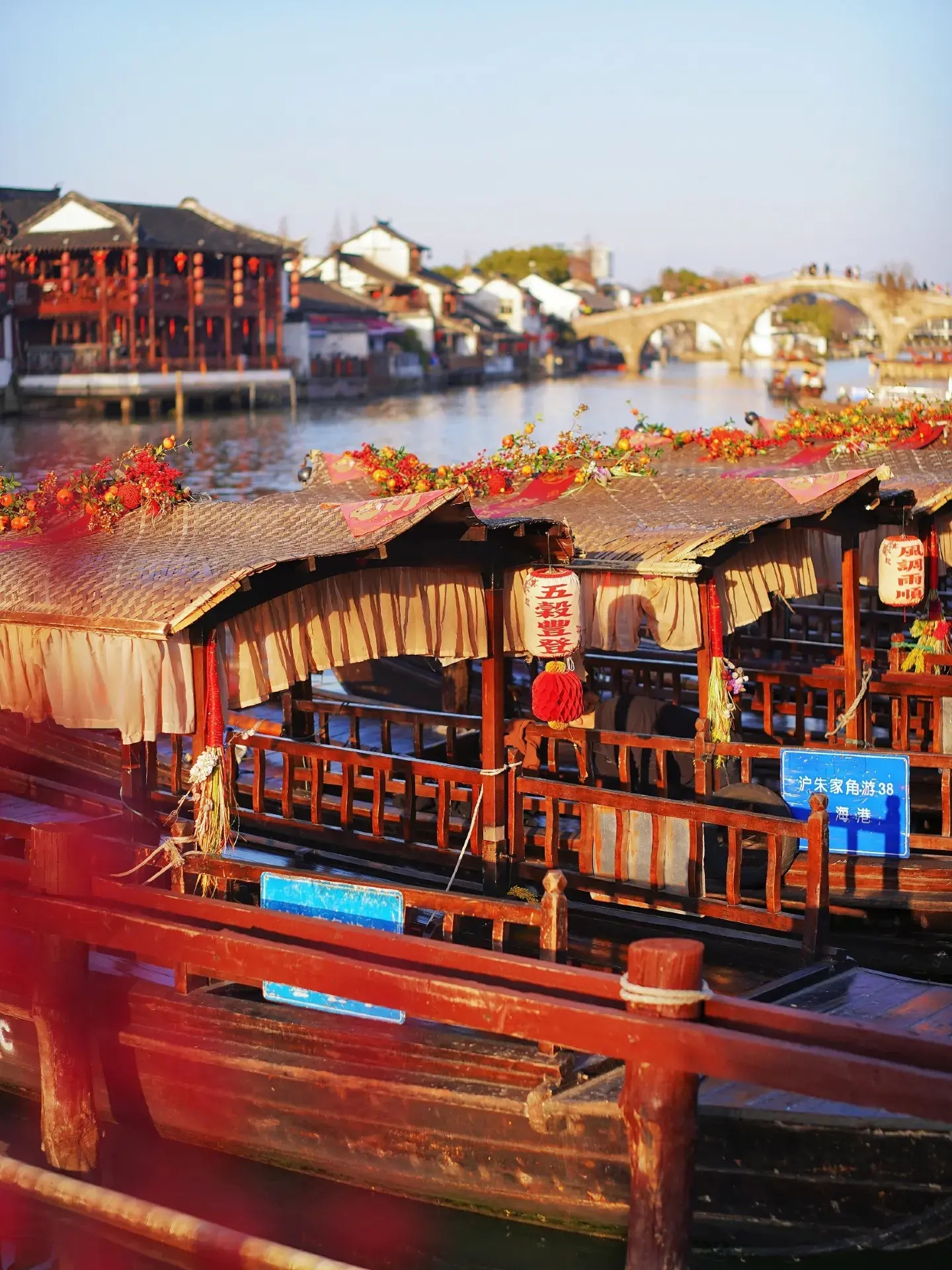
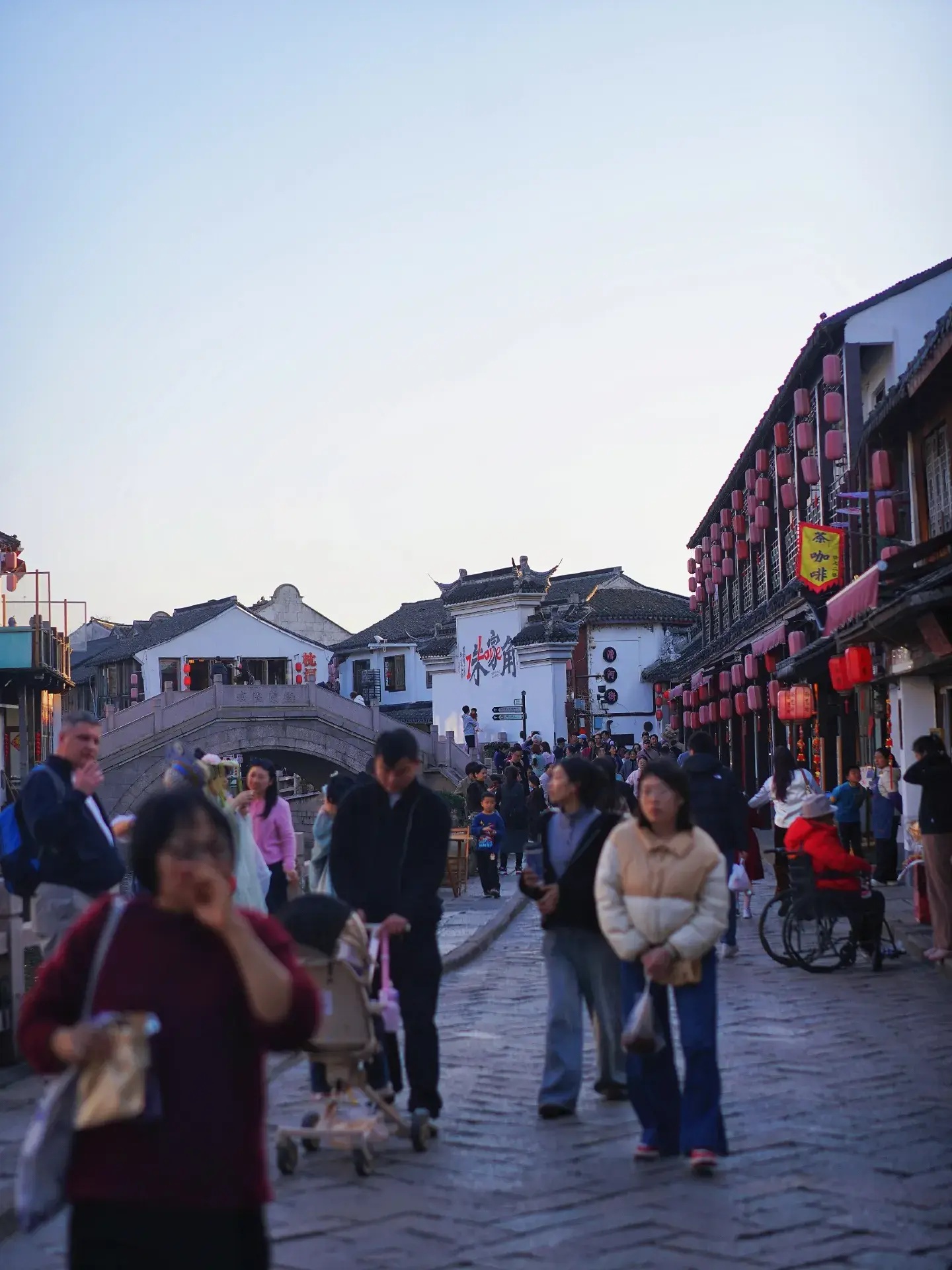
North Street, also known as Beida Street, brings the day into the old town’s busiest commercial lanes. Browse at an easy pace: a roofline above a shop, a lantern between walls or a glimpse of water can be more memorable than another purchase. During holidays, move with the flow of pedestrians and stop somewhere wider to consult a map.
For a tasting stop, look for zongzi rice parcels, zharou braised pork parcels and local cakes. Ask about fillings, portions and whether an item is ready to eat. A few small choices leave room for a seated lunch and a later tea break. Compare menus and displayed prices before settling down, especially beside the water.
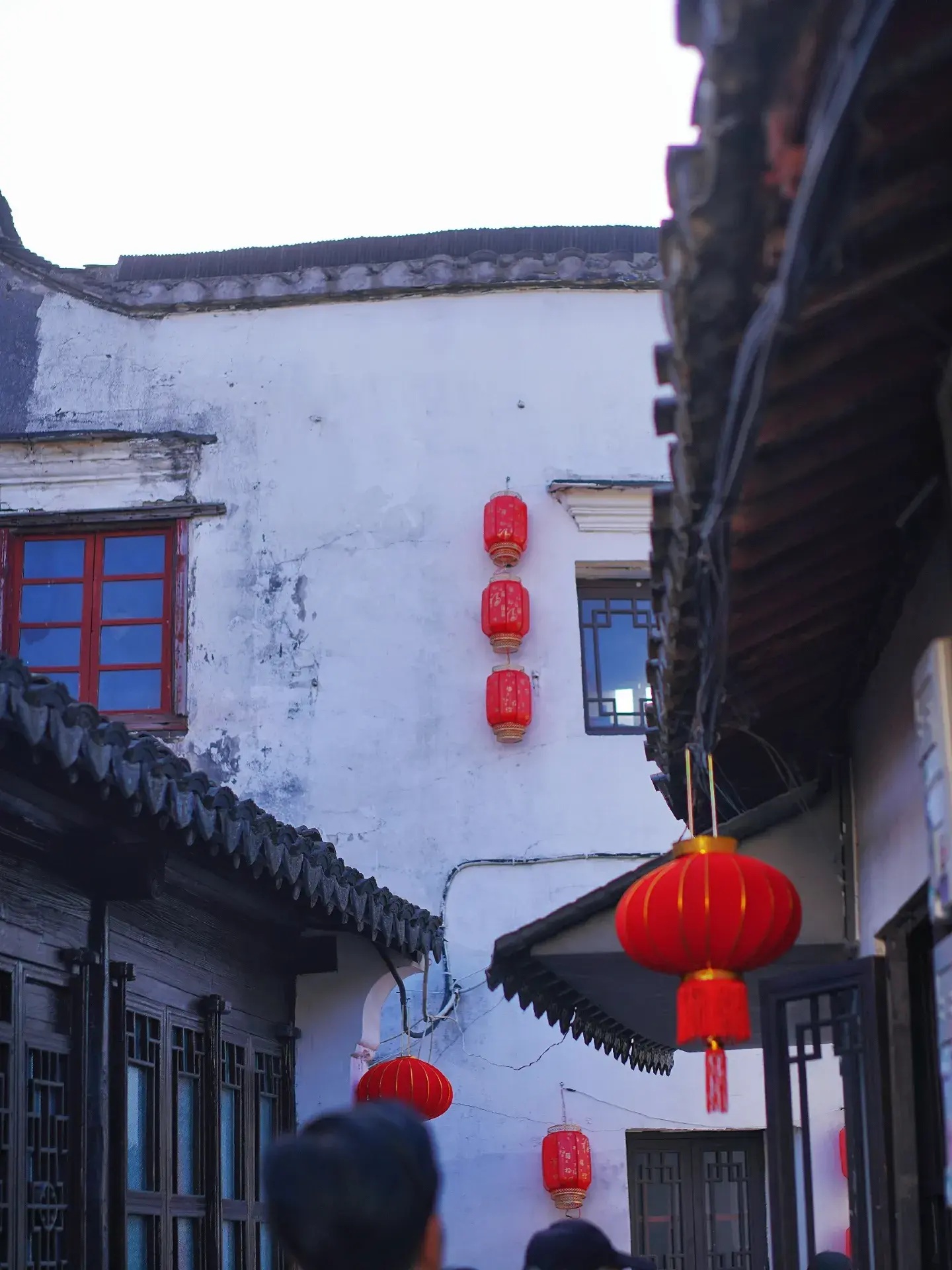
Kezhi Garden, on Xijing Street, was established as a private estate in the early twentieth century. Its name connects study with cultivation, and its courtyards, pavilions, rockwork and water features offer a change of scale after the shopping streets. Give it time in daylight if the garden itself is a priority; an evening production can draw attention to very different details.
Hexin Garden is a separate stop nearby, combining a Jiangnan-style garden with a private collection of historical objects. The present garden was begun in 2007, so it should not be described as an entirely preserved Qing residence. Its older Hexin Pavilion and displays of carved and inscribed objects provide the historical interest. Check which rooms and garden spaces are accessible when you visit.
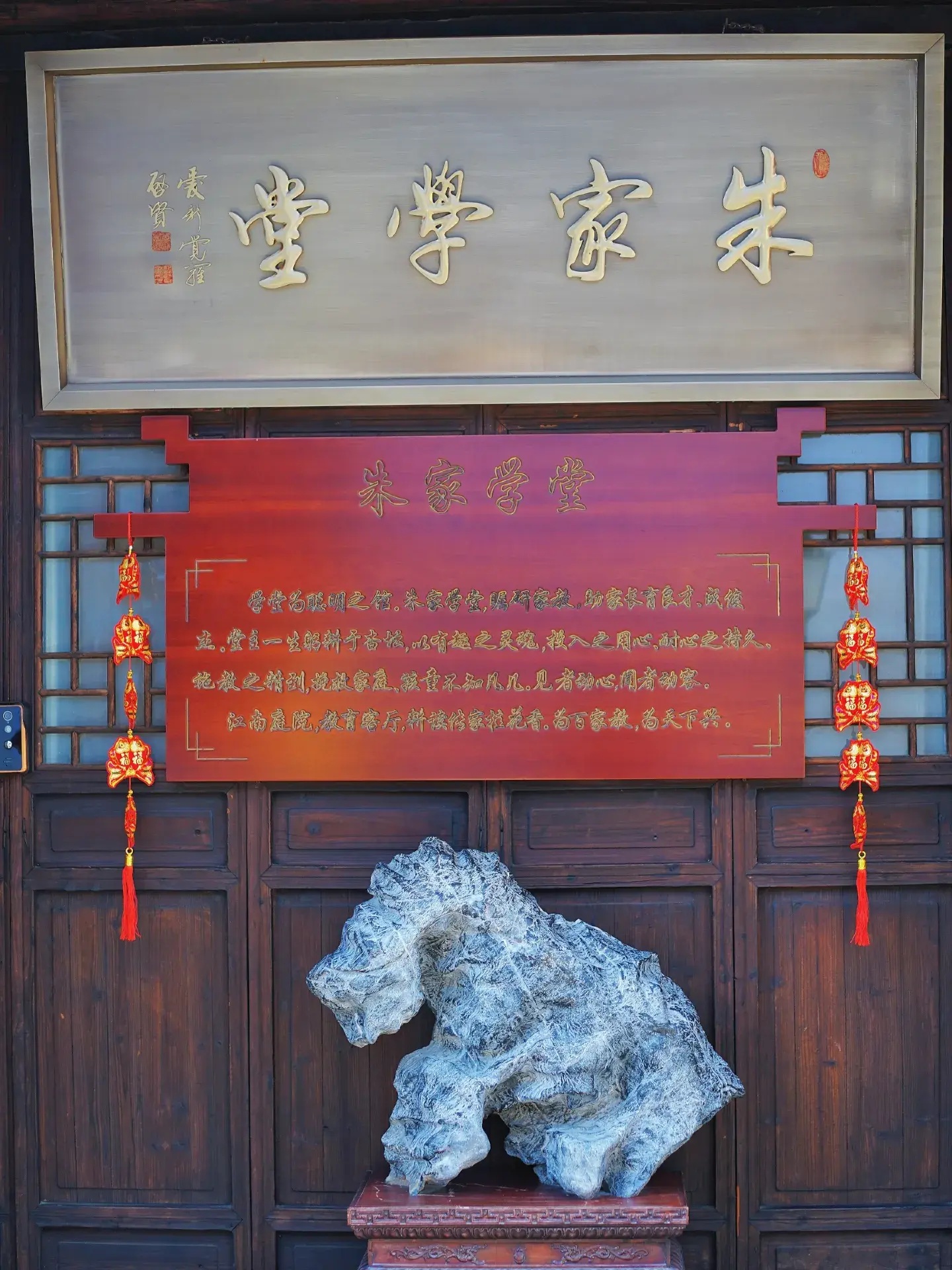
Choose these visits around opening hours and your energy, rather than treating the illustrated order as a promise of a continuous one-way walk. Daytime interiors may close well before an evening event begins. Keep time for a meal or a rest outside the paid attractions, and confirm any re-entry arrangement before leaving.
Night-time programming can turn the garden into a setting for light, music and performance. The scenic area’s January 2026 Spring Festival announcement introduced an immersive evening experience at Kezhi Garden. The accompanying photographs show illuminated architecture, colourful projections, musicians and performers among the garden structures. These are useful clues to its atmosphere, rather than a guarantee of the same scenes on every date.
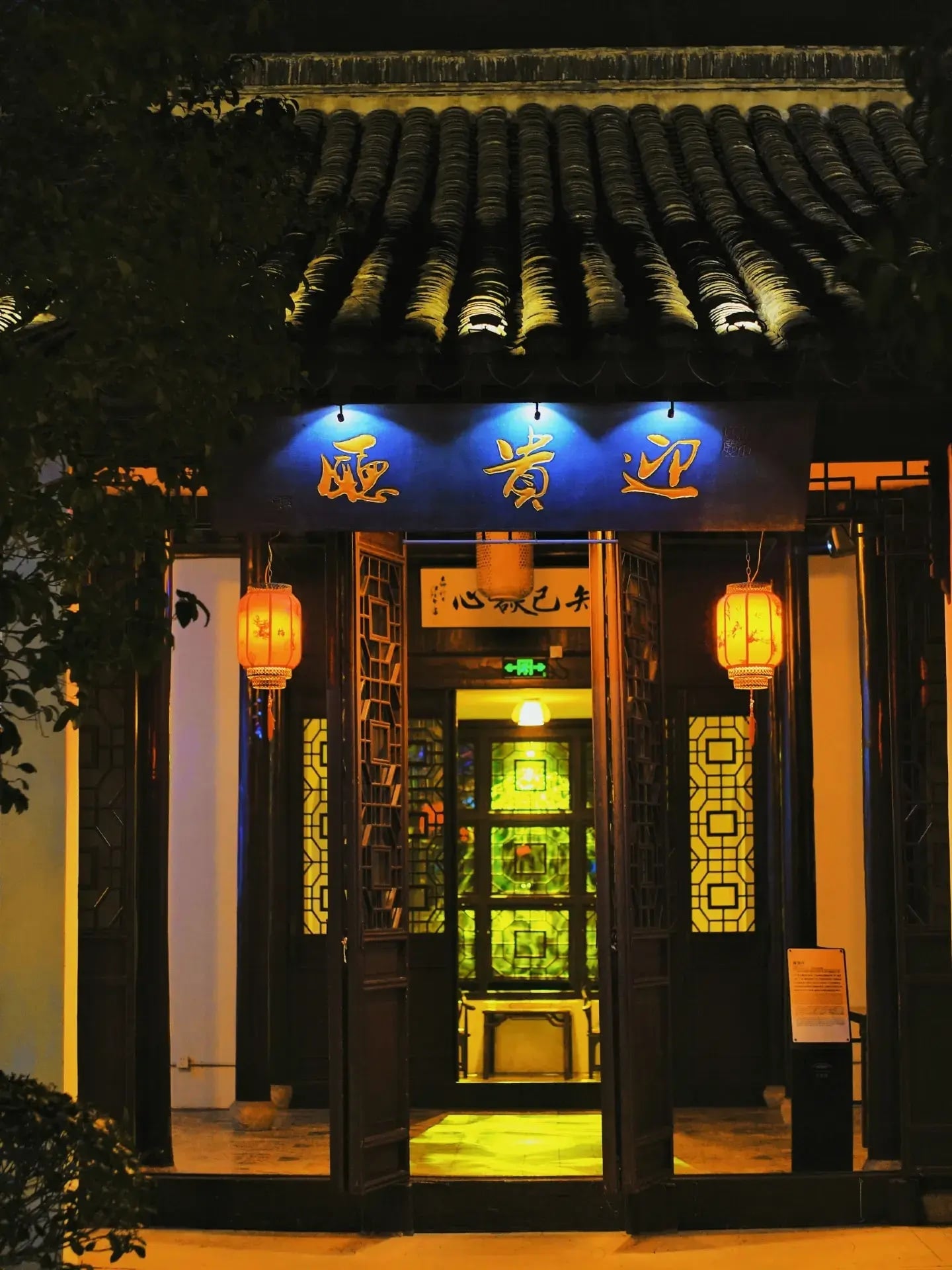
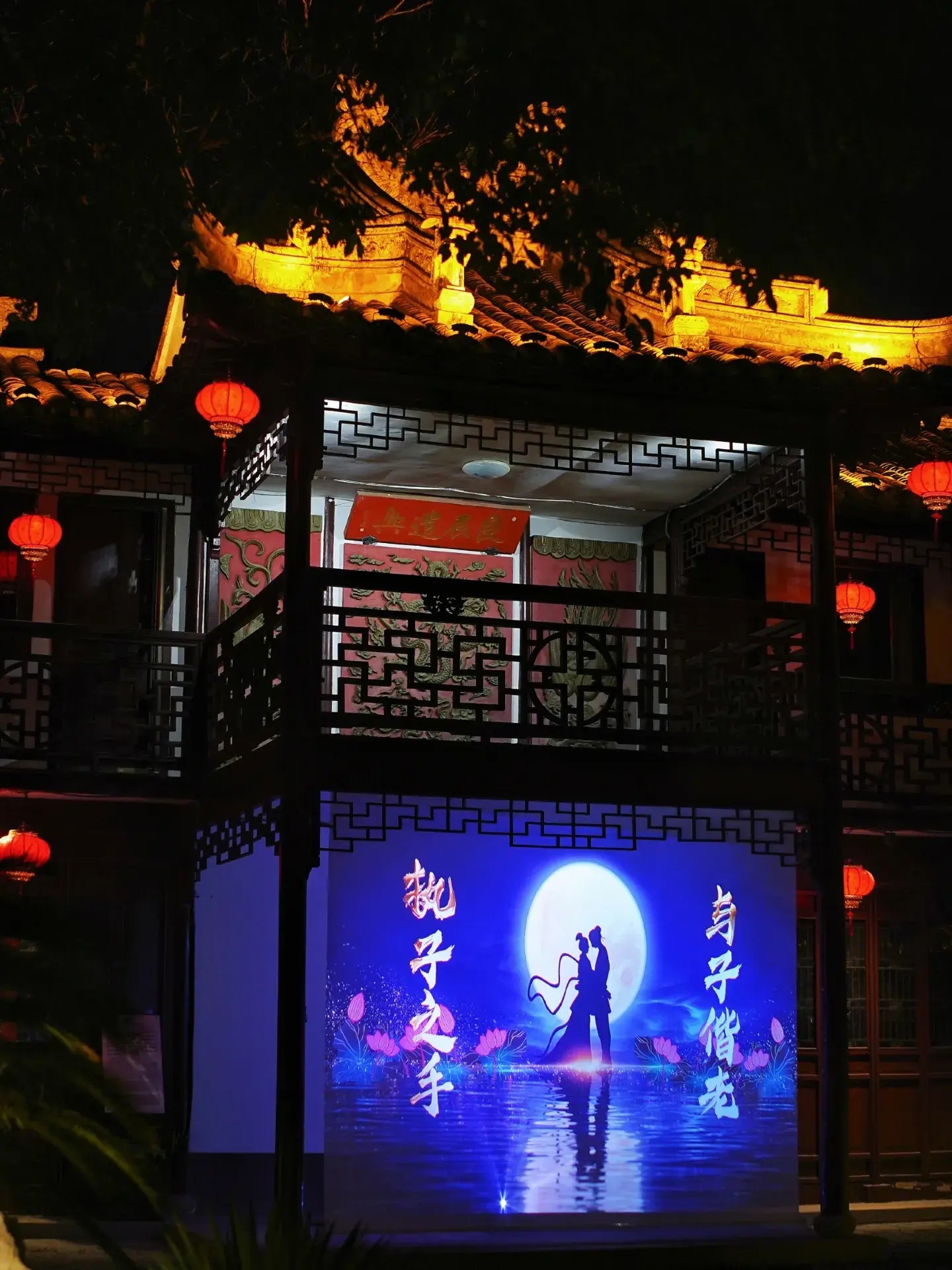
When a programme is available, allow yourself to follow its pace. Watch how light changes a wall or roof, then listen to a musical performance without trying to record the entire visit. A pavilion, a screen and a narrow passage can each become a different setting. Leave performers space and follow the staff’s directions before joining any interaction.
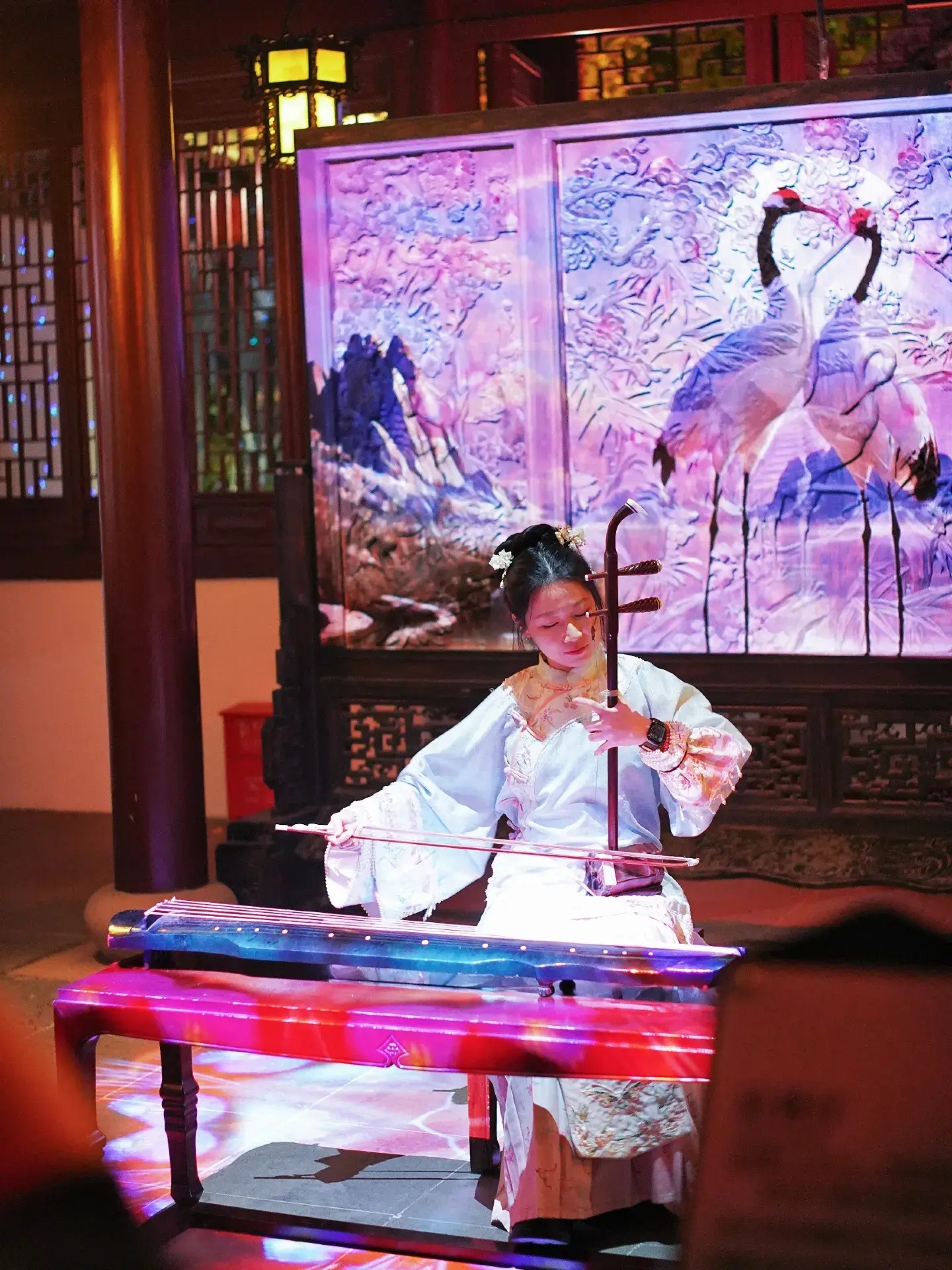
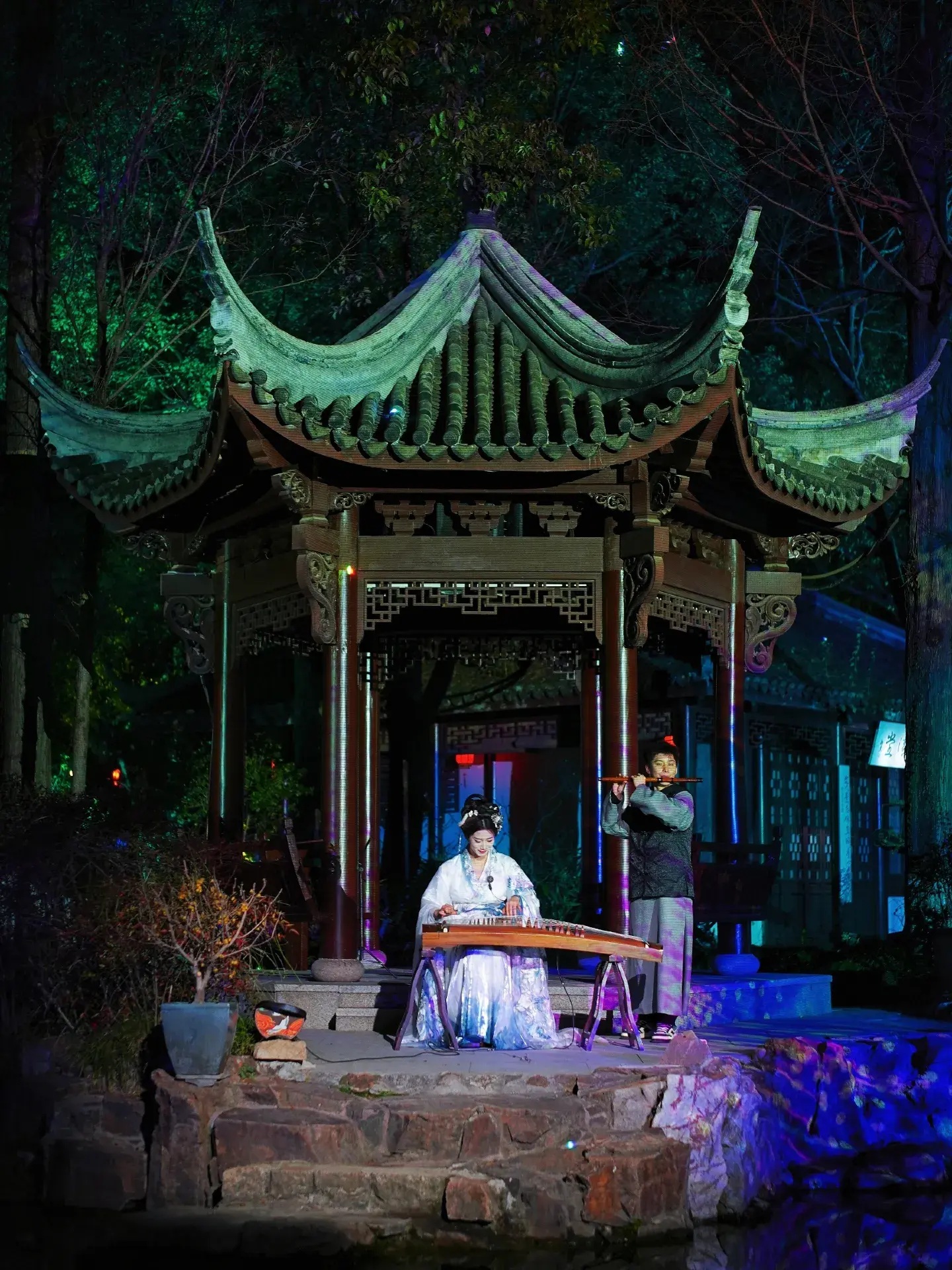
The photographed visit includes a performer on a brightly lit walkway and vivid imagery projected through the garden. Different productions may use different scenes, instruments or characters. Choose a performance for its current description, not because an older photograph promises a particular moment. Check whether any important spoken sections are in Chinese and whether an English explanation is available.
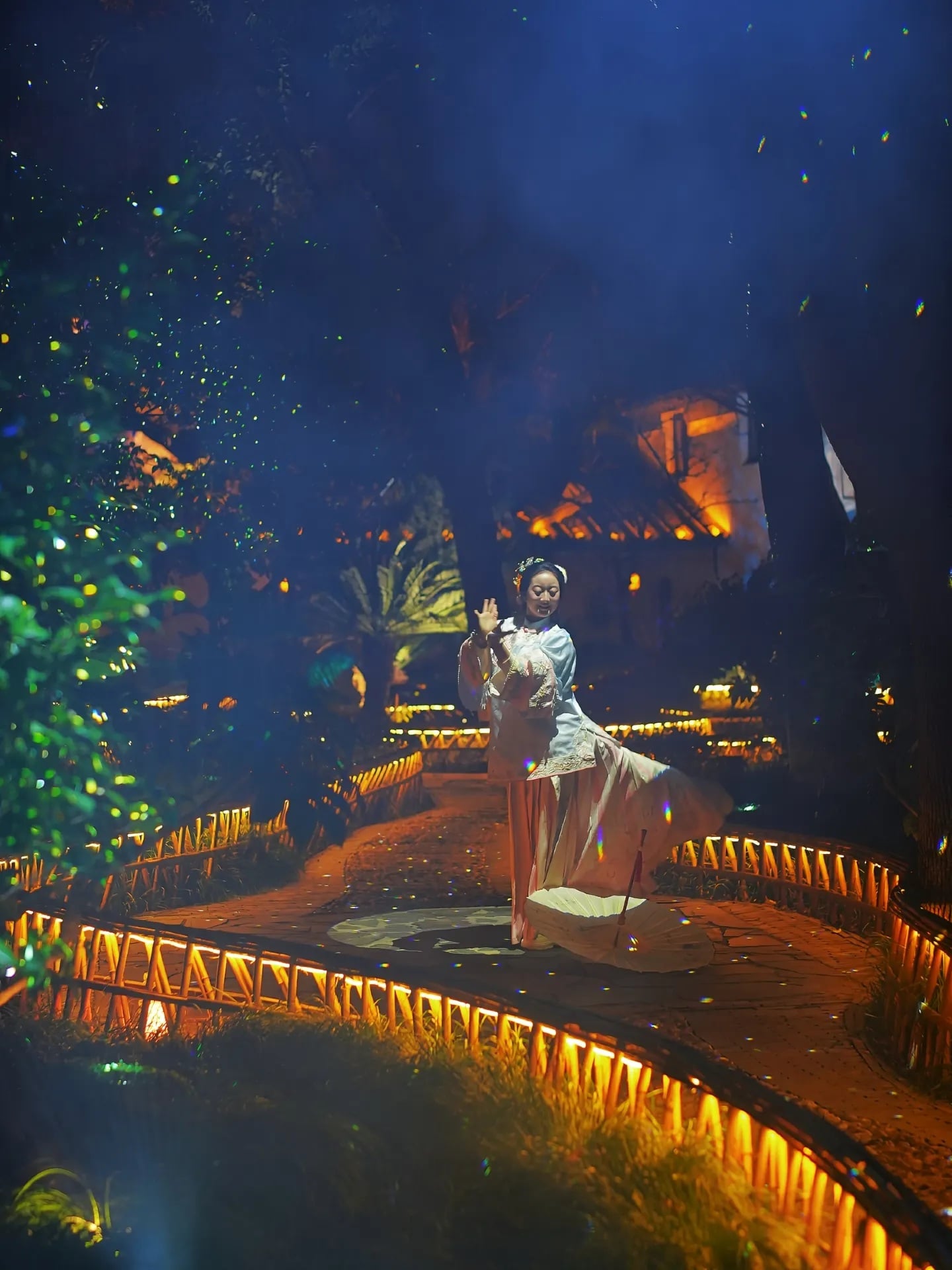
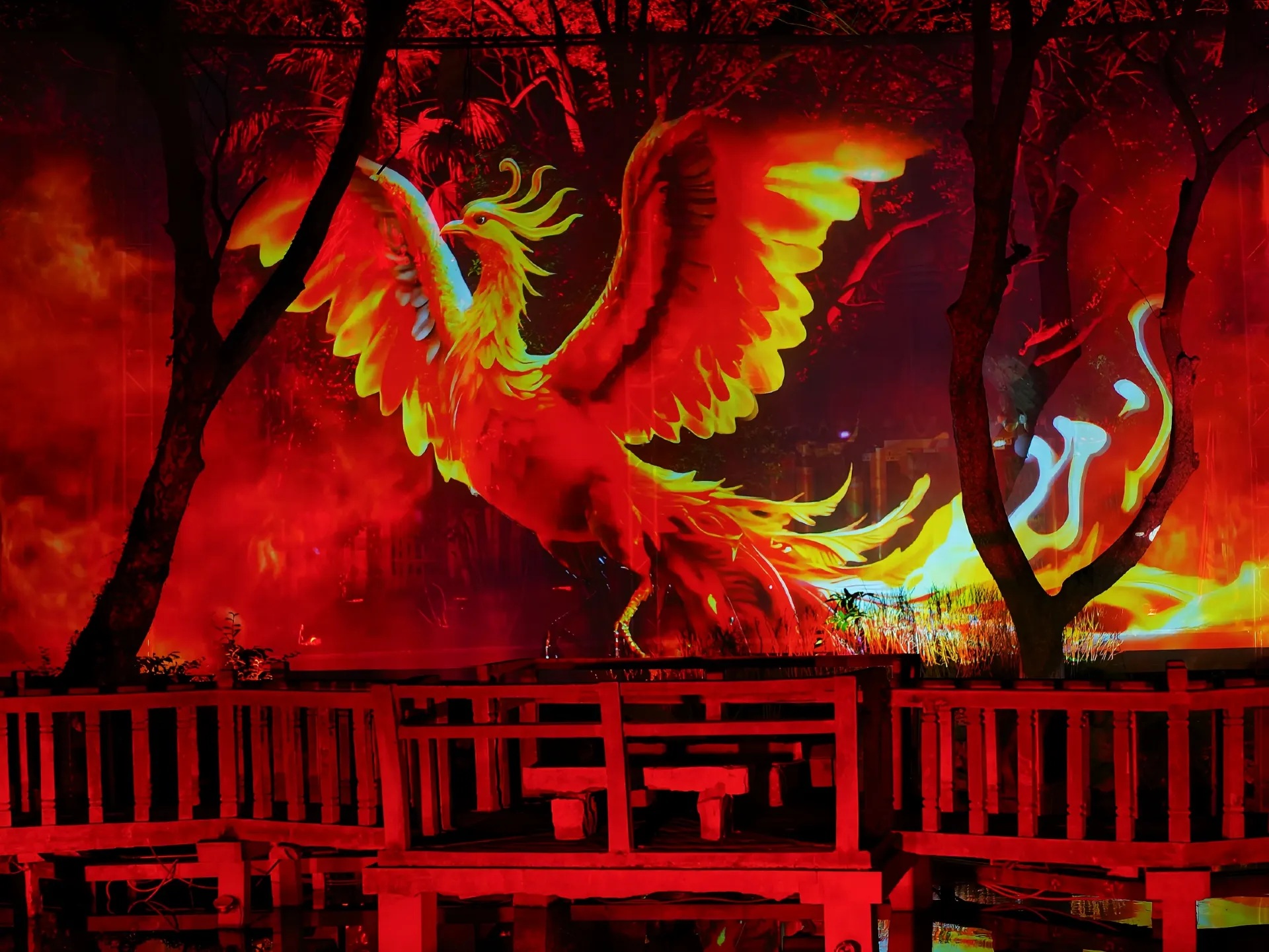
Before booking, confirm the date, admission window, meeting or entrance point and the actual content included. Ask whether the ticket covers a show, a walk-through experience or both, and whether daytime garden admission is separate. The original travel post’s price and suggested 18:00–20:00 visit window describe that visit; they should not be treated as current year-round terms.
Weather, maintenance and seasonal programming can affect operation. If an evening event is the main reason for travelling out from central Shanghai, verify it close to the visit and again before setting off when conditions are uncertain. Keep the afternoon plan enjoyable in its own right, so a changed programme does not leave the whole day dependent on one booking.
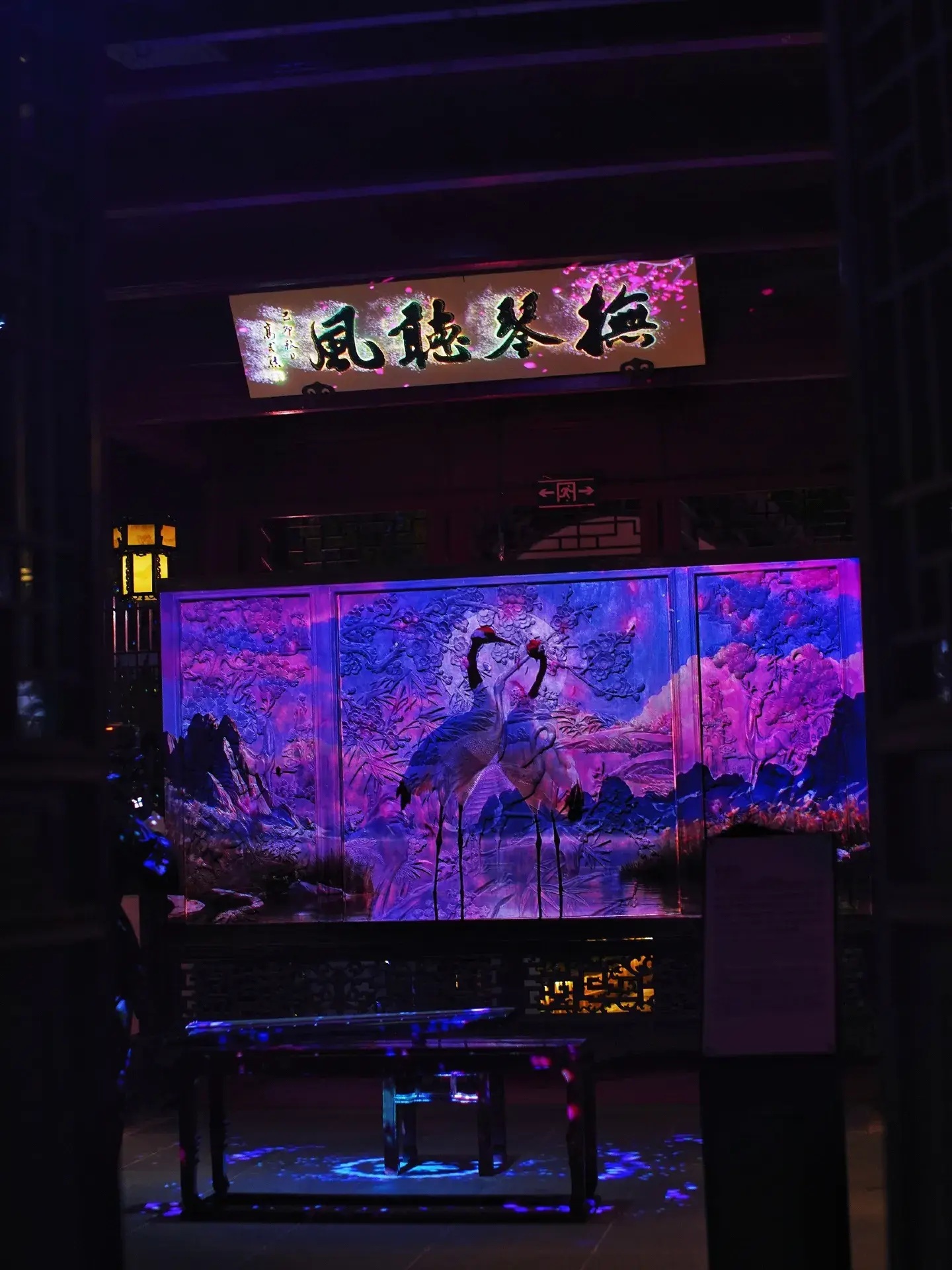
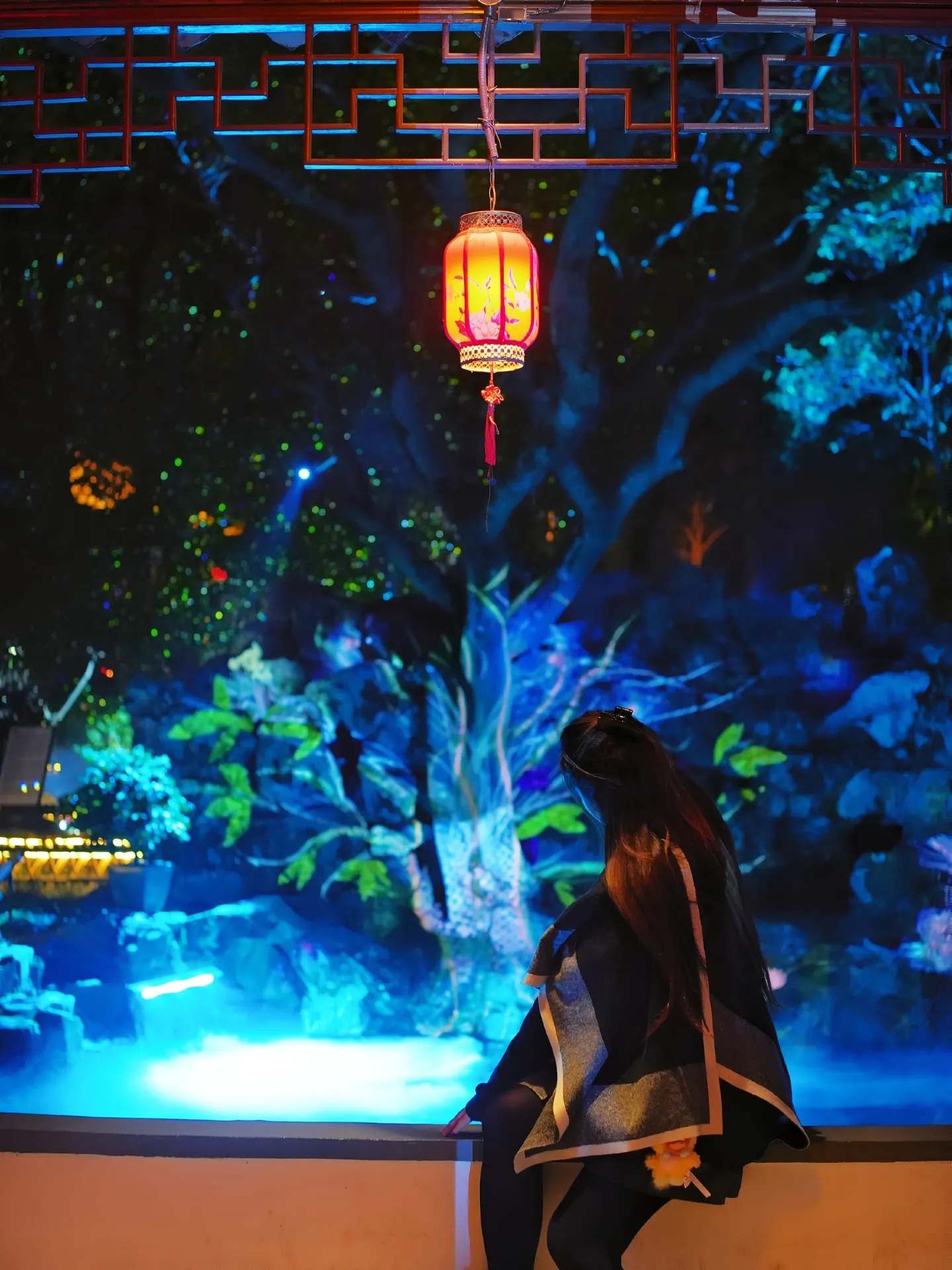
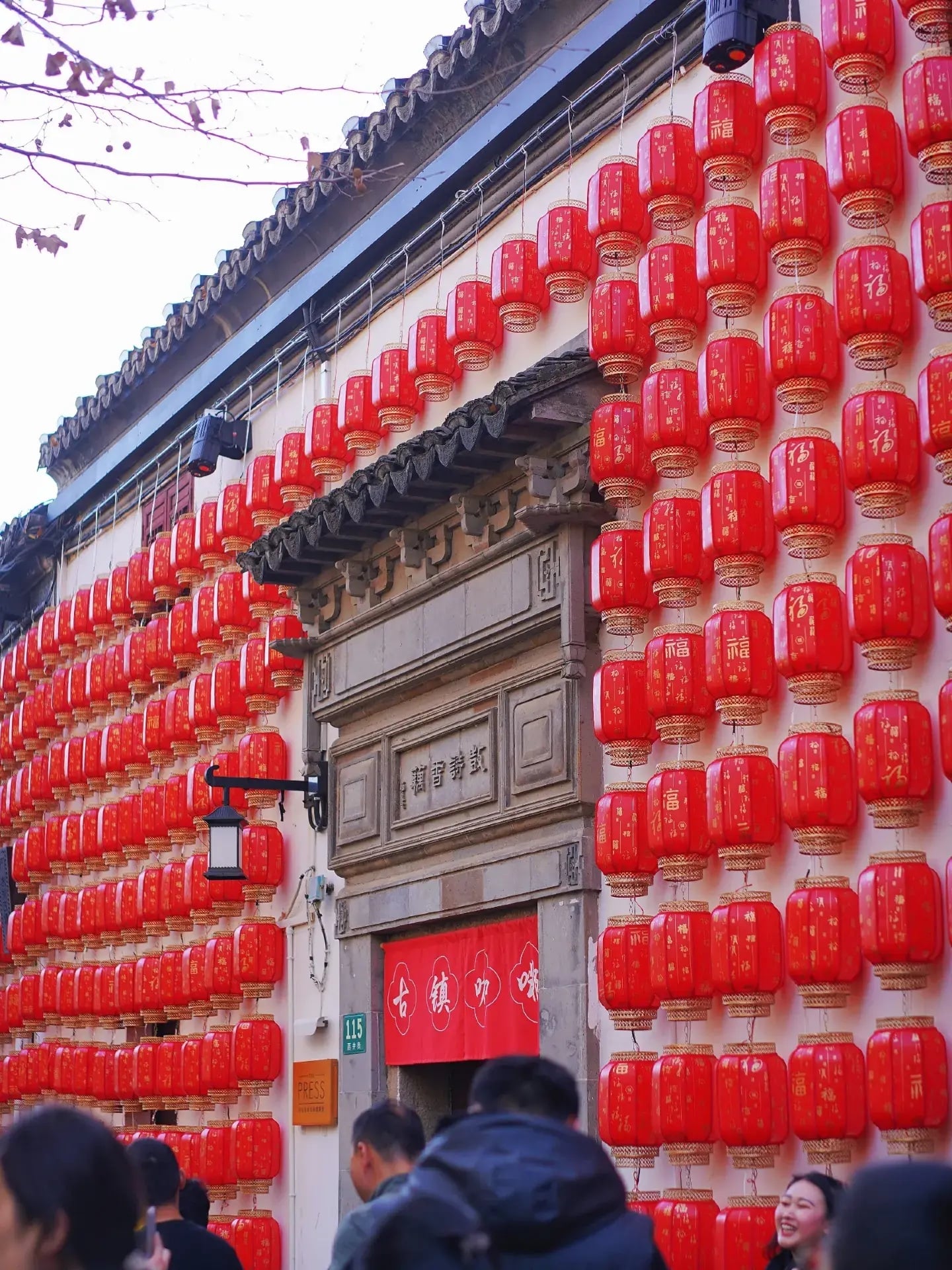
After a garden visit, an open public lane can provide a gentle finish. Rows of red lanterns, warm light against white walls and changing reflections give the town a different texture after daylight. Return to a familiar section rather than trying to reach every street. A table by the water is an option when the business is open and the seating suits your plans.
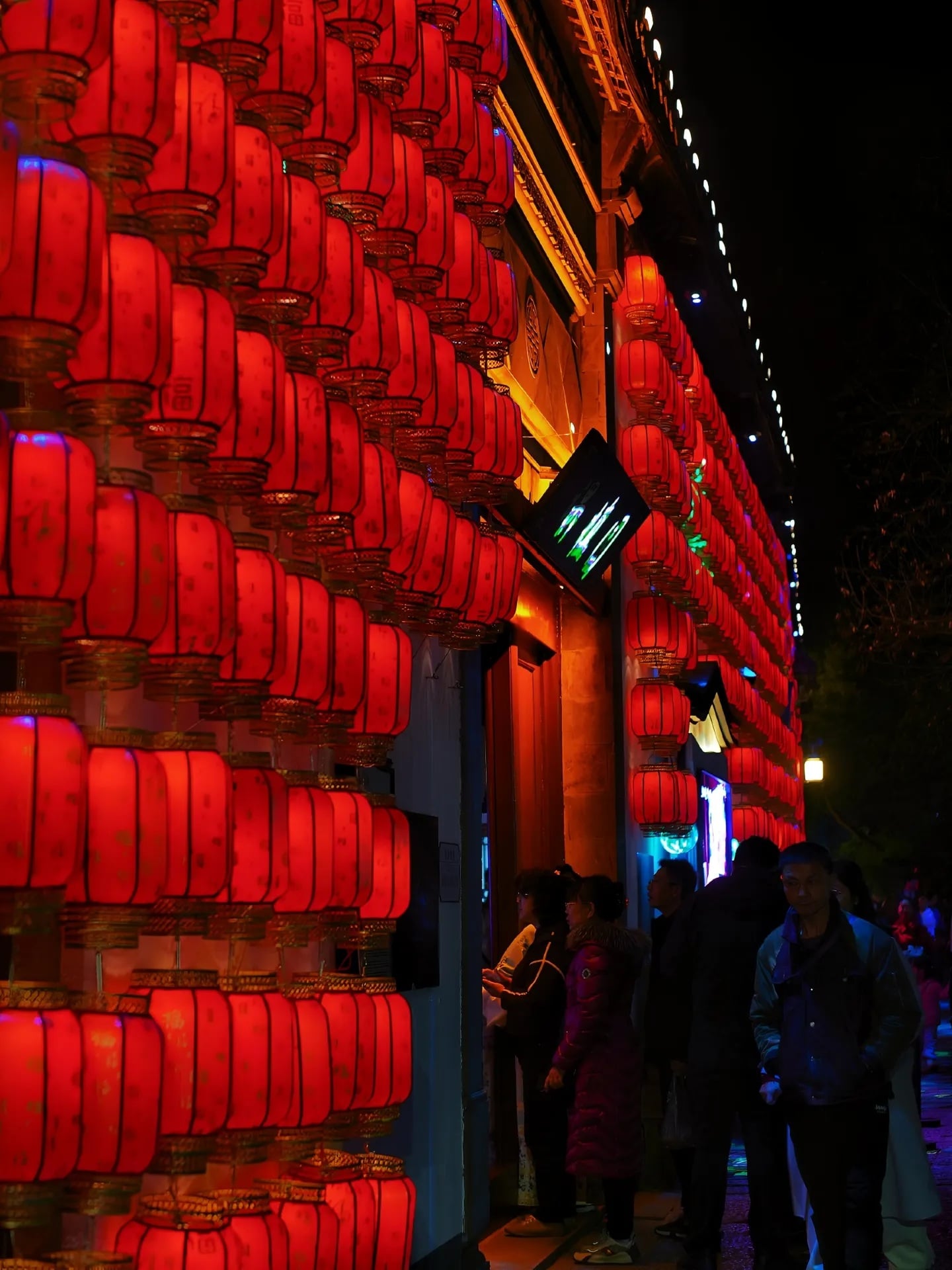
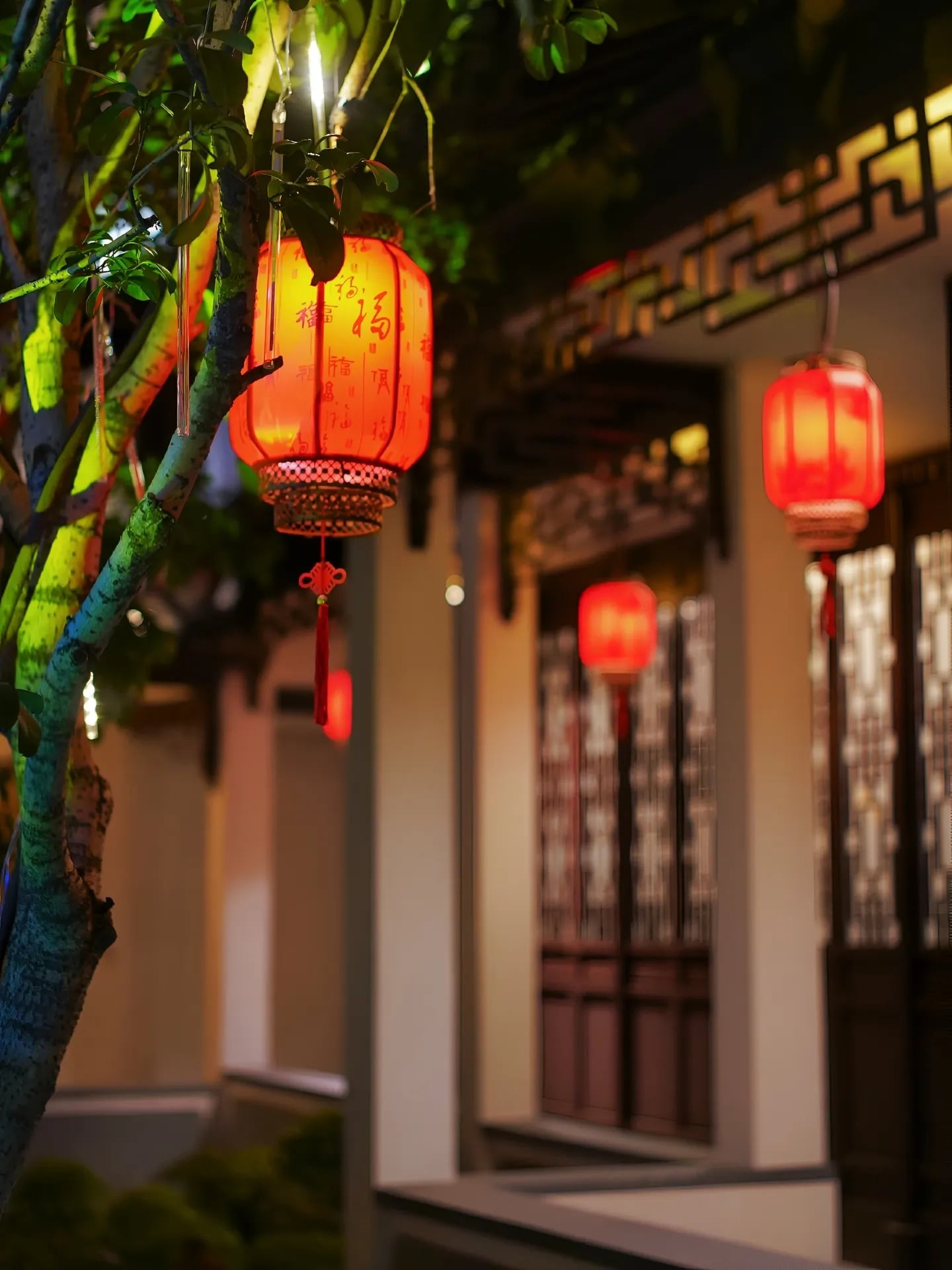
Keep your camera ready, but give yourself time to look without it. Painted lanterns and pools of projected colour reward a slower pace. Photograph people considerately and avoid blocking a doorway or a narrow passage. In dim areas, watch for uneven paving, bridge steps and waterside edges.
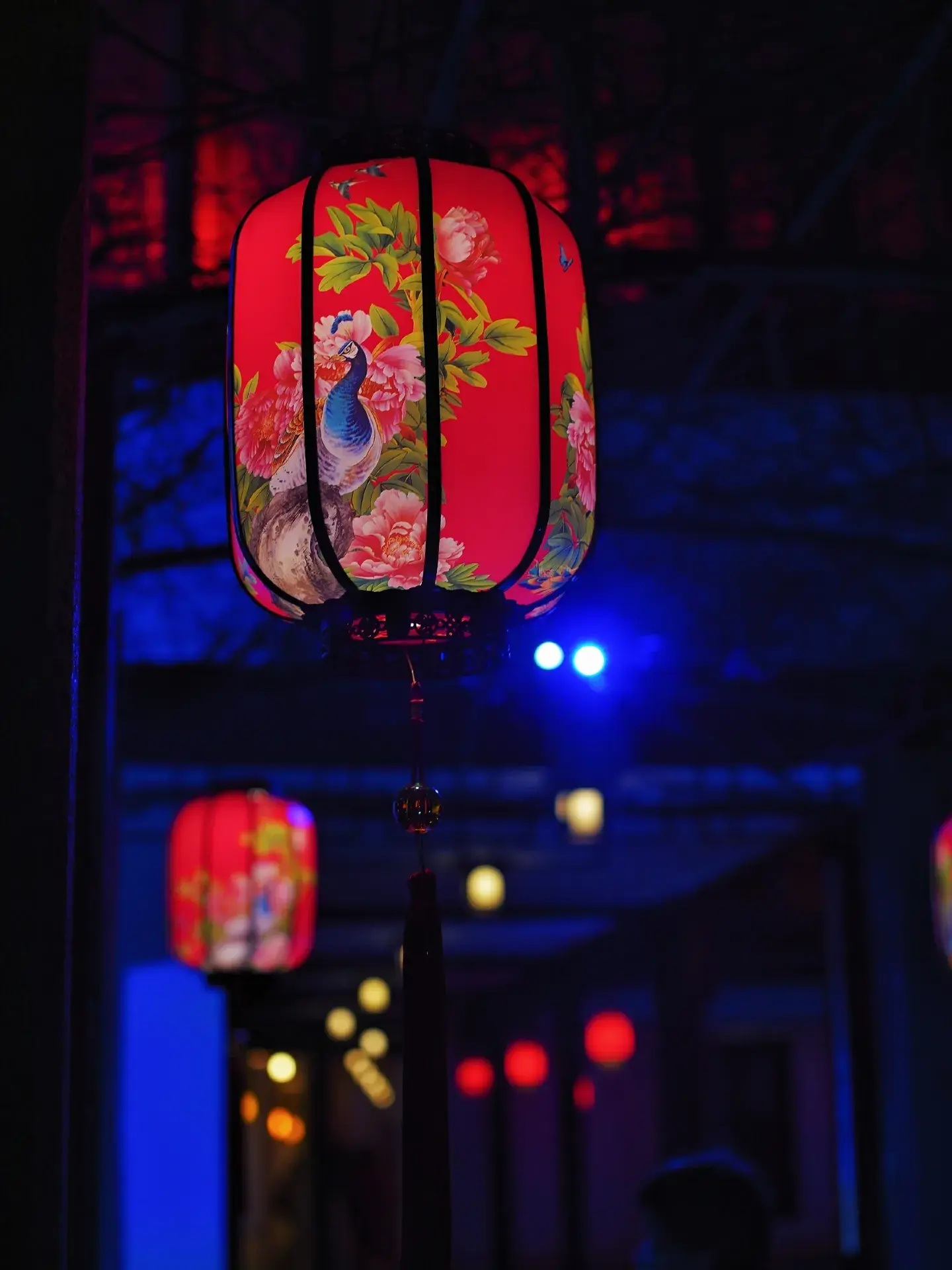
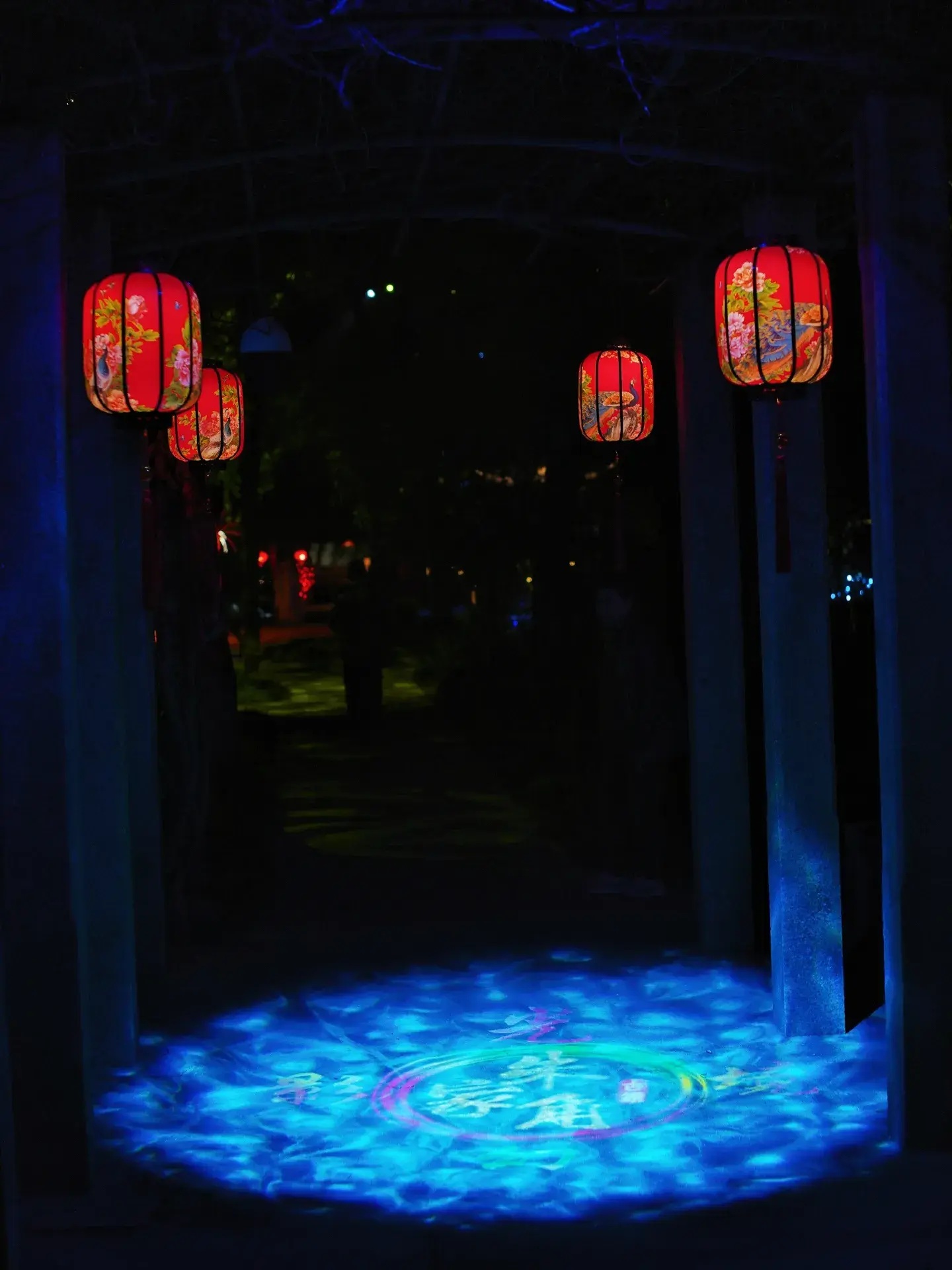
The public old-town streets are free to explore; gardens, exhibitions, boats and special events have their own arrangements. Check the current inclusions before choosing a combined ticket. Comfortable shoes, a layer for the evening and a charged phone make a long day easier. Carry what you need for the return journey rather than depending on every shop staying open.
The route works best as a framework: heritage and the canal before lunch, one or two garden visits in the afternoon, then an optional evening programme. Allow the final connection back to Shanghai to decide the finishing time. With a little flexibility, Zhujiajiao can offer both the everyday pleasures of a water town and the more theatrical colour of a night visit.