24Oct
+8619705475100
[email protected]

Yanguan offers more than a picturesque water-town walk. On the northern bank of the Qiantang River, this historic town in Haining brings together tidal culture, canal-side streets and a growing programme of music. Staying overnight gives these different sides room to unfold: courtyards in daylight, reflections after dusk and an indoor museum visit before the journey home.
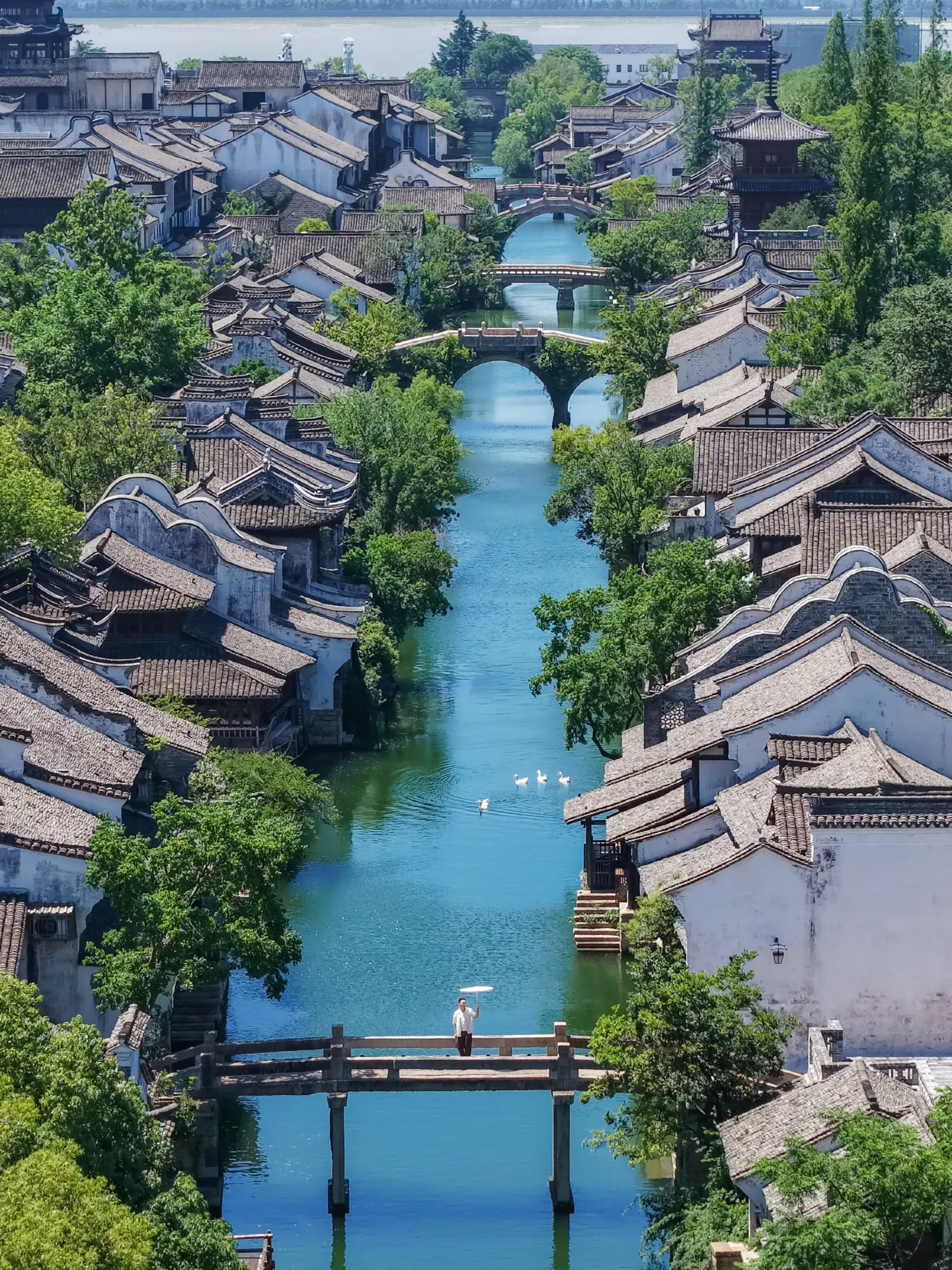
Plan two days around a few priorities rather than a fixed sequence of every attraction. If seeing the natural tidal bore matters most, start with the forecast for your date and the official viewing arrangements. Let that appointment shape the rest of the visit; the river does not follow a convenient sightseeing timetable.
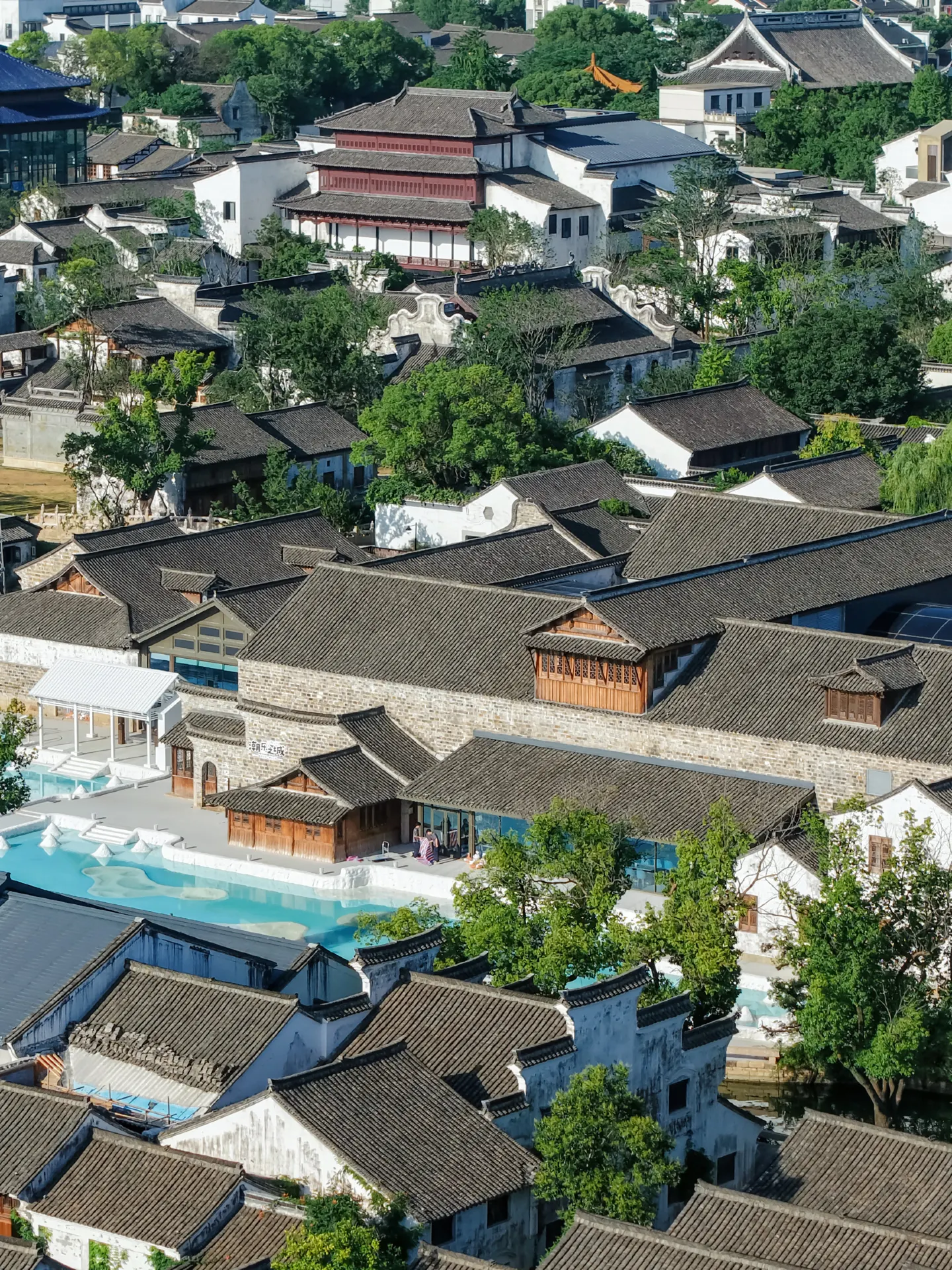
For a rail-based visit, Haining West can be considered as an arrival station, followed by onward transport to Yanguan. Compare the complete journey from your starting point before booking. A station in Haining is not necessarily within walking distance of the old town, and road conditions can change during busy tidal-viewing periods.
Head to the visitor centre or your accommodation to confirm entry arrangements, the current town map and that day’s events. If staying at Yanguan Music Lead Vocal Resort Hotel, check the exact room or package conditions: admission, museum access and transport benefits should be confirmed individually rather than assumed from the hotel name.
The Qiantang River gives Yanguan much of its identity. The broad riverfront feels very different from the canal lanes, and the tidal bore is a natural event rather than a daily performance with a fixed start time. Check the current forecast and instructions for the designated viewing area, allowing enough time to arrive without rushing.
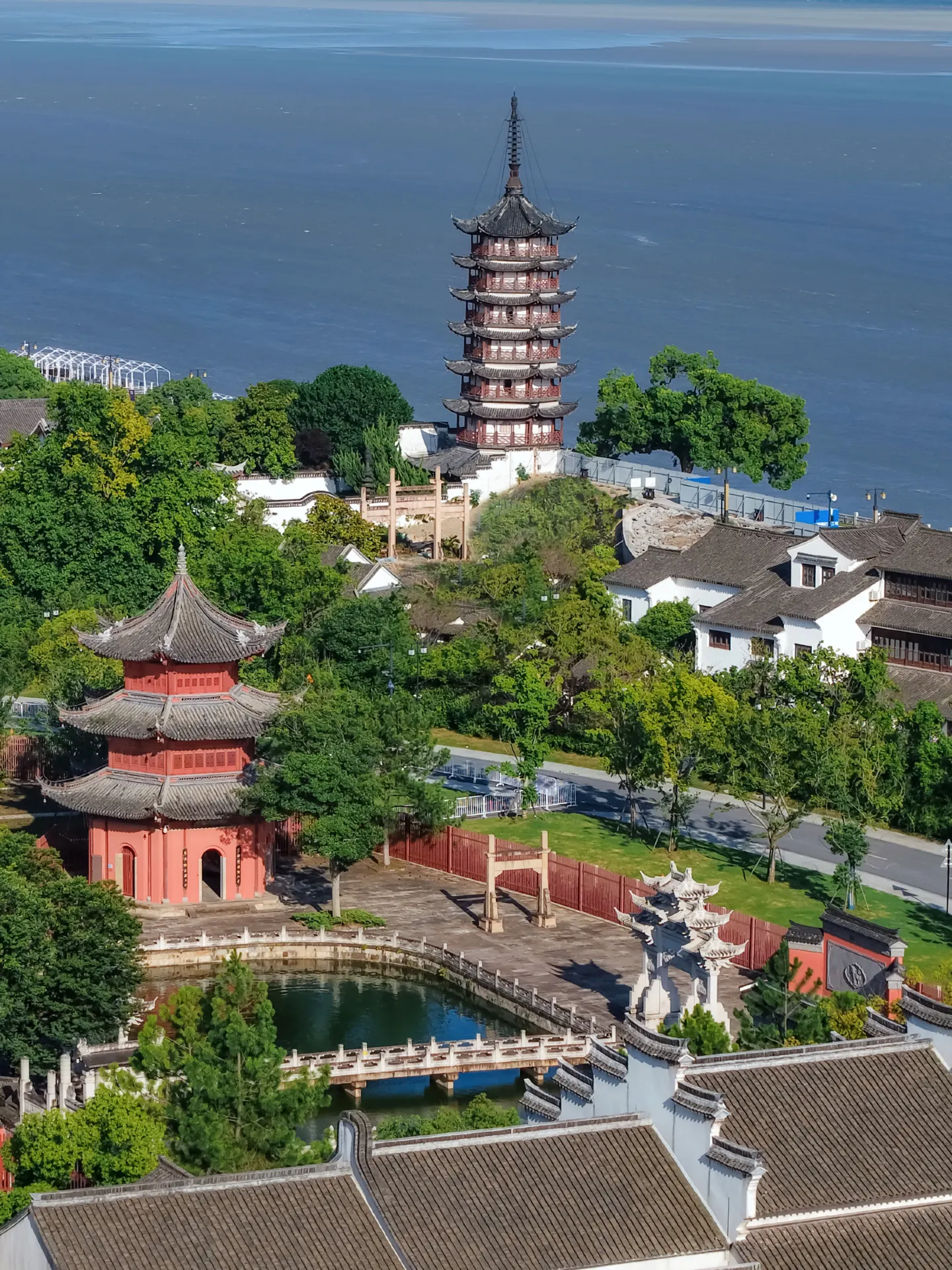
Stay behind barriers and follow staff directions. Do not descend onto river beaches, lower embankments or closed areas, even when the water looks calm. Keep children close and make the return route clear before settling into a viewing position. Conditions, visibility and access can change, so keep a town walk as an alternative if the visit cannot go ahead as planned.
Back in town, give the architecture a generous share of the afternoon. The Confucian temple, Haishen Temple and the City God Temple offer different points of interest, while the streets between them provide smaller details: carved beams, tiled eaves, entrance stones and the shade of mature trees.
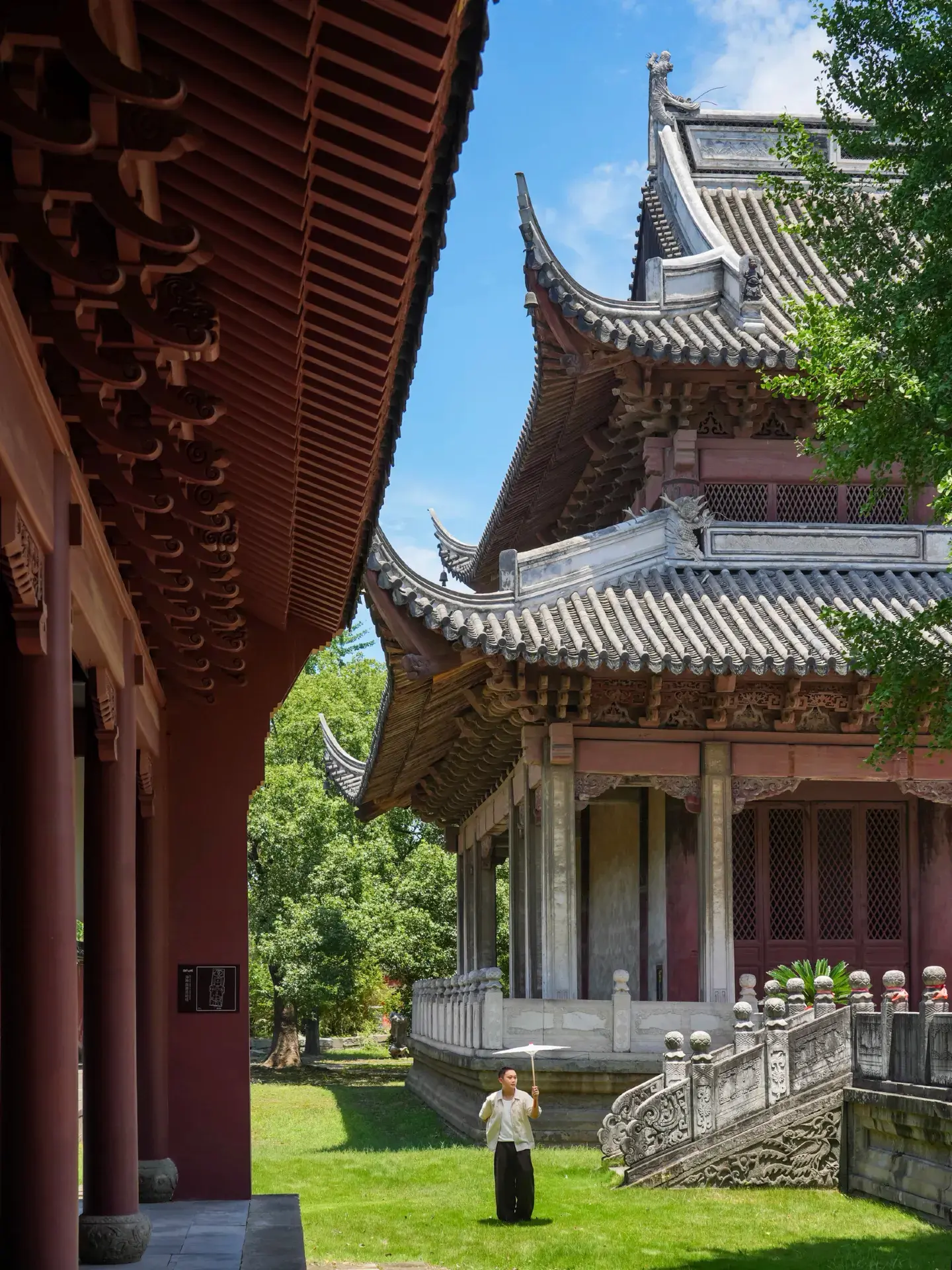
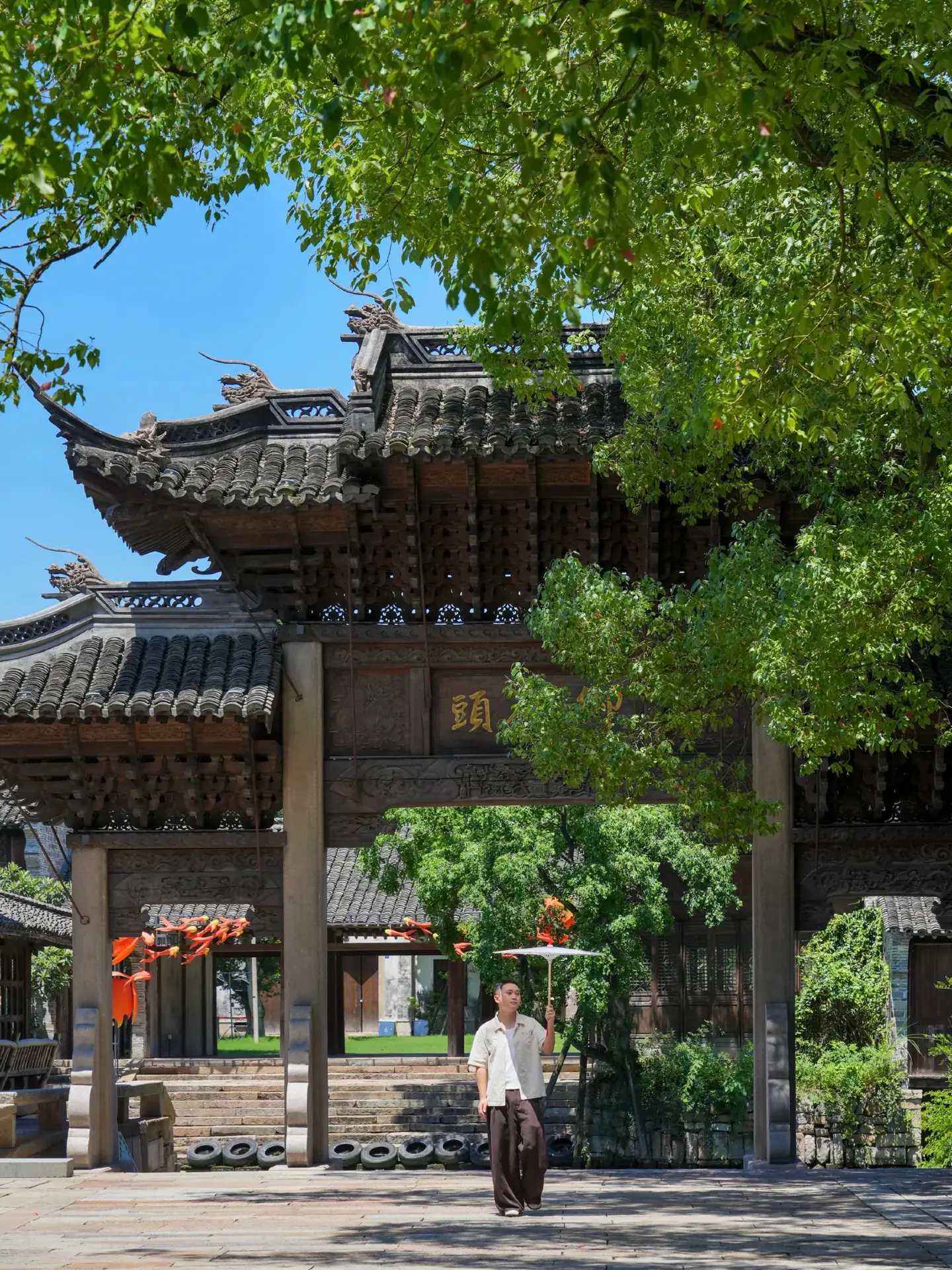
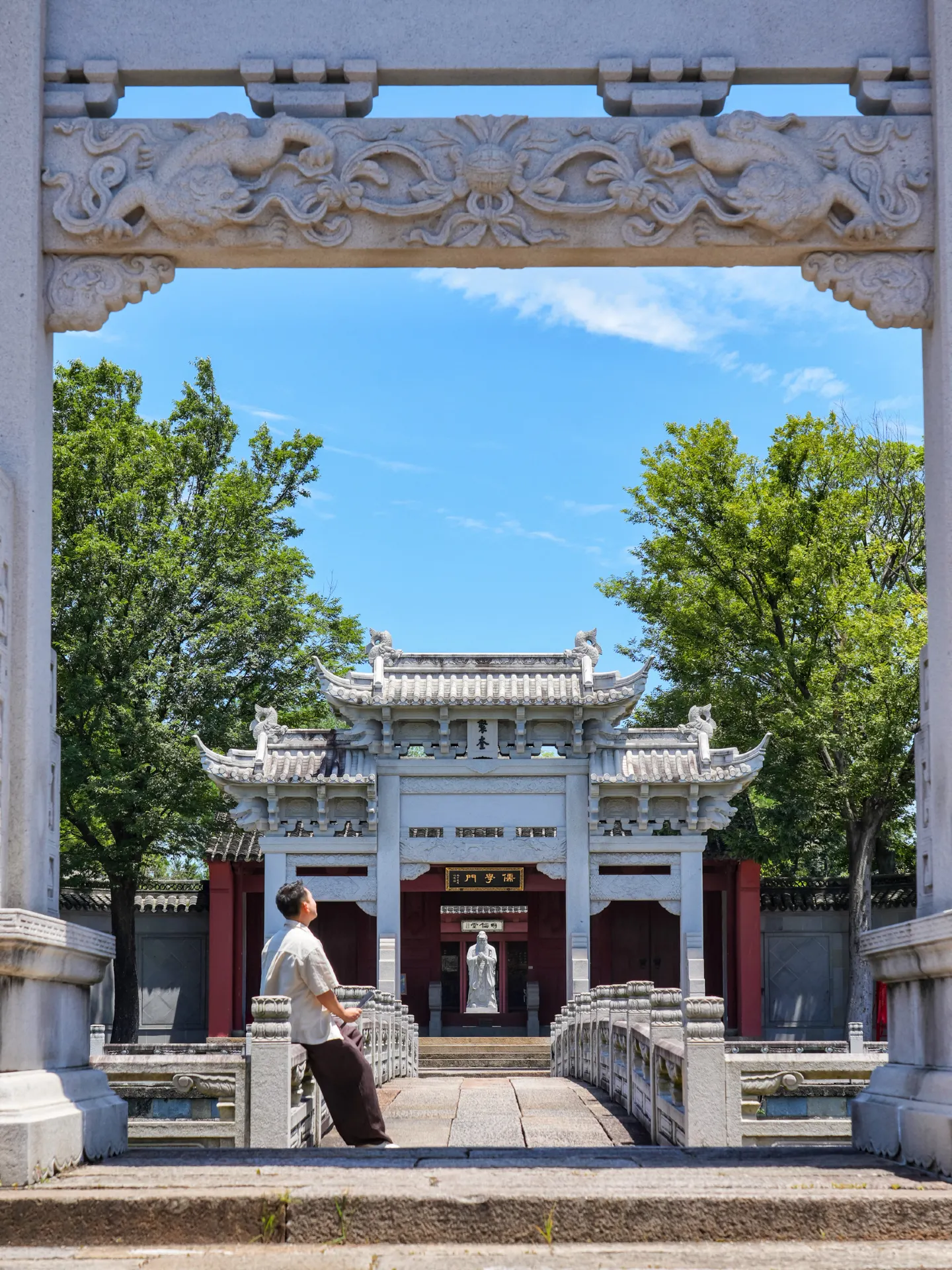
Haishen Temple and the historic seawall help explain the town’s relationship with the river. The former residence of Wang Guowei provides another cultural thread. For a wider heritage visit, consider Chen Gelao’s Residence and the surviving scripture pillars associated with Anguo Temple, checking their locations and current access before adding them to the day.
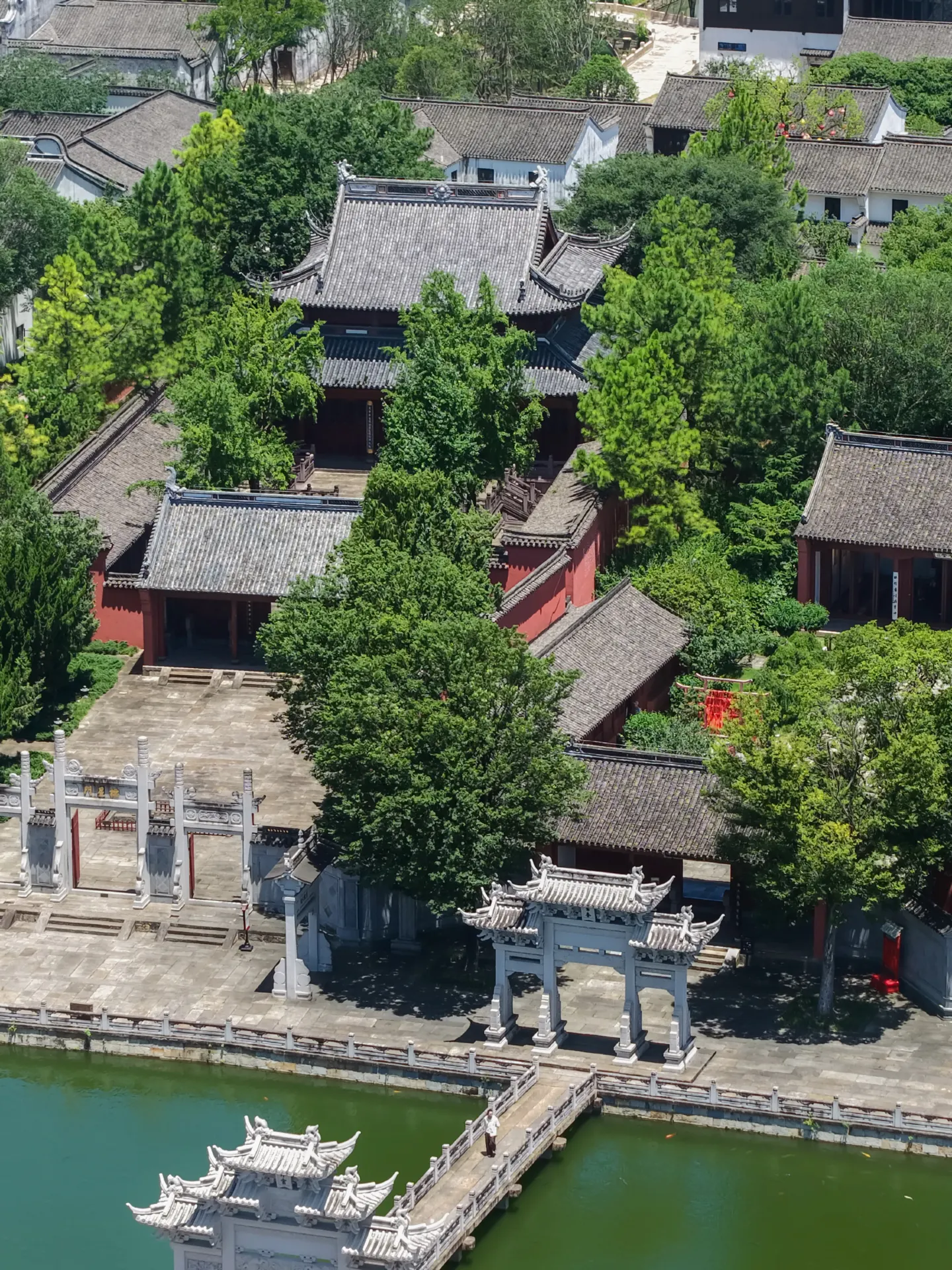
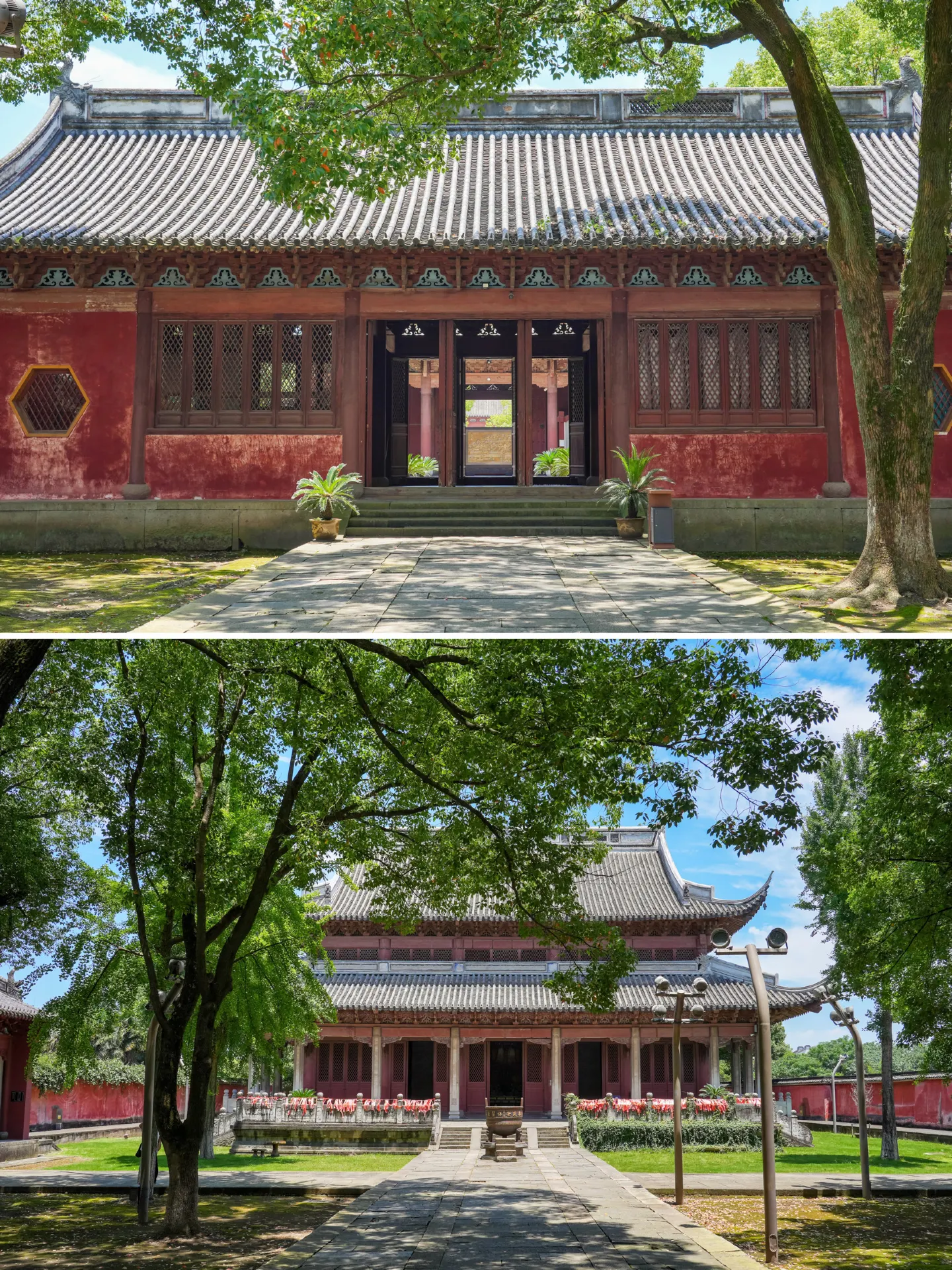
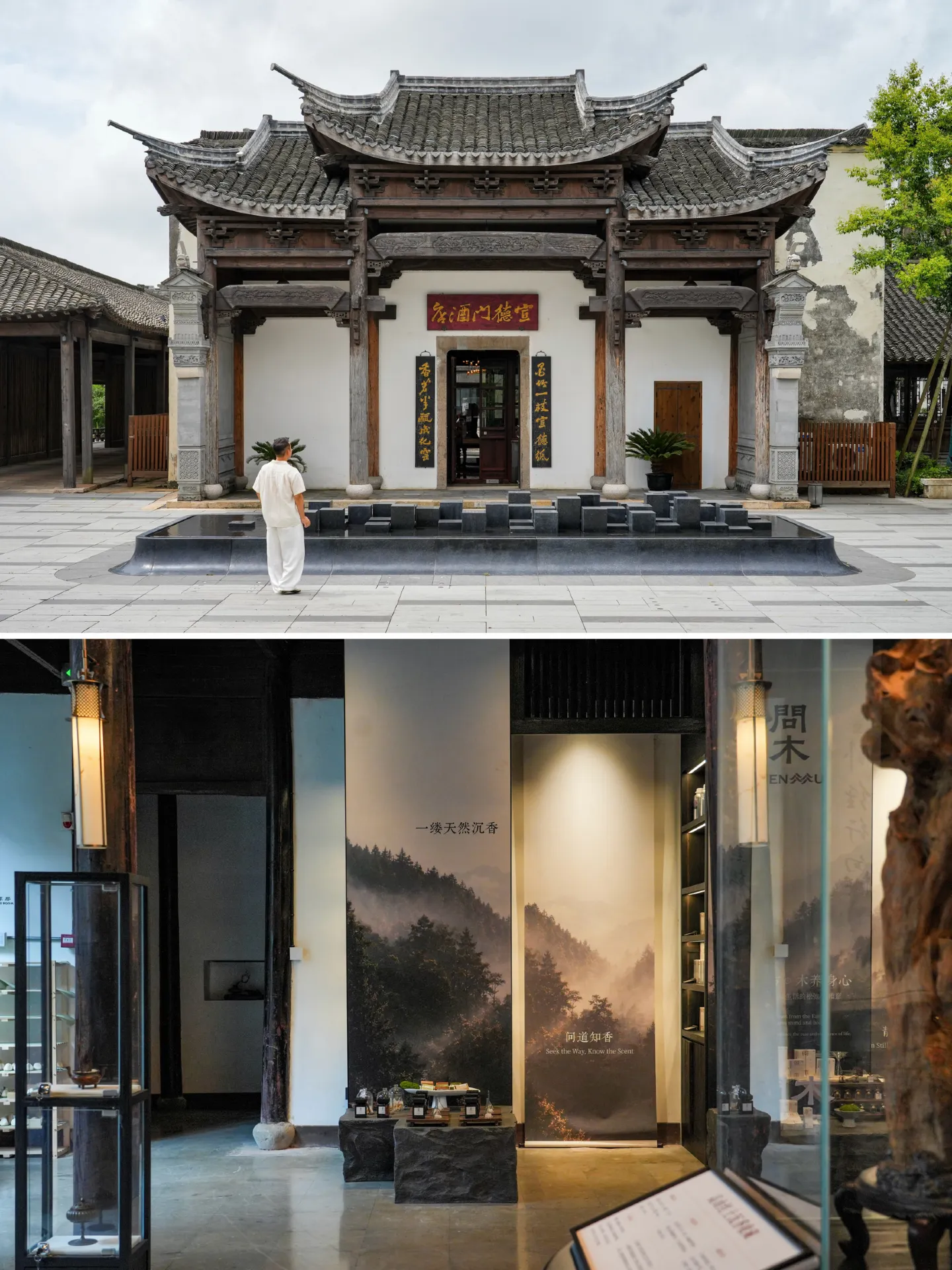
Do not assume that every traditional-looking building is an untouched survivor from the same period. Historic sites sit within a town that has also undergone restoration and tourism development. Read the interpretation at each stop and let the details distinguish one place from another.
A boat ride provides a different perspective on the town’s waterways. Where the current programme includes music along the canal, the experience can combine views of the banks with performances. Confirm the operating times, boarding point, duration and any separate charge before joining; boat services and music arrangements may vary.
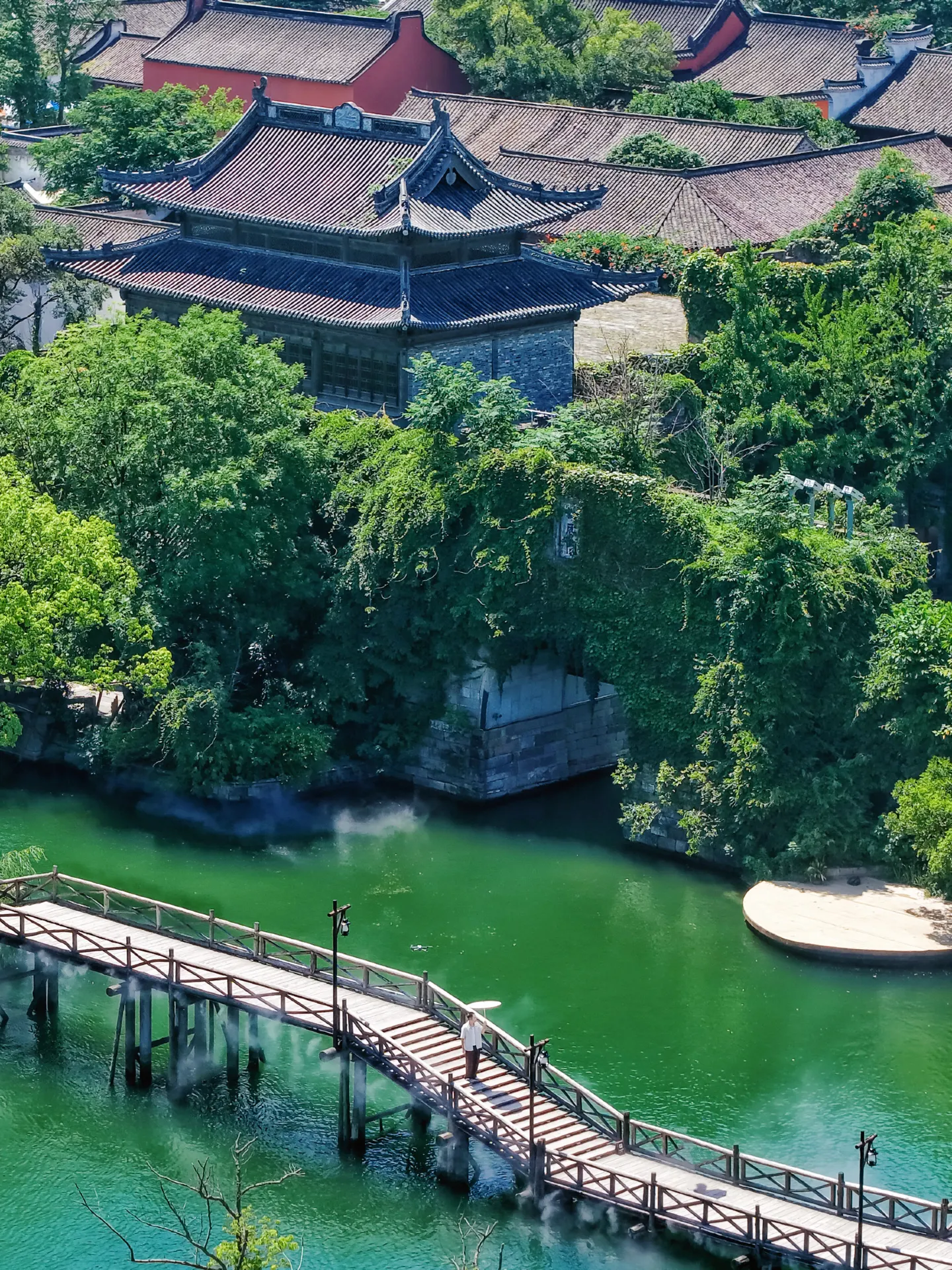
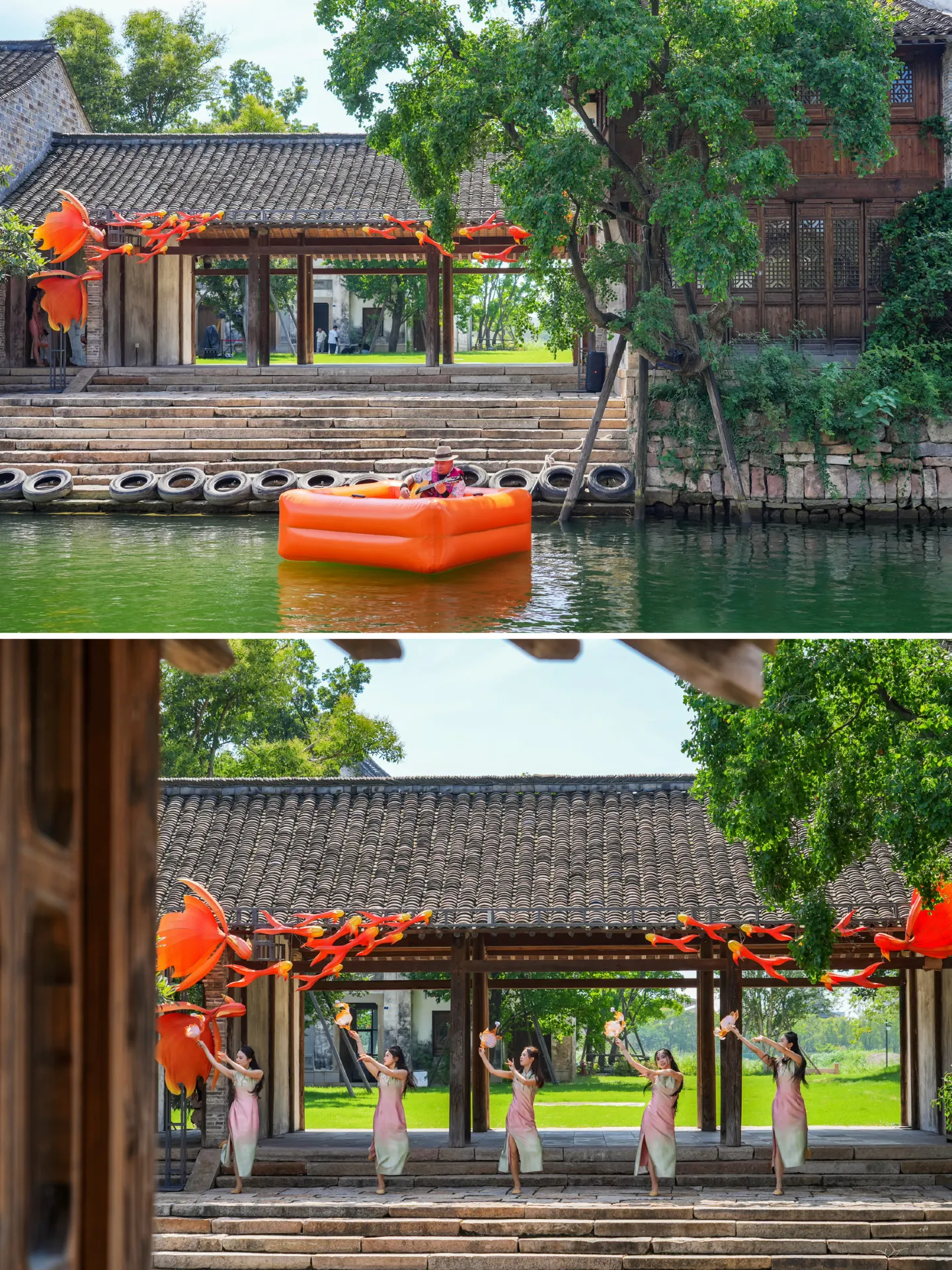
Afterwards, walk a little of the same area. A bridge gives a longer view along the canal, while a narrow lane brings the buildings closer. There is no need to turn every corner into a photograph. Leave room to stop in the shade, have a drink or simply watch the boats pass.
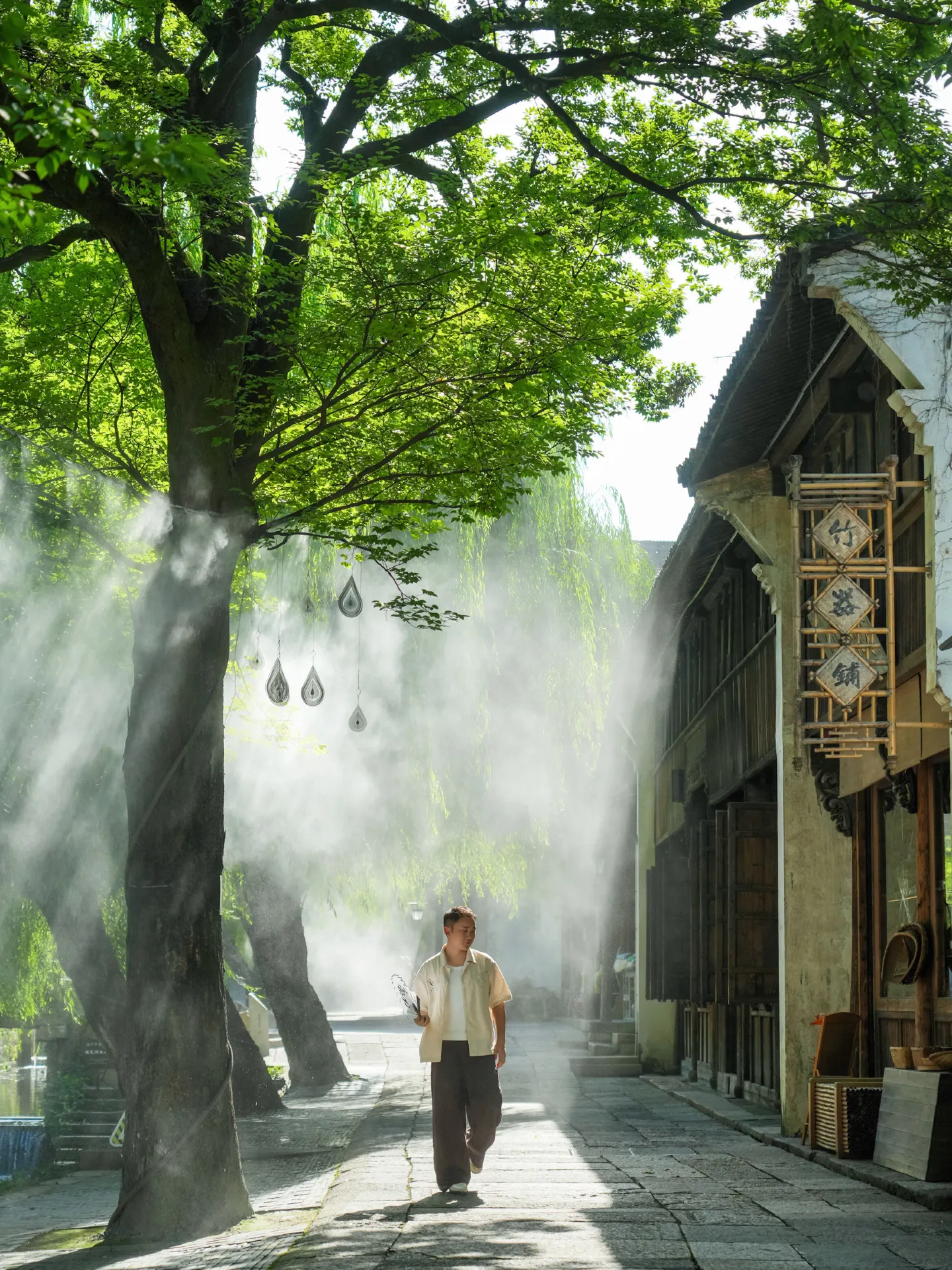
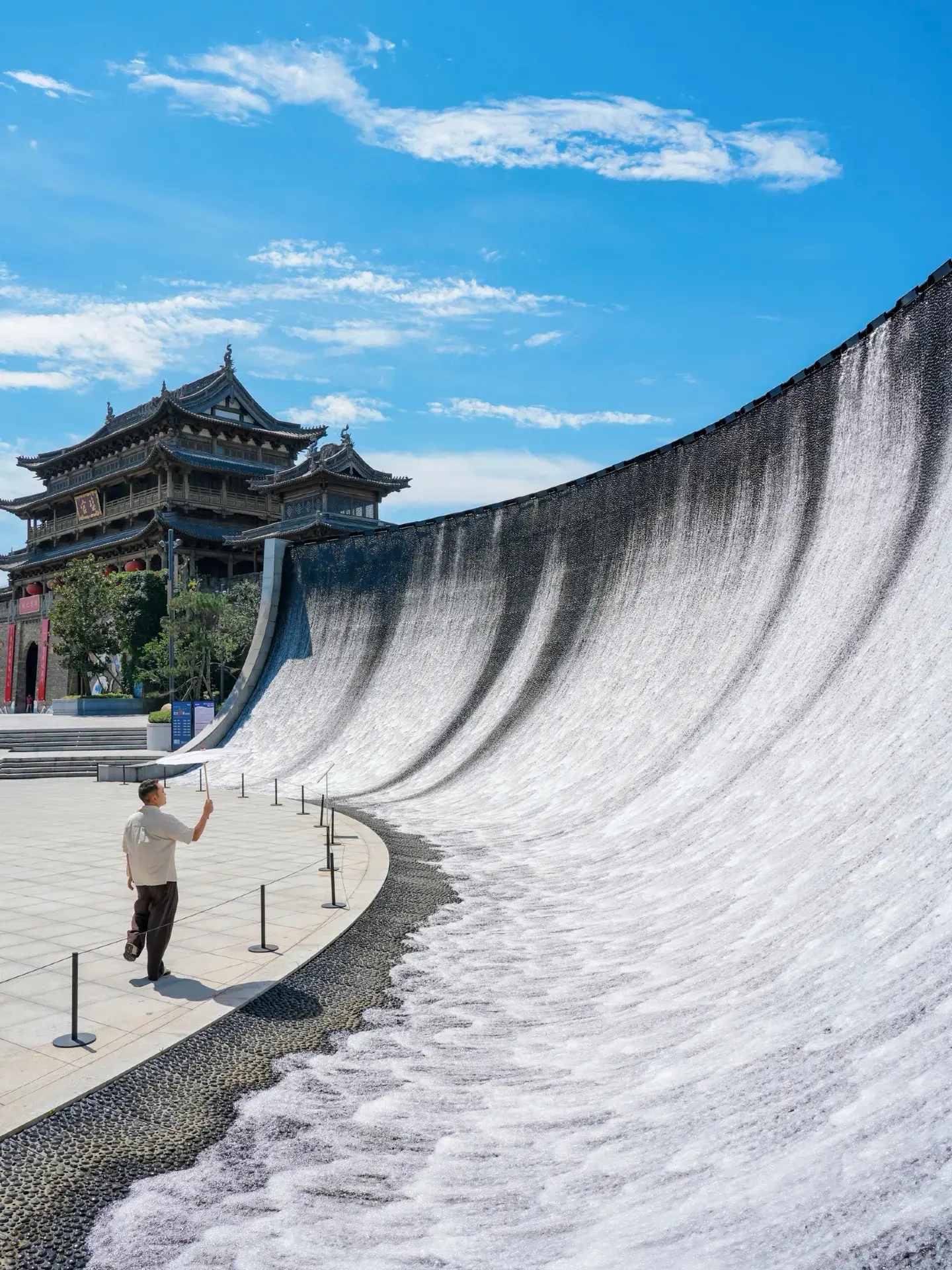
The curved Tide Wall installation is a designed water feature within the visitor experience. It can be an interesting contrast to the town’s courtyards, but it is separate from the natural tidal bore on the Qiantang River. Check its operating programme and stand where staff and signs permit.
If travelling with children, the resort’s indoor water attraction may be another optional stop. Confirm current opening, age and height requirements, supervision rules and the ticket or hotel-package coverage before building the visit around it. A seasonal performance or activity mentioned in a summer trip report may not be available on another date.
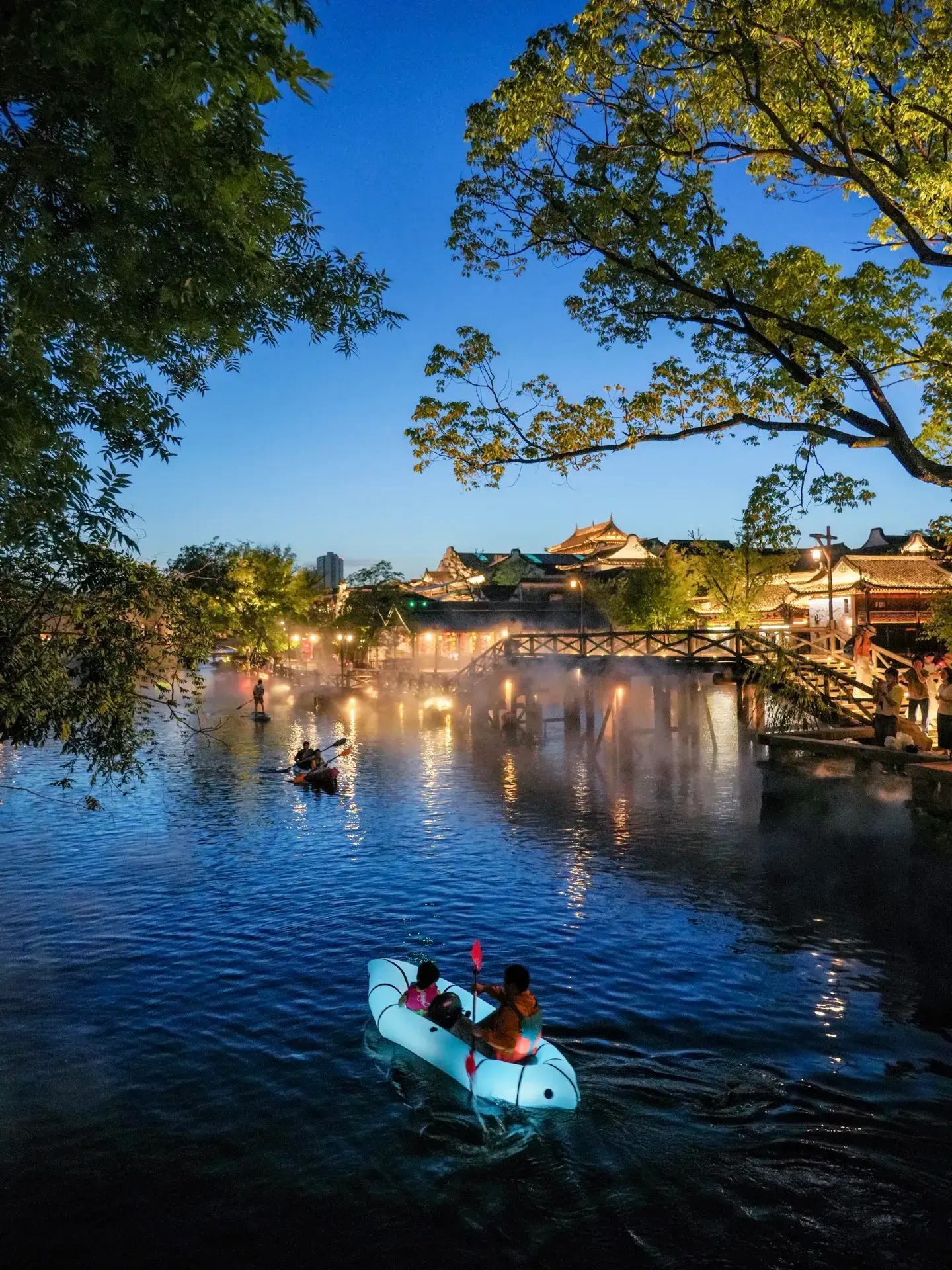
Stay long enough for the canal reflections to change after dusk. The area around Changmu Bridge is one place to consider for an evening walk, followed by dinner and whatever music is scheduled that night. Choose the restaurant and timing around your group rather than relying on a particular set meal or performance from an earlier itinerary.

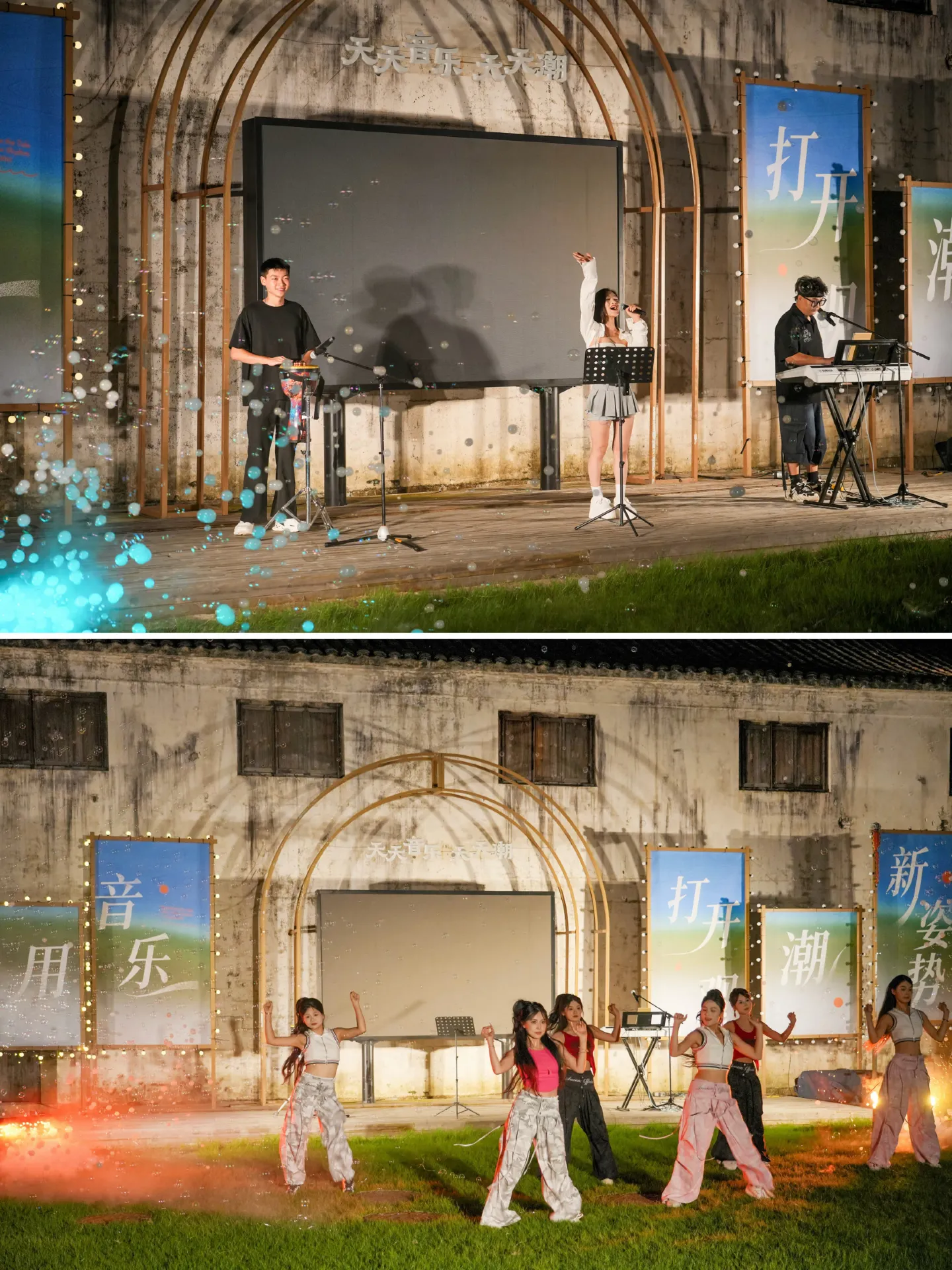
A lawn concert, a small stage performance or music beside the water can change the feel of the evening. Check the programme on arrival, including the venue and whether a separate ticket is needed. Allow a little space between dinner and a performance so that the evening remains enjoyable if one part runs later than expected.
The House of Music, also known as Haus der Musik, gives the second morning a different focus. Developed in cooperation with Vienna’s House of Music, the Yanguan museum combines musical history with interactive experiences. It suits a visit in which listening and trying an exhibit matter as much as reading labels.
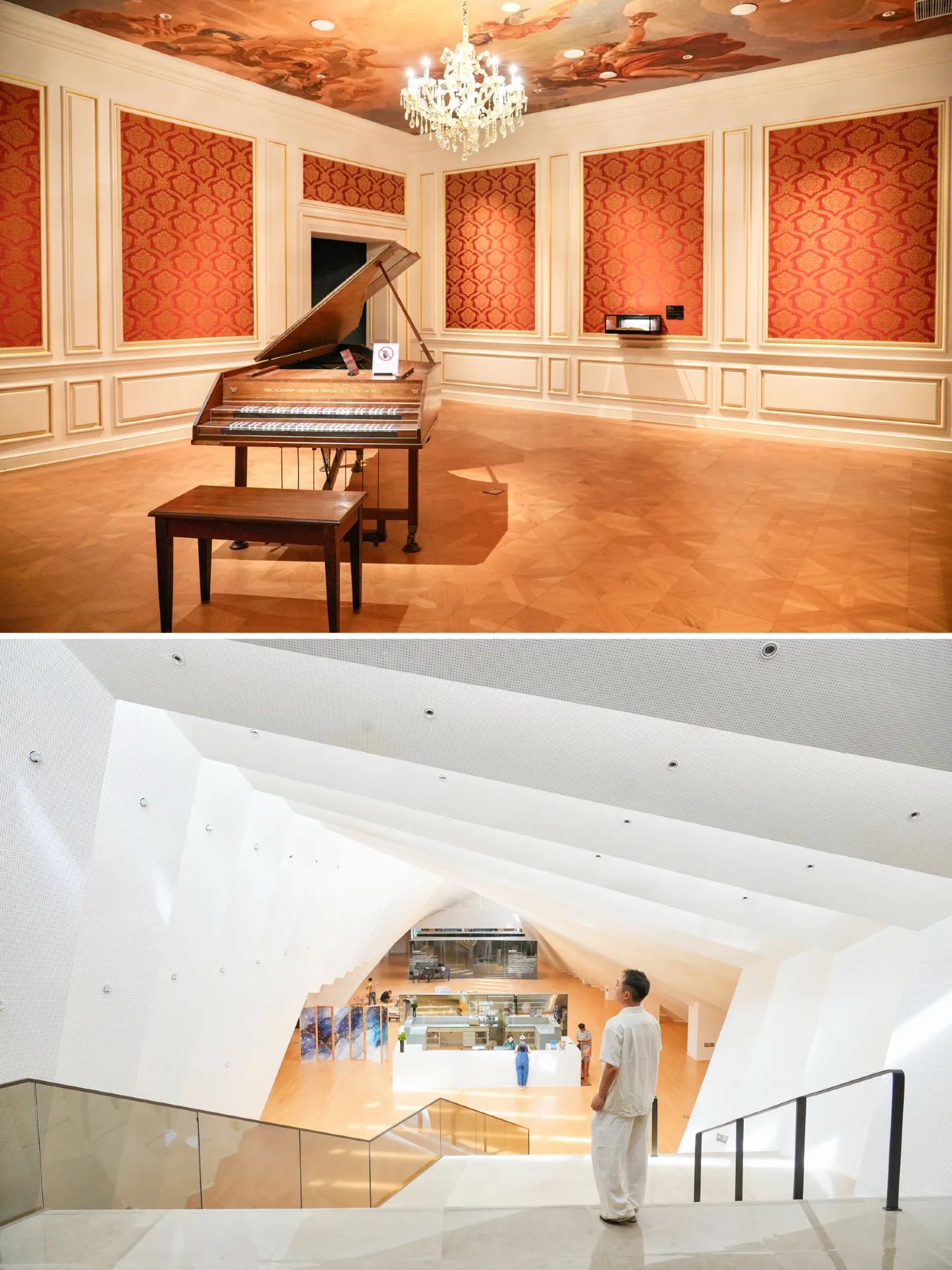
Check the museum’s current opening hours and admission conditions. If it is included in your accommodation package, confirm how to redeem that benefit and whether a reservation is needed. Leave enough time to enjoy the displays rather than squeezing the museum into the last few minutes before departure.
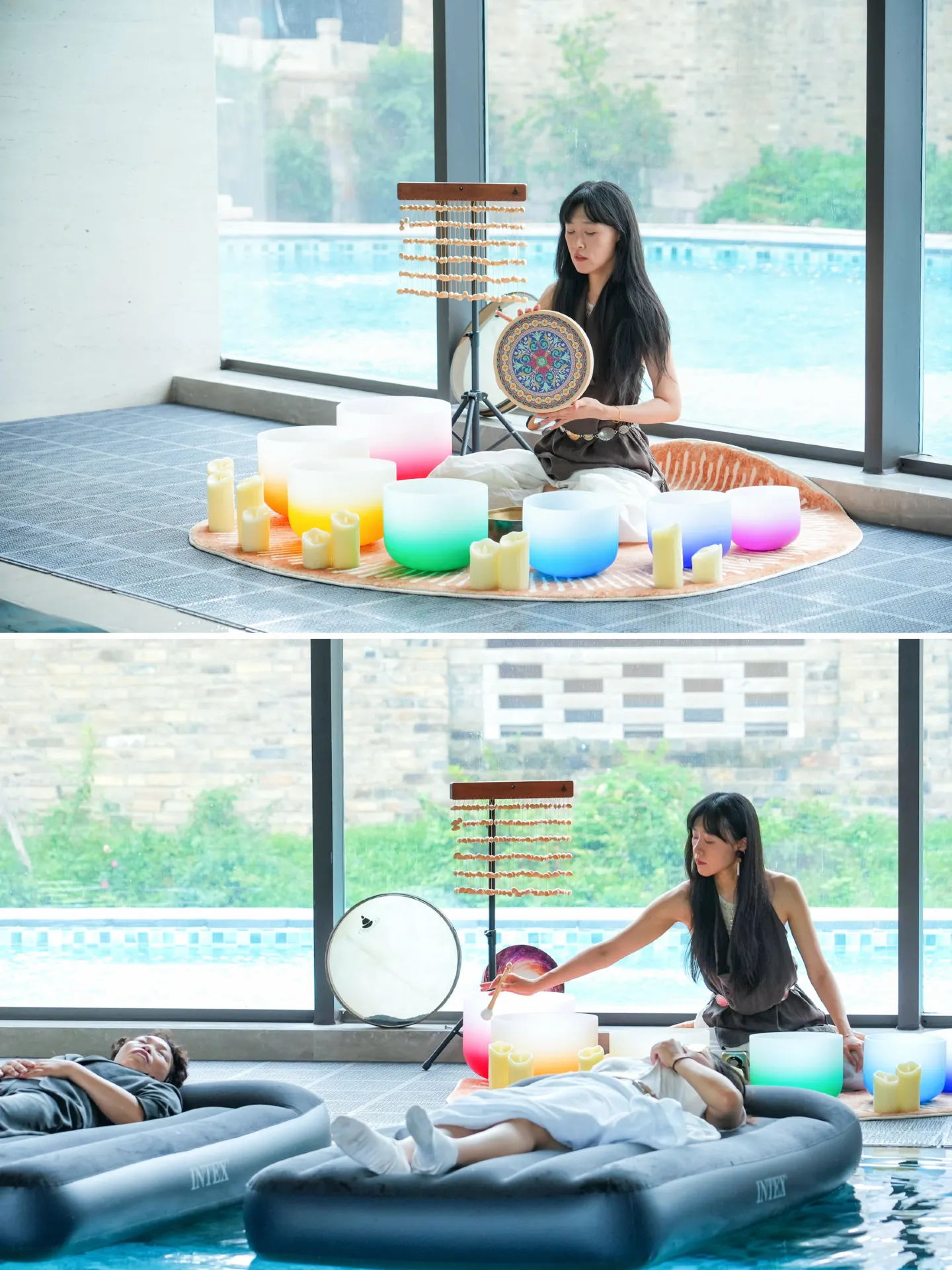
A sound-bowl session is another optional relaxation activity to enquire about. Treat it as a bookable experience rather than a guaranteed part of every stay, and confirm its setting, participation requirements and availability with the operator.
Before leaving, allow for the transfer back to the station or the drive onwards. Two days in Yanguan work best when the river, the old-town walk and the music each have room in the plan. Keep live operations flexible and the essentials simple: a few chosen sights, time by the canals and an evening that does not end as soon as daylight fades.