
Two days in Jingdezhen work best when you give each day a different purpose. Spend the first understanding the city’s porcelain history through museum collections and the imperial kiln area. Use the second to try a ceramic workshop and explore the studios, galleries and former factory buildings that shape its contemporary creative life.
This approach gives you more than a sequence of ceramic displays. You see finished objects, learn something about the skills behind them, and then experience the difficulty of shaping or decorating a piece yourself.
The itinerary below is designed for two full sightseeing days. It suits first-time visitors who want a meaningful introduction without spending every hour in a museum or rushing between every creative district.
If your train arrives halfway through Day 1, use the shorter arrival-day version later in this guide. If you have a third day, you can add a more focused studio visit, a production heritage attraction or a countryside excursion.
The Two-Day Plan at a Glance
| Day | Main focus | Morning | Afternoon | Evening |
|---|---|---|---|---|
| Day 1 | Porcelain history and the old city | Jingdezhen China Ceramics Museum | Imperial Kiln Museum and the surrounding Taoyangli heritage area | Local dinner and an optional short walk |
| Day 2 | Making ceramics and contemporary creative life | A prebooked ceramic workshop | Taoxichuan galleries, studios and former factory buildings | Dinner; a market or event if scheduled |
| Optional Day 3 | A deeper interest | Choose Sanbao, Ancient Kiln heritage or a countryside route | Continue that choice without adding unrelated stops | Return to the city or depart |
The main scheduling rule: arrange the museum and workshop around confirmed availability, then build the rest of the route around them. The numbered days are interchangeable if closures or appointment times make that necessary.
Do not treat Sanbao, the Sculpture Porcelain Factory and Taoxichuan as three compulsory additions to the second day. A workshop already takes a substantial block of time. Choose the creative area that supports your interests.
Is Two Days Enough for Jingdezhen?
Two full days are enough for a first visit with:
- One broad introduction to ceramic history.
- One visit focused on imperial porcelain and kiln archaeology.
- One hands-on experience.
- One contemporary creative district.
- Time for meals, transfers and a little browsing.
They are less suitable for travelers who want several specialist museums, individual artist appointments, extensive shopping and a rural excursion in the same trip.
Two days also does not mean that you can finish and collect every piece you make. A workshop may end after shaping or painting, while drying, glazing and firing continue after you leave.
For the itinerary to feel comfortable, arrive the previous evening if possible. Spend two sightseeing days in the city, then leave after Day 2 if your departure allows enough time. A third night makes sense if you prefer an unhurried evening and a morning departure.
Before You Book: Four Decisions That Shape the Route
1. Confirm Museum Access for Your Travel Dates
The Jingdezhen China Ceramics Museum normally closes on Mondays, with holiday arrangements potentially differing. Check the current museum notice and reservation system before assigning it to a particular day.
General admission is listed as free, but reservation and identity verification still matter. Use the museum’s current official booking channel rather than assuming that free entry means unrestricted walk-in access.
Overseas visitors should confirm the passport procedure in advance. Public instructions describe identity-card verification at the entrance, which does not establish how a foreign passport holder should reserve or enter. Ask the museum or an assisting travel provider about the correct process before making this visit the fixed starting point of your trip.
The Imperial Kiln Museum and the wider Taoyangli visitor area should also be checked separately. Confirm which entrance, reservation or ticket applies to the places you want to visit. Do not assume that admission arrangements for one part cover the entire surrounding district.
2. Choose the Type of Workshop
For a short stay, the best workshop is one whose activity, location and finishing arrangements are clear before you arrive.
| Workshop type | What you do | Best for | What to confirm |
|---|---|---|---|
| Wheel throwing | Shape clay on a rotating wheel with instruction | Visitors who want to try a recognizable pottery skill | Assistance level, class length and how pieces are finished |
| Hand building | Shape clay using techniques such as pinching, slabs or coils | Families and visitors who prefer a less machine-focused activity | Suitable projects, age guidance and whether finishing is included |
| Painting a prepared piece | Decorate an existing ceramic form | Visitors interested in patterns and color | Whether the piece needs firing and when it can be collected or shipped |
Allow two to three hours in your itinerary for the workshop block, including arrival, instruction and finishing discussions. This is a planning allowance, not a promise that every class lasts that long.
Ask whether instruction is available in a language you understand. An attractive studio does not necessarily provide English-language teaching or walk-in classes.
3. Pick a Convenient Hotel Base
For most first-time visitors, stay near the historical center or Taoxichuan and use the same hotel throughout the trip.
| Base | Main advantage | Main trade-off |
|---|---|---|
| Near Taoyangli and the imperial kiln area | Convenient for the historical afternoon and old-city dining | You still need transfers to the broader museum and eastern creative areas |
| Near Taoxichuan | Convenient for contemporary galleries, cafés and evening browsing | The historical center and museum require separate journeys |
| Sanbao area | Useful for a studio-led visit in a greener setting | Less convenient for a short itinerary built around several city attractions |
Confirm the property’s exact location. A hotel name containing “porcelain,” “creative” or “old town” is not enough to establish its proximity to your planned stops.
4. Leave Room Between Appointments
Jingdezhen is not a single compact heritage district. The broad ceramics museum, imperial kiln area and eastern creative clusters occupy different parts of the city.
Use taxis or app-based cars for journeys between clusters, then walk within each area. Check live travel estimates, especially during holidays, rain and evening events.
The sample schedule deliberately leaves transfer windows. These include waiting, finding entrances and getting oriented; they are not published driving times.
How to Divide Your Time
| Experience | Suggested allocation | Why it deserves this much time |
|---|---|---|
| Jingdezhen China Ceramics Museum | 2–2.5 hours | Enough for a selective overview without trying to examine every display |
| Imperial Kiln Museum and nearby Taoyangli heritage streets | 2.5–3.5 hours combined | Allows museum time plus a slower look at the surrounding historical setting |
| Ceramic workshop | 2–3 hours as a booked activity block | Instruction, making and finishing arrangements need more than a quick stop |
| Taoxichuan | 2–3 hours, plus dinner if desired | Time for architecture, selected galleries and studio browsing |
| Optional Sculpture Porcelain Factory visit | 1–1.5 hours | A focused browsing stop that replaces another activity |
| Meals, rest and transfers | Separate allowance | Prevents sightseeing blocks from consuming the whole day |
These are suggested visit lengths, not official recommended durations. Adjust them to your interest in collections, walking pace and actual appointments.
Day 1: Understand Jingdezhen’s Porcelain History
9:00–11:30 — Jingdezhen China Ceramics Museum
Begin with the Jingdezhen China Ceramics Museum, known in Chinese as 景德镇中国陶瓷博物馆.
Its broad collections give you a useful starting point for the trip. Rather than approaching later workshops and shops as isolated experiences, you can begin to recognize changes in forms, decoration and ceramic production.
Aim for a selective visit. Choose a few pieces that interest you and ask:
- What was this object used for?
- How was its shape achieved?
- What would have been difficult about its decoration?
- How does it differ from the contemporary pieces you see later?
You do not need a detailed understanding of every period to enjoy the museum. A small number of memorable objects will give you more to work with during the rest of the trip than a rushed attempt to see everything.
Arrive within your reserved time and carry the identity document required for your confirmed entry process. Check the current gallery arrangements and allow for security checks.
If museum access cannot be arranged: do not make an unconfirmed journey there and hope for admission. Start with a confirmed historical visit in the imperial kiln area, then use the freed time for a guided introduction, a slower neighborhood walk or a booked activity.
11:30–13:00 — Transfer and Lunch
Move toward the historical center and have lunch before the afternoon visit.
Keep the meal straightforward. A long restaurant detour makes it harder to reach a timed museum entry comfortably.
You might encounter local rice-based dishes such as seasoned cold rice noodles, stir-fried alkaline rice cakes and rice-wrapper dumplings. Preparation and fillings vary. Ask about chili, meat, seafood and other ingredients if you have dietary requirements.
For a first visit, one or two local dishes are enough. You can try something different the following day without turning lunch into another itinerary project.
13:00–16:00 — Imperial Kiln Museum and Taoyangli
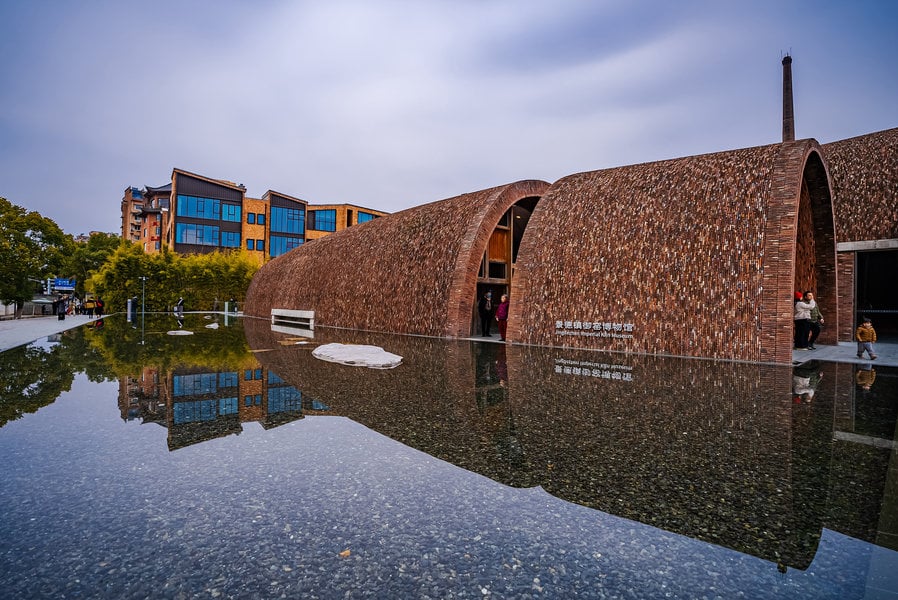
Spend the afternoon at the Imperial Kiln Museum, known as 景德镇御窑博物馆, and the surrounding Taoyangli, or 陶阳里, heritage area.
This visit complements the morning museum. The China Ceramics Museum provides a broad collection-based introduction. The imperial kiln area brings the focus closer to the historical production setting and the evidence left by that work.
Inside the museum, look for the relationship between finished porcelain and archaeological material. Fragments and reconstructed pieces can reveal something that a perfect object alone cannot: making porcelain involved experimentation, selection and failure as well as exceptional skill.
The museum’s brick-vault architecture is another reason to slow down. Give yourself time to experience the building while also paying attention to the collections.
Afterward, walk through accessible parts of the surrounding heritage area. Explore at a pace that allows you to notice the streets, buildings and surviving traces of ceramic activity.
A practical division is:
- Approximately 1.5–2 hours for the museum.
- Approximately 1–1.5 hours for the surrounding heritage area, photographs and a short break.
Actual time depends on entry arrangements, accessible sections and your interest in the displays. Booked slots take precedence over the sample clock times.
16:00–17:00 — Rest or Continue Nearby
Avoid crossing the city for another substantial attraction at this point.
If you still have energy, continue with a short walk or browse a few nearby shops. If you feel overloaded after two museum visits, return to your hotel.
This is also a useful moment to note what interested you most: a vessel shape, a painted motif or a particular surface. Those observations can give the next day’s workshop a more personal starting point.
Evening — Local Dinner
Have dinner near your hotel or the historical center.
A brief evening walk is optional. Check current access if you intend to return to a ticketed area, and do not assume that an afternoon ticket automatically permits re-entry.
Save Taoxichuan for Day 2 unless an event or your departure schedule provides a clear reason to move it. The first day already includes substantial cultural attention and walking.
A Lighter Version of Day 1
If two museums in one day sound tiring, shorten the morning visit to selected galleries and keep the afternoon focused on the Imperial Kiln Museum.
For travelers with children or limited interest in museum collections, one museum may be enough. Choose it deliberately and use the remaining time for a slower historical walk, lunch and rest.
The purpose is to understand the place, not complete a list of buildings.
Day 2: Make Something and Explore Contemporary Jingdezhen
9:30–12:00 — A Prebooked Ceramic Workshop
Begin the second day with the workshop you selected in advance.
For the simplest route, book in or reasonably near the eastern creative areas so you can continue toward Taoxichuan afterward. Confirm the full address and meeting point: “near Taoxichuan” may cover a wider area than you expect.
Wheel throwing is a good choice if you want to feel how clay responds to pressure, speed and balance. Hand building suits visitors who want more control over a small object. Painting a prepared form is useful if decoration interests you more than shaping.
Use something from Day 1 as inspiration, while following the instructor’s advice about what is realistic for a beginner.
Before finishing, confirm:
- Which piece or pieces will be retained.
- Whether trimming, glazing and firing are included.
- Whether you can choose the finish.
- The estimated completion time.
- Collection or shipping arrangements.
- Packaging and delivery charges.
- What happens if a piece cracks or does not survive firing.
Do not expect to carry a freshly made, fully fired piece onto your departing train. The remaining process may take longer than your stay.
International shipping must be confirmed specifically. A studio that sends work within China may not offer overseas delivery. Delivery to a later hotel also requires a reliable completion window and agreement from the receiving property.
If keeping the object is essential, choose an activity with a clearly confirmed collection or shipping arrangement.
12:00–13:30 — Lunch and a Break
Have lunch near the workshop or along your route to Taoxichuan.
Leave a little time to rest. Hands-on work can be surprisingly absorbing, and a pause helps you enjoy the afternoon without treating it as another appointment to finish.
If you are traveling with children, this break is especially useful before galleries or shopping.
14:00–17:00 — Taoxichuan
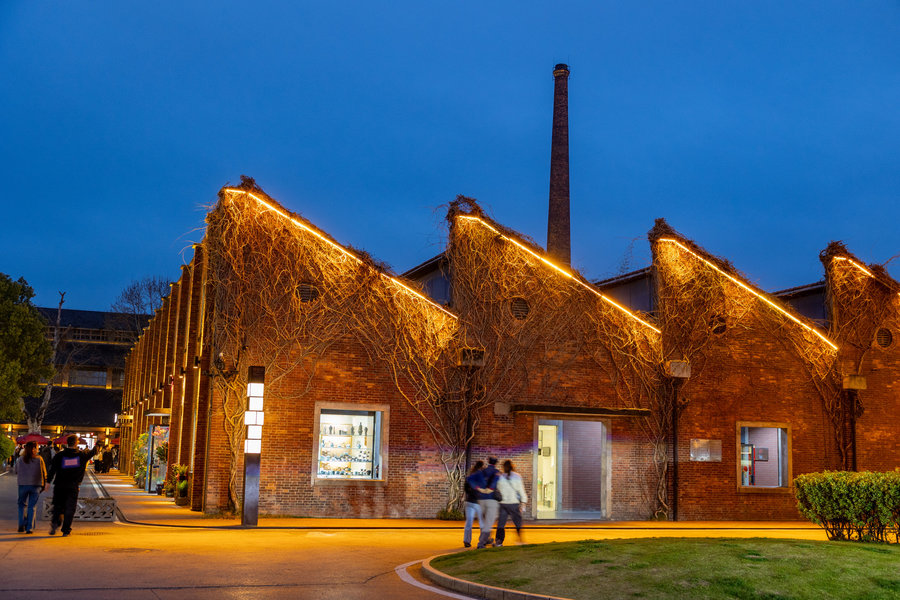
Spend the afternoon in Taoxichuan, known as 陶溪川.
Its former industrial buildings provide a setting for contemporary ceramic activity, exhibitions, studios, shops and places to eat. After the previous day’s historical collections and the morning’s workshop, you can look at the district with a better sense of how present-day makers relate to the city’s ceramic traditions.
A useful way to explore is:
- Start with a short orientation walk through the main buildings and public spaces.
- Choose an exhibition or gallery that is open and relevant to your interests.
- Visit a small number of studios or shops.
- Pause for coffee or tea.
- Return to a maker or object you want to consider more carefully.
Not every studio or exhibition follows the same opening hours, and some experiences need appointments. Treat the district as a place to explore selectively rather than a guaranteed sequence of open attractions.
Shopping is optional. You can enjoy conversations, architecture and exhibitions without buying anything.
If you do buy ceramics, ask whether the piece is handmade, how it was decorated and whether it is intended for food or drink use. For fragile or expensive purchases, confirm packing, delivery, insurance and damage procedures before paying.
Optional Swap — Sculpture Porcelain Factory
If independent shops and small-scale creative activity are a priority, replace part of the Taoxichuan afternoon with a focused visit to the Sculpture Porcelain Factory, or 雕塑瓷厂.
Allow around 1–1.5 hours and reduce another activity accordingly. Do not simply add the visit after a full workshop and a long gallery afternoon.
A browse through the area can be worthwhile without a scheduled market. If you specifically want an organized market, check the organizer’s current venue and dates. Older descriptions may refer to arrangements that have changed.
For most first-time visitors, the workshop plus Taoxichuan is already a complete second day.
Evening — Dinner and Optional Market Browsing
Stay around Taoxichuan for dinner if it suits your hotel location and departure plans.
An evening event or market can add another layer to the visit, but it should be a bonus. Check the current calendar rather than assuming that a market operates every evening or that a previously advertised weekday pattern still applies.
If you have a train that night, work backward from departure. Allow for collecting luggage, reaching the correct station and completing station entry procedures. Leave the district while the journey still feels comfortable.
Alternative Day 2: A Sanbao Workshop
Choose this version if you are more interested in a studio setting and a greener environment than in visiting several urban creative areas.
Sanbao, or 三宝, contains scattered studios and other ceramic-related destinations in a valley setting. It should not be approached as one short, continuous shopping street.
A practical sequence is:
| Time block | Plan |
|---|---|
| Morning | Transfer to a confirmed Sanbao studio and complete a workshop |
| Midday | Lunch nearby, with a short walk if weather and location allow |
| Early afternoon | One additional prearranged visit, or a slower stay in the same area |
| Late afternoon | Return toward the city; visit Taoxichuan only if time and energy allow |
| Evening | Dinner near your hotel or departure |
Book the studio first and build the route around its exact location. Confirm the return transport plan, especially if the appointment ends away from a convenient pickup point.
Do not combine this version with a substantial Sculpture Porcelain Factory visit and a full Taoxichuan program. Sanbao works better when it has enough time to be an experience in its own right.
If You Arrive During Day 1
A two-calendar-day trip can contain much less than two days of usable sightseeing. Choose the version that matches your actual arrival and departure.
Arriving the Previous Evening
Follow the standard itinerary.
Check in, eat nearby and confirm the next morning’s reservation. There is no need to add a major attraction that night.
Arriving Around Midday on Day 1
Begin with lunch and luggage storage, then prioritize the Imperial Kiln Museum and nearby heritage area in the afternoon.
On Day 2, choose according to your departure:
| Departure situation | Best use of Day 2 |
|---|---|
| Late departure with confirmed museum access | Museum in the morning and one afternoon priority: a workshop or Taoxichuan |
| Afternoon departure | One prebooked morning experience, followed by lunch and luggage collection |
| Workshop is your main reason for visiting | Workshop first; add a brief creative district visit only if it fits |
| Historical collections are your main interest | China Ceramics Museum first; use spare time for a short local visit |
An evening visit to Taoxichuan on arrival day is possible if you have enough energy and time, but keep it short. It should not force you to rush the historical afternoon.
This shorter trip requires a choice: two museums plus a substantial workshop and extensive creative browsing will usually be too much.
Arriving in the Evening and Leaving the Following Evening
You have one full sightseeing day.
Choose one of these combinations:
- Imperial Kiln Museum and heritage area, followed by Taoxichuan.
- China Ceramics Museum, followed by a booked workshop.
- A workshop and a focused creative district visit.
If experiencing both the historical and contemporary sides in depth matters to you, add another night.
A Rainy-Day Version
Rain does not remove the main reasons to visit Jingdezhen, but it changes the balance between indoor experiences and outdoor walking.
Keep booked indoor activities where practical. Shorten exposed walks, use direct transfers and confirm which exhibitions are open.
| Original activity | Rain adjustment |
|---|---|
| China Ceramics Museum | Keep the visit if entry is confirmed; allow extra transfer time |
| Imperial Kiln Museum and a long heritage walk | Focus on the museum and shorten the outdoor section |
| Ceramic workshop | Keep the appointment if travel conditions and studio operations permit |
| Long Taoxichuan walk | Choose open galleries, studios and cafés, with short walks between them |
| Sanbao wandering | Visit a specific booked studio rather than exploring scattered destinations |
| Outdoor evening market | Treat it as optional and check whether the event is proceeding |
For persistent rain, a practical two-day sequence is a museum and studio activity on one day, followed by the other museum and selected Taoxichuan interiors on the next. Make changes only after checking appointment availability and cancellation terms.
Rain is not a reason to expect access to a closed museum or an unbooked studio. Keep one or two confirmed alternatives instead of relying on spontaneous indoor options.
Wear shoes with reliable grip, protect valuables and leave more time for pickups. In severe conditions, follow local travel advice and simplify the route.
What to Add on a Third Day
The best third day develops the part of Jingdezhen you enjoyed most. Choose one direction.
Option 1: Sanbao for Studios and a Slower Creative Visit
Choose Sanbao if you completed the standard city itinerary and want more contact with contemporary makers.
Arrange one meaningful studio visit or workshop, then add lunch and a limited amount of nearby exploration. A longer conversation with one maker can be more rewarding than a list of brief stops.
If you already spent Day 2 in Sanbao, use the third day for another theme instead.
Option 2: Ancient Kiln Heritage for Production Processes
Consider the Ancient Kiln Folk Customs Museum, commonly associated with 古窑民俗博览区, if you want to extend your understanding from collections and archaeology toward traditional production heritage.
Check current opening arrangements, admission and the timing of any demonstrations you hope to see. Do not assume that a particular craft or firing activity happens throughout the day.
This option suits visitors who came away from the museums wanting to understand more about how porcelain was made.
Option 3: Yaoli and a Focused Countryside Route
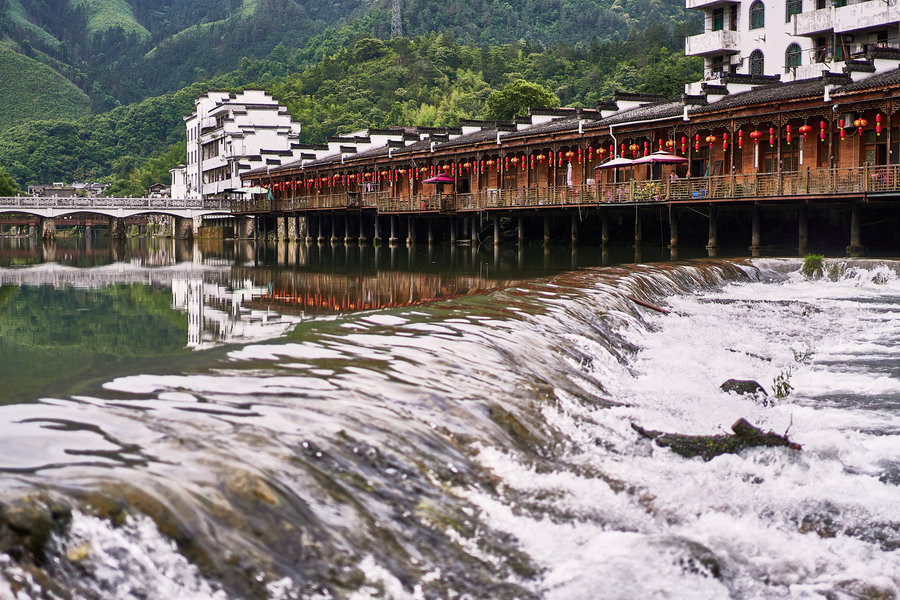
Choose Yaoli, or 瑶里, for a change of setting, with village streets, a river landscape and time away from the urban itinerary.
A route involving the wider Gaoling, or 高岭, area can add context about the materials connected with porcelain production. However, named heritage sites, visitor complexes and viewpoints are not interchangeable; confirm the actual stops and access arrangements.
Treat this as a substantial countryside day. Keep the route limited, allow for road journeys and lunch, and avoid promising to visit every village, material heritage site and urban attraction before an evening train.
If using public transport, verify the current departure point, service pattern and last return. A private transfer can make sense if your selected stops do not align with a usable return service.
For a short first visit, choose a rural excursion instead of another full city program that day.
Practical Details for a Smooth Two-Day Trip
Arriving and Leaving
Check the exact station name on your ticket. Jingdezhen North Railway Station — 景德镇北站 — and Jingdezhen Railway Station — 景德镇站 — are different stations.
Do not select a transfer destination from a generic search for “Jingdezhen station.” Show the driver the station name in Chinese and confirm the journey against your ticket.
For flights, check the current schedule and the transfer to or from Jingdezhen Luojia Airport. Avoid building an itinerary around an assumed daily flight.
Luggage
Leave large bags at your hotel where possible. Confirm storage if you arrive before check-in or depart after check-out.
Do not assume that every museum or studio has suitable space for large luggage. Keeping bags out of the sightseeing route also makes taxi transfers and heritage-area walking easier.
Budget
Build your budget from accommodation, intercity travel, local transfers, attraction access, meals and the chosen workshop.
Ask for an itemized workshop quote. A low headline price may not include all finishing, packaging or shipping costs.
Keep ceramic purchases separate from essential trip costs. The itinerary works without shopping.
Families and Accessibility
For children, shorten museum sessions and choose an age-appropriate workshop. Confirm supervision requirements and whether the activity involves a wheel, sharp tools or other equipment.
Travelers with limited mobility should check entrance access, walking surfaces, seating and assistance directly with each venue. A district described as walkable is not necessarily step-free throughout.
Use more direct transfers and fewer optional stops if a slower pace makes the trip more enjoyable.
Common Mistakes to Avoid
- Treating two partial calendar days as two full sightseeing days.
- Arriving at a museum without confirming reservations and passport entry.
- Adding every creative district after a substantial workshop.
- Booking a class without checking instruction language.
- Expecting freshly made pottery to be ready for immediate collection.
- Assuming domestic shipping includes international delivery.
- Following an old market timetable without checking the present venue.
- Leaving station choice and luggage collection until the final hour.
Frequently Asked Questions
What is the best two-day itinerary for a first visit?
Use Day 1 for the China Ceramics Museum and the imperial kiln area, then Day 2 for a workshop and Taoxichuan. Swap the days if confirmed availability requires it.
Should I visit both main museums?
Yes, if you enjoy collections and have two full days. They offer different perspectives. If museum fatigue is likely, choose one and spend longer on a workshop or neighborhood experience.
Can I do a workshop without speaking Chinese?
Possibly, but confirm the language of instruction before booking. Demonstration alone may not cover project choices, safety instructions or shipping arrangements.
Can I take my finished piece home after the class?
Sometimes an activity uses a prepared object with a simpler completion process, but newly made clay usually needs further work and firing. Ask about the specific activity rather than assuming same-day collection.
Is Taoxichuan worth visiting without shopping?
Yes. Its industrial architecture, exhibitions and creative atmosphere can be part of the visit even if you do not make a purchase. Check what is open on your date.
Is Sanbao essential for a first two-day trip?
No. It is a worthwhile alternative for a studio-focused visit, but the main city route already combines history and contemporary creativity.
Which day should I choose for the markets?
Choose only after checking the organizer’s current calendar and venue. Arrange your core trip around reliable museum and workshop bookings.
Can I include Yaoli in two days?
You can, but it replaces a substantial part of the city itinerary. A third day is a better fit if you want both the main porcelain experiences and a countryside visit.
What if one of my days is a Monday?
Check each venue separately. Move the China Ceramics Museum to an available day and confirm workshops and other attractions individually.
Is this itinerary suitable for a short arrival-day trip?
Use the compressed version and select priorities. The standard itinerary assumes two full sightseeing days.
Plan Your Jingdezhen Visit
A well-planned first visit connects what you see with what you do: porcelain collections give you context, the imperial kiln area adds a sense of place, and a workshop makes the craft more tangible.
Discover East China Tours can help coordinate suitable museum arrangements, transfers and a ceramic experience that fits your interests and available time. Include your arrival and departure details, passport-related booking needs and any language requirements when making an inquiry.