07Oct
+8619705475100
[email protected]

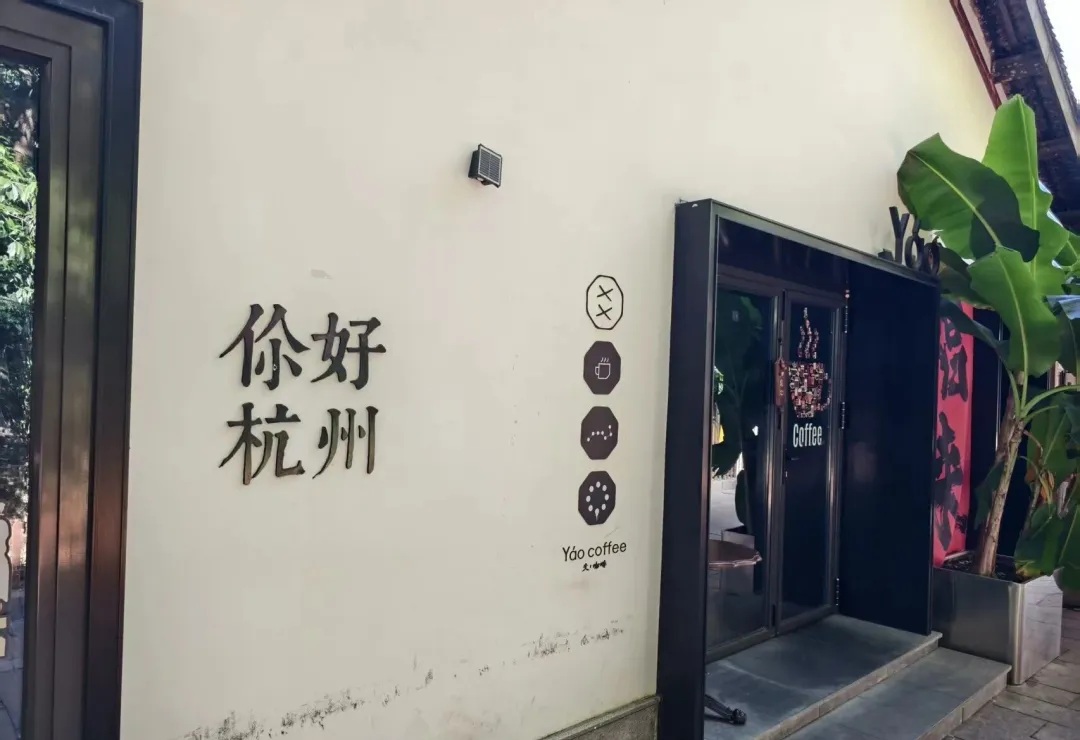
After several visits to Hangzhou, West Lake no longer felt like the only place to go. This autumn, I turned instead to the Donghe River, tucked away in the old city, and to Hangzhou Water Bus Line 7, a route often described as Hangzhou’s most beautiful water bus.
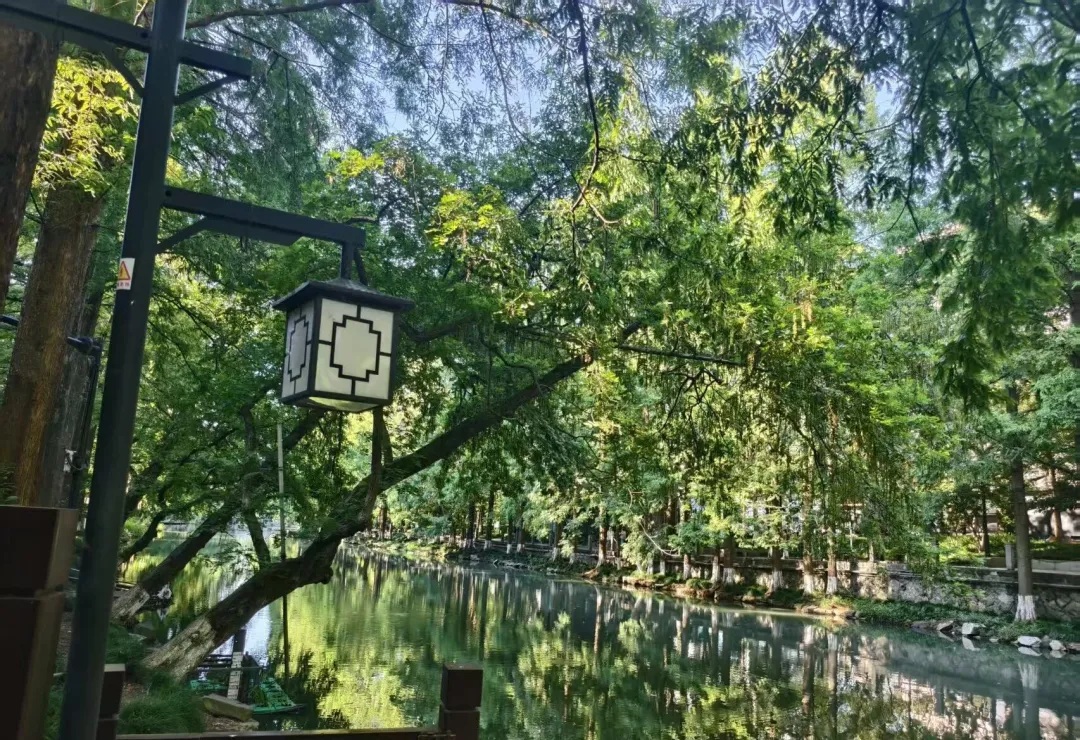
My navigation app led me to Baziqiao Wharf. It was a modest landing, with an old stone bridge spanning the river, willow branches trailing beside it and several traditional-style boats moored quietly along the bank. Instead of West Lake’s bustle, there were local residents sitting and chatting. I boarded a small, 24-passenger boat designed in the style of an old canal craft and found a window seat. We eased away from the wharf and slipped into the greenery of the Donghe.
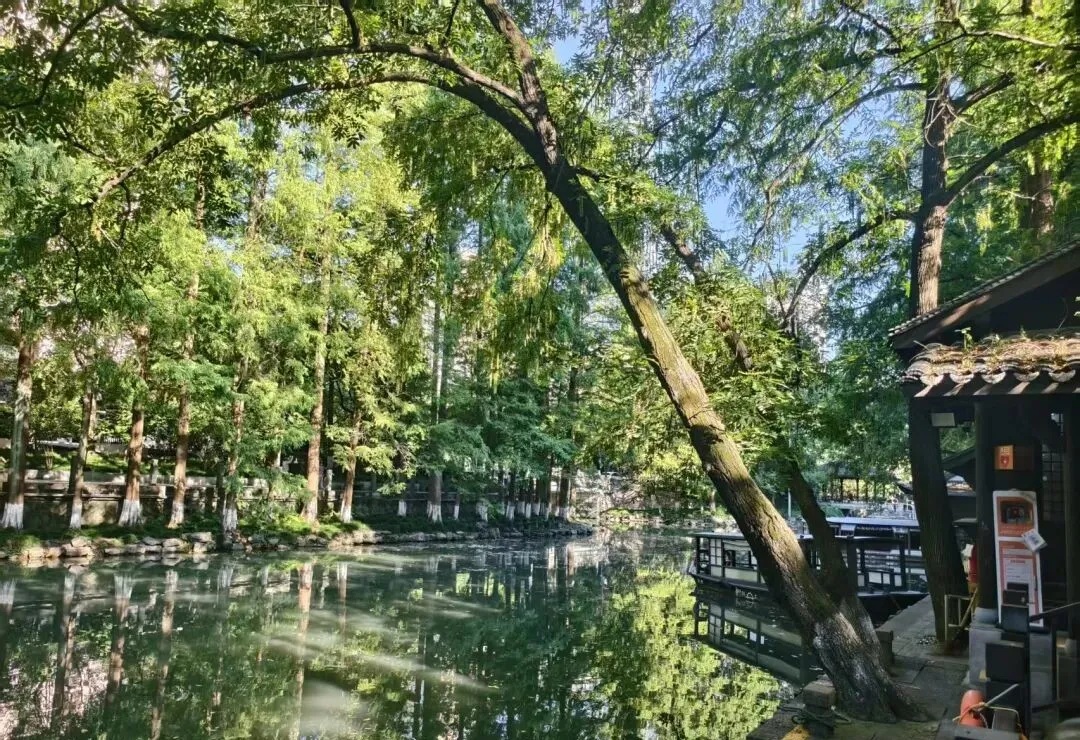
As we moved along, green unfolded in layers on either bank: willows brushing the water and tall dawn redwoods rising above them. Homes with white walls and dark tiled roofs stood beside the river. Laundry hung at the windows, and people washed clothes at the waterside steps. This was the everyday life of old Hangzhou.
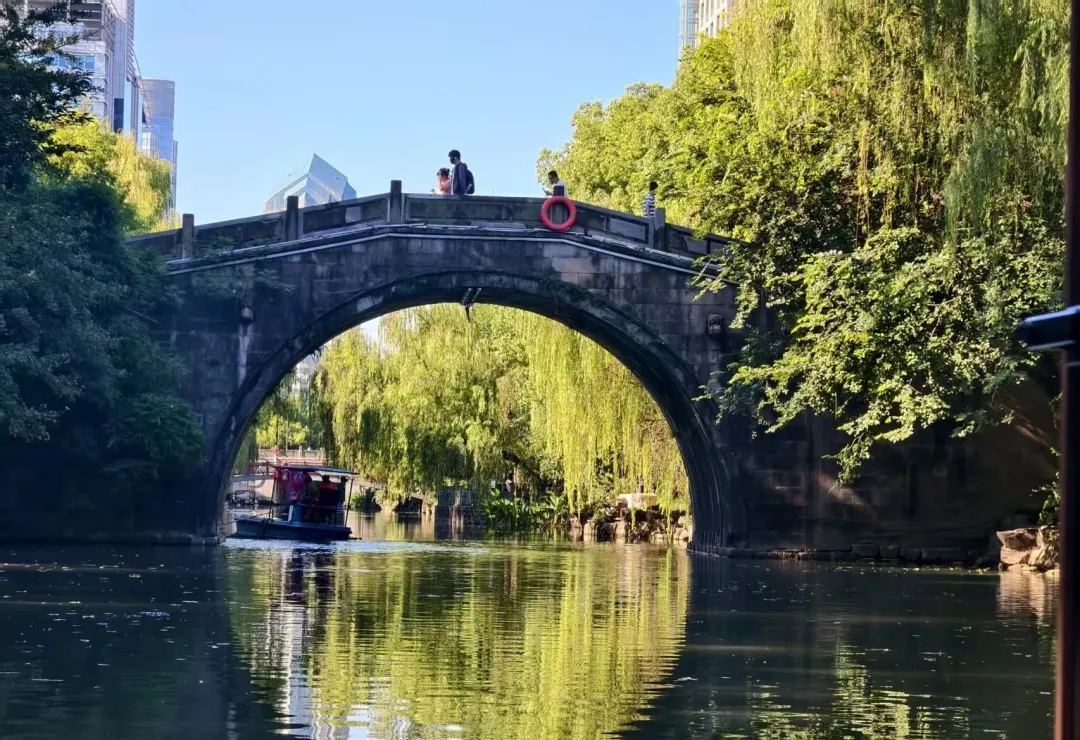
The best part was passing beneath one old bridge after another. In a journey of just 40 minutes, we travelled under more than ten. As the bow slipped beneath each arch, the weathered stonework seemed almost close enough to touch. Time felt etched into every stone. Doufu First, Second and Third Bridges were especially memorable.
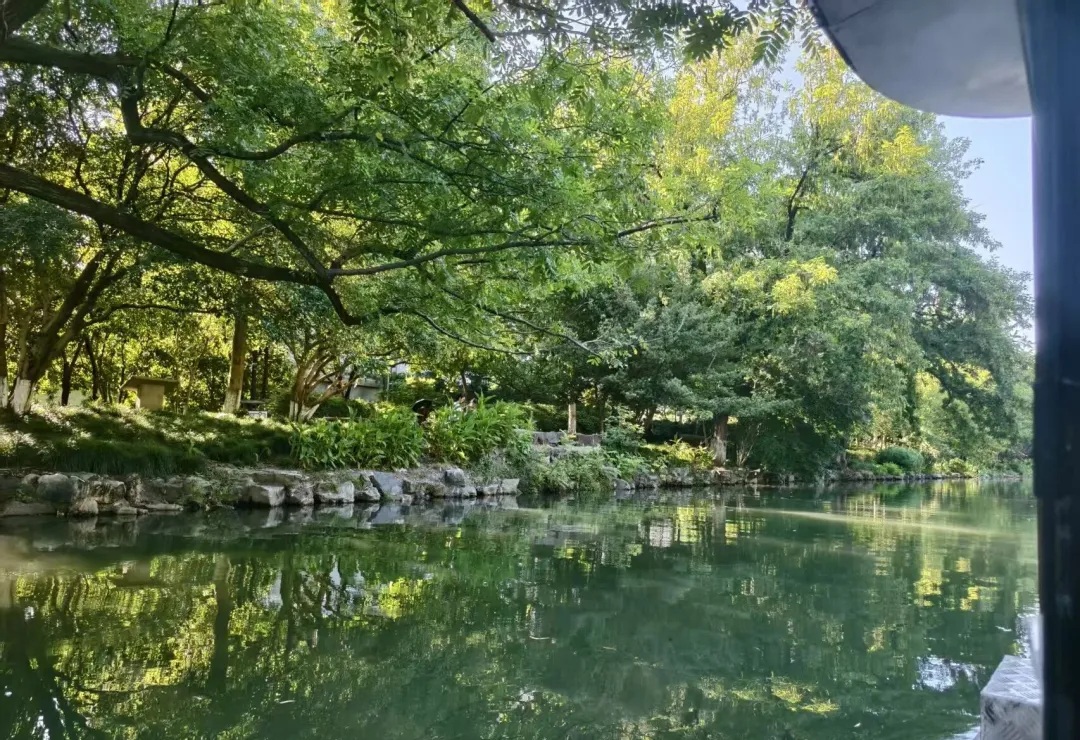
Along the way, the warm sound of a saxophone drifted from beneath a bridge. A man was playing with his eyes closed, the notes echoing along the river like an open-air concert we had stumbled upon by chance. I thought of the poet Bian Zhilin’s lines: ‘You stand on a bridge, looking at the view; someone upstairs, looking at the view, is watching you.’ We watched the people on the bridges, while those beneath them became part of our own passing scene.
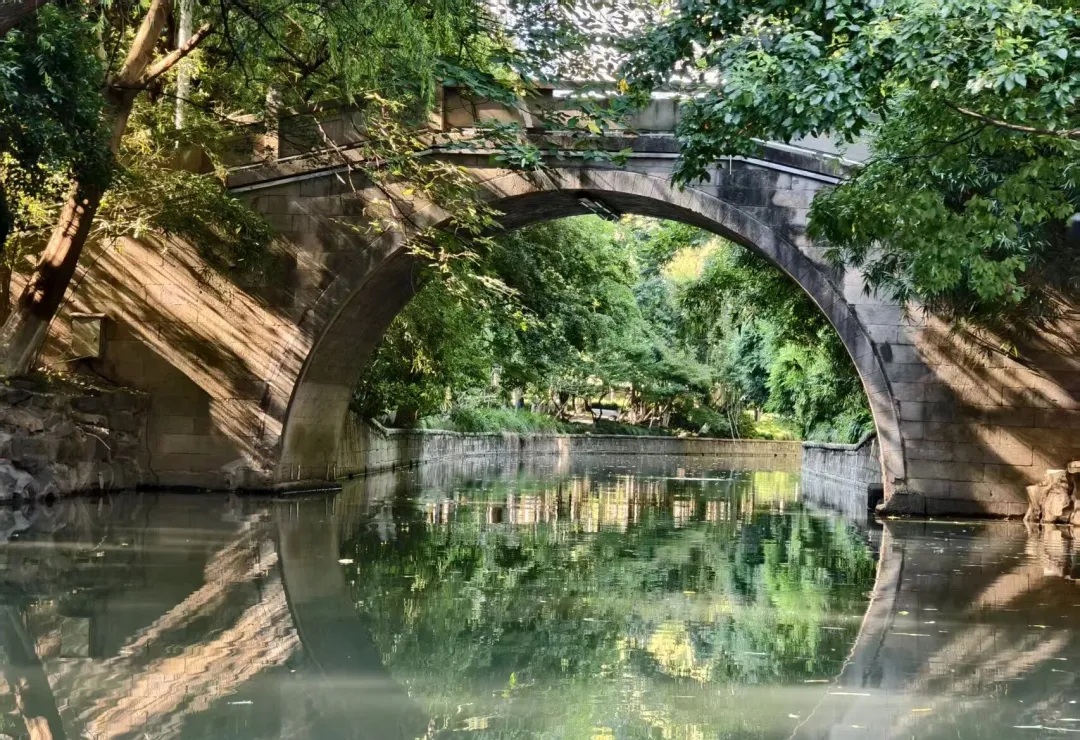
When Meihuabei Wharf, the final stop, came into view, this moving feast slowly drew to a close. The Wuliuxiang Historic District was right next door, ready to explore after stepping ashore.
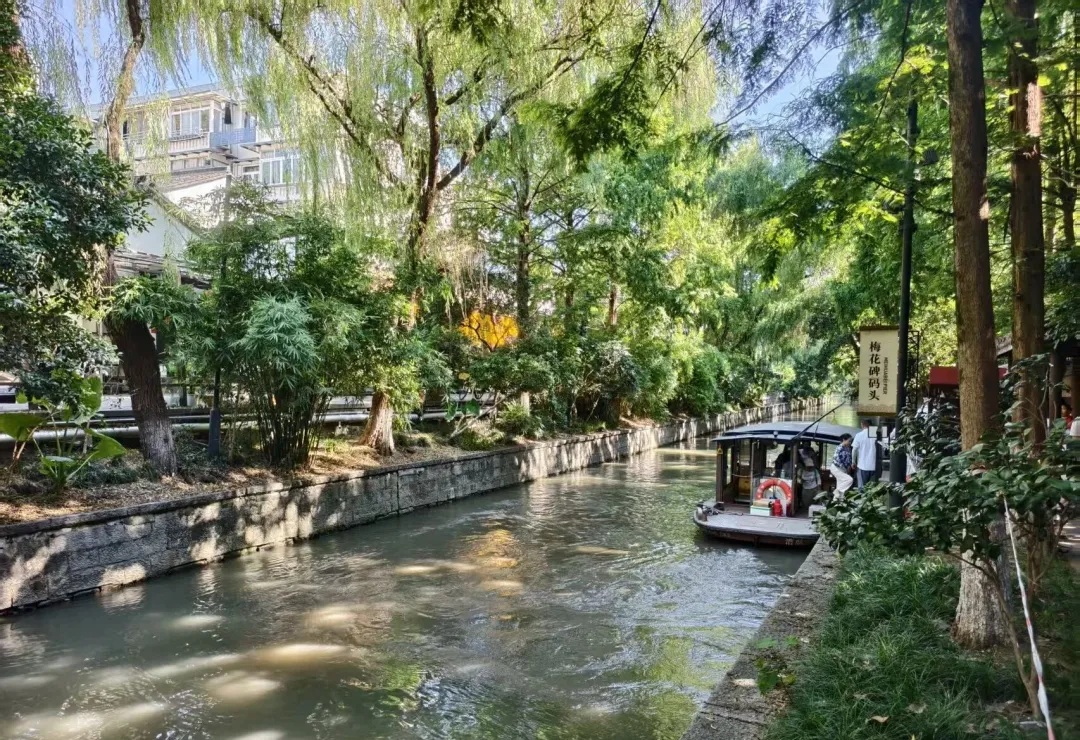
This water bus may lack the refinement of West Lake’s pleasure boats, but its simplicity showed me a Hangzhou that was real and alive. The city’s poetry belongs not only to its crowded lakeside scenes, but also to these quiet waterways threading through everyday neighbourhoods.
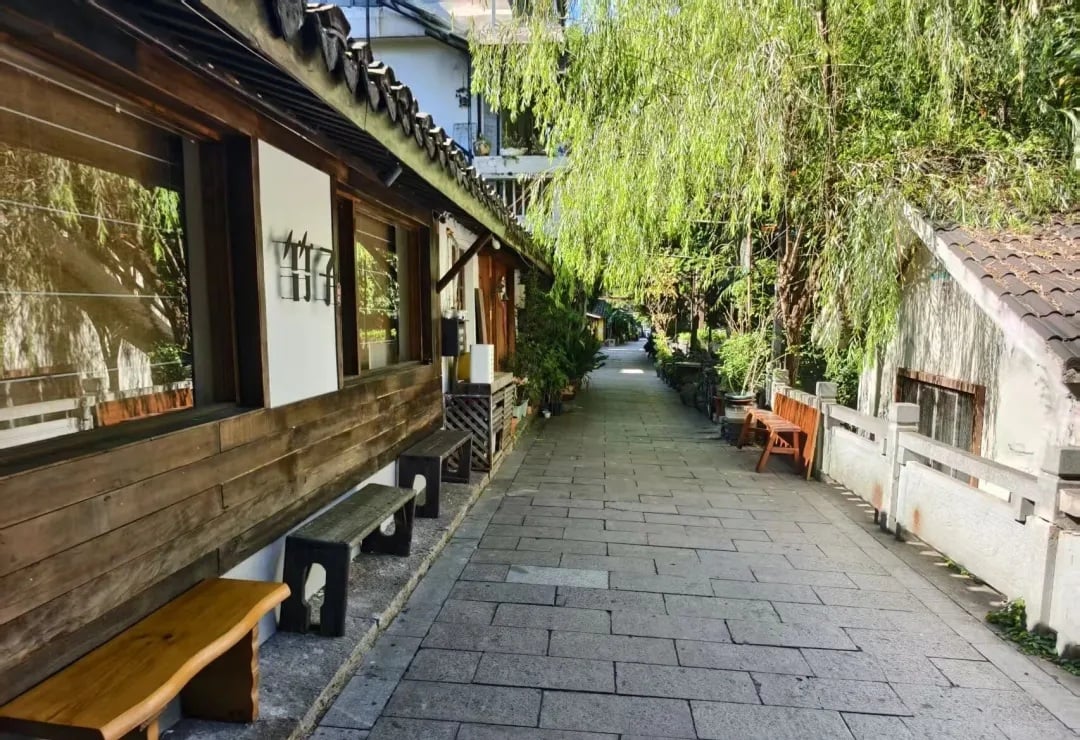
For more ideas across the city, explore our Hangzhou travel guide.
Translated and adapted from the WeChat travel essay by 休说鲈鱼堪脍, published on 14 September 2026. The first-person voice follows the original author. Photo source: 休说鲈鱼堪脍.