12Oct
+8619705475100
[email protected]

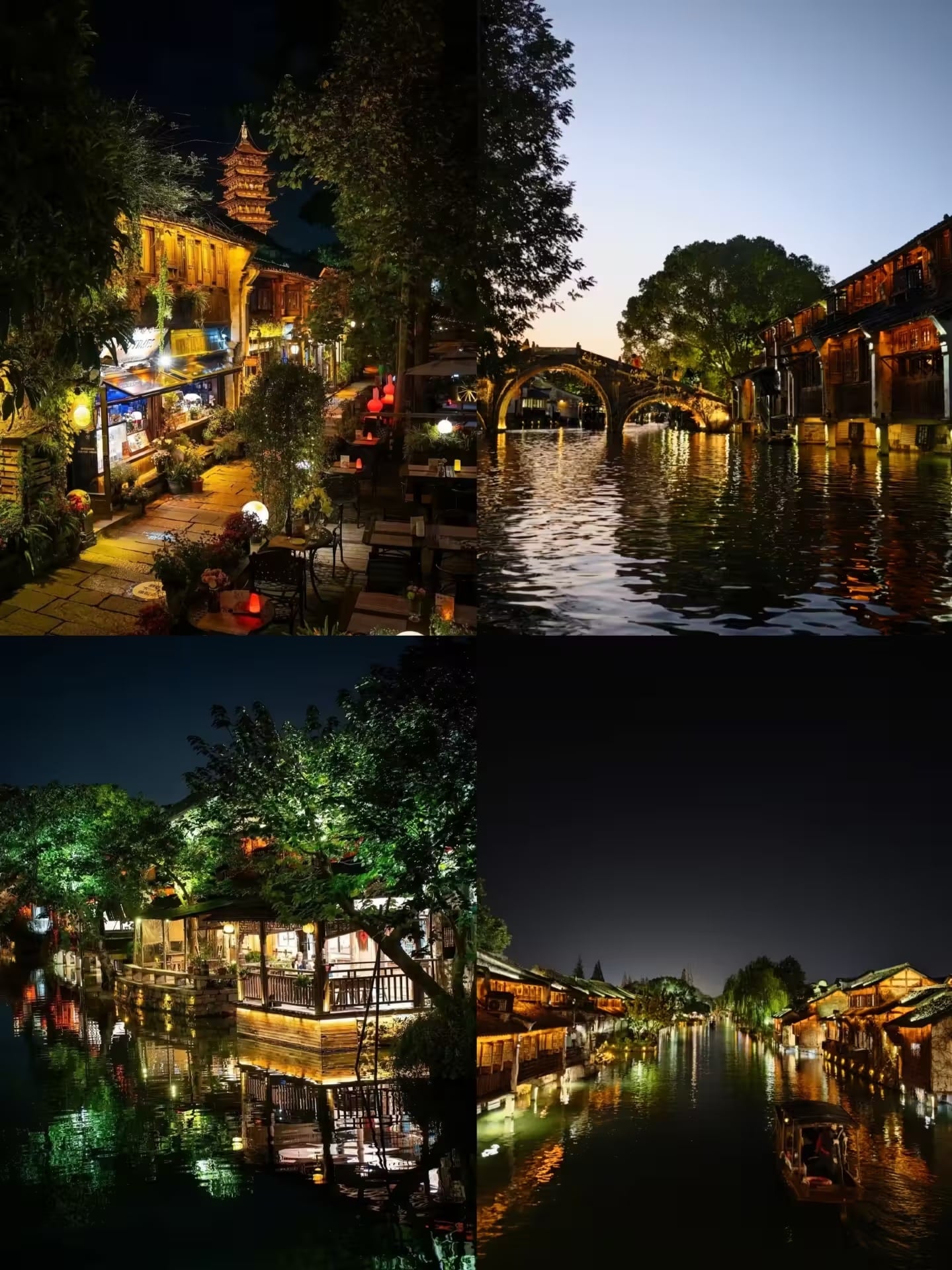
Wuzhen changes as daylight fades. Timber houses and grey tiled roofs that look understated in the afternoon become part of a warm ribbon of light beside the canals. Boats pass through reflections, stone bridges frame the water, and a slow evening walk can become the most memorable part of the visit.
Allow an afternoon and an evening if you want both old streets and night scenery. Dongzha, the East Scenic Area, is a good choice for heritage houses and traditional crafts. Xizha, the West Scenic Area, is the focus for a longer waterside walk after dark. They are separate ticketed areas, so choose the plan before buying admission.
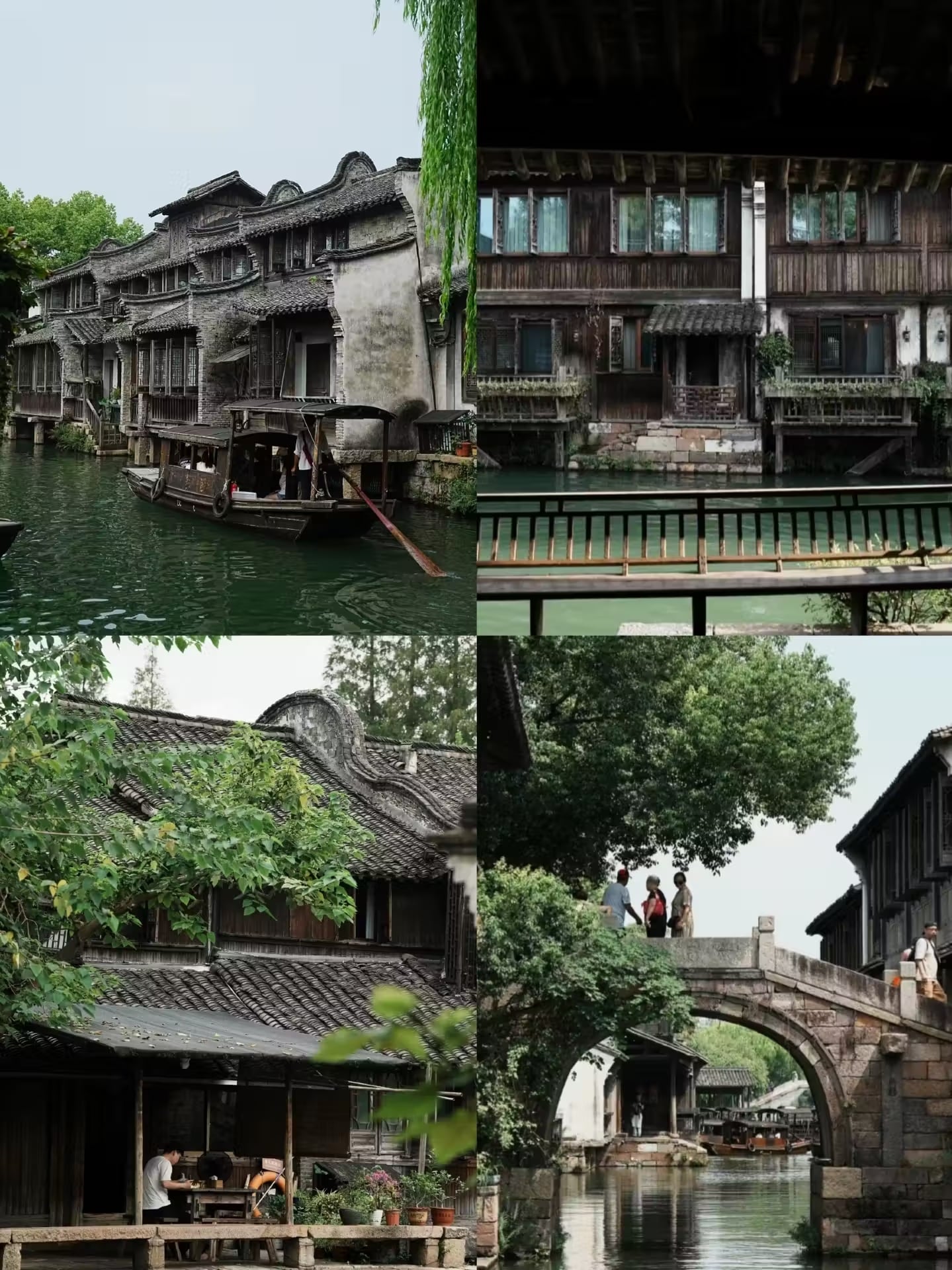
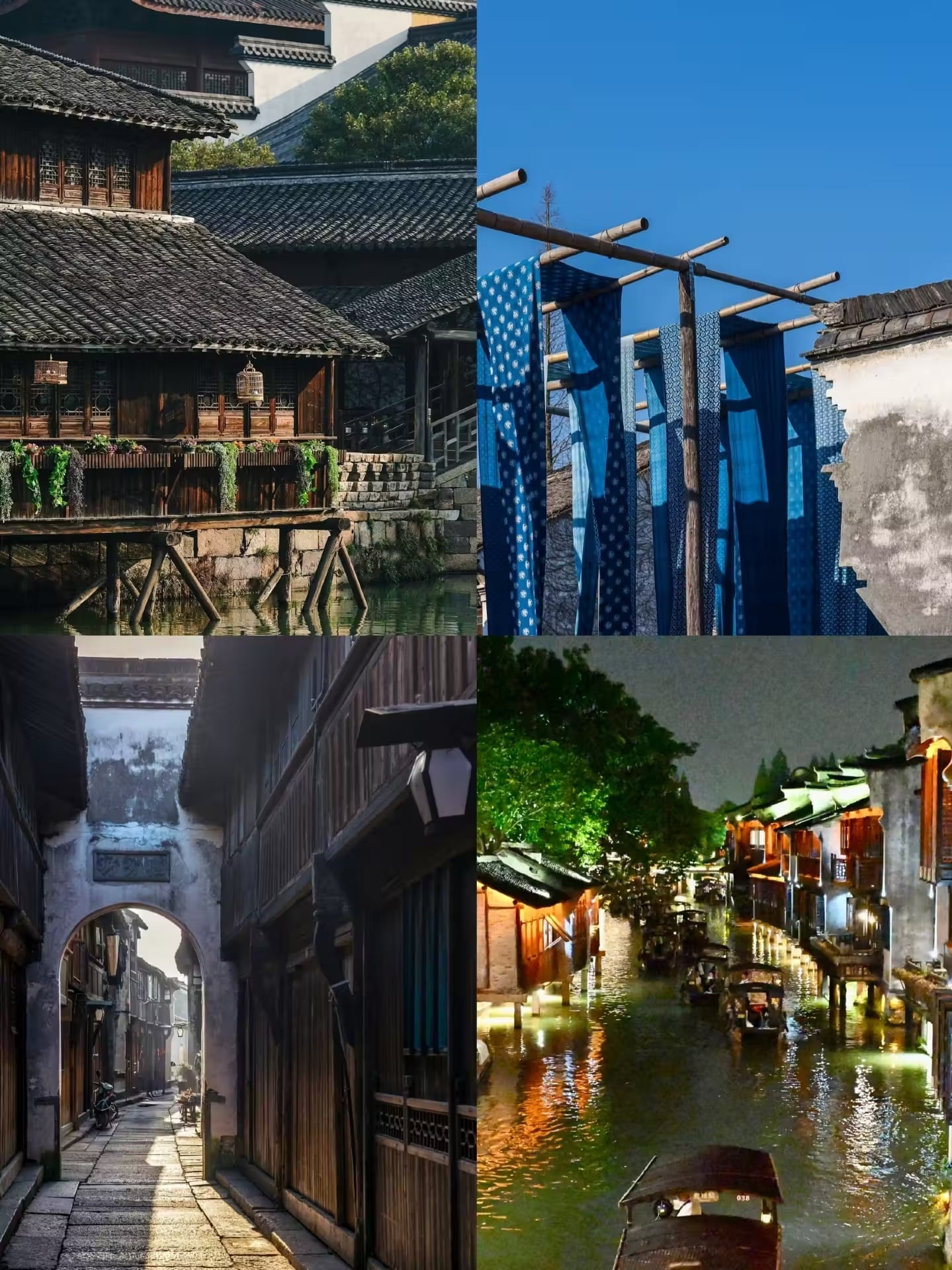
Arrive early enough to enjoy Dongzha’s lanes before its internal sights close. Mao Dun’s Former Residence and Hongyuantai Dyeing Workshop are possible stops, with old buildings and blue printed cloth offering a different experience from the evening lights.
Keep the walk selective. Look at timber façades, rooflines and the relationship between houses and water instead of trying to enter every display. If you arrive too late for a comfortable Dongzha visit, devote the afternoon and evening to Xizha rather than rushing through both areas.
The dyeing yards provide an especially vivid contrast to the grey architecture: patterned blue-and-white cloth hanging in rows against the sky. Leave the fabric undisturbed and keep the way clear while taking photographs. A visit to a drying yard is a sightseeing stop; any hands-on activity has its own arrangements.
Complete Dongzha before moving to Xizha. Ask the visitor centre about the current connection between the entrances, and leave room for boarding and the walk through the West Scenic Area. Treat the transfer as part of the day rather than assuming the two areas share one entrance.
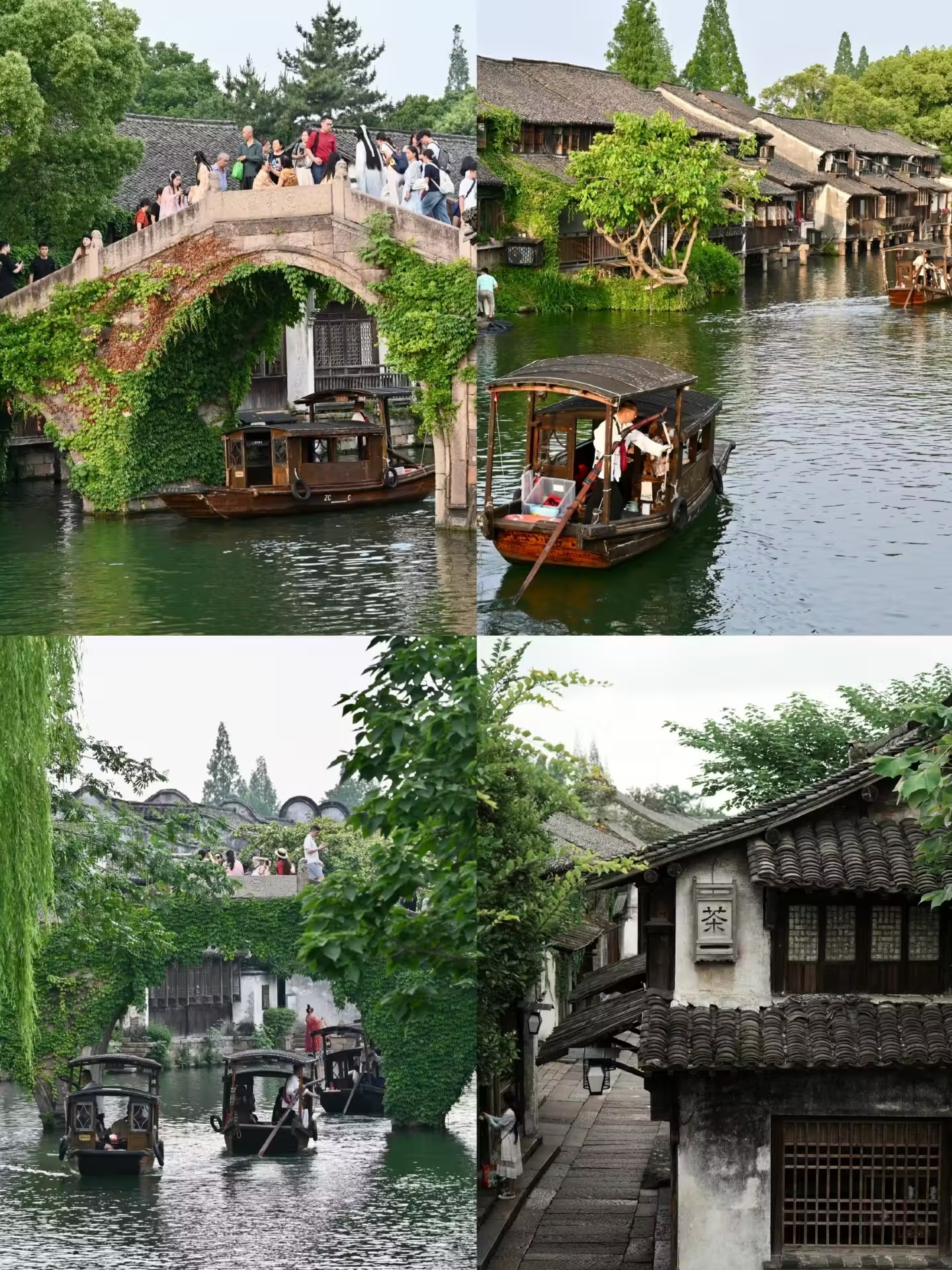
Use the daylight left in Xizha to notice its canals, boats and bridges. It also helps to learn the route back towards the exit before darkness and crowds change the feel of the streets. Take a meal break before the busiest evening period if that suits your arrival time.
You do not need to wait for complete darkness to begin enjoying the evening. As lights appear along the buildings, the remaining colour in the sky gives the town another mood. Pause at a safe waterside viewpoint and watch the reflections change.
Choose a manageable section of Xizha rather than repeatedly crossing the area for photographs. Views towards White Lotus Pagoda, also called Bailian Tower, can be part of a longer walk. Use the visitor map and the open paths to decide how far to go, keeping time for the return.
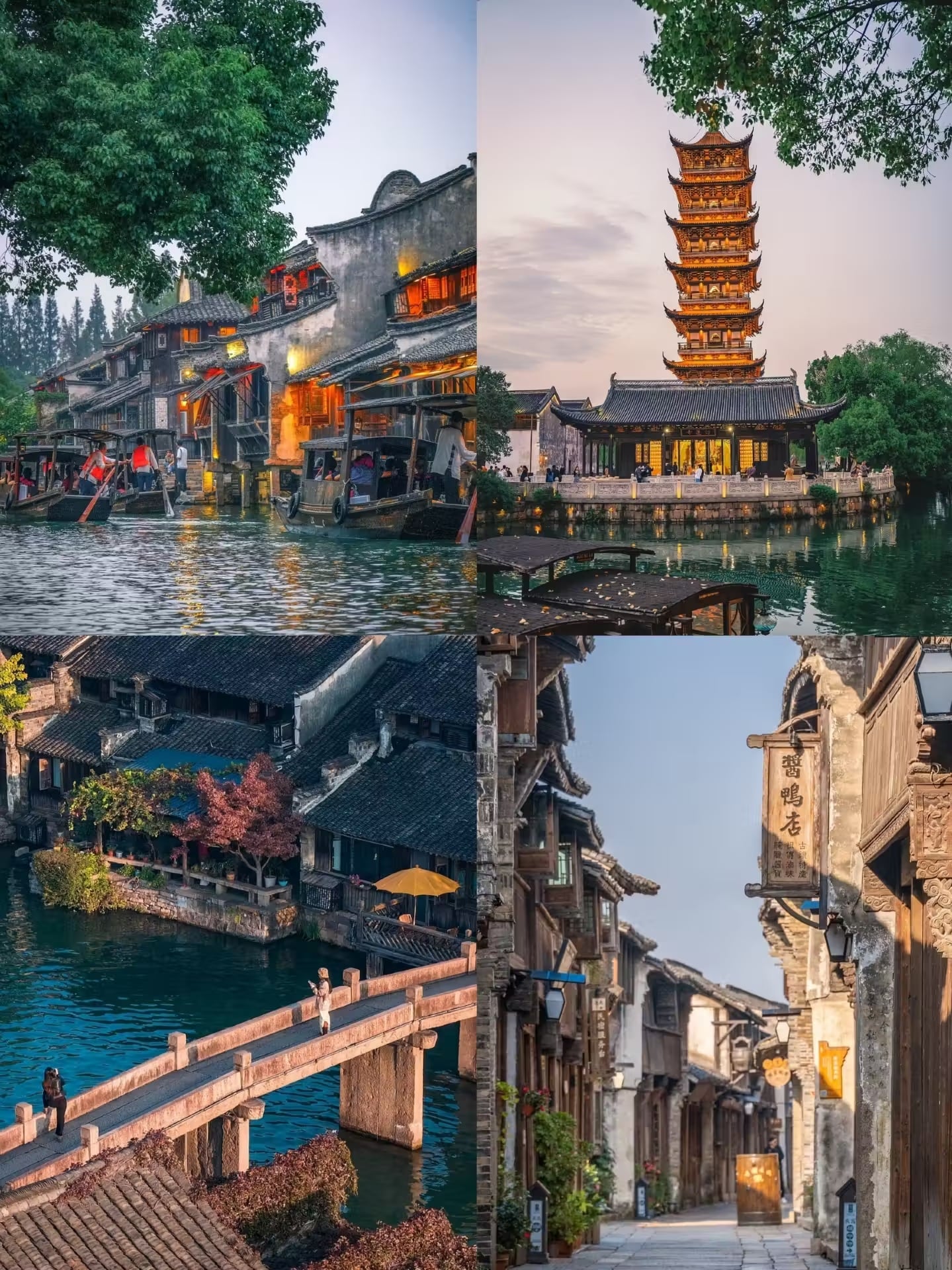
Stay aware of other visitors on narrow lanes and bridge steps. Step aside for photographs and avoid stopping in the middle of a crossing. Rain can make the stone paving slippery, so shoes with reliable grip are useful even for an evening outing.
The illuminated waterfront is the main reason to leave time for Xizha after dark. Wander beside the canals and through the Water Market area, choosing places where you can pause without blocking the lane. Individual shops and stalls may close before the whole scenic area, so do not make a late-night visit depend on one particular vendor.
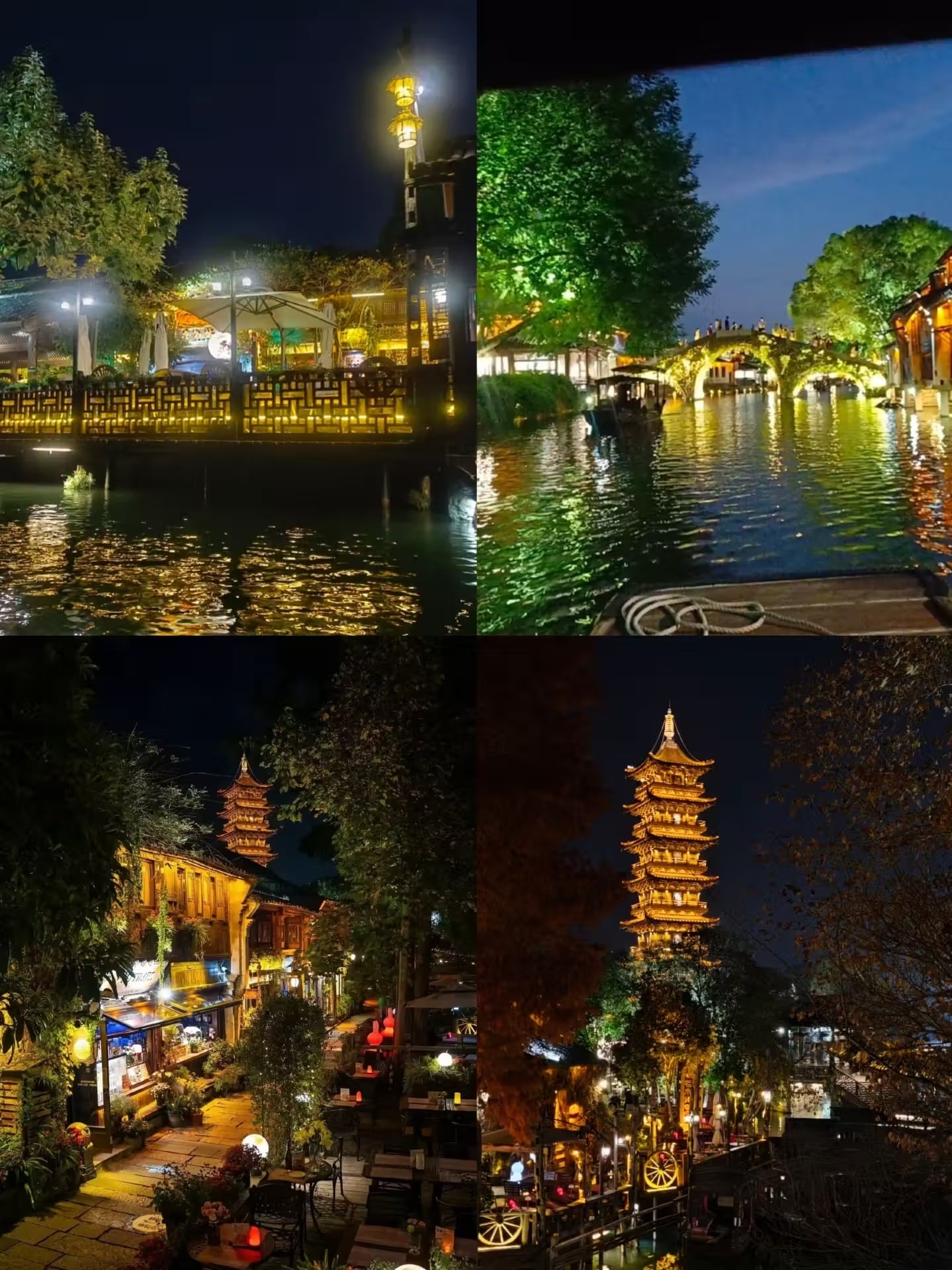
A hand-rowed boat offers another perspective on the houses and bridges. At the pier, check whether the fare is for a shared seat or a private charter, the route, the departure arrangements and any child charges. Compare the total cost for your party before choosing; a private boat is not automatically poor value for every group.
Use the posted fare and operating information for the day. Queues, weather and available boats can change the experience. A walk beside the same waterways remains a good alternative if the wait is too long.
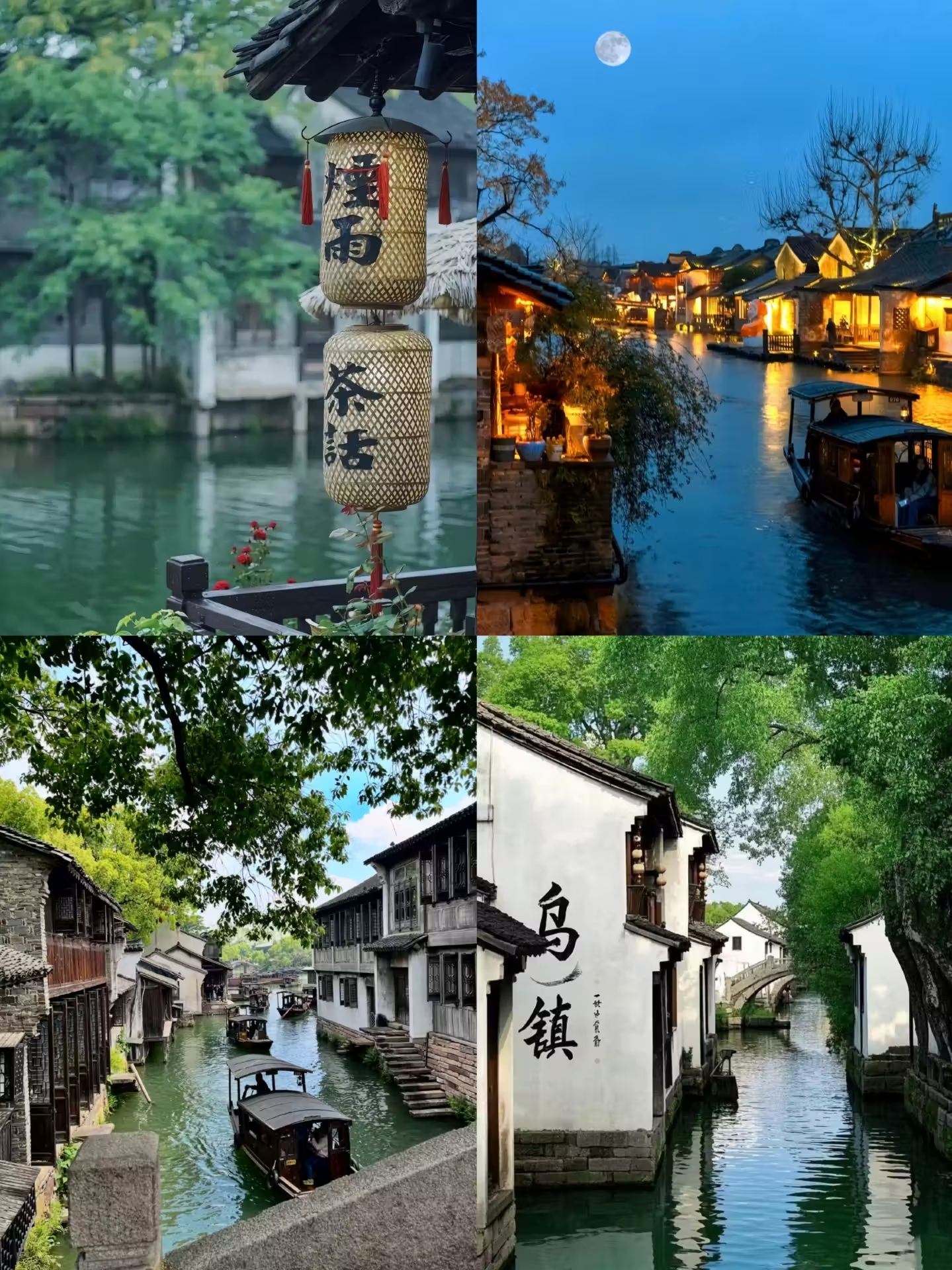
Local dishes to look for include soy-braised duck and freshwater fish. Ask about portion size and whether fish is priced by weight or by the dish before ordering. For a quicker meal, a bowl of noodles may fit better than a lengthy restaurant stop.
Compare menus both around the entrance and inside the scenic area, balancing price with the time needed to reach the restaurant. Do not leave a ticketed area for a meal without checking re-entry rules. Carry drinking water and a few snacks if useful, and check opening times before relying on a late dinner.
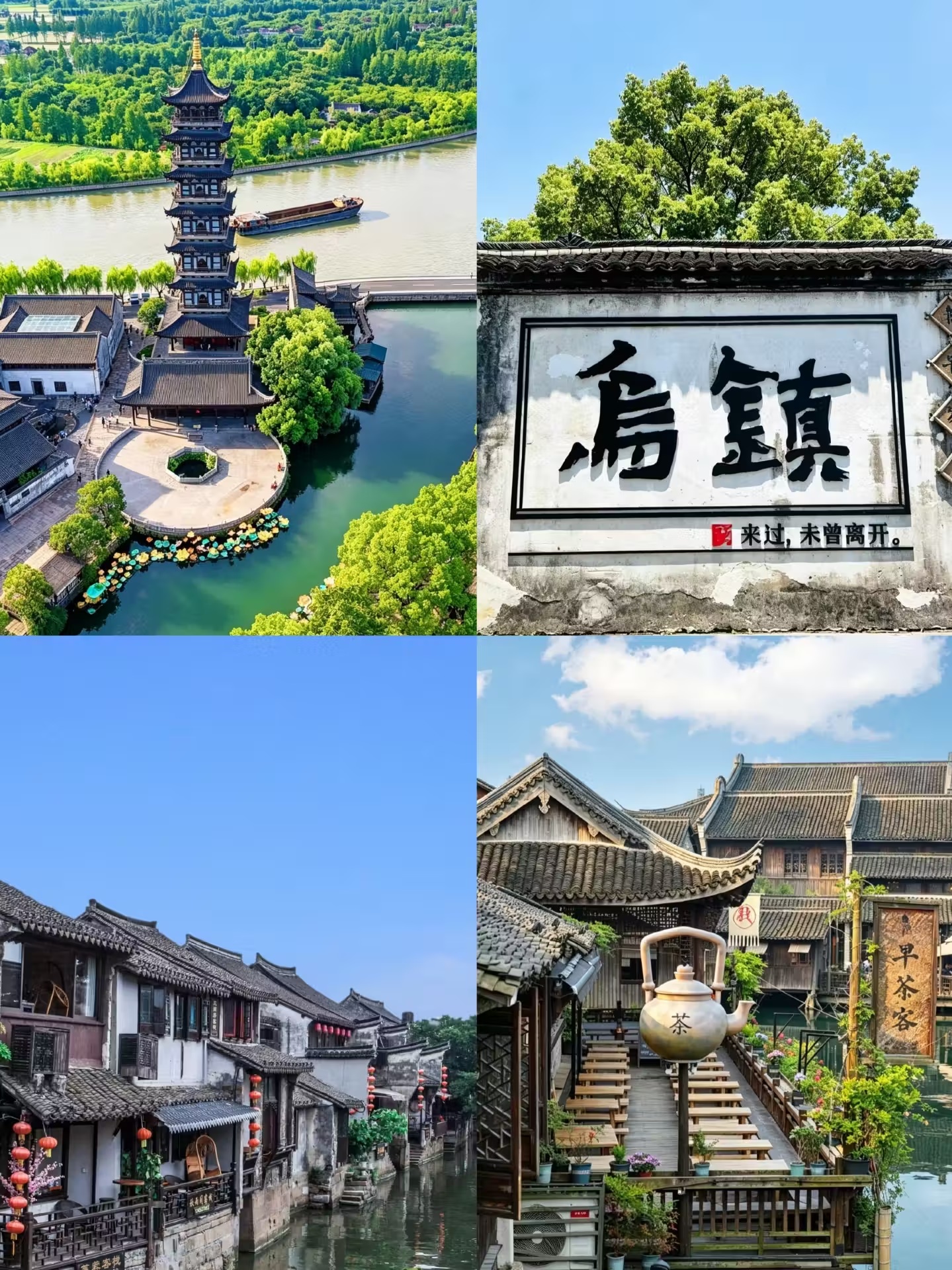
As checked in October 2026, the official booking site lists standard adult admission at CNY 150 for Xizha and CNY 190 for the combined Dongzha–Xizha ticket. Confirm the selected date, any concessions and the current terms before paying.
If you want only Xizha’s afternoon and night scenery, a combined ticket adds an area you may not use. If you plan to see both zones, check the combined product’s validity and use conditions. Ordinary admission should not be assumed to permit repeated exits and re-entry; official hotel or package arrangements can have different rules.
Boat rides, meals and some additional venues or activities are separate budget items unless your chosen product explicitly includes them. Online offers vary, so compare the actual final price and inclusions rather than assuming advance booking always produces a discount.
Tongxiang railway station is a useful arrival point, but it still requires an onward transfer to Wuzhen. Public bus connections serve the town’s bus station and scenic-area entrances; check the current route, stop and service times for the day you travel.
The evening service to Wuzhen’s bus station and a connection to Tongxiang railway station are different journeys. Official transport information distinguishes daytime and night routes. A town bus running until a late hour does not guarantee you can still reach the railway station and catch a train.
Check the last suitable connection and your actual train departure before planning the night walk. Leave time to reach the boarding point, travel to the station and complete station checks. If the connection is too tight, shorten the evening or arrange an overnight stay and leave the next morning.
Use an official taxi, a licensed transfer or a recognised booking service if that better suits the journey. Confirm the pickup point and fare arrangements. Avoid relying on an unsolicited roadside offer after a long evening.
Carry a charged phone, a power bank and weather-appropriate clothing. For photographs, steady the phone and let the reflected light do the work; keep tripods or bags out of busy paths. A short route enjoyed slowly is more comfortable than chasing every lit landmark before the last bus.
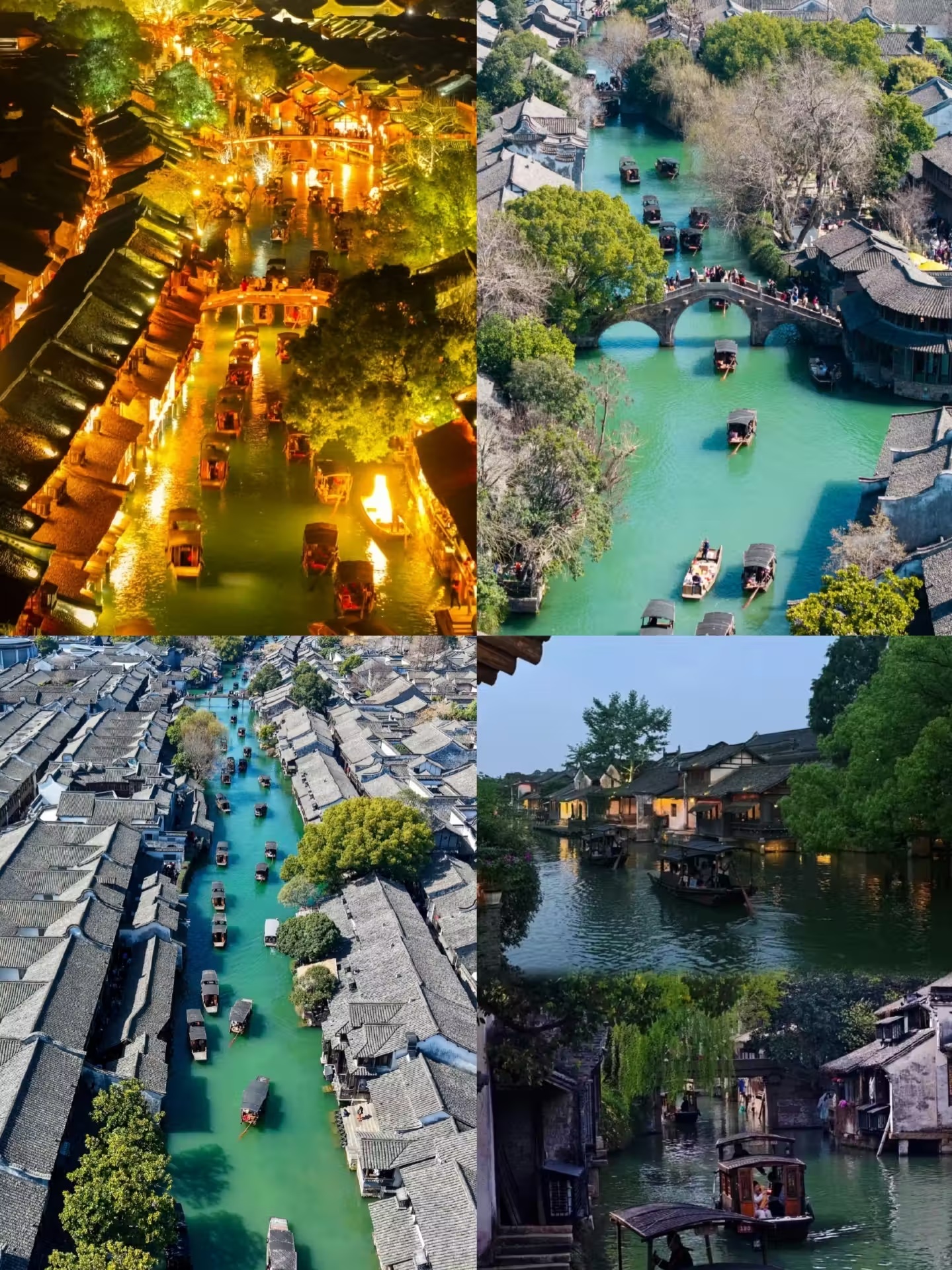
The pleasure of a day-to-night visit is seeing the same water town in different light. Old lanes and patterned cloth give the afternoon texture; lanterns, boats and reflections carry the evening. Choose the areas you have time to enjoy, and let the return journey set a sensible finish.