
Explore Hangzhou over three days, from West Lake and Lingyin to a tea village and the Grand Canal, with flexible options for families, workshops and travel days.
Three days in Hangzhou give you time to appreciate how different parts of the city fit together. West Lake introduces its celebrated landscape of water, gardens and distant hills. Lingyin and the tea villages take you into the wooded countryside just beyond the lake. The Grand Canal reveals another Hangzhou: a city shaped by boats, trade, workshops and neighbourhood life.
For a first visit, spend Day 1 around West Lake and the historic streets, Day 2 at Lingyin and one tea village, and Day 3 along the Grand Canal. This route builds on our two-day Hangzhou itinerary, with more time for a hosted tea experience and a separate day for canal heritage and local crafts.
The extra day is worth protecting. It allows you to sit down over tea, choose a museum that interests you and explore a neighbourhood without repeatedly checking how quickly you can reach the next attraction.
This itinerary assumes three full sightseeing days, ideally with arrival the evening before Day 1. If your arrival and departure fall within a three-calendar-day stay, use the shorter version below. The times are suggested planning windows; your actual route should follow reservation availability, weather, hotel location and confirmed activities.
Is Three Days in Hangzhou Worth It?
Three days work particularly well for travellers who want both the famous sights and a stronger sense of the city beyond them. You can see West Lake, visit Lingyin, learn about Longjing tea and spend meaningful time by the Grand Canal without fitting all four into two busy days.
The third day adds a different perspective rather than another round of lake viewpoints. At West Lake, the story is about landscape, poetry and the deliberate arrangement of beautiful views. In the tea hills, it is about cultivation, processing and hospitality. Along the canal, it is about the movement of goods and people, and the skills that supported urban life.
Two days can still be enough for a compact first visit. Choose three if you enjoy cultural interpretation, photography, neighbourhood walks or hands-on activities, or if your group benefits from regular breaks. Three days also make it easier to recover from a late arrival or rearrange outdoor sightseeing around rain.
Your Three-Day Hangzhou Itinerary at a Glance
| Day | Main area | Suggested experience | Pace and practical focus |
|---|---|---|---|
| Day 1 | West Lake, Nanshan Road and Hefang Street | A selected lakeside walk, an optional boat trip and historic streets | Introduce the city; keep the afternoon flexible |
| Day 2 | Lingyin and Longjing Village or Meijiawu | Temple and rock carvings, tea-field walk, village lunch and hosted tasting | Reserve entry and allow a substantial afternoon for one tea village |
| Day 3 | Gongchen Bridge, Qiaoxi and optionally Xiaohe Straight Street | Canal history, one museum or a booked craft activity, waterfront neighbourhoods | Check individual museum opening days; leave a departure buffer |
The core route is one lake area, one temple area, one tea village and one canal district. A boat trip, a craft workshop and an evening performance are choices to make within that framework. They do not all need to appear in the same trip.
Before You Arrive: Make the Three Days Work
An eastern West Lake hotel around Hubin is a convenient base for this route, especially if you want to return easily for dinner or a short evening walk. Nanshan Road and the southern lakeside also work well. Check the hotel’s exact entrance and vehicle access rather than choosing solely from a map pin.
Book intercity transport and accommodation first. Then organise the Lingyin reservation and any tea host or craft workshop you particularly want. Keep boat trips and evening entertainment flexible where their booking conditions allow.
Under the admission-free policy introduced in December 2025, Lingyin Feilai Peak Scenic Area uses timed, real-name reservations. Overseas visitors can book with a passport through the 杭州灵隐飞来峰 mini-programme on WeChat or Alipay. The published booking window runs up to seven days ahead and requires advance booking. Carry the original document used for the reservation. Check the current rules before travel, and arrange help in advance if the booking interface is difficult to use.
For hosted activities, confirm the language of instruction, duration, price and meeting point. An attractive tea-house or workshop photograph does not tell you whether English interpretation, materials or a structured lesson are included.
Day 1: West Lake, a Boat Option & Historic Streets
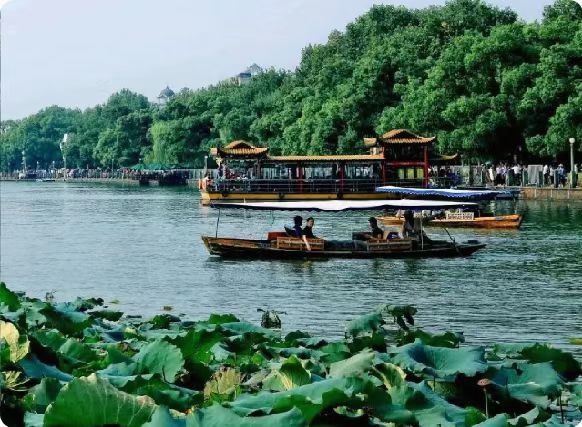
8:30–10:30 — Begin With a Selected West Lake Walk
Start on the eastern lakeshore around Hubin and follow a manageable section towards Yongjin Park and Orioles Singing in the Willows. This gives you water views, gardens and places to pause without committing to a complete circuit.
West Lake is a cultural landscape as much as a body of water. Causeways, planting, buildings and views towards the hills form part of its appeal. Give yourself time to notice those compositions: a pavilion framed by trees, a pagoda across the water, or the contrast between the city edge and the quieter shore.
A slow two-hour morning can be more satisfying than a long walk that leaves everyone tired by lunch. Stop for photographs and sit down occasionally. If your hotel is elsewhere, choose a similarly compact section that fits your starting point.
Visitors who particularly want a causeway walk can use a selected stretch of Bai Causeway or Su Causeway instead. Agree on an endpoint and how you will leave the area. Walking a causeway is not automatically a short detour, especially when heat, crowds and photography slow the group down.

待替换:西湖湖畔步行实景
10:30–12:00 — Take a Boat, or Continue on Shore
A West Lake boat trip can change your perspective and provide a seated break. It is an optional addition rather than a requirement for understanding the lake.
Before paying, establish which service you are taking, where it departs, where it finishes and whether an island visit is involved. A ride that returns to the same pier creates a different afternoon from one that lands elsewhere. Allow for queuing and boarding as well as the time on the water.
If you choose an island excursion, reduce the morning walk or afternoon sightseeing. If boats are suspended, queues are long or the weather is uncomfortable, stay on shore and take a longer lunch break. The day still works without a boat.
Much of the public lakeshore can be enjoyed without an admission ticket. Boats, certain attractions and other organised experiences have separate charges.
12:00–13:30 — Lunch Near Your Route
Eat around Hubin or Nanshan Road according to where your morning ends. Avoid crossing the city for a famous restaurant when an enjoyable meal nearby would preserve the afternoon.
For a first introduction to local food, consider a noodle dish or a few shared Hangzhou dishes with rice and vegetables. Dongpo pork is rich and slow-cooked; dishes served with sweet or vinegar-based sauces may taste different from what visitors expect. Ask what is available and choose according to your group rather than treating a list of specialities as a compulsory order.
Tell the restaurant about dietary needs before ordering. Vegetarian-looking vegetables can contain stock, lard or small amounts of meat. Ask clearly about these ingredients if they matter to you.
13:30–15:00 — Leave Room for Rest or One Extra Interest
Use the early afternoon for a hotel break, a café or a short continuation of the lakeside walk. This is particularly useful in hot weather and for families.
If everyone has energy, choose one additional stop. Leifeng Pagoda can suit visitors who want elevated views and are comfortable with the access involved. A garden or a quieter stretch of shore may suit those who prefer to stay outdoors. Check the relevant attraction’s current admission arrangements.
The extra day in this itinerary means you can leave space on Day 1. You do not need to complete every celebrated West Lake viewpoint before moving on.
15:30–17:30 — Explore Hefang Street and the Wushan Area
Transfer to the historic street area near Wushan and stroll through Hefang Street, also known as Qinghefang. Continue into a selected section of Southern Song Imperial Street if you feel like a longer walk.
This is a restored, lively visitor district with shops, food and traditional-style façades. Expect a commercial atmosphere. Its value in this itinerary is the change from open lake views to streets, storefronts and the everyday pleasures of browsing and eating.
Buy snacks or souvenirs if they interest you, but leave time to look around without shopping. Agree on a meeting point if members of the group want to explore separately.
Evening — Dinner, Then One Optional Activity
Have dinner near the historic streets or return to the hotel area. A brief lakeside walk is enough to round off the day.
If an evening performance is a priority, confirm the exact production, venue, date, ticket category and transport arrangements. The well-known West Lake performance marketed as Impression West Lake or Enduring Memories of Hangzhou requires its own booking and evening plan. Verify the current listing and any weather-related arrangements before committing.
Treat a performance as the evening’s main activity. Move dinner earlier and shorten the historic street visit if necessary. A late finish should also influence the next morning’s starting time.
Day 2: Lingyin, Tea Hills & a Longer Village Experience
8:30–11:30 — Visit Lingyin and Feilai Peak
Travel west into the wooded temple area for Lingyin and Feilai Peak. Follow your reserved entry window rather than this suggested clock time. If you have an afternoon reservation, put the tea experience first and confirm that the host and transport arrangements can support the reversed order.
Allow roughly three hours for a selected visit, including arrival, entry checks, walking and pauses. Lingyin is an active Buddhist temple, while Feilai Peak adds rock carvings and a distinctive wooded setting. Together they offer more depth than a brief stop for a photograph at a temple entrance.
A guide can help explain the relationship between the carvings, religious imagery and temple spaces. Independent travellers can also enjoy the area, provided they leave enough time and observe the instructions at each site.
Dress respectfully, keep voices low and follow any photography restrictions. Watch for steps and uneven surfaces. A private vehicle helps with the journey to the area but does not remove the walking inside it.
11:30–13:00 — Transfer to One Tea Village and Have Lunch
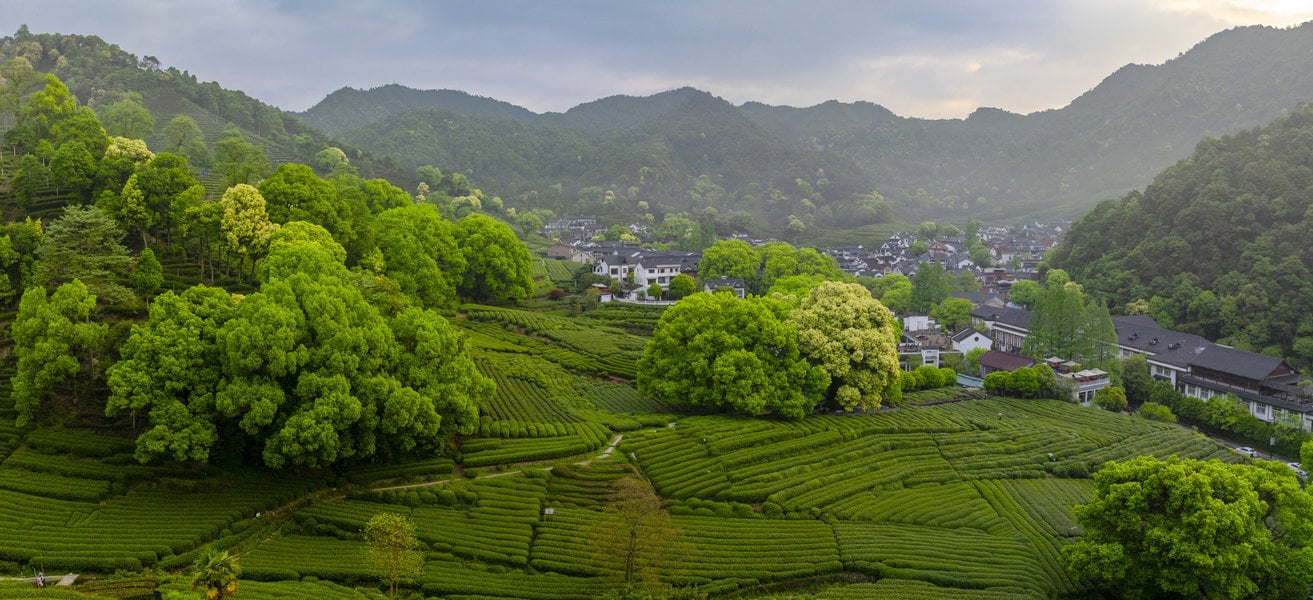
Choose Longjing Village or Meijiawu for the afternoon. Our Longjing Tea Village Guide explains how to choose. Both are associated with West Lake Longjing tea, but visiting both would use time that is better spent understanding one place.
| Tea area | Why choose it? | What to plan around |
|---|---|---|
| Longjing Village | Tea landscapes around the village and the Lion Peak area; a good setting for a focused introduction to Longjing tea | Your host’s location, permitted walking paths and the amount of uphill walking |
| Meijiawu | Tea hills, village hospitality and the possibility of combining lunch with a hosted tea visit | The exact venue, road access and the confirmed experience |
Choose the better host and route for your interests. Neither village guarantees an English-speaking farmer, a harvesting activity or a quiet table simply because you arrive there.
The temple and tea areas are separated by roads and hills. Use an arranged vehicle or another practical road connection rather than assuming they are an easy walk apart. Have lunch at the tea destination if a suitable venue is confirmed, and allow time to sit down before the afternoon activity.
待替换:龙井村或梅家坞茶田实景
13:00–16:30 — Walk, Learn and Taste at an Unhurried Pace
The three-day itinerary gives the tea visit a substantial afternoon. A useful sequence is a short village or tea-field walk, an introduction from your host, and a seated tasting with time for questions.
On the walk, stay on permitted paths and ask before entering cultivated plots. Tea fields are working agricultural land. Do not pick leaves or photograph people at close range without permission.
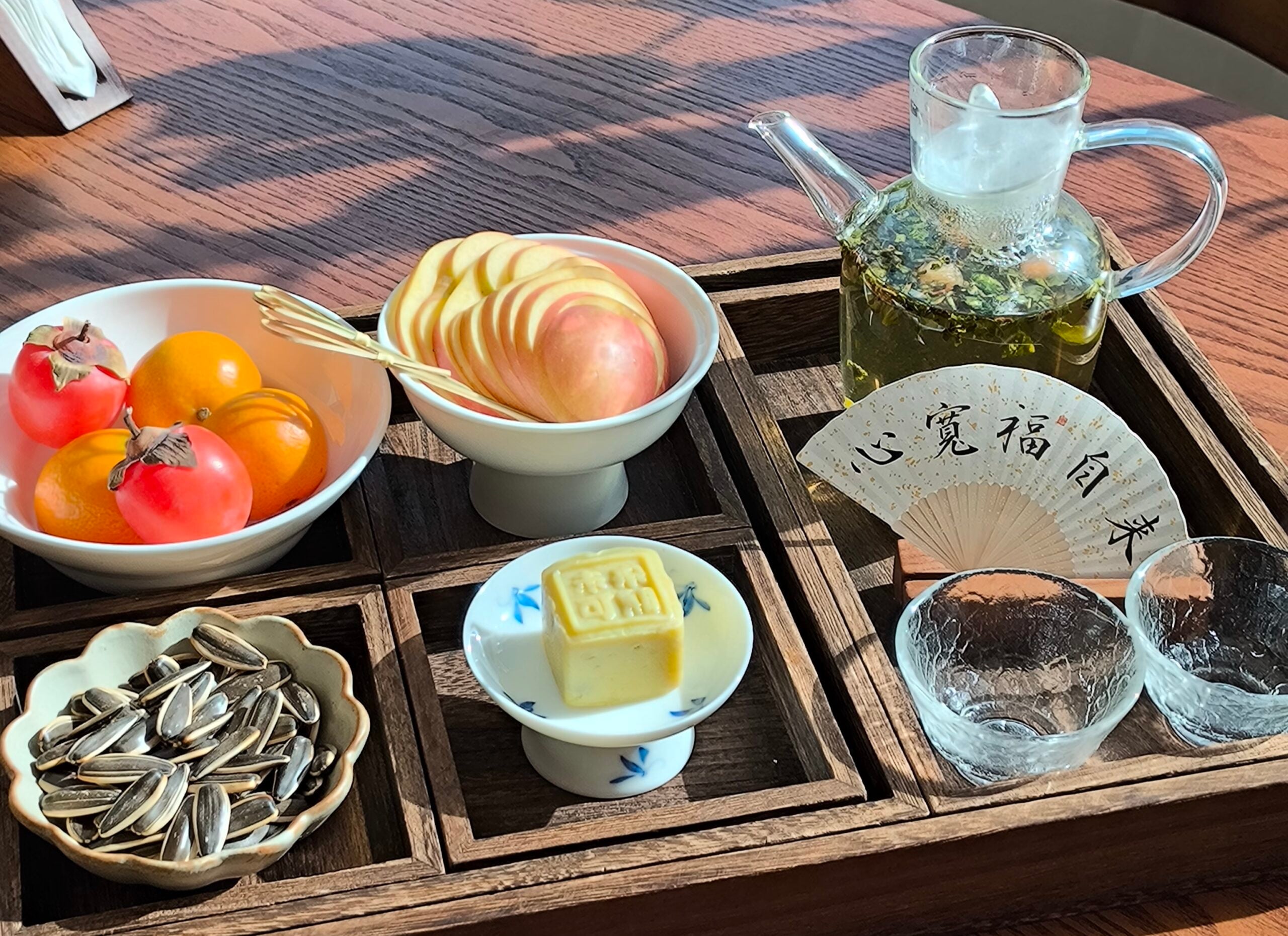
During the tasting, explore a few practical questions: how does Longjing green tea differ from other teas? What do harvesting and processing contribute to its character? How do water temperature and brewing time affect the cup? What does the host recommend for brewing it at home?
A well-arranged session can be worthwhile even when no picking is taking place. Tea harvesting and processing are seasonal, weather-dependent activities. Spring can offer opportunities to see fresh-leaf work, but exact timing changes each year. Visitor participation requires a specific arrangement; it should never be implied by a standard village visit.
Confirm whether your booking includes a tasting, a demonstration, a lesson or simply tea served at a table. If English discussion is important, arrange interpretation explicitly. Agree on charges before the session starts, including any additional tea ordered.
Purchasing tea is optional. If you want to buy some, ask about origin, harvest, quantity and the final price, and taste before making a decision. The experience should remain comfortable whether you buy tea or leave with only a better understanding of it.
待替换:实际安排的龙井茶品饮体验
An Alternative for Walkers: Make the Hills the Main Activity
Travellers who want a longer tea-hill walk can adapt Day 2 around a suitable route and a shorter hosted session. Discuss the terrain, weather, trail condition and finishing point before setting out.
A longer walk is a substitution within the day. It may require reducing the temple visit or removing another activity. Routes through the hills can involve sustained climbing, steps and slippery surfaces after rain; a tea landscape on a map does not necessarily mean an easy village stroll.
For a gentle day, stay with accessible village paths and a seated tasting. For a walking-focused day, establish a route that matches the least confident walker in your group.
16:30 Onwards — Return to the City for a Quiet Evening
Leave time for the drive back, particularly on busy weekends and holiday dates. Have dinner near the hotel and keep the evening flexible.
If you skipped the historic streets on Day 1, you could visit them this evening, provided the group still has energy. Otherwise, rest. The canal day is more enjoyable when it begins without accumulated fatigue.
Day 3: The Grand Canal, Local Crafts & Waterfront Neighbourhoods
Why the Canal Deserves Its Own Day
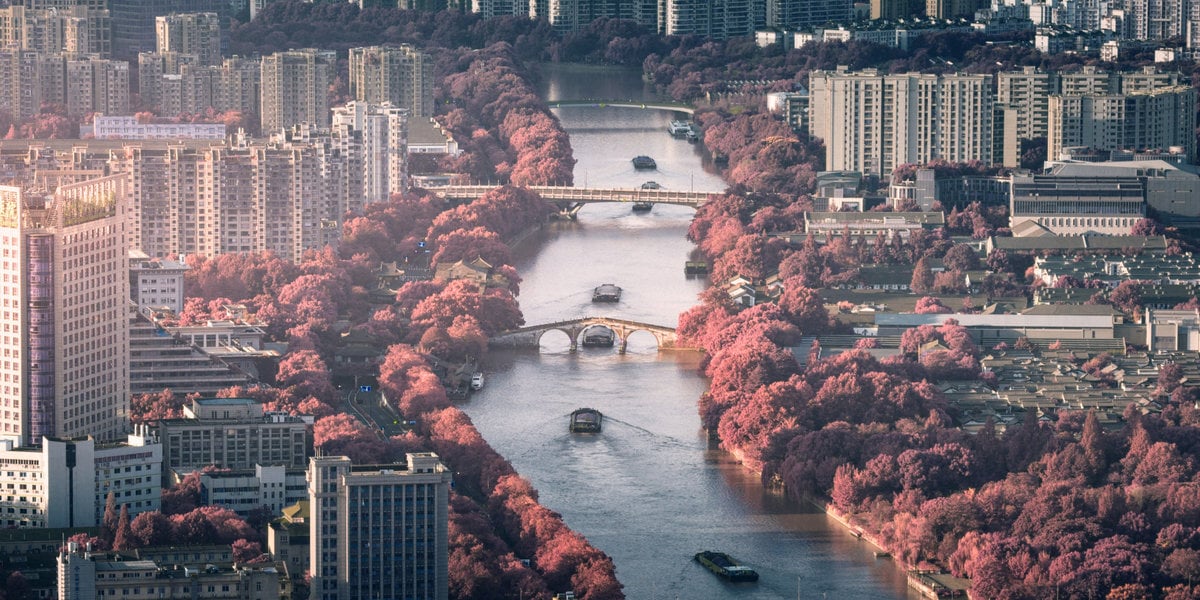
The Grand Canal introduces a different side of Hangzhou’s history. Its waterways supported trade, transport and the growth of neighbourhoods and industries. Around Gongchen Bridge, the river, historic buildings and museums make that story easier to understand.
A full day gives you time to move between the canal itself and the skills associated with the city. You can learn about the waterway in a museum, look at traditional craft objects and end in a neighbourhood where cafés and small shops occupy restored buildings.
This is the main difference from the two-day itinerary. It adds a distinct cultural theme while allowing the first two days to remain comfortable.
9:00–10:00 — Start at Gongchen Bridge
Travel to the Gongchen Bridge area in northern urban Hangzhou. The bridge is a landmark of the city’s canal heritage and a useful orientation point before entering nearby streets or museums.
Take time to look along the waterway and understand how the two banks connect. Crossing the historic bridge involves steps; visitors who need a step-free route should agree on an alternative crossing and access plan beforehand.
A short waterfront walk works well here. You do not need to follow the canal for several kilometres to appreciate it.
待替换:拱宸桥与大运河实景
For more context, read our Hangzhou Grand Canal Travel Guide.
10:00–12:00 — Choose Canal History or Craft Collections
Select one main museum experience according to your interests and the day’s opening arrangements.
The Beijing–Hangzhou Grand Canal Museum, on the east side of the bridge area, is a useful choice for visitors who want the broader story of the waterway and its relationship with Hangzhou. Allow time to connect what you see inside with the river outside.
The Qiaoxi craft museum area offers another approach, with collections associated with fans, umbrellas, knives, scissors, swords and other crafts. Choose the subject that interests you most rather than attempting every collection. Objects used in daily life can provide a rewarding introduction to the city’s craftsmanship.
Museum opening days are not uniform. Check the exact venue for your travel date, including reservation and overseas-ID arrangements. A closed museum is a good reason to swap Day 3 with another day; it does not make the canal itself unavailable.
Allow roughly 60–90 minutes for a focused museum visit, plus the time needed to reach it and explore nearby. If your group prefers streets to displays, shorten the museum and spend longer outdoors.
12:00–13:15 — Lunch in the Canal District
Have lunch around Qiaoxi or another convenient point on your route. Restaurants and cafés give you the opportunity for a proper break between the morning’s cultural visit and the afternoon walk.
For families, choose a venue with seating and a menu everyone can use. Noodles, rice dishes and shared vegetables can be easier than a prolonged snack-only lunch. Let the restaurant know if children need mild food or an earlier meal.
If you have booked an afternoon workshop, keep lunch close to its meeting point. Avoid a cross-city restaurant detour that turns the workshop into a rushed appointment.
13:15–14:45 — Explore Qiaoxi or Join a Booked Craft Activity
Qiaoxi, on the western side of Gongchen Bridge, brings together restored neighbourhood buildings, traces of industrial and commercial life, museums and places to pause. Spend time looking at the streets and their relationship to the canal.
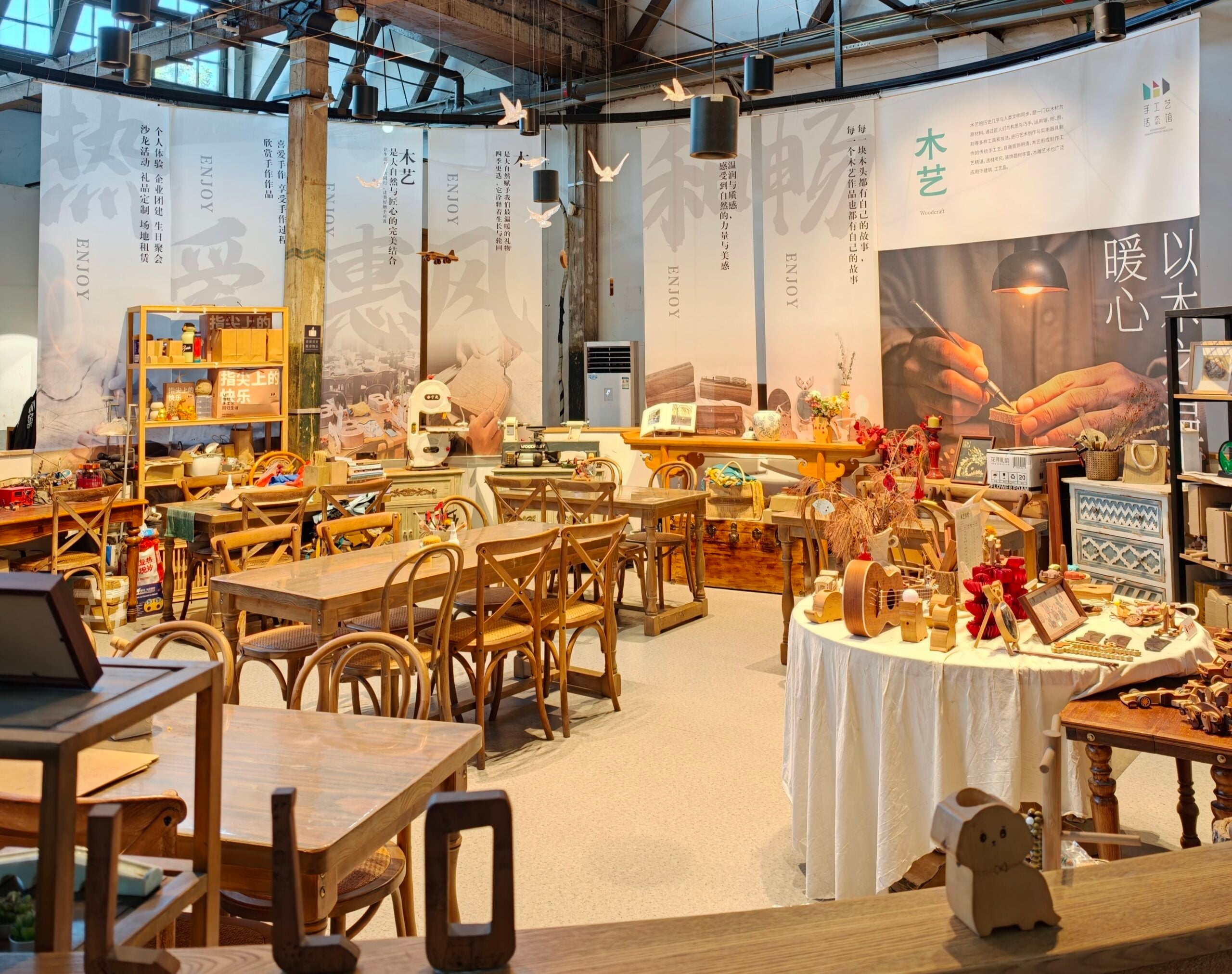
If a hands-on experience is one of your priorities, use this part of the day for a pre-booked craft session, such as fan painting where a suitable provider offers it. A manageable workshop can add a personal connection to the craft collections you saw earlier.
Confirm the actual activity before including it in your itinerary. Painting a prepared fan, assembling components and learning a traditional manufacturing technique are different experiences. Ask about the instructor, language support, materials, duration and whether you can take the finished piece away immediately.
For children, check age suitability and whether an adult needs to assist. For enthusiasts, ask whether the session explains the craft in depth or primarily offers a decorative souvenir activity.
A workshop replaces part of the neighbourhood walk or museum time. If no suitable session is available, use the afternoon for Qiaoxi and a relaxed stop by the water. The canal day remains worthwhile without a craft booking.
15:00–16:30 — Continue to Xiaohe Straight Street, If Time Allows
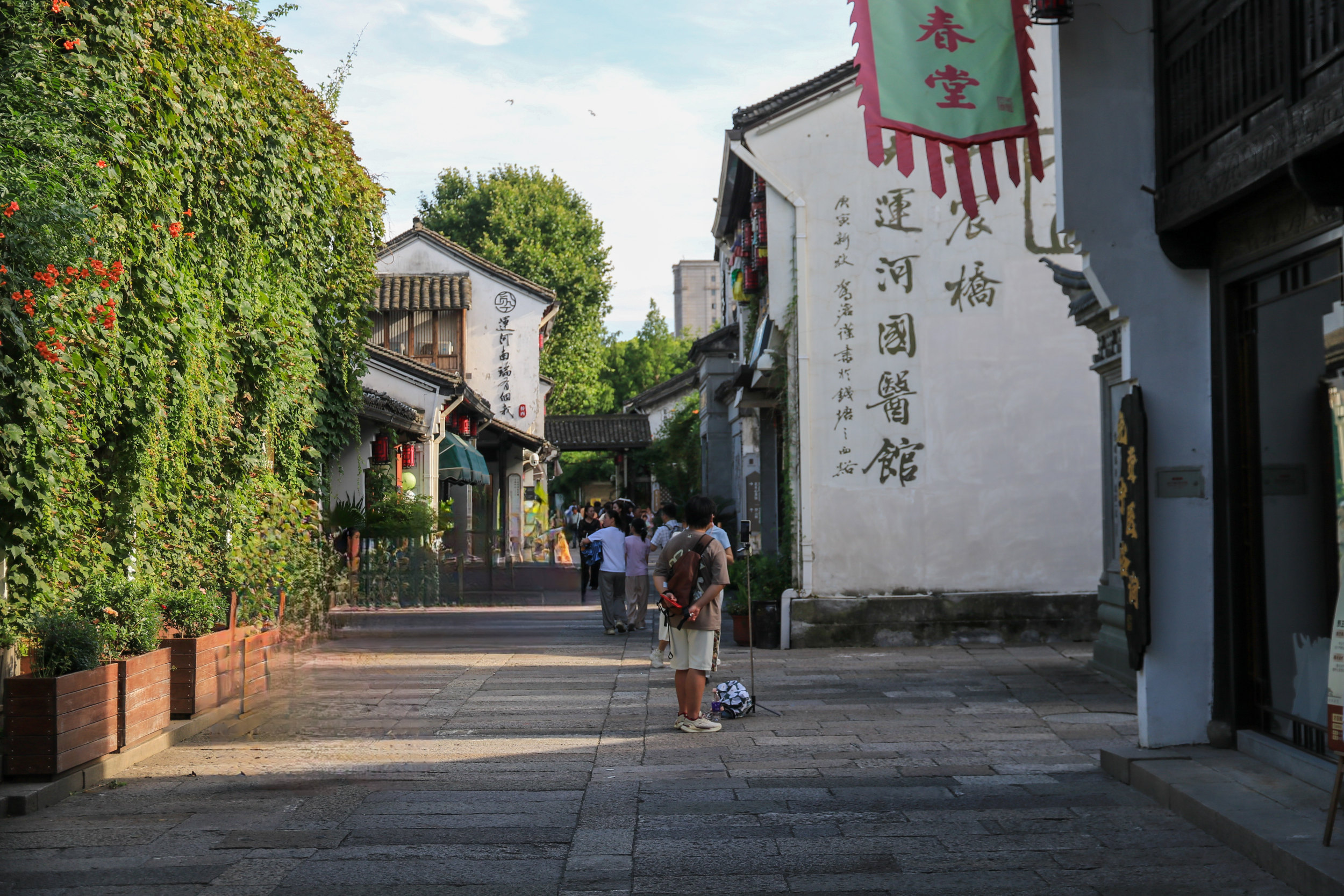
Xiaohe Straight Street, or Xiaohezhijie, offers a more intimate neighbourhood setting with waterside lanes, traditional-style buildings, cafés and small businesses. It provides a pleasing change after the larger bridge and museum area.
It is a separate stop, not a lane immediately beside Gongchen Bridge. Allow time to travel between them. Use a walking route only if the distance, weather and group energy suit you; otherwise arrange a short transfer.
Once there, leave room to wander and sit down. The area is popular with visitors and should not be presented as an untouched village. Its appeal lies in the scale of the streets, the waterside setting and the chance to spend an hour without a dense sightseeing agenda.
If you have a substantial workshop or an early departure, omit Xiaohe rather than squeezing it into a brief photo stop.
待替换:小河直街或桥西水岸街巷实景
Should You Take a Canal Boat?
A canal boat can be enjoyable, but it needs its own planning. Public water buses and sightseeing cruises have different routes, boarding arrangements and purposes. Check the current service, pier, timetable, queue conditions and endpoint before making it part of the day.
If you want a daytime boat journey, use it as a transport-and-sightseeing choice where the operating route fits. Reduce a museum or neighbourhood stop to allow for boarding and waiting. Do not rely on an unconfirmed water-bus departure to reach a timed workshop.
An evening sightseeing cruise may suit visitors staying another night. Confirm where you board and disembark, and how you will return to the hotel. It should replace another evening plan rather than extend an already full departure day.
Late Afternoon — Return, Collect Luggage or Stay for Dinner
If you are leaving Hangzhou, finish sightseeing early enough to collect luggage and travel to the correct station or airport. Work backwards from your departure time, including the carrier’s recommended arrival buffer and extra road time where needed.
Hangzhou Railway Station, Hangzhou East and Hangzhou West are different locations. Show your driver the station on the actual ticket. A canal-area pickup may make sense for some journeys, while others require a return to the hotel first.
If you are staying another night, have dinner in the canal district or return towards West Lake. You can enjoy an evening waterfront atmosphere without booking another activity.
If You Have Three Calendar Days Rather Than Three Full Days
A three-day stay with arrival on the first day and departure on the third gives you less time than the itinerary above. Keep the same themes, but reduce the route.
| Available time | Practical version |
|---|---|
| Arrive around midday on Day 1 | Lunch, a selected West Lake walk and either a boat or historic streets |
| Full Day 2 | Lingyin and one tea village; keep the hosted experience focused |
| Depart late on Day 3 | Gongchen Bridge, one museum or short booked workshop, then lunch and departure preparations |
| Depart early on Day 3 | A brief canal walk only if the transfer works comfortably; otherwise keep the first two days complete |
If canal heritage is your main reason for adding the third day, choose a departure that leaves a useful sightseeing window. An early train on Day 3 does not provide the full canal experience described here.
Where to Stay for This Route
Hubin and the eastern lakeside are convenient for a first visit, evening walks and a broad choice of dining. This is a practical base when your three days cover several parts of the city.
Nanshan Road and the southern lakeside suit visitors who value walks around the south of West Lake and access to the Wushan area. Check the precise hotel location: a broad neighbourhood name can cover very different walking distances.
Lingyin or the tea-hill area can appeal if countryside atmosphere is a priority. Consider dining options and the additional travel needed for the canal day and intercity departure.
The Grand Canal area suits visitors who prefer that district’s neighbourhood character, though it changes your starting point for the lake and tea days.
Our Where to Stay in Hangzhou guide compares the main areas.
For a three-day first visit, one hotel is usually sufficient. Changing hotels for a single night adds packing and luggage handling without necessarily improving the sightseeing route.
Transport: Walk Within Areas, Transfer Between Them
Walking works best within selected parts of West Lake, the historic streets and the canal districts. Road transport is useful for reaching Lingyin and a tea village, or moving between areas when your group wants to conserve energy.
Public transport can support independent travel, but check the full route, including the walk at both ends. A metro station name is not the same as an attraction entrance. Tea-village travel may involve bus connections and waiting time.
A private vehicle can simplify the temple-and-tea day, particularly for families or visitors with limited time. Discuss pickup points and vehicle access in advance. Around scenic areas, the nearest convenient road may differ from the place where your walking route ends.
See our Getting Around Hangzhou guide for wider transport planning.
Useful Chinese names to save on your phone include:
| Place | Chinese name |
|---|---|
| West Lake | 西湖 |
| Hubin | 湖滨 |
| Lingyin Temple | 灵隐寺 |
| Lingyin Feilai Peak Scenic Area | 灵隐飞来峰景区 |
| Longjing Village | 龙井村 |
| Meijiawu | 梅家坞 |
| Hefang Street / Qinghefang | 河坊街 / 清河坊 |
| Gongchen Bridge | 拱宸桥 |
| Qiaoxi Historic Block | 桥西历史文化街区 |
| Beijing–Hangzhou Grand Canal Museum | 京杭大运河博物馆 |
| Xiaohe Straight Street | 小河直街 |
For a restaurant, workshop or tea host, save the exact address and contact details as well. The village or district name alone may not identify the right entrance.
Adapting the Itinerary to Weather, Families & Walking Needs
Rainy Days
Move the canal museum visit to the wettest day if the venue is open. A hosted tea session can also provide shelter, although getting to it still requires travel and some outdoor walking.
Keep lakeside and village walks shorter in steady rain. Temple paths and historic stone surfaces can be slippery. Boats and outdoor performances may be affected by weather; check directly rather than assuming they will operate.
Hot Weather
Start outdoor walks earlier, take a proper midday break and choose shade where practical. Bring drinking water and sun protection. Reduce steep tea-hill walking if heat would make it uncomfortable.
An indoor museum afternoon can help, but leave time for the transfer. Avoid filling a hot day with additional outdoor stops simply because they appear close together on a map.
Families With Children
Give each day one experience children can recognise: a lake walk or boat, an introduction to tea, and a craft activity or a focused museum visit. Keep interpretation short enough for their attention spans and allow time for snacks and toilets.
Do not assume every workshop accepts young children. Ask about age limits, materials and adult supervision. Tea tasting may interest adults more than children, so combine it with a short walk and avoid an unnecessarily long seated session.
A stroller can help on suitable flat paths, but steps, narrow streets and uneven paving require adjustments. Keep children close beside open water and during boarding.
Seniors and Visitors With Limited Mobility
Shorten the lake walk, choose a tea venue with suitable access and establish an alternative to crossing Gongchen Bridge by its steps. Ask about entrances, toilets, seating and internal access at the exact attractions you plan to visit.
Be specific when arranging a tour: how long can each person walk, are steps manageable, and is a wheelchair or other aid involved? A slower pace and a car do not, by themselves, make every site accessible.
What to Book, What to Leave Flexible
| Arrange ahead | Why it matters |
|---|---|
| Accommodation and intercity travel | These establish the time genuinely available for sightseeing |
| Lingyin reservation | The entry window influences the order of Day 2 |
| A hosted tea experience | Language, availability and seasonal activities need confirmation |
| A craft workshop, if desired | The provider must confirm the session, duration and participant requirements |
| A specific evening performance or cruise | Date, venue, boarding point and cancellation conditions affect the evening plan |
Leave room for adjustments to the exact lake walking section, café breaks and the second canal neighbourhood. Check museum admission arrangements before travelling, even when general entry is free.
When budgeting, separate accommodation, transport, guiding, meals and optional paid activities. This editorial itinerary does not mean that a boat, tasting, workshop, performance or museum booking is included in every three-day tour quotation.
What to Leave for Another Visit
Wuzhen, Xixi Wetland and Liangzhu can all appeal to different interests, but adding them to this route requires giving up part of the lake, temple, tea or canal experience.
If archaeology is your priority, discuss replacing a day with Liangzhu. If wetland scenery matters more than canal heritage, consider a Xixi-focused alternative. If a water town is essential, add time or design a separate Hangzhou-and-Wuzhen journey.
For this three-day itinerary, keep the emphasis on understanding Hangzhou itself. The canal district already provides waterside streets and a different historical setting without adding an intercity excursion.
Frequently Asked Questions
Is Three Days Enough for a First Visit to Hangzhou?
Yes. Three full days allow a balanced introduction to West Lake, Lingyin, tea culture and the Grand Canal. You will still make choices within each area, but you can include breaks and a meaningful hosted experience.
How Is This Different From the Two-Day Hangzhou Itinerary?
The third day focuses on Grand Canal heritage and local crafts. The tea afternoon also has more room for a walk, tasting and conversation because departure does not need to follow it immediately.
Can I Follow This Route Independently?
Yes, if you are comfortable organising reservations, transport and navigation. Book tea or craft interpretation explicitly if you want it. A guide can help connect the cultural themes and coordinate activities, but is not essential for every part of the route.
Should I Visit Longjing Village or Meijiawu?
Choose one according to the confirmed host, walking route and experience you want. A thoughtful visit to one village is usually more rewarding than brief stops at both.
Can I Pick Tea During the Visit?
Only when the season, field conditions and host’s arrangements permit it. Confirm a picking activity separately. A normal tea-village visit or tasting does not automatically include harvesting or processing.
Is Lingyin Admission Free?
Under the policy introduced in December 2025, Lingyin Feilai Peak Scenic Area has admission-free entry with timed, real-name reservations. Check the current policy for your travel date and secure your booking in advance.
Can Overseas Visitors Reserve Lingyin With a Passport?
The published reservation rules support passports. Use the original document associated with the booking when visiting, and seek assistance ahead of time if you need help with the booking process.
Are West Lake Boats and Canal Boats the Same Experience?
No. West Lake boats introduce a lake landscape, while canal services follow an urban waterway. Each has its own operator arrangements, route and boarding points. You can choose one rather than including both.
Do I Need to Visit Every Museum Around Gongchen Bridge?
No. One focused museum visit is enough for this route. Choose canal history or the craft collection that interests you, and preserve time for the waterfront and neighbourhoods.
Is a Fan Workshop Included in the Canal Day?
It is an optional activity that needs a confirmed provider and booking. Ask what you will make, how long it takes, what instruction is available and whether materials are included.
What Happens if a Canal Museum Is Closed?
Swap the canal day with another day where practical, choose a different open venue or focus on Gongchen Bridge and the historic streets. Check each museum separately; their opening days can differ.
Is This Itinerary Suitable for Children?
Yes, with shorter walks and age-appropriate activities. Allow meal and toilet breaks, confirm workshop suitability and avoid expecting children to sustain long museum visits or tea discussions.
Can I Arrive From Shanghai on Day 1?
Yes, but shorten the first day according to your actual arrival. Leave time for the station transfer and luggage. Arriving the previous evening is the easiest way to preserve the complete West Lake morning.
Can I Depart After the Canal Visit on Day 3?
Yes, if your departure is late enough. Work backwards from the correct station or airport, including luggage collection and the recommended arrival buffer. Omit Xiaohe or the workshop if necessary.
Can I Add Wuzhen to These Three Days?
You can redesign the trip around it, but it would replace a substantial part of this Hangzhou route. Extra time is preferable if you want both the full itinerary and a water-town visit.
Do I Need a Private Car for All Three Days?
Not necessarily. Walking and public transport can cover parts of the lake and canal days. A private vehicle can be particularly useful for Lingyin and the tea village, depending on your group and hotel location.
Plan Your Three-Day Hangzhou Visit With Our Local Team
Would you like this route adapted around your arrival time, walking pace or interest in tea and traditional crafts? Share your travel dates, group size and priorities with our Hangzhou-based team.
We can help shape a three-day private journey around West Lake, temple heritage, a tea village and the Grand Canal, with activities and services clearly set out in your proposal. Tell us whether you would prefer more walking, a longer tea session, a craft workshop or a quieter family pace.
Tea and souvenir purchases remain optional under our No Forced Shopping Promise.
For wider planning advice, visit our Hangzhou Travel Guide.
Prepared for: Discover East China Tours
Last updated: 8 October 2026