
Hefang Street and Southern Song Imperial Street are two of the easiest places to include in a first visit to Hangzhou. They meet in the city’s historic commercial quarter, where you can combine a street walk with small shops, local snacks, traditional medicine heritage and a museum visit.
The two streets offer different experiences. Hefang Street is the busier, more compact place for browsing and snacks. Southern Song Imperial Street follows a north–south route through a broader historic streetscape, with buildings and details from different periods of the city’s history.
For most visitors, a relaxed two- to three-hour walk is enough for an introduction. Allow longer if you want to visit a museum, have a proper meal or climb Wushan for views. Daytime is better for cultural venues and architectural details; an evening visit works well for dinner and a less structured stroll.
This guide explains how the streets fit together, what is worth seeing, and how to plan a visit without turning a simple neighborhood walk into an exhausting checklist.
The Area at a Glance
| Planning question | Practical answer |
|---|---|
| Location | Hangzhou’s Shangcheng district, around the historic Qinghefang area and the foot of Wushan |
| Main streets | Hefang Street and the central visitor section of Southern Song Imperial Street along Zhongshan Middle Road |
| Best first visit | Hefang Street, Dajing Lane and a selected stretch of Southern Song Imperial Street |
| Suggested time | Around 2–3 hours for a relaxed walk; 3–4 hours with a museum or longer meal |
| Admission | No general street-entry ticket; individual museums, attractions and activities have separate arrangements |
| Useful metro stations | Wushan Square on Line 7; Ding’an Road on Line 1 |
| Best daytime focus | Heritage buildings, museums and browsing |
| Best evening focus | Dinner, snacks and street atmosphere |
| Useful nearby extensions | Hangzhou Museum, Wushan, Chenghuang Pavilion and Hu Xueyan’s Former Residence |
Visit lengths are planning estimates. Shopping, queues and indoor visits can add substantially to the time you spend here.
Hefang Street, Qinghefang and Southern Song Imperial Street: What Is the Difference?
The names can be confusing because they are often used together in travel listings.
Hefang Street — 河坊街
Hefang Street runs broadly east–west. Its popular pedestrian section is associated with shops, snacks and the historic commercial setting near Wushan.
It is a useful first stop if you want an easy introduction to the area. You can browse, try a snack and turn into nearby lanes without committing to a long route.
Qinghefang Historic Area — 清河坊历史文化街区
Qinghefang refers to the wider historic district, not simply another name for one short street. Hefang Street, nearby lanes and connected heritage sites form part of the experience visitors associate with this name.
If your map shows a large Qinghefang area rather than a precise entrance, choose a specific destination within it, such as Wushan Square, Dajing Lane or Hu Qing Yu Tang.
Southern Song Imperial Street — 南宋御街
Southern Song Imperial Street follows a north–south axis associated with the historic capital’s central street. For a practical visitor walk, focus on the Zhongshan Middle Road section around the Drum Tower, the Hefang Street intersection and the route north toward Xihu Avenue.
Historical accounts describe a much longer imperial-street alignment. That does not mean you need to walk its entire historical extent, or that the whole route is one uninterrupted pedestrian attraction today.
How the Two Main Streets Connect
Hefang Street and Southern Song Imperial Street intersect. Think of them as an east–west browsing street crossing a north–south historic route.
Wushan Square is a useful starting area toward the western side of the Hefang Street visit. Dajing Lane provides a side excursion near Hu Qing Yu Tang. The Drum Tower is a southern landmark on the Zhongshan Road route, while Ding’an Road Station is useful when planning an exit from the northern part of the walk.
You can explore this layout in either direction. Save your start and finish on a map before setting out, particularly if you want to avoid retracing your steps.
Is the Area Worth Visiting?
Yes, if you enjoy historic streets, food stops, browsing and a flexible urban walk. The area adds a commercial and cultural side of Hangzhou to a trip that might otherwise focus mainly on West Lake and temples.
It works especially well for travelers who want a few different experiences close together: looking at traditional shopfronts, visiting a heritage pharmacy complex, stopping for a snack and sitting down for dinner.
Expect a popular visitor district with modern businesses. Some shops sell broadly available souvenirs, and the main street can be busy. The value of the visit comes from choosing a few details and places that interest you rather than assuming every shop provides a distinctive local encounter.
If shopping streets do not appeal to you, keep the street walk short and add a museum or historic residence. If your time in Hangzhou is very limited, give West Lake and your highest-priority sights enough time before fitting this area into the evening.
A Brief History: Hangzhou’s Commercial and Imperial Past
During the Southern Song period, Hangzhou—then known as Lin’an—became the imperial capital. Its streets supported government, commerce, craft production and the everyday needs of a large urban population.
The Qinghefang area developed as an important commercial and residential quarter. The imperial-street alignment formed part of the capital’s central urban axis and ceremonial life, while businesses and neighborhoods developed around it.
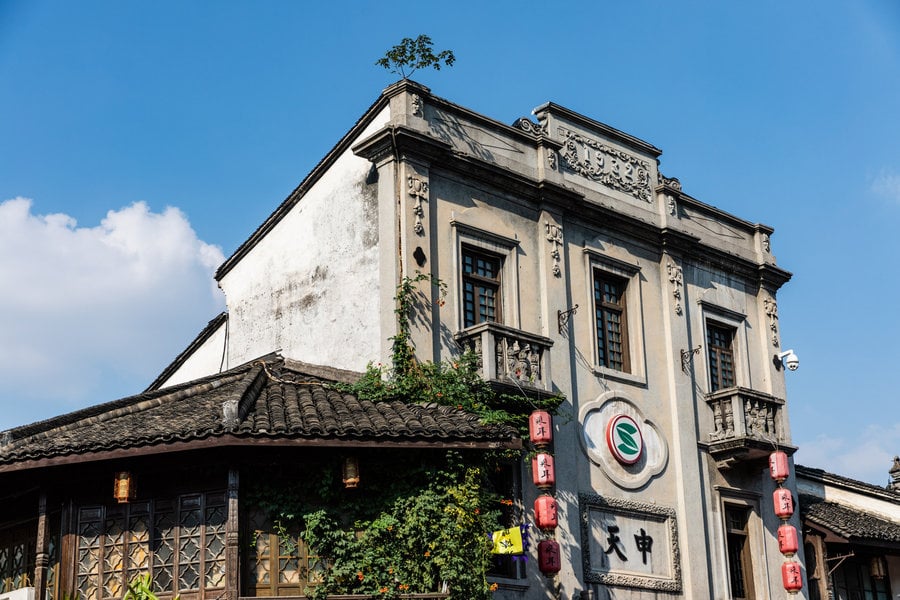
The streets visitors see today reflect many periods. There are historic buildings from later centuries, restored structures, adapted commercial spaces and modern additions. Southern Song Imperial Street’s contemporary visitor environment also reflects a major renewal project that reopened in 2009.
The name identifies a historic route and cultural association; it does not mean every visible façade, pavement or water feature survives unchanged from the Song dynasty. Looking for these layers makes the walk more interesting than treating the district as a single reconstructed period scene.
What to See and Do
1. Walk Hefang Street Without Rushing
Begin by walking part of the main street before deciding where to stop. Notice the shop signs, building fronts and entrances into smaller lanes. These details help you understand the commercial character of the area.
Then choose one or two shops that interest you. A focused look at a craft, a local product or an older business can be more rewarding than repeatedly browsing similar souvenir displays.
You do not need to shop to enjoy the street. It also works as a place to observe the changing scale of the old town and find a convenient food stop.
Suggested time: Around 30–60 minutes for a selective walk, excluding a meal or substantial shopping.
2. Explore Dajing Lane
Dajing Lane — 大井巷
Dajing Lane is a useful side excursion from the main street. It provides a different setting, with heritage buildings and contemporary businesses in a narrower lane environment.
Combine it with Hu Qing Yu Tang rather than treating it as an entirely separate destination. Walk slowly, look at the building details and stop for coffee or tea if a venue appeals to you.
It may offer a change of pace from the main street, but do not assume it will always be quiet. Popular cafés and photo spots can attract their own crowds.
Suggested time: Around 20–40 minutes for the lane itself, longer with a café or museum stop.
3. Visit Hu Qing Yu Tang for Medicine Heritage and Architecture
Hu Qing Yu Tang — 胡庆余堂
Hu Qing Yu Tang Chinese Medicine Museum — 胡庆余堂中药博物馆
Hu Qing Yu Tang was founded by the Qing-era merchant Hu Xueyan in 1874. Its historic complex in Dajing Lane is an important place to explore Hangzhou’s traditional medicine heritage and commercial architecture.
The appeal extends beyond the subject of medicine. The arrangement of shop and working spaces, architectural details and historic inscriptions offer a more substantial cultural stop than a souvenir shop.
Distinguish the pharmacy and other business functions from the museum visit. A shop being open does not necessarily mean that the exhibitions are still admitting visitors, and access to one area does not establish the rules for another.
Check the museum’s current admission, opening and last-entry arrangements before planning your route around it. If you want to see a demonstration or a specific workshop, confirm that separately rather than assuming it happens continuously.
Suggested time: Around 45–75 minutes for a selective museum visit.
Practical note: Visit for heritage and interpretation. A tourist visit is not a medical consultation, and you do not need to buy remedies to appreciate the building or museum.
4. Follow Southern Song Imperial Street
Once you reach the junction with Hefang Street, take time to explore the north–south route rather than stopping only for a photograph of the entrance signs.
Look at changes in building style, street width and commercial use. The streetscape includes later architectural layers as well as elements associated with the district’s restoration.
You can walk north toward Xihu Avenue and finish near the Ding’an Road area. Alternatively, explore a shorter section and return to Hefang Street for dinner.
Use the street as the structure of your walk rather than expecting one large monument. Its interest is spread among façades, signs, smaller spaces and the urban setting.
Suggested time: Around 30–60 minutes for a selected section, with more time if you stop frequently.
5. Use the Drum Tower as an Optional Landmark
Drum Tower — 鼓楼
The Drum Tower is a useful landmark toward the southern part of the Zhongshan Road visitor route. It can help you orient yourself and provides a recognizable architectural subject for photographs.
Add it if you want to see the southern end of the walk. If your route otherwise goes from Hefang Street north toward Ding’an Road, reaching the tower first will involve a short southern detour and some backtracking.
Seeing the exterior is different from entering an exhibition or viewing area. Do not assume interior access or a performance is included in an ordinary street visit.
Suggested time: Around 15–25 minutes for the exterior and surrounding area.
6. Add Hangzhou Museum for Broader City History
Hangzhou Museum — 杭州博物馆
Near Wushan and the historic street area, Hangzhou Museum is a useful choice if you want more background on the city’s development and material culture.
It suits visitors who prefer an exhibition-led experience to a longer shopping walk. Plan it as a daytime stop, then continue to the streets afterward.
This is a different institution from the Zhejiang Provincial Museum and the canal museum near Gongchen Bridge. Check the exact museum and entrance when searching for visitor information.
Suggested time: Around 60–90 minutes for a selective visit.
Practical note: Confirm the current weekly closing day and entry arrangements directly. Museum schedules can change, and not every Hangzhou museum follows the same closure pattern.
7. Climb Wushan or Visit Chenghuang Pavilion
Wushan — 吴山
Chenghuang Pavilion — 城隍阁
Wushan offers a hill-based extension to the street visit. It changes the outing from browsing and architecture to paths, elevation and wider views of Hangzhou.
Chenghuang Pavilion is a prominent viewing destination associated with the hill. The present pavilion is a modern construction in a traditional style, not a surviving Southern Song palace tower.
Allow time for the climb, rests and the return to street level. If views are your main reason for going, consider visibility and weather before adding the hill.
Suggested time: Around 1–2 additional hours, depending on the route, pace and stops.
Practical note: Check pavilion admission and access separately. Tea, dining or other experiences offered at the site are not automatically included with an ordinary visit.
8. Extend the Visit to Hu Xueyan’s Former Residence
Hu Xueyan’s Former Residence — 胡雪岩故居
The former residence provides another way to explore the merchant history connected with Hu Qing Yu Tang. Its late-Qing architecture and domestic spaces offer a different perspective from the pharmacy complex.
This is a separate attraction, not a room inside the medicine museum. Use its own map pin and allow time to get there and visit.
It is a good addition for travelers interested in traditional homes and architectural detail. If you only have a short evening, save it for another visit rather than rushing through several cultural sites.
Suggested time: Around 60–90 minutes, plus the walk or transfer.
Three Ways to Plan Your Walk
Route 1: A First-Time Introduction
Suggested time: 2–3 hours
Route: Wushan Square area → Hefang Street → Dajing Lane → Hefang Street and Zhongshan Middle Road junction → a selected northern stretch of Southern Song Imperial Street.
Start toward the western side of the district and walk east along Hefang Street. Make a side excursion into Dajing Lane, then return to continue toward the junction with Southern Song Imperial Street.
Turn north along Zhongshan Middle Road. Walk as far as suits your energy and finish with a café or meal, or continue toward Xihu Avenue and the Ding’an Road station area.
This route includes both streets without requiring a museum visit. If you decide to enter Hu Qing Yu Tang’s museum, add time or shorten the street portion.
Route 2: A Culture-Focused Afternoon
Suggested time: 3–4 hours
Choose one main indoor stop: Hangzhou Museum for broader city history, or Hu Qing Yu Tang for medicine heritage and architecture.
Visit it first, while admission is available. Then explore Hefang Street and Dajing Lane, continuing onto Southern Song Imperial Street if time allows.
The Drum Tower can be added as a short southern detour from the street junction. Return north afterward if your planned exit is near Ding’an Road. This adds some backtracking, so leave it out if the group would prefer a shorter walk.
Finish with a meal near the end of your route. Two museums, a residence, a hill climb and both streets together would require a much longer day.
Route 3: An Evening Walk with Dinner
Suggested time: 2–3 hours, depending on dinner
Begin in the Southern Song Imperial Street area and walk toward the Hefang Street junction. Continue onto Hefang Street for browsing, snacks or dinner, with an optional stop in Dajing Lane if businesses you want to visit are open.
Use Wushan Square as a possible finishing area if convenient for your onward journey. This reverses the general direction of the first route and can reduce the need to walk back to your starting point.
Keep the evening focused on street atmosphere and food. Do not build it around museum interiors unless you have confirmed evening admission for your date.
What to Eat During the Visit
The area is convenient for a small meal or snack, but not everything sold here is a Hangzhou specialty. Choose food by its name and preparation rather than by the street’s historic appearance.
Cong Bao Hui — 葱包桧
This local snack combines a thin wrapper, scallions and fried dough sticks, pressed on a flat cooking surface until crisp. Sauces and extra fillings vary between vendors.
It fits well into a street walk because you can order a modest portion and continue exploring. Ask about chilli sauce if you prefer no heat.
Noodles, Wontons and Small Steamed Buns
A noodle or wonton meal can be more satisfying than buying several snacks in succession. Look for the actual filling and soup description, particularly if you avoid pork or seafood.
Pian’er chuan, a Hangzhou noodle soup with pork, bamboo shoots and preserved greens, is one useful dish to search for in the wider area. Confirm the shop location and hours instead of assuming every stall serves it.
Tea, Coffee and Sweet Stops
A café or tea stop can give the visit a comfortable pace. Compare the menu and prices before sitting down, especially if tea is offered per person or as part of a set experience.
A drink in a heritage setting is different from a guided tea tasting. Ask what is included if a venue offers a formal session.
When to Choose a Proper Restaurant
If you want Dongpo pork, Longjing shrimp or a shared family meal, choose a sit-down restaurant with those dishes on its current menu. A snack street is not always the most practical setting for a full introduction to Hangzhou cuisine.
For dietary requirements, speak to staff about fillings, stocks, sauces and preparation. Do not rely on a photograph to decide whether a dish is vegetarian or suitable for an allergy.
Shopping: What to Look For and What to Check
Hefang Street can be a useful place to browse small gifts and craft-related products. Fans, textiles, tea, stationery and packaged foods may all catch your attention, but each purchase needs its own checks.
Choose the Item, Not Just the Story
Ask about materials, origin and price. A traditional-looking display does not establish that an item was handmade locally, and a shop’s historic name does not mean every product uses the same production method.
For textiles, check the fiber label and care instructions rather than judging silk content by appearance. For fans or other crafts, decide whether you want an inexpensive souvenir or a documented handmade piece.
Tea and Food Gifts
Ask about the tea’s origin, harvest and quantity before buying. Clarify the total price and whether a tasting is complimentary or paid.
For packaged food, check ingredients, production date, shelf life and storage. Before carrying food overseas, verify the destination country’s customs and biosecurity requirements, particularly for products containing meat, eggs or other restricted ingredients.
Traditional Medicine Products
Treat medicine-related shopping separately from ordinary souvenirs. Heritage interpretation or a product’s traditional reputation is not a substitute for professional advice about whether it suits you.
You can visit Hu Qing Yu Tang without purchasing remedies. If you do buy a product, understand what it contains and check any relevant travel restrictions.
Daytime or Evening: Which Is Better?
| Visit time | Best suited to | Main trade-off |
|---|---|---|
| Morning | Museum-led visits and a less crowded walk when businesses are open | Some visitor shops may open later |
| Afternoon | Browsing, architecture and combining indoor and outdoor stops | Popular sections can become busy |
| Early evening | Dinner, snacks and seeing the streets after lighting comes on | Museum admission may already have ended |
| Later evening | A shorter stroll and a venue you have confirmed is open | Fewer reliable indoor attractions and variable shop hours |
For a first visit with cultural interests, arrive in the afternoon and stay for dinner. For a shopping-and-snack visit, early evening can work well.
Do not assume there is one closing time for the whole district. Public street access, shops, restaurants, museums and hill attractions follow different arrangements.
Getting There and Leaving the Area
By Metro
Wushan Square Station — 吴山广场站 — Line 7 is useful for starting or finishing toward the western side of the Hefang Street area.
Ding’an Road Station — 定安路站 — Line 1 is useful for the northern approach and a walk through the Southern Song Imperial Street area.
Choose your station according to the route, not simply the first station mentioned in a search result. Check the current exit and walking directions to your exact start point.
By Taxi or Ride-Hailing
Use a named landmark or legal roadside drop-off near the pedestrian area. Cars may not be able to take you to a shop door inside the walking streets.
For the return trip, walk to a pickup point that the driver can reach. Share the precise location, particularly when the app selects a point on the other side of a junction or restricted street.
From West Lake
The old-town area can be combined with the southern or eastern side of West Lake. The actual walk depends on where you finish at the lake and where you want to enter the district.
Check the route rather than assuming all West Lake viewpoints are close to Hefang Street. After a long lake walk, a short transfer may be more comfortable than adding another extended walk before dinner.
Chinese Names to Save
| English name | Chinese name |
|---|---|
| Hefang Street | 河坊街 |
| Qinghefang Historic Area | 清河坊历史文化街区 |
| Southern Song Imperial Street | 南宋御街 |
| Zhongshan Middle Road | 中山中路 |
| Dajing Lane | 大井巷 |
| Hu Qing Yu Tang | 胡庆余堂 |
| Hu Qing Yu Tang Chinese Medicine Museum | 胡庆余堂中药博物馆 |
| Drum Tower | 鼓楼 |
| Wushan Square | 吴山广场 |
| Hangzhou Museum | 杭州博物馆 |
| Chenghuang Pavilion | 城隍阁 |
| Hu Xueyan’s Former Residence | 胡雪岩故居 |
| Ding’an Road Metro Station | 定安路站 |
Save a map pin as well as the name. Southern Song Imperial Street and Qinghefang can cover a larger area than the particular entrance or attraction you need.
Tickets, Opening Hours and Costs
Walking the public streets does not require a general district ticket. Your spending is mainly determined by meals, shopping, transport and the individual attractions you choose to enter.
Check museums and paid attractions separately for opening days, last admission, tickets and reservations. A public street remaining accessible does not mean that its museums are open late.
If an entry platform requires identification, check the available passport option before booking and bring the document specified by the venue. Ask for help if the platform does not accept your document type; do not use a substitute identity number.
For a simple visit, plan a street walk and one food stop. For a more cultural visit, choose one main museum or historic residence and budget time for it before dinner. You can enjoy the district without making any purchases.
Visiting with Children or Limited Mobility
Families may find a short walk with one snack stop easier than a long sequence of shops and museums. Agree on a meeting point if members of the group browse separately, and keep children close in crowded sections.
The main street visit is less physically demanding than adding Wushan, but older lanes and buildings can have uneven paving, thresholds or steps. Do not assume every interior is accessible simply because the surrounding street is pedestrian-friendly.
If anyone needs step-free access, confirm arrangements with the museum or venue before visiting. Keep the hill climb optional and plan a clear pickup point near a road accessible to taxis.
Wet paving can be slippery. Comfortable shoes and a flexible route are more useful than trying to complete every extension in poor weather.
Photography and Respectful Visiting
Photograph the wider street as well as individual details. Shop signs, rooflines, doorways and the meeting of the two streets can tell a fuller story than a single entrance photograph.
Daytime helps with architectural detail; evening emphasizes lighting and the visitor atmosphere. Early evening may offer a useful transition between the two, depending on season and weather.
Ask before photographing staff, customers or people closely. Follow museum rules, particularly around exhibits and working pharmacy areas. Avoid blocking shop doors or stepping into private spaces for a picture.
If you rent traditional-style clothing for photographs, confirm the price, time limit, deposit and whether photography is included. Keep costume photography separate from claims about the historical age of the setting.
Nearby Extensions: Choose One That Fits Your Interests
Southern West Lake
Combine a manageable lake walk with the old-town area for dinner. This is often easier than placing both a full lake circuit and several museums into the same afternoon.
Wushan and Chenghuang Pavilion
Choose this extension for a hill walk and broader views. Allow for elevation and separate pavilion arrangements.
Hu Xueyan’s Former Residence
Choose this for traditional domestic architecture and the merchant history linked with Hu Qing Yu Tang.
Deshou Palace Ruins Museum
Southern Song Deshou Palace Ruins Museum — 南宋德寿宫遗址博物馆
If Southern Song history is a priority, consider this as a separate museum stop in the broader old-town area. Its archaeological remains and interpretive reconstruction offer a different experience from walking the shopping streets.
It is not a palace interior attached to Southern Song Imperial Street. Check the museum’s current reservation and visitor arrangements, and allow time to reach it and see the exhibits. An exterior photograph of the red wall does not replace the museum visit.
How to Fit the Area into a Hangzhou Itinerary
For a two-day first trip, the area works well after a West Lake day, provided you are not too tired for another walk. Keep the evening to the streets and dinner, or arrive earlier if a museum matters to you.
With a longer stay, give the district its own afternoon. You can visit one cultural venue, walk both streets and finish with a meal without rushing between unrelated parts of the city.
The Grand Canal and the Longjing tea area deserve separate travel time. They are not immediate extensions of the Hefang Street walk, so combine them only if your day has enough room for the transfer.
Common Planning Mistakes
- Treating Hefang Street and Southern Song Imperial Street as two names for the same street.
- Trying to walk the entire historical imperial-street alignment on a short visit.
- Describing every building as original Southern Song architecture.
- Arriving after dinner and expecting museum interiors to remain open.
- Adding the Drum Tower to a northbound route without allowing for backtracking.
- Assuming a medicine-shop visit and a museum ticket cover the same spaces.
- Adding Wushan without accounting for the climb.
- Choosing a restaurant only because it is on a historic street.
- Treating every souvenir or snack as locally made or unique to Hangzhou.
Frequently Asked Questions
Are Hefang Street and Southern Song Imperial Street the same place?
They are different streets that intersect. Hefang Street runs broadly east–west, while Southern Song Imperial Street follows a north–south route along the Zhongshan Road historic area.
How long should I spend here?
Allow around 2–3 hours for a relaxed introductory walk. Add more time for a museum, a full meal or an extension such as Wushan.
Do I need an entrance ticket?
There is no general ticket for walking the public streets. Individual museums, attractions and activities have their own arrangements.
Is daytime or evening better?
Daytime is better for museums and architectural details. Early evening is convenient for food and atmosphere. An afternoon visit followed by dinner can combine both.
Which metro station should I use?
Wushan Square on Line 7 is useful for the western Hefang Street area. Ding’an Road on Line 1 works for the northern approach. Choose according to your planned start and finish.
Is Southern Song Imperial Street an original medieval street?
It follows a historically important route, but the visible streetscape contains different periods and modern renewal. It is not an unchanged Song-dynasty scene.
What is the best cultural stop?
Choose Hu Qing Yu Tang for medicine heritage and architecture, or Hangzhou Museum for broader city history. Hu Xueyan’s Former Residence is another option if traditional homes interest you.
Can I visit Hu Qing Yu Tang without buying medicine?
You can appreciate its heritage without purchasing remedies. Confirm museum admission and the accessible areas separately from the pharmacy’s business functions.
Is the area suitable for children?
A short street walk and food stop can work well. Keep the route flexible, especially in crowds, and make museums or a hill climb optional according to the group’s interests.
Can I combine it with West Lake?
Yes. Check your actual route from the lake and allow enough time for the transfer. A shorter old-town evening is often more comfortable after a long lake day.
Do I need a guide?
You can organize the street walk independently. A guide can help interpret the historical layers and arrange cultural stops if those are important to your visit.
Plan Your Hangzhou Old-Town Visit
The best way to enjoy this area is to choose a few priorities and leave time between them. Walk Hefang Street, turn into Dajing Lane, explore a stretch of Southern Song Imperial Street and stop for something you would genuinely like to eat. Add one museum or historic site if you want more context.
If you would like help combining Hangzhou’s old town with West Lake, the Grand Canal, Lingyin Temple or the Longjing tea area, Discover East China Tours can help arrange a visit around your interests and pace.