22Oct
+8619705475100
[email protected]

An afternoon in Zhujiajiao can begin with something very small: a snack in a narrow street, a pause on a bridge, or a cup of coffee beside the water. In this old town in Shanghai’s Qingpu district, the interest is in how closely everything sits together. Upper-storey windows lean over shopfronts, stone steps lead towards the canals, and a short turn can change the view from a busy lane to a stretch of water.
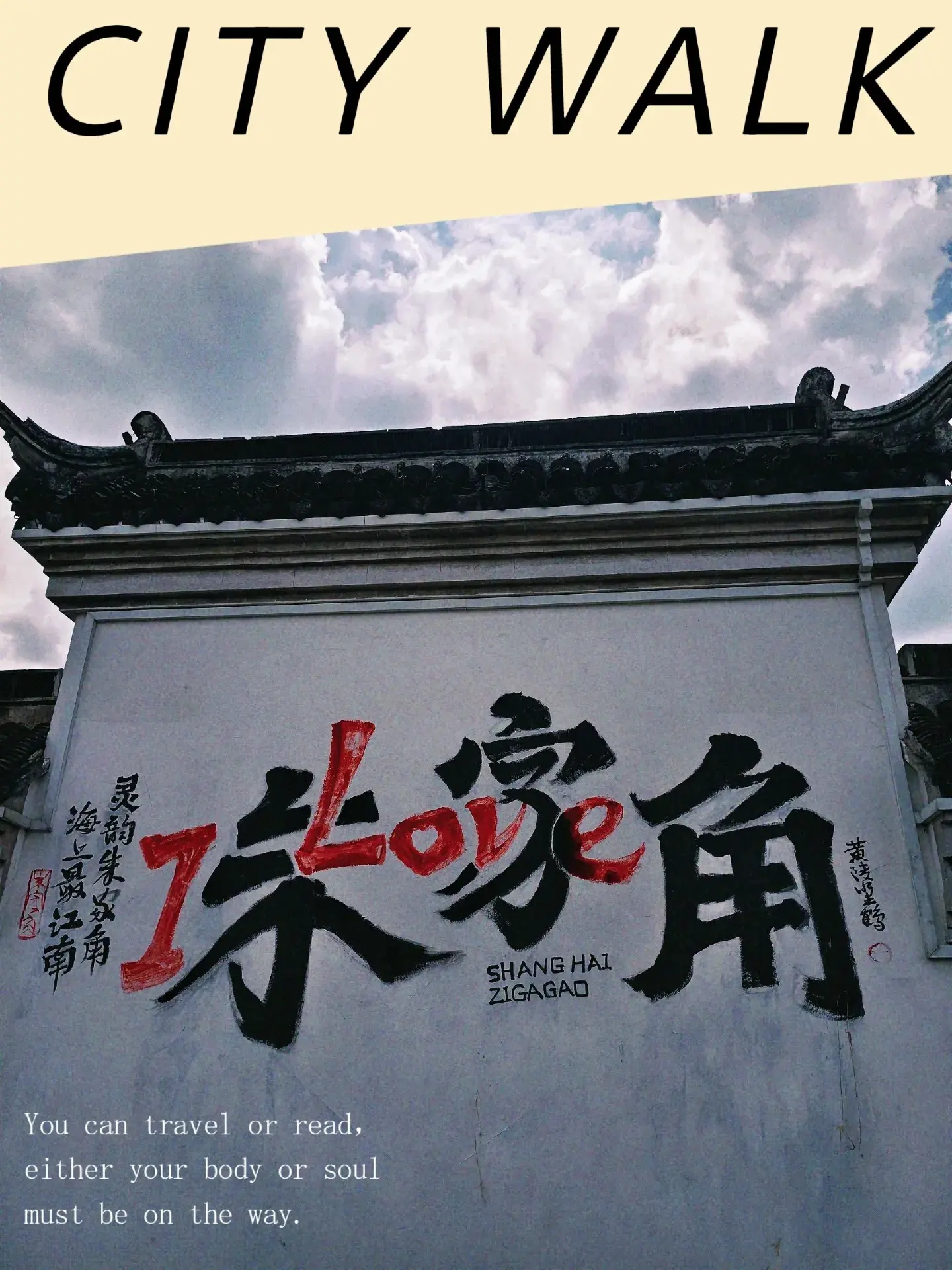
A half-day works best with a few priorities. Choose the old streets and bridges as the core of the outing, then add a garden, a small cultural stop or a boat ride according to your interests. Allow separate time for travelling from central Shanghai: a half-day in the town does not mean the whole excursion will fit neatly between lunch and an early evening appointment.
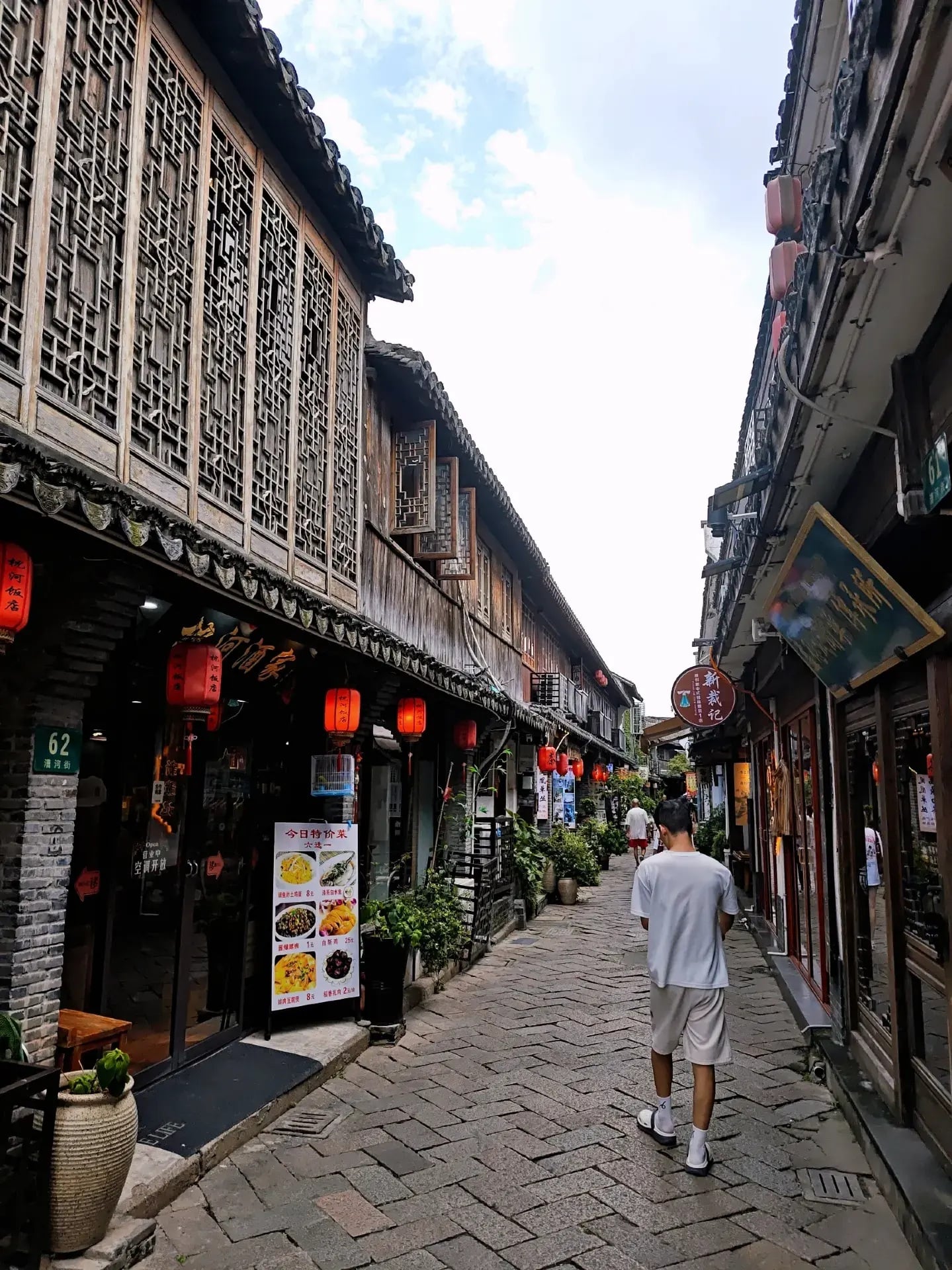
North Street, also called Bei Dajie, is a useful introduction to Zhujiajiao’s shop-lined lanes. Walk slowly enough to notice the upper floors: timber railings, projecting eaves and tightly spaced façades give the street much of its character. The strip of sky overhead can be as striking as a doorway at pavement level.
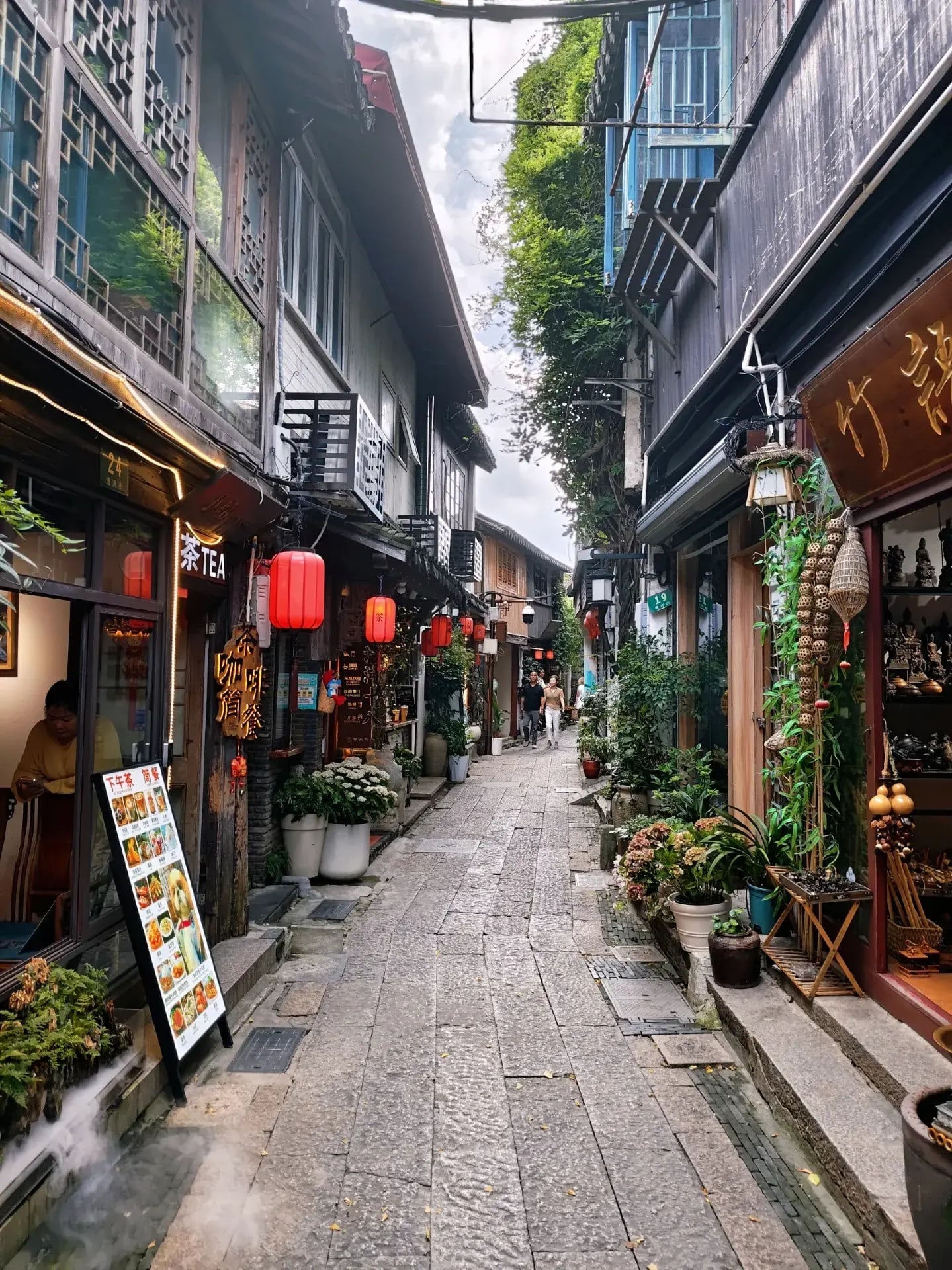
Browse before buying. A first circuit gives you a better sense of the snack stalls, tea shops and places where you might want to sit later. Leave room for people carrying shopping or moving between businesses; the picturesque lanes are also everyday working streets.
Fangsheng Bridge crosses the Caogang River at the eastern end of North Street. Its five stone arches make it one of Zhujiajiao’s defining landmarks. If the steps suit you, walk across for a view along the river and towards the roofs on either bank. For a photograph of the bridge itself, look for an open public viewpoint beside the water rather than trying to capture the whole structure from its deck.
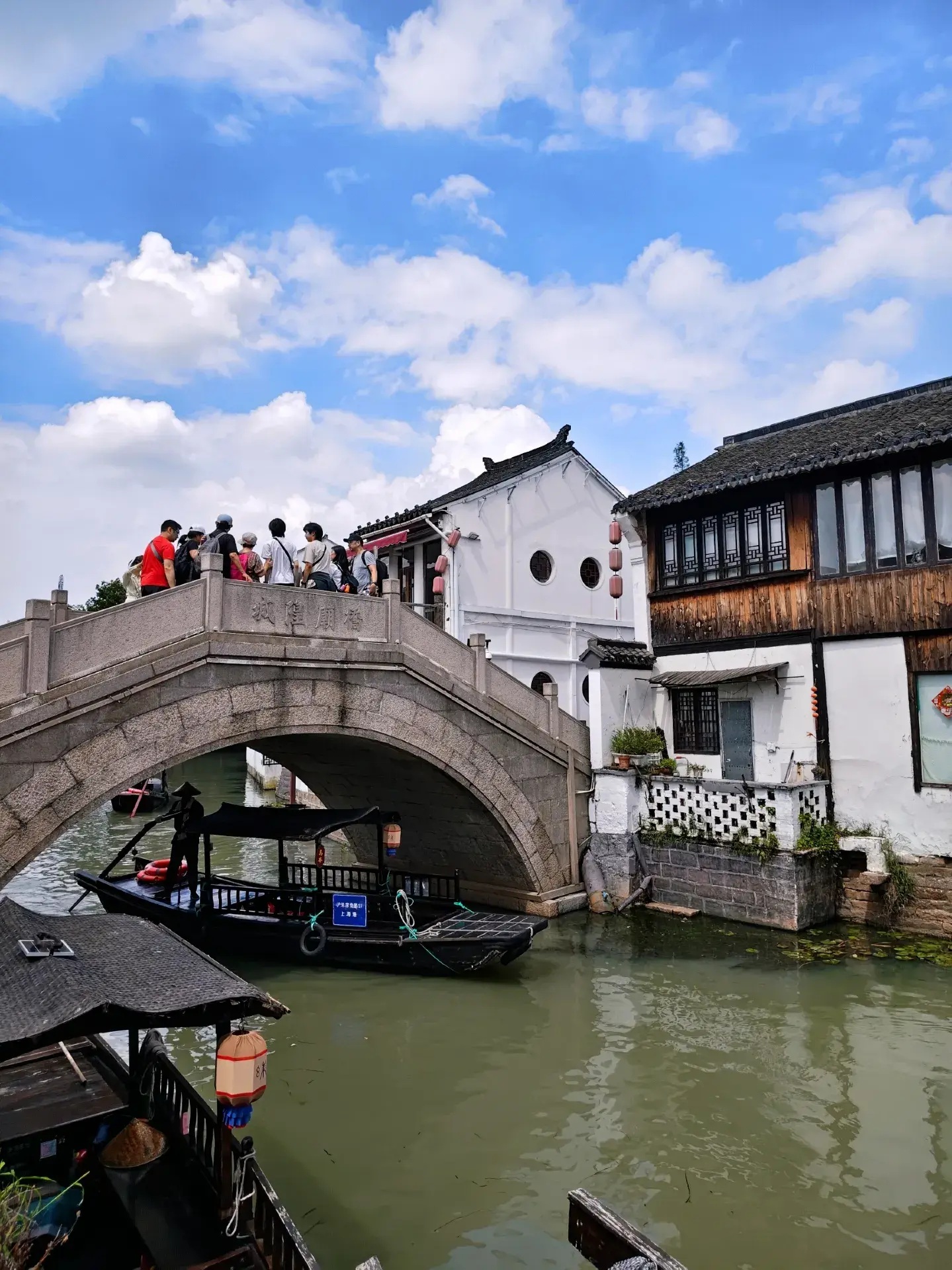
The smaller crossings are worth noticing too. Compare a bridge seen from street level with the view from the next stretch of canal. Covered boats and timber-fronted houses often sit close together, giving the waterway a different scale from Shanghai’s broad riverfront. Keep bridge approaches clear and take particular care on worn stone after rain.
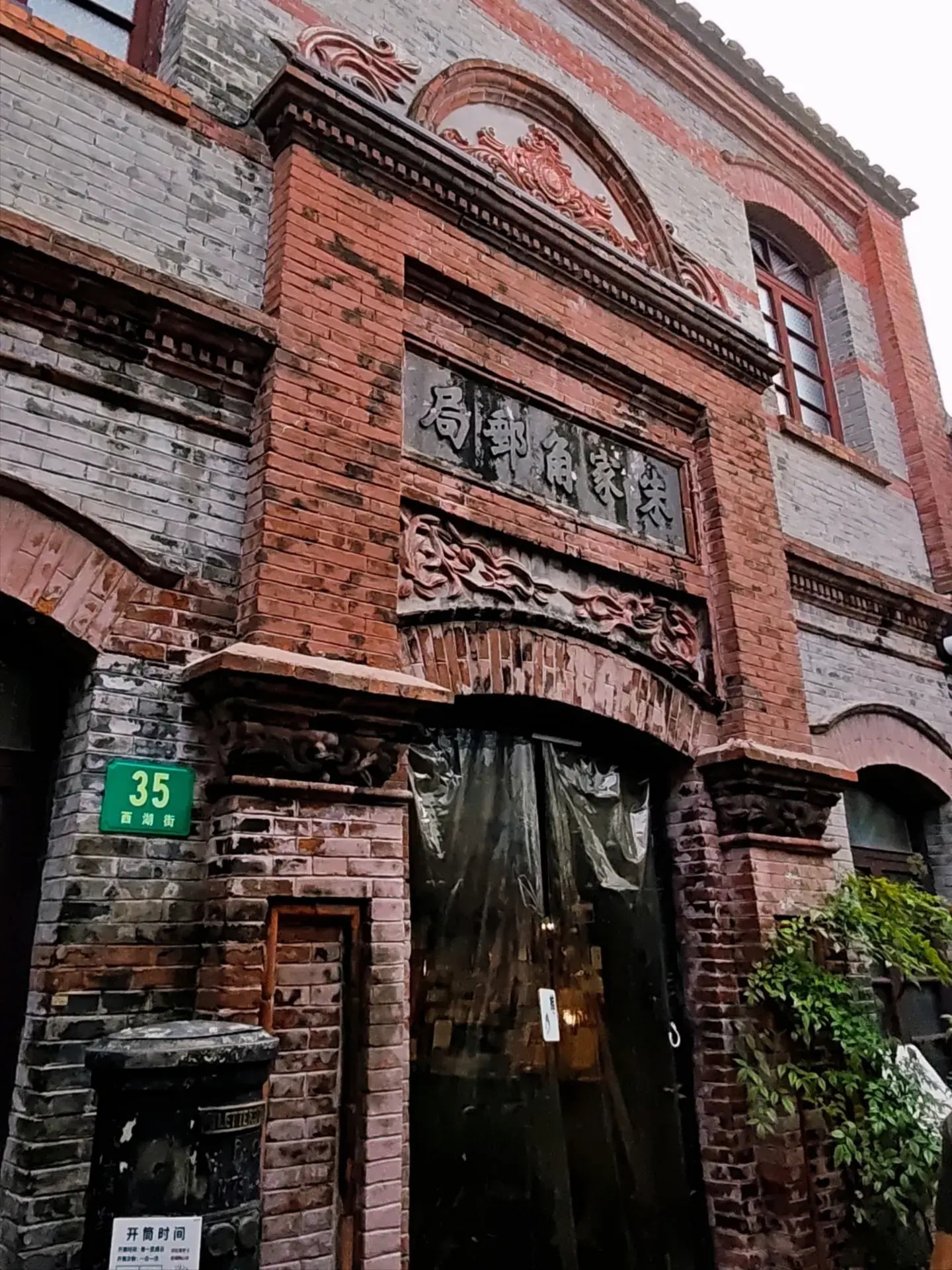
The quieter pleasure of a town walk is noticing a building that was never on the checklist. A red-brick frontage, a carved lintel or an address plate can be a reason to stop. Look from the public street first; an interesting doorway may belong to a private home or a business with its own visiting arrangements.
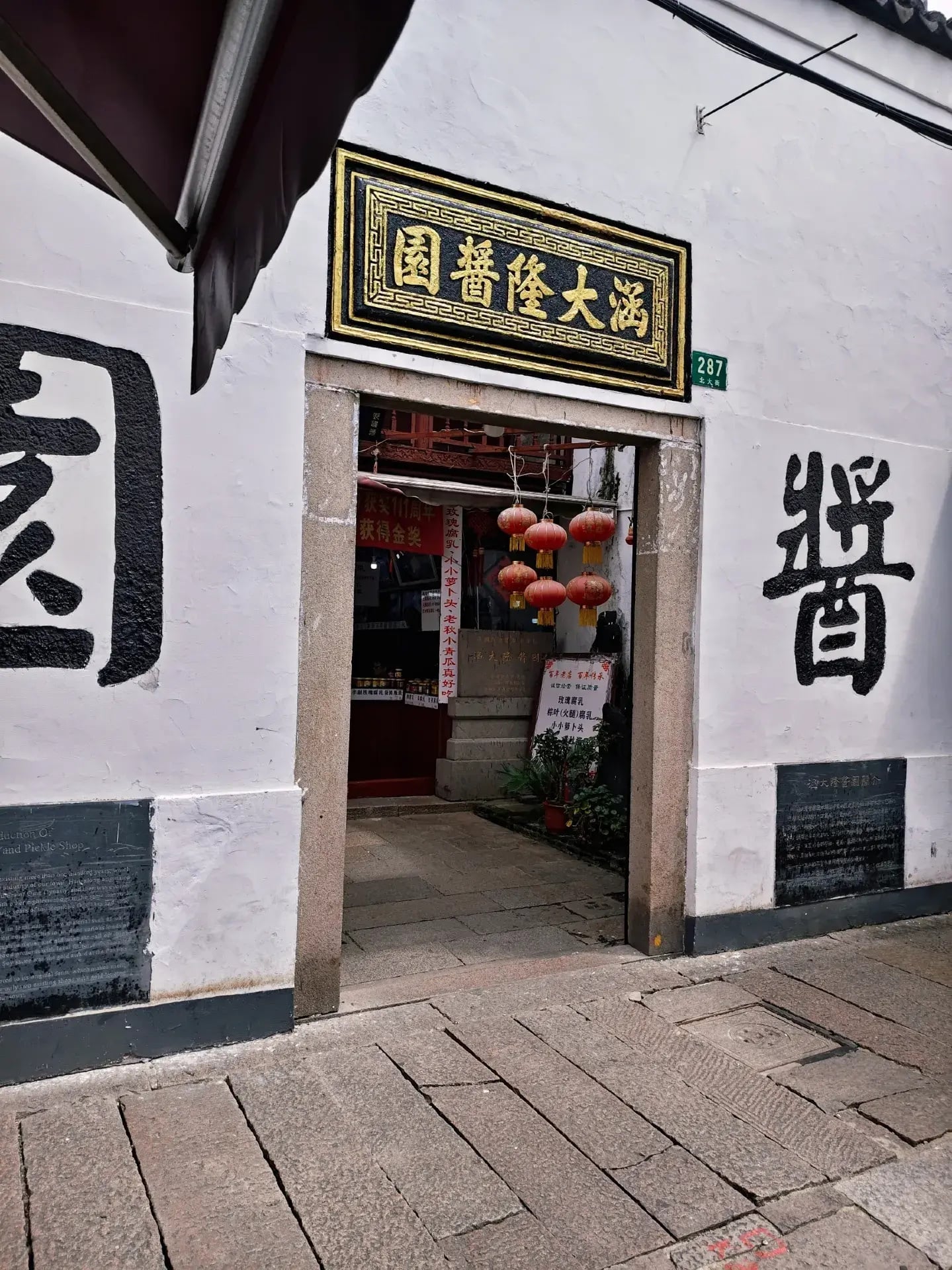
Handalong Sauce and Pickle Workshop is one of the historic businesses associated with Zhujiajiao. Its shopfront offers a reminder that these streets developed through trade as well as sightseeing. If browsing products, ask about ingredients, packaging and storage, especially before buying something to carry on a longer journey.
Kezhi Garden is a good option when you want a longer break from the shopping lanes. At the northern end of Xijing Street, this early twentieth-century private estate combines traditional Chinese garden design with Western architectural touches. Its name links study with cultivation, an idea reflected in the relationship between the residential spaces and the garden.
Give the visit enough time to look through a doorway, follow a corridor and return to a detail that catches your eye. It is more rewarding to enjoy one interior properly than to rush through several simply because they appear on the same list. Kezhi Garden has separate admission arrangements from the public old-town streets.
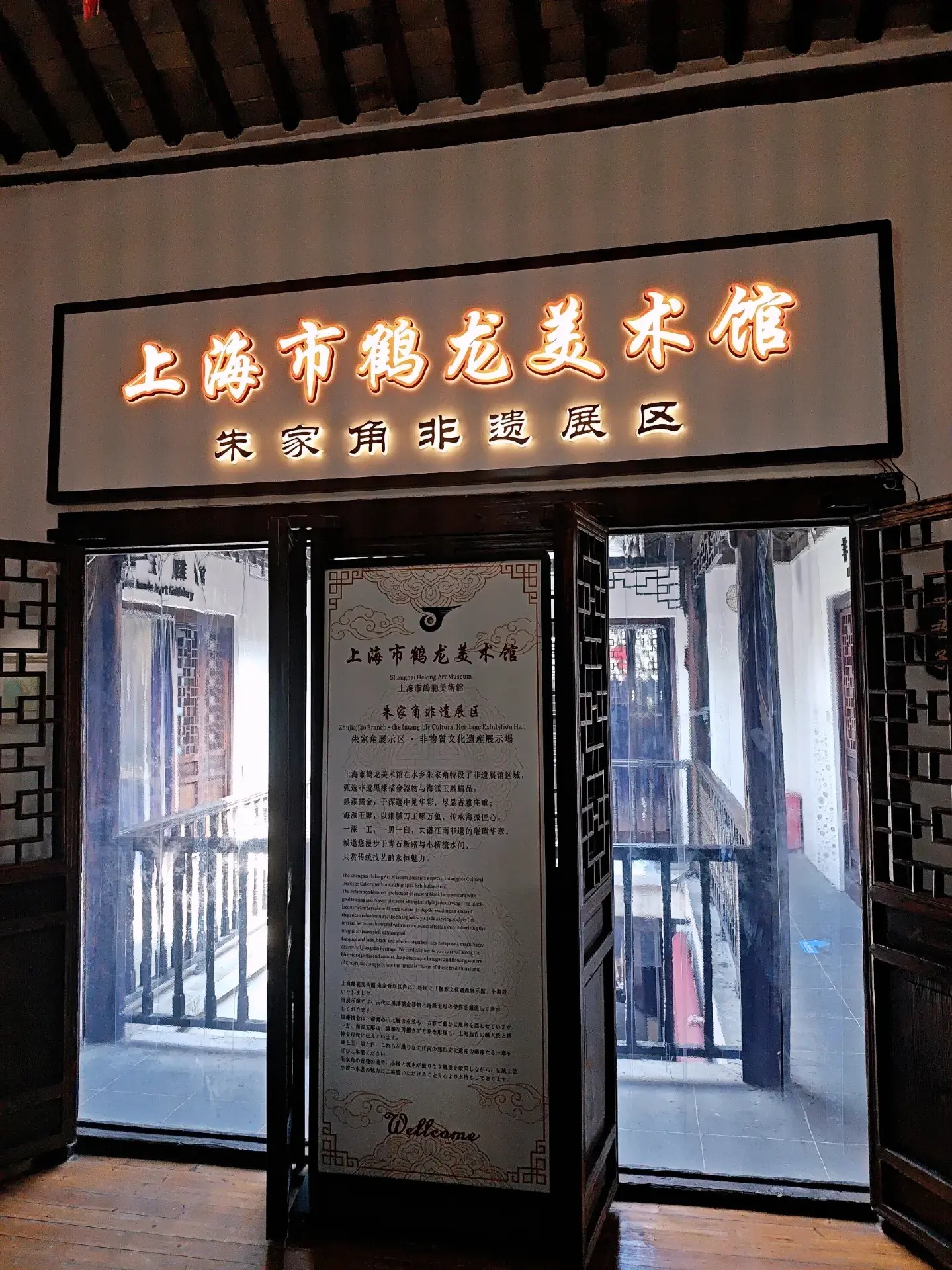
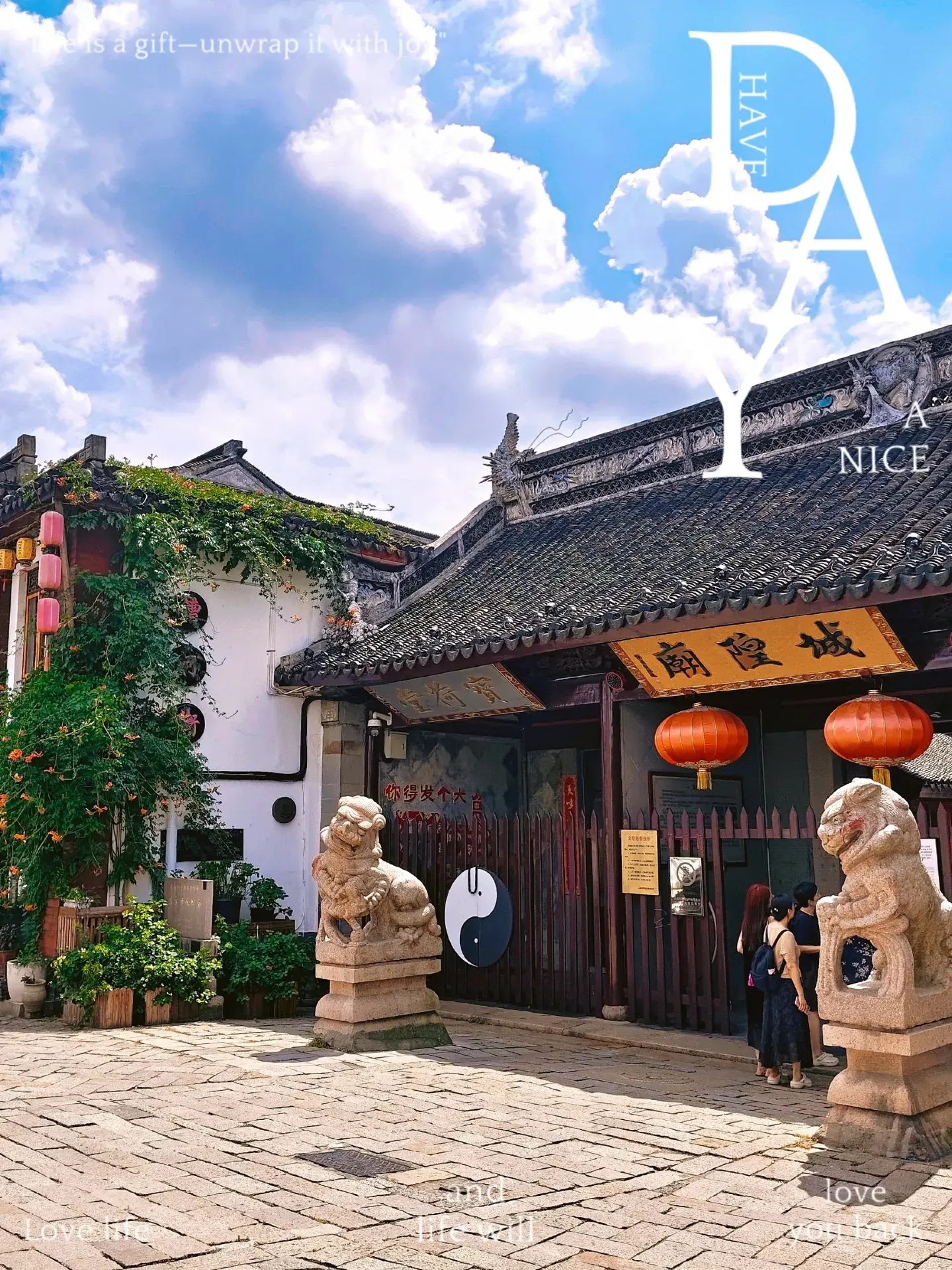
Shanghai Helong Art Gallery offers another possible cultural stop, while the Qing Dynasty Post Office and Yuanjin Buddhist Temple are other recognised landmarks around the town. Decide according to what is open and what interests you. A postal-history visit, a garden and an active religious site involve different experiences; none needs to be treated as compulsory for a successful afternoon.
Leave space for a food stop between stretches of walking. Look for zongzi, sticky rice wrapped in leaves, or zharou, rich braised pork tied into a parcel. Sweet cakes and small savoury snacks can turn the walk into a series of short pauses. Ask what is freshly prepared and check portion sizes before ordering several things at once.
For a seated meal, compare the menu and displayed prices before choosing a restaurant. Ask about bones in fish, meat-based fillings or sauces, and any ingredients you need to avoid. A light lunch may suit an afternoon with several snack stops better than a large meal at the beginning.
Xijing Street and Caohe Street give the visit room to spread beyond the busiest stretch of North Street. Use a current local map to choose the next crossing, rather than expecting a perfectly straight circuit. A little retracing can be worthwhile when it brings a new view or a café you noticed earlier.
A canal-side drink is a good point to stop adding sights. Choose a café or teahouse for the seat, menu and atmosphere that suit you, and check any minimum spend before settling in. Watch the light change on the roofs, or simply sit long enough for the pace of the visit to slow down. Staying until dusk is optional; individual shops and attractions may close before the streets become dark.
A covered wooden boat brings the bridges and waterside buildings closer to eye level. Use an official boarding point and confirm the route, duration, current fare and whether the price is per person or per boat. Do not assume that a quoted price includes every passenger or a return journey.
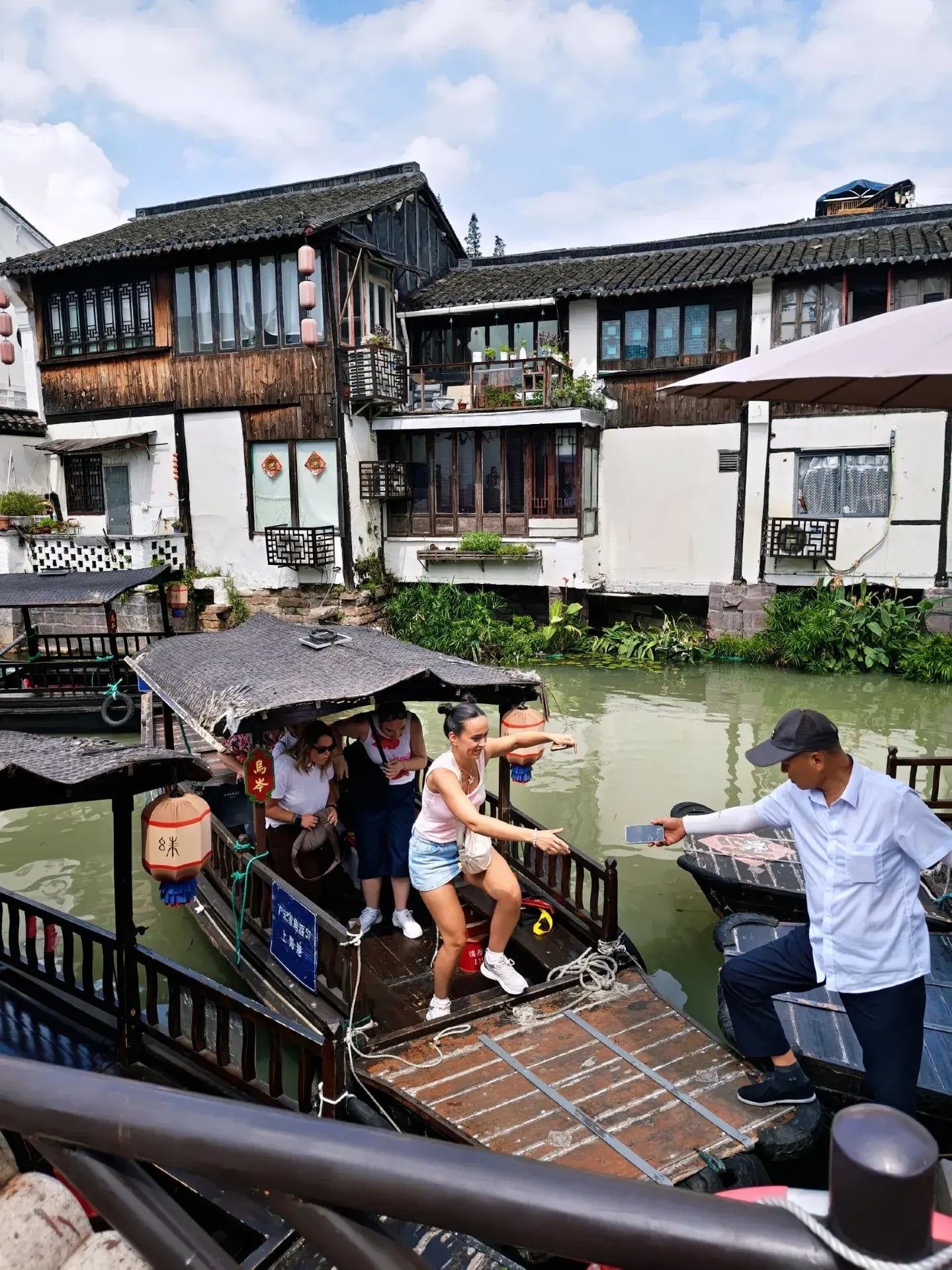
Board only when directed by the crew, keep hands inside the boat and take care with the step between the landing and the seat. If you prefer to stay on foot, the crossings and public waterfront already provide plenty of changing views.
Take Shanghai Metro Line 17 to Zhujiajiao Station, with an onward walk or local connection to the old town. The official visitor guidance lists bus 1510 from the area near Exit 1 towards the visitor centre. Check a live journey planner for the right stop, direction and final walk, and allow for the journey to Line 17 from your accommodation.
Entry to the public old-town area is free, while selected gardens, galleries and other interiors have their own charges. Check the current ticket inclusions and opening arrangements before paying. Boat rides, food, drinks and transport are additional choices, and a ticket bundle is useful only if it covers the places you actually want to visit.
For a relaxed half-day, keep the outline short: North Street and the bridges, one optional cultural stop, a snack or meal, then a waterside drink. Comfortable shoes help on the uneven paving and bridge steps. Check the return connection before lingering into the evening, and let the smaller details determine where you pause along the way.