18Oct
+8619705475100
[email protected]

Nanxun, Xitang and Wuzhen share the familiar scenery of Jiangnan: canals, stone bridges, tiled roofs and buildings facing the water. Yet they offer different ways to spend a day. The useful question is what you want to do between those views—explore historic houses, wander sheltered waterfront lanes, or combine cultural stops with an evening among illuminated canals.
All three are in northern Zhejiang. Nanxun belongs to Huzhou; Xitang is in Jiashan County, Jiaxing; and Wuzhen is in Tongxiang, also within Jiaxing. They are separate destinations, so choose one for a satisfying day rather than treating them as neighbouring streets on a single walking route.
These are starting points, not promises about crowds. Weekends, holidays and major events can change the atmosphere in any of the three.
Nanxun rewards looking beyond a single bridge photograph. Its historic residences and gardens introduce the town’s cultural and commercial past, while the streets around Baijianlou—the Hundred Houses—bring the visit back to canal-side buildings and daily activity.
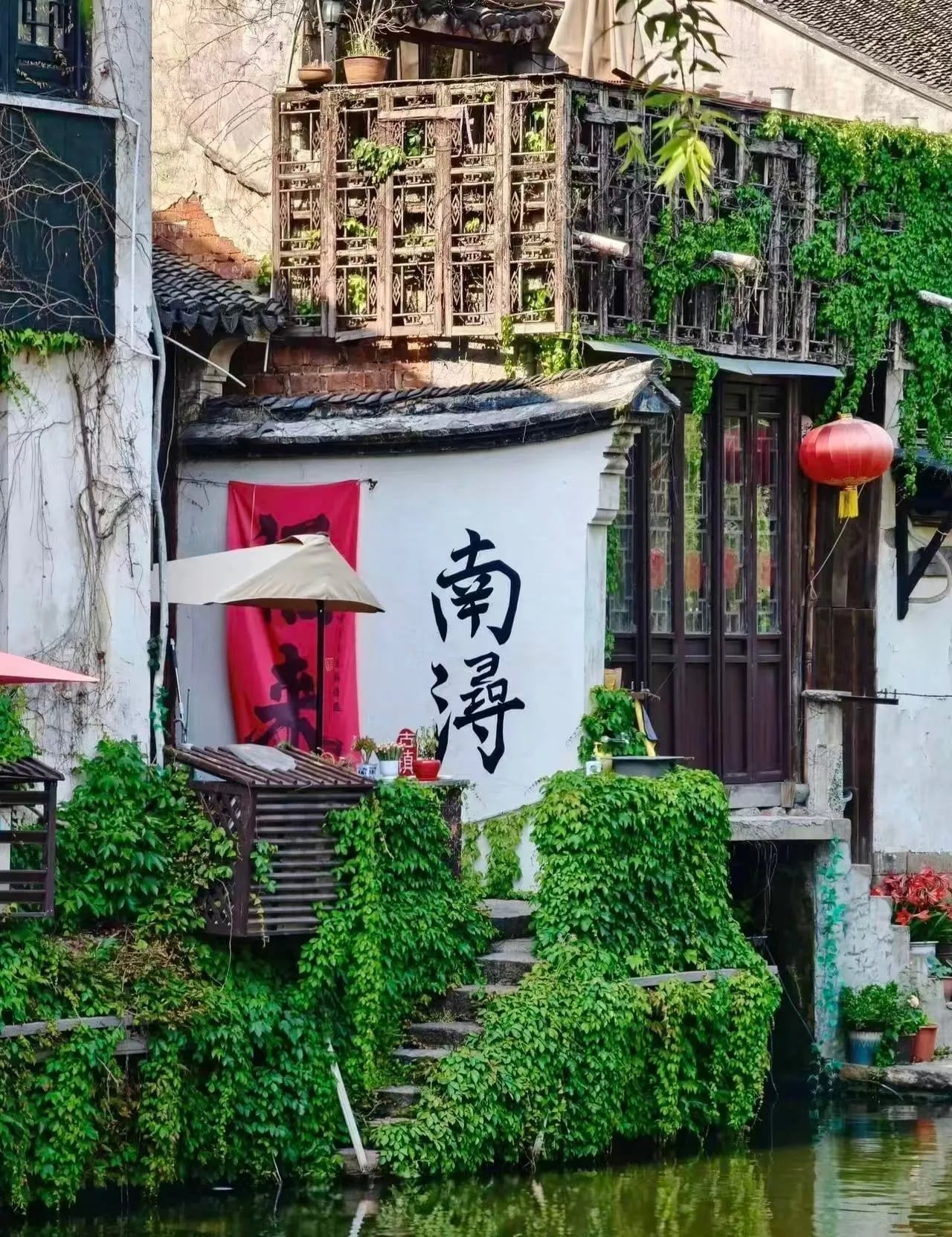
Choose a gentle sequence: start with a Baijianlou waterfront walk, then allow time for the attractions that interest you most. Xiaolianzhuang, also called the Little Lotus Garden, and the Jiayetang Library make a useful cultural pairing. Zhang Shiming’s Former Residence and Liu’s Tihao, often called the Red House, add contrasting architectural details.
Do not plan to race through every interior. A garden, one residence and time beside the water can be more rewarding than a long list of entrances. Lotus scenery is seasonal, so visit Xiaolianzhuang for its garden setting without expecting summer flowers throughout the year.
The important budget distinction is between the public town streets and individual attractions. The streets are open without a general admission charge, while selected historic buildings have separate ticket arrangements. Check the current inclusions for any pass or accommodation offer; “free town entry” does not mean every interior, boat or experience is free.
If a water bus or sightseeing boat fits the day, confirm the route, boarding point and fare locally. Leave some flexible time for the canal around Tongjin Bridge towards the end of your walk, rather than promising yourself a particular sunset or an empty viewpoint.
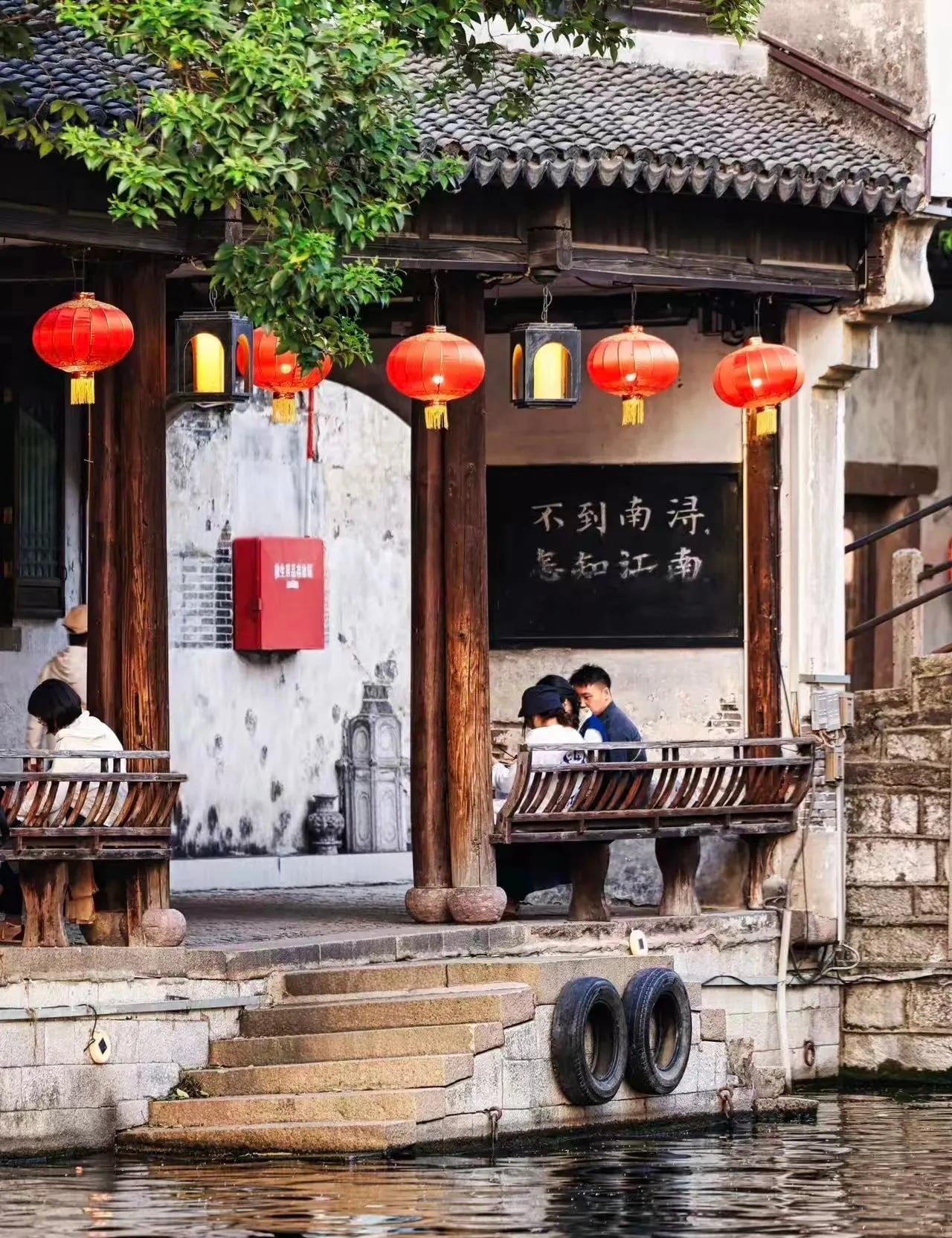
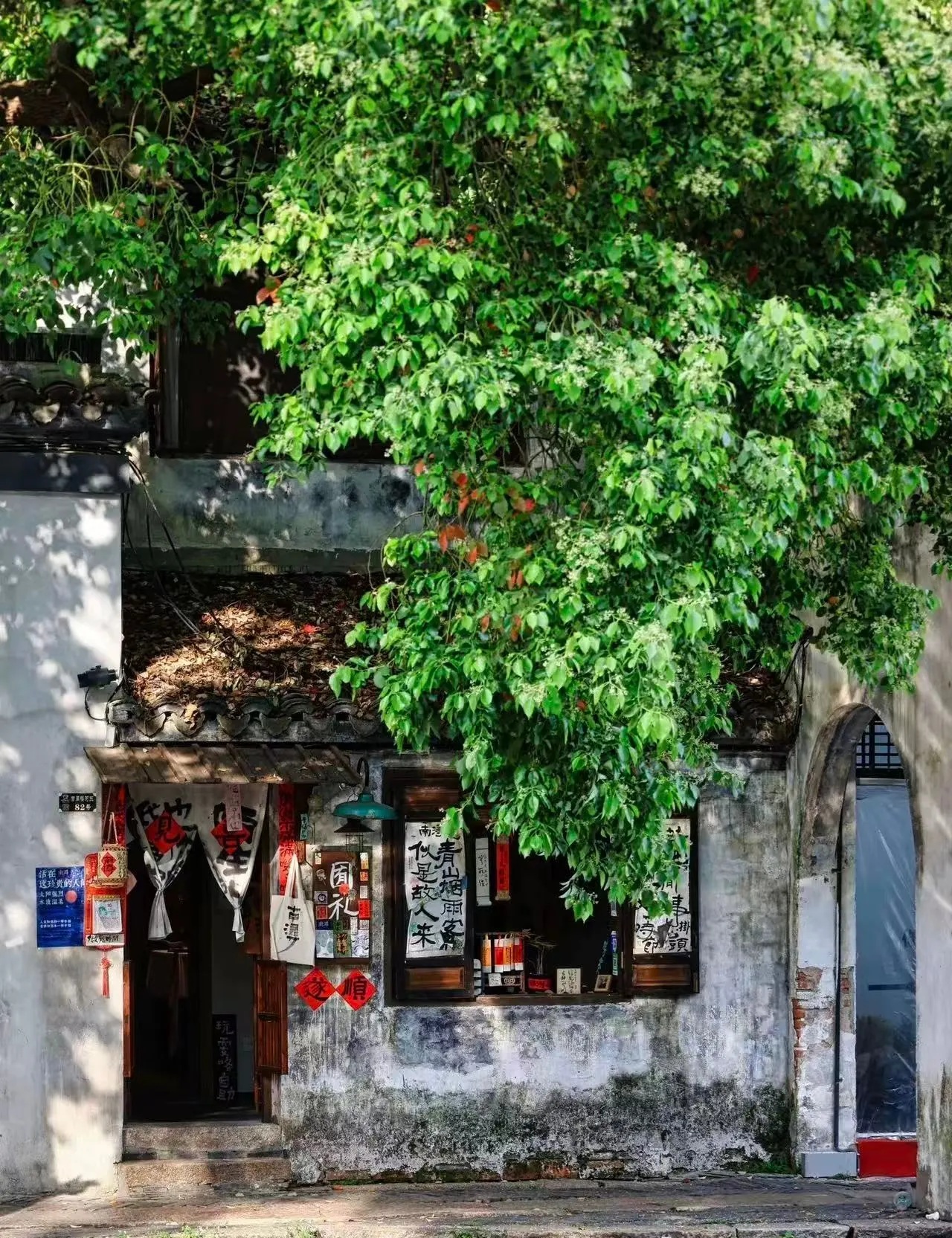
Xitang’s covered waterfront corridors are its most distinctive walking spaces. Timber supports and tiled roofs shelter the route between shops and the canal, framing a succession of doors, boats and reflections. The Misty Rain Corridor, or Yanyu Changlang, is a good focus for a visit even when there is no rain.
Begin around West Street, explore Shipi Lane when it is open and not congested, and consider Ni Tianzeng’s Ancestral Residence for a cultural stop. Then give the covered waterfront more time. Songzi Laifeng Bridge and Yongning Bridge are landmarks to locate on the official visitor map, rather than reasons to hurry across the town.

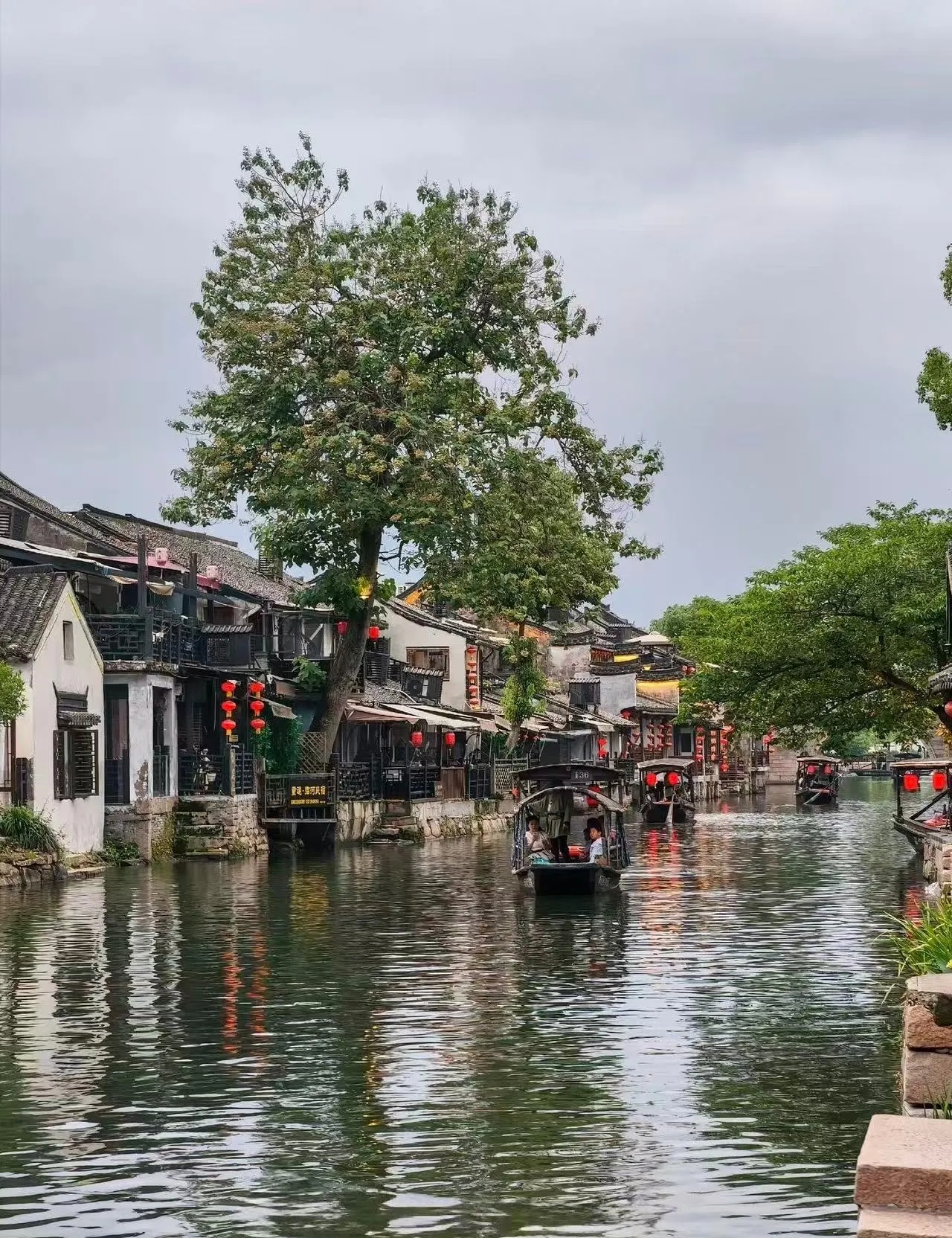
A boat ride can change the viewing angle, but it is optional. Ask about the route, capacity, price and operating conditions before joining a queue. At dusk, allow time to find a permitted waterfront position without blocking a bridge or shop entrance.
Tangdong Street is associated with bars and evening activity. Stay for that atmosphere if it suits you, or choose quieter lanes for the last part of the walk. For an overnight visit, ask a hotel about music and street noise as well as whether its entrance is within the ticketed area.
Check the current official ticket policy before travelling. Reported free-entry hours and temporary night promotions can change, and public access does not necessarily include small attractions. Plan around the places you want to visit rather than an unverified way to avoid the entrance charge.
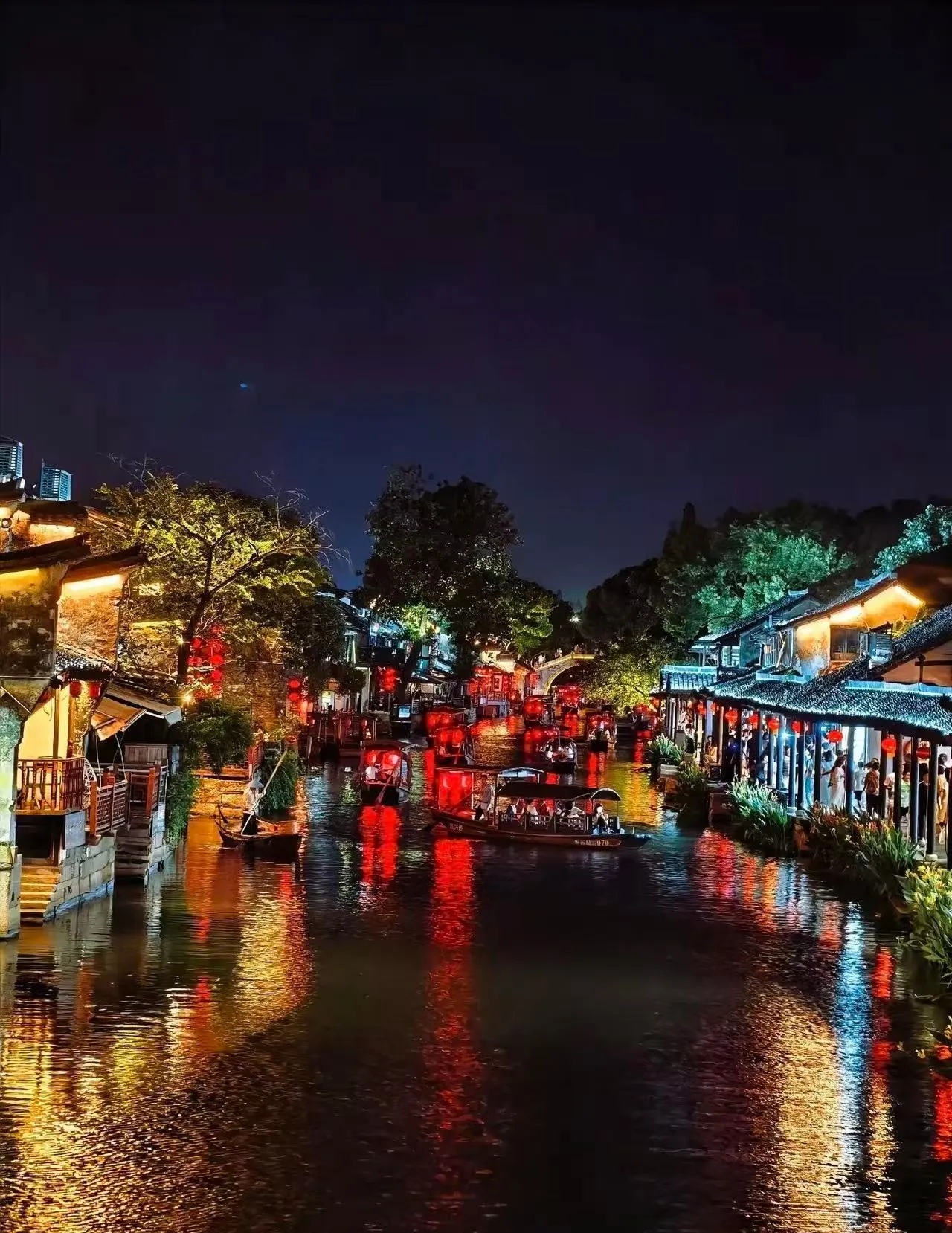
Wuzhen’s two main visitor areas are Dongzha, the East Scenic Area, and Xizha, the West Scenic Area. For a single day centred on cultural stops and evening scenery, make Xizha the main visit. Adding Dongzha is a separate decision with its own time and ticket implications.
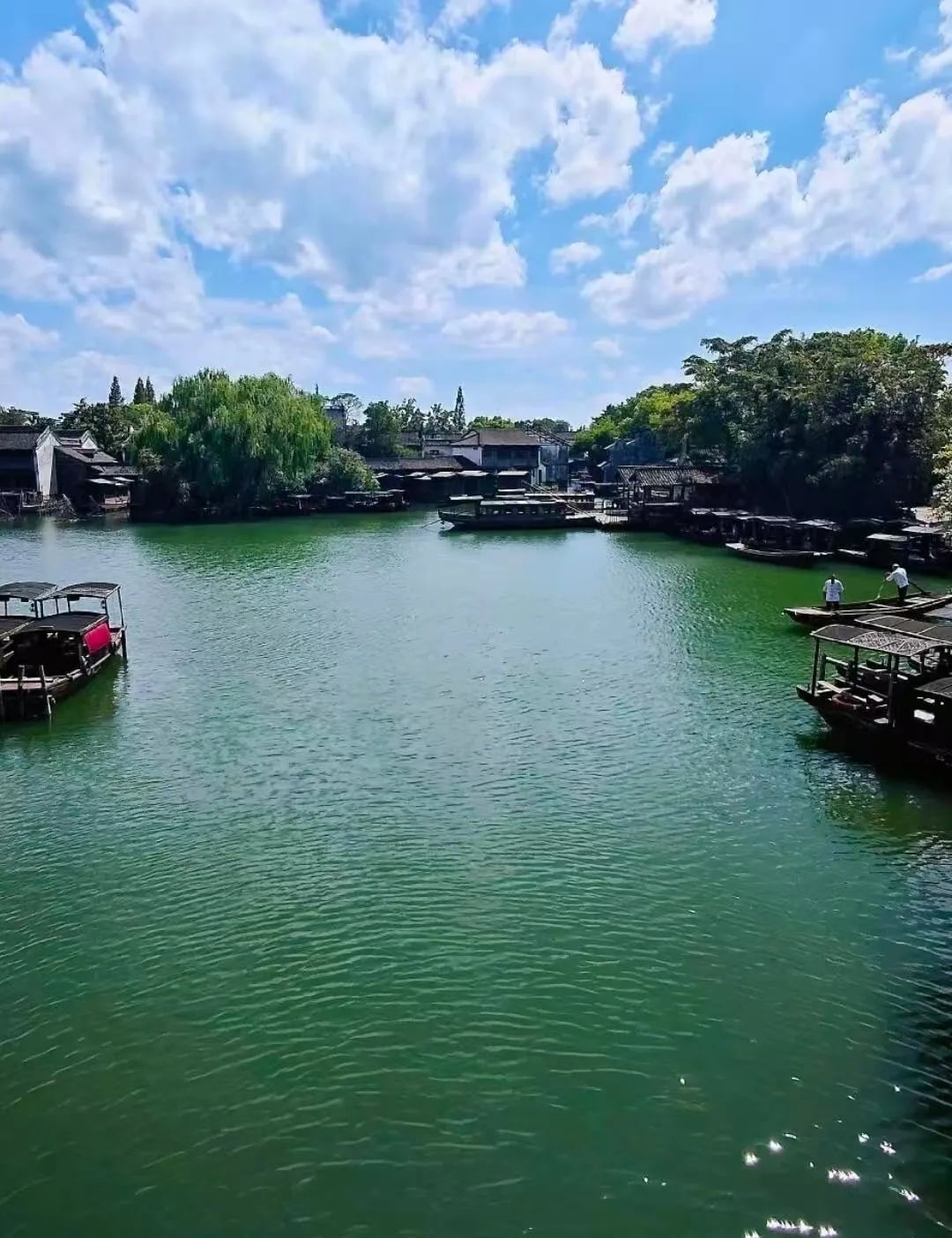
The Wuzhen Grand Theatre and Mu Xin Art Museum introduce a contemporary architectural contrast to the traditional townscape. If the museum is a priority, check its opening calendar and separate admission before setting the rest of the day. An evening scenic-area visit does not mean museum interiors will still be open.
Within Xizha, build a walk around the Caomu Bense Dye Workshop, Zhaoming Academy and the old post office. The dye workshop’s hanging cloths offer texture and colour, while the other stops give the day a literary and everyday-life thread. Leave time to browse instead of treating each place as a quick photograph.
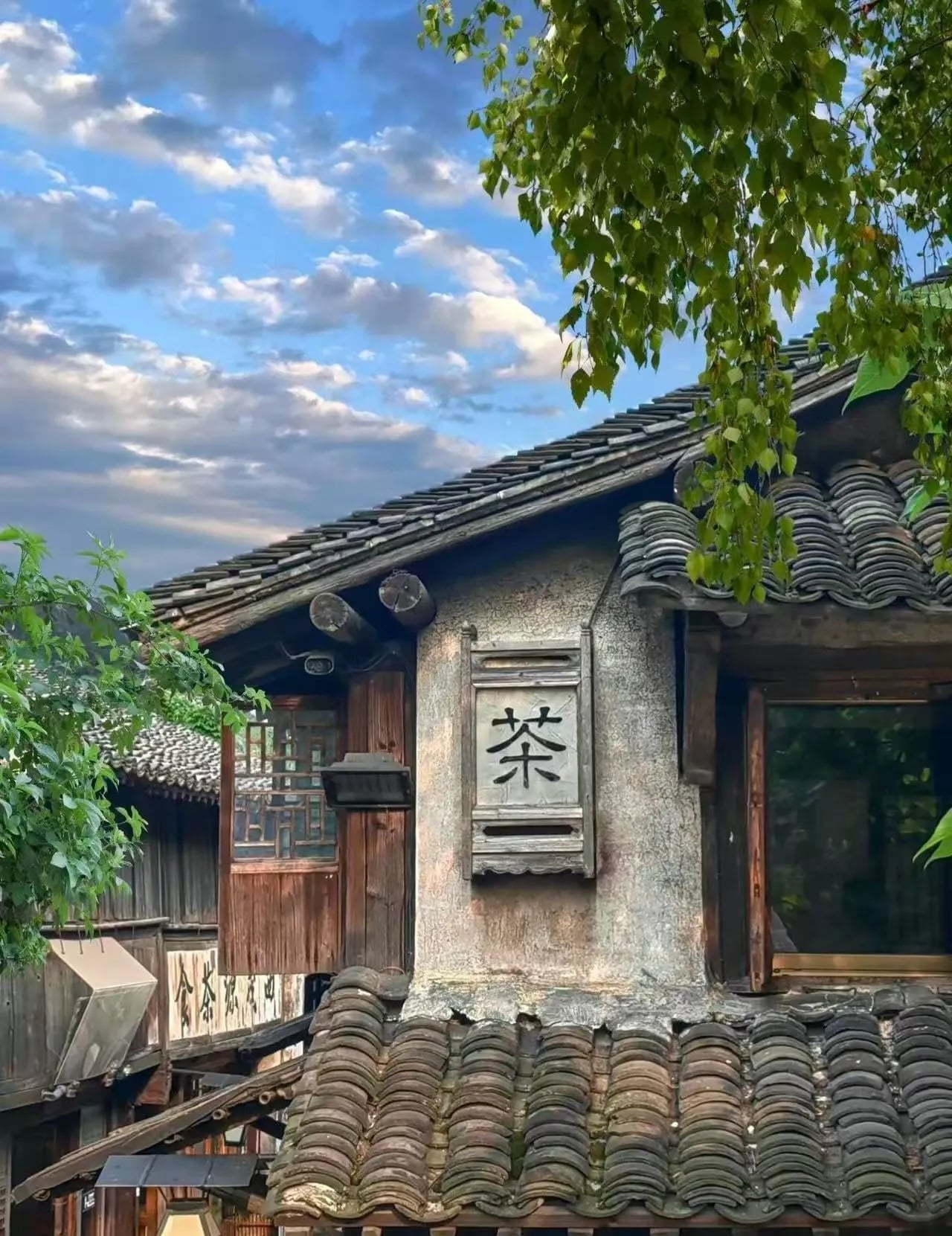
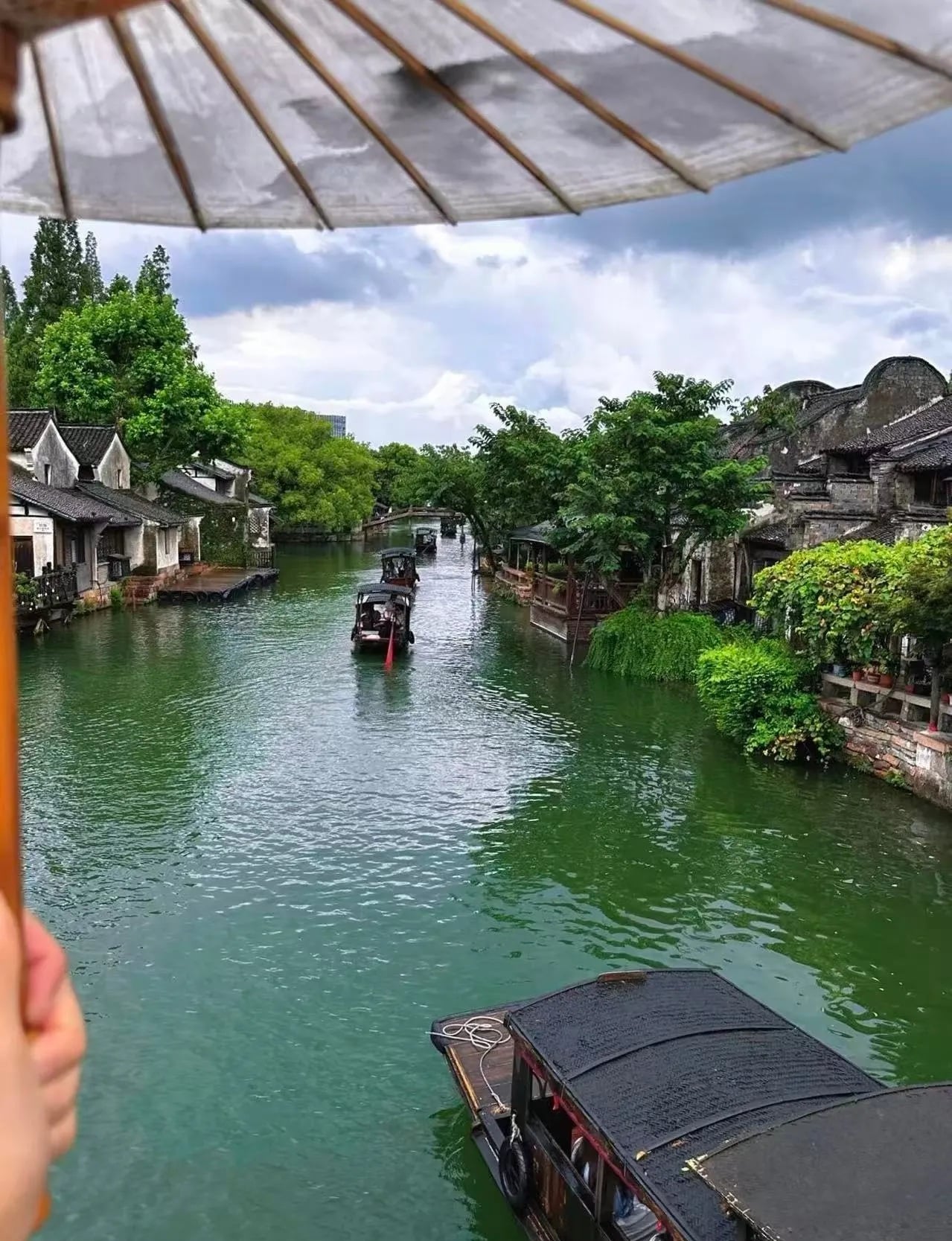
As daylight fades, move towards the canals and the area around Bailian Pagoda. A boat ride is one option; watching boats from a public path is another. Follow the visitor map and the day’s access signs, and check whether any tower or interior you want to enter is actually open.
Wuzhen is known for its theatre festival, but a theatre building, festival performance and regular scenic-area activity are different things. Book a particular show only after checking the official programme. The same applies to water-stage performances: include one if it is scheduled, rather than expecting a nightly event.

If architecture and a flexible budget come first, start with Nanxun and select a few paid interiors. If the pleasure is in lanes, sheltered canal walks and an active evening, consider Xitang. If you want cultural venues followed by a carefully planned night view, give Wuzhen’s Xizha a full day and evening.
For two available days, choose between spending a night in one town and visiting a second town. An overnight stay can make the evening less hurried, but the next morning will still depend on access rules and the location of your accommodation. Compare transfer time and luggage arrangements before adding another stop.
Buy the ticket that matches your actual plan. Wuzhen’s Dongzha and Xizha options, museum admission, boat trips and performances should be checked separately. In Nanxun, budget for the historic buildings you wish to enter. For Xitang, confirm the current scenic-area rules rather than relying on a past visitor’s entry time.
Use a current journey planner from your accommodation to the chosen visitor entrance. A railway station named for the wider city is not the same as arrival at the water town. Allow for the last transfer, parking or luggage storage, and check the return connection before staying for the lights.
Major events can affect ticket channels, hotel availability and access, particularly in Wuzhen. Check the official notices for your travel dates before making non-refundable arrangements. Seasonal exhibitions and festival decorations may also differ from those shown in older photographs.
Wear shoes suitable for stone paving and bridge steps, keep clear of slippery waterside edges and ask about access if travelling with a pushchair or limited mobility. Photograph natural street signs and working shopfronts respectfully, without entering private steps or doorways.
The best choice is the town that gives you time for what you enjoy: a garden and an old house, a corridor walk and an evening out, or art and canal reflections. Leave enough space in the day to notice the water between the landmarks.